







High CTI ≥600V PCB Materials: Key Benefits and Selection Guide
Ensuring long-term reliability and performance in high-voltage environments is a critical challenge in PCB manufacturing. As electronic devices advance, the materials that make up their circuits must meet higher standards of safety and durability. High CTI ≥600V materials have become essential, providing superior resistance to electrical tracking and preventing failures in demanding conditions. This article delves into why these materials are vital for modern PCBs and how choosing the right one can significantly enhance both performance and safety.
What Are High CTI ≥600V Materials in PCB Manufacturing?
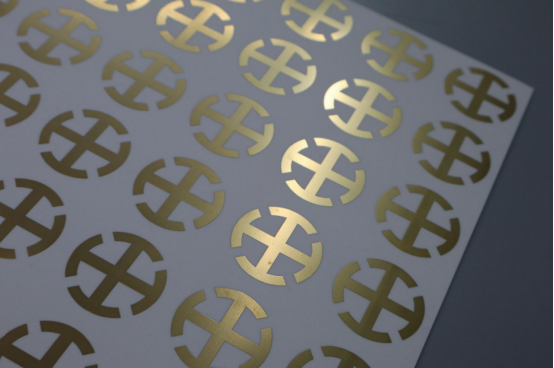
High CTI ≥600V materials in PCB manufacturing refer to materials used in the production of printed circuit boards (PCBs) that can withstand electrical stresses of 600V or more without breaking down or allowing electrical tracking to occur. CTI stands for Comparative Tracking Index, a measure of a material's resistance to electrical tracking—the gradual breakdown of insulating material when exposed to electrical stress and environmental factors like moisture. Materials with a CTI ≥600V can operate safely in high-voltage environments, making them essential for industries like automotive, aerospace, and telecommunications.
For example, polyimide and ceramic materials are commonly used as high CTI materials because of their ability to handle high voltages and resist electrical tracking over time.
Why CTI Matters in PCBs
The Comparative Tracking Index (CTI) is a critical factor in determining the reliability and safety of PCB materials, especially in high-voltage applications. CTI measures a material’s ability to resist electrical tracking, a phenomenon where electrical currents begin to travel along the surface of an insulating material, causing it to degrade. When the material's surface fails due to tracking, it can lead to short circuits, equipment failure, or even fires.
In PCBs, especially those used in power electronics, high CTI materials ensure that the board can handle the electrical stresses of high-voltage components without failure. If the CTI value of the PCB material is low, the risk of tracking increases, leading to potential failure of the entire circuit board. For example, in high-power applications such as electric vehicles (EVs), medical devices, or industrial machinery, using high CTI materials minimizes the risk of electrical failures and improves the overall safety and reliability of the product.
Key Characteristics of High CTI ≥600V Materials
High CTI ≥600V materials are chosen for their unique properties that make them ideal for handling high-voltage conditions while preventing electrical failure. The main characteristics of these materials include:
Insulation Properties
High CTI materials provide excellent electrical insulation, preventing the flow of unwanted electrical currents. This ensures that current flows only through designated paths, reducing the risk of short circuits or electrical leakage. For example, materials like FR4 and PTFE offer superior insulation, maintaining the integrity of electrical signals even in high-voltage circuits. Polyimide, often used in flexible PCBs, also offers strong insulation properties, especially in high-temperature environments.
Resistance to Tracking
The core advantage of high CTI materials is their ability to resist electrical tracking, which occurs when moisture or contaminants cause the electrical current to follow unintended paths along the surface of the PCB material. Materials with a CTI ≥600V are designed to resist this phenomenon, ensuring that the insulating layer does not break down. For example, ceramic PCBs have a naturally high CTI and resist tracking even in extreme environments, making them ideal for high-voltage, high-frequency applications like power amplifiers and RF circuits.
Durability in High-Voltage Environments
High CTI ≥600V materials are built to withstand the stresses of high-voltage environments without degrading over time. They maintain their electrical properties even under fluctuating voltage, humidity, and temperature conditions. Polyimide is particularly durable in extreme conditions, offering resistance to both high voltage and temperature, making it a preferred choice for flexible and rigid-flex PCBs used in automotive electronics. Similarly, Rogers materials, like the RO4000 series, are known for their durability and performance in high-frequency, high-voltage applications.
Why Are High CTI ≥600V Materials Important for PCB Manufacturing?
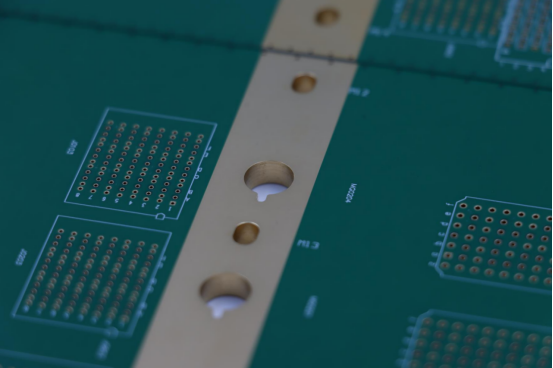
High CTI ≥600V materials are essential in PCB manufacturing because they ensure the safety, reliability, and longevity of circuit boards in high-voltage applications. These materials help prevent electrical tracking, which can lead to circuit failures, while also providing durability against environmental stressors like moisture and temperature. Moreover, they are crucial for meeting industry standards, ensuring that PCBs can safely operate in critical sectors like automotive, aerospace, and medical electronics.
Enhanced Safety in High-Voltage Environments
High CTI ≥600V materials play a critical role in preventing electrical tracking and failure in high-voltage PCB applications. Electrical tracking happens when electrical currents find unintended paths across a material’s surface, leading to insulation breakdown. This can result in short circuits, electrical fires, or device malfunction. High CTI materials, with their ability to resist tracking, ensure that the PCB stays operational, even under extreme conditions.
For example, polyimide and ceramic PCBs are known for their superior CTI properties, which help them perform safely in high-voltage environments, such as in electric vehicles (EVs) or high-power industrial equipment. By reducing the risk of electrical tracking, these materials help prevent catastrophic failures that could jeopardize both equipment and user safety. As a result, high CTI ≥600V materials are crucial in industries where electrical safety is paramount, such as aerospace, medical devices, and automotive applications.
Improved Longevity and Reliability
High CTI ≥600V materials contribute significantly to the longevity and reliability of PCBs by minimizing the degradation that can result from environmental factors like moisture, temperature fluctuations, and exposure to chemicals. These materials are specially designed to maintain their electrical properties over time, ensuring that the PCB continues to perform reliably for its intended lifespan.
For example, polyimide is highly resistant to heat and moisture, which means it will not break down easily even in harsh environments like automotive electronics or power distribution systems. In industrial machinery, where extreme temperatures and humidity are common, high CTI materials like ceramic PCBs resist degradation, ensuring stable performance. This durability translates into fewer failures, reduced downtime, and lower maintenance costs over time, making high CTI materials a smart investment for long-term applications.
In contrast, low CTI materials can break down more quickly in such environments, leading to a higher risk of electrical failure and a shorter product lifespan.
Compliance with Industry Standards
Meeting industry regulations and safety standards is a key reason why high CTI ≥600V materials are essential in PCB manufacturing. Many industries, such as automotive, aerospace, and medical electronics, require PCBs that can handle high-voltage applications while ensuring safety and compliance with relevant standards. High CTI materials help meet these rigorous requirements by providing the necessary electrical insulation and resistance to tracking.
For instance, in the automotive industry, PCBs in electric vehicles (EVs) must be able to handle the high-voltage systems used for battery management and power distribution. These PCBs need to meet ISO 26262 and IEC 61508 standards, which demand high-performance materials capable of withstanding extreme electrical conditions. Polyimide and ceramic materials, with their high CTI ratings, fulfill these safety and regulatory requirements by preventing tracking and electrical breakdown, even in harsh driving conditions.
Similarly, in medical electronics, where equipment must comply with standards like IEC 60601, high CTI materials ensure that devices like pacemakers, ventilators, and diagnostic equipment are safe to use around patients and can perform reliably over time. By meeting these standards, high CTI materials help manufacturers avoid legal liabilities and enhance the trust of end users.
How Do High CTI ≥600V Materials Benefit PCB Performance?
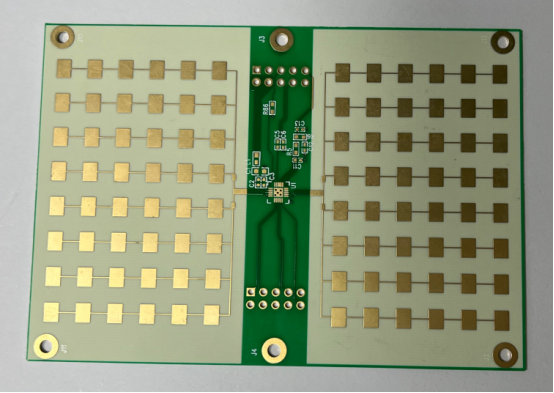
High CTI ≥600V materials provide several key benefits that significantly enhance PCB performance. These materials improve electrical insulation, reduce the risk of circuit failure, and ensure signal integrity in high-voltage, high-frequency applications. By preventing electrical tracking and maintaining stable electrical properties, high CTI materials help PCBs operate reliably and safely in even the most demanding environments.
Superior Electrical Insulation
High CTI ≥600V materials play a vital role in providing superior electrical insulation in PCBs, which is essential for preventing unintended current flow between conductive pathways. In complex circuits, multiple components are packed closely together, and any failure in the insulation could cause a short circuit or other electrical failures. High CTI materials, such as polyimide and ceramic materials, offer excellent insulation properties that keep electrical signals confined to their designated paths, preventing dangerous cross-conductivity.
For example, in high-voltage power distribution systems, polyimide films provide a strong insulating barrier that protects the PCB from accidental short circuits caused by electrical breakdown. By maintaining consistent insulation, high CTI materials ensure that the circuit continues to function without risk of failure, even under extreme conditions.
Reduced Risk of Circuit Failure
One of the primary benefits of high CTI ≥600V materials is their ability to reduce the risk of circuit failure, particularly in high-stress environments. Electrical tracking occurs when moisture, dust, or contaminants cause a breakdown in the insulating material, allowing current to flow along the surface. This can lead to short circuits or even complete failure of the PCB. High CTI materials are designed to resist this phenomenon, offering enhanced durability and protection.
For example, in the automotive industry, high-voltage systems in electric vehicles (EVs) depend on PCBs that can resist electrical tracking and maintain performance under extreme conditions. Ceramic PCBs, with their high CTI values, ensure that electrical signals are not disrupted by external factors like moisture or temperature changes. This helps maintain circuit reliability, reducing the likelihood of failures and extending the lifespan of the PCB.
Improved Signal Integrity
High CTI ≥600V materials also contribute to improved signal integrity, especially in high-frequency, high-voltage applications. Signal integrity refers to the quality of the electrical signal as it travels through the PCB, and it can be compromised by noise, interference, or signal degradation. Materials with a high CTI rating help maintain the stability of electrical properties, ensuring that the signal remains strong and clear, even in demanding environments.
For instance, in radio-frequency (RF) and telecommunication applications, high CTI materials like PTFE (Teflon) provide excellent electrical stability. PTFE’s high dielectric strength and resistance to electrical tracking make it ideal for maintaining signal quality in high-speed circuits, where even minor disruptions can lead to performance issues. By using high CTI materials, manufacturers can ensure that their PCBs deliver reliable, interference-free signals, which is critical for applications like 5G networks and high-performance computing.
What Are the Most Common High CTI ≥600V Materials Used in PCBs?
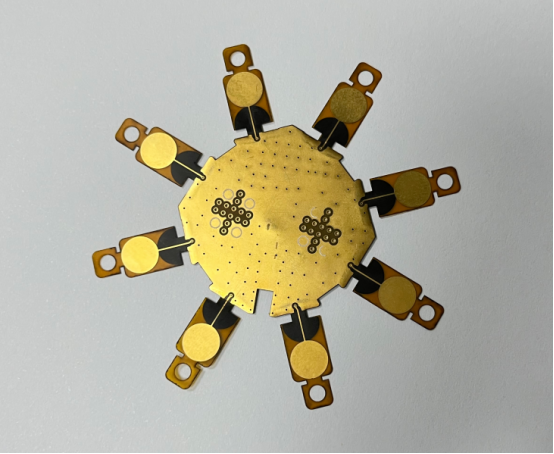
Common materials used in PCB manufacturing include modified FR4, polyimide, PTFE (Teflon), ceramic PCBs, and Rogers materials. Each material offers unique benefits tailored to specific application needs, from high-frequency circuits to high-power electronics.
FR4 (High-Grade)
Modified FR4 with higher CTI values:
Standard FR4 is one of the most commonly used materials in PCB manufacturing. However, in high-voltage applications, modified FR4 is used to achieve higher CTI values, usually by enhancing the resin system or using a special glass weave. These modifications allow FR4 to withstand higher voltage without the risk of electrical tracking.
Advantages and limitations in high-voltage applications:
Advantages: Modified FR4 provides a balance between performance and cost, making it a popular choice in applications where high CTI is required but cost is also a factor. It offers good insulation properties, reasonable heat resistance, and mechanical strength.
Limitations: Despite the improvements, FR4 still doesn’t perform as well as materials like polyimide or ceramic under extreme high-voltage conditions. Over time, FR4 might degrade in humid or harsh environments, especially if not properly treated, which limits its use in some high-stress applications.
Polyimide (PI)
High dielectric strength and resistance to environmental stress:
Polyimide (PI) is a high-performance polymer with a high dielectric strength, making it ideal for applications requiring high insulation and resistance to electrical breakdown. PI also offers exceptional resistance to extreme temperatures, moisture, and chemical stress, which makes it a perfect material for harsh environments.
Typical applications in flexible PCBs :
Polyimide’s unique properties, especially its ability to bend without losing electrical integrity, make it a favorite in flexible PCBs. For example, in wearable electronics or flexible displays, polyimide PCBs provide reliable performance despite frequent bending or exposure to varying environmental conditions. This is why PI is often used in automotive, medical, and aerospace applications, where flexible, high-performance electronics are crucial.
PTFE (Teflon)
Exceptional high-frequency and high-voltage resistance:
PTFE (Teflon) is known for its remarkable high-frequency and high-voltage resistance. This material not only offers very high dielectric strength but also maintains stable electrical performance in high-frequency circuits, making it ideal for applications that require both high voltage and high-speed signals. PTFE's low dielectric loss allows it to handle signals with minimal interference, which is critical in high-performance electronics.
Use cases in high-performance electronics and RF applications:
PTFE is commonly used in high-performance RF (radio frequency) circuits, telecommunications, and 5G networks, where reliable signal transmission is essential. For example, PTFE-based PCBs are used in satellite communications, where maintaining signal quality at high frequencies is critical. PTFE's resistance to high voltage makes it suitable for power electronics that need to handle high electrical stresses while maintaining signal clarity.
Ceramic PCBs
Very high CTI values and heat resistance:
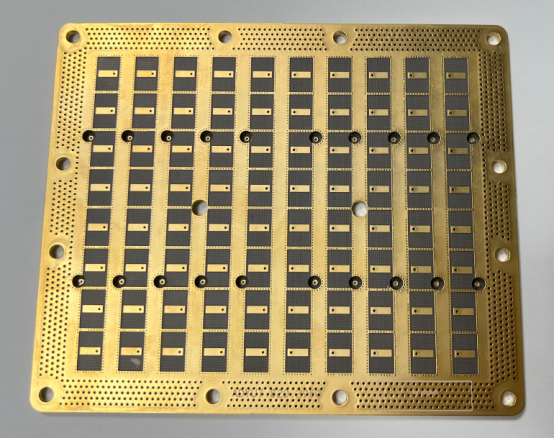
Ceramic PCBs have very high CTI values, often exceeding 600V, and offer superior heat resistance. Ceramics like alumina or beryllium oxide are capable of withstanding high electrical stresses while also managing high temperatures. This makes ceramic PCBs an excellent choice for high-power electronics that must endure both heat and voltage extremes.
Advantages for high-temperature and high-voltage environments:
Ceramic materials are commonly used in high-temperature and high-voltage applications like power electronics in electric vehicles (EVs), medical equipment, and aerospace technologies. For example, ceramic PCBs are used in power converters and inverters where both high heat and high voltage are present. They also offer superior thermal conductivity, which is essential for preventing overheating in critical systems.
Rogers Materials (e.g., RO4000 Series)
Benefits for RF and high-power electronics:
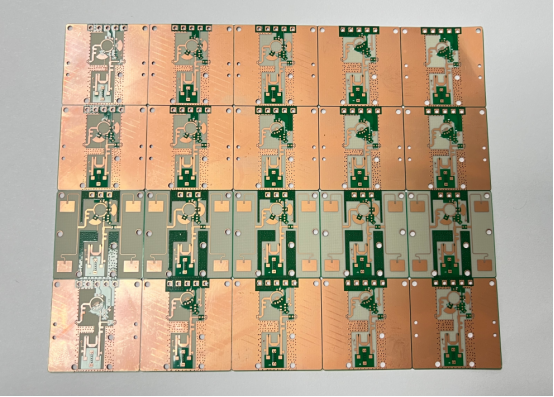
Rogers materials , especially the RO4000 Series, are widely used in high-frequency and high-power electronics. These materials are engineered to offer exceptional signal integrity, low loss, and high durability under electrical stress. The RO4000 Series has been designed to maintain stable electrical properties even in the most demanding conditions, such as high-frequency communications or power distribution systems.
High durability under voltage stress:
Rogers materials are highly durable when subjected to voltage stress, making them ideal for applications in which long-term performance is required. RO4000 materials are commonly found in RF circuits, high-power amplifiers, and signal transmission systems, where high CTI properties and resistance to tracking are crucial. For example, RO4000 PCBs are used in satellite communication systems and telecommunication infrastructure, where consistent signal transmission and reliable operation are critical.
Comparison Table: Common High CTI ≥600V PCB Materials
| Material | Key Properties | Typical Applications | Advantages | Limitations |
| FR4 (Modified) | Moderate CTI, cost-effective, good insulation | General electronic devices, consumer electronics | Cost-effective, good mechanical strength | Limited performance in extreme conditions |
| Polyimide (PI) | High dielectric strength, heat and moisture resistance | Flexible PCBs, automotive, aerospace, medical | Flexible, high heat and chemical resistance | More expensive than FR4 |
| PTFE (Teflon) | Exceptional high-frequency and voltage resistance | RF applications, telecommunications, satellite systems | Excellent signal integrity, high dielectric strength | High cost, difficult to process |
| Ceramic PCBs | Very high CTI, superior heat resistance | Power electronics, electric vehicles, medical devices | Superior heat and voltage resistance | Expensive, brittle |
| Rogers Materials (RO4000) | High durability, low loss, excellent RF performance | RF circuits, high-power electronics, signal transmission systems | High durability under electrical stress, excellent signal integrity | Expensive, specialized manufacturing |
What Are the Key Challenges in Using High CTI ≥600V Materials in PCBs?
Using high CTI ≥600V materials in PCB manufacturing comes with several challenges that can impact both cost and production efficiency. These challenges include the higher cost of advanced materials, the complexity in processing them, and difficulties in securing materials due to their limited availability. Understanding these challenges is essential for manufacturers to ensure smooth production and timely delivery of high-voltage PCBs.
Cost Considerations
One of the key challenges when using high CTI ≥600V materials in PCB manufacturing is the higher cost associated with advanced materials such as polyimide and PTFE. These materials are designed to offer superior performance in high-voltage, high-temperature, and high-frequency environments. However, their specialized properties come at a premium price compared to more common materials like standard FR4.
For instance, polyimide is widely recognized for its flexibility, heat resistance, and high dielectric strength, but it is significantly more expensive than regular FR4. Similarly, PTFE (Teflon) offers exceptional performance in RF circuits and high-frequency applications, but its high cost makes it less accessible for budget-conscious projects. While the enhanced performance of these materials justifies their price in critical applications, the higher initial investment may be a limiting factor for some companies.
Manufacturing Complexity
Processing high-CTI materials can also be more complex compared to standard PCB materials. Layer bonding and adhesion issues often arise when working with polyimide, PTFE, or ceramic-based materials due to their unique physical properties. These materials may require specialized techniques or equipment for processing, such as higher curing temperatures, specific adhesives, or more advanced drilling methods.
For example, polyimide films often require careful handling during the lamination process to prevent defects such as delamination or poor adhesion between layers. Similarly, ceramic PCBs are more brittle than traditional materials, which can increase the likelihood of cracking or chipping during the manufacturing process. These challenges require manufacturers to have highly skilled operators, advanced equipment, and sometimes longer lead times, which can add to the overall cost and complexity of production.
Material Availability
Another major challenge is the availability of specific high CTI (≥600V) materials. Materials like modified FR4, polyimide, PTFE, and ceramic are not produced as widely as standard FR4, making them harder to source for niche applications. These materials are often in limited supply, and acquiring them may require longer lead times, especially in urgent situations.
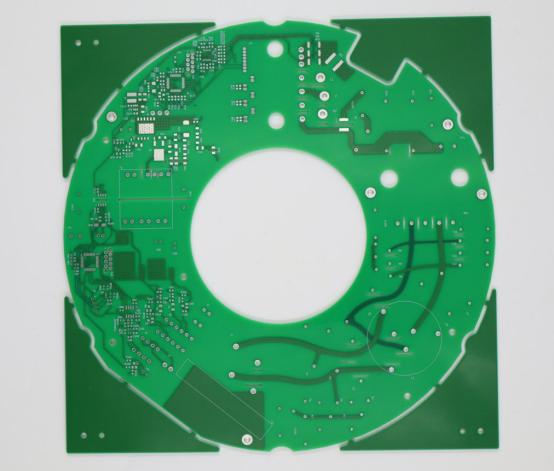
For example, in December 2025, PCBMASTER encountered a similar issue when a Dutch company placed an urgent order for CTI ≥600V FR-4 PCBs. Due to material shortages, many other manufacturers were unable to fulfill the order. However, PCBMASTER, thanks to its strong supplier network and long-established relationships with key suppliers, was able to secure the necessary materials and complete the order on time. This case highlights that for most PCB manufacturers, high CTI (≥600V) materials are indeed a scarce resource.
How to Choose the Right High CTI ≥600V Material for Your PCB?
Choosing the right high CTI ≥600V material for your PCB is crucial to ensuring optimal performance, reliability, and safety in high-voltage applications. Factors like application requirements, material compatibility, environmental conditions, and cost versus performance all play a role in determining the best material for your specific needs.
Understanding Application Requirements
When choosing the right high CTI ≥600V material for your PCB, it’s important to first understand the specific requirements of your application. Key considerations include:
- Voltage Levels: Determine the maximum voltage that the PCB will need to handle. For high-voltage applications, materials like polyimide and PTFE are often preferred because of their high dielectric strength and ability to withstand extreme voltages without electrical tracking or failure.
- Temperature Stability: The material should be able to handle the operating temperature range of the application. Materials like polyimide are known for their thermal stability, making them ideal for high-temperature environments. If the application involves exposure to extreme heat, ceramic PCBs are another strong choice due to their excellent heat resistance.
- Mechanical Properties: Consider the mechanical stress the PCB will experience. For flexible PCBs or applications requiring frequent bending, polyimide is ideal because it combines flexibility with high CTI properties. Rigid applications might benefit from ceramic or modified FR4 materials, which offer stronger mechanical properties and stability.
Material Compatibility with Other Components
Ensuring that the high CTI material integrates well with other components like resistors, capacitors, and ICs is essential for optimal PCB performance. Here are key factors to keep in mind:
- Thermal Expansion Matching: Materials with a high CTI should match the thermal expansion rate of the other components to prevent issues such as delamination or stress fractures. For example, ceramic PCBs are highly durable and offer excellent thermal conductivity, making them compatible with high-performance components in power electronics.
- Adhesion and Bonding: Materials like polyimide may require special adhesives for bonding with other components, as their surface may be more difficult to bond to compared to standard materials. Ensuring good adhesion between layers and components is crucial to maintain PCB reliability in high-voltage conditions.
- Signal Integrity: Materials that can maintain signal integrity without interference or loss are crucial in high-frequency applications. PTFE (Teflon) is commonly used in RF circuits due to its low dielectric loss, which helps maintain clear, high-speed signals without degrading over time.
Environmental Factors to Consider
Environmental factors, such as moisture, chemicals, and temperature, can have a significant impact on the performance of high CTI materials. Choosing a material that can withstand these factors is critical to ensure long-term performance. Here are the key environmental considerations:
- Moisture Resistance: Moisture can cause electrical tracking and degrade the performance of the PCB. Materials like polyimide and ceramic PCBs offer excellent moisture resistance, making them ideal for applications exposed to humidity, such as in automotive or medical electronics.
- Chemical Exposure: If the PCB will be exposed to harsh chemicals, you need a material that won’t degrade or react. Polyimide and PTFE are resistant to a wide range of chemicals, ensuring the PCB remains functional in chemically aggressive environments like industrial machinery or aerospace applications.
- Temperature Extremes: High temperatures can cause material degradation. Ceramic materials and polyimide perform exceptionally well under high temperatures, while modified FR4 may degrade more quickly in extreme conditions. Polyimide, with its high thermal stability, is an excellent choice for environments with fluctuating or extreme temperatures.
Cost vs. Performance
Balancing cost with performance is a key challenge when selecting high CTI materials. Here’s how to approach this balance:
- High-Performance Materials: Advanced materials like polyimide and PTFE offer excellent performance in high-voltage, high-frequency applications, but they come at a higher cost. These materials are often used in critical applications where performance and reliability outweigh cost concerns, such as in aerospace, military, and medical devices.
- Cost-Effective Alternatives: If budget is a concern, modified FR4 can offer a more cost-effective solution while still meeting high CTI requirements for less demanding applications. It’s suitable for general electronics where cost is a significant factor, but extreme voltage, temperature, or environmental conditions are not a primary concern.
- Long-Term Value: When weighing cost against performance, consider the long-term value of the material. Polyimide or ceramic materials may have a higher upfront cost, but their durability and reliability in harsh environments can reduce long-term maintenance and replacement costs, offering better overall value in the long run.
How to Ensure the Best Performance from High CTI ≥600V PCB Materials?
To ensure the best performance from high CTI ≥600V materials in your PCBs, it's essential to focus on three key areas: thorough material testing, following design best practices, and protecting the PCB from environmental damage. By addressing these factors, you can maximize the reliability, safety, and longevity of your high-voltage PCBs, ensuring they perform optimally even in the most demanding conditions.
Proper Material Testing
To ensure that high CTI ≥600V materials perform as expected, it is crucial to conduct proper testing to verify their CTI values and ensure compliance with relevant standards. The Comparative Tracking Index (CTI) test is typically used to measure the material’s ability to withstand high-voltage conditions without electrical tracking or breakdown.
- Testing Methodology: The CTI test involves exposing the material to a specific voltage while applying a wetting agent (typically a conductive solution) between the surface of the material and two electrodes. The voltage level is gradually increased until electrical tracking occurs. The CTI value is then recorded, and materials are classified based on their performance at specific voltage thresholds.
- Standards Compliance: Materials must comply with standards like IEC 60112 or UL 746A, which outline the minimum CTI values for different applications. High CTI materials should exceed 600V to ensure they meet the requirements for high-voltage applications. Testing is essential to confirm that the material will perform reliably under real-world conditions and prevent issues like tracking or short circuits.
Real-World Example: For example, PCBMASTER might conduct rigorous CTI tests on polyimide and ceramic materials to verify their performance for a high-voltage power distribution system in an electric vehicle (EV). By testing the material's CTI, they ensure that the PCB will not fail under the high-voltage stress typical in EV applications.
Design Best Practices for High CTI PCBs
To get the best performance from high CTI materials, the PCB design itself plays a significant role. Proper layout and spacing are critical in preventing electrical tracking and ensuring long-term reliability.
- Optimizing Layout for High-Voltage PCBs: In high-voltage PCB designs, it is crucial to carefully plan the component layout and routing of traces. Keeping high-voltage traces as short as possible minimizes the risk of electrical breakdown. Additionally, routing high-voltage traces away from sensitive areas helps reduce the chance of interference or accidental tracking.
- Minimizing Tracking Paths: To prevent tracking paths, maximize the distance between high-voltage traces and surrounding components. A larger creepage distance (the shortest path along the surface between two conductive parts) helps reduce the risk of electrical tracking. Insulation barriers and coatings can also be used strategically to isolate high-voltage areas.
- Optimizing Insulation Spacing: Adequate spacing between traces, components, and pads is essential. Insulation spacing refers to the minimum distance required between high-voltage areas to prevent breakdown due to excessive electrical stress. It’s important to follow industry standards and design guidelines, such as those from IPC-2221, to ensure that the PCB maintains safe electrical isolation under high-voltage conditions.
Real-World Example: In a high-voltage power supply PCB for an industrial application, a designer might space high-voltage traces farther apart, use thicker insulation layers, and apply protective coatings to ensure the PCB remains safe and functional during long-term operation. These best practices help maintain the CTI performance of the material and prevent tracking-related failures.
Preventing Environmental Damage
Environmental factors such as moisture, temperature variations, and chemical exposure can degrade the performance of high CTI materials. Taking measures to protect the PCB from environmental damage is crucial to maintaining its performance.
- Moisture Sealing: Moisture is one of the most common contributors to electrical tracking and material degradation. High CTI materials, even those with superior resistance, can lose performance when exposed to moisture. Applying a moisture barrier or sealing coat helps protect the PCB from humidity and liquid exposure. This is especially important in outdoor applications or wet environments like marine electronics or agricultural machinery.
- Protective Coatings: To further safeguard high CTI materials, manufacturers often use protective coatings such as conformal coatings or encapsulation. These coatings form a protective layer around the PCB, shielding it from chemicals, dust, and moisture that can affect performance. Protective coatings also help maintain the integrity of the PCB under harsh environmental conditions, such as in automotive or aerospace applications.
- Long-Term Stability: When exposed to extreme temperatures, materials like polyimide and ceramic are more stable than FR4. However, additional protection is often required to keep these materials performing optimally in high-temperature environments. Using materials with inherent thermal stability and coating them for additional protection can prevent performance degradation over time.
Real-World Example: In military applications, where PCBs are exposed to extreme conditions, a polyimide PCB might be coated with a conformal coating to protect it from moisture and dust. This ensures that the high CTI properties are maintained, even under challenging environments, allowing the equipment to function without failure.
Conclusion
High CTI ≥600V materials are essential for reliable, long-lasting PCBs in high-voltage applications. They prevent electrical tracking, offer superior insulation, and withstand harsh environments, ensuring safety and durability.
When selecting materials, consider the specific needs of your application, including voltage, temperature, and mechanical stress. Whether using polyimide for heat resistance or ceramic for high voltage, choosing the right material is crucial for performance. High CTI materials are especially valuable in industries like automotive, aerospace, and medical, where reliability is critical. Prioritize safety and performance while balancing cost for optimal results.
FAQs
What is the importance of CTI in PCB materials?
CTI (Comparative Tracking Index) measures a material's resistance to electrical tracking, which is the process where electrical current follows an unintended path on a PCB's surface, leading to potential failures. CTI is crucial in high-voltage environments because materials with low CTI values are more prone to tracking breakdown, which can cause short circuits, component damage, or even fire hazards. High CTI materials (≥600V) are designed to prevent these risks, ensuring the PCB can handle higher voltages without failure. As such, CTI is directly tied to the reliability and safety of PCBs, particularly in applications where long-term stability is required.
How do I know if my PCB requires high CTI ≥600V materials?
If your PCB operates in environments where it will be exposed to high voltages, moisture, or extreme temperature changes, it is essential to use materials with a high CTI ≥600V rating. These materials help prevent tracking and breakdown of the insulating surface when exposed to high electrical stress. High CTI materials are also important in applications like aerospace, automotive, and medical devices, where component failure can lead to significant safety risks or system malfunction. If your design operates at or above 600V, or if it’s exposed to challenging conditions (e.g., high humidity), high CTI materials will ensure long-term performance and reduce the risk of failure.
Can I use standard FR4 for high-voltage PCBs?
Standard FR4 is a commonly used PCB material, but it is generally suitable for low-voltage applications (up to around 250V). When it comes to high-voltage PCBs, standard FR4 may not offer sufficient insulation resistance or CTI to meet safety standards. For high-voltage environments, modified FR4 with higher CTI values is required. These modified FR4 materials have been specially designed to withstand higher voltages (typically 600V or more) without degrading or allowing electrical tracking, ensuring the PCB maintains its integrity and reliability. Always check the CTI rating of the material before using it in high-voltage applications to ensure compliance with safety standards.
Which industries benefit most from high CTI ≥600V PCB materials?
Several industries rely heavily on high CTI ≥600V PCB materials due to their need for safe, reliable, and long-lasting PCBs that can withstand high electrical stress. These industries include:
- Automotive: In electric vehicles (EVs) and other automotive electronics, high CTI materials ensure safety and reliability in the electrical systems that handle high voltages.
- Aerospace: Aerospace applications require PCBs that perform well under extreme temperature, moisture, and high-voltage conditions. High CTI materials are critical for satellite systems, avionics, and navigation equipment.
- Telecommunications: High-power telecommunication equipment (like 5G towers or data centers) must have durable and high-voltage capable PCBs to handle high frequencies and voltage fluctuations safely.
- Medical Devices: For medical equipment such as defibrillators, MRI machines, and pacemakers, high CTI materials ensure the reliability and safety of critical life-saving devices.
These industries all benefit from high CTI materials because they ensure electrical stability and reduced risk of failure in sensitive and high-stakes applications.
How do I test the CTI of PCB materials?
Testing the CTI of PCB materials is a critical step to ensure the material will perform safely under high-voltage conditions. CTI testing is typically conducted according to standards such as IEC 60112, which sets guidelines for determining a material’s tracking resistance.
- Test Process: A sample of the PCB material is exposed to a wetting agent (usually a conductive solution) placed between two electrodes. Voltage is applied to the material while the wetting agent allows tracking to occur at different voltage levels. The test proceeds by gradually increasing the voltage until electrical tracking or breakdown occurs. The CTI value is recorded, representing the maximum voltage the material can handle before failure.
- Test Conditions: Tests are typically done in controlled environments (e.g., specific humidity and temperature conditions) to simulate real-world operational environments. Materials with CTI ≥600V are considered suitable for high-voltage and harsh conditions, meeting safety requirements for many industrial applications.
- Final Result: The CTI value of the material indicates its suitability for specific high-voltage applications. If the CTI is higher than 600V, the material is considered safe for high-voltage environments, ensuring that the PCB will perform reliably and safely over time.
About the Author

Carol Luo
PCB Design EngineerI'm Carol, a PCB Engineer at PCBMASTER with experience in PCB design and manufacturing engineering since 2018. I focus on translating engineering requirements into reliable PCB solutions, with expertise in stack-up design, material selection, and design-for-manufacturing (DFM). I share practical engineering insights from real-world PCB design and production experience.
Visit Carol Luo's Profile