








PCB Thickness Explained: How to Choose the Right Thickness for Your PCB Design
When designing a printed circuit board (PCB) , every decision counts—from the choice of components to the layout of traces. Yet, one of the most crucial factors that often goes overlooked is the thickness of the PCB itself. The right thickness can significantly impact everything from performance and durability to manufacturability and cost. But with so many variables to consider, how do you know which thickness is right for your specific project?
What is PCB Thickness and How is it Measured?
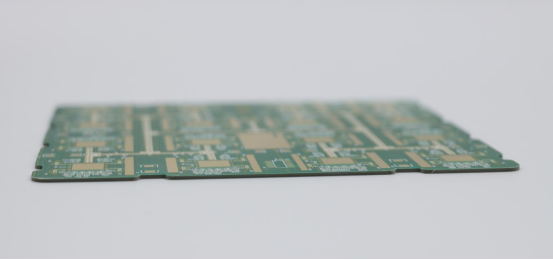
PCB thickness refers to the overall thickness of a printed circuit board, including its layers and substrate. This physical dimension plays a crucial role in how the PCB performs in terms of durability, electrical conductivity, and heat dissipation. Essentially, PCB thickness is an important design consideration that can affect both the functionality and manufacturability of a PCB.
Definition of PCB Thickness: Understanding the Term and Its Role in a PCB's Physical Properties
PCB thickness is the measurement of how thick the board is from its top to bottom, including all layers and the underlying material. It's an essential property because it affects how the PCB will perform in various environments and how it can support components. For example, a thicker PCB can provide more mechanical support for heavy components or better heat dissipation, while a thinner one might be more lightweight and suitable for compact designs.
In terms of physical properties, thickness influences the rigidity of the board, the ability to withstand stress, and the effectiveness of the board in high-frequency or high-power applications. The right thickness ensures that the PCB can hold up under mechanical stress without compromising its performance in terms of signal integrity or thermal management.
Common Measurement Units for PCB Thickness: Explanation of Mils and Millimeters as Units of Measurement
PCB thickness is measured in either mils or millimeters, depending on the standard used in the industry.
- Mils: A mil is one-thousandth of an inch (0.001 inches). In the PCB industry, this is a commonly used unit because it allows for precise measurements at small scales. For example, a typical PCB thickness might be 62 mils, which equals 0.062 inches (1.57 mm).
- Millimeters (mm): The metric system, which uses millimeters, is often preferred in countries outside the United States. For instance, a standard PCB thickness of 1.6mm is widely used in electronics manufacturing.
Both mils and millimeters can be used to express PCB thickness, but it’s important to know which unit is being used when reviewing specifications or documentation to avoid confusion.
Standard PCB Thickness Ranges: Typical Ranges of PCB Thickness in Various Industries
PCBs come in various thicknesses depending on their intended application. The most common standard thicknesses are 1.6mm (62 mils) and 0.8mm (31 mils). These thicknesses are used in consumer electronics, mobile devices, and industrial equipment. However, different industries may require different thicknesses based on the specific needs of the application.
| PCB Thickness | Measurement (in mils) | Common Applications | Key Characteristics |
| 0.8mm | 31 mils | Compact devices like smartphones, wearables, and small electronics | Balance of flexibility, strength, and manufacturability, ideal for space-saving designs. |
| 1.6mm | 62 mils | Computer motherboards, home appliances, general electronics | Most common thickness, strong enough to support standard components and cost-effective for mass production. |
| 2.4mm and beyond | 94 mils and more | Power supply boards, automotive systems, industrial machinery | Suitable for heavy-duty or high-performance applications, offering better mechanical strength and heat dissipation. |
PCB thickness can be customized based on the specific needs of a project, but these standard ranges are the most common in consumer electronics and industrial applications.
Why is PCB Thickness Important in PCB Design?
PCB thickness plays a crucial role in how a circuit board performs in various conditions. It affects everything from electrical properties like signal integrity to physical characteristics like durability and thermal management.
Impact on Electrical Performance: How PCB Thickness Can Influence Signal Integrity, Resistance, and Capacitance
PCB thickness directly influences electrical performance, specifically signal integrity, resistance, and capacitance.
- Signal Integrity: A thicker PCB can cause signals to travel differently due to changes in the impedance of the traces. Impedance is crucial for high-speed signals; if the impedance is not consistent, it can cause signal reflections or loss. A thinner PCB generally offers better impedance control, especially in high-frequency applications.
- Resistance: The resistance of a PCB trace is also affected by thickness. Thicker boards tend to have slightly lower resistance because they provide a larger cross-sectional area for current flow. However, the trace thickness itself, in addition to the PCB’s thickness, will play a more significant role in determining the resistance.
- Capacitance: Capacitance between traces increases with the thickness of the PCB. This could be a consideration for circuits dealing with high-frequency signals or power distribution. Higher capacitance may lead to delays or signal degradation if not accounted for in the design.
Thermal Management: The Role of PCB Thickness in Heat Dissipation and Preventing Overheating
PCB thickness is an important factor when it comes to thermal management. A thicker PCB offers more material to dissipate heat, which can prevent overheating in high-power applications. In contrast, thinner PCBs may struggle with heat dissipation, leading to hot spots that could damage the PCB or its components.
- Heat Dissipation: In power electronics, such as power supply units or processors, thicker PCBs can help spread heat more evenly across the board. This is especially important when dealing with components that generate significant heat, like CPUs or power transistors. Thicker PCBs may include additional copper layers, which help distribute heat more effectively.
- Overheating Risks: Thinner PCBs, while cheaper and lighter, might not have the thermal capabilities needed to handle heat build-up. In situations where high heat tolerance is required, like automotive or industrial electronics, it’s crucial to select a thicker PCB to prevent overheating and ensure reliable performance over time.
A key consideration when selecting PCB thickness for thermal management is the thermal conductivity of the material. Materials like copper have better heat dissipation properties compared to others, so thicker copper layers can help improve heat management without increasing overall board thickness too much.
Mechanical Strength and Durability: How Thicker or Thinner Boards Affect Mechanical Robustness and Resistance to Physical Stress
Mechanical strength and durability are vital for ensuring the longevity and reliability of PCBs, especially in harsh environments.
- Thicker PCBs: A thicker PCB generally offers better mechanical strength and rigidity. It can withstand bending, vibration, and physical stress better than thinner PCBs, making them ideal for industrial or automotive applications where mechanical stresses are common. Thicker boards are less likely to warp under pressure and can hold heavier components securely in place.
- Thinner PCBs: While lighter and more compact, thinner PCBs are more vulnerable to physical damage. They can bend, warp, or break more easily under stress, making them less suitable for high-vibration or mechanically demanding environments. However, they can be used effectively in consumer electronics or devices where space-saving is crucial, and mechanical stress is minimal.
For example, a smartphone PCB is usually thinner to fit within the device’s compact design, whereas automotive PCBs need to be thicker to withstand vibrations and temperature changes without degrading over time.
Cost Considerations: The Trade-off Between Thickness, Material Costs, and Manufacturing Costs
Selecting the appropriate PCB thickness also involves balancing material costs and manufacturing costs with performance requirements.
- Material Costs: Thicker PCBs typically require more materials, which means higher costs. The choice of material also plays a role in cost—using high-performance materials, such as ceramics or high-frequency laminates, can increase the cost of manufacturing regardless of the board’s thickness. For instance, a thicker board made of Rogers material will cost more than a thinner one made from standard FR-4.
- Manufacturing Costs: The more layers a PCB has (thicker designs tend to have more layers), the more complex and expensive the manufacturing process becomes. Multi-layer boards require advanced processes, such as lamination and drilling, which can drive up costs. Thicker PCBs may also require more stringent quality control to ensure that all layers are properly bonded, adding further to manufacturing expenses.
- Trade-off: While a thinner PCB may seem more cost-effective initially, the choice might lead to issues like heat build-up or insufficient mechanical strength, which could require costly repairs or replacements down the line. On the other hand, thicker boards, although more expensive, can result in better long-term performance and fewer failures.
For example, in consumer electronics, manufacturers often opt for 1.6mm PCBs as the balance between performance and cost. However, in more critical applications like medical devices, a slightly thicker PCB might be necessary to ensure durability and heat management, justifying the higher costs.
How to Choose the Right PCB Thickness for Your Design?
Choosing the right PCB thickness is crucial to ensuring that your design meets both technical and functional requirements. The thickness of a PCB impacts electrical performance, mechanical strength, thermal management, and even manufacturing costs. To make the right decision, several factors need to be considered. Let's dive into these key considerations.
What Are the Key Factors to Consider When Choosing PCB Thickness?
Choosing the right PCB thickness depends on several factors. Each one plays a role in determining how well the board will perform and whether it will meet the specific needs of the application.
Application Requirements: How Application-Specific Needs (e.g., Automotive, Medical Devices, Consumer Electronics) Determine Thickness
The primary factor influencing PCB thickness is the specific application in which the PCB will be used. Different industries have distinct requirements for performance, durability, and size, all of which affect thickness.
- Consumer Electronics: In products like smartphones, wearables, and laptops, PCBs must be compact and lightweight. These applications typically use thinner PCBs, often around 0.8mm to 1.6mm, to save space and reduce weight without sacrificing performance.
- Automotive and Industrial Applications : For applications that experience high vibrations, extreme temperatures, or exposure to physical stress, thicker PCBs (typically 1.6mm to 2.4mm) are used. These boards need more durability and heat resistance to function properly in harsh environments.
- Medical Devices: In medical equipment, where reliability and safety are paramount, thicker PCBs may be needed to provide better mechanical strength, electrical stability, and heat dissipation. Thicknesses can range from 1.6mm to 2.4mm depending on the device’s complexity.
Application-specific needs help determine the right balance of performance and durability, ensuring that the PCB functions well in its intended environment.
Board Complexity: The Influence of Circuit Complexity on Required Thickness (e.g., Multi-Layer Boards vs. Single-Layer Boards)
The complexity of the circuit design also affects the thickness of the PCB. More layers or complex designs typically require a thicker board.
- Single-Layer PCBs: These are simpler and generally thinner, usually ranging from 0.8mm to 1.6mm. Single-layer boards are commonly used in less complex devices where space and weight aren’t major concerns.
- Multi-Layer PCBs: For more complex devices that require multiple layers of circuitry, such as computers or high-performance electronics, the PCB thickness increases. Multi-layer boards may range from 2mm to 4mm or more, depending on the number of layers. These boards have additional copper layers and insulating materials, making them thicker and more robust.
The more layers a PCB has, the thicker it typically becomes. This is because each layer adds additional material that contributes to the overall thickness, affecting both the performance and cost.
Material Type: Effect of the Base Material (FR-4, Rogers, etc.) on the Overall Thickness
The choice of PCB material significantly influences the board’s thickness. Different materials have different thicknesses, dielectric constants, and heat dissipation properties, all of which play a role in the final design.
| Material Type | Typical Thickness Range | Common Applications | Key Characteristics |
| FR-4 | 0.8mm to 2.4mm | Consumer electronics, computer motherboards, home appliances | Affordable, durable, electrically insulating, widely used for standard PCBs. |
| Polyimide ( Flexible PCB ) | 0.1mm to 0.3mm | Wearables, smartphones, flexible electronics | Thin, flexible, heat-resistant, used in applications requiring bendable PCBs. |
| High-Frequency Laminates (e.g., Rogers) | 0.8mm to 2.0mm | RF communications, 5G, aerospace, medical devices | Designed for high-speed signals, minimizes signal loss, tends to be thicker for performance. |
The type of material chosen affects not only the thickness but also the performance of the PCB in terms of electrical conductivity, heat resistance, and signal integrity.
Environmental Factors: Considerations Like Temperature Fluctuations, Moisture, and Potential Exposure to Harsh Environments
Environmental factors must be taken into account when choosing PCB thickness, as exposure to extreme conditions can affect the performance and durability of the PCB.
- Temperature Variations: PCBs used in devices that operate in high-temperature environments (like automotive engines or industrial machinery) need to be thicker to ensure better heat resistance and to prevent warping or damage under stress. These PCBs may need additional copper or specialized materials that help dissipate heat.
- Moisture and Corrosion: In environments with high humidity, PCBs must be designed to resist corrosion and moisture. Thicker PCBs made from durable materials can offer better protection against these environmental factors, ensuring longevity.
- Vibration and Mechanical Stress: Devices that are subject to vibrations or mechanical stress, such as those used in aerospace or automotive industries, require thicker boards for added durability and resistance to bending or breaking.
The environment in which the PCB will be used dictates the level of protection it needs, influencing the choice of material, thickness, and overall design.
How to Determine the Right PCB Thickness Based on Your Project’s Specifications
Choosing the correct PCB thickness requires evaluating all the relevant factors discussed above. A step-by-step approach can help you determine the ideal thickness for your specific design.
Step-by-Step Guide to Calculate Ideal Thickness
- Identify the Application: Start by determining the type of device and its specific environmental and performance requirements.
- Assess the Circuit Complexity: Determine if the PCB will be a simple single-layer board or a more complex multi-layer design.
- Choose the Right Material: Select the material based on the electrical, mechanical, and thermal properties required for your design. Different materials have different thickness requirements, so choose one that balances performance and cost.
- Consider Environmental Conditions: If your PCB will be exposed to extreme temperatures, moisture, or physical stress, adjust the thickness to provide better protection.
- Factor in Manufacturing Constraints: Ensure that your chosen thickness fits within the capabilities of your manufacturer and remains cost-effective.
Case Studies: Example of Selecting Thickness for Different Projects
- Mobile Phone PCB: A mobile phone typically uses 0.8mm to 1.6mm thick FR-4 PCBs. The goal here is to balance compactness, performance, and durability. A thinner PCB can save space and reduce the device's overall weight.
- Automotive PCB: An automotive PCB may require 1.6mm to 2.4mm thickness due to the need for durability and heat resistance. Thicker PCBs help protect against vibrations, temperature changes, and moisture, which are common in the automotive environment.
- Industrial Machinery PCB: A PCB used in industrial machinery might need to be 2.0mm to 3.0mm thick, especially if it needs to withstand heavy mechanical stress, temperature extremes, and exposure to harsh chemicals.

Conclusion
Choosing the right PCB thickness is essential for ensuring your design meets its electrical, mechanical, and thermal requirements. Whether for consumer electronics, industrial machinery, or automotive applications, the correct thickness can improve performance, durability, and cost-effectiveness. By carefully considering factors like material type, environmental conditions, and circuit complexity, you can make informed decisions that optimize your design.
For designers, partnering with a reliable PCB supplier can help streamline this process. At PCBMASTER , we offer a wide range of materials and expert support to ensure your designs meet the highest standards, all while staying cost-effective and performance-driven.
FAQs
What happens if I choose the wrong PCB thickness for my design?
Choosing the wrong PCB thickness can lead to various issues. If the PCB is too thick, it may be unnecessarily heavy, costly, and difficult to manufacture, potentially affecting heat dissipation. If it's too thin, it might lack mechanical strength, causing the PCB to warp or break under stress. For high-speed designs, an incorrect thickness could also impact signal integrity, causing data loss or slower performance. Overall, it can lead to higher costs, reduced reliability, and poor functionality.
How can I adjust PCB thickness after the design is completed?
Once the design is finalized, adjusting the PCB thickness is not straightforward. You can modify the design by:
- Changing the number of layers in a multi-layer PCB, but this impacts the circuit’s functionality.
- Switching materials , which might affect the thickness, but could also change the electrical properties and performance of the board.
- Manufacturing adjustments , such as altering copper foil thickness during the lamination process, though these changes are typically minor.
Generally, it’s easier and more efficient to address thickness during the design phase.
Is there a universal PCB thickness for all types of devices?
No, PCB thickness varies based on the device and its application. For consumer electronics, thinner PCBs (around 0.8mm to 1.6mm) are used to save space. Automotive and industrial applications often require thicker boards (1.6mm to 2.4mm) for better durability and heat resistance. High-frequency PCBs used in telecommunications or medical devices may range from 0.8mm to 2.0mm. The thickness depends on factors like performance, durability, and cost needs.
How does PCB thickness affect signal integrity in high-speed designs?
In high-speed designs, PCB thickness impacts signal integrity. Thicker PCBs can cause signal loss and impedance mismatch, leading to data distortion or slower signal transmission. Thinner PCBs generally offer better impedance control, essential for high-frequency signals. Maintaining the correct PCB thickness ensures minimal signal reflection and better overall performance in high-speed applications.
Can a thinner PCB be as durable as a thicker one?
Thinner PCBs tend to be less durable than thicker ones, especially under mechanical stress. While thinner boards (e.g., 0.8mm) are used in compact devices, they can be more fragile. However, flexible PCBs made from materials like polyimide can be thinner yet durable due to their flexibility. For high-stress environments, thicker PCBs are preferred for added strength, heat dissipation, and resistance to physical forces. Thus, while thinner PCBs can be durable in specific applications, they’re not always as robust as thicker ones.
About the Author

Carol Luo
PCB Design EngineerI'm Carol, a PCB Engineer at PCBMASTER with experience in PCB design and manufacturing engineering since 2018. I focus on translating engineering requirements into reliable PCB solutions, with expertise in stack-up design, material selection, and design-for-manufacturing (DFM). I share practical engineering insights from real-world PCB design and production experience.
Visit Carol Luo's Profile