








Back-Drilling in PCB: Is Resin Plugging Worth the Cost for High-Reliability Products?
Choosing whether to use resin plugs in back-drilled holes can significantly impact the performance and reliability of electronic circuits. This decision plays a pivotal role in everything from signal integrity to mechanical stability, especially in high-stakes applications like aerospace, automotive, and medical devices. While resin plugging offers clear benefits, such as improved protection against contamination and better surface smoothness for soldering, it also comes with its own set of challenges. Let’s dive into the factors that determine whether this technique is the right fit for your PCB design.
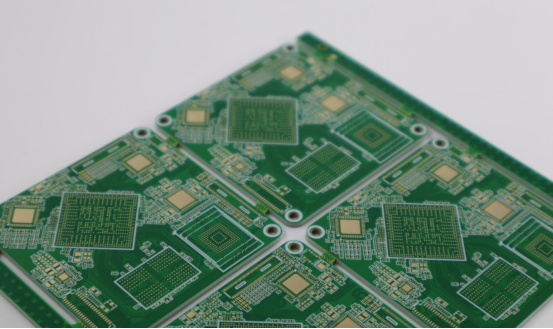
Why Should Back-Drilled Holes Be Resin Plugged?
Back-drilled holes in PCBs are a common feature in many high-performance electronic devices, but they come with certain risks. Resin plugging offers a simple yet effective solution to these challenges. By sealing the holes, resin plugs enhance the overall reliability, mechanical strength, surface smoothness, and signal consistency of the board.
1. Enhancing Product Reliability
Back-drilled holes in PCBs can easily collect moisture, chemicals, and flux residues during processes like soldering, pressing, or encapsulation. These substances, if left inside the holes, can lead to corrosion, which damages the circuitry and causes electrical failures over time. Resin plugs effectively seal the hole, acting as a barrier to stop contaminants from entering. This is especially important in high-reliability products where any failure can lead to catastrophic results.
Example: In aerospace applications, even a small amount of moisture trapped inside a PCB can cause short circuits or corrosion, leading to a failure in critical systems. By sealing the hole with resin, this risk is minimized.
2. Strengthening Mechanical Support
PCBs are often subjected to mechanical stresses during assembly and in use, especially around connector areas or where significant forces are applied. Without resin plugs, back-drilled holes can become weak points in the PCB structure, potentially leading to microcracks or even failure. Resin plugging fills these voids, providing extra mechanical strength to the board. This reinforcement is particularly valuable in areas where components experience high mechanical stress, preventing damage and enhancing durability.
Real-World Application: In automotive electronics, where PCBs are exposed to vibrations and physical forces, resin plugging helps maintain the integrity of the board, preventing cracks that could affect performance.
3. Surface Smoothing for Soldering
When soldering tiny components like BGAs (Ball Grid Arrays) or QFNs (Quad Flat No-lead) , the surface of the PCB needs to be as flat as possible. Back-drilled holes can create uneven surfaces, making it more difficult to achieve precise solder joints. Resin plugging smooths out these holes, creating a level surface that is easier to work with when placing components. This reduces the risk of soldering issues like cold solder joints, bridging, or shorts, which can lead to product failures.
Example: In the case of a high-frequency device, a slight misalignment in soldering due to an uneven PCB surface could result in signal integrity issues, leading to poor performance or malfunction. Resin plugging ensures a smooth surface for precise soldering, reducing the chances of such problems.
4. Improving Dielectric Uniformity
In multilayer PCBs, especially those used in complex applications like communication devices or high-frequency circuits, maintaining a uniform dielectric constant (Dk) is critical. A hole without resin plugging can cause localized air gaps or voids inside the board, which can disrupt the flow ofelectrical signals. This inconsistency can lead to signal loss, reduced performance, or even failure in high-speed applications. Resin plugging fills the holes, providing a consistent dielectric environment that helps maintain stable signal transmission and improves overall board performance.
Case Study: In high-frequency communications equipment, such as 5G devices, even minor dielectric inconsistencies can cause signal degradation or interference. Resin plugging helps ensure that signals travel without disruption, keeping the device operating at peak efficiency.
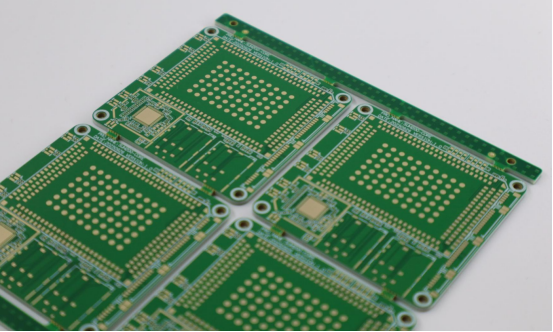
What Are the Drawbacks of Resin Plugging in Back-Drilled Holes?
While resin plugging in back-drilled holes offers significant benefits, it also presents some challenges that shouldn’t be overlooked. The process can lead to changes in the dielectric constant, potentially affecting signal integrity in high-frequency applications. Additionally, the increased complexity and cost of resin plugging can add time and expenses to the manufacturing process.
1. Dielectric Constant Variation
Resin has a different dielectric constant (Dk) compared to the PCB material itself. The dielectric constant plays a critical role in determining how signals are transmitted through the board. When resin plugs are used to seal back-drilled holes, the difference in Dk between the resin and the PCB material can lead to minor discontinuities in the impedance, especially at higher frequencies. This can cause signal integrity problems in high-speed applications, such as those using millimeter-wave frequencies or high-frequency communication systems.
Example: In 5G technology, even small variations in the dielectric constant can result in signal loss or interference. Resin plugging, while offering mechanical and protective benefits, may introduce slight impedance mismatches that could affect the quality of the signal. This makes it crucial to choose the right type of resin with a Dk that closely matches the PCB material when working on high-frequency designs.
2. Increased Process Complexity and Cost
The resin plugging process is not as straightforward as other PCB manufacturing steps. It involves filling back-drilled holes with resin and then curing the resin to ensure that it remains in place. During this process, several potential issues can arise, including air bubbles, resin shrinkage, and curing inconsistencies. These problems can affect the quality of the plug and, in turn, the overall performance of the PCB.
Additionally, the process requires extra steps such as resin preparation, hole filling, curing, and polishing. These added steps increase the complexity of the manufacturing process and can lengthen production times. As a result, manufacturers often face higher labor and material costs, which can make resin plugging a more expensive option compared to leaving holes unsealed.
Real-World Example: In industries where speed and cost are critical, such as consumer electronics, these additional steps may lead to delays and higher costs. For example, a company producing consumer-grade devices might opt to skip the resin plugging step to reduce manufacturing time and costs, while a company in aerospace, where reliability is paramount, may decide that the added cost is justified.
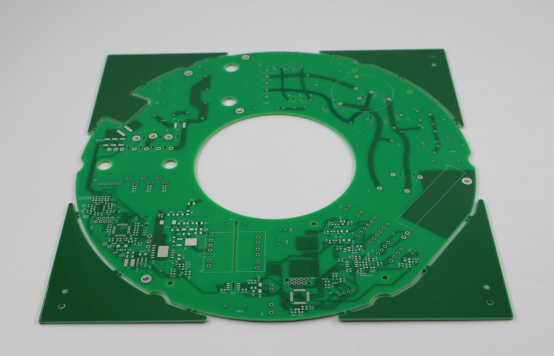
Why Choose Not to Resin Plug Back-Drilled Holes?
While resin plugging offers clear benefits, there are situations where skipping this step can be more advantageous. By not resin plugging back-drilled holes, manufacturers can reduce production costs, shorten manufacturing timelines, and avoid potential material compatibility issues.
1. Reducing Costs and Shortening Production Time
Resin plugging adds extra steps to the manufacturing process, including filling the holes with resin, curing the material, and polishing the surface. These additional processes increase both the time required to complete the PCB and the associated labor and material costs. By skipping the resin plugging, manufacturers can eliminate these steps, leading to lower production costs and faster turnaround times.
This can be especially important for industries where cost efficiency and quick production are prioritized, such as in consumer electronics or low-cost industrial products.
Real-World Example: In consumer electronics, where devices are produced in large volumes with tight deadlines, manufacturers often prioritize speed and cost reduction. Omitting resin plugging in back-drilled holes allows for faster production and lower costs, making the process more suitable for mass-market products where long-term reliability is less critical.
2. Avoiding Material Compatibility Issues
Resin has a different coefficient of thermal expansion (CTE) compared to the PCB material itself. This means that when the temperature changes—whether due to environmental conditions or the device’s operation—the resin and the PCB may expand or contract at different rates. Over time, this mismatch can cause stress on the PCB and lead to long-term reliability issues, such as cracking or warping of the board.
By skipping the resin plugging, manufacturers avoid this risk altogether. The absence of resin eliminates the concern about material compatibility, especially in applications where thermal stress is a key factor.
Example: In automotive electronics, which are exposed to extreme temperature changes, the mismatch in thermal expansion between the resin and PCB could lead to long-term failures, such as cracked solder joints or delamination. In these cases, not using resin plugs can help prevent these issues and improve the durability of the device.
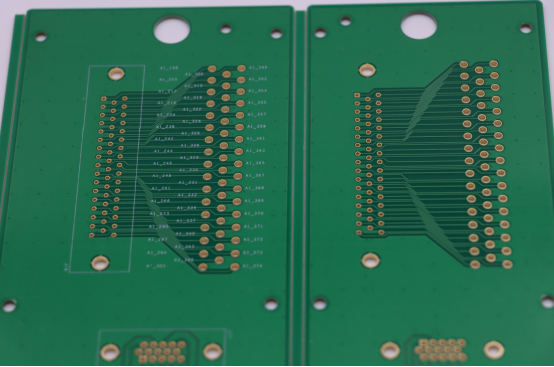
What Are the Drawbacks of Not Resin Plugging Back-Drilled Holes?
While skipping resin plugging in back-drilled holes can save time and reduce costs, it also introduces several risks. Unsealed holes are more likely to accumulate moisture and contaminants, which can lead to reliability issues, soldering problems, and potential electrical faults.
1. Potential Reliability Issues
Back-drilled holes that are not sealed can become a trap for pollutants such as dust, moisture, and chemicals. In harsh environments, such as high-humidity or temperature-variable conditions, these contaminants can build up inside the hole. Over time, this can cause corrosion, which weakens the circuit board and leads to electrical failures. Additionally, trapped moisture can promote ion migration, causing short circuits or other reliability issues.
Example: In automotive electronics, where components are subjected to high levels of moisture and temperature fluctuations, unsealed back-drilled holes can easily accumulate moisture. This moisture, when trapped inside the PCB, can corrode the copper traces, eventually leading to system malfunctions or even complete failure of the device.
2. Soldering Issues
When back-drilled holes are left unsealed, they can create uneven surfaces that affect the accuracy of the soldering process. For small components like BGAs (Ball Grid Arrays) or QFNs (Quad Flat No-lead), this can lead to several problems. First, the hole can cause solder paste to flow unevenly, potentially leading to cold solder joints, solder bridges, or improper connections. These issues can result in unreliable electrical connections and poor performance of the device.
Real-World Example: In consumer electronics, such as smartphones, micro-soldering of tiny components is critical. If a back-drilled hole is not sealed, it can affect the quality of the soldering, causing weak or unreliable connections, which might result in malfunctioning devices or poor signal performance.
3. Electrical Testing Risks
Unplugged back-drilled holes can create pathways for conductive materials or moisture to enter the PCB during electrical testing or use. These materials can cause shorts between traces or other components, leading to failures during testing or in the field. This is particularly concerning in devices where reliability is crucial, such as medical equipment or aerospace components, where any electrical fault can lead to severe consequences.
Example: In critical medical devices, even a small short circuit can affect the device's ability to function, potentially jeopardizing patient safety. A back-drilled hole that is left unsealed can serve as a conduit for moisture or contaminants, increasing the likelihood of such dangerous issues.
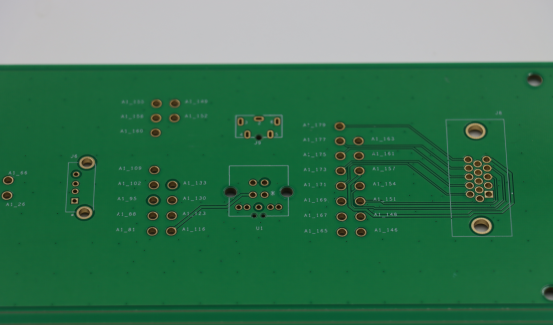
When Should Resin Plugging Be Chosen for Back-Drilled Holes?
Resin plugging is a powerful technique, but it's not always necessary. However, there are specific situations where it offers significant advantages. Whether it's for high-reliability products, complex assembly processes, harsh environmental conditions, or high-frequency/high-voltage applications, resin plugging can improve the durability, performance, and safety of your PCBs.
1. High-Reliability Products
For industries where product failure can have serious consequences, such as aerospace and medical applications, reliability is paramount. Resin plugging helps ensure that the back-drilled holes are sealed against contaminants, moisture, and other harmful elements that can lead to circuit degradation over time. These industries demand products that function flawlessly under extreme conditions, and resin plugging ensures long-term durability and performance.
Real-World Example: In aviation, even a minor circuit failure can lead to catastrophic consequences. Resin plugging in the PCB helps protect sensitive electronic components from the environment, ensuring the aircraft's avionics system operates reliably throughout its lifecycle.
2. Complex Assembly Processes
When PCBs undergo multiple reflow soldering, wave soldering, or potting processes, resin plugging can play a critical role in ensuring consistency. It prevents contaminants from entering the drilled holes during the assembly process, which could otherwise lead to defects or failures. This added protection ensures that each step in the manufacturing process is executed smoothly and the final product maintains high quality and reliability.
Example: For high-end electronics that require multiple soldering steps (such as medical devices with intricate components), resin plugging provides a more stable surface, preventing any issues caused by moisture or contamination during the soldering or potting process.
3. Harsh Environment Applications
In devices exposed to extreme conditions—such as industrial equipment, outdoor electronics, or automotive systems—resin plugging provides an added layer of protection against environmental stressors. The resin seals the back-drilled holes, preventing moisture, dust, or corrosive chemicals from entering the holes and affecting the circuitry. This improves the long-term reliability of the product, even when subjected to temperature swings, high humidity, or exposure to chemicals.
Case Study: Automotive PCBs are exposed to fluctuating temperatures, vibration, and moisture. By using resin plugs, manufacturers ensure that the PCB stays protected against corrosion and contamination, preventing failure in critical systems like braking or engine control.
4. High-Frequency/High-Voltage Applications
In applications where circuits are exposed to high-frequency signals or high-voltage environments (such as telecommunications or power equipment), resin plugging is a valuable solution to improve electrical performance. Although resin may slightly alter the dielectric constant of the PCB, its insulating properties help to prevent electric arcing, dielectric breakdown, or surface leakage—issues that are crucial to avoid in high-voltage and high-frequency circuits.
Example: In 5G communication equipment, the precise transmission of high-frequency signals is critical. Resin plugging helps protect the board from signal interference or failure by providing a smooth, consistent dielectric environment, even in high-speed, high-power circuits.
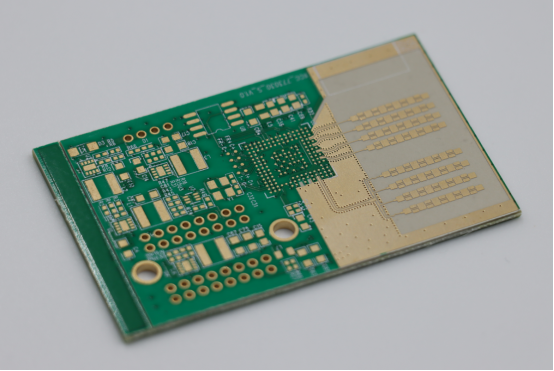
When Should Resin Plugging NOT Be Chosen for Back-Drilled Holes?
While resin plugging offers significant benefits, there are situations where it's not necessary. For certain products, such as consumer electronics, low-frequency devices, or those with non-critical layers, the additional cost and complexity of resin plugging may not be justified.
1. Consumer Electronics
For many consumer electronics products, such as smartphones or household appliances, the environmental conditions are relatively stable, and the product lifecycle is short. These products are typically not subjected to harsh conditions, and any potential reliability issues are unlikely to manifest before the device reaches its end of life. Therefore, the added cost and complexity of resin plugging may not be justified.
Example: In a budget-friendly smartphone, where the device is expected to last for only a few years and will not face extreme environments, manufacturers may choose to skip resin plugging to reduce production costs and streamline the manufacturing process.
2. Low-Frequency, Low-Reliability Products
For industrial products that do not require high reliability or operate at lower frequencies, the potential risks associated with unsealed back-drilled holes are minimal. These products may not be as sensitive to issues like moisture or contamination, meaning that skipping resin plugging can save time and cost without compromising performance.
Example: A basic industrial controller that operates in a clean environment and does not experience high-frequency signals or harsh conditions might not require resin plugging, as the risks of failure due to unsealed back-drilled holes are low.
3. Non-Critical Layer Back-Drilled Holes
When back-drilled holes are located in non-essential layers of the PCB and both ends are completely sealed by copper layers, the risk of contamination or electrical failure is minimal. In such cases, resin plugging may be an unnecessary expense, as these holes are unlikely to affect the board’s overall performance or reliability.
Example: In a multi-layer PCB used for a low-cost industrial device, if the back-drilled hole is situated in an internal layer that does not carry critical signals or power, resin plugging would likely provide little benefit, making it more economical to leave the hole unsealed.
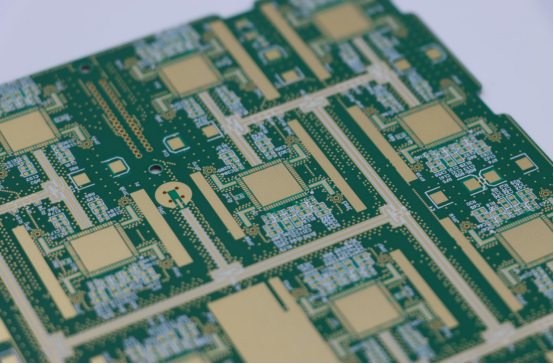
Cost and Benefit Analysis of Resin Plugging vs. Non-Plugging for Back-Drilled Holes
When designing PCBs, one of the key decisions is whether to use resin plugging for back-drilled holes or leave them unsealed. This decision involves balancing costs, performance, and reliability requirements.
1. Cost Comparison
Resin plugging involves additional steps in the PCB manufacturing process, including filling the holes with resin, curing the resin, and polishing the surface. These extra steps increase both material costs and labor costs, as well as the overall production time. In contrast, leaving holes unsealed eliminates these steps, making the manufacturing process simpler, faster, and less expensive.
The cost difference can be significant depending on the type of product and manufacturing volume. For high-volume consumer electronics or less demanding industrial products, the cost of resin plugging might not justify the benefits, as it could increase production costs unnecessarily. On the other hand, for high-reliability products like aerospace or medical devices, the extra cost of resin plugging may be worthwhile to ensure long-term performance and reliability.
Example: In a mass-produced consumer product like a smartphone, the cost of resin plugging can add up quickly, affecting the product’s price competitiveness. However, in aerospace applications, where failure could lead to catastrophic outcomes, the added cost of resin plugging may be considered a necessary investment for ensuring reliability.
2. Balancing Performance and Reliability
When choosing between these two options, manufacturers must consider the specific performance demands of the product. Products with high-performance requirements—especially those in critical applications—benefit from the enhanced reliability and protection that resin plugging provides. For example, resin plugging helps prevent contamination, moisture buildup, and potential electrical failures, which is crucial for products used in extreme environments or those subject to high-frequency signals.
On the other hand, products with lower performance or reliability needs, such as consumer electronics or industrial devices, may not require the added protection that resin plugging offers. In these cases, leaving back-drilled holes unsealed can save costs while still meeting the product's functional requirements.
Example: For a aerospace-grade PCB designed to withstand extreme conditions, resin plugging offers the protection needed to ensure reliable performance over time. However, in a basic industrial controller used in a clean factory environment, skipping resin plugging may reduce costs without compromising functionality.
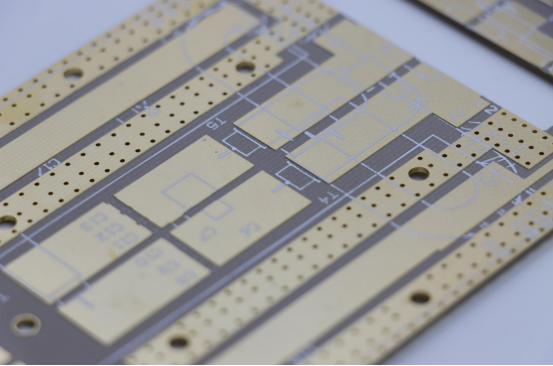
Conclusion
The decision to use resin plugging or not for back-drilled holes ultimately depends on the specific application, cost considerations, and reliability requirements of the product. For high-reliability applications, such as aerospace or medical devices, resin plugging provides essential protection, ensuring the product performs reliably over time. However, for consumer electronics or less demanding industrial devices, the added cost may not be justified, and leaving the holes unsealed can be a more cost-effective solution.
Choosing the right back-drilled hole process is critical to ensuring the overall quality and performance of the final product. Each decision should be carefully evaluated based on the unique needs of the product, its operating environment, and its intended lifespan. As an experienced PCB supplier, PCBMASTER offers tailored solutions to help you select the most appropriate PCB technology for your specific requirements, ensuring both high quality and cost-efficiency.
FAQs
What is the Impact of Resin Plugging on High-Frequency Signals?
Resin plugging can slightly affect the continuity of impedance, especially in high-frequency applications. The dielectric constant of the resin used for plugging may not match that of the PCB material, leading to small variations in the impedance of the signal path. This becomes particularly important in high-frequency circuits, such as those used in 5G communication or microwave devices, where even small deviations in impedance can lead to signal reflections, interference, or losses. However, in most cases, these effects are minimal if the resin is carefully selected to match the PCB material's characteristics.
Example: In high-speed data communication devices, such as 5G base stations, resin plugging might be avoided or carefully optimized to minimize any negative effects on signal integrity. The careful selection of resin materials can help reduce impedance mismatch and maintain signal quality.
What Are the Common Process Issues with Resin Plugging Back-Drilled Holes?
Several process issues can arise during the resin plugging of back-drilled holes. The most common problems include the formation of air bubbles, resin shrinkage, and compatibility issues between the resin and the PCB material.
- Air Bubbles: If the resin is not fully cured or the filling process is not controlled, air bubbles can form within the hole. These bubbles can compromise the strength and integrity of the plug, potentially leading to reliability issues or defects during the final product's use.
- Shrinkage: During the curing process, the resin may shrink as it hardens. This shrinkage can cause the plug to pull away from the hole's walls, creating gaps that could allow moisture or contaminants to enter.
- Material Compatibility: The resin's thermal expansion properties may differ from the PCB's material, leading to stresses that could cause cracking or delamination over time, especially under temperature fluctuations. This mismatch can affect the long-term reliability of the PCB.
Example: In aerospace-grade PCBs, where extreme environmental conditions are common, air bubbles and shrinkage in the resin plug can cause failure points, which are critical in high-reliability applications. Ensuring high-quality resin and process control is key to mitigating these issues.
Do Consumer Electronics Need Resin Plugging for Back-Drilled Holes?
Generally, consumer electronics do not require resin plugging for back-drilled holes unless the product demands exceptionally high reliability or operates in harsh environments. Consumer products like smartphones, tablets, and laptops typically operate in controlled environments, where exposure to moisture, chemicals, or extreme conditions is minimal. As a result, the risk of contamination or failure from unsealed holes is low, making resin plugging unnecessary. However, in cases where the device is exposed to factors like water ingress (e.g., waterproof devices) or operates in extreme conditions, resin plugging may provide added protection.
Example: For a basic smartphone, resin plugging may not be necessary because the device is not exposed to harsh conditions. However, for a rugged smartphone designed for outdoor use, resin plugging could enhance the device's durability by preventing moisture or dust from entering the back-drilled holes.
What Are the Risks of Not Resin Plugging Back-Drilled Holes?
Not resin plugging back-drilled holes can lead to several potential risks. The primary concern is the accumulation of contaminants such as dust, moisture, or chemicals in the holes, which can lead to corrosion, electrical shorts, or degraded signal quality. Over time, these contaminants can affect the long-term reliability and performance of the PCB.
In addition to contamination risks, unsealed holes can lead to mechanical failures, especially in areas that experience high thermal cycling or vibration. These holes could weaken the structural integrity of the PCB, leading to potential cracks or delamination.
Example: In industrial PCBs, where exposure to dirt, moisture, or chemicals is common, leaving the holes unsealed could lead to electrical shorts or corrosion, affecting the device’s overall performance and longevity.
What Are the Advantages of Resin Plugging Back-Drilled Holes for Devices in High Temperature and High Humidity Environments?
Resin plugging back-drilled holes provides significant advantages in high-temperature, high-humidity environments by preventing moisture, chemicals, or other contaminants from entering the holes. The resin acts as a protective barrier, ensuring that the internal circuitry remains sealed and free from external elements that could cause corrosion, electrical shorts, or performance degradation.
In extreme environments, where temperature fluctuations or humidity can accelerate the degradation of unprotected components, resin plugging ensures the long-term reliability of the PCB. It also helps to maintain consistent electrical performance, which is crucial for devices that operate in mission-critical applications.
Example: In automotive electronics, which are exposed to high temperatures and humidity, resin plugging protects the PCB from moisture ingress that could otherwise cause short circuits or corrosion, ensuring the longevity and reliability of components like the engine control unit (ECU) .
About the Author

Carol Luo
PCB Design EngineerI'm Carol, a PCB Engineer at PCBMASTER with experience in PCB design and manufacturing engineering since 2018. I focus on translating engineering requirements into reliable PCB solutions, with expertise in stack-up design, material selection, and design-for-manufacturing (DFM). I share practical engineering insights from real-world PCB design and production experience.
Visit Carol Luo's Profile