








Single-Point Grounding in PCB Design: A Complete Guide
Grounding plays a crucial role in the performance of any PCB. While it may seem like a minor detail, the way you manage ground connections directly affects signal integrity and noise reduction. Poor grounding can lead to unwanted interference, especially in low-frequency circuits, resulting in unstable performance and unreliable measurements.
Ensuring a solid grounding strategy is essential, and one of the most common methods used to achieve this in simpler designs is single-point grounding. But while this approach works well in certain situations, it also has limitations when it comes to higher-speed or more complex systems. Let’s dive into why grounding matters so much and explore how single-point grounding fits into the bigger picture.
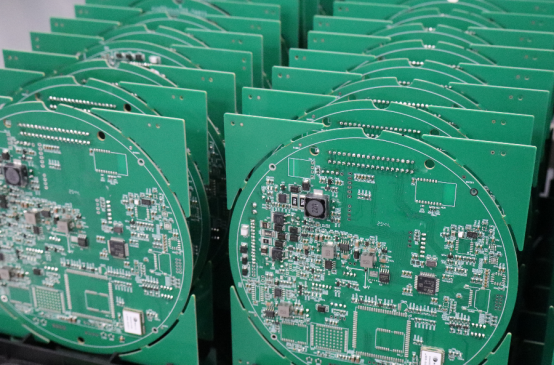
Single-Point Grounding Explained
What is Single-Point Grounding in PCB Design?
Single-point grounding is a method used in printed circuit board (PCB) design to connect all ground paths to one common point. It creates a central "star" or "hub" where the ground traces meet, ensuring that no two paths share the same ground return, except at the central point. This helps prevent unwanted noise and interference in the circuit, especially in low-frequency designs.
Definition and Key Features of Single-Point Grounding
Single-point grounding is a technique where all components of a PCB that require a ground connection are routed back to a single central point. This design ensures that the ground connections do not interfere with each other. The key features of single-point grounding are:
- Centralized Grounding: All ground traces meet at one central location, forming a "star" shape.
- Minimized Ground Loops: By limiting the number of paths for ground current, single-point grounding helps reduce the possibility of ground loops, which can cause noise and signal interference.
- Noise Isolation: This technique effectively isolates analog and digital sections, preventing noise from coupling between them.
How Does Single-Point Grounding Work in Circuitry?
In single-point grounding, the circuit’s ground connections are routed to a single point, typically near the power supply or central component. This central point is the “star” where all the individual ground paths meet. When the circuit operates, current flows through each component, but it always returns through the central ground point, preventing multiple ground returns from interacting and causing noise.
The key benefit of this approach is the direct path for current to flow, with minimal risk of interference between the ground traces. This makes it especially useful in analog circuits where signal clarity is crucial.
Visualizing Single-Point Grounding: Star Topology
A good way to visualize single-point grounding is to think of a star. Imagine a central hub with multiple lines radiating out to each component. This "star topology" ensures that the ground connections do not cross paths except at the central point. The visual structure is simple, but effective. It guarantees that each circuit’s ground path is independent, preventing unwanted coupling and ensuring a clean signal.
In a real-world example, think of a simple temperature sensor circuit. The ground from the sensor, the microcontroller, and the power supply all connect to a single point. This setup prevents noise generated by the microcontroller from affecting the sensor's readings, which is critical for accurate data.
How Does Single-Point Grounding Function in Low-Frequency Circuits?
Single-point grounding is particularly beneficial for low-frequency circuits, typically those operating below 1 MHz, such as analog sensors, audio amplifiers, and other low-speed devices. In these circuits, grounding plays a vital role in ensuring that signals remain clean and free from unwanted noise.
Why is Single-Point Grounding Suitable for Low-Frequency Circuits?
Low-frequency circuits are highly sensitive to noise and interference, which can distort the signal. Single-point grounding works well in these applications because it minimizes the chance of ground loops and noise coupling. By keeping all ground connections at one central point, the technique ensures that the ground return path is as clean as possible. This is crucial for accurate signal transmission and reliable performance in low-frequency analog circuits.
For example, in audio amplifiers, ground loops can introduce hum or buzzing into the sound signal. With single-point grounding, the circuit's ground path is isolated from other components, preventing this interference and ensuring clear audio output.
Key Benefits for Analog Signals (e.g., Sensors, Audio Pre-Amps)
In analog circuits like sensors and audio pre-amplifiers, maintaining signal quality is critical. Single-point grounding offers the following benefits for these types of circuits:
- Reduced Cross-Talk: With all ground paths converging at a single point, digital components don’t introduce noise into sensitive analog signals.
- Improved Signal Clarity: The method reduces the chances of voltage differences between different ground paths, which can cause distortion in analog signals.
- Noise Isolation: By preventing multiple ground paths, it minimizes the possibility of noise affecting the measurement or sound quality.
For instance, in temperature sensor circuits, where tiny voltage changes need to be detected, any fluctuation in the ground could interfere with the readings. A single-point grounding setup ensures that the sensor’s delicate signals remain unaffected by noise from other parts of the circuit.
Relationship Between Low-Frequency Circuit Design and Grounding Methods
The design of low-frequency circuits directly influences the choice of grounding technique. Since these circuits rely on precise voltage levels, any fluctuation in the ground potential can lead to errors. Single-point grounding minimizes this risk by ensuring that the ground return path remains stable and consistent. This technique is often preferred in simple designs such as sensor modules or basic audio equipment, where performance at low frequencies is more critical than handling high-speed signals.
In contrast, high-frequency circuits, like digital communication systems or high-speed processors, may require more complex grounding strategies (e.g., ground planes or multi-point grounding) to handle the higher speeds and prevent interference from ground bounce or cross-talk.
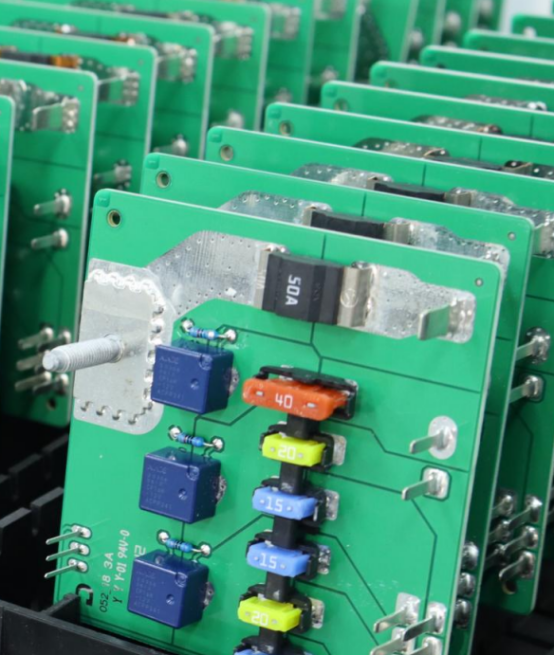
Advantages of Single-Point Grounding in PCB Designs
What are the Primary Benefits of Using Single-Point Grounding?
Single-point grounding provides several advantages in PCB designs, making it an effective solution for minimizing noise, ensuring signal integrity, and simplifying circuit layouts. It is particularly useful in small, low-frequency systems where ground interference can significantly affect performance.
Simple and Cost-Effective Grounding Method
One of the main advantages of single-point grounding is its simplicity. The design requires fewer components, as all ground connections are routed to a single point, which reduces the complexity of the PCB layout. This simplicity not only makes the design process quicker but also lowers production costs by minimizing the need for extra layers or complex ground planes. For small or straightforward designs like Arduino projects or sensor circuits, this simplicity makes it an ideal solution.
Noise Isolation Between Analog and Digital Circuits
Single-point grounding is highly effective in isolating analog circuits from digital circuits. In mixed-signal systems where both analog and digital signals coexist, ground loops and noise from digital components can easily disrupt analog signals. By routing all ground connections to a single central point, single-point grounding ensures that noise generated by the digital circuits does not affect the sensitive analog components. This separation enhances the quality of analog signals and helps maintain accurate measurements in sensors, audio amplifiers, and other analog devices.
For example, in audio preamps where clear sound quality is crucial, single-point grounding keeps the digital noise from microcontrollers or processors away from the analog signal path, preserving sound clarity.
Effective in Small Circuit Designs and Low-Speed Systems
Single-point grounding works best in small circuit designs and systems that operate at low speeds (typically below 1 MHz). These circuits, such as temperature sensors or simple microcontroller projects, are less susceptible to the effects of ground inductance, which can become problematic at higher frequencies. In these designs, the simplicity of single-point grounding provides an efficient solution to achieve a stable and reliable ground reference, ensuring that the signals remain clean and free from unwanted noise.
For instance, basic microcontroller circuits like those found in beginner-level electronics projects can benefit from single-point grounding due to its straightforward nature and ability to handle low-speed signals effectively.
Reduced Risk of Ground Loops in Smaller Designs
Ground loops, which occur when multiple ground paths create different voltage potentials, can cause noise and signal interference. Single-point grounding minimizes the risk of ground loops by ensuring that all ground connections meet at one central point. This is especially beneficial in smaller designs where space and component layout are limited. By preventing ground loops, the overall performance of the PCB improves, with fewer chances of distorted signals or power-related issues.
For example, in low-frequency sensor circuits, a ground loop could introduce unwanted voltage fluctuations, affecting the accuracy of the readings. Single-point grounding eliminates this risk by keeping all grounds at the same reference point.
How Does Single-Point Grounding Improve Circuit Performance?
Single-point grounding improves the overall performance of a PCB by enhancing signal integrity, reducing noise, and ensuring that current flows through predictable paths. This technique is particularly useful in low-frequency systems and analog circuits where precise signal measurements are crucial.
Prevention of Common-Mode Impedance Coupling
Common-mode impedance coupling happens when signals from one part of the circuit interfere with the ground, causing unwanted noise or fluctuations in other parts of the circuit. Single-point grounding reduces this risk by preventing multiple ground paths from interacting with each other. Since all ground connections converge at one central point, there is less chance of impedance mismatch or noise coupling between different parts of the circuit.
For instance, in temperature measurement circuits, a stable and clean ground reference ensures that the sensor's readings are not affected by noise or interference from other components, like microcontrollers or power supplies.
Minimizing Cross-Talk Between Circuit Parts
Cross-talk occurs when signals from one part of the circuit interfere with another part, leading to distorted or degraded performance. By ensuring that all grounds converge at a single point, single-point grounding reduces the potential for cross-talk between different parts of the circuit, particularly between analog and digital components. This results in cleaner signals and better performance overall.
In a sensor system where analog signals must remain precise, the separation of ground paths ensures that the signals from digital components like microcontrollers do not interfere with the analog measurements. This is especially important when accurate data collection is needed for processes like temperature sensing or audio amplification.
Optimizing Signal Integrity in Low-Frequency Systems
Low-frequency circuits are more susceptible to ground noise because small fluctuations in the ground path can significantly affect the quality of the signal. Single-point grounding ensures that the ground potential remains stable, which is crucial for maintaining signal integrity in low-frequency systems. This approach eliminates the possibility of ground loops and reduces the impact of any unwanted noise, which is especially important in systems like audio amplifiers, temperature sensors, or simple microcontroller projects.
For example, in audio systems, any variation in the ground voltage could introduce hum or noise into the audio signal. By using single-point grounding, the potential for these disturbances is minimized, resulting in clear and accurate sound reproduction.
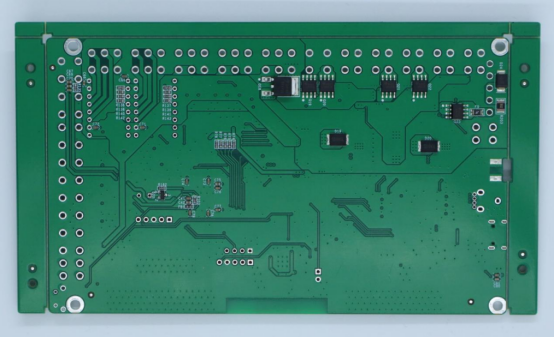
Challenges of Single-Point Grounding in PCB Designs
What Are the Limitations of Single-Point Grounding?
While single-point grounding is a straightforward and effective method for many low-frequency applications, it has limitations when it comes to high-speed designs. As the frequency of the signal increases, the performance of single-point grounding can degrade, leading to noise, ground bounce, and interference. Below, we explore some of the key challenges.
Performance Degradation at High Frequencies (≥10 MHz)
Single-point grounding works well for circuits operating at low frequencies (typically less than 1 MHz), but as the frequency of the circuit increases, problems arise. At frequencies greater than 10 MHz, the ground traces can start to act like antennas, picking up unwanted noise or generating their own. This can result in signal degradation, where the quality of the transmitted signal is reduced due to the interference caused by the ground return path.
For example, in high-speed digital communication circuits, where signals travel at faster rates, the performance of single-point grounding will be compromised. Signals can become distorted because the simple ground path can no longer provide a clean return path for the current at high speeds.
Impact of Ground Bounce and Inductance on High-Speed Circuits
Ground bounce and inductance are two significant issues in high-speed circuits that arise from using single-point grounding.
- Ground Bounce occurs when rapid changes in current flow through the circuit cause voltage differences across the ground path. In high-speed circuits, this can cause a delay or fluctuation in the signal, leading to unreliable or corrupted data.
- Inductance refers to the property of a conductor to resist changes in current flow, which increases with the length of the ground trace. At high frequencies, long ground traces can create inductive impedance, making it harder for the current to flow smoothly, further degrading signal quality.
Both of these issues can disrupt the operation of high-speed digital circuits like those used in Wi-Fi or Ethernet communication, making single-point grounding unsuitable for these designs.
Why Long Ground Traces Can Be Problematic for High-Frequency Signals
Long ground traces become problematic at high frequencies because they introduce inductance, which impedes the flow of current. At higher frequencies (≥10 MHz), the longer the ground trace, the greater the resistance to the current's return path. This can lead to voltage drops, noise, and signal distortion, especially in high-speed digital circuits.
In contrast, high-speed signals require a short, low-inductance path to ground. Single-point grounding, which often involves long ground traces between components, can’t handle this requirement effectively. For example, in high-speed processors or RF circuits, where signals need to be transmitted at high frequencies, single-point grounding can cause ground loops and signal reflections, resulting in performance issues.
Is Single-Point Grounding Suitable for High-Speed Circuits?
Single-point grounding, although effective for low-frequency circuits, is generally not suitable for high-speed circuits. These circuits, especially those used in digital communication or high-frequency applications, have unique requirements that single-point grounding struggles to meet.
Grounding Issues with High-Speed Digital Signals (Wi-Fi, Ethernet)
High-speed digital signals, such as those used in Wi-Fi or Ethernet communication, require precise timing and minimal interference. In these systems, signal integrity is crucial. Single-point grounding often cannot provide the necessary clean ground return paths for these fast-moving signals, leading to signal distortion or data corruption.
For example, in Ethernet circuits, the high-speed signals need to be kept separated from the noise generated by other components. Single-point grounding can allow that noise to enter the system, causing poor signal quality, slower data transfer, and potential communication failures.
Why Single-Point Grounding Does Not Scale Well for Larger PCBs
Single-point grounding works best for small, simple designs with a limited number of components. However, it does not scale well to larger PCBs with more complex layouts. As the size of the PCB increases, the distance between components also increases, which means the ground return paths become longer.
In a large PCB design, the longer ground traces create greater inductance and resistance, leading to ground bounce, noise, and signal interference. In complex systems, especially those with both digital and analog circuits, single-point grounding fails to provide the isolation needed to prevent cross-talk and interference between components.
Alternatives for High-Speed Circuits (Multi-Point Grounding, Ground Planes)
To overcome the limitations of single-point grounding in high-speed designs, multi-point grounding and ground planes are typically used.
- Multi-Point Grounding: This method connects various ground points throughout the PCB, allowing for multiple return paths for the current. This reduces the inductive effects and provides a more stable ground reference, making it suitable for high-speed systems.
- Ground Planes: A ground plane is a large, continuous copper area on the PCB dedicated to ground. It provides a low-impedance path for the return current, significantly reducing the chances of ground bounce and noise interference. Ground planes are essential in high-speed designs like RF circuits and high-speed processors, where signal integrity is paramount.
For example, Wi-Fi modules and Ethernet ports use these grounding methods to ensure that high-speed signals are transmitted without distortion, preserving the integrity and speed of the data.
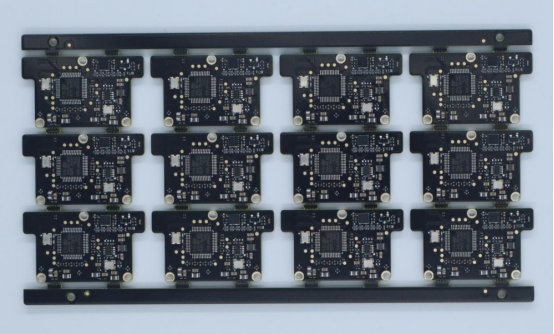
Single-Point Grounding vs. Other Grounding Methods
How Does Single-Point Grounding Compare to Multi-Point Grounding?
Single-point grounding and multi-point grounding are two common techniques used in PCB design to manage the ground connections of a circuit. Both methods help to ensure signal integrity and minimize noise, but they differ significantly in how they handle the return paths for current.
Key Differences Between Single-Point and Multi-Point Grounding
- Single-Point Grounding: In single-point grounding, all ground connections on the PCB converge to one single point. This creates a "star" topology where the ground path is centralized and ensures that each component has a direct path to ground. It works well for small, low-frequency designs but can struggle with high-speed systems due to longer ground traces and potential ground loops.
- Multi-Point Grounding: Multi-point grounding uses multiple ground connections spread across the PCB. Instead of a single central point, several points on the PCB are connected to the ground plane, creating parallel paths for current to flow back to the power source. This helps reduce the ground impedance and is better suited for high-speed designs, as it minimizes the inductance of ground traces.
In short, single-point grounding is simpler and more cost-effective for smaller circuits, while multi-point grounding is more complex but better for larger, high-speed systems where multiple return paths are necessary to maintain signal integrity.
When to Choose Single-Point Grounding Over Multi-Point Grounding
Single-point grounding is ideal for simple, low-frequency circuits with fewer components, where minimizing complexity and cost is important. For example, small microcontroller projects or sensor circuits benefit from the simplicity of single-point grounding. In these cases, the ground paths are short, and there is minimal risk of interference or signal degradation.
Multi-point grounding, on the other hand, should be chosen for larger PCBs or high-speed systems like digital communication circuits or RF circuits. These designs require multiple return paths to handle high-frequency signals, reduce impedance, and prevent noise or ground loops.
Is Single-Point Grounding Better Than Ground Planes in Complex Designs?
When designing more complex PCBs, particularly for high-speed or mixed-signal circuits, it's important to understand how ground planes compare to single-point grounding. While both methods aim to create a stable ground reference, they function differently, and each has its strengths and weaknesses.
Pros and Cons of Ground Planes Versus Single-Point Grounding
Ground Planes:
- Pros: Ground planes provide a large, continuous area for ground connections, offering very low impedance and excellent noise isolation. This makes them ideal for high-speed circuits, as they reduce inductance and help maintain signal integrity. Ground planes also prevent ground bounce and minimize the risk of interference between analog and digital sections of the circuit.
- Cons: Ground planes are typically more complex to design and may require additional PCB layers, which can increase cost and manufacturing time. They are also more suitable for large designs, so they may not be necessary for smaller, simpler systems.
Single-Point Grounding:
- Pros: Simple to design and cost-effective, especially for small or low-frequency circuits. It isolates ground noise between different parts of the circuit and prevents interference in analog components.
- Cons: Limited effectiveness at high frequencies. Long ground traces can introduce inductance, leading to signal degradation and noise issues in high-speed circuits.
In complex designs, ground planes are often the better choice for ensuring clean, stable ground connections, particularly when dealing with high-speed signals. Single-point grounding is still useful in simpler systems but becomes less effective in larger, faster designs.
How Ground Planes Benefit High-Speed Circuitry
Ground planes are essential in high-speed designs, such as RF communication, digital processors, or high-frequency signal transmission. They provide several benefits:
- Low Impedance Path: A ground plane offers a near-perfect return path for current, which is essential for high-speed signals to maintain signal integrity. This low impedance minimizes the voltage fluctuations that can occur in longer ground traces.
- Minimized Inductance: The continuous copper layer in a ground plane reduces the inductance in the ground path, which can cause delays or distortion in high-frequency signals. This is critical in high-speed digital circuits or RF systems where timing and precision are key.
- Reduced Cross-Talk: Ground planes help prevent interference between different sections of the circuit by isolating analog and digital ground paths. This separation ensures that noise from high-speed digital circuits does not affect sensitive analog components.
For example, in Ethernet or Wi-Fi circuit boards, the high-speed data signals benefit from the stability and noise isolation that ground planes provide. The plane creates a uniform reference for the signal and ensures that the digital signals are not disrupted by noise or ground interference.
Comparison Table
| Feature | Single-Point Grounding | Multi-Point Grounding | Ground Planes |
| Best for | Small, low-frequency circuits | Larger, high-speed circuits | Complex, high-speed designs |
| Simplicity | Simple, easy to implement | More complex, requires multiple connections | More complex, requires additional PCB layers |
| Signal Integrity | Good for low-frequency systems | Better for high-speed systems | Excellent for high-speed systems, minimizes noise |
| Cost | Low cost, no extra layers required | Higher cost, due to multiple connections and complexity | High cost due to additional PCB layers |
| Ground Isolation | Isolates analog and digital sections well | Can isolate multiple sections well | Provides superior isolation and noise reduction |
| Impedance Control | Struggles at high frequencies due to inductance | Better impedance control than single-point grounding | Excellent impedance control at high frequencies |
| Size/Scalability | Best for smaller designs | Suitable for larger and more complex designs | Best for large, complex designs |
| High-Speed Performance | Limited for high-speed designs | Suitable for high-speed systems | Essential for high-speed systems |
This comparison highlights the strengths and weaknesses of each grounding method, helping designers choose the right technique for their specific application.
Practical Examples of Single-Point Grounding
When to Use Single-Point Grounding in Simple Circuit Designs?
Single-point grounding is often ideal for smaller, simpler circuit designs where low-frequency signals are used, and the complexity of multi-point grounding or ground planes is not necessary. It is a straightforward method to manage the ground connections and prevent noise interference in small circuits, especially when components don’t require high-speed performance or complicated signal routing.
Case Study: Single-Point Grounding in Arduino Projects
Arduino projects are a perfect example of where single-point grounding excels. These projects typically involve small microcontrollers and sensors that operate at low speeds (typically less than 1 MHz). In such designs, ground interference is minimal, and the simplicity of single-point grounding ensures reliable operation.
- Grounding Setup: In an Arduino project, all ground connections—whether from the microcontroller, sensor, or other peripherals—can be routed to a single central ground point. This creates a star-like topology, where each component’s ground is connected directly to the central point, minimizing noise and avoiding ground loops.
- Practical Example: Consider a simple Arduino circuit with a temperature sensor. The ground from the Arduino board and the temperature sensor both connect to the central ground point. This reduces the chances of cross-talk between the microcontroller and the sensor, maintaining accurate readings from the sensor without interference.
- Why it works: The simplicity of the design and the low-frequency nature of the signals make single-point grounding a highly effective and cost-efficient solution for small projects. It prevents unwanted noise without adding unnecessary complexity to the design.
Example: Analog Temperature Sensor Circuit with Single-Point Grounding
Single-point grounding is particularly useful in analog sensor circuits, such as those used for temperature measurement. In these systems, the analog signal must remain clean and free from noise to ensure accurate readings.
- Circuit Design: In a basic analog temperature sensor circuit (e.g., a thermistor or LM35 sensor), the sensor’s ground pin is connected directly to a single-point ground located near the sensor’s power source or microcontroller. The output of the sensor is routed through an analog-to-digital converter (ADC), which sends the data to a microcontroller for processing.
- Why Single-Point Grounding Works: Since the signals involved are low-frequency analog signals, single-point grounding helps prevent any cross-talk or interference that could distort the temperature readings. This ensures that the temperature sensor’s signal is not contaminated by noise from the microcontroller or other circuit components.
- Benefits: This approach allows for simplified circuit layout and ensures that the signal from the analog sensor remains accurate and stable, even if the circuit only contains basic components.
Single-Point Grounding in Mixed-Signal Circuit Designs
In mixed-signal designs that include both analog and digital components, ensuring clean ground connections is essential. Single-point grounding can still be used, but careful attention must be given to prevent digital noise from interfering with analog signals. The goal is to isolate the two types of circuits while maintaining a common ground reference at a single point.
Case Study: Combining Analog and Digital Components on a Single PCB
In mixed-signal systems, where both analog signals (e.g., sensor inputs) and digital signals (e.g., microcontroller, communication modules) coexist, it is important to use single-point grounding to avoid interference between the two. However, the ground paths for analog and digital circuits need to be carefully managed.
- Circuit Design Example: A typical mixed-signal circuit may involve a digital microcontroller interfacing with an analog sensor. The microcontroller and sensor share a common ground, but to avoid digital noise affecting the analog signal, the ground traces for analog and digital components should be separated as much as possible, coming together only at the single central ground point.
- Implementation: The analog signal paths (e.g., sensor outputs) are routed with short, low-impedance ground traces, while the digital ground traces (e.g., microcontroller ground) are routed separately. These traces should meet at a single point near the power supply, ensuring that digital noise does not leak into the analog section.
- Why it works: By routing the analog and digital grounds separately and converging them at a single point, we prevent digital noise from contaminating the analog signal, maintaining the integrity of both. This design is especially useful for systems with sensitive analog measurements or communication systems requiring both digital and analog inputs.
Example: Audio Amplifier Circuit with Isolated Digital Components
In an audio amplifier circuit that includes both analog and digital components (e.g., analog audio signals and digital signal processing), single-point grounding is crucial for avoiding noise interference.
- Circuit Design: In an audio amplifier with analog audio inputs, the digital control circuitry (e.g., microcontroller or digital signal processor) may be used to adjust volume, treble, and bass. The analog ground (for the audio components) and the digital ground (for the microcontroller) should be kept separate to prevent noise from the digital circuits from affecting the audio quality.
- Implementation: The analog section of the circuit (the amplifier and audio input signals) is routed with its own ground traces, and the digital section (microcontroller, DAC , etc.) is routed with separate ground traces. Both of these grounds meet at a single-point ground near the power supply, ensuring that there is no noise coupling from the digital circuits into the analog signal path.
- Why it works: The separation of analog and digital grounds ensures that the analog audio signals are not corrupted by digital switching noise. The single-point grounding method minimizes the chances of ground loops and cross-talk, ensuring high-quality audio output.
- Benefits: In audio systems, maintaining signal quality is crucial, and single-point grounding helps keep digital noise from distorting the analog audio signals. This approach also simplifies PCB layout while ensuring optimal performance.
Implementation of Single-Point Grounding in PCB Design
How Should Single-Point Grounding Be Implemented in Small Circuit Boards?
Single-point grounding is a popular technique for small circuit boards, especially those with low-frequency applications. When properly implemented, it ensures minimal noise, stable signal integrity, and simple design. Here’s a step-by-step approach to implementing single-point grounding effectively.
Step-by-Step Guide to Setting Up Single-Point Grounding
Identify the Grounding Components: Begin by identifying the components in your circuit that need to connect to ground. Typically, this includes all components such as microcontrollers, sensors, power supply connections, and any other devices requiring a stable ground reference.
Designate a Central Ground Point: Select a central location on the PCB where all ground connections will meet. This point will act as the “star” in your single-point grounding system. It's crucial to place it near the power supply, as this minimizes the distance signals must travel and reduces potential noise interference.
Route Ground Traces to the Central Point: From each of the components identified in step one, route the ground traces to the central point. Keep the traces as short as possible to avoid introducing inductance or impedance. For small boards, direct connections work best, and it's essential to ensure that each component's ground has a separate path to the central ground point.
Avoid Shared Ground Paths: Ensure that no two ground traces run in parallel to each other or connect in multiple places. The idea is to prevent ground loops or interference between components. Each ground trace should only meet at the central point.
Check for Noise or Interference: After the design is complete, check the circuit for noise or ground bounce, especially in low-frequency circuits. If issues are detected, the placement of the ground traces or the central point may need adjustment.
By following these steps, you’ll have a well-implemented single-point grounding system that minimizes noise and interference in your small PCB design.
Best Practices for Designing the Ground Plane and Trace Layout
When implementing single-point grounding, it’s important to focus on the ground trace layout and ground plane design. Here are a few best practices to consider:
Minimize Ground Trace Length: The longer the ground trace, the higher the inductance, which can cause noise and signal degradation. Always aim to keep ground traces as short as possible, especially in high-speed circuits or analog signal paths.
Use Wide Ground Traces: Wider ground traces reduce resistance and provide a better return path for current. If possible, use 2mm or wider copper traces for the central ground trace to ensure minimal voltage drop and a clean signal return.
Create a Continuous Ground Plane: While single-point grounding is typically for small designs, incorporating a continuous ground plane under components can help further reduce noise. The ground plane helps provide a uniform reference for the signal and ensures better shielding, especially if your circuit operates at higher frequencies.
Separate Analog and Digital Grounds: If your circuit involves both analog and digital components, it’s good practice to keep their ground traces separate and only connect them at the central ground point. This helps prevent digital noise from affecting sensitive analog signals.
These practices ensure that the grounding system is efficient, reducing noise and ensuring that signals stay clean and stable throughout the PCB.
Recommendations for Trace Width and Material (e.g., Copper)
For effective single-point grounding, selecting the right trace width and material is critical. Here's what to consider:
Copper Trace Width: The width of the trace determines its current-carrying capacity. For ground traces, a wider trace (typically ≥2mm) is recommended to reduce impedance and ensure smooth current flow. If using smaller traces, the resistance increases, which can lead to voltage drops and noise.
Copper Material: Copper is the most commonly used material for PCB traces due to its excellent conductivity. 1 oz or 2 oz copper is typically used in PCBs, but thicker copper (e.g., 3 oz) can be considered for high-current applications. Using high-quality copper ensures the trace offers low impedance, which is important for minimizing signal loss and maintaining stable grounding.
Via Size: If you need to route the ground trace through different PCB layers, ensure that the vias used for grounding are sufficiently large (with a drill size of at least 0.25mm) to handle the current without overheating or causing excessive resistance.
By using the right trace width and copper material, you ensure that your grounding system is effective and that signals pass through the PCB with minimal interference.
What Are the Recommended Materials for Single-Point Grounding?
When designing PCBs with single-point grounding, choosing the right materials for your ground traces and connections is essential to ensuring that the system functions properly. Here are the materials that work best.
Copper Traces for Low Impedance and High Conductivity
Copper is the most common material used for PCB traces due to its excellent electrical conductivity and low impedance. For grounding, copper ensures that the return path for current is as efficient as possible, minimizing noise and signal degradation.
- Advantages of Copper: Copper offers low resistance and high conductivity, making it the ideal choice for both power and ground traces. It also has a high thermal conductivity, which helps dissipate heat generated during operation.
- Considerations: Copper traces are typically 1 oz per square foot or 2 oz per square foot for standard PCB designs. If your design involves higher current or sensitive analog signals, using thicker copper (e.g., 2 oz or more) can help reduce resistance and improve grounding.
Optimal Trace Width and Thickness for Effective Grounding
The width and thickness of the ground traces play an important role in the current-carrying capacity and impedance of the grounding system.
- Trace Width: Wider traces (≥2mm) are recommended for ground traces, as they offer a lower impedance path for the return current. For high-frequency circuits, wide traces can help reduce noise, especially if they’re routed close to the ground plane.
- Trace Thickness: Thicker traces can carry more current without heating up or introducing resistance. Thicker copper (e.g., 2 oz copper or more) may be needed for high-current designs to ensure the ground system can handle the current flow without excessive voltage drop.
Considerations for Grounding Through Holes and Pads
When implementing single-point grounding in multi-layer PCBs, grounding through vias (through-hole connections) is sometimes necessary. Here are key considerations:
- Via Size: Vias used for grounding should be large enough to handle the required current. 0.25mm vias are typical for smaller circuits, but for higher-current applications, larger vias may be needed.
- Via Location: Place vias as close to the components as possible to minimize trace lengths and reduce inductance. Ensuring that the via connects to the ground plane or copper layer beneath it ensures a stable and low-impedance connection.
By considering these factors when selecting trace and via materials, you ensure that your single-point grounding system functions optimally, providing a stable ground reference and minimizing noise.
Conclusion
Single-point grounding is an essential technique in PCB design that helps maintain signal integrity, reduce noise, and ensure smooth operation, especially in small and low-frequency circuits. By following best practices, such as separating analog and digital grounds and maintaining a centralized ground point, you can optimize the performance of your designs. Whether you're working on a simple Arduino project or a more complex mixed-signal system, understanding and implementing single-point grounding is key to building reliable PCBs.
If you have any further questions or would like to learn more about PCB design and manufacturing, PCBMASTER, a trusted and experienced PCB supplier , is here to help. Feel free to reach out for professional advice and expert solutions tailored to your needs.
FAQs on Single-Point Grounding
What is the best type of circuit for single-point grounding?
Single-point grounding is best suited for small, low-frequency circuits where the complexity of multi-point grounding or ground planes is unnecessary. Ideal applications include analog sensor circuits, microcontroller-based designs, and low-speed systems. Circuits operating at frequencies below 1 MHz, such as those in Arduino projects or simple temperature sensors, benefit greatly from this straightforward grounding method. The simplicity and low-cost nature of single-point grounding make it an excellent choice for compact designs with fewer components and minimal noise concerns.
Can single-point grounding prevent noise in digital circuits?
Single-point grounding can help minimize noise in digital circuits, especially in systems where analog and digital components are isolated. By ensuring that both signal and ground paths converge at a single central point, it reduces the risk of creating ground loops or shared paths that could lead to crosstalk between circuits. However, single-point grounding is more effective at low frequencies and may not be sufficient for high-speed digital systems where noise coupling between digital and analog sections becomes more significant. For more complex, high-speed designs, additional measures such as ground planes or multi-point grounding may be necessary to ensure noise isolation.
How can ground bounce be minimized in high-speed systems?
To minimize ground bounce in high-speed systems, it’s essential to reduce the inductance in the ground path. While single-point grounding works well for low-frequency circuits, it becomes less effective at higher speeds due to the increased inductance of longer ground traces. Here are some ways to reduce ground bounce:
- Shorten ground traces as much as possible to limit inductance.
- Use wider traces for ground connections to reduce resistance and improve the current return path.
- Implement ground planes in multi-layer PCBs to provide a continuous, low-impedance path for high-speed signals.
- Separate analog and digital grounds to prevent noise from digital circuits from affecting sensitive analog components.
These steps, combined with a carefully designed grounding strategy, can significantly reduce the risk of ground bounce in high-speed systems.
Is single-point grounding effective in large PCB designs?
While single-point grounding works well for small PCBs and low-frequency designs, it struggles in large PCB designs, especially when dealing with high-speed circuits or systems with many components. In large designs, long ground traces can increase impedance and inductance, leading to potential noise issues, ground loops, and signal degradation. Multi-point grounding or ground planes are typically more effective in these scenarios, as they offer multiple, shorter ground paths and provide better noise isolation. Single-point grounding can still be used in larger designs, but it must be applied carefully, and additional grounding techniques may be needed for optimal performance.
What is the maximum frequency range for single-point grounding to work effectively?
Single-point grounding is most effective in low-frequency circuits, typically up to about 10 MHz. Beyond this frequency, the longer ground traces become more susceptible to inductance and impedance issues, which can degrade signal quality and result in unwanted noise or ground bounce. For circuits operating at frequencies higher than 10 MHz, multi-point grounding or ground planes are recommended to maintain signal integrity and minimize noise interference. Therefore, while single-point grounding is an excellent solution for many low-frequency applications, it becomes less effective as frequency increases and should be replaced or complemented by other grounding methods for high-speed systems.
About the Author

Carol Luo
PCB Design EngineerI'm Carol, a PCB Engineer at PCBMASTER with experience in PCB design and manufacturing engineering since 2018. I focus on translating engineering requirements into reliable PCB solutions, with expertise in stack-up design, material selection, and design-for-manufacturing (DFM). I share practical engineering insights from real-world PCB design and production experience.
Visit Carol Luo's Profile