








Different PCB Panelization Methods and How to Choose
Choosing the right PCB panelization method can be the difference between a smooth production run and costly delays. As manufacturers face increasing demand for both speed and precision, understanding the best ways to arrange multiple boards on a single panel is more important than ever. With several methods to consider, from simple tab-routing to precise laser cutting, the right choice can drastically affect your timeline, budget, and product quality.
What is PCB Panelization and Why is it Important?
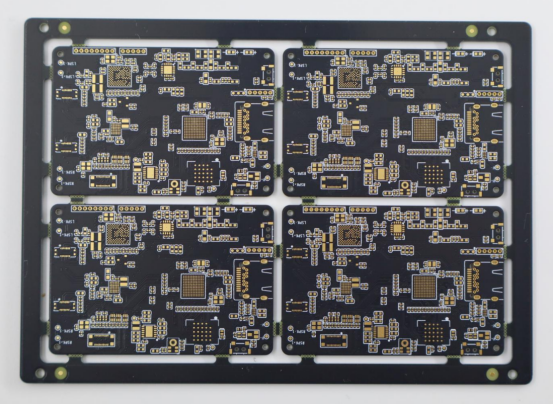
PCB panelization refers to the process of arranging multiple individual printed circuit boards (PCBs) on a single, larger panel. This arrangement is done during the design phase before the boards are manufactured. In simpler terms, panelization means placing several small PCBs together on one larger sheet to streamline the manufacturing process.
In mass production, it’s common to create panels that contain multiple identical or similar PCBs. These panels are then processed together in one step, whether it's for etching, drilling, or testing. Panelization allows manufacturers to handle many boards at once, saving time and resources compared to processing each PCB individually.
How it Helps in Mass Production and Efficiency:
By combining multiple boards into a single panel, manufacturers can perform several operations at once. This not only increases the throughput of the production line but also minimizes handling, transportation, and setup time. Imagine trying to assemble 100 PCBs individually. It would take much longer than if you could process all 100 together as a single panel.
For example, when etching the copper layers on a PCB, the larger panel ensures that all the boards undergo the process simultaneously, making it much more efficient.
Importance of PCB Panelization
1. Cost Reduction in Manufacturing
One of the biggest advantages of PCB panelization is cost savings. Manufacturing a single panel containing multiple PCBs reduces the cost of handling, setup, and material waste. Without panelization, each PCB would require individual handling, setup, and testing, which could lead to higher labor costs and material inefficiencies.
Additionally, panelizing multiple PCBs together allows manufacturers to optimize their materials. For instance, instead of cutting several small boards from large raw materials, a panelized design uses the material more efficiently, resulting in less scrap and more savings.
Real-life Example:
Imagine a scenario where a factory needs to produce 1,000 PCBs. Without panelization, they may need to individually process each board, which would take longer and use more materials. By panelizing 10 PCBs per panel, the total number of panels is reduced, saving both time and materials.
2. Time-Saving During Production
Panelization speeds up the overall production process. By handling multiple PCBs in one go, manufacturers avoid the need for repetitive setups and minimize the time spent on operations like etching, drilling, and assembly.
In typical PCB production, the processes (such as drilling holes or applying solder mask) can be done simultaneously on the entire panel. This eliminates the need to treat each PCB individually, drastically reducing the time required for each step.
Real-life Example:
In high-volume production, a factory may take just a few minutes to process an entire panel with 20 boards. If each PCB were processed separately, the same process could take hours, significantly slowing down production.
3. Ensuring High-Quality and Consistent Results
Panelization also ensures consistency and quality control. Since multiple boards are processed together, any variations in the manufacturing process are minimized. This is crucial for ensuring that each PCB within a panel is manufactured with the same level of precision and quality. Additionally, by using panels, manufacturers can easily identify and fix defects early on, without risking multiple individual boards.
Example in Quality Control:
Suppose there’s a problem during the etching phase of production, such as uneven copper traces. With panelization, this issue can be caught early when examining a panel, ensuring that all 10 or 20 boards in the panel are corrected at the same time. If the boards were processed individually, catching such issues could take much longer and be more costly.
Panelization also reduces the chances of errors during assembly and testing, as the handling of multiple PCBs in a panel is more streamlined. This improves overall reliability in high-volume PCB production.
What are the Different PCB Panelization Methods?
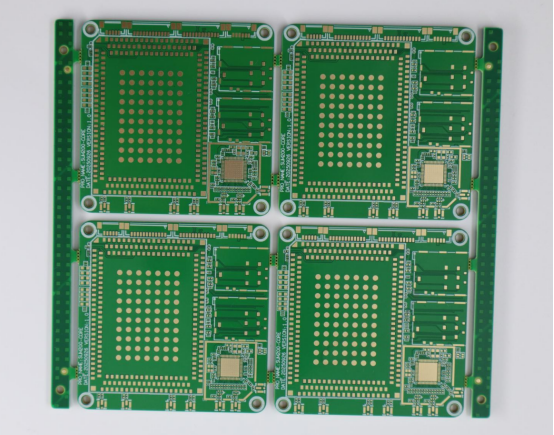
There are several common PCB panelization methods used in manufacturing: Tab-Routing, V-Cut, Breakaway Tabs, Punching, and Laser Cutting. Each method has its own advantages and is suited to different production requirements.
1. Tab-Routing (Tab-Stop Method)
How it works:
In the Tab-Routing method, small tabs are created along the edges of the individual PCBs, connecting them to a larger panel. These tabs hold the boards together during manufacturing processes like drilling or etching. After production, the tabs are manually or mechanically cut to separate the PCBs.
Advantages:
- Simple and Easy to Cut: Tab-routing is straightforward to implement and doesn’t require special equipment beyond basic cutting tools.
- Minimal Scrap: The use of tabs minimizes material waste, as the layout is efficient and boards can be packed tightly together.
Disadvantages:
- Extra Handling: After production, the tabs must be carefully separated, which requires extra handling and time.
- Risk of PCB Damage: There’s a risk of damaging the boards during the tab removal process, especially if the tabs are not cut cleanly.
Best Use Cases:
Tab-routing is ideal for small to medium batch runs or for prototype development, where cost-efficiency and simplicity are prioritized. It’s particularly useful when you’re testing out designs that may not need to be manufactured in large volumes.
2. V-Cut Method (V-Groove)
How it works:
The V-Cut method involves creating a V-shaped groove along the edges of the individual PCBs within the panel. This groove allows the boards to be easily separated by snapping them apart along the groove lines after manufacturing is completed.
Advantages:
- Clean, Precise Separation: The V-shaped groove provides a clear, precise separation, ensuring minimal risk of damage during board separation.
- Minimal Risk of Board Damage: Since the groove is pre-defined, the boards break cleanly along the lines, reducing the chances of physical damage to the PCB.
Disadvantages:
- Requires More Space Between Boards: The V-groove requires extra space between the individual boards, which may lead to inefficient material use.
- Can Add to Cost: If not properly planned, the additional space needed for the V-grooves can increase material costs.
Best Use Cases:
The V-Cut method is best for high-volume production where precision is key. It’s a go-to method when large batches of PCBs are produced, and where precise separation is critical to ensure no damage to the final product.
3. Breakaway Tabs (Breakaway Strips)
How it works:
Breakaway tabs are flexible strips that hold the boards together in the panel. After the PCB is manufactured, these tabs are simply snapped off to separate the individual boards. The breakaway tabs are usually placed between the boards to maintain the structure and prevent them from shifting during production.
Advantages:
- Flexible and Efficient: Breakaway tabs are versatile and work well for both regular and irregularly shaped PCBs.
- Works Well for Custom Shapes: They’re especially useful when the design requires custom panel shapes or layouts that don't follow standard rectangular formats.
Disadvantages:
- Not Suitable for Heavy Components: Breakaway tabs may not provide enough support for designs with heavy components or intricate layouts. This could result in stress on the boards during separation.
Best Use Cases:
This method is best for medium-volume runs or designs that need custom panel shapes. It’s ideal when there’s a need for flexibility in design or when the boards have varying sizes.
4. Punching (Mechanical Punching)
How it works:
Punching involves using a punching die to create holes or cutouts in the PCB panel. These holes or cutouts are used to separate the individual boards once they’ve been fully processed. Punching is fast and widely used in mass production, as the die can process several panels in quick succession.
Advantages:
- High-Speed and Cost-Effective: Punching is an extremely fast method that works well for large-volume production. It’s very cost-effective because the die can quickly process large numbers of panels.
- Consistency: Punching ensures uniformity in separation, which is beneficial for mass manufacturing.
Disadvantages:
- Potential for Burrs or Imperfections: The punching process can cause small imperfections, such as burrs, along the edges of the cut areas. These imperfections may require additional cleaning or finishing.
Best Use Cases:
Punching is most useful in high-volume mass production where uniformity and speed are key. It’s suited for simple, uniform designs where speed is more important than precision.
5. Laser Cutting
How it works:
Laser cutting uses a focused beam of light to cut the panel and separate the PCBs. This method is highly accurate and allows for the separation of boards with complex or irregular shapes. It is also suitable for panels that require high precision.
Advantages:
- Very Precise: Laser cutting offers high precision, making it ideal for intricate or custom designs.
- Flexible for Complex Shapes: Laser cutting can handle complex geometries, making it suitable for non-rectangular PCB shapes or designs with tight tolerances.
Disadvantages:
- More Expensive: Laser cutting is generally more expensive than methods like punching or tab-routing due to the cost of the equipment and slower processing speed.
- Slower Process: Compared to other methods, laser cutting is relatively slow, making it less suitable for large-scale mass production.
Best Use Cases:
Laser cutting is ideal for low-volume, high-precision PCB designs where intricate or irregular shapes are required. It’s often used for prototyping or low-volume runs where the cost of higher precision is justified.
Comparison Table
| Method | How It Works | Advantages | Disadvantages | Best Use Cases |
| Tab-Routing | Tabs hold boards together on the panel. | Simple, minimal scrap, easy to cut. | Extra handling, risk of damage during separation. | Small to medium batch runs, prototypes. |
| V-Cut | V-shaped grooves separate boards after cutting. | Precise, clean separation with minimal damage. | Requires more space, can add to cost. | High-volume production, precise separation needed. |
| Breakaway Tabs | Flexible strips hold boards together, snapped off. | Flexible, works well for irregular shapes. | Not suitable for heavy components or intricate layouts. | Medium-volume runs, custom panel shapes. |
| Punching | Die used to create holes/cutouts for separation. | High-speed, cost-effective for large volumes. | Potential for burrs or imperfections. | High-volume mass production with uniform designs. |
| Laser Cutting | Laser cuts the panel to separate boards. | Very precise, flexible for complex shapes. | Expensive, slower than other methods. | Low-volume, high-precision designs. |
How to Choose the Right PCB Panelization Method?
Choosing the right PCB panelization method is crucial to optimize production efficiency, control costs, and ensure quality. Factors like production volume, design complexity, material considerations, cost efficiency, and separation speed all play a role in selecting the most suitable method.
1. Consider Production Volume
Production volume significantly impacts both cost and the selection of panelization methods. For low-volume production, the focus tends to be on flexibility and simplicity, while high-volume production emphasizes speed and cost-efficiency.
For low-volume or prototype runs, methods like Tab-Routing are often chosen because they are easy to implement and involve fewer upfront costs. However, for high-volume production, methods such as V-Cut are preferred because they provide cleaner and more efficient separation, making the overall production process faster and more cost-effective.
Examples:
- Prototypes or Small Batch Runs: Tab-Routing is ideal for small-scale production because it is straightforward and inexpensive.
- Mass Production: V-Cut is preferred for high-volume production, where speed and accuracy are critical. The method allows for quick, clean separation of many boards at once, reducing time and costs.
2. Design Complexity and PCB Shape
The complexity of your PCB design and its shape play an essential role in deciding the best panelization method. For simple designs, methods like Tab-Routing or V-Cut can be used effectively. However, complex designs or irregular shapes require more advanced methods, such as Laser Cutting, which offers the precision needed for intricate and non-standard shapes.
For example, if your PCB design includes fine components, tight spaces, or unusual contours, Laser Cutting is the best option because it can handle intricate patterns with high precision.
Real-world Example:
If you're designing a PCB with a circular shape or with components placed very close together, Tab-Routing may not provide the precision needed. Laser Cutting would be a better choice because it can cut irregular shapes without the risk of damaging sensitive components.
3. Material and Component Considerations
The type of material used for your PCB and the size and weight of the components will influence the best panelization method. For lightweight designs with simple components, methods like Breakaway Tabs are effective, as they are flexible and easy to snap off after production. However, for heavier components, more robust methods, such as V-Cut or Punching, may be needed to ensure the panels remain secure during production and handling.
Additionally, flexible PCBs may require special consideration. Laser Cutting or Punching may be better suited for flexible boards, as they handle the material's flexibility without causing damage.
Examples:
- Lightweight Designs: Breakaway Tabs work well for simple, lightweight boards, as they can be easily separated without risking damage.
- Heavy Components: V-Cut or Punching methods would be more suitable for boards with heavy or bulky components.
4. Cost Efficiency
Cost is one of the most significant factors when choosing a PCB panelization method. Different methods involve different upfront costs and ongoing expenses. Tab-Routing and Punching tend to be more cost-effective for low-volume or simpler designs, as they involve minimal setup costs. However, V-Cut and Laser Cutting may be more expensive upfront but can lead to long-term savings in mass production due to their precision and speed.
The method you choose should balance both initial cost and the long-term savings in labor, material, and time. For high-volume manufacturing, a slightly more expensive method like V-Cut may offer better long-term savings by reducing production time and material waste.
Cost Breakdown Example:
- Tab-Routing is cheaper upfront and works well for low volumes, but as production increases, the time spent on separating boards may offset the initial savings.
- V-Cut is more expensive to set up but will provide savings over time in high-volume production, thanks to faster and more automated separation.
5. Separation Speed and Ease
The ease and speed of separating individual PCBs from the panel can vary greatly depending on the method used. Tab-Routing requires manual handling to remove tabs, which can be time-consuming and potentially cause damage if not done carefully. In contrast, methods like V-Cut and Breakaway Tabs provide quicker separation with minimal manual labor, reducing the risk of errors or PCB damage.
Example:
With Tab-Routing, the separation process can be slow and labor-intensive, requiring extra handling. On the other hand, Breakaway Tabs are easy to snap off, allowing for faster and safer separation, making them a good choice when speed and ease are priorities.
Conclusion
Choosing the right PCB panelization method is crucial for optimizing the production process. Whether you're dealing with high-volume manufacturing or small-batch prototypes, selecting the appropriate method can significantly impact both cost and efficiency. Factors such as production volume, design complexity, and cost-effectiveness must all be carefully considered. For example, methods like V-Cut are ideal for high-volume runs, while Tab-Routing is better suited for prototypes or low-volume production.
As you evaluate your options, it’s important to work with a partner who understands the nuances of panelization and can guide you to the best method for your specific needs. The right support can help streamline the process, reduce costs, and improve the overall quality of your PCB production.
Experienced PCB suppliers, like PCBMASTER , can offer valuable insights and tailored solutions to ensure your project runs smoothly. By selecting the right method, you can achieve a more efficient, cost-effective, and successful manufacturing process.
FAQs
What is the difference between V-Cut and Tab-Routing in PCB panelization?
V-Cut and Tab-Routing are two common methods used for separating PCBs after they’ve been produced in a panel. The key differences lie in how the panels are structured, how the PCBs are separated, and the associated costs and suitability for different production scales.
Method:
- V-Cut: A V-shaped groove is cut into the panel along the edges of the individual PCBs. This groove creates a clean separation line that allows the boards to be snapped apart after production.
- Tab-Routing: This method uses small "tabs" that physically hold the individual PCBs in place on the panel. After manufacturing, the tabs are manually or mechanically cut to separate the boards.
Cost:
- V-Cut generally requires more upfront planning and tooling, which can make it slightly more expensive compared to Tab-Routing. The process also requires more space between boards, which can increase material costs.
- Tab-Routing is cheaper to implement initially, as it involves simpler tools and setup. However, it may result in higher labor costs for manual tab removal.
Best Use Cases:
- V-Cut is best for high-volume production where precision and speed are important, as it ensures clean, fast separations without much post-processing.
- Tab-Routing is ideal for low-volume or prototype runs, where simplicity and lower initial costs are prioritized over speed and precision.
Which PCB panelization method is best for low-volume production?
For low-volume production, Tab-Routing is often the most efficient and cost-effective method. The setup is simple, and the initial investment is lower compared to methods like V-Cut or Laser Cutting, which can be more expensive due to tooling and setup costs.
Additionally, Tab-Routing is a flexible method that can accommodate changes in design and is particularly suited for small batch runs or prototypes where flexibility and lower costs are important. While it may require extra labor to separate the boards, this is a manageable trade-off for small runs where time and budget constraints are a priority.
Can I use laser cutting for high-volume PCB production?
While laser cutting offers high precision and flexibility, it’s generally not the most efficient or cost-effective choice for high-volume PCB production. Here's why:
- Viability: Laser cutting is incredibly precise and can handle intricate designs and non-standard shapes, making it perfect for low-volume or prototype runs where precision is required. However, it’s slower compared to other methods like V-Cut or Punching, especially when handling large quantities of panels.
- Limitations: The major drawback of laser cutting in high-volume production is the slower processing time, which can significantly increase costs when producing large numbers of PCBs. Additionally, the equipment involved can be more expensive and requires more maintenance compared to methods like Punching, which are optimized for mass production.
In conclusion, while laser cutting can be used for high-volume production, it’s typically reserved for specific use cases, such as complex or irregularly shaped boards, and is generally not the most efficient choice for large-scale manufacturing due to its slower speed.
What are the key factors to consider when choosing a PCB panelization method?
Several factors play a role in determining the best PCB panelization method for your project:
- Production Volume: High-volume production often benefits from methods like V-Cut or Punching, which provide fast separation and high throughput. For low-volume production or prototypes, methods like Tab-Routing are more cost-effective.
- Design Complexity: If your design is simple, methods like Tab-Routing or V-Cut are sufficient. For complex or irregular shapes, Laser Cutting may be needed to achieve the required precision.
- Cost: Methods like Tab-Routing are typically less expensive upfront, but may incur additional costs for labor and handling. V-Cut and Punching may involve higher initial costs but offer better cost-efficiency in high-volume production.
- Component Weight and Size: Heavy components may require methods like V-Cut to ensure structural integrity during the production process, while Breakaway Tabs are ideal for lighter, simpler designs.
- Separation Speed: Faster methods like V-Cut and Punching allow for quicker separation and less manual labor, which can be critical for high-volume runs.
Considering these factors, it’s important to choose a method that balances cost, speed, precision, and the unique requirements of your PCB design and production volume.
Are there any eco-friendly PCB panelization methods?
Yes, there are eco-friendly practices in PCB panelization, though most methods primarily focus on efficiency and cost rather than sustainability. However, several approaches can minimize environmental impact:
- Material Efficiency: V-Cut and Laser Cutting methods can reduce material wastage because they allow for more precise separation, ensuring minimal scrap. This contributes to reducing the environmental footprint of PCB production.
- Recyclable Materials: Choosing recyclable PCB materials is another important eco-friendly consideration. Manufacturers can use environmentally friendly substrates like biodegradable laminates or recyclable copper in their PCB designs, further reducing the ecological impact.
- Reduced Chemical Use: Laser Cutting is a dry process that eliminates the need for chemical etching or solvents, which are commonly used in other methods. This can significantly reduce the amount of harmful chemicals released into the environment.
While these methods contribute to a more eco-friendly production process, the entire lifecycle of a PCB—including production, usage, and disposal—should be considered when aiming for sustainability. Manufacturers can also explore green certifications and eco-conscious suppliers to further minimize the environmental impact of their PCB production.
About the Author

Carol Luo
PCB Design EngineerI'm Carol, a PCB Engineer at PCBMASTER with experience in PCB design and manufacturing engineering since 2018. I focus on translating engineering requirements into reliable PCB solutions, with expertise in stack-up design, material selection, and design-for-manufacturing (DFM). I share practical engineering insights from real-world PCB design and production experience.
Visit Carol Luo's Profile