








How Many PCB Layers Are Needed for Your Project? Explore the Options
When designing a printed circuit board (PCB) , one of the most crucial decisions you'll face is determining how many layers your board needs. The number of layers directly impacts not only the functionality and performance of your device but also its size, cost, and complexity. While a simple design may only require a single layer, more advanced projects—such as high-speed electronics or compact devices—often call for multiple layers to accommodate intricate circuitry and improve overall performance.
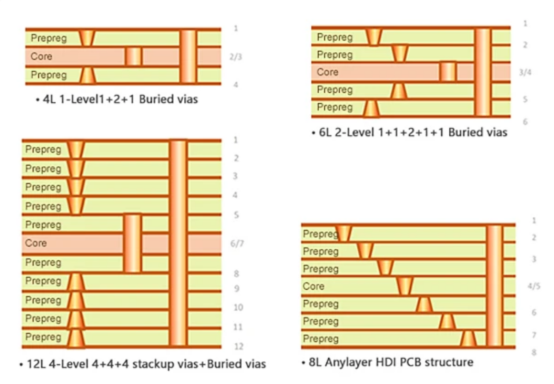
Why Does the Number of PCB Layers Matter in Your Project?
The number of layers in a PCB (Printed Circuit Board) plays a critical role in how well your electronic device will perform. It affects everything from the functionality and size of the circuit board to its cost and complexity. Understanding how PCB layers work and how they influence performance, design, and cost is essential for making the right decisions when designing a PCB.
Understanding the Function of PCB Layers
PCB layers serve electrical, mechanical, and thermal purposes, ensuring that your board performs well, fits within the required space, and doesn’t overheat.A PCB typically consists of multiple layers, each serving a specific purpose to ensure the circuit functions as required. Here are the three main roles of layers in a PCB:
- Electrical Function: Layers in a PCB help route electrical signals and distribute power across the board. These layers can carry traces, vias (small holes), and planes for power and ground connections, ensuring that signals flow correctly and the power supply remains stable. For instance, a 4-layer PCB typically includes a dedicated ground and power plane, which improves signal integrity by reducing noise and interference.
- Mechanical Function: PCB layers provide physical structure to the circuit board, holding components in place and protecting them from damage. The thickness and material of the PCB layers contribute to the strength of the board and its ability to withstand stress during use, making multi-layer boards more durable than single-layer ones.
- Thermal Function: In more complex designs, multi-layer PCBs help with heat dissipation. Layers can include dedicated paths for heat to escape, which is especially important in high-performance electronics where heat can damage sensitive components. Multi-layer PCBs allow heat to spread evenly and dissipate more efficiently, preventing overheating in densely packed designs.
How Layer Count Affects PCB Performance
The number of layers in a PCB directly impacts signal integrity, speed, and power consumption. More layers can improve performance by reducing interference and supporting higher frequencies.
- Signal Integrity: Higher layer counts allow for better signal routing and help maintain signal integrity. As the complexity of a design increases, signal paths become longer and more prone to interference. Multi-layer PCBs, especially those with ground and power planes, reduce electromagnetic interference (EMI) and prevent cross-talk between signals, which is crucial for high-speed designs.
- Speed and Frequency: When working with high-speed devices (like microprocessors or radio-frequency components), the number of layers matters for maintaining signal quality. Multi-layer PCBs provide dedicated layers for high-speed traces, ensuring that the signals travel with minimal loss or distortion. For example, a 6-layer PCB could support higher frequencies and faster data transfer than a 2-layer design, making it essential for devices like smartphones or computers.
- Power Consumption: More layers help in managing power more effectively by offering a more efficient path for power distribution. This can result in lower resistance, reduced power loss, and better energy efficiency. For instance, a 4-layer PCB can handle power distribution more effectively than a single-layer one, allowing for more components to run without overheating or drawing excessive power.
Example: A high-end graphics card uses a multi-layer PCB to ensure fast processing and manage power distribution efficiently, which a simpler, lower-layer PCB couldn’t handle without performance degradation.
The Role of Layers in Size and Design Complexity
More layers increase the complexity and size of a PCB but allow for more functionality in a smaller space. The choice of layers depends on balancing size, design complexity, and functionality.
- Physical Size: Adding more layers can reduce the overall size of the PCB. For example, instead of expanding the physical board to accommodate more components or wiring, multi-layer PCBs can stack additional layers, keeping the board compact while still adding functionality. This is particularly beneficial in devices where space is limited, such as smartphones or wearable electronics.
- Design Complexity: The more layers a PCB has, the more complex the design becomes. Multi-layer designs require careful planning to ensure that traces are routed correctly, and each layer serves its intended function. This increases the difficulty in design and manufacturing, as additional steps are required to ensure that the layers align properly and electrical signals travel smoothly.
- Trade-offs Between Multi-layer and Simpler Designs: A multi-layer PCB provides higher density and performance but also comes with higher manufacturing costs, more design complexity, and potential reliability concerns. Simpler designs, such as 2-layer PCBs, are cheaper and easier to manufacture but may not be able to handle high-speed signals or complex component placement.
Example: A small, portable electronic device like a fitness tracker might use a 2-layer PCB to save cost and space, while a tablet or laptop uses an 8-layer PCB to support complex functionality and high-speed processing.
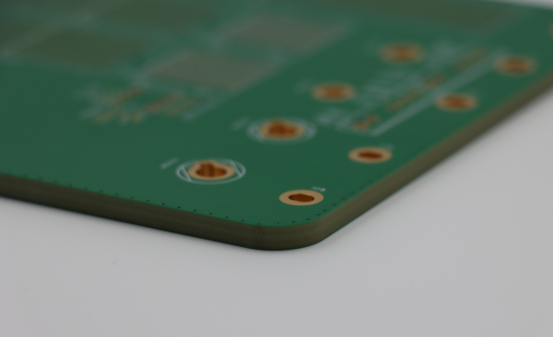
How Many Layers Should Your PCB Have Based on Your Project’s Requirements?
The number of layers your PCB needs depends on the complexity of your project. Simple devices may require just one or two layers, while more advanced applications, such as high-performance electronics, could require several layers. Understanding which type of PCB layer count suits your specific project can help you balance performance, cost, and space constraints.
Simple Projects (1-2 Layers)
For low-cost and low-performance devices like basic consumer electronics, a 1-2 layer PCB is usually sufficient.
Best for: Simple, low-cost applications that don’t require advanced performance features. These devices typically have fewer components and simpler routing needs, so a single or double layer design is enough.
Example: A single-layer PCB in a basic LED light circuit. The circuit only needs one layer for the connections, and there are minimal power and signal integrity concerns. This simple design is inexpensive to produce and perfect for basic electronics like light bulbs, toys, or basic household appliances.
For low-cost products, 1-2 layers are ideal as they provide a straightforward, easy-to-manufacture solution without adding unnecessary complexity or cost.
Moderate Complexity Projects (4-6 Layers)
For devices that need more functionality and performance, such as smartphones or audio equipment, a 4-6 layer PCB is appropriate.
Best for: Mid-range electronics that require higher performance, such as smartphones, audio equipment, or computer peripherals. These devices often involve more components, including power management circuits, microcontrollers, and signal processing units. A 4-6 layer PCB allows better signal routing and reduces interference.
Example: A 4-layer PCB in a microcontroller-based design for a smart thermostat. The additional layers provide dedicated ground and power planes, improving signal integrity and reducing noise. This helps the device function properly and efficiently, especially in environments with multiple signals running through the circuit.
The 4-6 layer PCBs strike a balance between cost and performance, making them a popular choice for consumer electronics that need reliable performance without going into the high-cost territory of complex devices.
High-Performance Projects (8+ Layers)
High-speed, high-frequency devices, such as servers or medical equipment, often require 8 or more layers to manage the complex routing and signal integrity needs.
Best for: Devices where performance, speed, and signal integrity are paramount. These include high-end computing systems, servers, network equipment, and advanced medical devices. With more components and signals running at high frequencies, an 8-layer PCB is necessary to ensure all electrical signals are routed correctly, and the board stays cool and functional.
Example: An 8-layer PCB in a high-end computing system like a server motherboard. This type of PCB has dedicated layers for power and ground planes, which help to reduce electromagnetic interference (EMI) and maintain signal integrity even when handling high-frequency signals.
An 8-layer PCB can support faster data transfer rates and more complex designs, but it also comes with increased manufacturing costs and design complexity. It is well-suited for systems requiring high performance and advanced functionality.
Specialized Projects (12+ Layers)
For highly complex or advanced applications with dense circuitry, such as RF (radio frequency) devices or military electronics, a 12-layer or more PCB is needed.
Best for: Advanced applications with high-density interconnects that require precise routing, excellent signal integrity, and compact designs. These include high-frequency RF designs, aerospace, and cutting-edge medical devices.
Example: A 12-layer PCB in aerospace. These devices require a high number of layers to route many signals and power connections in a small form factor while maintaining high reliability and performance. The extra layers help manage heat dissipation, prevent interference, and allow for tightly packed components.
While 12+ layer PCBs offer unparalleled design flexibility, they come at a higher cost and complexity in both design and manufacturing. They are typically used in specialized fields where performance and reliability are critical.
Comparison Table
| PCB Layer Count | Best For | Example Application | Key Benefits |
| 1-2 Layers | Simple devices with minimal components | Basic LED light circuit | Low cost, easy to manufacture |
| 4-6 Layers | Consumer electronics (smartphones, audio) | Microcontroller-based designs (e.g., smart thermostats) | Better signal integrity, cost-effective |
| 8+ Layers | High-performance electronics (servers, medical) | High-end computing systems (e.g., server motherboards) | Enhanced speed, signal integrity, and power management |
| 12+ Layers | Advanced, high-density applications | Aerospace | High reliability, precise routing, compact design |
What Are the Key Factors That Determine the Optimal PCB Layer Count for Your Design?
The number of layers required for your PCB (Printed Circuit Board) depends on various factors. Each of these factors plays a significant role in ensuring your PCB performs well, fits within your design constraints, and meets all functional requirements. By understanding these key considerations, you can make an informed decision about how many layers your PCB needs.
Electrical Considerations
Electrical performance, including signal integrity and impedance control, often requires more layers in a PCB, especially for high-speed or complex designs.
- Signal Integrity: The more layers a PCB has, the better it can maintain the quality of signals passing through it. With additional layers, you can route power, ground, and signal traces more effectively, which reduces interference and signal loss. For example, a 4-layer PCB can separate high-frequency signals from power and ground layers, maintaining the signal integrity necessary for high-speed applications.
- Impedance Control: Impedance is a measure of how much a circuit resists the flow of electrical current. For high-speed circuits , it's crucial to control impedance to prevent signal reflection and loss. Multi-layer PCBs, especially those with dedicated power and ground planes, help achieve better impedance control. The layers act as shields, ensuring signals travel through defined paths with minimal disruption.
- Reducing Crosstalk: Crosstalk occurs when signals from one trace interfere with signals from another, leading to errors and performance issues. With more layers, you can place sensitive traces on inner layers and keep them isolated from each other, significantly reducing crosstalk. This is particularly important in applications like data transfer systems or RF (radio-frequency) devices, where signal clarity is paramount.
Example: A 6-layer PCB in a smartphone ensures that high-speed data signals are separated from power lines, reducing signal interference and improving overall device performance.
Space and Form Factor Constraints
The available space in your device and the form factor you want to achieve often require more layers to keep the design compact while supporting additional features.
- Available Space: As the complexity of a circuit increases, the number of components needed also grows. In many cases, adding more layers allows you to fit more components into the same physical space. Multi-layer PCBs allow for more efficient use of space by stacking traces and components vertically, which is crucial for small devices like wearable electronics or mobile phones.
- Desired Functionality: More layers can support more advanced functionalities in a device. For example, you might need extra layers to incorporate power planes, ground planes, or high-speed signal routing in addition to standard connections. If you’re designing a device with many features, like a tablet or a laptop, you’ll need a multi-layer PCB to accommodate all the additional functionality without making the board too large.
- Miniaturization: As technology advances, there’s a growing trend to make devices smaller while packing in more features. Miniaturization of consumer electronics, such as smartwatches and fitness trackers, often requires the use of multi-layer PCBs to achieve compact designs. The added layers provide the necessary space for routing more complex circuitry in a smaller footprint.
Example: A smartwatch requires a small yet powerful PCB. A 4-layer PCB helps keep the device slim while supporting advanced features like Bluetooth connectivity and a heart rate monitor.
Cost and Manufacturing Constraints
Increasing the number of PCB layers adds to the manufacturing cost, so it’s essential to weigh the benefits of higher performance against the added expense.
- Cost Implications of More Layers: Each additional layer in a PCB increases the overall cost of the board. Manufacturing multi-layer boards is more complex and time-consuming, requiring precise alignment and more advanced materials. As a result, the cost of materials, labor, and assembly increases as the layer count rises.
- Single-Layer vs. Multi-Layer PCB Costs: A single-layer PCB is generally cheaper to produce, making it ideal for low-cost, low-performance applications. However, for devices that require more functionality or faster speeds, the added cost of multi-layer boards is justified. For instance, a simple LED light circuit might cost only a few dollars to produce with a single-layer PCB, but a complex PCB for a gaming console can cost significantly more when it requires 6 or more layers.
- Manufacturing Constraints: Not all PCB manufacturers can produce multi-layer boards with the same precision. The complexity of manufacturing increases with each layer, which may affect the availability of certain PCB designs based on the manufacturer’s capabilities.
Example: A basic household appliance may only need a 2-layer PCB, keeping costs low, while a high-performance audio system may require a 4-layer PCB to ensure sound quality and functionality, which adds to the manufacturing cost.
Thermal Management Needs
More layers in a PCB can improve heat dissipation, especially in high-power or high-performance designs.
- Thermal Dissipation: As electronic devices become more powerful, they generate more heat. Efficient heat dissipation is essential to ensure that components don’t overheat, which can lead to damage or reduced lifespan. Multi-layer PCBs provide better thermal management by allowing heat to spread evenly through the layers. The additional layers can be designed to include heat sinks, thermal vias (small holes that conduct heat), or copper pours to help manage heat.
- Advanced Thermal Management in Multi-layer PCBs: In high-performance devices, especially those that require heavy processing power (like servers, gaming PCs, or medical equipment), multi-layer PCBs are often used to manage the heat generated by the components. These PCBs can be designed with specific layers dedicated to heat management, ensuring the device remains cool even under heavy use. For instance, a 6-layer PCB in a high-end graphics card would include layers designed to dissipate heat, preventing the system from overheating.
Example: High-performance electronics like a gaming console or server motherboard often use multi-layer PCBs to incorporate advanced thermal management solutions, ensuring that components stay cool during prolonged use, which improves reliability and performance.
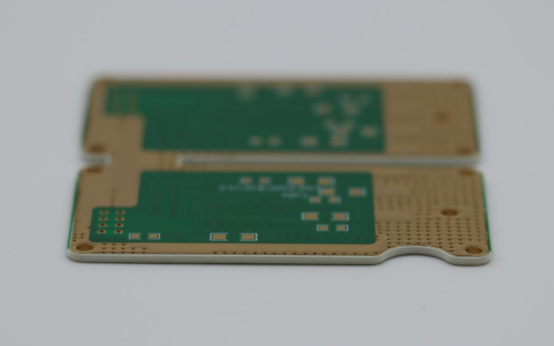
What Are the Advantages and Disadvantages of Multi-layer PCBs?
Multi-layer PCBs are widely used in advanced electronics because they offer numerous benefits, such as improved performance and efficient use of space. However, they also come with some trade-offs that can make them more challenging and expensive to produce. Understanding both the advantages and disadvantages will help you determine if a multi-layer PCB is right for your project.
Advantages of Multi-layer PCBs
Multi-layer PCBs offer enhanced performance, reduced noise, better space utilization, and increased component density, making them ideal for high-performance and compact electronic devices.
- Improved Performance: Multi-layer PCBs help improve the overall performance of an electronic device by enhancing signal integrity and reducing electromagnetic interference (EMI). With more layers, it's possible to separate power, ground, and signal traces more effectively, ensuring cleaner signals. This is especially crucial in high-speed devices like smartphones, gaming consoles, and computers.
- Reduced Noise and Crosstalk: By using dedicated layers for power and ground, multi-layer PCBs help reduce the amount of noise and crosstalk between signals. This results in clearer and more reliable performance, especially for devices that handle high-frequency signals, such as RF systems or high-end audio equipment.
- Better Space Utilization: Multi-layer PCBs allow for more compact designs by stacking layers vertically. This means more components can fit into a smaller footprint, which is essential for devices like wearables, medical devices, and mobile phones. Instead of expanding the board’s size, more layers can be added to accommodate additional components, keeping the design both functional and compact.
- Higher Component Density: With more layers, it's possible to place more components in the same amount of space, making multi-layer PCBs ideal for complex devices with many components. Higher component density means smaller, more powerful devices that can perform a wide range of functions.
Example: In a high-speed data transmission device, such as a router, a multi-layer PCB is used to separate signal paths, power, and ground, reducing interference and improving data transfer speed. This design allows the device to handle high-frequency signals without compromising performance.
Disadvantages of Multi-layer PCBs
The primary drawbacks of multi-layer PCBs include increased design and manufacturing complexity, higher costs, and potential reliability issues due to the complexity of assembly.
- Increased Design Complexity: Designing multi-layer PCBs requires careful planning and attention to detail. The more layers you add, the more complex the design becomes, especially when routing signals and ensuring proper alignment of the layers. This increases the risk of design errors, which can lead to higher costs and longer development timelines.
- Increased Assembly Complexity: With multiple layers, assembly becomes more challenging. Each layer must be carefully aligned during the manufacturing process, and any misalignment can lead to performance issues or defects. In addition, multi-layer PCBs often require more advanced testing to ensure they work correctly, adding to the overall complexity.
- Higher Costs: Multi-layer PCBs are more expensive to manufacture due to the additional materials, more complex manufacturing processes, and the need for more precise assembly. The cost per unit increases as the number of layers grows. For projects with tight budgets or low volumes, this can be a significant consideration. For example, a 10-layer PCB will cost significantly more to produce than a single-layer board due to the increased labor and material requirements.
- Reliability Concerns: The more layers a PCB has, the more potential points of failure there are. If one layer gets damaged or the alignment is off, it can cause the entire board to fail. Multi-layer PCBs also require careful thermal management to avoid overheating and ensure long-term reliability.
Example: A 10-layer PCB used in a complex device like a high-performance server motherboard faces manufacturing challenges. The alignment of the layers must be perfect, and the increased number of layers requires more precise manufacturing techniques, which increases the risk of defects and makes the process more expensive.
Conclusion
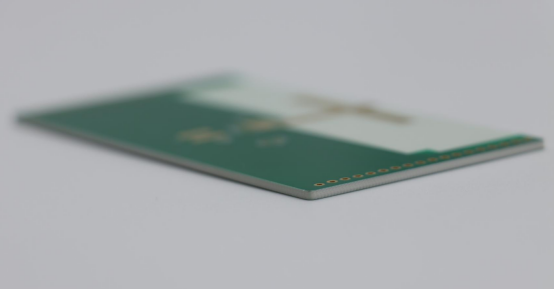
Choosing the right number of layers for your PCB is crucial to ensuring your design meets both performance and cost requirements. Whether you're working on a simple consumer product or a high-performance system, understanding the benefits and challenges of multi-layer PCBs can help you make the best decision. At PCBMASTER , we are a trusted supplier with years of experience in delivering high-quality PCBs across various industries. Whether you need single-layer, multi-layer, or highly specialized PCBs, our team is equipped to provide solutions that meet your exact specifications. With our advanced manufacturing capabilities and expert support, we ensure that your project gets the reliable, efficient, and cost-effective PCB it deserves. Let PCBMASTER be your partner in building the future of electronics.
FAQs
How do I know if I need a multi-layer PCB for my project?
The decision to use a multi-layer PCB depends on several key factors, including performance requirements, space constraints, and cost considerations. If your design needs to support high-frequency signals, complex routing, or specific features like better power distribution or noise reduction, a multi-layer PCB might be necessary. Additionally, if you’re working with a limited space and need to pack in more functionality, adding more layers allows for better space utilization. However, if cost is a significant concern, simpler designs with fewer layers might be sufficient, provided they meet your performance goals.
Can a 2-layer PCB handle high-speed signals?
A 2-layer PCB can handle high-speed signals to some extent, but it depends on the complexity of the design. For simpler, low-speed designs with fewer components, a 2-layer board is sufficient. However, for high-speed applications, such as data transfer or high-frequency circuits, a multi-layer PCB is often necessary. Multi-layer boards help manage signal integrity, reduce noise, and control impedance more effectively, making them ideal for applications like network equipment, advanced computing, and RF devices.
What’s the most cost-effective way to design a PCB with multiple layers?
To design a cost-effective multi-layer PCB, the key is to find a balance between performance needs and cost constraints. Start by assessing the required functionality and only add layers where necessary. For example, if your project requires high-speed signal routing, using a 4-layer PCB might suffice. Avoid over-complicating the design with unnecessary layers. Additionally, optimizing the layout, using standard components, and keeping the design as simple as possible while meeting performance requirements can help minimize costs without compromising on quality.
How can I reduce the cost of a multi-layer PCB?
There are several ways to reduce the cost of a multi-layer PCB without sacrificing performance:
- Layer optimization: Carefully consider the number of layers needed and avoid adding unnecessary layers. Design for efficiency by minimizing the amount of space each component occupies.
- Component selection: Choose components that are cost-effective yet still meet your performance needs. Using standard components can also reduce costs.
- Manufacturing processes: Work with manufacturers who offer bulk discounts or specialize in cost-effective multi-layer PCB production.
Simplify the routing: Keep signal paths as short as possible to avoid excessive complexity and reduce manufacturing costs.
How do PCB manufacturers decide how many layers are needed for a design?
PCB manufacturers consider several factors when determining the number of layers required for a design:
- Design complexity: More complex circuits with many components or high-speed signals typically need more layers to ensure proper routing and signal integrity.
- Performance requirements: If the device requires high-frequency signals, noise reduction, or impedance control, additional layers may be necessary.
- Size and space constraints: Limited space in the device might necessitate adding layers to pack more components into a smaller area.
- Cost considerations: Manufacturers also balance the performance needs against the cost of producing multi-layer PCBs, recommending layer counts that offer the best value for the specific application.
- Thermal management: High-performance designs may require additional layers for proper heat dissipation and to prevent overheating of sensitive components.
About the Author

Carol Luo
PCB Design EngineerI'm Carol, a PCB Engineer at PCBMASTER with experience in PCB design and manufacturing engineering since 2018. I focus on translating engineering requirements into reliable PCB solutions, with expertise in stack-up design, material selection, and design-for-manufacturing (DFM). I share practical engineering insights from real-world PCB design and production experience.
Visit Carol Luo's Profile