








How Much Does PCB Assembly Cost in 2026? Cost Breakdown, Pricing Factors, and Saving Tips
PCB assembly pricing is rarely straightforward. The final cost of a board is shaped by multiple interconnected elements—design complexity, component selection, production volume, and testing requirements—each influencing the overall budget in different ways.
For engineers, buyers, and product teams, understanding how these variables interact is essential before moving into production. A small change in layout or sourcing strategy can significantly shift the total cost, especially when scaling from prototypes to mass production.
This is where clear pricing visibility becomes critical. PCBMASTER, as an experienced PCB and PCBA manufacturer , helps customers evaluate cost drivers early and provides optimized quotations that balance performance and budget across different production stages.
The sections below break down how PCB assembly cost is structured, what price ranges to expect in 2026, and which factors have the greatest impact on your final quotation.
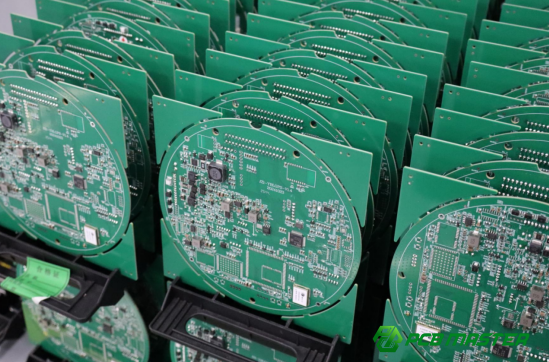
What Is Included in PCB Assembly Cost?
PCB assembly cost (PCBA cost) is the total price required to turn a bare PCB design into a fully assembled and testable electronic board. It is not a single fixed fee. Instead, it is the sum of several cost blocks: bare PCB fabrication, electronic components, assembly labor, and final testing/handling. Each part directly affects the final PCB assembly price depending on design and production requirements.
Bare PCB Fabrication Cost
Bare PCB fabrication cost is the cost of producing the empty circuit board before any components are assembled.
Bare PCB cost is the foundation of PCB assembly pricing. It depends mainly on physical design and manufacturing specifications.
Board size and dimensions
Larger boards require more raw material and longer processing time. For example, a 10cm × 10cm PCB may cost significantly less than a 20cm × 20cm board, even if the circuit design is similar. Panel utilization efficiency also affects cost—poor layout increases material waste and raises PCB fabrication cost.
Layer count
More layers mean more manufacturing steps. A 2-layer PCB is the most economical, commonly used in simple electronics. A 6-layer or 8-layer PCB increases cost due to additional lamination cycles and drilling processes. High-speed or industrial devices often require multi-layer boards, which naturally increases PCB assembly cost.
Surface finish requirements
Surface finish protects copper pads and affects solderability. Common options include HASL, ENIG, and OSP. For example, ENIG (gold finish) is more expensive than HASL but is required for fine-pitch components and high-reliability applications such as medical or automotive electronics.
Electronic Component Cost
Electronic component cost refers to the total price of all parts listed in the Bill of Materials (BOM) .
This is often the largest and most variable part of PCB assembly cost, especially in complex designs.
BOM pricing
The BOM lists every component used on the PCB, such as resistors, capacitors, ICs, and connectors. The total cost depends on quantity, brand, and specification. For example, a board with 50 components will cost more than one with 10 components, even if PCB size is the same.
Component availability
If a component is in short supply or obsolete, its price increases sharply. For example, a common microcontroller may cost $2 in normal supply but rise to $10 during shortages. Lead time also affects cost because urgent sourcing often requires premium pricing.
Authorized vs. alternative sourcing
Authorized sourcing ensures authenticity and reliability but is usually more expensive. Alternative sourcing (compatible or equivalent parts) can reduce cost, but must be validated carefully to avoid performance risks. Many manufacturers, including PCBMASTER, help customers balance cost and reliability by offering optimized sourcing options.
Assembly Process Cost
Assembly process cost is the labor and machine cost required to physically mount components onto the PCB.
This cost depends on the assembly method and design complexity.
SMT assembly
Surface Mount Technology (SMT) is the most common method in modern PCB assembly. Machines place small components directly onto the board. SMT cost is usually efficient for high-volume production, but setup fees (stencil, programming) can increase prototype costs.
Through-hole assembly
Through-hole assembly involves inserting component leads into drilled holes and soldering them. It is slower and more labor-intensive, so it increases cost, especially for low-volume production. It is often used for connectors or high-power components.
Mixed-technology assembly
Many boards use both SMT and through-hole processes. This increases complexity because it requires multiple production stages. For example, a power supply board may use SMT for ICs and through-hole for transformers, resulting in higher assembly cost compared to single-technology designs.
Testing and Final Processing Cost
Testing and final processing cost covers quality checks, validation, and preparation for delivery.
This stage ensures the PCB works correctly before shipping and is critical for reducing failure risk.
AOI inspection
Automated Optical Inspection (AOI) uses cameras to check solder joints and component placement. It detects issues like missing parts or misalignment early in the process, reducing rework cost and improving yield.
Functional testing
Functional testing simulates real operating conditions to ensure the PCB performs as designed. For example, a power control board may be tested under load to verify voltage stability. This step increases cost but reduces field failure risk.
Packaging and shipment
After testing, boards are cleaned, packaged in anti-static materials, and shipped. International logistics, protective packaging, and handling fees all contribute to final PCB assembly cost. For high-value boards, additional moisture protection or vacuum sealing may be required.
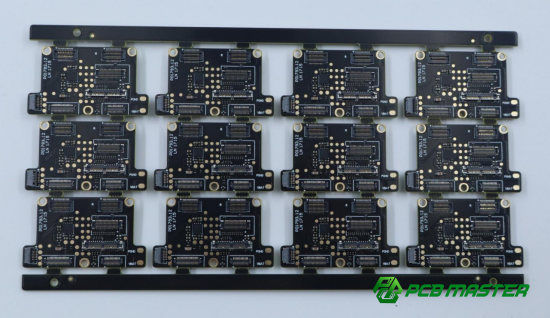
How Much Does PCB Assembly Cost in 2026?
PCB assembly cost in 2026 typically ranges from a few dollars per board for simple mass production to over $100 per board for complex prototypes, depending on volume, design complexity, and component selection.
PCB assembly cost in 2026 is highly volume-dependent. The same PCB design can have very different unit prices depending on whether you build 10 units or 10,000 units. The main reason is that setup costs (stencils, programming, engineering time) are shared across more units in large production, which significantly reduces the per-unit price.
For example, a simple IoT control board may cost around $30–$80 per unit in prototype stage, but drop below $5–$15 per unit in mass production.
Prototype PCB Assembly Pricing
Prototype PCB assembly pricing is the cost for small trial runs, usually used for testing and product development before mass production.
Typical quantity range
Prototype PCB assembly usually covers 1 to 10 pieces , sometimes up to 20 units. This stage is focused on validation, not cost efficiency.
Estimated price range per board
Example of typical prototype PCB assembly cost in 2026:
- Simple boards: $20–$80 per unit
- Medium complexity boards: $80–$150 per unit
- High complexity boards: $150+ per unit
The price is high because setup costs (stencils, programming, engineering review) are spread across very few units. For example, a 4-layer IoT sensor board with 40 components may cost $120 per prototype unit even though the same board is much cheaper in mass production.
Low-Volume PCB Assembly Pricing
Low-volume PCB assembly pricing applies to small production runs where cost is lower than prototypes but still higher than mass production.
Cost characteristics for 10–500 units
This range balances engineering validation and early market launch. Unit cost drops significantly because setup costs are distributed across more boards. Typical pricing:
- Simple designs: $10–$40 per unit
- Moderate complexity: $20–$80 per unit
At this stage, manufacturers optimize production steps, and component sourcing becomes more efficient.
Common applications
Low-volume PCB assembly is widely used for:
- Startup product launches
- Pilot production runs
- Industrial equipment testing
- Pre-mass production validation
For example, a smart home controller produced in 200 units will cost much less per board than prototypes but still higher than full-scale manufacturing.
High-Volume PCB Assembly Pricing
High-volume PCB assembly pricing refers to large-scale production where per-unit cost is significantly reduced due to economies of scale.
Economies of scale
When production exceeds 500 or 5,000 units, fixed costs are distributed across thousands of boards. Machine setup, engineering time, and stencil costs become almost negligible per unit. Automation also increases efficiency and reduces labor cost.
Reduced per-unit costs
Example of typical high-volume PCB assembly pricing:
- 500–5,000 units: $3–$15 per unit
- 5,000+ units: $1–$10 per unit (depends on complexity)
For example, a consumer electronics control board that costs $60 per prototype may drop below $5 in mass production due to optimized sourcing and automated SMT lines.
Example PCB Assembly Cost Scenarios
PCB assembly cost decreases significantly as production volume increases due to fixed cost distribution and manufacturing efficiency.
| Production Volume | Typical Characteristics | Estimated Cost Trend |
| 1–10 pcs | Engineering validation | Highest unit cost |
| 10–500 pcs | Pilot production | Moderate unit cost |
| 500–5,000 pcs | Small batch production | Lower unit cost |
| 5,000+ pcs | Mass production | Lowest unit cost |
Practical interpretation: A wearable device PCB may cost $100 per unit at 5 prototypes, $35 per unit at 100 units, $10 per unit at 1,000 units, and under $5 per unit in mass production.
This structure helps engineers plan budgets across different product stages more accurately.
How PCBMASTER Helps Optimize Pricing
PCBMASTER helps optimize PCB assembly cost by combining competitive pricing, supply chain efficiency, and engineering-driven cost reduction strategies.
Competitive pricing backed by experience
PCBMASTER leverages years of PCB and PCBA manufacturing experience to provide stable and competitive PCB assembly quotations, especially for mixed-volume projects.
Flexible support from prototypes to mass production
Customers can scale from prototype PCB assembly to high-volume production without changing suppliers, which reduces re-qualification costs and improves consistency.
Cost-efficient sourcing through stable supply chain
PCBMASTER supports optimized BOM sourcing, helping reduce PCB assembly cost by selecting cost-effective and reliable components while maintaining performance standards.
Optimized production planning to reduce unnecessary expenses
By applying DFM (Design for Manufacturability) review and production planning, PCBMASTER reduces rework, minimizes assembly errors, and improves overall cost efficiency—especially for complex multi-layer PCB projects.
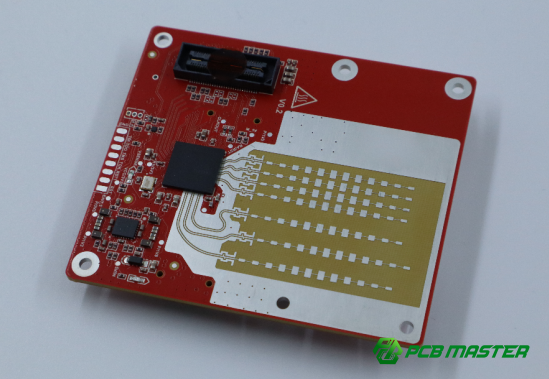
What Factors Have the Biggest Impact on PCB Assembly Cost?
The biggest PCB assembly cost drivers are design complexity, component selection, assembly requirements, and lead time. These factors directly affect material usage, labor time, and manufacturing efficiency, which together determine the final PCBA price.
PCB Design Complexity
PCB design complexity affects cost by increasing manufacturing steps, material usage, and assembly difficulty.
Layer count
More PCB layers increase cost because each layer requires additional lamination, drilling, and alignment steps.
- 2-layer PCB: lowest cost, simple consumer electronics
- 4–6 layers: moderate cost, common in industrial and IoT devices
- 8+ layers: high cost, used in high-speed or medical systems
Example: A 2-layer LED driver board may cost $5–$15 to assemble, while an 8-layer control board can exceed $50 due to added processing time.
Board size
Larger boards use more material and reduce panel efficiency, which increases PCB assembly cost per unit.For example, a 50mm × 50mm board can be placed efficiently on a panel, while a 150mm × 150mm board may reduce yield and increase waste, raising overall cost.
Special structures
Special PCB designs such as rigid-flex boards, blind/buried vias, or heavy copper boards require extra manufacturing steps.These structures are used in aerospace, automotive, or medical electronics and can increase cost by 30%–200% depending on complexity.
Component Selection
Component selection impacts PCB assembly cost through quantity, type, and availability of electronic parts.
Number of components
More components increase placement time and soldering effort.A simple PCB with 20 components is much cheaper to assemble than a complex board with 200+ components due to longer SMT machine cycles.
Package types
Small and advanced packages like QFN , BGA , or 0201 resistors require higher precision and specialized equipment.For example, a BGA chip requires X-ray inspection, which increases PCB assembly cost compared to standard SMD components.
Availability and lifecycle status
Obsolete or hard-to-find components increase procurement cost and lead time.For instance, a discontinued IC may cost 5–10 times more in the open market. Stable and widely available components help reduce PCB assembly cost significantly.
Assembly Requirements
Assembly requirements influence cost based on how complex and labor-intensive the soldering and placement process is.
Single-sided vs. double-sided assembly
Single-sided PCB assembly is cheaper because components are placed on only one side.Double-sided assembly requires flipping the board, additional soldering cycles, and more inspection, increasing cost by 10%–30% depending on design complexity.
Fine-pitch components
Fine-pitch components have very small spacing between pins and require high-precision SMT machines.For example, a 0.4mm pitch IC is more expensive to assemble than a 1.0mm pitch component due to stricter alignment and inspection requirements.
Manual assembly requirements
Some components cannot be machine-placed and require manual soldering.This increases labor cost and is common in prototypes, connectors, or irregular-shaped components. Manual work also increases production time and variability.
Lead Time Requirements
Lead time affects PCB assembly cost because faster production requires priority scheduling and additional resources.
Standard production schedules
Standard PCB assembly follows normal factory scheduling, which is the most cost-effective option.Typical lead time ranges from 5–15 days depending on complexity and component availability. This option offers the lowest PCB assembly cost.
Expedited manufacturing services
Expedited PCB assembly shortens production time by prioritizing your order in the production line.For example, a 10-day order may be compressed into 3–5 days, but usually increases cost by 20%–100% depending on urgency.
Real-life example: A startup launching a demo product may choose expedited PCB assembly to meet investor deadlines, even though it increases total cost.
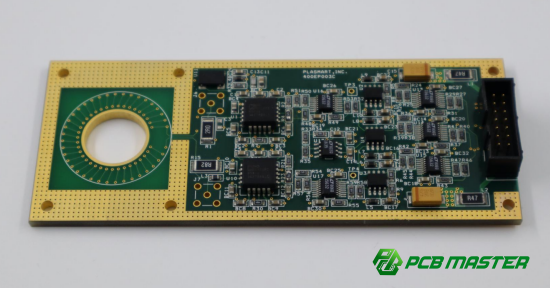
How Do PCB Assembly Suppliers Generate Quotes?
PCB assembly suppliers generate quotes by analyzing your design files, component list, and production requirements to calculate material cost, labor cost, testing cost, and setup fees.
PCB assembly quotation (PCBA quote) is not an estimated guess. It is a structured engineering-based calculation. Suppliers evaluate your design files, check component availability, estimate assembly difficulty, and then combine all cost factors into a final PCB assembly price.
Information Required for a Quotation
To generate an accurate PCB assembly quote, suppliers need complete manufacturing files that describe both the PCB design and all required components.
BOM file
The Bill of Materials (BOM) is the most important document for PCB assembly cost estimation.It lists every component, including part number, quantity, and specification.For example, a BOM may include resistors, capacitors, IC chips, and connectors. Missing or unclear BOM data can lead to incorrect PCBA pricing or delays.
Gerber files
Gerber files define the physical layout of the PCB, including copper layers, solder mask, and drill holes.These files help manufacturers understand board complexity, which directly affects PCB assembly cost, especially for multi-layer PCB designs.
Pick-and-place data
Pick-and-place files show the exact position and orientation of each component on the board.This data is used to program SMT machines. Without it, assembly efficiency drops and quotation accuracy decreases.
Assembly drawings
Assembly drawings provide visual instructions for manual checks and special requirements.For example, they may indicate polarity, component height limits, or special soldering instructions.
Cost Evaluation Process
PCB assembly suppliers calculate quotations through a step-by-step engineering review process that ensures accuracy and manufacturability.
1. Engineering review
Engineers first review PCB design files to check feasibility.They identify issues like spacing problems, solder mask errors, or missing data. This step ensures the PCB can be manufactured without defects.
2. Component sourcing analysis
Suppliers check each BOM item for availability and price.For example, a common IC may be cheap and available, while a rare chip may require long lead time and higher cost. This step heavily influences PCB assembly pricing.
3. Assembly workload assessment
Manufacturers estimate how long it will take to place and solder all components.A board with 50 components is much faster to assemble than one with 300 components, directly affecting labor cost.
4. Testing requirement evaluation
Testing methods such as AOI, ICT, or functional testing are reviewed.More testing means higher quality but also higher PCB assembly cost.
5. Final quotation preparation
All cost elements are combined: materials, labor, testing, setup fees, and logistics.The final PCBA quotation is then issued with clear pricing breakdown.
Why Complete Documentation Lowers Costs
Complete and accurate documentation reduces PCB assembly cost by improving efficiency and preventing unnecessary engineering work.
Reduces clarification cycles
When files are complete, suppliers do not need to repeatedly ask questions.This reduces communication time and speeds up PCB assembly quotation processing.
Prevents pricing revisions
Missing or incorrect data often leads to quote changes later.For example, an incomplete BOM may cause unexpected component cost adjustments during production.
Improves production efficiency
Clear documentation allows faster SMT programming and fewer production errors.This reduces rework, scrap rates, and overall PCB assembly cost.
PCBMASTER Quotation Advantages
PCBMASTER provides fast, transparent, and engineering-driven PCB assembly quotations with built-in cost optimization support.
Fast response to RFQs
PCBMASTER provides quick turnaround for PCB assembly quotes, helping customers shorten product development cycles and speed up decision-making.
Transparent pricing structure
All PCB assembly costs are clearly broken down, including components, assembly, and testing.This helps customers understand exactly what they are paying for without hidden fees.
Engineering review before production
Before finalizing the quote, PCBMASTER engineers check design files for manufacturability issues.This prevents production problems and avoids unexpected cost increases later.
Recommendations for cost optimization
PCBMASTER not only provides pricing but also suggests ways to reduce PCB assembly cost.For example, optimizing component selection or adjusting PCB layout can significantly reduce total PCBA cost while maintaining performance and reliability.
What Hidden Costs Should You Consider in PCB Assembly?
Hidden PCB assembly costs are additional expenses that are not always included in the initial quotation, such as component sourcing issues, design changes, logistics fees, and quality-related rework. These costs can significantly increase total PCB assembly cost if not planned in advance.
In PCB assembly pricing, the quoted PCB assembly cost usually assumes stable design files, available components, and normal production conditions. However, in real manufacturing, unexpected issues often appear. These “hidden costs” are important because they directly affect the final PCBA budget and project timeline.
Component Shortages and Substitutions
Component shortages and substitutions increase PCB assembly cost when original parts are unavailable or require urgent sourcing or validation.
Premium sourcing fees
When a required component is out of stock, suppliers may need to purchase it from secondary markets or brokers.This is called premium sourcing, and it can increase PCB assembly cost significantly. For example, a $1 IC may cost $5–$15 during global shortages.This is common in PCB assembly cost estimation when supply chain instability exists.
Alternative part validation
If the original component is unavailable, an alternative part may be used.However, this requires engineering validation to ensure compatibility.For example, replacing a microcontroller requires checking firmware compatibility and electrical performance, which adds extra engineering time and cost.
Design Issues Discovered During Production
Design issues found during production can cause delays, redesign work, and additional engineering charges, increasing overall PCB assembly cost.
Manufacturing delays
If a PCB design has issues such as incorrect pad spacing or missing drill data, production must pause.This delay increases lead time and may require rebooking production slots, which raises PCB assembly cost.
For example, a missing via specification may stop SMT production until the design is corrected.
Engineering change costs
When design errors are found, engineers must update files such as Gerbers or BOM lists.This process is called an Engineering Change Order (ECO) .Each ECO may add extra cost for redesign, reprogramming SMT machines, and re-testing the PCB.
Logistics-Related Expenses
Logistics-related expenses include shipping, customs duties, and handling fees that are often not included in the base PCB assembly quote.
International shipping
PCB assembly is often manufactured overseas, so shipping cost is a key factor.Air freight is fast but expensive, while sea freight is cheaper but slower.For example, urgent PCB assembly delivery may increase total cost by 10%–30% due to express shipping.
Import duties and taxes
When PCBs are shipped across borders, import taxes and customs fees may apply.These costs depend on country regulations and product classification.For example, importing PCBs into the US may include duties that increase the final PCB assembly cost per unit.
Quality-Related Expenses
Quality-related expenses come from fixing defective boards, rework processes, or failures found after production, which increase total PCB assembly cost.
Rework costs
If a PCB fails inspection or has soldering defects, it must be repaired or reworked.Rework involves manual labor, replacement of components, and additional testing.For example, correcting a misaligned BGA chip may require X-ray inspection and re-soldering, increasing cost and time.
Product failure risks
If a PCB passes production but fails in real-world use, the cost impact is much higher.This may include warranty replacements, customer returns, or even product recalls.These risks highlight why quality control in PCB assembly cost planning is essential, especially for automotive, medical, or industrial electronics.
How Can You Reduce PCB Assembly Cost Without Compromising Quality?
PCB assembly cost can be reduced without sacrificing quality by optimizing design for manufacturability, selecting cost-efficient components, planning production volumes correctly, and working with an experienced PCB assembly partner.
Cost reduction in PCB assembly is not about choosing the cheapest materials. It is about removing waste, improving design efficiency, and avoiding unnecessary manufacturing complexity. When done correctly, PCB assembly cost optimization improves both price and product reliability.
Design for Manufacturability (DFM)
Design for Manufacturability (DFM) reduces PCB assembly cost by making the design easier, faster, and more efficient to manufacture.
Simplify layouts where possible
A simpler PCB layout reduces routing complexity and assembly time.For example, reducing unnecessary vias and traces can lower production difficulty and improve yield. In PCB assembly cost optimization, simpler designs often lead to fewer defects and lower rework costs.
Standardize footprints
Using standard component footprints reduces customization work during assembly.For example, using common resistor and capacitor packages (like 0603 or 0805) allows faster SMT placement and reduces setup complexity, directly lowering PCB assembly cost.
Minimize manual processes
Manual soldering increases labor cost and error risk.Designing for automated SMT assembly wherever possible reduces human intervention. For example, replacing hand-soldered connectors with SMT-compatible parts improves efficiency and reduces total PCB assembly cost.
Optimize Component Strategies
Optimizing component selection reduces PCB assembly cost by improving availability, lowering sourcing risk, and simplifying procurement.
Select widely available parts
Using commonly stocked components ensures stable pricing and fast delivery.For example, choosing a widely used microcontroller instead of a niche part can reduce both cost and lead time in PCB assembly projects.
Avoid obsolete components
Obsolete or end-of-life components increase PCB assembly cost due to scarcity.For example, a discontinued IC may require sourcing from secondary markets at 3–5 times the normal price. Avoiding such parts improves cost stability.
Consolidate sourcing
Reducing the number of suppliers simplifies procurement and logistics.For example, sourcing multiple passive components from a single distributor can reduce handling fees and improve negotiation power, lowering overall PCB assembly cost.
Plan Production Quantities Strategically
Strategic production planning reduces PCB assembly cost by matching order size with product development stage and leveraging economies of scale.
Match order volume to project stage
Different stages require different production sizes.For example, prototypes (1–10 units) are used for testing, while pilot runs (10–500 units) validate market demand. Matching volume correctly avoids unnecessary cost waste in PCB assembly.
Take advantage of scale efficiencies
Larger production runs reduce per-unit cost because setup fees are distributed across more units.For example, a PCB that costs $50 per unit in prototype stage may drop below $10 in mass production due to economies of scale in PCB assembly cost structure.
Work with an Experienced Manufacturing Partner
Working with an experienced PCB assembly partner helps reduce cost by improving design decisions, supply chain stability, and production efficiency.
Early engineering feedback
Experienced manufacturers provide DFM feedback before production starts.For example, identifying spacing issues early prevents redesign costs and reduces PCB assembly delays.
Stable supply chain support
A strong supplier network ensures component availability and price stability.This reduces risks of expensive emergency sourcing and helps control PCB assembly cost fluctuations.
Long-term cost control
A reliable partner supports consistent optimization across multiple projects.Over time, this leads to better design practices and lower average PCB assembly cost per project.
How PCBMASTER Helps Customers Save Costs
PCBMASTER reduces PCB assembly cost by combining integrated manufacturing, supply chain expertise, DFM optimization, and flexible production solutions.
In-house PCB fabrication and assembly coordination
PCBMASTER integrates PCB manufacturing and assembly workflows, reducing communication delays and eliminating unnecessary middle costs. This improves efficiency and lowers total PCB assembly cost.
Supply chain management expertise
With a stable and optimized component sourcing system, PCBMASTER helps customers avoid shortages and overpriced parts, ensuring more stable PCB assembly pricing.
DFM review to prevent costly revisions
PCBMASTER provides engineering review before production starts. This helps detect design issues early and prevents expensive rework or production delays in PCB assembly projects.
Flexible manufacturing solutions tailored to project needs
Whether it is prototype, low-volume, or mass production, PCBMASTER adjusts production strategies to match project requirements, helping customers achieve the best balance between cost, speed, and quality in PCB assembly.
Conclusion
PCB assembly cost is not determined by a single factor, but by the combined influence of PCB design specifications, component sourcing strategy, assembly complexity, production volume, and delivery requirements. Each of these elements directly affects material usage, labor time, and manufacturing efficiency, which together shape the final PCBA pricing.
When buyers understand how PCB assembly cost is structured, they can make more informed decisions across every stage of product development. This includes setting realistic budgets, evaluating PCB assembly quotations more accurately, and identifying practical ways to reduce unnecessary expenses without affecting product quality. For example, small changes in component selection or production planning can significantly improve overall cost efficiency.
As an experienced PCB and PCBA manufacturer, PCBMASTER supports customers with competitive and transparent quotations backed by engineering expertise. From prototype development to high-volume PCB assembly, PCBMASTER focuses on optimizing cost, ensuring stable quality, and improving production efficiency. This helps customers maintain full control over PCB assembly cost while bringing reliable electronic products to market faster and more efficiently.
FAQ About PCB Assembly Cost
Why is prototype PCB assembly more expensive per unit?
Prototype PCB assembly is more expensive per unit because fixed setup costs are spread across very few boards.
Prototype PCB assembly usually involves small quantities (1–10 units), but manufacturers still need to pay for the same setup work as mass production. This includes SMT programming, stencil creation, engineering review, and machine setup. Since these costs are not shared across many units, the unit price becomes higher.
For example, a PCB that costs $5 per unit in mass production may cost $80–$150 per unit in prototype stage due to setup overhead and manual handling.
Is it cheaper to provide my own components for PCBA?
Not always. Providing your own components can reduce cost in some cases, but it may also increase risk and hidden expenses.
If you supply components, you may avoid supplier sourcing markup. However, risks include incorrect parts, poor quality, or storage damage. If components fail inspection, rework or replacement costs may increase PCB assembly cost.
For example, a customer supplying low-cost but unverified ICs may save 10%, but risk delays or failure that increase total project cost.
In many cases, manufacturers like PCBMASTER can source components at competitive pricing due to established supply chains, which often results in lower total PCBA cost.
Can PCB assembly prices change after a quotation is issued?
Yes, PCB assembly prices can change if design files, component availability, or production conditions change.
A PCB assembly quote is based on the information provided at the time of evaluation. If there are missing BOM details, incorrect files, or sudden component shortages, the final cost may be adjusted.
For example, if a quoted IC becomes unavailable and must be replaced with a higher-cost alternative, the PCB assembly price will increase accordingly.
To avoid changes, complete and accurate documentation is essential before confirming production.
Does faster turnaround always increase PCB assembly cost?
Yes, faster turnaround usually increases PCB assembly cost because it requires priority scheduling and extra resources.
Expedited PCB assembly means the order is moved ahead in production queues, often requiring overtime labor, faster logistics, and priority component sourcing. These factors increase overall cost.
For example, a standard 10-day PCB assembly order may cost $50 per unit, while a 3-day expedited order of the same board may increase cost by 20%–100%.
However, for urgent product launches or prototypes, the extra cost is often justified by time-to-market benefits.
How do I choose a PCB assembly supplier based on value rather than price alone?
Choose a PCB assembly supplier based on total value, including quality, engineering support, reliability, and long-term cost efficiency—not just unit price.
A low-cost supplier may reduce upfront price but increase risk of defects, delays, or rework costs. A high-value supplier focuses on stable quality, strong engineering review, and supply chain control.
Key evaluation points include:
- DFM (Design for Manufacturability) support
- Component sourcing capability
- Production consistency and defect rate
- Transparency of PCB assembly cost breakdown
For example, a slightly higher-priced supplier that prevents design errors can reduce total project cost significantly.
Manufacturers like PCBMASTER provide engineering-driven support and optimized PCB assembly pricing, helping customers achieve better long-term value instead of only low initial cost.
About the Author

Carol Luo
PCB Design EngineerI'm Carol, a PCB Engineer at PCBMASTER with experience in PCB design and manufacturing engineering since 2018. I focus on translating engineering requirements into reliable PCB solutions, with expertise in stack-up design, material selection, and design-for-manufacturing (DFM). I share practical engineering insights from real-world PCB design and production experience.
Visit Carol Luo's Profile