






Exploring Different Types of PCB Surface Finishes: Pros and Cons
Choosing the right surface finish for your PCB is more than just a technical decision—it’s a key factor in ensuring your circuit boards perform optimally and stand the test of time. Whether you're designing a simple consumer gadget or a complex industrial device, the finish you choose can impact everything from soldering efficiency to durability in harsh environments. But with so many options available, how do you know which one is best suited to your needs? Each surface finish comes with its own set of advantages and trade-offs, making the decision a delicate balance of performance, cost, and reliability. In this article, we'll explore the most commonly used PCB surface finishes, delve into their unique benefits and limitations, and help you determine which option is the best fit for your project.
What Are the Main Types of PCB Surface Finishes?
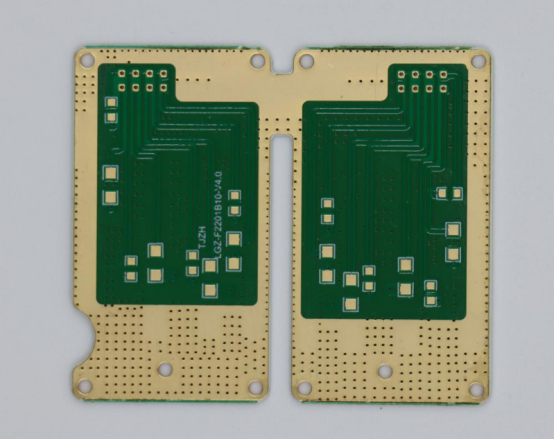
When manufacturing printed circuit boards (PCBs) , the choice of surface finish plays a crucial role in ensuring proper solderability, longevity, and overall performance. Several types of surface finishes are commonly used, each with its advantages and limitations. The choice depends on factors like cost, application, and production volume. Let’s explore the main types of PCB surface finishes and their characteristics.
HASL (Hot Air Solder Leveling)
HASL is one of the oldest and most widely used PCB surface finishes. In the HASL process, a thin layer of solder is applied to the copper pads on the PCB, and hot air is used to level the solder to ensure a smooth, even surface. This method provides a reliable surface for soldering.
Pros of HASL Finish
- Cost-effective Solution: HASL is inexpensive compared to other surface finishes, making it an attractive choice for mass production.
- Good Solderability and Durability: The soldered surface ensures excellent solderability and offers good long-term performance under normal conditions.
Cons of HASL Finish
- Not Suitable for Fine-Pitch Components: The thickness of the solder layer can be too high for fine-pitch components, leading to assembly issues.
- Thickness Variations: Due to the process, solder thickness may vary, which can lead to inconsistencies in performance.
ENIG (Electroless Nickel Immersion Gold)
ENIG involves an electroless nickel plating followed by immersion in a gold solution. The nickel layer provides strength and corrosion resistance, while the gold layer ensures excellent solderability. ENIG is widely used in applications requiring precision and high-quality performance.
Pros of ENIG Finish
- Excellent Flatness and High-Quality Finish: ENIG offers a smooth, flat surface, ideal for high-density and fine-pitch components.
- Superior Solderability for Fine-Pitch Components: The gold layer enhances solderability, especially for fine-pitch and lead-free soldering.
Cons of ENIG Finish
- Expensive Process: The cost of ENIG is higher than other finishes due to the complexity of the process.
- Risk of Gold Embrittlement: If not managed carefully, the gold layer can lead to embrittlement, which may cause issues over time.
OSP (Organic Solderability Preservative)
OSP is a chemical treatment that applies a thin layer of organic material to the PCB's copper pads. This layer prevents oxidation and helps preserve the solderability of the pads during storage.
Pros of OSP Finish
- Cost-effective and Environmentally Friendly: OSP is less expensive than finishes like ENIG, and it’s environmentally friendly since it doesn’t involve heavy metals.
- Ideal for Low-Volume Production: This finish is perfect for small batches or low-volume production where cost is a key factor.
Cons of OSP Finish
- Limited Shelf Life: OSP finishes are more susceptible to oxidation over time, leading to reduced solderability after prolonged storage.
- Susceptibility to Oxidation: Exposure to air can cause the OSP coating to degrade, reducing its effectiveness.
Immersion Silver
In the immersion silver process, the PCB is dipped into a silver solution that forms a thin, even layer of silver on the copper pads. The silver layer is highly conductive and provides excellent solderability.
Pros of Immersion Silver Finish
- Excellent Solderability with Minimal Oxidation: Silver’s natural resistance to oxidation ensures a long-lasting, reliable surface for soldering.
- Environmentally Friendly: The immersion silver process is free of lead and other harmful substances, making it a greener option.
Cons of Immersion Silver Finish
- Prone to Tarnishing Over Time: Silver can tarnish, particularly when exposed to moisture, which may impact the quality of the surface.
- Can Be Expensive for Mass Production: Although it offers great performance, the cost of immersion silver can be higher in large-volume production.
Immersion Tin
The immersion tin process involves dipping the PCB into a tin solution, where a thin layer of tin forms on the copper pads. This process is simple and provides a clean, flat surface ideal for soldering.
Pros of Immersion Tin Finish
- Good for Fine-Pitch and Lead-Free Soldering: The tin surface is perfect for lead-free solders, making it suitable for modern electronics.
- Simple and Cost-effective: This finish is easy to apply and is less expensive compared to more complex finishes like ENIG.
Cons of Immersion Tin Finish
- Shelf Life Concerns and Risk of Tin Whiskers: Immersion tin can develop tin whiskers, which may cause short circuits, especially in high-density designs. The finish also has a shorter shelf life compared to others.
ENEPIG (Electroless Nickel Electroless Palladium Immersion Gold)
ENEPIG is a multi-layer finish where a nickel layer is applied first, followed by a palladium layer, and then a thin gold layer. This process provides excellent corrosion resistance and is used in high-reliability applications like aerospace and medical devices.
Pros of ENEPIG Finish
- Best for High-Frequency and High-Reliability Applications: ENEPIG is ideal for designs requiring high performance and durability, such as in critical aerospace or medical applications.
- Excellent Corrosion Resistance: The palladium layer ensures superior protection against corrosion, enhancing the longevity of the PCB.
Cons of ENEPIG Finish
- More Complex and Costly Process: ENEPIG requires a multi-step, controlled process, making it more expensive than simpler finishes.
- Requires Precise Control to Avoid Defects: The process must be carefully managed to avoid defects in the finish, which can affect PCB performance.
Comparison Table: PCB Surface Finishes
| Surface Finish | How It Works | Pros | Cons |
| HASL (Hot Air Solder Leveling) | Solder is applied to PCB and leveled with hot air | Cost-effective, good solderability and durability | Not ideal for fine-pitch components, thickness variation |
| ENIG (Electroless Nickel Immersion Gold) | Nickel layer followed by gold immersion | Excellent flatness, great for fine-pitch soldering | Expensive, gold embrittlement risk |
| OSP (Organic Solderability Preservative) | Organic coating to preserve solderability | Cost-effective, eco-friendly, ideal for low volume | Limited shelf life, susceptible to oxidation |
| Immersion Silver | Silver layer applied to PCB pads | Excellent solderability, environmentally friendly | Tarnishes over time, costly for mass production |
| Immersion Tin | Tin applied to copper pads | Ideal for fine-pitch, lead-free soldering, cost-effective | Risk of tin whiskers, shorter shelf life |
| ENEPIG (Electroless Nickel Electroless Palladium Immersion Gold) | Multi-layer nickel, palladium, and gold finish | Best for high-frequency, corrosion resistance | Complex, costly, requires precise control |
What Are the Key Pros and Cons of PCB Surface Finishes?
Choosing the right PCB surface finish goes beyond just aesthetics. It directly impacts the durability, cost, soldering performance, and environmental impact of the final product. Here, we will break down these key aspects to help you make the best decision for your project.
Comparison of Durability Across Surface Finishes
Durability refers to how well the PCB surface withstands various environmental conditions such as humidity, temperature changes, and mechanical stress.
- HASL: This finish is quite durable under normal conditions, but it can be prone to corrosion over time, especially in harsh environments with high humidity. It is suitable for consumer electronics but not recommended for critical applications exposed to extreme conditions.
- ENIG: Known for excellent durability, ENIG is highly resistant to corrosion and oxidation. It is ideal for high-reliability applications, such as automotive, medical, and aerospace industries, where long-lasting performance is required.
- OSP: While OSP is cost-effective, it has a relatively short shelf life. It’s best suited for low-volume, short-life products but doesn’t hold up as well in harsh conditions compared to finishes like ENIG or HASL.
- Immersion Silver: Silver provides good protection against oxidation, but over time, it can tarnish, especially in environments with moisture. It’s great for products that won’t be exposed to the elements for extended periods.
- Immersion Tin: Similar to immersion silver, tin provides a good surface for soldering but is prone to oxidation. The risk of tin whiskers (tiny, unwanted tin filaments) makes it less durable in high-reliability applications.
- ENEPIG: The most durable option, ENEPIG’s multi-layer finish makes it highly resistant to corrosion and oxidation. It’s best for products used in extreme conditions, such as military or space applications.
Practical Applications: For consumer electronics like smartphones or home appliances, HASL or Immersion Silver are commonly used. For high-reliability products like medical devices or aerospace equipment, ENIG or ENEPIG finishes are preferred due to their superior durability.
Cost Effectiveness of PCB Surface Finishes
Cost is an essential consideration, especially for large-scale production. Different surface finishes come with varying price points based on the complexity of the process.
- HASL: HASL is the most cost-effective surface finish, making it ideal for high-volume consumer electronics. It’s a quick process that doesn’t require specialized equipment, reducing overall costs.
- ENIG: ENIG is more expensive due to the additional steps involved in plating nickel and gold. The cost is justified for high-end applications where quality and precision are crucial, such as in telecom or high-frequency circuits.
- OSP: OSP is relatively cheap and environmentally friendly, making it ideal for low-volume and prototype PCB manufacturing. However, its limited shelf life can lead to additional costs in long-term storage and handling.
- Immersion Silver: Immersion Silver tends to be moderately priced. It’s cost-effective for applications that require good solderability but not as much longevity as ENIG.
- Immersion Tin: The Immersion Tin process is less expensive than ENIG but can lead to higher costs if tin whiskers develop and cause issues, which may require rework or extra inspection.
- ENEPIG: The ENEPIG process is the most expensive due to its complex multi-layer coating. It's used only when high performance and durability are essential, justifying the cost for aerospace, medical, and military applications.
Considerations for Cost-Effective Production: For low-volume production or prototype testing, OSP is an affordable option. For mass production where cost is critical, HASL is typically the best choice, as it balances cost and quality. ENIG and ENEPIG are reserved for industries where quality and reliability outweigh the need for lower cost.
Performance in Solderability and Reliability
Solderability is crucial for the ease of assembly, as it directly affects how well the components will adhere to the PCB. Different finishes perform differently depending on the soldering technique and application.
- HASL: HASL provides good solderability, but the uneven thickness of the solder layer can make fine-pitch soldering difficult. It works well for larger components but is less ideal for microelectronics with small lead spacings.
- ENIG: ENIG provides superior solderability, especially for fine-pitch components. The gold layer ensures excellent wettability, making it ideal for lead-free and high-frequency soldering, where precision is essential.
- OSP: OSP provides good solderability but is limited by its vulnerability to oxidation. This means OSP finishes can suffer from soldering issues after prolonged storage or exposure to air, leading to reliability concerns.
- Immersion Silver: The silver layer on Immersion Silver finishes provides great solderability with minimal oxidation, making it an excellent choice for applications requiring precise, long-lasting solder joints. However, it is not as durable as ENIG in the long term.
- Immersion Tin: Immersion Tin offers solid solderability, particularly with lead-free solders. However, the risk of tin whiskers can pose reliability issues, especially in densely packed circuits where small whiskers could cause short circuits.
- ENEPIG: ENEPIG provides exceptional solderability due to its smooth, multi-layer finish. It is particularly reliable in high-frequency applications and offers superior long-term performance without the risk of contamination or oxidation.
Reliable Performance in Soldering: For critical soldering applications, ENIG or ENEPIG are the top choices due to their excellent solderability and reliability. HASL is suitable for basic consumer electronics, while OSP and Immersion Silver are good for medium-reliability applications.
Environmental Impact of Different Surface Finishes
The environmental impact of PCB surface finishes is a growing concern, especially with stricter regulations on hazardous materials and waste.
- HASL: HASL often uses lead in the solder, making it less environmentally friendly. Lead is a toxic material, and its presence in PCBs is a concern for electronics recycling and disposal. However, lead-free HASL alternatives exist.
- ENIG: ENIG is a lead-free process, which makes it more environmentally friendly than HASL. However, gold plating requires mining and refining, which can have significant ecological consequences.
- OSP: OSP is an environmentally friendly option because it doesn’t involve toxic materials like lead or gold. The organic coating is biodegradable, making it a better choice for eco-conscious manufacturing.
- Immersion Silver: Immersion Silver is another environmentally friendly option. Silver does not pose significant environmental risks compared to lead, and the process is free of heavy metals. However, silver mining and refining can still have environmental impacts.
- Immersion Tin: Immersion Tin is lead-free and more eco-friendly compared to HASL. However, the process may still contribute to environmental concerns related to the use of chemicals in the plating process.
- ENEPIG: While ENEPIG is lead-free and does not involve hazardous chemicals, the complex multi-layer process may have a higher ecological footprint due to the materials used in palladium and gold plating.
Ecological Considerations: For environmentally conscious manufacturing, OSP and Immersion Silver are the best choices due to their low environmental impact. ENIG is acceptable but comes with environmental concerns related to gold, and HASL should be avoided due to its lead content.
How to Choose the Right PCB Surface Finish for Your Project?
Choosing the right PCB surface finish is crucial to ensure that your printed circuit board (PCB) performs well throughout its life cycle. Factors like component density, production volume, and environmental conditions can all affect the surface finish choice. Here, we break down the important considerations and how the surface finish can impact different stages of PCB manufacturing.
Factors to Consider When Choosing a PCB Surface Finish
When selecting a surface finish for your PCB, several factors must be considered to ensure the choice aligns with your project needs:
- Component Density: If your PCB design involves high-density components with small lead spacing, finishes like ENIG or ENEPIG are preferred because they offer flat, precise surfaces that ensure proper soldering for fine-pitch components. HASL, on the other hand, may not be suitable due to its inconsistent solder thickness.
- Manufacturing Volume: For large-scale production, finishes like HASL are cost-effective and commonly used due to their simplicity and lower cost. However, if you are working on a low-volume or prototype project, OSP or Immersion Silver may be a good choice due to their lower cost and shorter production times.
- Performance Requirements: If your PCB will be used in high-reliability or high-frequency applications, such as aerospace or medical devices, finishes like ENEPIG or ENIG provide superior durability and solderability, ensuring long-lasting performance. For consumer electronics, where cost is a larger factor, HASL or OSP may suffice.
- Cost Constraints: HASL is the most budget-friendly option, making it ideal for consumer electronics or large-scale production. However, if the project requires precise soldering or operates in harsh environments, investing in ENIG or ENEPIG is worth considering for their added durability and performance.
How Surface Finish Affects PCB Assembly and Testing
The choice of PCB surface finish significantly impacts both the assembly process and the final testing of the PCB. Here’s how it can affect these stages:
- Soldering: A smooth, high-quality finish like ENIG or ENEPIG ensures better soldering quality, reducing the likelihood of defects such as cold joints or poor connections. HASL may cause challenges in fine-pitch soldering due to its uneven thickness, making it harder to achieve precise soldering on densely packed components.
- Soldering Compatibility: Some surface finishes, like OSP, are not compatible with certain solder types, particularly lead-free solders, unless the surface is used soon after production. ENIG, on the other hand, works well with lead-free soldering and ensures superior joint formation.
- Testing: PCB testing involves checking electrical connections and solder joints. With ENEPIG, testing accuracy is higher due to the excellent flatness and corrosion resistance. For cheaper finishes like HASL or Immersion Tin, the risk of poor electrical contact may increase, especially in high-frequency applications where the surface finish can affect signal integrity.
- Long-Term Reliability: The surface finish also affects the long-term reliability of the PCB after assembly. ENIG and ENEPIG provide better resistance to corrosion, ensuring the board can survive prolonged exposure to harsh conditions like moisture or heat.
Applications Best Suited for Each PCB Surface Finish
Different surface finishes are more suited to specific types of applications based on factors such as performance, environmental exposure, and manufacturing constraints. Here are some typical use cases for each finish:
- HASL: HASL is often used in consumer electronics, such as smartphones, televisions, and home appliances. It’s a cost-effective solution that works well in low- to medium-reliability applications where long-term durability isn’t a critical factor.
- ENIG: ENIG is the preferred choice for high-end, high-reliability applications, such as aerospace, automotive, and medical devices. It’s ideal for complex boards with fine-pitch components, lead-free soldering, and harsh operating environments. ENIG is also commonly used in telecommunications and high-frequency devices due to its excellent flatness and solderability.
- OSP: OSP is commonly used for low-volume production or prototypes, particularly for industries like consumer goods and IoT devices where cost is a primary concern. It is often found in simpler PCB designs that don’t require the durability and precision of higher-end finishes.
- Immersion Silver: Ideal for applications requiring moderate durability, Immersion Silver is used in devices that won’t be exposed to harsh environments for extended periods, such as consumer electronics, computer components, and networking devices. It’s also good for high-frequency applications where excellent conductivity is needed.
- Immersion Tin: Like Immersion Silver, Immersion Tin is typically used in consumer electronics and prototypes. It’s ideal for fine-pitch soldering, particularly in lead-free applications. However, it is not recommended for long-term use in environments prone to moisture, as it’s more susceptible to oxidation.
- ENEPIG: Due to its superior corrosion resistance and durability, ENEPIG is perfect for high-performance applications such as military, medical, and aerospace industries. It’s also used in high-frequency communication systems and high-reliability electronics where long-term performance is essential.
Are There Any Alternatives to Conventional PCB Surface Finishes?
As PCB technology evolves, so do the methods used to finish surfaces for optimal performance. In this section, we’ll explore emerging technologies in PCB surface finishes and the possibility of using hybrid or composite finishes to meet specific application needs.
Emerging Technologies in PCB Surface Finishing
Traditional PCB surface finishes like HASL, ENIG, and OSP have served the industry well, but newer technologies are emerging to meet the demands of increasingly complex and specialized electronic devices.
- Carbon-Based Coatings: One of the most promising developments in PCB surface finishes is the use of carbon-based coatings. These coatings offer excellent electrical conductivity, corrosion resistance, and mechanical strength. Carbon-based finishes are particularly useful in high-frequency applications and provide improved thermal management. These finishes are also lightweight and environmentally friendly, making them an attractive choice for sustainable electronics.
- Nanocoatings: Advanced nanocoatings are gaining traction for PCB surface finishes. These coatings involve applying a layer of nanoparticles to the surface, which can enhance solderability, reduce oxidation, and improve electrical conductivity. Nanocoatings are also more resistant to corrosion, making them ideal for electronics exposed to harsh environmental conditions such as high humidity or extreme temperatures. They also offer a thin and uniform coating, which is important for miniaturized PCBs.
- Conductive Polymers: Another emerging technology involves conductive polymers as PCB surface finishes. These polymers have the ability to conduct electricity while also providing a protective layer against environmental factors like moisture, dust, and temperature variations. Conductive polymer coatings are ideal for flexible electronics and wearable devices, where the traditional rigid finishes may not be applicable.
These newer technologies are still under development, but they hold the potential to improve PCB performance significantly, especially in cutting-edge applications like 5G communication, IoT devices, and flexible electronics.
Hybrid or Composite Surface Finishes
Yes, hybrid or composite surface finishes are becoming more popular for specialized applications. These finishes combine different types of surface coatings to leverage the benefits of each material and tailor the finish to specific needs.
- Combining HASL with Immersion Silver: In some cases, manufacturers combine HASL with Immersion Silver to achieve the durability and cost-effectiveness of HASL, while still providing the enhanced solderability and oxidation resistance of silver. This is useful in products where both high-volume production and reliable performance are required, like consumer electronics.
- ENIG with OSP: ENIG and OSP can also be combined in specific cases. The ENIG layer provides excellent solderability for high-density components, while the OSP layer offers a cost-effective and environmentally friendly option for lower-end parts. This hybrid approach allows for flexibility in production costs while still maintaining the desired performance characteristics.
- Silver with Nickel: In some cases, Immersion Silver may be combined with a Nickel layer (using a process like ENIG) for applications requiring both high-frequency performance and corrosion resistance. This combination can be beneficial for high-performance devices like RF (Radio Frequency) circuits and medical equipment where reliability and conductivity are paramount.
- Nanocoating + ENIG: Another innovative hybrid finish is the combination of Nanocoating with ENIG. The nanocoating adds an extra layer of protection against environmental factors, while ENIG ensures high solderability and reliability. This combination is ideal for high-reliability sectors like automotive, military, and aerospace.
Using hybrid finishes can optimize cost and performance for specific project requirements, offering the flexibility to customize the surface finish based on the unique challenges of each application.
Conclusion
Choosing the right PCB surface finish is crucial for ensuring the performance, durability, and cost-effectiveness of your electronic devices. Whether you're working with conventional finishes or exploring emerging technologies and hybrid solutions, the right choice depends on your specific application requirements. If you’re looking for a trusted partner to provide high-quality PCBs with a wide range of surface finishing options, PCBMASTER is here to help. As a seasoned PCB supplier, PCBMASTER offers expertise in various surface finishes, ensuring your project gets the right treatment for optimal performance and longevity. Let us help you bring your ideas to life with precision and reliability.
FAQs
What is the most common PCB surface finish used in consumer electronics?
The most common surface finishes in consumer electronics are HASL and ENIG. HASL is popular due to its cost-effectiveness and is widely used in products like smartphones and home appliances. ENIG, though more expensive, is preferred for high-end devices that require precise soldering, such as laptops and mobile devices, due to its flat surface and long-lasting performance.
Does the choice of PCB surface finish affect product reliability?
Answer: Yes, the surface finish directly impacts product reliability. ENIG and ENEPIG offer superior corrosion resistance and better solderability, ensuring stable performance over time, even in harsh environments. HASL and Immersion Silver are less durable and may cause reliability issues if exposed to moisture or temperature extremes.
How long does each type of PCB surface finish last?
- HASL: 1-2 years, susceptible to corrosion.
- ENIG: 3-5 years, highly durable and resistant to oxidation.
- OSP: 6-12 months, limited shelf life due to oxidation.
- Immersion Silver: 1-2 years, tarnishes over time.
- Immersion Tin: 1-2 years, susceptible to tin whiskers.
- ENEPIG: 5+ years, very durable and corrosion-resistant.
Can I use multiple types of surface finishes on the same PCB?
Yes, hybrid surface finishes can be used on different sections of the same PCB. For example, HASL can be used for cost-effective areas, while ENIG can be applied to fine-pitch components for better solderability and precision. This allows optimization of both cost and performance.
Which PCB surface finish is best for high-frequency applications?
ENEPIG is the best choice for high-frequency applications. It provides excellent corrosion resistance, flatness, and minimal signal interference, making it ideal for RF circuits, telecommunications, and high-performance electronics. ENIG is also suitable but may not offer the same long-term performance as ENEPIG.
About the Author

Carol Luo
PCB Design EngineerI'm Carol, a PCB Engineer at PCBMASTER with experience in PCB design and manufacturing engineering since 2018. I focus on translating engineering requirements into reliable PCB solutions, with expertise in stack-up design, material selection, and design-for-manufacturing (DFM). I share practical engineering insights from real-world PCB design and production experience.
Visit Carol Luo's Profile