







Transparent PI PCB: Characteristics and Applications
Picture a circuit board that not only thrives in extreme conditions but also boasts a sleek, transparent design that unlocks entirely new possibilities for electronic devices. Transparent PI PCBs are transforming industries with their perfect blend of flexibility, thermal stability, and visual clarity. These innovative circuit boards are reshaping how we approach electronics, from wearable tech to cutting-edge automotive displays.
What makes Transparent PI PCBs stand out is their ability to deliver top-tier performance while offering the aesthetic and practical benefits of transparency. Whether in wearable devices, medical sensors, or next-gen displays, these PCBs are driving the future of product design.
What is Transparent PI PCB?
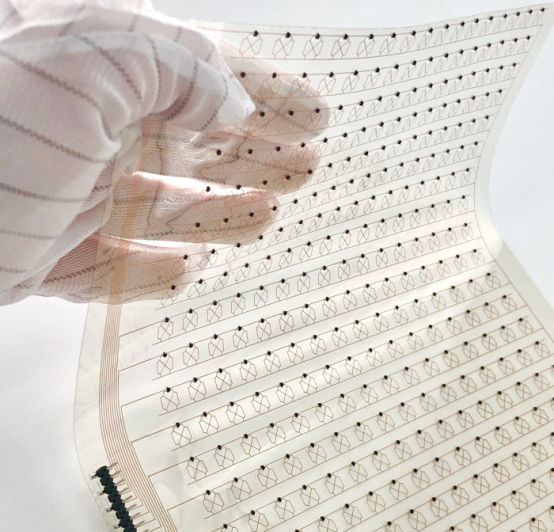
A Transparent PI PCB is a type of Printed Circuit Board (PCB) made using Polyimide (PI) material, designed to be visually transparent while maintaining the essential characteristics of traditional PI-based PCBs. The transparent PI used in these boards is sometimes called Colorless Polyimide (CPI) . These boards are primarily used in applications where both functionality and aesthetic transparency are important.
Definition and Basic Structure of Transparent PI PCBs
Polyimide (PI) Material:
Polyimide (PI) is a high-performance polymer that can withstand extreme heat, making it ideal for electronic applications. It is often used in flexible PCBs due to its excellent thermal stability, electrical insulation, and mechanical properties. When transparent PI (CPI) is used, it offers the same thermal resistance, flexibility, and electrical insulation, with the added benefit of allowing light to pass through.
How Transparency is Achieved in PI PCBs:
Transparency in PI PCBs is achieved through a specialized process that modifies the polymer's chemical structure. By controlling the polymerization and selecting specific additives, manufacturers can create a material that retains its high thermal stability and flexibility while becoming transparent. This makes the circuit boards see-through, without compromising the performance of the components.
Key Differences Between Transparent PI PCB and Regular PI PCB
Transparency as the Primary Differentiator:
The most significant difference between Transparent PI PCBs and traditional PI PCBs is transparency. While regular PI PCBs are typically opaque and used in industrial and high-performance applications, transparent PI PCBs allow light to pass through. This feature is crucial for devices where visibility of internal components or display systems is needed, such as wearable tech, automotive displays, and medical devices. Regular PI boards are often used in environments where transparency is not needed.
Flexibility:
Both transparent and regular PI PCBs are flexible to some extent, but the level of flexibility can differ depending on the manufacturing process. Regular PI PCBs are commonly used in flexible electronics and can bend and conform to different shapes. Transparent PI PCBs also offer this flexibility but are specifically designed for applications that require both transparency and flexibility, such as smart wearables and flexible displays.
Thermal Stability:
Both transparent and regular PI PCBs offer excellent thermal stability, which is one of the reasons Polyimide is a preferred material for high-performance electronics. However, the transparency aspect of transparent PI PCBs does not compromise their ability to withstand high temperatures. Both types can handle extreme conditions, but transparent PI PCBs may have slight variations in their thermal properties due to the additives used to create transparency.
Electrical Properties:
Transparent PI PCBs retain the electrical insulation properties of regular PI PCBs. Both offer high resistance to electrical conductivity, which prevents short circuits and failures in sensitive electronic components. The key difference is that transparent PI PCBs might have slightly different dielectric properties (ability to insulate electrical charges) because of the additives used to achieve transparency. However, these differences are minimal and do not significantly impact their overall performance in typical electronic applications.

What Are the Key Characteristics of Transparent PI PCBs?
Transparent PI PCBs are distinguished by their unique combination of flexibility, thermal stability, electrical insulation, and transparency. These characteristics make them ideal for use in advanced electronic applications where both performance and aesthetics are important.
Transparency and Its Impact on PCB Design
Role of Transparency in Enhancing Product Aesthetics:
Transparency in PI PCBs adds a sleek, modern aesthetic to products. In many industries, such as consumer electronics and automotive displays, having a see-through PCB allows for innovative designs. For example, smartphones and wearable devices can use transparent PCBs to showcase intricate internal components, creating a high-tech, visually appealing product. The transparency of the PCB can be an important design feature that enhances product appeal, making it stand out in the market.
Use Cases Where Transparency is a Functional Requirement:
Transparent PI PCBs are not only visually appealing but also have functional applications. In display systems, such as OLED or AMOLED screens, transparency allows light to pass through, enabling the board to act as both the structural support and the electronic interface. Additionally, in transparent sensors and smart windows, the transparent nature of PI PCBs allows for seamless integration with the display or sensor functionality, without obstructing the view or appearance of the device.
High Thermal Stability of Transparent PI PCBs
Thermal Resistance Compared to Other PCB Materials:
One of the standout features of transparent PI PCBs is their thermal stability. Polyimide (PI) can withstand high temperatures, typically up to 232°C, without degrading. This is far superior to standard PCB materials like FR-4, which only manages temperatures up to about 140°C. This makes transparent PI PCBs highly suitable for applications where heat resistance is critical, such as automotive electronics, power supplies, and high-performance computing devices.
Implications for High-Performance Electronics in Harsh Environments:
The ability of transparent PI PCBs to endure extreme temperatures allows them to be used in environments where traditional PCBs might fail. For instance, in the aerospace industry, electronics need to perform flawlessly under fluctuating temperatures and extreme conditions. Transparent PI PCBs can maintain their integrity even in high-altitude and high-temperature settings, making them ideal for satellites, aircraft systems, and military applications.
Electrical Insulation Properties
How Transparent PI PCBs Maintain Electrical Insulation Despite Transparency:
Despite their transparency, transparent PI PCBs retain excellent electrical insulation properties. Polyimide is an inherently insulating material, which means it prevents unwanted electrical conduction between circuit paths. Transparent PI PCBs are designed in a way that does not compromise these insulation properties, ensuring that they effectively isolate electrical components while still allowing for the visibility required in certain applications.
Importance in Preventing Short Circuits and Electrical Failures:
The electrical insulation provided by transparent PI PCBs is essential in preventing short circuits, which could otherwise lead to electronic failure or even damage to the device. This is particularly important in applications such as medical devices and wearable electronics, where reliability is paramount. The insulation also allows for better signal integrity and the safe operation of high-frequency components in communication devices.
Mechanical and Chemical Resistance
Resistance to Wear, Solvents, and Harsh Chemicals:
Transparent PI PCBs are highly resistant to mechanical wear and chemical exposure. This makes them durable in environments where exposure to solvents, oils, and other chemicals is common. In automotive electronics, for example, PCBs may be exposed to oils, fuels, and cleaning agents. Transparent PI PCBs can handle these harsh conditions without degrading or losing their properties, ensuring long-term performance.
Durability in High-Stress Environments:
The mechanical durability of transparent PI PCBs also makes them ideal for high-stress environments like aerospace and military applications. In these fields, PCBs are subjected to extreme physical conditions, including vibration, impact, and temperature fluctuations. Transparent PI PCBs are engineered to withstand such stress, ensuring that critical electronic systems remain operational even in the most demanding conditions.
Flexibility and Lightweight Nature of Transparent PI PCBs
Advantages of Flexible and Lightweight Properties in Various Applications:
The flexibility and lightweight nature of transparent PI PCBs are key characteristics that allow them to be used in applications where weight and space constraints are crucial. For example, wearable technology, such as smartwatches and fitness trackers, benefits from the flexibility of these PCBs, allowing them to bend and conform to the contours of the body without breaking or becoming bulky. Additionally, the lightweight nature ensures that the device remains comfortable and portable.
Examples of Flexible Transparent PI PCB Designs:
A good example of flexible transparent PI PCBs is their use in flexible displays and foldable smartphones. These devices rely on the ability of the PCB to bend without cracking or breaking, while also providing the necessary electrical connections for the display. Other examples include smart clothing that uses embedded flexible transparent PI PCBs to monitor health metrics or transparent sensors used in smart glass applications, which adapt to lighting conditions.
What Are the Main Applications of Transparent PI PCBs?
Transparent PI PCBs offer unique advantages, including flexibility, thermal stability, and aesthetic transparency, making them ideal for various high-tech applications. These characteristics allow them to be used in industries like wearable electronics, automotive, medical devices, and more.
Use of Transparent PI PCBs in Wearable Electronics
Smartwatches, Fitness Trackers, and Other Health Devices:
Wearable electronics, such as smartwatches and fitness trackers, benefit significantly from the use of transparent PI PCBs. These devices require lightweight, flexible, and durable components to function efficiently while remaining compact and stylish. Transparent PI PCBs fit perfectly into this requirement, allowing for seamless integration into the design of these products.
Integration of Transparency for Aesthetics and Functionality:
Transparent PI PCBs don’t just serve a functional purpose; they also enhance the visual appeal of wearable devices. The transparency of the PCB allows consumers to see the intricate components inside, adding a futuristic and sleek look to products like smart glasses or fitness bands. This combination of aesthetic design and functionality is a key reason for their growing use in wearable technology.
Transparent PI PCBs in Flexible Displays
Application in OLED, AMOLED, and Other Flexible Display Technologies:
Transparent PI PCBs are a game-changer in flexible display technologies, such as OLED and AMOLED screens. These displays are widely used in smartphones, tablets, and wearables. By using transparent PI PCBs, manufacturers can create displays that are both flexible and transparent, which is crucial for the growing trend of foldable or bendable devices.
Benefits for Touchscreen and Transparent Display Systems:
Transparent PI PCBs enable transparent display systems, such as see-through touchscreens and heads-up displays. In these applications, the transparency of the PCB allows the underlying components to remain visible, while maintaining the electronic functions necessary for interaction with the display. This opens up new possibilities for smartglass and interactive windows in cars, homes, or even commercial spaces.
Transparent PI PCBs in Automotive Applications
Role in Heads-Up Displays, Transparent Indicators, and Dashboard Systems:
In the automotive industry, transparent PI PCBs are commonly used in heads-up displays (HUDs), transparent indicators, and advanced dashboard systems. These displays need to be not only functional but also clear and visible, allowing drivers to see crucial information without distracting from the road. Transparent PI PCBs support these designs by allowing for integration of both visual clarity and high-performance electronics.
Visual and Functional Benefits in the Automotive Industry:
The visual clarity provided by transparent PI PCBs helps improve the user interface in vehicles. For example, HUDs provide critical information like speed and navigation without requiring drivers to take their eyes off the road. The transparency also contributes to sleek, modern dashboard aesthetics, which are becoming more popular in luxury and concept cars.
Medical Devices and Healthcare Equipment
Usage in Diagnostic Equipment, Medical Sensors, and Implants:
Transparent PI PCBs are ideal for use in medical devices, including diagnostic equipment, medical sensors, and even implants. These PCBs must be durable, flexible, and able to function in environments requiring high accuracy and reliability. Transparent PI PCBs provide the perfect balance of durability and transparency, making them suitable for the high-performance needs of medical devices.
Importance of Transparency for Device Monitoring and Interaction:
Transparency in medical devices can play a crucial role in monitoring and interacting with sensitive components. For example, in implantable devices, where monitoring of electronic circuits is vital for patient health, transparent PI PCBs allow for easier visual inspection of the electronics, enhancing the overall performance and safety of the device.
Aerospace Applications
Use in Aircraft and Spacecraft for Structural Visibility and Monitoring:
In the aerospace industry, transparent PI PCBs are used in aircraft and spacecraft to monitor critical systems and provide structural visibility. These PCBs are often integrated into systems that need to withstand extreme conditions while remaining functional in space-constrained environments. The transparency allows engineers and technicians to visualize circuits and internal components without needing to remove parts or disrupt operations.
Examples of Transparent PI PCBs in Critical Systems:
For example, satellites use transparent PI PCBs to manage communication and control systems, as the transparency aids in visual inspections and adjustments during maintenance. Similarly, aircraft use these PCBs for essential cockpit displays and sensor systems, where maintaining clarity and reliability is crucial for the safe operation of the vehicle.
Consumer Electronics with Transparent Design Features
Application in Smartphones, Laptops, and Other Electronic Devices with Clear or Semi-Transparent Casings:
Transparent PI PCBs are increasingly used in consumer electronics like smartphones, laptops, and tablets, particularly in devices with clear or semi-transparent casings. Manufacturers use these PCBs to showcase the internal components, offering a sleek and modern appearance that appeals to consumers who value design aesthetics.
Aesthetic and Functional Reasons for Using Transparent PCBs:
Beyond just looks, transparent PI PCBs also provide a functional advantage. By making the internal components visible, manufacturers can give consumers a sense of innovation and high-tech sophistication. Transparent PCBs also allow for better thermal management and reduced component sizes, making devices thinner and lighter, which is always an advantage in consumer electronics.
Conclusion
Transparent PI PCBs are revolutionizing industries with their unique combination of flexibility, thermal stability, and aesthetic transparency. From wearable electronics to aerospace applications, these advanced circuit boards are opening up new possibilities for innovative designs and high-performance devices. As technology continues to evolve, the demand for reliable, transparent PCBs will only grow.
For businesses seeking high-quality Transparent PI PCBs, PCBMASTER stands as a trusted manufacturer in the industry. With years of experience and a commitment to excellence, PCBMASTER specializes in manufacturing top-tier transparent PI PCBs that meet the highest standards of durability, flexibility, and performance. Whether for consumer electronics, automotive systems, or medical devices, PCBMASTER is your go-to partner for superior transparent PCB solutions.
FAQs
Can Transparent PI PCBs be used in high-temperature environments?
Yes, Transparent PI PCBs are highly resistant to extreme temperatures. Polyimide (PI), the material used in these PCBs, can maintain its thermal stability even at continuous temperatures up to 232°C (450°F) and withstand short excursions up to 704°C (1,299°F). This makes them perfect for applications in high-temperature environments, such as automotive electronics, aerospace, and industrial machinery. For instance, in the automotive industry, Transparent PI PCBs can endure the high heat generated by engine components. Similarly, in aerospace applications, where extreme temperature fluctuations are common, these PCBs continue to function reliably.
Are Transparent PI PCBs more expensive than traditional PCBs?
Yes, Transparent PI PCBs tend to be more expensive than traditional FR-4 PCBs and other common PCB materials. This higher cost is due to the complex manufacturing process and the use of specialized materials to achieve transparency, coupled with their superior thermal, electrical, and mechanical properties. However, the price difference is justified by the advanced performance and design flexibility they offer, including higher thermal resistance, flexibility, and aesthetic appeal. These features make them a worthwhile investment for industries like wearable electronics, automotive, and medical devices where high functionality and design are key.
What industries benefit the most from Transparent PI PCBs?
Several industries are seeing significant benefits from Transparent PI PCBs, particularly those that require high performance and advanced materials. These industries include:
- Automotive: Used in heads-up displays, transparent indicators, and dashboard systems, where visual clarity and thermal stability are critical.
- Medical: In diagnostic equipment, medical sensors, and implants, where reliability and transparency for easy inspection are essential.
- Aerospace: Transparent PI PCBs are used in satellites, aircraft displays, and monitoring systems that need to withstand extreme conditions and provide clear visibility.
- Wearable Electronics: Smartwatches, fitness trackers, and other devices benefit from Transparent PI PCBs due to their flexibility, lightweight nature, and aesthetic transparency.
- Consumer Electronics: Integrated into smartphones, laptops, and other devices with transparent or semi-transparent casings, combining both design appeal and functional performance.
These industries leverage the high-performance characteristics of Transparent PI PCBs for advanced product design and reliable operation.
Are Transparent PI PCBs flexible?
Yes, Transparent PI PCBs are flexible, depending on the specific formulation. The base material, Polyimide (PI), is known for its excellent flexibility, allowing these PCBs to be used in bendable, space-efficient designs. For example, in wearable electronics like smartwatches and fitness trackers, Transparent PI PCBs can be shaped to fit the contours of the device while maintaining reliability and performance. Moreover, the flexibility of these PCBs enables their use in foldable displays and flexible electronic devices, expanding design possibilities in consumer electronics.
How does transparency impact the functionality of Transparent PI PCBs?
Transparency does not compromise the performance or functionality of Transparent PI PCBs. The Polyimide (PI) material used in these boards retains its superior thermal resistance, electrical insulation, and mechanical strength while offering visual clarity. This transparency is ideal for applications like transparent displays, sensors, and wearable technology, where internal components need to be visible. Despite their see-through nature, these PCBs maintain the high thermal stability that PI materials are known for, capable of withstanding temperatures as high as 704°C (1,299°F) for short periods. Their electrical insulation properties also prevent short circuits, ensuring safe and reliable operation in complex electronic systems.
About the Author

Carol Luo
PCB Design EngineerI'm Carol, a PCB Engineer at PCBMASTER with experience in PCB design and manufacturing engineering since 2018. I focus on translating engineering requirements into reliable PCB solutions, with expertise in stack-up design, material selection, and design-for-manufacturing (DFM). I share practical engineering insights from real-world PCB design and production experience.
Visit Carol Luo's Profile