







Transparent PCBs: Types, Characteristics, and Applications in Electronics
The transparent PCB market is growing rapidly, driven by the increasing demand for transparent electronics. As the global transparent electronics market is set to expand from USD 2.14 billion in 2025 to USD 12.35 billion by 2034, transparent PCBs are key to this growth. They enable the integration of electronic circuits into clear materials, making them essential for applications like flexible displays, transparent touchscreens, and smart glass.
With innovations in materials such as polyimide, glass, and polyester, transparent PCBs offer high performance and visual appeal. As the transparent electronics market continues to rise, transparent PCBs will play a central role in shaping the future of consumer electronics, wearables, and other cutting-edge devices.
Next, let’s explore the different types of transparent PCBs, their unique characteristics, and the specific application scenarios where they excel.
Transparent Polyimide (PI) PCBs
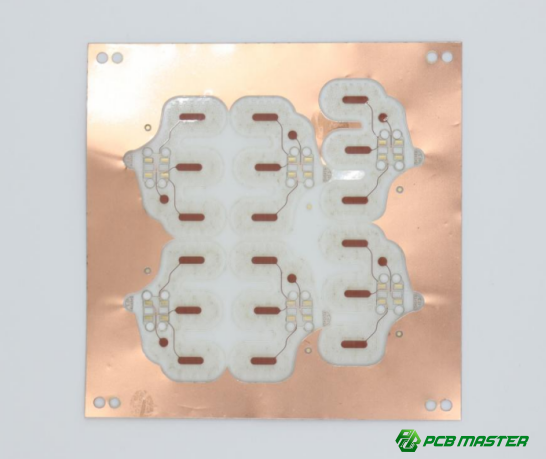
Transparent Polyimide (PI) PCBs are flexible, high-performance circuit boards that offer excellent transparency, thermal stability, and electrical insulation, making them ideal for advanced, flexible electronic applications.
Characteristics of Transparent PI PCBs
High Transparency
Polyimide (PI) is a material that provides almost colorless transparency, making it ideal for applications where visual clarity is important. The high level of transparency allows PI PCBs to be used in devices where the internal components need to be visible or where aesthetics play a crucial role. For example, transparent PI PCBs are often found in transparent displays, where the clarity of the board helps showcase the device’s visual design.
Excellent Thermal Stability
PI material can withstand high temperatures without degrading. This thermal stability makes transparent PI PCBs suitable for high-temperature applications where other materials might fail. For instance, in devices like LED displays or high-performance electronics that generate heat, PI PCBs ensure long-lasting performance under intense conditions. Their resistance to heat makes them an excellent choice for products used in harsh environments.
Flexibility
One of the standout features of PI PCBs is their flexibility. Transparent PI PCBs are often used in flexible circuit boards (FPCs) , which can bend or fold without losing functionality. This flexibility is essential in applications such as wearables or devices that require flexible, compact designs. Transparent PI PCBs enable the creation of flexible displays or curved screens, providing both functionality and aesthetic appeal.
Electrical Performance
PI PCBs offer great electrical performance, featuring low dielectric constants that improve the efficiency of high-frequency applications. Their electrical insulation properties make them reliable for sensitive electronic systems, ensuring stable and consistent performance. Transparent PI PCBs are commonly used in high-speed communication devices where signal integrity is vital, such as in smart devices or wireless systems.
Applications of Transparent PI PCBs
Flexible Displays
Transparent PI PCBs are widely used in flexible OLED and LCD displays. These displays are designed to bend or curve, and the flexible nature of PI PCBs allows these devices to be more compact and durable. A real-world example includes curved TVs and foldable smartphones, where transparent PI PCBs are used to create the screen's flexible, transparent foundation while maintaining performance.
Wearable Devices
Due to their flexibility, transparency, and electrical performance, transparent PI PCBs are perfect for wearable electronics like smartwatches and fitness trackers. These devices often require flexible circuits that can be integrated into the form factor of the device. Transparent PI PCBs make it possible to design wearables with clear displays or transparent elements, giving the devices a sleek, modern look without compromising on performance.
Transparent Touchscreens
Transparent PI PCBs are commonly used in the production of transparent touchscreens, which are used in a variety of consumer electronics like smartphones, tablets, and interactive displays. These touchscreens are able to maintain their transparency while providing the high responsiveness expected from modern touch interfaces. By using transparent PI PCBs, manufacturers can create devices that not only look futuristic but also function seamlessly.
Medical Devices
Transparent PI PCBs are increasingly being used in medical devices, particularly in transparent sensors and flexible circuit boards. These PCBs are crucial for applications like wearable health monitors or diagnostic equipment that require both transparency for visibility and flexibility for ergonomic use. Their electrical performance ensures the devices can operate accurately and reliably in healthcare settings.
Transparent FR-4 PCBs
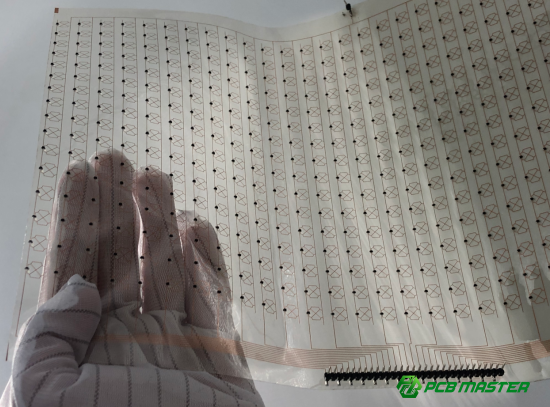
Transparent FR-4 PCBs are durable, cost-effective circuit boards with moderate transparency, making them ideal for applications like LED lighting, simple displays, and consumer electronics.
Characteristics of Transparent FR-4 PCBs
Moderate Transparency
Transparent FR-4 PCBs typically offer a semi-transparent or milky white appearance. This makes them ideal for applications where full transparency is not required, but a certain level of light diffusion or visibility is desired. For example, in electronic products like transparent LED lights, moderate transparency ensures that the internal components are slightly visible, adding an aesthetic touch without compromising functionality.
High Mechanical Strength
FR-4 materials are known for their durability and high mechanical strength, which makes them resistant to physical stress and pressure. Transparent FR-4 PCBs inherit this property, making them suitable for use in more rugged applications. They can withstand the physical forces typically encountered in industrial environments, making them perfect for products that need to endure everyday wear and tear.
Good Electrical Performance
Like traditional FR-4, transparent FR-4 maintains strong electrical performance. It has excellent electrical insulation properties, ensuring the safety and reliability of circuits. Transparent FR-4 PCBs are used in many applications where maintaining strong electrical performance is critical, such as in low-power devices or sensitive electronics.
Flame Retardancy
Transparent FR-4 PCBs meet the UL 94-V0 flame retardancy standard, which ensures that they can resist ignition and prevent fire hazards. This is particularly important in electronics, where fire safety is a top priority. By using transparent FR-4 materials, manufacturers can ensure that their products are not only functional but also safe in everyday use.
Applications of Transparent FR-4 PCBs
Low-Cost Transparent Circuit Boards
One of the key advantages of transparent FR-4 PCBs is their affordability. Compared to other transparent PCB materials, FR-4 is relatively inexpensive. As a result, it is widely used in low-cost electronic products like transparent LED lighting and decorative lighting systems. These applications require a certain level of transparency but do not need the advanced performance characteristics of higher-end materials.
Simple Transparent Displays
Transparent FR-4 is commonly used in simple transparent displays, where the level of transparency is not as critical. Products like electronic price tags, basic transparent screens, and informational displays often use this material. The semi-transparent nature of FR-4 provides just enough visibility for these applications, making it a cost-effective solution for manufacturers.
Consumer Electronics
Transparent FR-4 PCBs are also used in consumer electronics with transparent housings, such as smartphones, gaming consoles, and remote controls. In these cases, the material’s balance of transparency, durability, and cost-effectiveness makes it an ideal choice. For example, some transparent smart device housings use FR-4 to maintain a sleek look while ensuring the internal electronics are securely insulated.
Industrial Equipment
For industrial applications, transparent FR-4 PCBs are often found in equipment with transparent covers or protective layers. These could include control panels, meters, or industrial sensors where the transparency adds visibility while the FR-4 material ensures strength and durability. These PCBs are often used in environments that require a sturdy yet semi-transparent interface for operators and technicians.
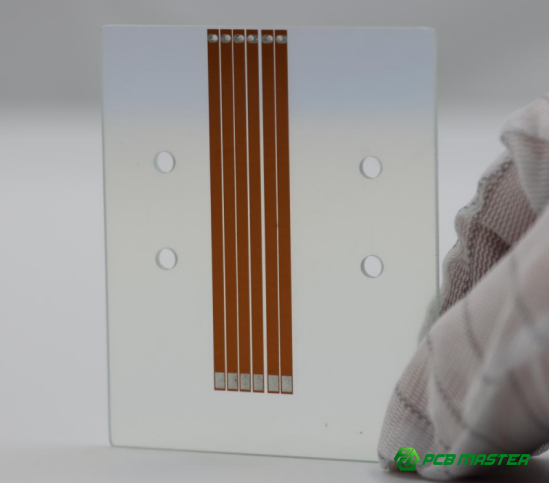
Transparent Glass PCBs
Transparent Glass PCBs are highly durable, heat-resistant circuit boards that offer exceptional clarity, making them ideal for high-end displays, smart glass applications, and optical devices.
Characteristics of Transparent Glass PCBs
Extremely High Transparency
Transparent glass PCBs offer near-perfect transparency, making them ideal for applications that require maximum light transmission and visual clarity. This high level of transparency makes them suitable for high-end devices such as transparent displays and advanced visual technologies, where the aesthetics and visibility of the internal components are critical. For example, transparent glass is used in high-end televisions and digital signage where clarity and design are paramount.
Excellent Thermal Stability
Glass is a highly stable material with a high tolerance for temperature changes, which makes transparent glass PCBs ideal for high-power applications. These PCBs can efficiently dissipate heat, ensuring that electronic devices remain cool even during intensive use. In applications like laser systems, or high-performance lighting, where heat management is essential, transparent glass PCBs prevent overheating while maintaining optimal performance.
Hardness and Scratch Resistance
Transparent glass PCBs have excellent hardness and scratch resistance, which improves the durability of the devices they are used in. This property ensures that the glass remains clear and functional even after prolonged use or exposure to physical wear and tear. The hardness of glass makes it especially suitable for devices that are handled frequently, such as touchscreens and display panels, where visibility and longevity are crucial.
Applications of Transparent Glass PCBs
High-End Displays
Transparent glass PCBs are widely used in high-end display technologies, such as transparent TVs, advertising screens, and interactive touchscreens. These displays require materials that can not only maintain high transparency but also ensure durability and heat resistance. Transparent glass PCBs provide the necessary balance of these properties, making them ideal for use in products like transparent OLED displays and digital signage.
Smart Glass
One of the most innovative applications of transparent glass PCBs is in smart glass technology. In smart windows and smart automotive glass, transparent glass PCBs are used to control the level of transparency. These PCBs can be integrated with electrochromic or thermochromic materials, enabling the glass to change its opacity in response to electrical signals. This is particularly useful in applications like energy-efficient buildings or cars, where adjusting the amount of light passing through the windows can help control temperature and energy consumption.
Optical Devices
Transparent glass PCBs are also used in optical devices like laser systems and optical sensors. The high transparency and temperature tolerance of glass make it an ideal material for applications requiring clear light transmission and stable performance in demanding environments. For instance, in scientific research or medical equipment, where precision and clarity are crucial, transparent glass PCBs ensure that optical systems operate efficiently without distortion or interference.
Transparent Building Materials
Transparent glass PCBs are increasingly being used in modern architecture, especially in building materials like transparent glass facades, curtain walls, and fiber-optic panels. These materials not only provide the aesthetic appeal of transparency but also offer practical benefits, such as energy efficiency and enhanced lighting in buildings. Transparent glass PCBs allow the integration of electronic functions into architectural elements, making them useful in "smart" buildings that feature integrated lighting, climate control, or automated systems.
Transparent Ceramic PCBs
Transparent Ceramic PCBs are high-performance, heat-resistant circuit boards with excellent optical clarity and mechanical strength, making them ideal for high-power electronics, laser systems, and advanced lighting applications.
Characteristics of Transparent Ceramic PCBs
Extremely High Transparency and Optical Performance
Transparent ceramic PCBs offer outstanding optical properties with extremely high transparency, making them ideal for applications where clear light transmission is essential. These PCBs allow light to pass through without distortion, making them perfect for optical devices, high-end lighting systems, and displays. For example, transparent ceramic PCBs are used in high-precision laser systems and optical sensors, where the clarity of the material is vital for the device's performance.
Exceptional Thermal Stability
Ceramic materials are known for their ability to withstand extremely high temperatures without degrading. Transparent ceramic PCBs excel in high-temperature environments, making them ideal for high-power electronic components that generate a significant amount of heat. For instance, transparent ceramic PCBs are used in devices such as power electronics or heat-sensitive sensors, where managing high temperatures is critical to maintaining performance and longevity.
High Mechanical Strength
Transparent ceramics are incredibly strong and durable, with high hardness and resistance to physical damage. These PCBs can handle significant pressure and mechanical stress without cracking or breaking, making them perfect for rugged and durable applications. For example, transparent ceramic PCBs are often used in heavy-duty systems that require both transparency and durability, such as high-power lighting or industrial equipment.
Applications of Transparent Ceramic PCBs
High-Power Electronic Devices
Transparent ceramic PCBs are widely used in high-power electronics, where thermal management is crucial. These materials can efficiently dissipate heat, making them ideal for components such as power converters, high-frequency devices, and high-power LEDs. The ability to withstand high temperatures and provide effective heat management helps prevent overheating and ensures the reliability of these electronic devices in demanding applications.
Laser Systems and Optical Sensors
Due to their high transparency and excellent thermal conductivity, transparent ceramic PCBs are frequently used in laser equipment and optical sensors. In these applications, the transparency of the material allows for the efficient transmission of light while its heat resistance ensures the systems operate at optimal temperatures. For instance, in laser systems used for medical treatments or scientific research, transparent ceramic PCBs help maintain the stability and performance of the device by managing heat effectively.
High-End Lighting Systems
Transparent ceramic PCBs are commonly used in advanced LED lighting systems, providing both excellent thermal conductivity and optical performance. These PCBs are essential in high-efficiency lighting applications where both heat dissipation and light transmission are important. For example, transparent ceramic PCBs are used in automotive lighting, architectural lighting, and other high-performance light sources where long-lasting durability and heat resistance are necessary.
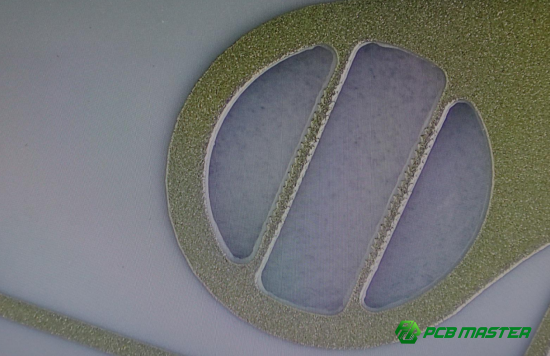
Transparent Polyester (PET) PCBs
Transparent Polyester (PET) PCBs are flexible, cost-effective circuit boards with good transparency, ideal for low-cost electronic products, flexible circuits, and consumer electronics.
Characteristics of Transparent PET PCBs
Good Transparency
Transparent PET (Polyester) PCBs provide a decent level of transparency, though not as clear as materials like Polyimide (PI) or glass. This makes them ideal for applications where high transparency is not a primary requirement, but a certain degree of clarity is still necessary. For example, transparent PET PCBs are often used in electronic tags or temporary display screens, where full clarity is not as critical as functionality and cost-effectiveness.
Good Flexibility
PET films are highly flexible, making transparent PET PCBs suitable for creating flexible circuit boards (FPCs). This flexibility is important in applications like wearable devices or portable electronics, where the ability to bend or fold the circuit board is required. PET’s flexibility also allows it to adapt to compact and unconventional designs, such as electronic labels or other consumer electronics that require light, flexible materials.
Lower Cost
One of the key advantages of transparent PET materials is their relatively low cost. Compared to other transparent PCB materials like PI or glass, PET is more affordable and can be mass-produced at a lower cost, making it ideal for budget-conscious applications. This makes transparent PET PCBs a popular choice for consumer products that don’t require the highest performance materials but still benefit from transparent features, such as temporary display panels or low-cost smart cards.
Applications of Transparent PET PCBs
Low-Cost Transparent Electronics
Transparent PET PCBs are widely used in low-cost transparent electronic products. These can include electronic price tags, temporary display screens, or transparent smart cards, where a high degree of transparency is not needed, but the ability to display information clearly is still important. Transparent PET PCBs are cost-effective enough to be used in mass-market products, offering a good balance between performance and affordability.
Flexible Circuits
Transparent PET PCBs are ideal for flexible circuit applications, particularly in portable and wearable devices. Their flexibility makes them suitable for integration into products like electronic labels, fitness trackers, or flexible screens. These applications benefit from the lightweight, bendable nature of PET, which allows for compact, ergonomic designs in devices that need to conform to unusual shapes or be worn on the body.
Transparent Circuit Board Applications
PET PCBs are also used in transparent circuit boards for consumer electronics with clear or semi-transparent housings, such as smart phones, remote controls, and other small devices. These PCBs allow for the integration of electronics into the exterior of the device without compromising the look or feel of a transparent product. In this way, transparent PET PCBs help manufacturers create sleek, modern devices that are functional and visually appealing.
Conclusion
The evolution of transparent PCB technology has opened up a world of possibilities for modern electronics. As various types of transparent PCBs continue to develop, their applications are becoming increasingly widespread, from high-end displays to everyday consumer products. This evolution provides designers and engineers with more innovative opportunities to create products that blend functionality and aesthetics seamlessly.
Choosing the right transparent PCB material is crucial for ensuring optimal performance in any given application. Each material, whether it's Polyimide (PI), FR-4, glass, or ceramic, has its own unique strengths and limitations. Understanding these characteristics—such as transparency, flexibility, thermal stability, and cost—helps designers make informed decisions that align with their product needs. The following table compares the key features of different transparent PCB materials:
| Material | Transparency | Flexibility | Thermal Stability | Mechanical Strength | Cost | Ideal Applications |
| Transparent PI (Polyimide) | High | High (Flexible) | Excellent | Moderate | Moderate to High | Flexible displays, wearables, touchscreens |
| Transparent FR-4 | Moderate (Semi-transparent) | Moderate | Good | High | Low to Moderate | Low-cost displays, consumer electronics, lighting |
| Transparent Glass | Very High | Low | Excellent | High | High | High-end displays, optical sensors, smart glass |
| Transparent Ceramic | Very High | Low | Excellent | Very High | High | High-power electronics, laser systems, lighting |
| Transparent PET | Moderate to High | High (Flexible) | Good | Moderate | Low | Low-cost electronics, flexible circuits, smart cards |
For those seeking high-quality transparent PCBs, PCBMASTER stands out as a trusted supplier . With years of experience in PCB and PCBA manufacturing, PCBMASTER is dedicated to delivering top-tier products tailored to the diverse needs of their clients. Our expertise enables us to produce a wide range of transparent PCBs, helping customers select the most suitable materials for their projects, regardless of complexity.
FAQs
1. What are the main benefits of using Transparent PCBs in electronic devices?
Transparent PCBs offer several key benefits that enhance both the functionality and aesthetic appeal of electronic devices. They provide unique design possibilities, especially in displays, wearables, and interactive devices. Their ability to integrate seamlessly into transparent or semi-transparent products allows manufacturers to create sleek, modern designs where the internal components are visible. This is especially important for transparent displays used in high-end TVs, digital signage, and interactive touchscreens. Additionally, transparent PCBs can be made from flexible materials, enabling wearable electronics and other compact, curved devices. These materials help maintain excellent electrical performance while offering visual clarity and aesthetic value, making transparent PCBs ideal for the next generation of consumer electronics.
2. Can Transparent PCBs replace traditional PCBs in all applications?
While transparent PCBs provide distinct advantages in certain applications, they cannot fully replace traditional PCBs in all scenarios. Transparent PCBs are ideal for specific use cases where aesthetics, flexibility, and visibility are critical, such as in transparent displays or wearables. However, they often come with limitations in terms of performance and cost. Traditional PCBs are still more suited for high-power, high-performance, and cost-sensitive applications where material strength, reliability, and high-frequency performance are paramount. For example, in power electronics or automotive electronics, transparent PCBs may not provide the same level of durability or thermal management as traditional materials. The choice between transparent and traditional PCBs largely depends on the specific requirements of the device being designed.
3. What is the most commonly used material for Transparent PCBs?
The most commonly used material for transparent PCBs is Polyimide (PI). Polyimide is favored because of its high transparency, excellent thermal stability, and flexibility. These properties make PI ideal for applications requiring flexible, transparent circuit boards, such as in OLED displays, wearable electronics, and transparent touchscreens. In addition to its transparency, PI has the ability to withstand high temperatures, making it suitable for high-performance applications. Other materials, such as glass and ceramic, are also used in some high-end applications for their exceptional optical clarity and durability. However, Polyimide (PI) remains the go-to material for many transparent PCB applications due to its balanced combination of flexibility, transparency, and heat resistance.
4. How do Transparent PCBs impact the cost of electronic devices?
The use of transparent PCBs can significantly increase the cost of electronic devices. This is due to the specialized materials and manufacturing processes required to produce transparent PCBs. Materials such as Polyimide (PI), glass, and ceramics are more expensive compared to traditional FR-4 PCBs. Additionally, producing transparent PCBs requires more precise manufacturing techniques, which can increase production time and costs. For example, in applications where the aesthetic appeal of transparency is critical, manufacturers might opt for more expensive materials even if they are not strictly necessary for performance. While transparent PCBs provide unique benefits in terms of design and functionality, their cost must be carefully considered, especially when used in mass-market products where price is a significant factor.
5. What is the future outlook for Transparent PCBs in consumer electronics?
The future outlook for transparent PCBs in consumer electronics is promising and set for significant growth. As the demand for innovative, flexible, and aesthetically appealing electronic products increases, transparent PCBs will continue to play a key role. In particular, they are expected to contribute heavily to the development of next-generation displays like transparent OLEDs, interactive touchscreens, and smart glass. Transparent PCBs will also be integral to the growth of wearable devices, where flexibility and transparency are critical for design and performance. As technology advances and manufacturing techniques improve, it’s likely that transparent PCBs will become more cost-effective, further driving their adoption in consumer electronics. As these materials continue to evolve, transparent PCBs could soon become a standard in a variety of smart devices, including smartphones, tablets, and smart home systems, offering a seamless fusion of functionality and design.
About the Author

Carol Luo
PCB Design EngineerI'm Carol, a PCB Engineer at PCBMASTER with experience in PCB design and manufacturing engineering since 2018. I focus on translating engineering requirements into reliable PCB solutions, with expertise in stack-up design, material selection, and design-for-manufacturing (DFM). I share practical engineering insights from real-world PCB design and production experience.
Visit Carol Luo's Profile