







Transparent FR-4 PCB: Key Features and Applications
Transparent FR-4 PCBs are opening up new possibilities in modern electronics. By combining the durability of traditional FR-4 with a transparent design, these innovative circuit boards offer both aesthetic and functional advantages. As industries explore more integrated and visually engaging solutions, Transparent FR-4 is quickly becoming an important component in devices ranging from consumer electronics to advanced medical equipment.
What is Transparent FR-4 PCB?
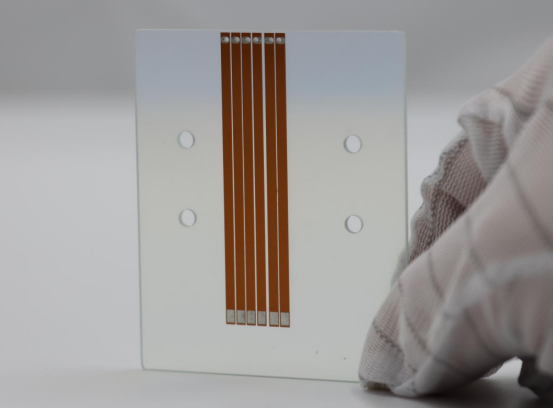
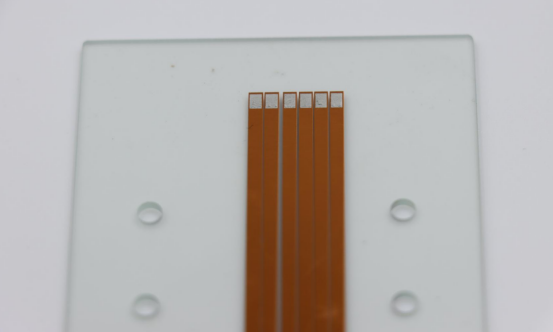
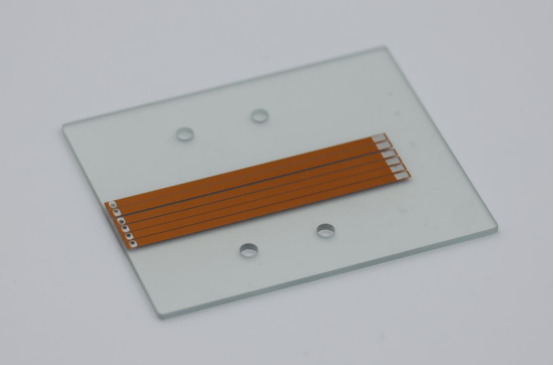
A Transparent FR-4 PCB is a type of printed circuit board (PCB) that uses a special transparent material, typically glass fiber and epoxy resin, to create the board’s substrate. Unlike traditional FR-4, which is opaque and typically brown or green, a Transparent FR-4 PCB allows light to pass through it, making it see-through or semi-transparent. This technology provides the same electrical and mechanical properties as standard FR-4 but with the added benefit of transparency, which opens up new possibilities for design and aesthetics in electronics.
Brief History and Development of Transparent FR-4 Technology
Transparent FR-4 technology is a relatively recent development in the world of circuit boards. Traditionally, PCBs were designed using opaque materials like fiberglass and resin, which offered durability and electrical insulation but lacked visual appeal. As electronics began to advance, especially with the rise of smart devices, there was a growing demand for more integrated and visually engaging components.
In the early 2000s, engineers started experimenting with transparent substrates, initially using materials like polycarbonate and acrylic. However, these materials did not always meet the stringent mechanical and electrical performance requirements of standard FR-4. Over time, through advancements in manufacturing and material science, Transparent FR-4 PCBs were developed. These boards combine the strength, heat resistance, and electrical performance of traditional FR-4 with a level of transparency, making them suitable for a wide range of applications.
Importance in Modern Electronics and Circuit Boards
Transparent FR-4 PCBs have become increasingly important in modern electronics, offering a unique combination of functionality and aesthetic appeal. These PCBs are particularly valuable in industries where visual elements are just as important as the technical performance of the components.
For example, in wearable technology, such as smartwatches or fitness trackers, transparent PCBs are used to create more compact and visually appealing devices. These devices often require the PCB to be both functional and unobtrusive, so the use of a transparent substrate allows for better integration into the product design.
Moreover, in consumer electronics, such as smartphones and tablets, Transparent FR-4 PCBs allow manufacturers to develop sleeker devices with more room for other components, improving performance without compromising on aesthetics. Additionally, industries like automotive technology and medical devices are starting to use Transparent FR-4 PCBs in innovative ways, such as in transparent dashboards or medical wearables, where the design and user experience play a key role.
In short, Transparent FR-4 PCBs represent a significant advancement in PCB technology, providing not just functional benefits but also opening up new design possibilities for a wide array of industries.
What Are the Key Features of Transparent FR-4 PCBs?
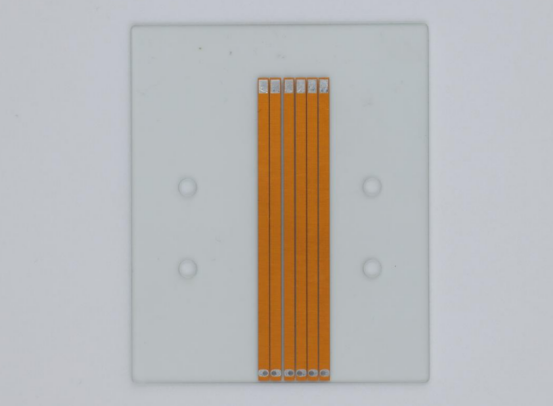
Transparent FR-4 PCBs combine the strength and performance of traditional FR-4 with the added benefit of transparency. They offer excellent electrical insulation, heat resistance, and durability, making them ideal for advanced electronic applications.
Composition and Materials of Transparent FR-4 PCBs
The role of glass fiber and epoxy resin in FR-4 construction:
Transparent FR-4 PCBs are made from two key materials: glass fiber and epoxy resin. The glass fiber provides strength and stability to the PCB, while the epoxy resin binds the fibers together and offers electrical insulation. These materials are combined to create a durable and flexible base for electronic components. In transparent FR-4, these materials are specially formulated to maintain clarity while still providing the necessary strength and electrical properties required in circuit boards.
How transparency is achieved in FR-4 PCBs:
Achieving transparency in FR-4 is a result of carefully selecting the right type of epoxy resin and adjusting the manufacturing process. Standard FR-4 PCBs are opaque because of the dark color of the resin and the woven glass fibers. In Transparent FR-4, manufacturers use a specially developed resin and modify the curing process to maintain clarity. This allows light to pass through the board, making it semi-transparent or fully transparent while retaining the same mechanical and electrical performance as traditional FR-4.
Key material properties (optical clarity, thermal resistance, electrical insulation):
The optical clarity of Transparent FR-4 is one of its standout features, allowing for clear visibility of the board’s components and traces. This property is crucial for applications where aesthetics or visibility of internal components is important. Thermal resistance is also a key property; Transparent FR-4 maintains a high level of heat resistance, similar to standard FR-4, allowing it to perform in high-temperature environments without degrading. Additionally, electrical insulation is vital. The epoxy resin provides excellent electrical insulation, ensuring the PCB functions safely and effectively in electronic devices without interference.
Mechanical and Thermal Properties
Durability and strength compared to traditional FR-4 PCBs:
While Transparent FR-4 retains much of the strength and durability of standard FR-4, there may be slight differences due to the nature of the transparent resin. Generally, Transparent FR-4 is durable enough for most applications, but in some cases, it may be slightly less rigid compared to the traditional opaque FR-4. For example, in applications requiring extreme mechanical strength, traditional FR-4 may be preferred. However, for designs where transparency is essential, the mechanical properties of Transparent FR-4 are usually sufficient.
Heat resistance and thermal conductivity:
Transparent FR-4 PCBs exhibit excellent heat resistance, comparable to that of regular FR-4. This makes them suitable for electronic applications where heat management is critical. They can withstand high temperatures without losing structural integrity. Thermal conductivity, or the ability to transfer heat, is also an important feature. Transparent FR-4 maintains good thermal conductivity, which helps in the efficient dissipation of heat from electronic components, reducing the risk of overheating and improving the reliability of the overall system.
Impact on component longevity and overall PCB reliability:
The durability of Transparent FR-4 also positively impacts the longevity of electronic components. Since the board can handle heat well and is resistant to physical damage, components mounted on Transparent FR-4 tend to have a longer life cycle. This contributes to the overall reliability of the PCB, which is essential in applications where continuous operation is necessary, such as in medical devices or automotive electronics.
Electrical Performance
Electrical insulation properties:
One of the primary reasons FR-4 is widely used in electronics is its electrical insulation properties. Transparent FR-4 PCBs maintain these properties, ensuring that electrical signals are properly isolated and do not cause short circuits or interference between the different layers of the PCB. The epoxy resin used in the transparent boards acts as an effective barrier to electrical flow, preventing unintended current leakage and ensuring safety and performance.
Signal integrity and its importance in high-frequency applications:
Signal integrity is critical in high-frequency applications such as RF (Radio Frequency) circuits, communication devices, and high-speed digital systems. Transparent FR-4 maintains excellent signal integrity due to its consistent dielectric properties, which help minimize signal loss or distortion. The transparency of the PCB does not affect the ability to transmit high-frequency signals, making it suitable for these demanding applications. This is particularly important in industries like telecommunications, where clear and stable signals are necessary for optimal performance.
Effect of transparency on electrical performance (if any):
The transparency of FR-4 does not negatively impact its electrical performance. Some may worry that the change in material could disrupt the board’s ability to handle high-frequency signals or electrical isolation, but in practice, the transparent materials used in these PCBs are carefully engineered to maintain the same electrical properties as standard FR-4. Therefore, the optical clarity does not compromise the PCB's ability to perform at the required electrical standards, making Transparent FR-4 an ideal choice for most electronic applications.
What Are the Common Applications of Transparent FR-4 PCBs?
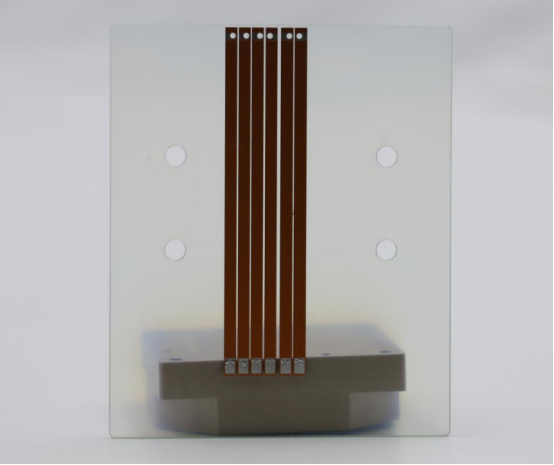
Transparent FR-4 PCBs are revolutionizing a variety of industries by combining high-performance functionality with unique design possibilities. From consumer electronics like smart devices and wearables to automotive displays and medical equipment, these PCBs are enabling sleek, modern designs without sacrificing performance.
Consumer Electronics
Use in smart devices and wearable technology (smart glasses, fitness trackers):
Transparent FR-4 PCBs are increasingly used in smart devices and wearable technology. Smart glasses, for example, need to combine advanced technology with a sleek, compact design. Transparent FR-4 allows manufacturers to integrate the necessary circuits while maintaining the visual appeal of the product. Similarly, fitness trackers benefit from the use of transparent PCBs, as they need to be lightweight and flexible, fitting comfortably on the body while providing essential electronic functions. The transparency of the PCB enables innovative designs that enhance the aesthetics of these wearable devices.
Transparent PCB in mobile devices for aesthetic designs:
In mobile devices, Transparent FR-4 PCBs are used to create visually striking designs. Since smartphones and tablets are often viewed as both functional tools and fashion statements, transparency allows for a more modern and clean look, particularly in areas where the internal circuitry is visible. For instance, some high-end smartphones incorporate transparent PCBs to create a futuristic, high-tech appearance that appeals to consumers who value both form and function.
Automotive Industry
Transparent FR-4 in automotive displays and lighting:
The automotive industry is adopting Transparent FR-4 PCBs for applications in displays and lighting systems. Transparent PCBs are used in modern car dashboards, where the visibility of the components can be a design element. For example, in ambient lighting systems, these PCBs help create a sleek, transparent lighting effect, improving both the functionality and visual appeal of a vehicle’s interior. Transparent PCBs also play a role in headlights and tail lights, where integrated LED circuits are made more attractive and efficient.
Role in transparent dashboards, infotainment screens, and ambient lighting systems:
Transparent FR-4 PCBs are especially useful in creating transparent dashboards and infotainment screens in vehicles. These systems often combine advanced touchscreens, sensors, and digital displays, and the transparency of the PCB allows for integration into a sleek, minimalistic dashboard design. This allows for displays that seem to float within the dashboard without clutter, enhancing both user experience and aesthetics. Additionally, transparent FR-4 is used in ambient lighting systems to produce a clean, modern look while maintaining durability and efficient performance.
Medical Devices
Use in medical diagnostics equipment where visibility of the board components is crucial:In medical diagnostics equipment, Transparent FR-4 PCBs are becoming increasingly popular due to their ability to offer visibility of the board's components while maintaining functional reliability. Devices like portable medical scanners or blood analysis machines often require transparent boards for easy inspection and maintenance. Transparent FR-4 allows engineers to see internal components, making troubleshooting and repairs easier, improving serviceability and reducing downtime.
Transparent FR-4 for wearable medical sensors and devices:Transparent FR-4 PCBs are also used in wearable medical sensors and devices. These devices, such as heart rate monitors or glucose sensors, need to be compact, flexible, and unobtrusive when worn. Transparent FR-4 makes these devices lighter and more comfortable to wear without compromising on performance. The transparency also allows for sleek, modern designs that align with the aesthetic preferences of users, while providing the electrical properties required for accurate data collection.
LED and Lighting Systems
Integration with LED lighting for flexible and aesthetic lighting solutions:
Transparent FR-4 PCBs are widely used in LED lighting systems for their ability to blend seamlessly with transparent designs. These PCBs are used in flexible LED strips that are integrated into home lighting systems, creating aesthetically pleasing and functional lighting solutions. The transparency allows for clean, unobtrusive designs where the PCB is hidden or incorporated into the light fixtures in a way that enhances the overall appearance.
Use in backlighting systems for displays and transparent screens:
In displays and transparent screens, Transparent FR-4 PCBs play a crucial role in the backlighting systems of modern devices, such as smartphones, television screens, and monitors. Transparent FR-4 is used in these backlighting systems to maintain a sleek, seamless design while providing the necessary electrical connections. These PCBs are often hidden behind transparent displays or used in areas where the components need to be visible for design purposes, adding to the overall visual appeal of the screen.
What Are the Challenges in Working with Transparent FR-4 PCBs?
While Transparent FR-4 PCBs offer unique design possibilities, they also come with several challenges. From the complex manufacturing processes needed to maintain transparency and strength, to the higher costs and potential durability issues, these boards require careful consideration.
Manufacturing Complexity
Specialized processes required to maintain transparency and structural integrity:
Manufacturing Transparent FR-4 PCBs is more complex than standard FR-4 boards because maintaining transparency without compromising the board’s strength is a delicate process. Special resin formulations and curing techniques are needed to ensure that the PCB remains clear while also providing the mechanical properties necessary for electronic applications. If the curing process isn't carefully controlled, the transparency can be affected, leading to uneven or cloudy sections that reduce the PCB’s functionality. Manufacturers need to invest in specialized equipment and skilled labor to ensure the process is done correctly.
Challenges in sourcing materials and maintaining consistent transparency:
Sourcing the right resin and glass fiber materials for Transparent FR-4 can be challenging. Not all resins have the same optical clarity, and finding a resin that provides both strength and high transparency requires careful selection. Additionally, batch consistency is critical—small variations in resin or fiber materials can result in uneven transparency across the board, which can affect both the visual and performance aspects of the PCB. This makes maintaining consistent quality a continuous challenge for manufacturers, as each batch must be closely monitored.
Cost and Availability
High production costs compared to standard FR-4 PCBs:
Transparent FR-4 PCBs are generally more expensive to produce than standard FR-4 boards. This is because the materials used in their construction are more costly, and the manufacturing processes are more intricate. The need for specialized resins, the controlled curing process, and the additional steps involved in maintaining clarity all contribute to higher production costs. For industries that are price-sensitive or working on a tight budget, the increased cost can be a significant barrier to adopting Transparent FR-4 for all applications.
Availability of high-quality transparent FR-4 in the market and supply chain issues:
While Transparent FR-4 PCBs are growing in popularity, they are still less widely available than traditional FR-4 boards. There are fewer suppliers, and the demand for high-quality transparent PCBs sometimes outpaces the production capacity of manufacturers. This can lead to supply chain issues, where delays in sourcing materials or producing the boards may result in longer lead times for customers. The lack of widespread availability can make it difficult for companies to find reliable sources of Transparent FR-4, especially for large-scale production.
Mechanical and Durability Concerns
Potential for lower mechanical strength in certain applications:
Although Transparent FR-4 generally provides strong mechanical performance, its transparency comes with some trade-offs. The process of making the resin transparent can sometimes result in a slight reduction in rigidity or strength compared to traditional, opaque FR-4 boards. This can be a concern in applications where mechanical strength is critical, such as in high-stress environments or high-vibration applications like industrial equipment. In these cases, manufacturers may need to find ways to strengthen the transparent material without affecting its optical clarity.
Risk of cracking or damage due to transparency and material limitations:
The transparency of FR-4 is achieved by altering its chemical composition and structure. While this provides the desired visual effect, it can also increase the risk of cracking or damage. Transparent FR-4 may be more prone to cracking under high pressure or extreme temperatures compared to standard PCBs. Additionally, because the transparency is not a natural property of the material, the resin used might be more brittle, which makes the PCB more susceptible to physical damage during handling or installation. These potential durability concerns need to be addressed for applications that demand both high strength and transparency.
Conclusion
Transparent FR-4 PCBs offer a unique blend of functionality and aesthetic appeal, making them an ideal choice for a wide range of industries. These boards combine the electrical performance and durability of traditional FR-4 with the added benefit of transparency, which opens up new design possibilities in consumer electronics, automotive applications, medical devices, and more. The ability to see the internal components while maintaining the strength and heat resistance of standard PCBs has made Transparent FR-4 a go-to solution for innovative products.
As the demand for sleek and functional designs continues to grow, the impact of Transparent FR-4 on the electronics industry will only increase. With PCBMASTER, a seasoned PCB supplier , customers can access high-quality Transparent FR-4 PCBs that meet both aesthetic and technical requirements. Their expertise ensures that your projects receive the best possible solutions, tailored to your specific needs, making PCBMASTER the trusted partner in your PCB sourcing journey.
FAQs
What is the difference between Transparent FR-4 and standard FR-4 PCBs?
Here’s a table that compares Transparent FR-4 and Standard FR-4 PCBs:
| Feature | Transparent FR-4 | Standard FR-4 |
| Visual Properties | See-through or semi-transparent, allows light to pass through | Opaque, does not allow light to pass through |
| Mechanical Properties | Similar strength and durability as standard FR-4 | High strength and durability |
| Heat Resistance | Maintains similar heat resistance as standard FR-4 | Excellent heat resistance |
| Electrical Insulation | Provides electrical insulation comparable to standard FR-4 | Offers excellent electrical insulation |
| Material Composition | Uses specially formulated resins and modified processes for transparency | Made with traditional resin and glass fiber |
| Manufacturing Process | Requires specialized manufacturing processes to maintain transparency and strength | Standard manufacturing processes |
Are Transparent FR-4 PCBs more expensive than traditional FR-4?
Yes, Transparent FR-4 PCBs are generally more expensive than traditional FR-4 PCBs. This is due to the specialized materials used, such as higher-cost resins and the more complex manufacturing processes required to maintain both transparency and structural integrity. The added costs of ensuring consistent transparency and performing more precise manufacturing steps contribute to a higher price point compared to standard FR-4 PCBs.
Can Transparent FR-4 PCBs be used for high-frequency applications?
Yes, Transparent FR-4 PCBs can be used for high-frequency applications. They maintain similar electrical performance and signal integrity as traditional FR-4, making them suitable for RF circuits, telecommunications, and high-speed digital systems. The transparency of the material does not negatively impact the PCB’s ability to handle high-frequency signals, and it performs effectively in environments that require stable signal transmission.
How do manufacturers ensure the durability of Transparent FR-4 PCBs?
Manufacturers ensure the durability of Transparent FR-4 PCBs by using high-quality materials and employing specialized manufacturing processes. The resins used are selected for both their optical clarity and their ability to withstand heat, moisture, and mechanical stress. To prevent cracking or degradation, the curing process is carefully controlled, and the material composition is balanced to offer both transparency and mechanical strength. Regular quality control checks throughout the production process help maintain consistent performance and durability.
What industries are adopting Transparent FR-4 PCBs in their products?
Transparent FR-4 PCBs are being adopted across several industries, including:
- Consumer electronics (e.g., smart devices, wearables like smart glasses, and fitness trackers) for their aesthetic appeal and compact design.
- Automotive (e.g., transparent dashboards, infotainment screens, and ambient lighting) for sleek, modern designs in vehicle interiors.
- Medical devices (e.g., wearable medical sensors, diagnostic equipment) where both transparency and functionality are important.
- LED and lighting system s, where transparency enhances the design flexibility and aesthetics of lighting solutions.
These industries are leveraging the unique features of Transparent FR-4 to create innovative and visually appealing products.
About the Author

Carol Luo
PCB Design EngineerI'm Carol, a PCB Engineer at PCBMASTER with experience in PCB design and manufacturing engineering since 2018. I focus on translating engineering requirements into reliable PCB solutions, with expertise in stack-up design, material selection, and design-for-manufacturing (DFM). I share practical engineering insights from real-world PCB design and production experience.
Visit Carol Luo's Profile