








Prepreg (PP) in PCB Production: Composition, Properties, and Common Defects
Prepreg (PP) is a unique material that bridges the gap between raw glass fiber and the final, fully functional PCB. It’s the material that holds the layers of a multi-layer circuit board together while providing critical insulation and structural integrity. Though it may seem like a simple component, the choices around Prepreg composition and its properties can significantly impact the performance and durability of a PCB.
Understanding how Prepreg is made, how its components work together, and how small variations in its properties can make a big difference is essential for anyone involved in PCB design and manufacturing. Let’s explore the key aspects of Prepreg, which set the foundation for a successful PCB.
What is Prepreg (PP) in PCB Manufacturing?
Prepreg (PP) is a semi-cured material used in the manufacturing of multi-layer printed circuit boards (PCBs) . It consists of glass fiber cloth that is impregnated with a partially cured resin. The resin is not fully hardened at this stage, allowing it to flow and bond during the lamination process. In simpler terms, Prepreg is like a sticky, flexible layer that helps "glue" together different layers of a PCB, creating a strong and durable end product.
Role of Prepreg in Multi-Layer PCB Construction
Prepreg serves as the essential bonding agent in multi-layer PCBs. In these types of PCBs, multiple layers of conductive copper are stacked together. Between these layers, Prepreg is used to bond the copper and insulate each layer from the others. When the Prepreg is heated and pressed during the lamination process, it becomes fully cured, bonding the layers together firmly. The resulting PCB is both electrically conductive and mechanically strong, making it suitable for complex electronic devices like smartphones, computers, and medical equipment.
Importance of Prepreg in Ensuring Quality and Performance
The quality and performance of a PCB depend heavily on the Prepreg used. High-quality Prepreg ensures reliable electrical insulation between the layers, preventing short circuits and signal interference. It also contributes to mechanical strength, allowing the PCB to withstand physical stresses such as bending, thermal expansion, and shock. Additionally, Prepreg helps to manage heat distribution across the PCB, ensuring that the components function properly even in high-temperature environments. Without high-quality Prepreg, a PCB would be more prone to failure, leading to issues like delamination, poor signal integrity, or overheating.
What are the Key Components of Prepreg (PP)?
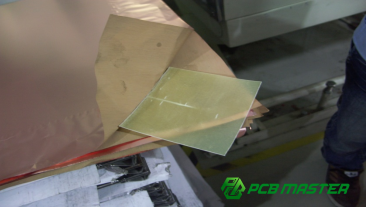
Prepreg (PP) is made up of two primary components: glass fiber fabric and resin system. Each component plays a vital role in the overall performance of the PCB. Let's explore these components in detail.
Glass Fiber Fabric
Glass fiber fabric is the reinforcement material in Prepreg, providing strength and structure to the PCB. The type of glass fiber fabric used can significantly affect the mechanical properties and performance of the final PCB. There are several common types of glass fiber fabric used in Prepreg, each with specific characteristics:
| Type | Thickness | Density | Strength | Use Case |
| 106 | Very thin | High density | Moderate | Used in thin, flexible PCBs or those requiring high-density connections. |
| 1080 | Thin | Moderate density | Moderate to high | Common in high-density interconnect (HDI) boards and multilayer PCBs. |
| 2116 | Medium | Moderate density | High | Frequently used in general-purpose, standard PCBs. |
| 3313 | Medium | Low to moderate | High | Used for thick layers or applications with moderate mechanical strength requirements. |
| 7628 | Thick | Low density | Very high | Typically used in high-performance, thick boards or applications requiring high mechanical strength. |
Each type of glass fiber fabric is chosen based on the specific needs of the PCB, such as flexibility, strength, and density. For example, 106 fabric is ideal for very thin PCBs, while 7628 is better for thick, mechanically demanding applications.
Resin System
The resin system in Prepreg is the material that binds the glass fiber fabric together and ensures proper electrical insulation and mechanical strength. Different types of resins are used based on the requirements of the PCB, such as electrical properties, heat resistance, and environmental factors. Here are the main types of resins used in Prepreg:
| Resin Type | Properties | Common Use |
| Epoxy Resin | Strong adhesive, excellent electrical insulation, and moderate heat resistance. | Most common for standard, general-purpose PCBs. |
| High Tg Epoxy | Higher heat resistance (Tg = glass transition temperature), stable at higher temperatures. | Used in high-temperature, high-performance applications like automotive or industrial electronics. |
| Halogen-free | Does not contain halogens, making it more environmentally friendly and safer. | Used in environmentally-conscious industries and to comply with regulations like RoHS. |
| BT Resin | Specialized resin for high-frequency, high-speed applications; excellent thermal and mechanical properties. | Used in RF (radio frequency) and high-speed circuit boards. |
The resin composition is crucial because it determines the electrical insulation (important for preventing short circuits) and mechanical properties (such as strength and thermal stability) of the PCB. Choosing the right resin helps improve the PCB's performance, durability, and environmental resistance. For instance, High Tg epoxy resins are ideal for PCBs used in high-temperature conditions, while halogen-free resins ensure compliance with safety and environmental regulations.
Real-Life Example:
Imagine a rugged outdoor electronic device like a GPS tracker for hikers. This device would need a PCB that is not only heat resistant but also environmentally friendly. Therefore, Prepreg made from High Tg epoxy resin and halogen-free fabric would be an ideal choice to withstand harsh conditions while ensuring safety and performance.
By understanding the properties of glass fiber fabric and resin systems, manufacturers can make informed decisions when selecting the right Prepreg for their PCB designs.
How is Prepreg Manufactured?
Prepreg (PP) manufacturing is a process that combines glass fiber and resin to create a flexible material used in PCB production. The process is broken down into several key steps, each of which is important for ensuring the final product meets the required quality and performance standards.
Step-by-Step Manufacturing Process
- Glass Fiber Soaking in ResinThe first step in the Prepreg manufacturing process is soaking glass fiber fabric in a resin mixture. The resin, typically a type of epoxy, is applied to the glass fibers in a controlled environment to ensure an even and consistent coating. The glass fiber acts as a reinforcement, providing mechanical strength and durability to the material. During this stage, the glass fiber becomes fully impregnated with the resin, making it ready for the next step.
- Gelation Process (B-Stage) ExplainedAfter the glass fiber is soaked in resin, it undergoes the gelation process, also known as B-stage curing. In this stage, the resin is partially cured, meaning it becomes firm but not fully hardened. The resin is "dry but not brittle, sticky but not liquid." This state is important because it allows the Prepreg to be handled, stored, and transported without losing its flexibility or bonding potential. During B-stage, the resin is in a semi-cured form, meaning it can still flow and bond to other layers during the lamination process in PCB production.
- Cutting and Rolling for Storage and Further ProcessingOnce the glass fiber and resin have reached the B-stage, the material is cut into sheets of appropriate size and then rolled up for storage. These rolls of Prepreg are stored in a controlled environment to maintain their semi-cured state. When needed, the Prepreg is unrolled and used in the PCB manufacturing process. This cutting and rolling process is essential for maintaining the material's integrity and making it easy to handle during later stages of production.
Role of B-Stage in PP Production
The B-stage is crucial in Prepreg production because it creates the right balance between flexibility and stability. In the B-stage, the resin is neither too soft nor too hard. It’s in a "dry but not brittle" state, which allows the Prepreg to be handled, cut, and rolled for easy storage without the risk of damage. This partially cured state also means that the Prepreg is still capable of bonding effectively during the lamination process, when heat and pressure fully cure the resin, ensuring strong and durable layer bonds in the final PCB.
The B-stage curing provides enough tackiness to bond the Prepreg to other layers of the PCB while allowing it to retain its handling characteristics. Without this intermediate stage, the resin would either be too soft (and unable to hold its shape during storage) or too hard (making it difficult to process further). This “sticky but not liquid” quality ensures that the Prepreg is perfectly suited for creating multi-layer PCBs with reliable, uniform bonding.
Real-Life Example:
Imagine making a sandwich where the bread is still soft enough to press together but not soggy. You want the bread to be flexible to hold the filling, but not too wet to fall apart. This is similar to the B-stage in Prepreg production, where the resin is sticky enough to bond later but firm enough to store without losing its shape.
By understanding these stages, manufacturers can ensure that the Prepreg remains in ideal condition for use in the complex process of PCB fabrication.
What are the Main Characteristics of Prepreg (PP)?
Prepreg (PP) has several key characteristics that influence the performance and quality of the final printed circuit board (PCB). These characteristics include resin content (RC), gelation time and flowability, and volatile content. Each of these factors plays an important role in how the Prepreg behaves during PCB manufacturing, affecting the final product’s electrical and mechanical properties.
Resin Content (RC)
What is Resin Content (RC)?
Resin content (RC) refers to the percentage of resin by weight in Prepreg compared to the total weight of the material. It plays a crucial role in determining the flow, mechanical strength, and electrical properties of the final PCB.
- High RC (more resin): Prepreg with a high resin content tends to have better flowability, making it easier to fill gaps and bond layers. This is ideal for small copper areas or boards that require better gap-filling capability. However, too much resin can lower mechanical strength and increase dielectric constant (Dk), which may affect high-frequency performance.
- Low RC (less resin): Prepreg with a low resin content typically provides better mechanical strength and more precise thickness control. It is preferred when strict thickness tolerances are required, but it has lower flowability, making it less effective for gap filling or small copper areas.
Choosing the Right RC: When designing a PCB, the choice of RC depends on the specific application. For example, high RC is preferred in HDI (High-Density Interconnect) or small copper areas, while low RC is used in applications where thickness consistency and mechanical durability are essential, such as in heavy-duty or high-performance electronics.
Gelation Time and Flowability
What is Gelation Time?
Gelation time is the period during which the resin in Prepreg transitions from a liquid to a semi-solid state. This time is crucial during the lamination process, where heat and pressure are applied to bond the Prepreg to copper layers.
- Impact on Resin Flow: The gelation time directly affects how well the resin flows during lamination. If the gelation time is too short, the resin may not have enough time to flow properly, leading to poor bonding or voids between layers. If it’s too long, the resin may flow too much, leading to an uneven thickness or too much resin being pushed out.
Importance of Flowability:
Proper flowability ensures that the resin fills all the necessary gaps between copper layers, resulting in uniform bonding. If the flow is too low, areas may remain unfilled, creating voids or weak spots in the PCB. If the flow is too high, excess resin can be squeezed out, causing thickness inconsistencies or poor bonding.
Balancing Gelation Time and Flowability:
A balanced gelation time and flowability are essential for achieving consistent results in PCB production. The right combination ensures effective gap filling, uniform bonding, and an overall high-quality end product.
Volatile Content
What is Volatile Content?
Volatile content refers to the presence of any volatile substances, such as moisture, solvents, or gases, in Prepreg material. These substances can evaporate when exposed to heat during the PCB lamination process.
- Excessive Volatile Content Issues:If the volatile content is too high, the evaporation of moisture or solvents during lamination can cause delamination (separation of layers), air bubbles, or defects like white spots on the PCB. These defects can compromise the mechanical integrity and electrical performance of the final PCB.
Managing Volatile Content:
Manufacturers must carefully control the volatile content during the Prepreg production process to avoid defects. This is typically done by properly storing the Prepreg in a dry, controlled environment and conducting quality control tests to ensure low volatile content.
Real-Life Example:
Imagine baking a cake – if there’s too much liquid in the batter, it may overflow or create bubbles while baking. Similarly, too much volatile content in Prepreg can lead to poor PCB quality, causing defects that are hard to fix.
How Do You Choose the Right Prepreg for Your PCB?
Choosing the right Prepreg for your PCB is essential for ensuring the performance, durability, and reliability of your product. Several factors influence this decision, including electrical performance, structural requirements, and manufacturing needs. Let's break down how to choose the best Prepreg for your specific needs.
Model and Resin Selection Based on Electrical Performance
How do you choose Prepreg based on electrical performance?
When selecting Prepreg for high-frequency or high-speed applications, low Dk/Df values are crucial. Dk stands for the dielectric constant, and Df stands for the dielectric loss factor. These values indicate how much signal loss occurs as electrical signals travel through the material. Lower values of Dk/Df help ensure minimal signal loss and faster signal transmission.
For high-frequency applications like RF (radio frequency) or high-speed digital circuits, choosing Prepreg with low Dk/Df ensures the PCB can handle the fast-moving electrical signals without interference or signal degradation. Materials like high-performance epoxy resins or specialty resins are often used in these cases, as they offer the low Dk/Df required for efficient signal transfer.
Example:
If you’re designing a 5G communication device, you’ll need Prepreg with low Dk/Df to support the high-frequency signals without signal loss. A material with high Dk could lead to a weaker signal or slower transmission speeds, making it unsuitable for such applications.
Structural and Thickness Requirements
How do you determine the right Prepreg for achieving target board thickness and layer bonding?
The thickness and layer bonding are key factors in the selection of Prepreg. The board thickness depends on the number of layers and the desired mechanical strength. Prepreg with higher resin content generally provides better bonding and fills gaps more effectively, but it may not always be suitable for applications requiring strict thickness tolerances.
To achieve a specific board thickness, manufacturers typically choose the appropriate model of Prepreg based on the number of layers and the thickness of each layer of copper. For instance, Prepregs with low resin content (lower RC) are often chosen when precise thickness control is required, as they result in a more uniform final thickness.
Example:
For a multi-layer PCB used in consumer electronics, you might choose a Prepreg with a medium resin content for balanced bonding and thickness, while for high-performance applications, a low resin content Prepreg may be chosen to maintain strict thickness tolerances and strength.
Manufacturing and Processing Needs
How do you match Prepreg with the PCB’s copper thickness, gap filling, and bond strength needs?
In the manufacturing process, the copper thickness, gap-filling ability, and bond strength of Prepreg are critical factors to consider. Prepreg with higher resin content tends to flow more easily during lamination, making it suitable for gap filling and ensuring uniform bonding between copper layers. This is especially important for PCBs with thicker copper layers or complex internal circuits.
For PCBs with thicker copper layers (common in power electronics or high-current applications), stronger bond strength and better gap filling are essential to prevent delamination and ensure long-term reliability. On the other hand, for applications with thin copper layers, a low resin content Prepreg might be used to maintain precise thickness control without overfilling the gaps.
Example:
In high-current power supplies, Prepreg with high resin content would be used to ensure solid bonding between the layers and to fill the gaps around thicker copper traces. For a smartphone PCB, where small copper areas are common, Prepreg with lower resin content may be more appropriate to maintain precise layer thickness and avoid excessive resin flow.
What Are Common Defects and Issues in Prepreg-Based PCBs?
Prepreg (PP)-based PCBs are susceptible to several defects that can impact their performance and reliability. Understanding these common issues and their causes can help manufacturers avoid mistakes and improve quality control. Let’s explore the most common defects in Prepreg-based PCBs.
Delamination and White Spots
What causes delamination and white spots in Prepreg-based PCBs?
Delamination refers to the separation of layers in a PCB, while white spots are often the result of defects in the material. These issues typically arise due to improper bonding between the Prepreg and copper layers. The main causes include:
- Moisture Absorption: Prepreg absorbs moisture during storage, which, when exposed to heat during lamination, can cause steam to form and lead to delamination or visible defects like white spots on the board.
- Improper Bonding: If the Prepreg isn’t properly cured or if the lamination pressure or temperature is insufficient, it can result in poor bonding between layers, causing separation or white spots.
- Poor Resin Flow: If the resin doesn’t flow evenly during lamination, gaps can form, leading to poor adhesion between the layers and causing delamination.
Example:
If a PCB is stored in a humid environment without proper packaging, the moisture trapped in the Prepreg could evaporate during the high-temperature lamination process, leading to delamination and white spots.
Air Bubbles and Voids
What causes air bubbles and voids in Prepreg-based PCBs?
Air bubbles and voids are pockets of air or gas trapped within the PCB material during the lamination process. These defects can significantly affect the PCB’s performance by creating weak spots and disrupting electrical signals. The main causes include:
- Poor Resin Flow: If the resin doesn't flow properly during lamination, air pockets can get trapped between layers, leading to bubbles or voids.
- Inadequate Vacuum: During lamination, a vacuum is often used to remove air and ensure that the resin flows smoothly. If the vacuum pressure is insufficient, air will remain trapped in the layers.
- Uneven Layer Distribution: If the layers of the PCB aren’t evenly distributed or aligned, it can create areas where the resin doesn’t flow evenly, leading to voids and bubbles.
Example:
If a PCB is laminated without sufficient vacuum pressure, air pockets could be trapped between the layers, causing voids that can weaken the PCB and cause it to fail in high-performance applications.
Layer Shifting
What causes layer shifting in Prepreg-based PCBs?
Layer shifting occurs when the layers of a multi-layer PCB slide out of alignment during the lamination process. This misalignment can result in electrical shorts or other performance issues. The primary causes are:
- Slippage During Lamination: If the lamination process isn’t controlled properly, the layers can shift out of place due to inadequate pressure or temperature settings.
- Improper Design or Layout: Sometimes, the design of the PCB itself can lead to layer shifting, especially if the layers are not aligned or stacked properly during the manufacturing process.
Example:
If a PCB is subjected to uneven pressure during lamination, or if the layers were not properly aligned before pressing, the layers could shift during the process, causing misalignment and resulting in layer shifting.
Uneven Dielectric Thickness
What causes uneven dielectric thickness in Prepreg-based PCBs?
Uneven dielectric thickness can occur when the resin doesn't distribute evenly across the PCB, affecting the board’s electrical properties and performance. The main causes include:
- Poor Resin Content (RC) Control: If the RC is not balanced correctly, some areas may have too much resin, while others may have too little, leading to uneven dielectric thickness.
- Flow Control Issues: Improper flow control of the resin during lamination can cause some areas to be overfilled while others are underfilled, resulting in inconsistent thickness across the board.
- Inconsistent Pressing or Curing: If the lamination temperature or pressure is uneven, it can lead to non-uniform resin distribution, which results in uneven dielectric thickness.
Example:
For instance, in a high-speed PCB used in consumer electronics, uneven dielectric thickness could result in signal interference or poor insulation between layers, compromising the device’s performance.
How Does Prepreg Affect the Final Quality of Multi-Layer PCBs?
Prepreg (PP) plays a vital role in the production of multi-layer PCBs. It influences both mechanical and electrical properties, as well as the durability and long-term performance of the PCB. The correct choice of Prepreg is essential to ensuring that the final product meets the required performance standards.
Impact on Mechanical and Electrical Properties
How do resin content, gelation time, and choice of glass fabric impact the final PCB’s strength, flexibility, and conductivity?
The mechanical and electrical properties of a PCB are heavily influenced by the composition of the Prepreg.
- Resin Content (RC):Higher resin content increases the strength and flexibility of the PCB but may reduce its conductivity. For instance, a high RC Prepreg is suitable for flexible PCBs because it provides better bonding and gap filling. However, too much resin can increase the dielectric constant (Dk), which can negatively impact high-frequency performance.
- Gelation Time:Gelation time controls how well the resin flows during the lamination process. If the gelation time is too short, the resin may not fully bond the layers, affecting both the mechanical strength and flexibility. On the other hand, too long of a gelation time may result in poor bonding and inconsistent electrical performance.
- Choice of Glass Fabric:The glass fabric used in Prepreg determines the mechanical strength and flexibility of the PCB. For instance, 106 glass fabric is lightweight and flexible, making it ideal for thin and high-density applications. 7628 fabric, being thicker and stronger, is better suited for high-performance PCBs that require greater mechanical stability.
Example:
For mobile phone circuit boards, a low resin content and high-frequency resin with low Dk values would be ideal to maintain electrical integrity. Meanwhile, for automotive PCBs, where durability and mechanical strength are critical, a high RC and stronger glass fabric like 2116 would be preferred.
Prepreg’s Role in the Durability of PCBs
How does Prepreg affect the thermal stability and lifespan of the PCB?
Prepreg plays a significant role in determining the thermal stability and overall lifespan of the PCB. The resin system and glass fiber fabric used in the Prepreg directly impact the PCB's ability to withstand thermal cycling and mechanical stress over time.
- Thermal Stability:Prepreg materials like high Tg resins (glass transition temperature) are used for applications that need to endure high temperatures. These resins ensure that the PCB does not warp or lose its electrical properties when exposed to heat. For example, automotive PCBs or power electronics require Prepreg with high Tg resins to endure constant temperature fluctuations without degrading.
- Lifespan:The durability of a PCB is influenced by the strength of the bond between the copper layers and the Prepreg. A stronger resin ensures a long-lasting bond, reducing the risk of delamination or layer separation during usage. The choice of glass fabric also affects durability, as stronger fabrics provide additional mechanical strength to the PCB.
Example:
For medical devices, where reliability and thermal stability are critical, halogen-free resins and high Tg Prepregs are used to ensure the PCB can withstand high temperatures while remaining safe and stable for prolonged use.
Conclusion
Prepreg plays a crucial role in PCB manufacturing, directly impacting both the electrical and mechanical properties of the final product. The resin content, gelation time, and type of glass fabric used all affect the strength, flexibility, and conductivity of the PCB. Additionally, the choice of Prepreg material is vital for achieving the desired thermal stability and long-term durability of the board. By selecting the right Prepreg, manufacturers can optimize the performance, reliability, and longevity of multi-layer PCBs for a wide range of applications, from consumer electronics to high-performance industrial systems.
When choosing the right Prepreg, it’s essential to consider the specific needs of your PCB design, including signal integrity, mechanical strength, and environmental durability. The right balance of resin content, gelation time, and glass fabric will ensure that the board performs optimally under various conditions. By carefully considering these factors, you can avoid common defects like delamination, air bubbles, and uneven dielectric thickness, leading to a higher-quality, more reliable PCB.
For businesses looking to streamline their PCB production and ensure top-tier quality, PCBMASTER offers a comprehensive range of PCB and PCBA service s. With years of experience in the industry, PCBMASTER is dedicated to providing high-quality products that meet the needs of modern electronics, ensuring your designs are both efficient and durable. Whether you're working on a consumer product or an industrial application, PCBMASTER has the expertise to deliver superior results tailored to your specific requirements.
FAQs
1. What is the difference between high RC and low RC prepreg?
Explanation of how resin content influences flowability, thickness tolerance, and mechanical strength:
- High Resin Content (RC): Prepreg with high resin content has more resin than fiber, which means it flows more easily during lamination. This enhanced flowability helps to fill gaps and bond layers more effectively, making it suitable for applications where gap-filling and flexibility are critical. However, high resin content can lead to thicker boards and can affect thickness tolerance, making it harder to control precise board thickness. High RC prepregs typically have lower mechanical strength because the increased resin decreases the fiber-to-resin ratio, weakening the overall structure.
- Low Resin Content (RC): Prepreg with low resin content provides more mechanical strength and structural stability, making it suitable for applications that require rigidity and precise thickness control. The resin is less fluid, meaning it flows less during lamination, making it harder to fill gaps. However, it provides better control over thickness tolerances and results in stronger, more durable boards. Low RC is typically chosen for PCBs where precision and strength are prioritized over flexibility.
High RC is ideal for applications requiring gap filling and flexibility, while low RC is better for rigid PCBs with tight thickness tolerances and mechanical strength.
2. Why is gelation time important for prepreg?
Discuss the need for controlling gelation time to ensure proper resin flow and bonding during lamination:
Gelation time refers to the period in which the resin transitions from a liquid to a semi-solid state (known as the B-stage) during the lamination process. It plays a significant role in the flowability and bonding of the Prepreg.
- Short Gelation Time: If the gelation time is too short, the resin may not have enough time to flow and fill the gaps between the copper layers properly. This results in poor bonding and weak spots in the PCB, which can lead to failures like delamination or layer separation.
- Long Gelation Time: On the other hand, if the gelation time is too long, the resin may become too sticky and hard to handle, making it difficult to work with. It may also overflow or form excess resin during the lamination process, leading to thickness inconsistencies and voids in the PCB layers.
The gelation time needs to be controlled carefully to ensure proper resin flow, uniform bonding, and consistent thickness during lamination. This balance ensures a strong, durable PCB with minimal defects.
3. What happens if prepreg has high volatile content?
Potential issues like delamination, white spots, and defects caused by high volatile content:
Prepregs that contain high volatile content have a higher amount of moisture or solvents trapped inside the material. When the PCB undergoes the high-temperature lamination process, these volatile substances evaporate, causing a range of issues:
- Delamination: The moisture or solvents evaporating during lamination can form bubbles or steam, which disrupt the adhesion between the layers of the PCB. This leads to delamination, where the layers of the PCB separate, weakening the structure and compromising its performance.
- White Spots: When volatile substances evaporate, they can leave behind white spots or marks on the PCB surface, caused by trapped moisture or gas. These defects affect the cosmetic appearance and can also interfere with the electrical integrity of the board.
- Void Formation: High volatile content may lead to air pockets forming in the laminate, which can result in voids that compromise the electrical conductivity and mechanical strength of the PCB.
High volatile content in Prepreg can lead to serious issues like delamination, white spots, and voids. It is essential to use properly stored and controlled Prepreg with low volatile content to ensure reliable PCB performance.
4. Can I use any prepreg for high-frequency PCBs?
Recommendation for low Dk/Df prepregs for high-frequency and high-speed applications:
No, not all Prepregs are suitable for high-frequency PCBs. For high-frequency and high-speed applications, such as those used in 5G communications, satellite technology, and high-speed data transmission, you need to choose Prepregs with low Dk (dielectric constant) and low Df (dielectric loss factor).
- Dk (Dielectric Constant): Dk represents how much the material slows down an electrical signal. A low Dk value is essential for high-frequency PCBs, as it ensures minimal signal delay or distortion, improving the speed and integrity of the data transmission.
- Df (Dielectric Loss Factor): Df indicates how much energy is lost in the material as the signal passes through. Low Df values are important for reducing energy loss and ensuring that the PCB performs efficiently at high frequencies.
For high-frequency PCBs , use low Dk/Df prepregs specifically designed for high-speed data transmission and RF applications to ensure signal integrity and minimal signal loss.
5. What are the common defects caused by prepreg in multi-layer PCBs?
Overview of delamination, voids, air bubbles, and layer shifting with causes and solutions:
- Delamination: Caused by poor bonding between the Prepreg and copper layers, often due to improper gelation time, excessive moisture, or poor lamination conditions. This can be prevented by controlling storage conditions and lamination parameters.
- Voids and Air Bubbles: Trapped air in the resin during lamination leads to voids, which weaken the PCB. Poor resin flow, insufficient vacuum pressure, or uneven layering can cause this. Ensuring proper vacuum during lamination and controlling resin flow can minimize this defect.
- Layer Shifting: Misalignment of layers during the lamination process can lead to layer shifting. This is caused by improper layer alignment, inadequate pressure during lamination, or design flaws. Ensuring proper stacking and alignment before lamination can help prevent this defect.
Common defects like delamination, air bubbles, and layer shifting can be minimized by controlling moisture, resin flow, lamination pressure, and layer alignment. By focusing on these factors, manufacturers can avoid defects and produce high-quality multi-layer PCBs with optimal performance.
About the Author

Carol Luo
PCB Design EngineerI'm Carol, a PCB Engineer at PCBMASTER with experience in PCB design and manufacturing engineering since 2018. I focus on translating engineering requirements into reliable PCB solutions, with expertise in stack-up design, material selection, and design-for-manufacturing (DFM). I share practical engineering insights from real-world PCB design and production experience.
Visit Carol Luo's Profile