







How to Choose High-Speed PCB Materials for Different Frequency Applications
High-speed electronics demand precision, and one of the most crucial factors in achieving that precision is the choice of PCB material. As technology pushes the boundaries of speed and frequency, selecting the right material becomes key to ensuring reliable signal integrity and optimal performance. Whether in telecommunications, supercomputers, or advanced automotive systems, the right PCB material can make a significant difference.
What Are High-Speed PCB Materials?
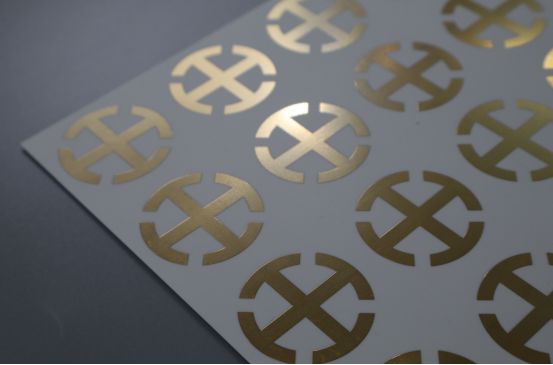
High-speed PCB materials are specialized materials used in the production of printed circuit boards (PCBs) designed to handle fast data transmission and high-frequency signals. These materials are crucial for ensuring the performance and reliability of devices that operate at high speeds, such as telecommunication equipment, computers, and advanced electronics.
Explanation of High-Speed PCB Materials
High-speed PCBs are designed to handle fast electronic signals. Unlike regular PCBs, which are used in low-frequency applications, high-speed PCBs must manage the flow of data with minimal interference and loss. The materials used for these PCBs are specially chosen to provide high-performance characteristics like low signal loss, minimal crosstalk, and high thermal stability. These materials are often engineered to reduce signal degradation over long distances, which is essential for the performance of modern communication, computing, and electronic systems.
Characteristics of High-Speed PCBs
- Low Signal Loss: High-speed PCBs are designed to minimize signal loss during transmission. Materials with low dielectric loss ensure that signals travel with minimal interference, especially important in high-frequency applications like 5G communications and high-performance computing.
- Low Dielectric Constant: The dielectric constant of a material affects the speed at which signals travel through it. A lower dielectric constant is typically preferred in high-speed PCB materials as it allows signals to move faster, reducing latency and improving overall performance.
- High Thermal Stability: As electronic devices operate at higher speeds, they tend to generate more heat. High-speed PCB materials are designed to withstand heat without losing their structural integrity or affecting performance. This is crucial for systems like supercomputers and telecommunications equipment.
- Controlled Impedance: High-speed PCBs must maintain consistent impedance to ensure the signal integrity is preserved throughout the circuit. Materials used in these PCBs are carefully selected to achieve this, especially when used in high-frequency applications.
Importance in Modern Communication, Computing, and Electronic Systems
High-speed PCB materials are essential for the functioning of modern electronics, which are increasingly becoming faster and more complex.
- Telecommunications: In telecommunications, high-speed PCBs enable the efficient transmission of data over long distances, supporting technologies such as 5G networks and fiber-optic communications. Materials like Isola-FR408HR and MEG6 are frequently used for 5G backbones and base station equipment, where signal loss and interference must be minimized.
- Computing: High-performance computers, including servers and supercomputers, rely on high-speed PCBs to handle large amounts of data quickly. For example, servers in data centers use PCBs made from materials such as S7038 or SYTECH Synamic4 to maintain speed and reliability under heavy data loads.
- Automotive Electronics: As automotive systems become more sophisticated, high-speed PCBs are used in applications like autonomous vehicles and radar systems. Materials like Tachyon 100G are specifically chosen for their ability to handle high-frequency signals in these critical applications.
In each of these fields, the selection of the right PCB material impacts not only performance but also reliability and lifespan. The ability of a material to maintain signal integrity and operate efficiently at high speeds makes it an indispensable component in modern electronic systems.
What Are the Key Properties of High-Speed PCB Materials?
High-speed PCB materials are carefully selected based on a range of properties that affect their ability to handle fast signals and high-frequency data transmission. The most important properties include dielectric constant and loss tangent, thermal stability, and the coefficient of thermal expansion (CTE). Understanding these properties is crucial when designing PCBs for applications like telecommunications, supercomputers, and advanced electronics.
Dielectric Constant and Loss Tangent
- Dielectric Constant: The dielectric constant (Dk) refers to the material’s ability to store electrical energy in an electric field. For high-speed applications, a low dielectric constant is preferred, as it reduces the propagation delay of signals. A lower Dk means signals travel faster through the material, improving overall circuit speed and reducing latency.
- Loss Tangent: The loss tangent (Df) measures how much energy is lost as heat when a signal passes through the PCB material. A low loss tangent is essential in high-speed applications because it minimizes signal degradation. Materials with a high loss tangent absorb more signal energy, causing distortion, noise, and potential performance issues, especially in high-frequency designs.
Example: For applications like 5G telecommunications, materials like Isola FR408HR are selected for their low dielectric constant (Dk = 3.6) and low loss tangent (Df = 0.008), making them ideal for reducing signal loss in high-speed networks.
Thermal Stability and Performance
- Thermal Conductivity: The ability of a material to conduct heat, known as thermal conductivity, plays an important role in high-speed PCB designs. Materials with high thermal conductivity help manage the heat generated by high-frequency signals. Poor thermal performance can cause circuit failure, material warping, or degradation in signal quality.
- Thermal Stability: High-speed PCB materials must maintain their structural integrity at high temperatures. This is especially important for electronics that operate under extreme conditions, such as automotive radar systems or supercomputers. If a material becomes too flexible or unstable at high temperatures, it can lead to signal loss, reduced component lifespan, and overall failure of the system.
Example: Tachyon 100G, a material often used in high-frequency applications, offers excellent thermal stability and high thermal conductivity, ensuring it can handle the heat generated by devices operating at speeds above 50 GHz.
CTE (Coefficient of Thermal Expansion) Matching
- CTE and Its Impact: The coefficient of thermal expansion (CTE) measures how much a material expands or contracts with changes in temperature. If a PCB material has a significantly different CTE compared to the components (e.g., chips, connectors) mounted on it, thermal stress can occur during temperature fluctuations. This stress can cause warping, cracks, or even component detachment, affecting the reliability and performance of the circuit.
- Balanced CTE for High-Speed Designs: In high-speed PCB designs, maintaining a balanced CTE between the PCB material and the components is critical to prevent mechanical stress that can degrade signal quality. Materials with a low CTE and a good match with other components help maintain signal integrity and prevent long-term reliability issues.
Example: For high-performance computing, MEG6 PCB material has a controlled CTE that aligns well with most components used in the industry. This matching reduces stress and ensures consistent performance in high-speed circuits.
How Does Frequency Impact PCB Material Selection?
The frequency of signals in high-speed electronics plays a significant role in determining the type of PCB material required. As signal frequency increases, so do the demands on the PCB material to ensure minimal signal loss, reduced interference, and stable performance. Selecting the right material for a specific frequency range is critical for optimizing the overall performance of the system. Let’s explore how different frequency ranges affect the choice of PCB materials.
Understanding Frequency Ranges in PCB Applications
Frequency ranges in PCB applications are divided into several categories, each requiring different material properties. As the frequency increases, the requirements for signal integrity, thermal management, and material stability become more stringent.
Frequency Ranges:
- 1-5G: These are low to mid-frequency ranges suitable for everyday networking equipment and consumer electronics.
- 5-10G: These frequencies are commonly used in telecommunications and high-performance computing.
- 10-25G: Ultra-high-frequency ranges, important for high-speed networking, optical communications, and server backbones.
- 25-50G: Extreme high-frequency ranges used in supercomputing, advanced communications, and military applications.
- >50G: Frequencies above 50G are used in cutting-edge technologies like automotive radar, satellite communications, and high-speed switches.
Importance of Material Properties at Each Frequency Range:
Different frequency ranges place varying demands on the material properties, such as dielectric constant, thermal stability, and signal loss. At lower frequencies, the impact of material choice may be less critical, while at higher frequencies, these factors become more important. Higher frequencies demand materials with lower loss, better thermal management, and controlled impedance.
Materials for Low to Mid-Frequency Applications (1-5G)
For low to mid-frequency applications (1-5G), the material selection focuses on balancing cost, reliability, and moderate signal integrity requirements. These materials are often used in networking devices like routers, switches, and servers.
Suitable Materials: TU-862, S7038, S1165, Isola-FR408HR, Isola-FR406, Taiguang-EM370, EM828G, IT170GRA, Nanya NP175FM.
Characteristics and Applications:
Materials in this range tend to have a moderate dielectric constant and loss tangent. They are well-suited for applications like:
- Servers: Handling moderate data throughput in data centers.
- Switches and Routers: Supporting internet and network communication.
- Backplanes: Providing the backbone for high-performance server systems, where lower signal loss is crucial for reliable performance.
These materials generally offer a good balance of performance, cost, and reliability for applications that don’t demand extreme high-speed data rates.
Materials for High-Frequency Applications (5-10G)
High-frequency applications (5-10G) require materials with improved signal integrity, reduced loss, and better thermal management for reliable performance in telecommunication and high-performance computing systems.
Suitable Materials: MEG4, TU-872, N4000-13, TU-863(Halogen-Free), SYTECH Synamic4, EM-888, I-Speed(Isola), N4800-20SI(Nelco), IT-958G.
Characteristics and Applications:
At these frequencies, signal loss and interference must be minimized. These materials typically have lower loss tangents and better thermal stability. They are commonly used in:
- Telecommunications: Materials like SYTECH Synamic4 are used for backplanes in base stations, which handle communication between towers.
- High-Performance Computing: Servers and network equipment that require faster data transfer.
- Storage Systems: Used in systems that require quick data retrieval and transmission without signal degradation.
These materials support the faster speeds required by the telecom industry and high-speed computing but are still cost-effective for broad-scale use.
Materials for Ultra-High-Frequency Applications (10-25G)
Ultra-high-frequency applications (10-25G) demand even more specialized materials that focus on minimizing signal loss, enhancing thermal performance, and managing high-speed data transmission in critical network and optical communication systems.
Suitable Materials: MEG6, TU-883, SYTECH Synamic6, Meteorwave1000/2000/3000 Series(Nelco),Taiguang EM-891, EM-888K, IT-968, I-Tera MT40(Isola)
Characteristics and Applications:
These materials provide excellent performance at higher frequencies by minimizing signal distortion and loss. Common applications include:
- Ultra-High-Speed Network Equipment: Ensuring reliable performance in routers and data centers, especially for 10G+ Ethernet networks.
- Optical Communications: For high-speed fiber-optic systems that rely on minimal signal loss and precise data transmission.
- High-Performance Servers: In systems where large amounts of data need to be processed quickly and without error.
At this frequency range, the materials used are critical for ensuring the reliability of data transfer over long distances.
Materials for Extreme High-Frequency Applications (25G-50G)
Materials for 25G-50G applications are built for extreme high-frequency systems, where signal degradation must be minimized to ensure the highest performance in supercomputing, measurement equipment, and advanced antenna systems.
Suitable Materials: MEG7, TU-933, Meteorwave4000(Nelco), IT-988, Tachyon 100G(Isola).
Characteristics and Applications:
These materials are specially designed for applications requiring extremely fast data speeds and high precision. Key applications include:
- Supercomputers: Supporting the transfer of massive amounts of data in real-time for complex simulations.
- Measurement Equipment: Used in high-frequency testing systems where signal accuracy is paramount.
- Antennas: Essential for handling extreme frequencies in communications and radar applications.
These materials are selected for their ability to handle the immense bandwidth and high-frequency signals in critical infrastructure and defense technologies.
Materials for 50G+ Applications
Materials for 50G+ applications are designed to handle the most extreme frequencies used in cutting-edge technologies, including automotive radar, satellite communications, and next-generation high-speed switches.
Suitable Materials: MEG8, IT-998TC, ISOLA Tachyon 100G, AGC METEORWAVE-4000.
Characteristics and Applications:
These materials are built for ultra-high-frequency applications, where traditional materials would fail. Applications include:
- Automotive Radar: Essential for radar systems in autonomous vehicles, which require precise data processing at high speeds.
- Satellite Equipment: For high-speed communication between Earth and orbiting satellites.
- High-Speed Switches: Used in advanced telecom equipment for data switching at extremely fast rates.
These materials ensure the highest reliability and performance, handling frequencies far beyond conventional systems.
Comparison Table: PCB Materials for Different Frequency Ranges
| Frequency Range | Suitable Materials | Common Applications |
| 1-5G | TU-862, S7038, S1165, Isola-FR408HR, Isola-FR406, Taiguang-EM370, EM828G, IT170GRA, Nanya NP175FM | Servers, Switches, Base station backplanes/line cards, High-performance computing, Office routers, etc. |
| 5-10G | MEG4, TU-872, N4000-13, TU-863(Halogen-Free), SYTECH Synamic4, EM-888, I-Speed(Isola), N4800-20SI(Nelco), IT-958G | Backplanes, High-performance computing, Line cards, Storage, Servers, Telecommunications, Base stations, etc. |
| 10-25G | MEG6, TU-883, SYTECH Synamic6, Meteorwave1000/2000/3000 Series(Nelco),Taiguang EM-891, EM-888K, IT-968, I-Tera MT40(Isola) | Ultra-high-speed network equipment, Servers, Switches, Storage, Routers, Base station BBUs, High-performance computing, High-frequency measurement instruments, Optical communication products, etc. |
| 25-50G | MEG7, TU-933, Meteorwave4000(Nelco), IT-988, Tachyon 100G(Isola) | ICT infrastructure equipment, Supercomputers, Routers, Servers, Measurement equipment, Communications, Antennas, etc. |
| 50G+ | MEG8, IT-998TC, ISOLA Tachyon 100G, AGC METEORWAVE-4000 | Automotive radar, Satellite equipment, High-speed switches, Supercomputers, Communications |
How to Choose the Right High-Speed PCB Material Based on Application?
Selecting the right PCB material is essential for ensuring that your device operates effectively and reliably. The material choice depends on several factors, including the frequency range of the application, performance requirements, environmental conditions, and cost. Here’s a step-by-step guide to help you choose the right high-speed PCB material for your needs.
Step-by-Step Selection Guide
Step 1: Identify the Frequency Range and Application
The first step is to identify the frequency range your application operates in. This will help determine the specific material requirements for optimal signal transmission. For instance:
- Telecommunications applications (like 5G) may require materials that can handle frequencies in the 5-50 GHz range.
- Networking equipment (e.g., switches, routers) typically operates in the 1-10 GHz range.
- Automotive systems (such as radar) often require materials that perform well at 50 GHz or higher.
Step 2: Consider Performance Requirements
Each high-speed PCB material must meet specific performance characteristics:
- Signal Integrity: Low signal loss, minimal crosstalk, and a low loss tangent are essential for maintaining high signal quality, especially at higher frequencies.
- Thermal Properties: Ensure the material has sufficient thermal stability to handle the heat generated by high-speed circuits without degrading performance.
For instance, Tachyon 100G is often chosen for applications requiring extreme high-frequency performance (50G+) due to its excellent signal integrity and thermal stability.
Step 3: Choose the Material Based on Frequency and Application Needs
Once you understand the frequency range and performance requirements, choose the material that best suits these needs. Consider whether the application demands materials with high thermal conductivity, low signal loss, or controlled impedance.
Example: For a 25G+ automotive radar application, you'll need a material with high-frequency performance and minimal loss. Materials like MEG8 or Tachyon 100G are ideal due to their ability to handle ultra-high frequencies and maintain signal integrity in challenging environments.
Factors Influencing Material Choice
Environmental Conditions (Temperature, Humidity)
- Temperature: Some high-speed PCB materials are designed to withstand extreme temperatures. For instance, Tachyon 100G is selected for its high thermal stability in high-temperature environments.
- Humidity: High moisture levels can affect the performance of PCB materials, leading to potential signal degradation. Materials with low moisture absorption, like Isola FR408HR, are ideal for environments where humidity is a concern.
Mechanical Properties (Flexibility, Rigidity)
- Flexibility: In some applications, such as wearable electronics, the PCB must be flexible. Materials like S7038 are preferred in such cases, as they offer both high-performance characteristics and flexibility.
- Rigidity: For applications requiring more robust and rigid structures, such as in high-performance computing or satellite communication, materials like MEG6 are more suitable due to their rigidity and stability.
Cost vs. Performance Trade-offs
While high-performance materials may offer superior signal integrity and thermal stability, they often come at a higher cost. Engineers must evaluate whether the additional cost is justified for the application at hand.
For example, MEG7 provides excellent performance for ultra-high-speed applications (25G-50G), but materials like TU-872 may offer a more cost-effective solution for lower-frequency applications (5-10G) where extreme performance is not as critical.
Conclusion
Choosing the right high-speed PCB material is crucial for ensuring optimal performance. The material must align with the frequency range and application to maintain signal integrity, reduce loss, and manage heat. From networking devices to high-frequency applications like radar and satellites, each requires specific material properties.
By understanding factors like dielectric constant, thermal stability, and CTE matching, engineers can make informed decisions that improve performance and reliability. Balancing these needs with environmental and cost considerations is key to achieving the best results.
At PCBMASTER , we offer expert PCB solutions tailored to your specific requirements. Whether for telecommunications, computing, or automotive systems, we provide the right materials to ensure your designs perform at their best. Let us support you in delivering high-quality, reliable PCBs.
FAQs
How do I know which material to choose for my PCB design?
To choose the right PCB material, first identify the frequency range and application (e.g., telecommunications, automotive). High-frequency applications like 5G require materials with low dielectric loss and high thermal stability. Consider properties such as dielectric constant, thermal stability, and cost. For example, Tachyon 100G is ideal for high-performance systems, while TU-862 is more suitable for lower-frequency applications.
Can I use the same material for all frequency ranges?
No, different frequency ranges require different materials. Lower frequencies (1-5G) can use materials like S7038, while higher frequencies (5-50G) need materials with lower dielectric loss and better thermal management, like Tachyon 100G. Using the wrong material can result in signal degradation and poor performance.
Are high-speed PCB materials expensive?
Yes, high-speed materials are typically more expensive because they are designed for specific performance needs like low signal loss and high thermal stability. For example, MEG8 and Tachyon 100G cost more but are necessary for demanding applications. However, these materials are crucial to ensure the reliability and performance of high-speed systems.
What’s the difference between a 25G and a 50G PCB material?
50G PCB materials need to handle higher frequencies with even lower signal loss and better thermal stability than 25G materials. MEG8 and Tachyon 100G are designed for 50G applications, offering superior impedance control and thermal management compared to materials for lower frequencies, ensuring signal integrity in extreme high-speed environments.
Can high-speed PCBs be used in automotive applications?
Yes, high-speed PCBs are used in automotive radar, satellite communications, and other high-speed automotive systems. Materials like MEG8 and Tachyon 100G are perfect for these applications due to their ability to handle high-frequency signals and operate reliably in harsh environments, making them ideal for safety and communication systems in modern vehicles.
About the Author

Carol Luo
PCB Design EngineerI'm Carol, a PCB Engineer at PCBMASTER with experience in PCB design and manufacturing engineering since 2018. I focus on translating engineering requirements into reliable PCB solutions, with expertise in stack-up design, material selection, and design-for-manufacturing (DFM). I share practical engineering insights from real-world PCB design and production experience.
Visit Carol Luo's Profile