








Understanding Finished Copper in PCBs: How Different Ounces Affect Performance
Printed Circuit Boards (PCBs) are essential components in almost every electronic device, from smartphones to computers. They serve as the foundation for connecting electrical components like microchips, resistors, and capacitors, creating a functional circuit. One of the most crucial materials in PCB manufacturing is copper, which is used for the conductive traces that form the electrical paths on the board. The thickness of the copper layer—known as "finished copper"—directly impacts the performance and reliability of the PCB.
Copper thickness affects several key aspects of a PCB, including its ability to carry electrical current, manage heat, and maintain signal integrity. Thicker copper layers are generally used in high-power applications to handle more current without overheating. Conversely, thinner copper layers are sufficient for low-power applications, helping reduce manufacturing costs. Understanding the relationship between copper thickness and PCB performance is essential for designing efficient, cost-effective, and reliable electronic devices.
What is Finished Copper?
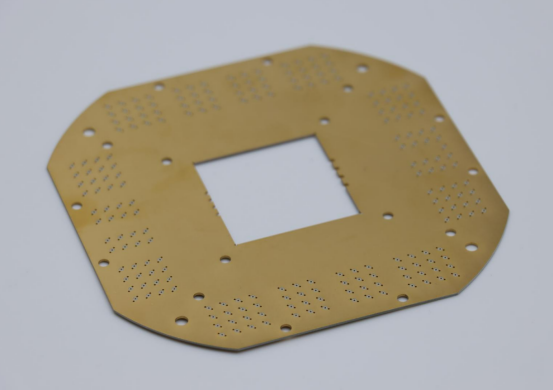
Finished copper refers to the copper layer that is applied to the surface of a PCB during the manufacturing process. It’s the final copper layer after etching and other processes are completed. Copper serves as the primary material for electrical traces, which carry electrical signals between components on the board. The thickness of this copper layer plays a crucial role in the performance of the PCB. Thicker copper allows for better electrical conduction and heat dissipation, while thinner copper is more cost-effective and sufficient for lower power applications.
Copper's Role in Conducting Electrical Signals
Copper is used in PCBs because it is an excellent conductor of electricity. When current flows through a PCB, the copper traces carry the electrical signals between components. The conductivity of copper ensures that the signals travel with minimal resistance, which is important for the efficiency and reliability of the circuit. In simple terms, copper allows electricity to flow smoothly, ensuring that the PCB functions as intended.
Copper Thickness and Its Relation to Performance
The thickness of the finished copper directly impacts the PCB's electrical performance. Thicker copper can carry more current without overheating, making it ideal for high-power applications such as power supplies or motor controllers. On the other hand, thinner copper is suitable for low-power circuits, as it can carry a lower current while reducing production costs. The copper thickness is typically measured in ounces per square foot (oz/ft²), with common values being 1-10 oz.
How Does Copper Weight (Ounces) Affect PCB Performance?
Understanding Ounces in PCB Manufacturing
How Ounces Measure Copper Thickness (1 oz = 35 µm per square foot)
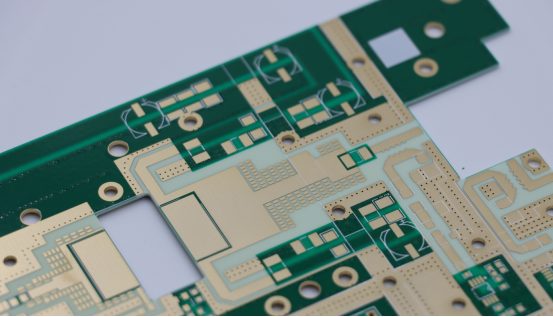
In PCB manufacturing, copper thickness is measured in ounces per square foot (oz/ft²). This refers to the weight of copper that would cover one square foot of the PCB surface. For example, 1 oz of copper means that one square foot of the board will have a layer of copper that weighs one ounce, which is approximately 35 micrometers (µm) thick. The unit "ounce" is a convenient way to standardize copper thickness, making it easier to design and manufacture PCBs with consistent electrical performance.
Standard Ounce Options in PCB (1-10 oz)
The most common copper weights in PCB manufacturing range from 1 oz to 10 oz per square foot. The most typical values are 1 oz, 2 oz, and 3 oz, though heavier copper layers like 4 oz or 6 oz are used for high-power applications. Thicker copper (e.g., 6 oz, 10 oz) is often necessary for circuits requiring higher current capacities or those dealing with heat dissipation. As the ounce value increases, so does the thickness of the copper, which enhances its ability to carry current and manage heat but also increases material costs.
Current Carrying Capacity and Copper Thickness
How Thicker Copper Allows Higher Current to Flow Without Overheating
Copper’s ability to carry electrical current is directly linked to its thickness. Thicker copper traces can handle more current without overheating. When copper is thin, it offers more resistance, which can lead to excess heat generation as electrical current flows through it. However, thicker copper reduces this resistance, allowing more current to pass through the traces safely without causing excessive heating. This is especially important in power-hungry circuits where high current is required, such as in power supplies and motor controllers.
Example of Using 2 oz vs . 1 oz for Power Circuits
For example, in a power circuit, using 1 oz copper may be sufficient for low-current applications like signal processing or low-power consumer electronics. However, for higher current applications, such as those found in power distribution systems or automotive electronics, 2 oz or 3 oz copper would be a better choice. The thicker copper allows the circuit to handle the increased current flow without overheating, ensuring the components remain safe and functional under high load.
Impact on Signal Integrity and High-Frequency Performance
Thicker Copper Reduces Resistance and Improves Signal Quality for High-Speed Signals
Copper thickness also affects signal integrity, particularly in high-speed circuits . Thicker copper traces reduce the electrical resistance along the signal path, which can help preserve signal quality. In circuits that handle high-frequency signals, such as RF (radio frequency) or high-speed digital applications, using thicker copper can minimize signal loss and distortion. This improvement in signal integrity ensures that data is transmitted without errors, which is crucial for devices like computers, telecommunications equipment, and networking hardware.
Use Case: High-Speed Digital Circuits Needing a 2 oz or 3 oz Copper Layer
For high-speed digital circuits, such as those found in 5G technology or high-frequency data transfer, copper thickness plays a critical role. In these cases, 2 oz or 3 oz copper is often used to reduce resistance and ensure that high-speed signals are transmitted cleanly. The thicker copper helps maintain consistent signal strength and reduces the chances of signal degradation or reflection, which can otherwise lead to data errors or performance drops.
Impact on Thermal Management
Thicker Copper Helps with Heat Distribution and Dissipation
Thermal management is another important factor influenced by copper thickness. Thicker copper helps spread and dissipate heat more effectively, which is particularly valuable in high-power applications. In power electronics, where circuits can generate a lot of heat, using 2 oz or 3 oz copper allows the PCB to handle higher temperatures, preventing the circuit from overheating and potentially failing. By improving the heat distribution, thicker copper helps to maintain the longevity and reliability of the PCB.
Example of Power Electronics that Need Thicker Copper for Effective Heat Management
In power electronics, such as electric vehicle chargers or solar inverters, thicker copper layers are often necessary to manage heat effectively. These devices draw significant amounts of current, which generates heat. A 2 oz or 3 oz copper layer helps spread the heat more evenly, reducing the risk of hot spots and improving the overall thermal efficiency of the PCB. This thermal management ensures that the electronic components work within their safe operating temperatures, preventing thermal failure.
The Impact of Copper's Thermal Expansion
How Copper's Thermal Expansion Properties Affect Overall PCB Stability
Copper also has thermal expansion properties, meaning it expands and contracts as temperatures change. When copper is thicker, its thermal expansion can be more significant. If the copper layer is too thick, it could potentially cause stress on the PCB material as it expands and contracts, affecting the overall stability of the circuit. Therefore, careful consideration of the copper thickness is required to avoid thermal stress that could lead to PCB cracking or warping over time.
Comparison of 1 oz vs . 4 oz Copper in Terms of Thermal Behavior
For instance, 1 oz copper may not be sufficient for high-power applications because it does not dissipate heat effectively. On the other hand, 4 oz copper can handle more power, but the thermal expansion of thicker copper needs to be accounted for. The larger thermal expansion could create mechanical stress between the copper and the PCB substrate, which might affect the integrity of the circuit. In general, for applications where heat dissipation is crucial, a balance between copper thickness and the PCB's thermal management design is essential.
What Are the Practical Differences Between 1-10 oz Copper in PCBs?
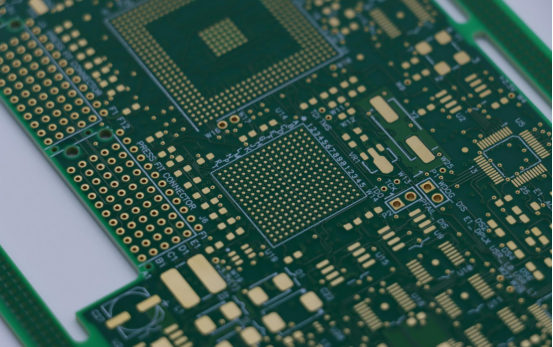
In PCB manufacturing, the copper weight, measured in ounces per square foot (oz/ft²), directly impacts the board's performance in terms of current carrying capacity, signal integrity, thermal management, and overall cost.
| Copper Weight (oz) | Typical Use | Current Carrying Capacity | Signal Integrity | Thermal Management | Cost |
| 1 oz | Low-power electronics | Low current (up to 2A) | Suitable for low-speed circuits | Limited heat dissipation | Low |
| 2 oz | Medium-power electronics | Medium current (2-4A) | Better for higher-frequency signals | Improved heat dissipation | Moderate |
| 3 oz | High-power electronics | Higher current (5-8A) | Improves high-speed performance | Excellent thermal dissipation | Moderate |
| 4 oz | Heavy-duty power applications | Very high current (8-12A) | Good for high-speed circuits | Very effective heat dissipation | High |
| 6 oz | Heavy industrial power systems | Very high current (12-15A) | Excellent conductivity for power systems | Excellent heat management | High |
| 10 oz | Specialized, large power systems | Extreme current handling (15A+) | Ideal for high-power circuits | Maximum heat dissipation | Very High |
Conclusion
The choice of finished copper and its thickness in PCB manufacturing directly affects several key aspects of PCB performance, including current carrying capacity, thermal management, and signal integrity. Thicker copper layers, such as 2 oz, 3 oz, or higher, offer better heat dissipation and can handle higher currents, making them ideal for power-hungry or high-frequency applications. On the other hand, thinner copper layers, like 1 oz, are more cost-effective for low-power circuits but may not offer the same performance in terms of heat management or signal integrity.
For PCB designers, it’s essential to select the right copper thickness based on the specific needs of the application. Power circuits, high-speed digital devices, and high-power electronics may require thicker copper for reliable operation, while low-power consumer electronics may function well with thinner copper layers.
As an experienced PCB supplier, PCBMASTER offers a variety of PCBs with different copper thicknesses to meet the diverse needs of their customers. Whether you need 1 oz copper for cost-effective designs or 4 oz copper for high-power applications, PCBMASTER can provide tailored solutions to ensure your PCB meets performance and reliability standards.
FAQs
What does "Finished Copper" mean in a PCB?
Finished Copper refers to the final copper layer applied to a PCB after it has been etched and cleaned. This copper layer forms the conductive traces that connect components, enabling electrical signals to flow through the board. The thickness of this copper layer directly affects the PCB's performance, with thicker copper allowing for more current and better heat dissipation.
Why do some PCBs use 2 oz copper instead of 1 oz copper?
2 oz copper is used in PCBs where higher current carrying capacity and better thermal management are needed. The thicker copper helps prevent overheating in power-hungry applications like power supplies or motor controllers. It allows more current to pass through safely and efficiently, making it ideal for automotive electronics or industrial systems.
How does copper thickness impact high-frequency circuits?
Thicker copper helps reduce signal loss and improve signal integrity in high-frequency circuits. It offers lower resistance, reducing signal degradation, which is important in high-speed digital or RF circuits. However, it can also introduce slight inductance and capacitance at very high frequencies, so a balance is needed for optimal performance.
What is the cost difference between 1 oz and 2 oz copper PCBs?
2 oz copper is more expensive than 1 oz copper due to the additional copper material and more complex manufacturing. However, the price difference is small, and upgrading to 2 oz copper is worth it for applications that need higher current capacity and better thermal management, such as power circuits.
Can I use 3 oz copper for standard consumer electronics PCBs?
For standard consumer electronics like smartphones or TVs, 3 oz copper is generally unnecessary. These devices don’t require the high current capacity of 3 oz copper, and using 1 oz or 2 oz copper is more cost-effective. 3 oz copper is better suited for high-power applications like electric vehicle chargers.
About the Author

Carol Luo
PCB Design EngineerI'm Carol, a PCB Engineer at PCBMASTER with experience in PCB design and manufacturing engineering since 2018. I focus on translating engineering requirements into reliable PCB solutions, with expertise in stack-up design, material selection, and design-for-manufacturing (DFM). I share practical engineering insights from real-world PCB design and production experience.
Visit Carol Luo's Profile