







Types of Heavy Copper PCBs: A Guide to 3oz, 5oz, 10oz, and 20oz Options
Heavy Copper PCBs are crucial for modern electronics, especially in applications that require high power handling and effective heat management. Unlike standard PCBs, they use thicker copper layers, making them ideal for industries like automotive, renewable energy, and industrial machinery. The copper weight, measured in ounces per square foot, affects the PCB’s ability to carry electrical current, dissipate heat, and provide mechanical strength.
Thicker copper improves performance by supporting higher power levels and enhancing thermal efficiency. In this article, we'll explore the different types of heavy copper PCBs—3oz, 5oz, 10oz, and 20oz—and explain how copper weight impacts performance, power handling, and heat dissipation. This will help you choose the best PCB for your specific needs.
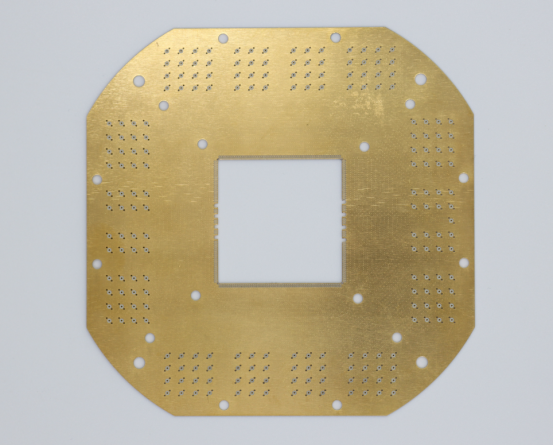
3oz Copper PCBs - Efficient for Low-Power Applications
Applications of 3oz Copper PCBs
3oz Copper PCBs are ideal for low-power applications where current demands are moderate and efficient heat management is essential. Common uses include:
- Industrial motor drives: Powering and controlling small motors in machinery.
- Low-power solar inverters: Converting sunlight into electricity for residential or small-scale applications.
- Other low-power electronics: Including LED drivers, small power supplies, and devices requiring reliable performance without excessive heat.
Current Capacity and Use Cases
3oz Copper PCBs can support moderate current capacities, typically ranging from:
- 5 to 8 Amps per square inch , depending on design and application.
This makes them ideal for systems that don’t require the power handling of thicker copper PCBs but still need more capacity than standard boards. Examples include:
- Small motors in HVAC systems.
- Low-power inverters in solar panels, providing an efficient balance of current capacity and thermal efficiency.
Thermal Performance in 3oz Copper PCBs
Effective thermal management is crucial for electronic devices, and 3oz Copper PCBs offer a reliable solution. They provide:
- Even heat distribution, preventing hot spots that can damage components.
- Ideal for moderate power applications, where heat generation is controlled and manageable.
For devices like small motor drives and solar inverters, heat dissipation is less of a challenge, but proper airflow and cooling techniques (e.g., heat sinks) help enhance performance and longevity.
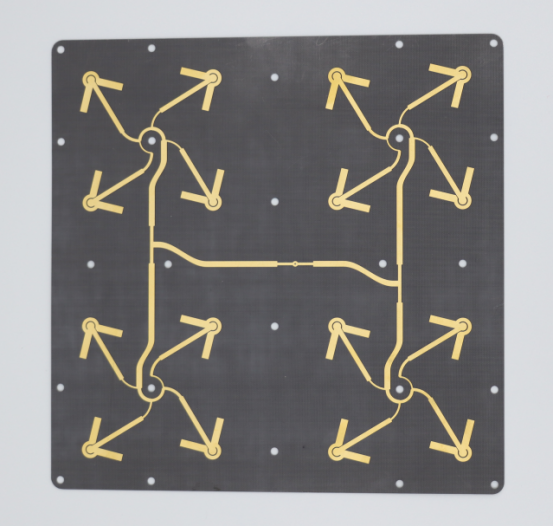
5oz Copper PCBs - Ideal for Medium-Power Systems
Applications of 5oz Copper PCBs
5oz Copper PCBs are used in medium-power applications requiring better heat dissipation and current handling than lower copper weight PCBs. Key applications include:
- Electric Vehicle (EV) battery management systems: Managing power flow between the battery and components.
- Power distribution systems: For medium-power electronics like industrial machinery and telecommunications equipment.
- Industrial equipment: Such as factory robots or electric motors, benefiting from better current handling and thermal properties.
Thermal and Mechanical Benefits
The key advantage of 5oz Copper PCBs is their enhanced heat dissipation:
- Thicker copper layer allows for better heat spread, preventing overheating in medium-power systems.
- Better thermal management compared to 3oz Copper PCBs, improving system reliability and component longevity, especially in systems like EV battery management.
In industrial machinery, this is crucial as excessive heat can degrade sensitive components over time.
Current Capacity and Power Handling
5oz Copper PCBs can handle up to:
- 10–12 Amps per square inc h, making them suitable for systems with more power demands.
For applications like industrial motor drives and power supplies for factory equipment, 5oz Copper PCBs provide enhanced system stability under higher current loads. By using these PCBs, manufacturers can improve reliability and reduce the risk of power-related failures.
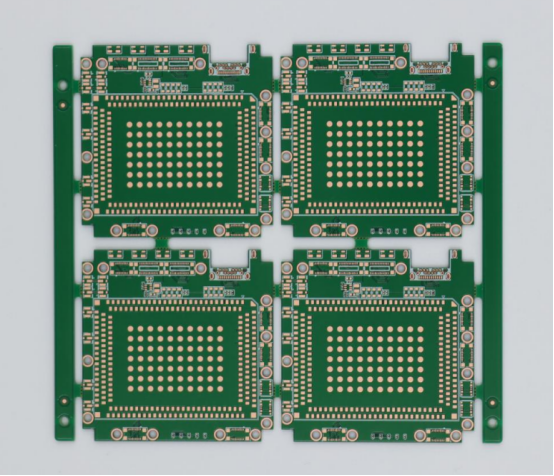
10oz Copper PCBs - Robust Solutions for High-Power Devices
Applications of 10oz Copper PCBs
10oz Copper PCBs are essential for high-power applications requiring both current capacity and thermal management. These include:
- High-power solar inverters: Often used in commercial or industrial applications.
- Industrial equipment: Such as heavy machinery and large motors.
- High-power devices: Including large LED systems and power supplies that require significant electrical load management.
Improved Thermal Performance
One of the standout features of 10oz Copper PCBs is their ability to handle high thermal loads:
- Thicker copper layer helps spread heat more effectively, preventing damage to sensitive components.
- In high-power systems (e.g., industrial equipment, solar inverters), heat dissipation becomes a challenge. The 10oz Copper PCB ensures that the system stays at a lower temperature, which is crucial for maintaining performance and longevity.
When compared to 3oz and 5oz Copper PCBs, 10oz Copper PCBs offer significantly better thermal performance, making them suitable for high-power devices.
Increased Current Capacity
10oz Copper PCBs support current capacities of:
- 15-20 Amps per square inch , enabling them to handle significant power loads.
This makes them ideal for systems requiring high power handling, such as:
- Large power supplies.
- Industrial inverters.
- High-power LED systems.
The thick copper layer ensures the PCB can carry more current without overheating, making it a critical component in high-power electronics.
20oz Copper PCBs - Ultra-High Power Handling
Applications of 20oz Copper PCBs
20oz Copper PCBs are designed for the most demanding high-power applications. These include:
- High-voltage power systems: Safely carrying large electrical currents and withstanding extreme conditions.
- Large-scale power distribution networks: Managing the flow of electricity across wide areas.
- Critical infrastructure: Power grids and heavy industrial machines rely on 20oz Copper PCBs for immense power handling.
These systems need ultra-thick copper for long-term reliability, safety, and performance.
Extreme Power Handling with 20oz Copper
The primary benefit of 20oz Copper PCBs is their ability to handle massive electrical currents in high-voltage systems. Features include:
- Ultra-thick copper increases current-carrying capacity, allowing the PCB to manage high electrical loads.
- Critical for high-voltage power systems , where electrical currents exceed hundreds of amperes, ensuring system stability.
- The thick copper ensures safe, efficient power distribution, even in extreme conditions, avoiding failures or dangerous accidents.
Advantages of Ultra-Thick Copper
20oz Copper brings several key advantages, especially in thermal efficiency:
- The thick copper helps dissipate heat more effectively, reducing the risk of overheating and preventing thermal damage to sensitive components.
- This is particularly important for high-voltage systems or critical infrastructure, where failure can lead to significant disruptions or safety risks.
However, there are design considerations to keep in mind, including:
- Layout planning to optimize heat dissipation.
- Increased PCB weight and rigidity, which can impact design flexibility for compact systems.
Despite these challenges, the benefits of 20oz Copper in handling extreme power loads far outweigh the drawbacks, providing a long-lasting, reliable solution for high-power, high-voltage applications.
Comparing Copper Weights - What’s Right for Your Application?
Key Differences Between 3oz, 5oz, 10oz, and 20oz Copper PCBs
Copper weight in PCBs is a key factor that affects their performance, particularly in how well they handle power and heat. The different copper weights—3oz, 5oz, 10oz, and 20oz—are suited for different types of applications based on the power and thermal requirements of the system.
- 3oz Copper PCBs are ideal for low-power applications where the current capacity is moderate, and thermal management is less demanding. They are typically used in small motor drives and low-power solar inverters.
- 5oz Copper PCBs are designed for medium-power systems, offering better heat dissipation and current handling compared to 3oz. They are perfect for applications like electric vehicle (EV) battery management systems and medium-power industrial equipment.
- 10oz Copper PCBs are used in high-power devices that require substantial thermal management. These PCBs are suited for large solar inverters, industrial machinery, and high-power LED systems. They offer excellent heat dissipation and increased current capacity.
- 20oz Copper PCBs are for ultra-high-power systems, handling massive electrical loads without overheating. They are used in high-voltage power systems and large-scale power distribution networks, where safety and performance are critical.
In choosing the right copper weight, you must consider how much current the system needs to handle and the heat that will be generated during operation. Lower copper weights like 3oz are more cost-effective for low-power systems, while higher copper weights like 20oz are necessary for high-voltage systems that require extreme power handling and heat dissipation.
| Copper Weight | Typical Applications | Current Handling | Thermal Performance |
| 3oz | Small motors, low-power solar inverters | Moderate | Basic thermal dissipation |
| 5oz | EV battery systems, medium-power machines | Moderate to high | Improved heat dissipation |
| 10oz | Large solar inverters, industrial machines | High | Excellent heat management |
| 20oz | High-voltage systems, power distribution | Very high | Extreme thermal efficiency |
Factors Influencing Copper Weight Selection
Several factors must be considered when selecting the appropriate copper weight for your PCB design.
- Power Handling Requirements
The primary consideration when choosing copper weight is the amount of power the system will handle. Higher copper weights, like 10oz and 20oz, are necessary for high-power devices that require robust current carrying capacity. For example, an EV battery management system requires a 5oz PCB, while a high-voltage power system needs a 20oz PCB to safely handle the large currents.
- Thermal Performance Needs
Copper’s ability to dissipate heat is crucial in high-power applications. The thicker the copper layer, the better it can spread and manage the heat generated by electrical components. If thermal performance is critical, a 10oz or 20oz Copper PCB will ensure efficient heat dissipation and prevent overheating. On the other hand, 3oz or 5oz Copper PCBs are sufficient for low- to medium-power systems where heat is not as intense.
- Mechanical Considerations
The mechanical properties of the PCB, such as board size, rigidity, and flexibility, also influence copper weight selection. Thicker copper, while offering better heat dissipation and current handling, can make the PCB heavier and less flexible. For compact or intricate designs, using a lighter copper weight (such as 3oz or 5oz) might be necessary to maintain the desired form factor and flexibility. Additionally, the rigidity of thicker copper makes it better suited for industrial and high-power applications, where durability is essential.
By considering these factors—power handling, thermal needs, and mechanical requirements—you can choose the right copper weight for your PCB design, ensuring that it meets performance and safety standards for your specific application.
Conclusion
Selecting the right copper weight for your PCB is crucial for ensuring optimal performance in your devices. Whether you need a low-power solution with 3oz copper or an ultra-high-power solution with 20oz copper, each type offers distinct advantages in terms of current handling and thermal efficiency. The choice depends on the specific demands of your application, such as power needs, thermal management, and mechanical factors.
As industries like automotive, industrial machinery, and renewable energy continue to evolve, the demand for heavy copper PCBs is growing. The global heavy copper PCB market , valued at USD 20.12 billion in 2024, is projected to grow to USD 41.85 billion by 2033, with a CAGR of 8.49% during the forecast period. This growth reflects the increasing need for high-performance PCBs that can support the rising power demands of modern electronic systems.
At PCBMASTER , we can design and manufacture custom heavy copper PCBs tailored to meet the specific needs of your applications. Whether it's for EV battery systems, industrial equipment, or solar energy solutions, we provide reliable, high-performance solutions to ensure your systems work efficiently and safely.
FAQs
What is the difference between 3oz and 5oz Copper PCBs in terms of performance?
The key difference between 3oz and 5oz Copper PCBs lies in their current capacity and heat dissipation:
- Current Capacity: 5oz Copper PCBs can carry higher current loads compared to 3oz Copper PCBs. A 5oz PCB typically supports up to 10-12 Amps per square inch, whereas a 3oz PCB typically handles 5-8 Amps per square inch.
- Heat Dissipation: The thicker copper layer in 5oz Copper PCBs allows for better thermal performance. This means that 5oz Copper PCBs can spread heat more effectively, preventing overheating in applications where moderate power handling is required. In contrast, 3oz Copper PCBs are suitable for lower-power applications with less demanding thermal requirements.
In short, if your application involves higher power or more significant heat dissipation needs, 5oz Copper PCBs would be more suitable. 3oz Copper PCBs work well for lower-power systems where thermal management is less of a concern.
When should I use 10oz Copper PCBs for industrial applications?
10oz Copper PCBs are ideal for high-power industrial machinery and solar inverters that require both high current capacity and effective heat dissipation. You should consider using 10oz Copper PCBs in the following cases:
- Heavy-duty industrial equipment: For applications such as large motors or power supplies, where high current is necessary and efficient thermal management is critical.
- Solar inverters: In commercial or industrial solar installations, 10oz Copper PCBs are used to handle the large electrical loads and ensure efficient heat management in high-power conditions.
Opting for 10oz Copper PCBs in these applications ensures better reliability and longer lifespan of components by preventing overheating and ensuring a stable power supply.
What are the challenges of using 20oz Copper PCBs in high-voltage systems?
Using 20oz Copper PCBs in high-voltage systems comes with several challenges:
- Cost: The material costs for producing 20oz Copper PCBs are significantly higher compared to lighter copper weights. This makes the initial investment more expensive.
- Complexity in Manufacturing: The manufacturing process for ultra-thick copper PCBs is more complex, requiring specialized equipment and techniques. This can lead to longer production times and more stringent quality control requirements.
- Design Considerations: The additional copper thickness can limit design flexibility. For example, the added weight and reduced flexibility may impact the layout and integration of components in compact systems.
Despite these challenges, 20oz Copper PCBs are essential for applications requiring ultra-high power handling, such as high-voltage power systems and large-scale power distribution networks.
How does copper weight impact the cost of a PCB?
Increasing the copper weight in a PCB directly impacts both the cost and performance:
- Material Costs: Heavier copper PCBs, such as 10oz or 20oz, are more expensive due to the increased amount of copper used in the manufacturing process. As the copper weight increases, the cost per PCB rises.
- Performance: Heavier copper PCBs offer better thermal management and higher current capacity. This improved performance makes them suitable for applications that require better heat dissipation and more reliable power handling, such as high-power systems or high-voltage applications.
In summary, while heavier copper PCBs come at a higher cost, they deliver better performance in terms of current capacity and heat dissipation, making them essential for more demanding applications.
Can 3oz Copper PCBs handle high-temperature environments?
3oz Copper PCBs are designed for moderate power applications and low to medium heat generation. While they can handle some heat, they have limitations in high-temperature environments due to their thinner copper layer. They are typically used in applications like small motor drives or low-power inverters, where thermal management is easier to control.
However, in high-temperature environments, 3oz Copper PCBs may struggle to dissipate heat effectively, potentially leading to overheating and component damage. Some workarounds include:
- Improved cooling: Adding heat sinks or using external cooling mechanisms like fans.
- Better airflow: Ensuring the device is placed in a well-ventilated area to maintain proper heat dissipation.
- Optimized PCB layout: Designing the PCB with careful consideration of thermal zones to help distribute heat more efficiently.
In cases where the operating environment is consistently high-temperature, 5oz or 10oz Copper PCBs may be a better option for enhanced thermal management.
About the Author

Carol Luo
PCB Design EngineerI'm Carol, a PCB Engineer at PCBMASTER with experience in PCB design and manufacturing engineering since 2018. I focus on translating engineering requirements into reliable PCB solutions, with expertise in stack-up design, material selection, and design-for-manufacturing (DFM). I share practical engineering insights from real-world PCB design and production experience.
Visit Carol Luo's Profile