








Achieving Perfect PCBs: How PCBMASTER Prevents Rework in Project
PCB manufacturing plays a crucial role in modern electronics, where precision and quality are essential. The complexity of designing and producing printed circuit boards (PCBs) means even small errors can lead to major issues. A single defect can cause a failure in the final product, affecting performance and reliability.
The costs of PCB rework are significant—time, labor, and resources are all consumed when a mistake is found after production. This not only delays project timelines but also increases the overall cost of production. In addition, rework can introduce new risks, such as damaging other components or affecting the board’s integrity.
In industries where high reliability is critical, like medical devices or aerospace, PCB rework can lead to product failure, safety issues, or legal consequences. Ensuring high-quality production from the start reduces these risks, improves efficiency, and builds customer trust. For companies like PCBMASTER , minimizing rework through meticulous planning and state-of-the-art technologies ensures a faster, more cost-effective process, leading to higher-quality PCBs that meet the exact specifications without costly revisions.
How Does PCBMASTER Ensure High-Quality PCB Manufacturing?
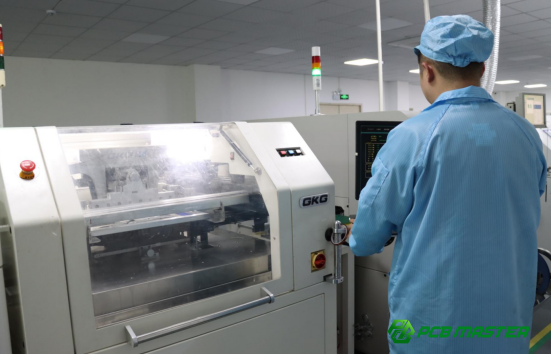
PCBMASTER’s core philosophy is to achieve zero rework by focusing on high-quality standards, continuous improvement, and strict quality control at every stage of production.
At PCBMASTER, quality isn't just a goal—it's a commitment. From the initial design phase to the final delivery ofPCBs, their entire process is built around maintaining high standards. The company embraces a "zero rework" policy, meaning they strive to deliver flawless products without the need for correction or modification after manufacturing.
This commitment begins with design validation. PCBMASTER works closely with customers to ensure that designs are verified before production, minimizing the risk of errors. They also invest in advanced manufacturing technology and systems to maintain precision and reduce defects. The focus is not just on producing PCBs but on improving the overall production process, making it more efficient and error-free over time. Continuous improvement is encouraged through feedback loops and regular reviews to identify areas for growth.
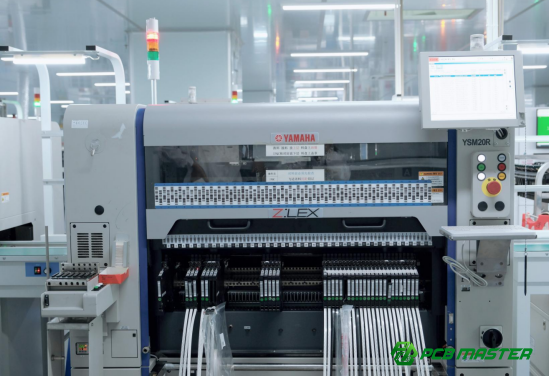
For example, in the PCB assembly phase, the company uses automated systems and robotics to place components with pinpoint accuracy, significantly reducing human error. By combining strict adherence to industry standards with state-of-the-art technology, PCBMASTER delivers high-quality, rework-free PCBs every time.
What Are the Key Factors that Prevent Rework in PCBMASTER’s Production Process?
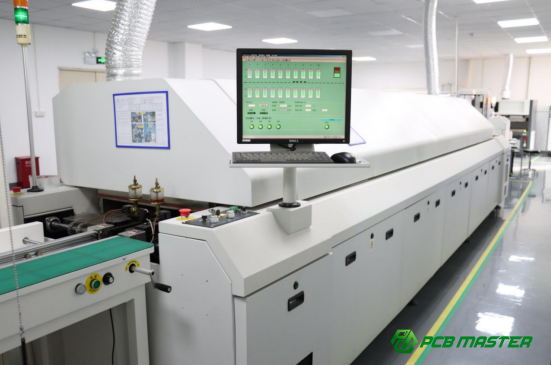
The key factors that prevent rework in PCBMASTER's production process are advanced design validation techniques and strict material selection standards.
Advanced Design Validation Techniques
PCBMASTER prevents design flaws through rigorous initial validation and the use of advanced simulation tools that ensure designs are error-free before production begins.
One of the key ways PCBMASTER prevents rework is by ensuring that the design phase is flawless. Before a PCB moves into production, design validation is conducted to confirm that the layout and electrical components are correctly planned. This step checks if the design meets all necessary standards and specifications, reducing the risk of errors later in the process.
PCBMASTER uses simulation tools that mimic the behavior of the circuit, allowing them to predict potential issues before they happen in real life. These tools simulate how the components will interact, checking for things like short circuits, signal integrity problems, and thermal issues. By identifying flaws at this early stage, PCBMASTER can adjust the design to eliminate these issues before the PCB is manufactured. For example, a design error related to component placement or trace routing might be caught and corrected through simulation, ensuring a smoother production process with fewer chances for rework.
By catching problems early, PCBMASTER saves time and money, ensuring that each PCB will function as intended without needing to undergo costly repairs or redesigns.
Strict Material Selection Standards
Using high-quality base materials is crucial for reducing defects in PCB production. PCBMASTER partners with trusted vendors to source the best materials, ensuring the reliability of each PCB.
Another critical factor in preventing rework is the careful selection of base materials used in the production of PCBs. The quality of materials directly impacts the overall performance of the PCB. Low-quality materials can cause issues like poor conductivity, signal interference, or even failure during use, all of which could require rework.
PCBMASTER only uses premium materials such as high-grade copper, specialized resins, and durable laminates. This ensures that the PCBs are strong, reliable, and capable of meeting high-performance standards. The company maintains long-term partnerships with trusted material vendors, allowing them to consistently receive top-tier materials for their production. These established relationships also give PCBMASTER access to better pricing and more reliable supply chains, which further enhances production quality.
For example, PCBMASTER ensures that their copper foil, used in the electrical layers of the PCB, is free from impurities that could cause electrical shorts or reduce conductivity. This attention to material quality helps prevent defects that would require costly rework.
By adhering to strict material selection standards, PCBMASTER reduces the likelihood of defects, ensuring that every PCB is built to last and function properly from the outset, with minimal chance of rework.
How Does PCBMASTER Use Automated Technology to Avoid Rework?
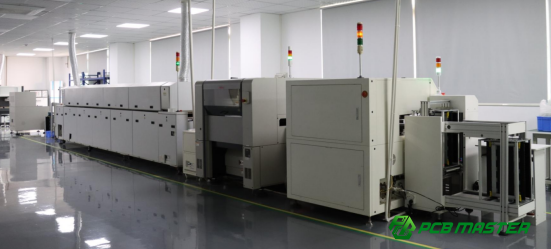
PCBMASTER uses automated technology, including robotic assembly for precise component placement and advanced inspection systems like AOI and X-ray, to detect defects early and ensure high-quality, rework-free PCBs.
Robotic Assembly and Precise Placement
PCBMASTER uses robotic assembly lines for precise component placement, reducing human error and ensuring accurate soldering and component positioning.
PCBMASTER employs robotic assembly lines to place electronic components on PCBs with high precision. Robotic systems are programmed to follow exact placement specifications, ensuring that each component is positioned accurately according to the design. This precision minimizes the risk of errors that can occur during manual assembly, such as misplacement or improper alignment of components.
By automating the assembly process, PCBMASTER greatly reduces human error—a common cause of defects in PCB manufacturing. For example, during soldering, robots can apply the exact amount of solder required, preventing issues like cold joints or excess solder that might cause shorts. This enhanced accuracy leads to consistent, high-quality results with fewer defects, ultimately eliminating the need for rework.
Real-life example: In PCBMASTER’s assembly line, robots place tiny surface-mount devices (SMDs) as small as 0201 components. With such precision, there's no room for error, significantly lowering the chances of defective products needing correction.
Automated Inspection and Testing Systems
PCBMASTER uses automated optical inspection (AOI) and X-ray inspection systems to detect defects early, providing continuous, real-time quality checks during the manufacturing process.
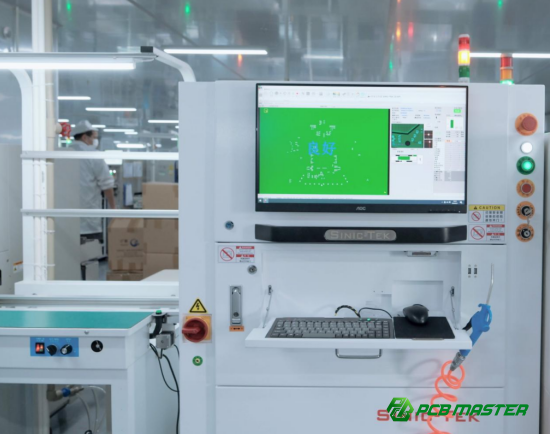
To further avoid rework, PCBMASTER integrates automated inspection systems at various stages of production. One key technology used is Automated Optical Inspection (AOI), which uses high-resolution cameras to visually inspect each PCB for defects. AOI systems compare the actual product against a predefined model to detect any discrepancies, such as misalignment, soldering issues, or missing components. This allows PCBMASTER to identify problems immediately and make necessary adjustments before the PCBs continue through production.
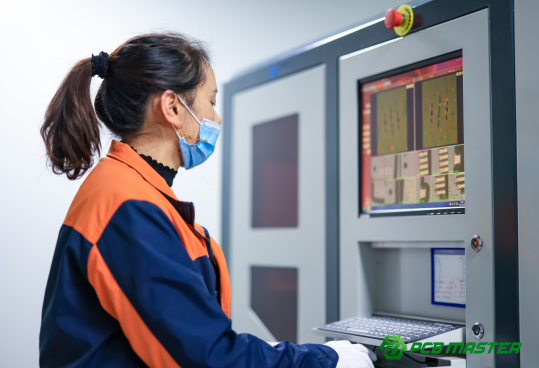
Additionally, X-ray inspection is used for more complex checks, particularly in multi-layer PCBs where some components are hidden inside the layers. X-ray machines can see through these layers to identify hidden defects, such as poor solder joints or internal short circuits, that might not be visible through regular visual inspection. This early detection allows PCBMASTER to address issues proactively, reducing the need for rework after the PCB is fully assembled.
For instance, after soldering, PCBMASTER’s AOI system inspects each board for potential defects like incorrect soldering or component placement. If any errors are found, the board is flagged for correction, preventing defective products from progressing to the next stage.
What Role Does Strict Process Control Play in Preventing PCB Rework?
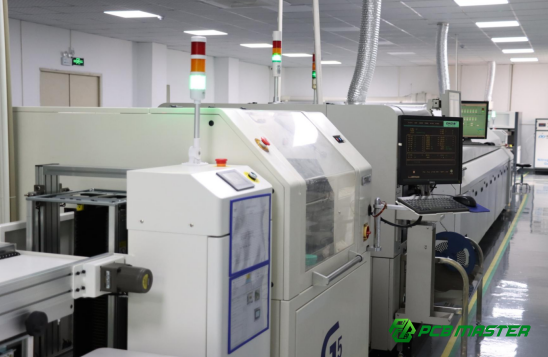
Strict process control at PCBMASTER, including tight tolerances, consistent processes, and real-time data analytics, helps prevent defects and ensures high-quality PCBs, reducing the need for rework.
Tight Tolerances and Consistent Processes
Maintaining tight manufacturing tolerances and consistent processes at PCBMASTER helps prevent issues like short circuits, poor connections, and other defects that could lead to rework.
Strict process control ensures that each PCB is produced with high precision by adhering to tight manufacturing tolerances. These tolerances define the acceptable limits for features like trace widths, hole sizes, and component placements. When tolerances are too loose, components may not fit correctly, leading to issues like short circuits or poor electrical connections. For example, if two traces are too close together, they could touch and cause a short circuit, which would require rework to fix.
At PCBMASTER, consistent processes ensure that every PCB meets the same high-quality standards. By following Standard Operating Procedures (SOPs) , the company ensures that each stage of production—whether it's etching, soldering, or assembly—is performed the same way every time. This minimizes variability, reducing the chances of defects and rework. For instance, the same methods are used to place components on every PCB, ensuring uniformity and reliability across all products. This process consistency helps guarantee that no mistakes are made that would require rework or correction after production.
Real-Time Data Analytics and Feedback Loops
PCBMASTER uses real-time monitoring systems and feedback loops to track production quality, allowing for immediate identification and resolution of issues before they result in rework.
At PCBMASTER, real-time data analytics plays a key role in maintaining high production standards and preventing rework. Through the use of advanced monitoring systems, every step of the PCB manufacturing process is continuously tracked. These systems collect data on factors like temperature, pressure, and component placement during production. By analyzing this data in real-time, PCBMASTER can quickly spot any deviations from the desired specifications, such as a temperature variation during soldering that could lead to improper solder joints.
Immediate feedback loops are built into the production line. If a problem is detected, operators receive instant alerts, allowing them to make on-the-spot adjustments before the issue worsens. For example, if a component is misaligned, the system can flag it, allowing operators to fix the issue immediately, preventing it from continuing down the line. This proactive approach to quality control not only ensures high standards but also avoids the need for rework by addressing potential problems early in the process.
How Does PCBMASTER Ensure Traceability and Accountability to Avoid Rework?
PCBMASTER ensures traceability and accountability by maintaining detailed records for each PCB batch and using a continuous improvement process to identify and resolve issues quickly, preventing rework.
Comprehensive Documentation and Traceability Systems
PCBMASTER ensures traceability and accountability by maintaining detailed records for each PCB batch, allowing quick identification and resolution of issues.
PCBMASTER employs a comprehensive documentation and traceability system for every PCB they manufacture. Each batch of PCBs is assigned a unique identifier, and detailed records are kept for every step of the production process. These records include information such as raw material sources, component placements, soldering conditions, and inspection results. This level of documentation helps PCBMASTER track every PCB's journey through the production line.
The importance of traceability is that it allows quick identification of any issues that may arise during manufacturing. For instance, if a defect is found in a PCB batch, the traceability system enables PCBMASTER to pinpoint exactly where the issue occurred—whether during component placement, soldering, or testing. This helps the company quickly address the problem by isolating the faulty batch or process, ensuring that defective products don't continue down the production line and avoiding rework.
Real-life example: If a batch of PCBs experiences soldering defects, PCBMASTER can use the traceability system to find the exact soldering machine and operator involved, allowing them to correct the issue immediately and prevent similar defects in the future.
Post-Production Review and Continuous Improvement
After production, PCBMASTER conducts internal audits and reviews, using feedback to refine processes and continuously improve to avoid future rework.
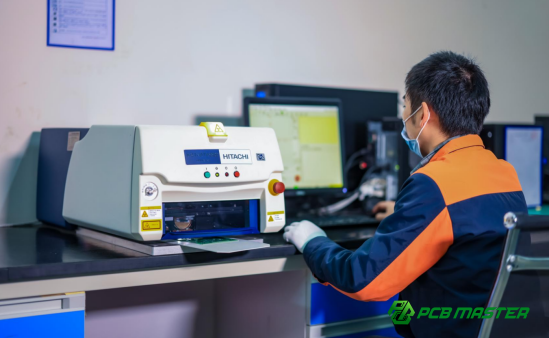
Once PCBs are produced, post-production reviews are carried out to evaluate the overall quality of the batch. PCBMASTER conducts internal audits to analyze whether any minor defects or issues have slipped through the quality control process. These reviews assess every aspect of the production process, from design validation to final inspection, ensuring that any problems are identified and documented.
The key to avoiding future rework is continuous improvement. PCBMASTER uses the insights gained from audits to refine their manufacturing processes. If any patterns or trends are noticed, such as repeated issues with a certain component or step, these insights help the company implement changes to prevent similar problems in future projects. For example, if a particular type of component often causes misplacement, PCBMASTER may update its procedures or invest in new equipment to improve precision.
Through a continuous feedback loop, PCBMASTER can continuously improve production methods, eliminating recurring defects and avoiding the need for rework in future batches. This proactive approach helps maintain high-quality standards and ensures that customers receive flawless PCBs.
How Does PCBMASTER Handle Customer Feedback to Prevent Rework in Future Projects?
PCBMASTER handles customer feedback by analyzing it to identify weaknesses in the production process and incorporating the insights into quality control and design adjustments to prevent rework in future projects.
Customer-Centric Quality Feedback Loops
PCBMASTER collects and analyzes customer feedback to identify potential weaknesses in the production process, using this information to improve quality control and prevent rework in future projects.
PCBMASTER places great emphasis on maintaining a customer-centric quality feedback loop. After each project is completed, the company actively seeks feedback from clients regarding the performance and quality of the PCBs produced. This feedback is collected through surveys, direct communication, and post-delivery follow-ups.
The feedback is then analyzed to identify any recurring issues or potential weaknesses in the production process. For example, if multiple customers report problems with a specific type of component or soldering technique, PCBMASTER takes this input seriously to adjust and improve its processes.
Once the feedback is analyzed, it is used to refine their quality control systems. This ensures that lessons learned from customer experiences are incorporated into the production process, leading to better products in future orders. For instance, if clients notice that components are not placed accurately on PCBs, PCBMASTER might invest in better automated placement technology to address this issue.
This system allows PCBMASTER to continually improve its offerings and reduce the risk of rework by addressing potential problems before they become widespread.
Proactive Communication and Preemptive Adjustments
PCBMASTER engages in proactive communication with customers early in the design phase, allowing for preemptive adjustments that prevent issues from arising during production.
To avoid problems that might require rework later, PCBMASTER practices proactive communication with its clients right from the beginning of each project. During the initial design phase, PCBMASTER works closely with customers to thoroughly review design files and specifications. This early consultation ensures that any potential issues are addressed before the PCB enters production.
For example, if a customer provides a design that could lead to electrical interference or difficulties in assembly, PCBMASTER's engineers will suggest modifications to ensure the design works smoothly. This preemptive adjustment saves time and reduces the chances of having to make costly fixes during or after production.
A real-life example of this is when PCBMASTER worked with a client in the automotive industry. The initial design featured components that were too close together, potentially leading to overheating. PCBMASTER flagged this issue early and recommended a design adjustment, preventing any issues during production and ensuring the client received a reliable product that didn’t require rework.
By collaborating with customers early in the design process, PCBMASTER ensures that designs are optimized before manufacturing begins, significantly reducing the risk of defects and rework in later stages.
What Are the Long-Term Benefits of PCBMASTER’s No-Rework Approach for Customers?
Cost Efficiency and Reduced Lead Times
By avoiding rework, PCBMASTER reduces project costs and accelerates time-to-market, leading to significant cost savings and faster product delivery.
PCBMASTER’s no-rework approach plays a crucial role in enhancing cost efficiency and reducing lead times for its clients. When rework is required, it adds extra costs in terms of labor, materials, and time, not to mention the potential delays in production schedules. By ensuring that each PCB is manufactured correctly the first time, PCBMASTER eliminates the need for costly corrections, saving both time and money.
This approach significantly shortens the time-to-market for products. When rework is avoided, production can proceed smoothly and on schedule, allowing businesses to meet their deadlines and deliver products faster. For example, a client in the consumer electronics industry was able to launch a new product ahead of competitors by leveraging PCBMASTER’s efficient, rework-free manufacturing process, ensuring faster delivery to market.
Ultimately, this cost savings and faster delivery contribute to improved business outcomes, making it a highly beneficial approach for clients looking to optimize their production cycles and keep expenses low.
Improved Reliability and Product Lifespan
High-quality PCBs with no rework increase the reliability and longevity of end products, improving customer satisfaction and reducing failure rates.
The no-rework approach directly impacts the reliability and product lifespan of the final product. By ensuring each PCB is manufactured to the highest standards with no defects, PCBMASTER helps clients produce products that perform better and last longer. High-quality PCBs are less likely to fail prematurely, leading to fewer product returns, repairs, or customer complaints.
For instance, a company producing medical devices partnered with PCBMASTER for their PCB manufacturing. The high reliability of the PCBs contributed to the overall durability of the medical devices, which were used in critical applications where failure could have severe consequences. This not only improved the customer’s product lifespan but also enhanced customer satisfaction, as the products were dependable and performed flawlessly.
In the long run, using high-quality, defect-free PCBs boosts product durability, reducing maintenance costs and increasing consumer trust in the brand, which is critical for businesses aiming to build long-term customer loyalty.
Stronger Brand Reputation for Clients
Consistently high-quality, defect-free PCBs help clients build a stronger brand reputation, resulting in increased consumer trust and long-term success.
One of the key long-term benefits of PCBMASTER’s no-rework approach is the positive impact on a client’s brand reputation. By consistently delivering high-quality, defect-free PCBs, PCBMASTER helps its clients manufacture products that meet customer expectations and industry standards. This level of reliability is crucial for building consumer trust and loyalty.
For example, a client in the automotive industry faced a challenge with a competitor’s unreliable PCBs, leading to recalls and reputational damage. In contrast, after switching to PCBMASTER, they experienced no issues with product failures or defects. This led to positive word-of-mouth from customers and improved their standing in the market, solidifying their reputation as a reliable brand.
When customers can depend on a product to perform consistently well, it creates a positive brand image and fosters strong, long-term relationships with clients. Clients that prioritize high-quality PCBs not only ensure product success but also gain a competitive advantage in the marketplace.
Conclusion
PCBMASTER’s approach to preventing rework and delivering flawless PCBs revolves around a combination of advanced design validation, strict material selection, automated technology, and rigorous process control. By ensuring accurate design through simulation tools, selecting high-quality materials, and using robotic assembly for precise placement, PCBMASTER significantly reduces the likelihood of defects. Additionally, their continuous monitoring systems and real-time feedback loops allow for immediate issue detection, further preventing rework. Comprehensive traceability and regular post-production reviews ensure that any minor issues are addressed and future projects benefit from continuous improvements.
Choosing PCBMASTER for PCB manufacturing guarantees high-quality, defect-free products with minimal risk of rework. With a proven track record of maintaining tight tolerances and providing proactive communication, customers can be confident that their PCBs will be delivered on time and to the highest standards. PCBMASTER’s no-rework approach not only saves time and costs but also improves the reliability and lifespan of products, helping customers build stronger brands. For businesses seeking reliable, efficient, and high-quality PCB solutions, PCBMASTER is the ideal partner.
FAQs
Why is avoiding rework critical in PCB manufacturing?
Avoiding rework in PCB manufacturing is crucial because rework introduces significant time delays and additional costs. When defects are found after production has begun, resources must be redirected to correct the issues, leading to extended production timelines. Rework can also affect product quality, increasing the risk of future product failures. These issues may result in downtime and extra expenses for both manufacturers and customers. Additionally, the risk of defects recurring after rework can further compromise the integrity of the final product, potentially harming a company’s reputation and client relationships. Avoiding rework, therefore, keeps projects on schedule, reduces costs, and ensures product reliability.
What technologies does PCBMASTER use to prevent PCB defects?
PCBMASTER leverages several advanced technologies to prevent PCB defects, including automated optical inspection (AOI) and X-ray inspection to detect issues early in the manufacturing process. Their use of robotic assembly lines ensures precise component placement and soldering, minimizing human error. Additionally, real-time process control systems monitor every step of the production, ensuring that all parameters are met within the set tolerances. This combination of automated inspection, robotic precision, and continuous monitoring helps PCBMASTER achieve high-quality, defect-free PCBs with minimal risk of rework.
How does PCBMASTER ensure consistency in quality for every project?
PCBMASTER ensures consistency in quality through strict process control and the use of automated testing systems. By adhering to standard operating procedures (SOPs) at every stage of production, from design validation to final inspection, they maintain high standards across all projects. Automated systems, such as AOI and X-ray inspection, continuously verify product quality in real-time, ensuring any deviations are immediately detected and corrected. Additionally, PCBMASTER employs feedback loops to gather insights from each production cycle, ensuring that lessons learned are applied to future projects. This rigorous control and testing guarantee that every PCB produced meets the same high-quality standards.
What impact does PCBMASTER's no-rework approach have on customer satisfaction?
PCBMASTER’s no-rework approach positively impacts customer satisfaction by ensuring reliable, high-quality PCBs that are delivered on time. The reduction in rework leads to fewer delays and less downtime, which means customers can move forward with their projects without unnecessary setbacks. This approach also improves product reliability, resulting in fewer defects and failures after delivery. Customers benefit from consistent, defect-free PCBs that meet their specifications, strengthening their trust and relationship with PCBMASTER. Over time, this reliability translates into stronger customer loyalty and a competitive edge in the marketplace.
Can PCBMASTER accommodate custom design requirements while still preventing rework?
Yes, PCBMASTER can accommodate custom design requirements while preventing rework by engaging in thorough design validation and collaboration with customers. Before production, PCBMASTER’s engineers work closely with clients to ensure the design meets all quality standards and specifications. They use advanced simulation tools to test designs virtually, identifying potential issues early in the process. Any design adjustments are made before production begins, preventing defects from arising later. This proactive approach ensures that custom designs are optimized for both functionality and manufacturability, allowing PCBMASTER to deliver high-quality, rework-free PCBs tailored to customer needs.
About the Author

Carol Luo
PCB Design EngineerI'm Carol, a PCB Engineer at PCBMASTER with experience in PCB design and manufacturing engineering since 2018. I focus on translating engineering requirements into reliable PCB solutions, with expertise in stack-up design, material selection, and design-for-manufacturing (DFM). I share practical engineering insights from real-world PCB design and production experience.
Visit Carol Luo's Profile