








Why Most PCBs Are Green: Materials, Performance, and Industry Insights
Circuit boards, also known as PCBs (Printed Circuit Boards) , are essential components in nearly all electronic devices. They connect and hold electronic parts such as resistors, capacitors, and microchips, allowing electricity to flow in a controlled and reliable way. From smartphones and laptops to medical equipment and industrial machines, PCBs make modern electronics possible.
Because PCBs are so crucial, understanding their design and production is important. Over the years, green has become the most common color for circuit boards. This is not just a historical habit; it also offers practical advantages. Green solder masks, which cover and protect the circuits, provide excellent visibility for both human inspection and automated testing, helping prevent errors and damage during manufacturing.
To give a professional perspective, PCBMASTER, a trusted supplier of high-quality PCBs and PCBAs, shares insights from years of experience in the electronics industry. By examining both the historical reasons and technical factors behind the green color, this article explains why it remains the standard in PCB production. Examples from real production cases illustrate the practical benefits and reliability of green PCBs.
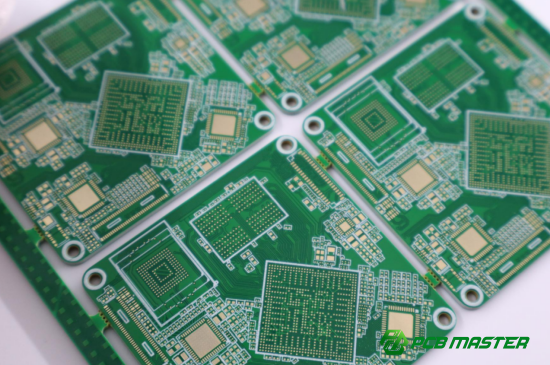
Why Do Most Circuit Boards Appear Green?
Most circuit boards appear green mainly because of the green solder mask applied during manufacturing. This green layer protects the board, improves inspection, and became standard due to historical and practical reasons.
The Role of Solder Mask in Determining PCB Color
The solder mask is a thin protective coating applied over the copper traces on a PCB. It prevents accidental short circuits, protects against moisture, and reduces corrosion. The color of this solder mask determines the visible color of the circuit board. While solder masks can come in many colors—red, blue, black, yellow—green is the most widely used.
Example: At PCBMASTER, when we manufacture green PCBs, we choose high-quality epoxy-based solder masks that ensure durability during soldering and assembly. The green color also offers a good balance between cost, performance, and visibility. Using green solder masks makes it easier for engineers to see copper traces and identify defects during production or repair.
Historical Preference: Green as the Standard for Early Electronics
Green became the default PCB color in the 1950s and 1960s. Early PCB manufacturers chose green because the materials used for solder masks—epoxy resins mixed with green pigments—were widely available and produced reliable results. Over time, green became the industry standard because technicians were trained to work with it, and manufacturing processes optimized for green solder masks.
Example: Classic electronics like old radios and early computers mostly used green PCBs. PCBMASTER continues this tradition because green solder masks are proven, cost-effective, and compatible with automated assembly processes.
How Green Color Improves Visual Inspection of Circuits
Green PCBs provide high contrast with copper traces and white silkscreen labels, making it easier for technicians to spot errors, missing components, or solder bridges. This visual clarity is crucial during quality checks, testing, and repair. Other colors like black or blue can make inspection harder because the contrast is lower.
Example: PCBMASTER uses green PCBs for most production runs because engineers can quickly identify potential issues during automated optical inspection (AOI) or manual checks. This reduces errors and improves yield rates in PCB assembly.
Step-by-Step Insight:
- Apply green solder mask over the PCB traces.
- Add white silkscreen labels for components.
- Inspect the board using AOI or magnifying tools.
- Easily detect errors due to the clear contrast between green background and copper or white markings.
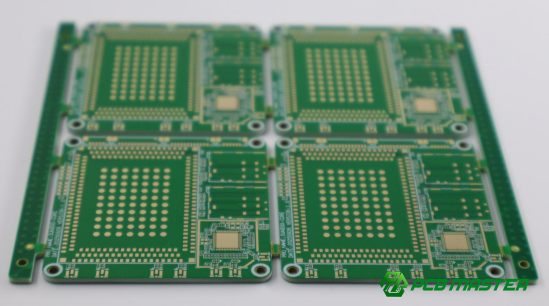
What Materials Contribute to the Green Color on PCBs?
The green color on most PCBs comes from a combination of the base materials in the board and the green solder mask applied on top. These materials protect the board and define its appearance.
Overview of Epoxy Resin and Fiberglass in PCB Substrates
The main body of a PCB is made from layers of fiberglass and epoxy resin. Fiberglass provides strength, while epoxy resin holds everything together and insulates electrical paths. The natural color of this material is usually light brown, but it is covered by a solder mask for protection. The epoxy layer itself does not affect the green color—it’s the solder mask applied on top that gives the PCB its final green look.
Example: PCBMASTER uses high-grade FR-4 fiberglass and epoxy resin for most PCBs, ensuring both mechanical stability and excellent electrical insulation before applying the green solder mask.
Common Pigments Used in Green Solder Masks
Green solder masks are made by mixing epoxy-based materials with green pigments. These pigments are carefully selected to resist high temperatures during soldering and maintain consistent color over time. Other colors are possible, but green pigments balance cost, visibility, and reliability.
Example: In PCBMASTER’s production, green pigments are chosen for their durability during wave soldering or reflow soldering processes, ensuring the PCB retains its color and protective properties even after heating.
Differences Between Green and Other Colored Solder Masks
While green is standard, PCBs can also be red, blue, black, or yellow. Green solder masks provide the best visual contrast with copper traces and silkscreen labels. Black and blue masks can make inspection harder, while red and yellow are often more expensive.
Comparison Example: PCBMASTER often recommends green PCBs for mass production because they reduce inspection errors and costs, whereas black or blue might be used for aesthetic or branding reasons but require more careful quality control.
PCBMASTER’s Recommendations for Choosing Solder Mask Colors
For most electronics projects, green is recommended because it offers the best balance of cost, visibility, and reliability. Colored PCBs can be used for prototypes or branding, but they may require extra inspection and quality checks. PCBMASTER advises clients to choose solder mask color based on application, production volume, and inspection needs.
Step-by-Step Insight:
- Determine PCB function and production volume.
- Consider visual inspection requirements.
- Choose green for standard boards; consider other colors for special cases.
- Implement quality checks for chosen solder mask color.
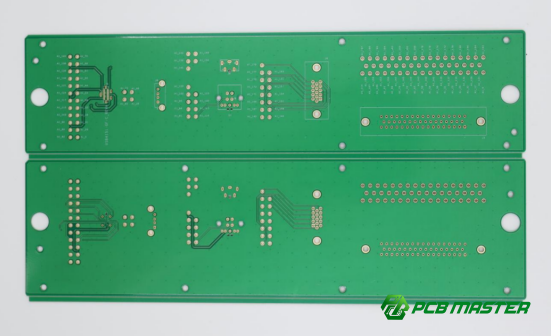
How Does the Green Solder Mask Affect PCB Performance?
The green solder mask affects PCB performance by providing electrical insulation, resisting heat during soldering, and improving durability and reliability. It also supports quality control during manufacturing.
Electrical Insulation Properties and Prevention of Short Circuits
The green solder mask acts as an insulating layer over copper traces. This prevents electrical currents from accidentally crossing between traces, which could cause short circuits or damage components. It also protects against moisture and dust, which can create unwanted electrical paths.
Example: PCBMASTER applies high-quality green solder masks on all production boards. On a multilayer PCB , the insulation prevents copper layers from touching each other even if the board bends slightly, ensuring safe operation in electronics like smartphones or computers.
Resistance to Heat During Soldering Processes
Green solder masks are designed to withstand high temperatures encountered during soldering processes such as wave soldering or reflow soldering. This prevents the mask from melting, peeling, or discoloring, which could otherwise compromise the PCB.
Example: PCBMASTER tests green PCBs by heating them to typical soldering temperatures of 250–260°C for a few seconds. The solder mask remains intact, keeping traces protected and avoiding defects like bridging or delamination.
Impact on Durability and Long-Term Reliability
The green solder mask improves the overall durability of a PCB. It shields copper traces from corrosion, oxidation, and mechanical damage. Over time, this ensures the board continues to function correctly, even in harsh environments or prolonged use.
Example: In automotive electronics, green PCBs from PCBMASTER maintain performance in high-temperature engine compartments because the solder mask protects copper traces from chemical exposure and vibration.
Step-by-Step Example: PCBMASTER’s Quality Checks for Solder Mask Performance
PCBMASTER ensures the green solder mask performs correctly through a series of controlled quality checks.
Step-by-Step Process:
- Visual Inspection: Examine the PCB under bright light to ensure uniform green coating without bubbles or defects.
- Adhesion Test: Apply tape to the mask and remove it to check for peeling or flaking.
- Thermal Stress Test: Heat the board to simulate soldering temperatures and observe if the mask remains intact.
- Electrical Test: Check for short circuits to ensure the insulation is effective.
- Final Approval: Boards passing all tests are packaged for production or delivery.
Example: Using this process, PCBMASTER ensures every green PCB meets safety, durability, and reliability standards, reducing failures in client electronics.
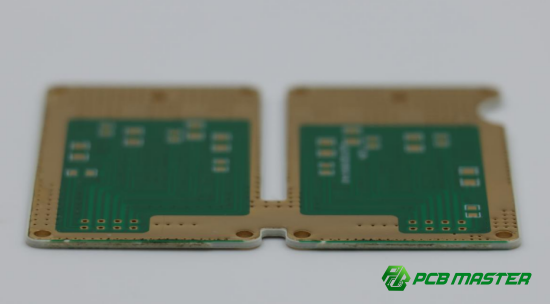
Are There Practical Advantages of Using Green PCBs?
Yes, green PCBs offer practical advantages in visual inspection, cost efficiency, industry compliance, and production efficiency, making them the preferred choice for most electronics.
Enhanced Visual Contrast for Troubleshooting and Testing
Green PCBs provide high contrast between copper traces, silkscreen markings, and the board background. This makes it easier for engineers and technicians to spot solder bridges, missing components, or defects during assembly and testing.
Example: At PCBMASTER, green PCBs are used in both prototype and mass production boards. During automated optical inspection (AOI) , the green background allows cameras to detect errors more quickly than on darker PCBs like black or blue, reducing inspection time and improving quality.
Cost Efficiency Due to Mass Production of Green Solder Masks
Green solder masks are cheaper than many alternative colors because they are mass-produced and standardized in the electronics industry. Using green PCBs reduces material costs and simplifies sourcing, especially for large-scale production.
Example: PCBMASTER sources green solder masks in bulk, which lowers manufacturing costs and allows clients to benefit from competitive pricing without sacrificing quality. Using red or black masks could increase material costs and lead times.
Industry Standards and Regulatory Acceptance
Green PCBs are widely accepted as the industry standard, meeting international quality and safety regulations. Using green solder masks ensures compliance with standards such as IPC-A-600 (PCB workmanship) and reduces the risk of regulatory issues.
Example: PCBMASTER provides green PCBs that comply with IPC and RoHS standards. Customers can confidently use these PCBs in commercial and industrial electronics without extra certification costs.
Case Comparison: Green vs. Black or Blue PCBs in Production Efficiency
Green PCBs generally outperform black or blue boards in inspection and assembly. Darker PCBs reduce contrast with copper traces, increasing the likelihood of undetected defects during visual or automated checks. Green PCBs also have longer industry-tested reliability.
Example Comparison:
| PCB Color | Visual Inspection | Defect Rates | Material Costs / Availability | Notes |
| Green PCB | Easy to inspect | Lower | Standard, widely available | Preferred for mass production due to efficiency and cost |
| Black PCB | Harder to inspect | Slightly higher | More expensive solder masks | May be used for aesthetic or branding purposes but requires careful inspection |
| Blue PCB | Moderate visibility | Moderate | Limited pigment availability, slightly higher cost | Inspection may take longer, less common in standard production |
Outcome: PCBMASTER recommends green PCBs for standard projects to maximize production efficiency, reduce errors, and keep costs low.
Can PCB Color Affect Manufacturing or Assembly Processes?
Yes, PCB color can influence manufacturing and assembly processes. The choice of solder mask color affects automated inspection, machine handling, and overall production quality.
Influence of Color on Automated Optical Inspection (AOI)
Automated Optical Inspection (AOI) machines rely on cameras to detect defects such as missing components, solder bridges, or incorrect placement. PCB color affects contrast between traces, pads, and components. Green PCBs provide high contrast with copper traces and white silkscreen, making it easier for AOI machines to detect defects.
Example: At PCBMASTER, green PCBs consistently result in faster AOI processing and lower false error rates compared to black or blue boards. Darker colors can confuse sensors, requiring repeated scans and slowing production.
How Green Solder Masks Minimize Errors in Pick-and-Place Machines
Pick-and-place machines rely on visual sensors to identify where components should be placed. Green solder masks create clear contrast with copper pads, helping machines accurately place components. Other colors, such as black or dark blue, can reduce contrast and increase placement errors.
Example: PCBMASTER’s production line shows that green PCBs have fewer placement errors during high-speed assembly. This minimizes rework, reduces scrap, and improves overall manufacturing efficiency.
PCBMASTER Tips for Selecting PCB Colors Without Affecting Assembly Quality
When selecting PCB colors, choose options that balance aesthetics with manufacturing performance. Green is recommended for most projects because it optimizes inspection and assembly efficiency.
Tips from PCBMASTER:
- Prioritize Green for Standard Production: Best contrast for AOI and pick-and-place machines.
- Use Other Colors for Branding or Prototypes: Only if inspection and placement can be carefully monitored.
- Test Before Mass Production: Conduct small-scale assembly tests to confirm that color does not affect AOI or machine accuracy.
- Coordinate with Suppliers: Ensure the solder mask pigment meets thermal and optical specifications for assembly processes.
Example: PCBMASTER assisted a client switching to blue PCBs by conducting pre-production AOI and pick-and-place tests, confirming defect rates remained low before full-scale manufacturing.
How Does PCBMASTER Ensure Quality in Green Circuit Boards?
PCBMASTER ensures quality in green PCBs by carefully selecting materials, using advanced manufacturing techniques, conducting strict testing, and applying lessons from real projects. This approach guarantees reliable, durable, and visually consistent boards.
Material Selection: High-Grade Resins and Pigments
PCBMASTER starts with high-quality FR-4 fiberglass and epoxy resins for the base layer. The green solder mask uses carefully chosen pigments that resist heat, maintain color consistency, and provide long-term insulation. Selecting superior materials ensures that the PCB is strong, durable, and less prone to defects during production or in end-use.
Example: For high-frequency PCBs , PCBMASTER selects low-loss epoxy resin and thermally stable green pigments, ensuring electrical performance remains stable even under stress.
Advanced Manufacturing Techniques for Consistent Green Solder Masks
PCBMASTER uses precise coating processes to apply green solder masks evenly across the board. Techniques like automated screen printing and UV curing ensure the mask is uniform, with no bubbles, gaps, or peeling. Consistent coating improves both the PCB’s appearance and its performance during soldering and assembly.
Example: During multilayer PCB production, automated UV curing ensures every green layer is perfectly aligned and uniform, reducing defects and improving yield.
Testing and Inspection Protocols Specific to Color Performance
Color performance is critical for visual inspection and AOI efficiency. PCBMASTER conducts several checks to ensure green solder masks are uniform and defect-free:
- Visual Inspection: Bright-light checks for uniformity and coverage.
- Adhesion Testing: Ensures the mask sticks firmly to the substrate.
- Thermal Cycling Tests: Confirms the mask withstands soldering heat without discoloring or cracking.
Example: Every green PCB batch undergoes AOI tests to confirm contrast and trace visibility meet inspection standards, minimizing assembly errors.
Examples of Green PCB Projects and Their Outcomes
PCBMASTER has delivered countless successful green PCB projects, ranging from consumer electronics to industrial devices. Using high-quality materials and precise manufacturing, boards consistently meet performance and reliability expectations.
Example Case Study: A client in automotive electronics received multilayer green PCBs for engine control units. After implementation, the boards demonstrated excellent heat resistance, no short circuits, and easier inspection compared to previous blue PCBs, improving assembly efficiency by 15%.
Conclusion
Green PCBs are more than just a traditional choice—they combine practicality, reliability, and efficiency. From providing superior visual contrast for inspection to offering cost-effective mass production, the green solder mask has become the industry standard for good reasons. Its electrical insulation, heat resistance, and durability ensure long-term performance, while its compatibility with automated inspection and assembly processes minimizes errors and production delays.
At PCBMASTER, we leverage high-quality materials, advanced manufacturing techniques, and strict testing protocols to deliver green PCBs that meet the highest standards. Whether for consumer electronics, automotive systems, or industrial devices, our green circuit boards offer consistent quality, easier inspection, and reliable performance.
Choosing green PCBs isn’t just about tradition—it’s about efficiency, quality, and peace of mind. With PCBMASTER’s expertise , you can be confident that your electronics projects are built on boards designed for precision, durability, and success.
FAQs
Can I choose a different color for my PCB instead of green?
Yes, PCBs can be manufactured in red, blue, black, or yellow. However, green is the most common because it provides high visual contrast, is cost-effective, and widely available. Other colors may be chosen for branding, prototypes, or aesthetic purposes, but they may require extra inspection and slightly higher production costs.
Does green color affect the electrical properties of a PCB?
No, the green solder mask itself does not change the electrical performance. It primarily provides insulation and protection for copper traces. Electrical properties depend on the PCB substrate, copper thickness, and design rather than the mask color.
Why is green still the most common PCB color in modern electronics?
Green became standard due to historical use, material availability, and visual advantages. It provides excellent contrast for inspection, works well with automated assembly machines, and remains cost-efficient for mass production.
Are there situations where another solder mask color is preferable?
Yes, alternative colors may be chosen for aesthetic reasons, product differentiation, or branding. Prototypes or limited-edition devices sometimes use non-green colors, but inspection and assembly may require additional care.
How does PCBMASTER help clients select the right PCB color for their project?
PCBMASTER advises clients based on application, inspection needs, and production volume. We recommend green for standard boards, while helping test alternative colors for prototypes or special projects to ensure assembly quality and visual clarity.
About the Author

Carol Luo
PCB Design EngineerI'm Carol, a PCB Engineer at PCBMASTER with experience in PCB design and manufacturing engineering since 2018. I focus on translating engineering requirements into reliable PCB solutions, with expertise in stack-up design, material selection, and design-for-manufacturing (DFM). I share practical engineering insights from real-world PCB design and production experience.
Visit Carol Luo's Profile