







PCB vs. PCBA: Key Differences, Manufacturing Process, and Applications
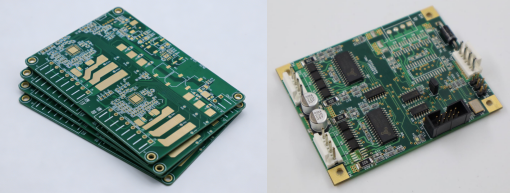
PCB (Printed Circuit Board) and PCBA (Printed Circuit Board Assembly) are two fundamental concepts in the electronics manufacturing industry, yet they serve completely different purposes. A PCB is a bare board designed to provide electrical connections and mechanical support, while a PCBA is a fully assembled board with electronic components mounted and soldered, capable of performing complete circuit functions. As industries such as automotive electronics, telecommunications, industrial automation, IoT, and medical devices continue to demand higher reliability and miniaturization, understanding the distinction between PCB and PCBA has become essential for engineers, OEMs, and procurement teams. With IATF 16949, ISO 9001, UL, and RoHS certifications, PCBMASTER provides high-quality PCB and PCBA manufacturing solutions backed by rapid prototyping, advanced SMT assembly , and global delivery capabilities.
What Is the Difference Between PCB and PCBA?
One of the most common questions in electronics manufacturing is:
“ Do I need a PCB or a PCBA? ”
The answer depends on the stage of product development and your manufacturing requirements.
In simple terms:
- PCB = Bare Printed Circuit Board
- PCBA = Fully Assembled Functional Circuit Board
A PCB only contains conductive pathways and structural layers, while a PCBA includes all electronic components mounted and soldered onto the board.
Think of a PCB as the foundation of a building, while a PCBA is the fully furnished structure ready for operation.
What Is a PCB?
A Printed Circuit Board (PCB) is a board made from insulating substrate materials such as FR4, combined with conductive copper traces that connect electronic components electrically.
The main functions of a PCB include:
- Providing mechanical support for components
- Creating electrical connections
- Managing signal routing
- Supporting impedance control
- Improving circuit reliability
Modern PCB technology has evolved far beyond simple single-layer boards and now includes:
- High-frequency PCBs
- HDI PCBs
- Rigid-Flex PCBs
- Flexible PCBs (FPC)
- Metal Core PCBs
- Multilayer High-Speed Boards
These advanced PCB technologies are widely used in:
- Automotive electronics
- 5G communication systems
- AI servers
- Industrial automation
- Medical electronics
Main Components of a PCB
Substrate Material
Common materials include:
- FR-4
- Rogers high-frequency materials
- Polyimide (PI)
- Aluminum substrates
Copper Layers
Copper traces carry electrical signals and power throughout the board.
Solder Mask
The protective layer prevents oxidation and short circuits.
Silkscreen
Used for component markings and assembly guidance.
Vias
Enable electrical connections between PCB layers.
What Is PCBA?
PCBA (Printed Circuit Board Assembly) refers to a completed circuit board after electronic components have been mounted and soldered onto the PCB.
The PCBA process typically includes:
- SMT assembly
- Through-hole assembly
- Reflow soldering
- Wave soldering
- AOI inspection
- X-ray inspection
- Functional testing
- Aging tests
Unlike a bare PCB, a PCBA is fully functional and can be directly integrated into electronic products such as:
- Consumer electronics
- Industrial control systems
- Automotive devices
- Medical equipment
- Telecommunications hardware
- IoT products
For OEM manufacturers, PCBA represents a complete plug-and-play manufacturing solution.
PCB vs. PCBA: Key Differences
PCB vs . PCBA Comparison Table
| Aspect | PCB | PCBA |
| Definition | Bare circuit board | Fully assembled functional board |
| Components Installed | No | Yes |
| Functionality | Not operational | Fully functional |
| Manufacturing Process | Etching, drilling, plating | SMT, soldering, testing |
| Cost | Lower | Higher |
| Complexity | Lower | Higher |
| Application Stage | Prototype & design | Production & deployment |
| Main Users | Designers & engineers | OEMs & manufacturers |
PCB Manufacturing Process
PCB manufacturing mainly involves three stages:
PCB Design
This stage includes:
- Gerber file generation
- Layer stack-up design
- Impedance control
- EMI optimization
- DFM analysis
PCB Fabrication
Core fabrication processes include:
- Copper etching
- Drilling
- Electroplating
- Lamination
- Surface finishing (ENIG/HASL/OSP)
PCB Testing
Quality inspection methods include:
- AOI testing
- Flying probe testing
- Electrical continuity testing
- Impedance testing
As a professional PCB manufacturer, PCBMASTER supports:
- 1–4 layer quick-turn PCB prototypes
- HDI buried/blind via PCBs
- High-frequency PCBs
- Rigid-Flex PCBs
- Flexible PCBs
- Metal Core PCBs
with rapid turnaround and global shipping capabilities.
PCBA Assembly Process Explained
Compared with PCB fabrication, PCBA focuses more heavily on automation and quality assurance.
SMT (Surface Mount Technology)
SMT is the dominant assembly technology in modern electronics manufacturing.
Main SMT steps include:
- Solder paste stencil printing
- Pick-and-place component mounting
- Reflow soldering
- AOI inspection
Through-Hole Assembly (THT)
THT is commonly used for:
- High-power components
- Industrial electronics
- Aerospace systems
- Automotive applications
Functional Testing
Testing is one of the most critical parts of the PCBA process.
Common PCBA Testing Methods
| Test Type | Purpose |
| ICT Test | Circuit continuity verification |
| FCT Test | Functional performance testing |
| AOI Inspection | Solder joint defect detection |
| X-Ray Inspection | BGA solder analysis |
| Aging Test | Long-term stability testing |
| Environmental Test | Temperature, humidity, vibration testing |
Why High-Frequency and HDI PCBAs Are Becoming Essential
Modern electronic devices are moving toward:
- Higher speed
- Smaller sizes
- Greater integration
- Increased reliability
Traditional PCBs often struggle to meet the requirements for:
- Signal integrity
- EMI suppression
- Thermal management
- High-frequency performance
As a result, advanced technologies such as:
- HDI PCBs
- Blind/Buried vias
- Microvias
- Rigid-Flex structures
- High-frequency materials
are becoming standard in industries like:
- Automotive ADAS
- AI computing
- Telecommunications
- Medical imaging
- IoT infrastructure
Common Mistake: Focusing Only on PCB Price Instead of PCBA Quality
Many buyers prioritize low pricing while overlooking manufacturing quality and reliability.
This often leads to:
- High defect rates
- Delivery delays
- Assembly failures
- Inconsistent product performance
Supplier Quality Comparison
| Factor | Standard Supplier | PCBMASTER Practice |
| Quality Control | Basic inspection | Full-process AOI inspection |
| Certifications | Limited | ISO 9001 + IATF 16949 |
| Delivery Reliability | Unstable | 99.59% on-time delivery |
| Engineering Support | Limited | Free engineering review |
| HDI Capability | Outsourced | In-house manufacturing |
| Customer Service | Delayed response | 24-hour engineer support |
| Yield Rate | Industry average | 99.5% product yield |
Why More OEMs Prefer One-Stop PCBA Services
Traditionally, companies had to coordinate separately with:
- PCB suppliers
- SMT factories
- Component distributors
- Testing vendors
This fragmented supply chain often causes:
- Communication inefficiencies
- Longer lead times
- Higher management costs
- Quality accountability issues
A one-stop PCBA solution significantly improves manufacturing efficiency.
Advantages of One-Stop PCBA Services
- Faster product launch cycles
- Better production consistency
- Reduced supply chain complexity
- Lower defect and rework rates
- Improved scalability
As a full-service electronics manufacturing provider, PCBMASTER offers:
- PCB fabrication
- SMT assembly
- Component sourcing
- DFM optimization
- Functional testing
- Prototype manufacturing
- Mass production support
PCBMASTER’s Industry Expertise and Manufacturing Solutions
As a trusted PCB and PCBA manufacturer, PCBMASTER combines advanced manufacturing capabilities with international quality standards.
Certifications
- IATF 16949
- ISO 9001
- UL Certification
- RoHS Compliance
Core Advantages
80,000㎡ Self-Owned Factory
Enables complete control over:
- PCB fabrication
- SMT assembly
- Component sourcing
- Testing processes
Rapid Turnaround
- 24-hour PCB prototyping
- 5–7 day small-batch production
- Over 3,000 daily orders processed
Advanced Quality Assurance
Including:
- AOI testing
- 3-stage quality inspection
- BGA X-ray inspection
- 99.5% yield rate
Global Customer Support
PCBMASTER has successfully served more than 300,000 clients across:
- Industrial automation
- Smart home systems
- Telecommunications
- Automotive electronics
- Medical devices
- Aerospace applications
Should You Choose PCB or PCBA?
Choose PCB If:
- You are still in the design stage
- You need prototype verification
- You already have SMT assembly capability
- You prefer sourcing components independently
Choose PCBA If:
- You need a ready-to-use functional board
- You want faster production cycles
- You need scalable manufacturing
- You want to simplify supply chain management
Future Trends in PCB and PCBA Manufacturing
The electronics industry is rapidly evolving toward:
- AI hardware
- Electric vehicles
- 5G infrastructure
- Smart manufacturing
- IoT ecosystems
- Medical electronics
This transformation is driving demand for:
- High-frequency PCBs
- HDI boards
- Rigid-Flex structures
- Advanced SMT assembly
- Intelligent quality inspection
Future competition among PCB and PCBA manufacturers will increasingly depend on:
- Engineering expertise
- Smart manufacturing systems
- Supply chain integration
- Global logistics capabilities
rather than manufacturing capacity alone.
Conclusion
Although PCB and PCBA differ by only one letter, they represent two completely different stages of electronics manufacturing.
- PCB provides the foundation
- PCBA delivers the functionality
Understanding their differences helps OEMs, engineers, and procurement teams:
- Reduce manufacturing risks
- Improve product reliability
- Optimize supply chains
- Accelerate time-to-market
For companies seeking reliable PCB and PCBA manufacturing solutions, choosing an experienced partner with advanced production capabilities, international certifications, and rapid delivery is essential.
With intelligent manufacturing systems, fast prototyping, and comprehensive assembly services, PCBMASTER continues to support global electronics innovation with high-quality PCB and PCBA solutions.
Tags
#PCB #PCBA #SMT #HDIPCB #RigidFlexPCB #ElectronicsManufacturing #PCBMASTER #PCBAssembly #HighFrequencyPCB #OEMManufacturing #IndustryInsights
About the Author

Carol Luo
PCB Design EngineerI'm Carol, a PCB Engineer at PCBMASTER with experience in PCB design and manufacturing engineering since 2018. I focus on translating engineering requirements into reliable PCB solutions, with expertise in stack-up design, material selection, and design-for-manufacturing (DFM). I share practical engineering insights from real-world PCB design and production experience.
Visit Carol Luo's Profile