






Understanding PCB UL Fire Rating
In the world of electronics, safety is paramount. When it comes to printed circuit boards (PCBs) , ensuring they can withstand fire hazards is crucial. UL fire ratings, established by Underwriters Laboratories (UL) , play a pivotal role in determining how well materials resist flames in extreme conditions. For manufacturers and consumers alike, understanding the significance of UL ratings—especially in PCB materials—can mean the difference between a product that meets safety standards and one that falls short. With the growing demand for more reliable and secure electronic devices, these fire safety certifications are not just an added bonus—they’re essential.
What Are the Common UL Fire Ratings?
The common UL fire ratings are HB, V-2, V-1, V-0, and 5VA/5VB. HB is the lowest rating, used for basic plastics. V-2 offers moderate resistance for general electrical components. V-1 provides faster flame extinguishing than V-2, suitable for higher safety components. V-0 is common for PCBs, extinguishing flames within 30 seconds, used in most consumer electronics. 5VA/5VB are the highest ratings, used in extreme environments like aviation.
1. HB Rating
The HB rating is the lowest level of fire resistance in the UL standard. It is typically used for materials that do not offer significant flame resistance. This rating is assigned to materials like ordinary plastics that are commonly used in everyday consumer products but do not withstand fire very well.
Key Characteristics:
- No significant fire resistance.
- Materials with HB rating burn quickly when exposed to flame.
- Commonly applied to basic, non-critical materials like low-cost plastics.
Real-Life Example:
Imagine a simple plastic casing for a low-end household appliance. If the material has an HB fire rating, it is not suitable for high-risk electronic components like PCBs, which require higher fire resistance.
2. V-2 Rating
The V-2 rating represents a moderate level of fire resistance. Materials with this rating will stop burning after a certain time once the flame source is removed, but they may still burn for a longer period compared to higher-rated materials.
Key Characteristics:
- Fire extinguishing time is slower compared to higher ratings.
- Suitable for general-purpose electrical components and materials that don't require the highest fire resistance.
- Used in standard electrical components that need some degree of flame retardancy.
Real-Life Example:
For example, certain electrical components used in consumer electronics, like chargers or adapters, might use materials rated V-2. These products are expected to perform safely under normal conditions but may not be suitable for more fire-sensitive applications.
3. V-1 Rating
The V-1 rating offers better fire resistance compared to the V-2 rating. Materials with this rating can stop burning more quickly once the flame is removed. This rating is suitable for products that require higher safety standards in terms of fire resistance, such as some electronic devices and components.
Key Characteristics:
- Flame extinguishing time is faster than V-2 but still not instantaneous.
- Ideal for electronic components that need to meet higher safety standards.
- Provides a balance between cost and fire resistance.
Real-Life Example:
Consider a printed circuit board (PCB) used in a mid-range electronic device, such as a television. The PCB would typically have a V-1 rating, providing an acceptable level of flame resistance while still being affordable for the consumer electronics market.
4. V-0 Rating
The V-0 rating is one of the most commonly used ratings for PCBs in the electronics industry. This rating means that the material will stop burning within 30 seconds after the flame source is removed and will not allow fire to spread. It is widely required for most consumer and industrial electronics to ensure safety.
Key Characteristics:
- Flame extinguishing time of 30 seconds or less.
- Commonly used for PCBs and other electrical components in consumer electronics.
- Highly reliable for preventing fire hazards in common electronic devices.
Nearly all smartphones and computers use PCBs with V-0 rated materials. This ensures that the internal components remain safe and don’t catch fire under normal usage or during malfunctions, such as overheating or short circuits.
5. 5VA/5VB Rating
The 5VA and 5VB ratings are the highest levels of fire resistance in the UL system. These materials are extremely resistant to flames and are typically used in extreme environments, where the risk of fire is higher or where fire resistance is critical to safety.
Key Characteristics:
- The 5VA rating represents materials that are self-extinguishing and have the highest resistance to fire.
- 5VB rating materials resist fire but may still show some flame propagation.
- These ratings are often used in high-risk environments such as industrial machinery, heavy-duty electronics, and critical safety equipment.
Real-Life Example:
In aviation applications, PCBs often require 5VA or 5VB rated materials to ensure that electronics will not catch fire or continue burning under extreme conditions. These are crucial for ensuring the safety of equipment in life-critical systems, such as navigation controls in airplanes or emergency response systems.
Comparison Table: UL Fire Ratings
| Rating | Flame Extinguishing Time | Common Use | Example of Applications |
| HB | Burns quickly, no resistance | Basic plastic materials | Low-cost consumer products |
| V-2 | Slow extinguishing, burns longer | General electrical components | Chargers, adapters |
| V-1 | Quicker extinguishing than V-2 | Higher safety electronic components | Mid-range electronics (e.g., TVs) |
| V-0 | Extinguishes within 30 seconds | Most consumer electronics and PCBs | Smartphones, computers |
| 5VA/5VB | Highest flame resistance | Extreme environments and critical systems | Aviation, industrial systems |
Why is the UL Fire Rating Crucial for PCBs?
The UL fire rating plays a critical role in the safety and performance of PCBs. These ratings are essential for ensuring that PCBs do not pose a fire hazard, particularly in electronic devices where electrical currents and heat are continuously at play.
1. Guaranteeing Product Safety
How Does the UL Fire Rating Affect PCB Safety?
The fire resistance of PCB materials directly impacts the safety of the entire electronic device. In an electronic product, components like PCBs can heat up or short-circuit, creating a potential fire risk. A high UL fire rating ensures that the PCB material will not easily catch fire, stop burning quickly if a fire occurs, and prevent flames from spreading.
Key Safety Role of Fire-Resistant PCBs
PCBs with a V-0 rating (a commonly required standard) are designed to quickly extinguish themselves, reducing the chances of a fire spreading within the device. This is especially critical in electronic gadgets, where electrical components and high temperatures are present. Without a proper UL rating, the PCB could act as a firestarter, causing significant damage to the device or even posing a fire hazard to the user.
Real-Life Example:
In smartphones or laptops, the PCB carries electrical signals and power to various components. If a short circuit or malfunction occurs, the PCB with a low fire rating could catch fire, damaging the device and risking user safety. However, a UL 94V-0 rated PCB will stop burning within seconds, ensuring the device remains safe during unexpected failures.
2. Improving Reliability and Market Access
How Does UL Certification Affect PCB Market Access?
UL certification for PCBs is not just a safety feature; it is a key requirement for entering many global markets. Countries and manufacturers worldwide rely on UL ratings to ensure compliance with safety standards. Without the appropriate UL rating, PCB manufacturers cannot sell their products in regulated markets, especially in sectors where safety is a priority, such as electronics, automotive, and medical devices.
UL Certification for Consumer Trust
A UL-certified PCB gives consumers confidence in the product’s reliability and safety. It ensures that the PCB will perform as expected under normal conditions and will not present an electrical or fire hazard. This boosts consumer trust in products like smartphones, televisions, and home appliances, which all rely heavily on high-quality, UL-rated PCBs to prevent accidents.
Global Market and Regulatory Compliance
For example, when exporting electronics to the European Union (EU) or United States, regulatory bodies like the FCC and UL often require that the PCBs meet specific fire safety standards. Meeting these standards ensures products can be legally sold and used in those regions, avoiding costly delays or penalties.
Real-Life Example:
A PCB manufacturer in Asia exports products to Europe and the U.S. To comply with safety regulations and ensure market access, they must use UL-certified materials like UL 94V-0. This not only satisfies legal requirements but also gives consumers peace of mind that the devices will meet fire safety standards.
3. Ensuring Long-Term Stability and Consumer Safety
How Does UL Certification Ensure Long-Term Stability?
UL certification also plays a role in the long-term performance of electronic products. A fire-resistant PCB ensures that the material will remain stable and reliable for the entire lifespan of the product. Over time, if a PCB is exposed to heat or electrical stress, materials with low fire resistance may degrade, leading to potential malfunctions. UL-rated PCBs are designed to withstand these stresses, ensuring the product’s longevity.
Consumer Safety and Confidence
By using UL-rated PCBs, manufacturers demonstrate their commitment to safety and quality, ensuring that consumers can rely on their products for safe, long-term use. This certification minimizes the risks associated with electrical hazards, such as overheating or fires, providing peace of mind to both manufacturers and end-users.
Real-Life Example:
Smart home devices, such as thermostats or security cameras, are powered on continuously. Without the proper fire-resistant PCB, the constant heat and power running through the device could cause a breakdown or fire. A UL 94V-0 rated PCB ensures that the device remains functional and safe throughout its lifetime, even if it faces heat-related challenges or short circuits.
Why is the UL 94V-0 Rating Important for PCBs?
The UL 94V-0 rating is one of the most important and commonly required fire resistance standards for PCBs. It ensures that the materials used in PCBs can withstand potential fire hazards, which is crucial in preventing accidents in electronic devices.
1. Why is V-0 the Most Common Requirement?
Why is the UL 94V-0 Rating the Entry-Level Standard for PCBs?
The UL 94V-0 rating is the most commonly required fire resistance standard in the PCB industry, especially in electronic devices where electrical components generate heat and may experience short circuits. It is considered the baseline or entry-level requirement because it balances safety and cost, making it suitable for most applications in consumer electronics.
High Fire Safety Demands in Electronics
Electronics like smartphones, computers, and televisions are powered continuously and may overheat or face electrical malfunctions. The V-0 rating ensures that the PCB material will stop burning within 30 seconds after the flame is removed and will not allow fire to spread. This fast extinguishing time is crucial in preventing dangerous fire outbreaks and is required by many regulatory standards.
Real-Life Example:
A smartphone has a PCB with a UL 94V-0 rating. If a short circuit happens due to overheating, the PCB material ensures the fire doesn’t continue to burn and will extinguish itself quickly, minimizing the risk of further damage to the phone and injury to the user. Without the V-0 rating, the fire could spread within the device, leading to a serious hazard.
2. V-0 vs. Other Ratings: A Comparison
How Does V-0 Compare to Other UL Ratings?
The UL 94V-0 rating is often compared to other UL ratings like V-1 and V-2, with each offering different levels of fire resistance. Here’s how V-0 stands out in terms of fire performance and applications.
Fire Resistance Performance
- V-0: Extinguishes flames within 30 seconds after the flame is removed, with no burning drops. This makes it the most fire-resistant of the three.
- V-1: Flames extinguish within 60 seconds, and there may be some burning drops that do not ignite surrounding materials.
- V-2: Flames extinguish within 60 seconds, but burning drops can spread the fire, making it less safe than V-1 and V-0.
Applicability and Use
- V-0: Typically required for consumer electronics, such as smartphones, computers, and home appliances, where safety is a top priority.
- V-1 and V-2: May be used in non-critical applications where fire resistance is not as critical, such as low-cost electronics or products with lower safety requirements.
Real-Life Example:
A V-0 rated PCB in a television ensures that if there is a malfunction (e.g., overheating or short-circuiting), the PCB will stop burning quickly, reducing the risk of a fire. In contrast, a V-2 rated PCB in a similar device might allow fire to spread, creating a much higher risk of damage or injury.
3. UL 94V-0 Rating: Standards and Testing Requirements
What Are the Testing Standards for V-0?
The UL 94V-0 rating is awarded based on strict fire resistance testing. These tests measure how the material behaves when exposed to an open flame and evaluate how long it burns, whether it self-extinguishes, and if it produces burning droplets that could spread the fire.
Testing Process for UL 94V-0
To receive a V-0 rating, the material must pass the following tests:
- Exposure to Flame: The material is exposed to a flame for a set period (typically 10 seconds).
- Flame Extinguishing Time: After the flame is removed, the material must stop burning within 30 seconds.
- No Burning Drops: The material must not produce burning drops or particles that could ignite surrounding materials.
- Repeat Tests: The material must pass multiple tests to ensure consistency in fire resistance.
Why These Standards Matter
The V-0 rating ensures that PCBs will perform safely even in extreme conditions, preventing the spread of fire within the device. The 30-second flame extinguishing requirement provides a clear benchmark for manufacturers to follow, ensuring that the product remains safe throughout its lifespan, especially when exposed to heat or electrical malfunctions.
Real-Life Example:
A V-0 PCB used in a medical device must pass these stringent tests to ensure that it can withstand fire hazards in an operating environment. This ensures patient safety, even in situations where electrical components fail, and the device is exposed to high heat or flames.
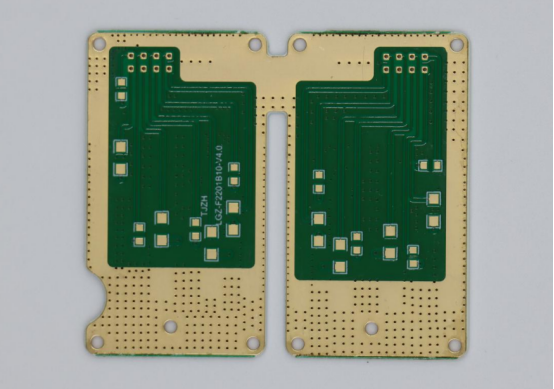
How to Understand and View UL Certification Marks on PCBs
The UL certification on PCBs ensures that the materials used meet rigorous fire safety standards. Understanding the UL mark and certification number on a PCB is crucial for manufacturers, designers, and consumers.
1. UL Mark and Certification Number
How to Find the UL Mark and Certification Number on a PCB?
The UL mark is usually visible on the surface of a PCB, often printed directly onto the silkscreen layer or edge of the PCB. This mark may be in the form of a small logo or text with a unique UL file number (e.g., "E123456"). This file number indicates the manufacturer or supplier that has passed UL’s testing process and certification.
What Does the UL Certification Number Mean?
The UL file number is a unique identifier assigned to a manufacturer once their materials or products pass UL’s safety standards. The file number is used to trace the product back to the specific manufacturer, confirming that the PCB was made with materials that meet fire safety and performance requirements.
Real-Life Example:
For example, if you’re working with a smartphone PCB and you see UL E123456, you can verify that the PCB was tested for safety and meets the required fire resistance levels. The certification confirms the PCB material has passed the UL 94V-0 or similar fire safety standards.
2. Material Grade Marking
What Are the Common Material Grade Markings?
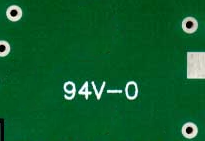
When inspecting a PCB for UL compliance, you will often find material grade markings like FR-4 or UL 94V-0. These markings provide information about the fire resistance and material composition of the PCB.
What Do FR-4 and UL 94V-0 Mean?
FR-4 : This is a common base material used for PCBs. It refers to a flame-retardant fiberglass-reinforced resin. This material is widely used in the electronics industry because of its durability and fire-resistant properties.
UL 94V-0: This indicates that the PCB material has passed the UL 94V-0 fire safety test, meaning it extinguishes itself within 30 seconds after the flame is removed and will not allow flames to spread.
Why Are These Markings Important?
These markings help verify that the PCB material has been tested for fire resistance and safety compliance. If your device uses FR-4 with a UL 94V-0 rating, you can be confident that the PCB will not catch fire easily, even in cases of short circuits or overheating.
Real-Life Example:
If you’re designing an industrial control system or consumer electronics, and you see a PCB marked with FR-4 and UL 94V-0, it tells you that the material has been tested to ensure the highest safety standards. This reduces the risk of fire in high-temperature or high-stress conditions.
3. UL Certification and Compliance Verification
How to Verify UL Certification When Purchasing PCBs?
Verifying that a PCB meets UL certification standards is crucial for ensuring safety and regulatory compliance. When purchasing PCBs, always check for the UL mark and file number on the product.
Here are the steps you can follow:
- Request Certification Documentation: Ask your supplier for the UL certificate or proof of compliance. They should provide the UL file number.
- Check the UL Website: You can look up the file number on the official UL online database to verify that the material or product is certified.
- Inspect the PCB Label: Make sure the UL mark and material grade (like UL 94V-0) are clearly visible on the PCB.
Why Is It Important to Verify UL Compliance?
Verifying UL compliance ensures that the PCB material meets safety standards for fire resistance and durability, reducing risks like electrical fires. It also ensures that your product complies with local regulations, which is critical when selling in international markets.
Real-Life Example:
If you are developing a medical device or automotive electronics, verifying the UL certification of the PCBs ensures that the components used meet the strict safety standards required for these high-risk applications. A PCB without UL certification could expose your product to regulatory fines, recalls, or even legal liability if a fire hazard occurs.
Special Testing for PCB Materials: Copper-Clad Laminate Testing
Copper-Clad Laminate (CCL) is a critical component of PCBs. The fire resistance of CCL is vital to ensuring the safety and reliability of electronic devices. To evaluate the fire safety of CCL materials, special testing is conducted, simulating real-world conditions to assess how the materials will perform during a fire. Below is an overview of the testing objectives, process, and importance of obtaining a UL file number after testing.
1. Testing Objects and Goals
What is the Basic Structure of Copper-Clad Laminate (CCL)?
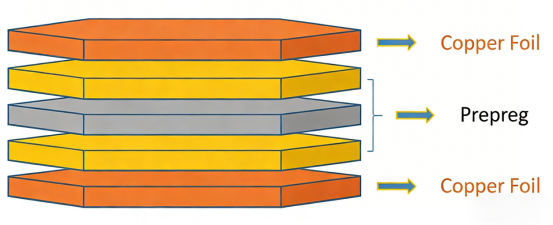
Copper-Clad Laminate (CCL) is made up of two primary components:
Prepreg: A combination of resin and fiberglass that is not yet fully cured. It is used to form the base layer of the laminate.
Pressed Copper Layer: The prepreg is then pressed with a layer of copper foil, creating the final copper-clad laminate used in PCBs.
Together, these components form the core structure of most PCBs, providing mechanical strength and the ability to conduct electricity.
How is Fire Performance Tested in Real-World Conditions?
The goal of CCL testing is to simulate how the laminate will react to heat, flames, and electrical malfunctions in a real-world environment. Since PCBs often operate under electric current and high temperatures, these materials must be able to withstand short circuits, electrical failures, or overheating without catching fire.
Testing mimics real-world scenarios such as:
- Short circuits causing overheating.
- Electrical arcs producing sparks.
- Exposure to prolonged heat from malfunctioning components.
Real-Life Example:
When testing a smartphone PCB, the CCL used in the board is exposed to conditions similar to those it might face during a short circuit or overheating. This helps ensure that if something goes wrong, the PCB won't catch fire and cause further damage to the phone or pose a risk to the user.
2. Rigorous Testing Process
How Does CCL Testing Differ from Regular Plastic Material Testing?
Testing Copper-Clad Laminates (CCL) is more rigorous than testing standard plastics. This is because CCL materials must not only resist fire but also perform well under electrical stress and thermal conditions. Regular plastic materials are generally tested for their ability to resist flames, but they don't face the additional challenges of conducting electricity or managing the heat produced in a working PCB.
Electrical and Thermal Stress Handling
The tests for CCL materials involve exposing the laminate to high electrical loads and extreme temperatures. These stress tests ensure that the material will not fail during normal operation, such as when the PCB carries high voltage or when it experiences electrical shorts.
For example, CCL used in power supplies or battery-operated devices must endure intense heat and current while maintaining integrity and fire resistance.
Real-Life Example:
A power supply PCB that uses Copper-Clad Laminate must be able to handle high currents without burning or catching fire. In testing, the CCL is exposed to heat levels and electrical overloads to simulate real-life conditions, ensuring that if a short circuit occurs, the PCB will not ignite or fail in a dangerous way.
3. The Importance of Obtaining a UL File Number
Why is the UL File Number Important?
Once a CCL material passes the required tests, it receives a UL file number (e.g., E123456). This number serves as a certification that the material has passed UL’s fire resistance tests and meets safety standards. The UL file number is important because it acts as an official record of compliance, helping manufacturers and suppliers verify that the material has been tested and approved.
What Does the UL File Number Signify?
The UL file number is a unique identifier that links the product to the manufacturer and UL's testing records. It provides traceability for regulatory compliance, ensuring that the materials used in PCBs meet the fire resistance standards required by global markets.
Additionally, the file number can be used to look up the specific test results and certification details, offering transparency in the materials used in PCB manufacturing.
Real-Life Example:
If a medical device manufacturer is sourcing PCBs for a new product, they can use the UL file number to confirm that the Copper-Clad Laminate used in the PCB has been tested for fire safety. The manufacturer can verify this by looking up the file number on the UL database, ensuring the CCL material meets strict fire safety standards required for medical devices.
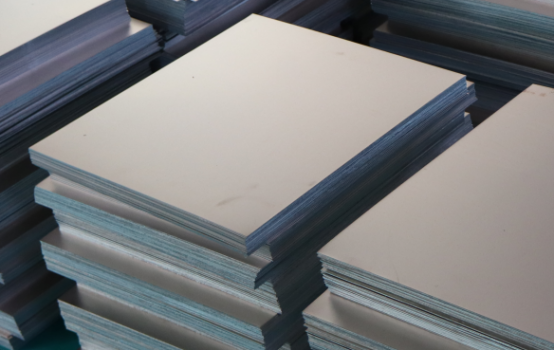
The Process of Choosing UL Fire-Rated PCB Materials
Selecting the right UL fire-rated materials for PCBs is crucial for ensuring safety, reliability, and compliance with industry standards. This process involves understanding the fire resistance requirements for your application, working closely with manufacturers, and verifying the material's UL certification.
1. How to Choose the Right Fire-Rated Material?
How to Select the Appropriate UL Fire Rating for Your Application?
The first step in choosing a fire-resistant PCB material is understanding your specific application and the level of fire resistance required. Common UL fire ratings include V-0, 5VA, and others. Here’s how to choose the right one:
- V-0 Rating: If you’re designing a consumer electronic device like smartphones, computers, or home appliances, the V-0 rating is often the best choice. This rating ensures that the material will stop burning within 30 seconds and is ideal for products that could experience electrical shorts or overheating.
- 5VA Rating: For critical applications where the product will be exposed to extreme conditions, such as industrial control systems or automotive electronics, you may need a 5VA-rated PCB. This rating offers the highest level of fire resistance and ensures that the material can withstand prolonged exposure to flames.
- V-1 and V-2 Ratings: These are suitable for less demanding applications where the risk of fire is lower, such as low-cost consumer electronics or toys. However, these ratings do not offer the same level of safety as V-0 or 5VA.
Real-Life Example:
If you're designing a smartphone PCB, you'll likely choose V-0-rated materials since these devices are prone to overheating, and safety is a top priority. On the other hand, a vehicle’s dashboard PCB may require a 5VA rating to ensure maximum protection under high-temperature conditions.
2. Collaborating with Manufacturers to Ensure Material Compliance
How to Work with PCB Manufacturers to Ensure UL Compliance?
Collaborating with your PCB manufacturer is essential to ensure that the materials used in your PCB meet the required UL fire resistance standards. Here’s how to ensure compliance:
- Communicate Your Requirements: Clearly communicate the specific fire rating (e.g., V-0, 5VA) needed for your project. Discuss the environment and conditions where the PCB will be used to help the manufacturer choose the appropriate material.
- Request UL-Approved Materials: Ask the manufacturer to provide UL-certified materials for your PCB. The manufacturer should have access to materials that meet UL fire resistance standards, and they should be able to supply the necessary documentation to confirm this.
- Confirm Manufacturer's Certification: Ensure that the manufacturer has a valid UL certification for their production process. This ensures they can consistently provide PCBs made from fire-resistant materials that meet safety standards.
Real-Life Example:
If you're producing medical devices, it’s crucial to work with a manufacturer who can provide UL-certified materials that meet the V-0 or 5VA rating. These devices are used in environments where safety and reliability are non-negotiable, and collaborating with the right manufacturer ensures compliance and minimizes risk.
3. How to Verify UL Certification Documents?
How to Verify the UL Certification Documents for PCBs?
When procuring UL-certified PCBs, it’s important to verify the UL certification number and check the associated documentation to ensure that the materials meet the required fire resistance standards. Here’s how to do it:
- Request the UL File Number: The manufacturer should provide the UL file number (e.g., E123456), which identifies the product and its certification details.
- Check the UL Database: Verify the UL file number by searching it on the official UL database. The database will confirm the material’s fire resistance rating and any other relevant testing information.
- Review the Manufacturer’s UL Certification: Ensure that the PCB manufacturer provides valid documentation showing the UL certification of the material used. This includes the specific fire rating (e.g., UL 94V-0) and other details related to the testing process.
Why Is Verifying UL Certification Important?
Verifying UL certification is crucial to ensure the fire resistance and safety of your PCB materials. A non-compliant PCB may not meet industry standards, leading to product recalls, safety hazards, or regulatory penalties.
Real-Life Example:
When sourcing PCBs for an industrial application, you should verify the UL file number to ensure the material has passed the required fire safety tests. Without proper verification, you could risk using materials that don’t meet necessary safety standards, which could lead to failures in high-risk environments.
Conclusion
Choosing the right UL fire-rated PCB material is essential for ensuring safety, reliability, and compliance with industry standards. Whether you need a V-0 rating for consumer electronics or a 5VA rating for high-risk applications, it’s crucial to select materials that meet the necessary fire resistance standards. By collaborating with manufacturers and verifying UL certification, you can ensure that your PCBs are safe, durable, and ready for market.
For those looking for high-quality UL-certified PCB materials, PCBMASTER offers a comprehensive range of options, tailored to meet your specific needs. With years of experience in the industry, PCBMASTER ensures that all materials are tested and certified to meet the highest standards. Whether you're designing for consumer electronics, medical devices, or industrial applications, PCBMASTER provides reliable solutions to help you succeed.
Contact PCBMASTER today and take the next step in creating safer, more reliable electronic products.
FAQ
1. What is the UL 94V-0 Rating?
The UL 94V-0 rating is part of the UL 94 standard, a widely recognized certification for the flammability of materials used in electrical devices and components. Specifically, the V-0 rating means that the material:
- Self-extinguishes within 30 seconds after the flame is removed.
- Does not produce burning drops that could potentially ignite other materials.
This rating is important for PCBs because these boards are often used in electronic devices that are exposed to electrical currents, which can lead to overheating or short circuits. PCBs with UL 94V-0-rated materials are designed to prevent fire hazards in such situations.
Application in PCBs:
V-0 is the most common and critical rating for consumer electronics, automotive electronics, and industrial devices, ensuring that the PCB material is safe under electrical stress.
2. How to Determine if a PCB Meets UL Fire Safety Standards?
To determine if a PCB meets UL fire safety standards, check for the UL mark and certification number printed directly on the board, typically in the silkscreen layer or edge of the PCB. This information will indicate the specific UL rating the material has achieved.
Steps to check:
- Look for the UL logo or UL file number (e.g., E123456) on the PCB.
- The UL file number corresponds to the manufacturer and ensures that the material has been tested according to UL standards.
- Verify the UL file number using the official UL database to ensure the material meets the required fire resistance levels.
Example: If a PCB used in a smartphone has the UL 94V-0 rating and the corresponding file number, you can be confident that it meets the required fire safety standards for consumer electronics.
3. What is the Relationship Between PCB Fire Rating and Safety?
The fire rating of a PCB material directly impacts the safety of the electronic product in which it is used. A higher rating, such as V-0, indicates better resistance to fire and faster self-extinguishing times, reducing the risk of fires spreading inside the device. Materials that meet V-0 standards are designed to handle high temperatures and electrical malfunctions without posing a fire risk.
- V-0: Ensures fast flame extinguishing within 30 seconds.
- V-1: Takes up to 60 seconds for flame extinguishment but may produce burning droplets.
- V-2: Similar to V-1, but burning droplets are allowed, posing a higher risk.
Example: A V-0-rated PCB in a laptop ensures that, in case of an electrical fault, the material will not continue to burn, preventing damage to the device or fire hazards for the user.
4. How Do PCB Material Testing Standards Differ from Regular Plastic Testing?
The testing process for PCB materials is more stringent than for standard plastics because PCBs need to withstand both electrical and thermal stress in addition to fire. The UL 94V-0 test focuses on self-extinguishing time and fire propagation under real-world conditions like short circuits and overheating.
- Copper-Clad Laminate (CCL) Testing: The CCL is tested not just for its fire resistance but also for how well it handles electrical current and heat. The material must show that it will not ignite or continue burning even when subjected to extreme electrical conditions.
- Difference from Regular Plastic: While plastic materials are usually tested for basic flame resistance, PCB materials are tested for how they behave when exposed to electricity, heat, and fire. These additional factors make PCB testing more complex.
Example: A smartphone PCB made of Copper-Clad Laminate (CCL) will be tested for its electrical conductivity and flame resistance. The material must pass these combined tests to ensure it performs safely during everyday use and under stress.
5. Why is the V-0 Rating Commonly Required for Electronic Products?
The V-0 rating is widely used in electronics because it offers the highest level of fire safety among the V-class ratings. Electronics like smartphones, computers, and home appliances generate heat and may experience electrical shorts or overheating during operation. The V-0 rating ensures that the PCB material will self-extinguish quickly, reducing the risk of fire hazards.
- Consumer electronics: Devices like laptops, tablets, and smartphones often use V-0-rated materials for PCBs to meet safety standards.
- Safety standards compliance: V-0 is required for UL certification in many countries, ensuring the product can be legally sold in global markets.
Real-Life Example: A V-0-rated PCB in a smartphone ensures that if the phone experiences overheating, the PCB will not catch fire, helping to protect both the device and the user.
About the Author

Carol Luo
PCB Design EngineerI'm Carol, a PCB Engineer at PCBMASTER with experience in PCB design and manufacturing engineering since 2018. I focus on translating engineering requirements into reliable PCB solutions, with expertise in stack-up design, material selection, and design-for-manufacturing (DFM). I share practical engineering insights from real-world PCB design and production experience.
Visit Carol Luo's Profile