








The Role of PCB Insulation in Protecting Plug-In Components from Damage
Plug-in components are essential to the functioning of many electronic devices, providing flexibility and ease of use. These components, found in everything from computers to industrial machinery, allow users to replace or upgrade parts with minimal effort. However, due to their exposure to electrical and thermal stress, plug-in components are at risk of damage. This is where PCB (Printed Circuit Board) insulation becomes crucial.
PCB insulation serves as a protective layer, preventing electrical faults like short circuits and reducing the risk of thermal damage. By isolating sensitive circuits and managing heat distribution, it ensures that plug-in components operate reliably without interference or overheating. Without proper insulation, these components could fail prematurely, affecting the overall performance and lifespan of electronic devices. In short, PCB insulation is indispensable for maintaining the functionality and durability of plug-in components in today’s technology-driven world.
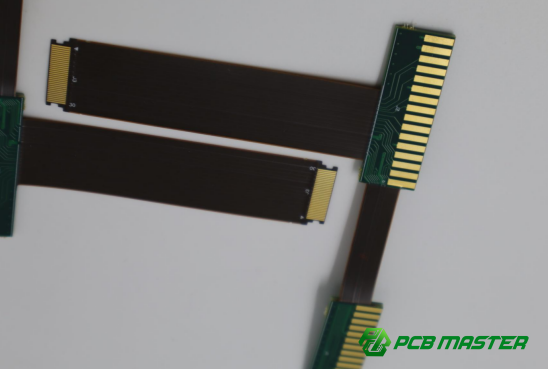
What Is the Role of PCB Insulation in Protecting Plug-In Components?
PCB insulation protects plug-in components by preventing electrical faults, managing heat buildup, and isolating sensitive circuits from potential damage.
How Does PCB Insulation Prevent Electrical Damage to Plug-In Components?
PCB insulation prevents electrical damage by ensuring a safe environment for plug-in components to operate.
Preventing Short Circuits: One of the primary roles of PCB insulation is to prevent short circuits. Short circuits occur when electrical paths that should remain separate come into contact. PCB insulation helps isolate different voltage paths, ensuring that they do not touch and cause unwanted current flow. This isolation reduces the risk of electrical fires or component failures. For example, in densely packed circuit boards, the insulation material ensures that high and low voltage circuits remain separated.
Preventing Electrostatic Discharge (ESD): Electrostatic discharge (ESD) can cause significant damage to sensitive plug-in components. Insulation materials used in PCBs help reduce the buildup of static electricity, protecting components from sudden electrical surges. In high-precision electronics, such as computer motherboards, ESD can damage microchips or cause them to malfunction. Proper PCB insulation helps prevent this issue by dissipating static charges before they can harm components.
Isolating High Voltage: In devices that operate in high voltage environments, insulation acts as a barrier to prevent high voltages from affecting low-voltage components. For instance, in power supply units or industrial equipment, the insulation layer ensures that high voltage does not leak into areas where it could damage sensitive parts. By providing a solid electrical barrier, PCB insulation safeguards plug-in components from electrical spikes or surges.
How Does PCB Insulation Protect Plug-In Components from Thermal Damage?
PCB insulation helps to manage and regulate heat, preventing thermal damage to plug-in components.
Thermal Isolation: When electronic components work, they generate heat. Without proper heat management, this can cause overheating, leading to component failure. PCB insulation acts as a thermal barrier, preventing heat from transferring from one part of the circuit to another. For example, insulation prevents heat generated by a high-power component from damaging nearby sensitive parts, like microprocessors or memory chips.
High-Temperature Protection Materials: Some PCBs use high-temperature resistant materials like polyimide films, which can withstand extreme heat. These materials are used in environments where components are exposed to higher temperatures, such as automotive electronics or power electronics. Polyimide, for example, can handle temperatures up to 300°C, ensuring that plug-in components remain safe from heat-related damage in high-power applications.
Managing Temperature Fluctuations: Electronic devices are often exposed to varying temperatures, which can cause components to expand and contract. This thermal expansion can cause mechanical stress and lead to damage over time. Insulation materials in PCBs help mitigate the effects of temperature fluctuations by offering thermal stability. For instance, in devices that face rapid temperature changes, such as servers or consumer electronics, insulation helps maintain a steady temperature, reducing stress on plug-in components.
How Does PCB Insulation Contribute to the Longevity of Plug-In Components?
PCB insulation extends the lifespan of plug-in components by protecting them from environmental, mechanical, and electrical stress.
Protection from Environmental Factors: Plug-in components are exposed to environmental conditions such as moisture, dust, and chemicals. PCB insulation helps protect sensitive components by forming a shield against these environmental hazards. For instance, in industrial equipment, PCB insulation helps prevent corrosion from moisture or chemicals, ensuring that the components remain functional and reliable over time.
Reducing Mechanical Damage: When plug-in components are inserted or removed, they can experience physical stress. Over time, this mechanical stress can lead to component failure. The insulation layer provides cushioning, reducing the direct contact and stress on the components. Additionally, PCB insulation can help absorb vibrations, reducing the chances of physical damage that could occur in environments where equipment is frequently moved or shaken.
Lowering Failure Rates: Electrical and thermal stresses are two primary causes of component failure. PCB insulation reduces the risk of electrical failures by preventing short circuits and controlling heat buildup. This helps to lower the overall failure rate of plug-in components, leading to fewer repairs and longer-lasting performance. For example, in high-stakes applications like medical devices or aerospace systems, reliable insulation ensures that components maintain their functionality without frequent breakdowns.
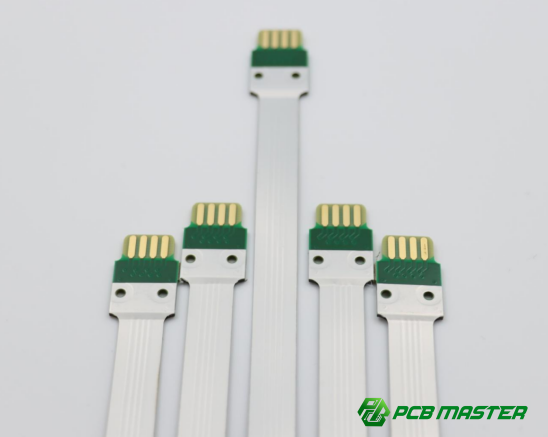
What Types of PCB Insulation Are Best for Protecting Plug-In Components?
Several types of PCB insulation materials are commonly used to protect plug-in components, each offering specific advantages based on the application. Below are some of the most widely used materials in the industry:
Epoxy Resin Coatings
Epoxy resin coatings are one of the most commonly used PCB insulation materials, known for their cost-effectiveness and efficiency.
Why is it used? Epoxy resin is a durable and reliable material that offers excellent electrical insulation properties. It is widely used due to its relatively low cost and ease of application. This makes it suitable for general-purpose PCBs where high thermal resistance is not a primary concern.
Benefits:
- Affordable: Epoxy resin is a cost-effective solution for insulating PCBs, making it an ideal choice for mass production.
- Good electrical insulation: It provides solid protection against electrical shorts and interference.
- Versatile: Epoxy coatings can be applied in a variety of industries, from consumer electronics to industrial equipment.
Example: In consumer devices like smartphones or laptops, epoxy resin is often used to coat PCB surfaces, ensuring the components are electrically insulated and protected from environmental factors.
Polyimide Films
Polyimide films are used in high-temperature environments to provide strong thermal protection for plug-in components.
Why is it used? Polyimide is a high-performance material that is resistant to extreme temperatures. It can withstand temperatures ranging from -270°C to +400°C, making it ideal for applications that involve heat-sensitive components or environments with fluctuating temperatures.
Benefits:
- Excellent thermal stability: Polyimide films offer strong resistance to heat, making them suitable for high-power or high-temperature applications.
- Electrical insulation: In addition to thermal properties, polyimide also offers superior electrical insulation, which is crucial in power electronics.
- Durability: Polyimide materials are highly durable, providing long-lasting protection to the components they cover.
Example: Polyimide is often used in the aerospace industry, where components are exposed to high levels of heat during operation. It's also found in some power supplies and motor controls, where temperature management is critical.
Ceramic Materials
Ceramic materials are ideal for high-power applications where superior thermal isolation is necessary.
Why is it used? Ceramics, such as alumina and beryllia, are used in PCB insulation when the device requires exceptional heat resistance and electrical insulation. They are typically found in high-power electronics, like industrial machinery or power distribution systems, where other materials may not provide sufficient thermal protection.
Benefits:
- Exceptional thermal management: Ceramic materials are excellent at isolating heat, keeping high-power components from overheating.
- High electrical insulation: They offer superior electrical insulation properties, ensuring the safe operation of high-voltage components.
- Durability in harsh environments: Ceramics are highly resistant to chemicals, moisture, and physical damage, which makes them ideal for industrial and high-risk environments.
Example: In electric vehicle (EV) charging stations and power converters, ceramic materials are used in PCBs to prevent overheating of high-power components and to maintain safe, efficient operation.
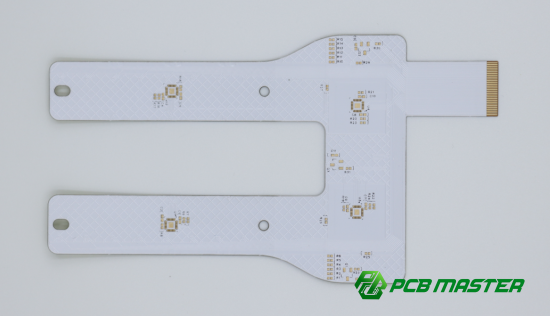
What Are the Benefits of PCB Insulation for Plug-In Component Protection?
PCB insulation provides several key advantages that enhance the reliability and longevity of plug-in components. These benefits include improved safety, enhanced component stability, and reduced maintenance costs, all of which contribute to the overall performance of electronic devices.
Improved Safety
PCB insulation significantly improves safety by reducing the risks of electrical hazards such as fires and electric shocks.
Prevents Electrical Fires: Without proper insulation, electrical shorts or overloads could lead to overheating, which might cause fires. PCB insulation acts as a barrier, preventing unintended contact between conductive paths, reducing the risk of fire.
Protects Against Electric Shocks: Insulation also prevents the flow of electricity where it shouldn't be, minimizing the risk of electric shocks to users or technicians handling the device.
Example: In household appliances or power supplies, the insulation on the PCB ensures that the electrical current stays contained, protecting both users and the device from dangerous exposure.
Enhanced Component Stability
PCB insulation helps maintain the stability of plug-in components by protecting them from electrical interference and ensuring signal integrity.
Prevents Signal Interference: Insulation reduces the chances of electromagnetic interference (EMI) , which can disrupt signal transmission. By isolating different electrical paths, it keeps the signals clear and stable.
Improves Performance Consistency: Insulation ensures that each component in the device works as intended, without fluctuations caused by external electrical noise or cross-talk between circuits.
Example: In communication devices like smartphones or routers, PCB insulation ensures that signals are transmitted without distortion, maintaining the quality of service.
Reduced Maintenance Costs
Effective PCB insulation helps lower long-term maintenance costs by reducing the frequency of repairs and extending the lifespan of plug-in components.
Decreases Failure Rates: Proper insulation prevents many common causes of component failure, such as electrical shorts and thermal damage. This leads to fewer breakdowns and repairs over time.
Longer Device Lifespan: By protecting sensitive components from damage, PCB insulation helps increase the overall lifespan of the device, thus reducing the need for frequent part replacements or repairs.
Example: In industrial machinery, where downtime can be costly, PCB insulation helps keep the system running smoothly and minimizes expensive maintenance by preventing failures from electrical or thermal issues.

What Are the Challenges of Using PCB Insulation to Protect Plug-In Components?
While PCB insulation is essential for protecting plug-in components, its use can present several challenges. These challenges include cost issues, space limitations, and the need for effective thermal management. Below, we explore these challenges in more detail.
Cost Issues
High-quality insulation materials often increase production costs, making it a challenge for manufacturers to balance quality and cost.
Material Costs: Premium insulation materials like polyimide films or ceramic-based coatings are more expensive than standard options like epoxy resin. These materials offer enhanced performance, especially in high-temperature or high-power applications, but they can significantly raise manufacturing costs.
Manufacturing Complexity: The use of specialized insulation materials might require more complex manufacturing processes or additional steps, further driving up costs. Additionally, some advanced insulation materials may require specific handling and expertise, which adds to the overall expense.
Example: In high-performance electronics such as power supplies or industrial equipment, where polyimide or ceramic materials are often used, the increased material costs are justified by the need for reliability and longevity. However, for mass-market consumer electronics, the higher cost may not be feasible.
Design Space Limitations
Thick insulation layers can take up valuable space on the PCB, potentially affecting the overall layout and design.
Increased Component Size: To provide effective insulation, the thickness of the insulation layer may need to be increased, which can reduce the available space for other components on the PCB. In compact designs, this can lead to challenges in fitting all required parts, especially when dealing with high-density circuit boards.
Design Constraints: The added insulation can also impact the flexibility of circuit design, making it harder to optimize the layout for efficiency and cost-effectiveness. Engineers may have to sacrifice some design freedom to accommodate thicker insulation.
Example: In mobile phones or wearables, where space is extremely limited, designers must find a balance between effective insulation and maximizing available space for other components. Excessively thick insulation could result in a bulkier, less efficient design.
Thermal Management Balance
Over-insulating a PCB can interfere with heat dissipation, which may negatively impact the performance of plug-in components.
Heat Buildup: Insulation materials are designed to protect against heat and electrical damage, but they can also trap heat within the components. Excessive insulation may prevent the efficient dissipation of heat, leading to overheating. This is especially critical in high-power applications where components generate significant heat.
Need for Heat Management Solutions: To overcome this challenge, PCB designs often incorporate additional heat management strategies, such as heat sinks or thermal vias, but these solutions can be complex and costly. Balancing effective insulation with heat dissipation becomes crucial in these situations.
Example: In high-performance computers or gaming consoles, where powerful processors and graphics cards generate substantial heat, the insulation must be carefully balanced with cooling mechanisms. In these cases, overly thick insulation could exacerbate heat buildup, affecting the overall performance of the device.
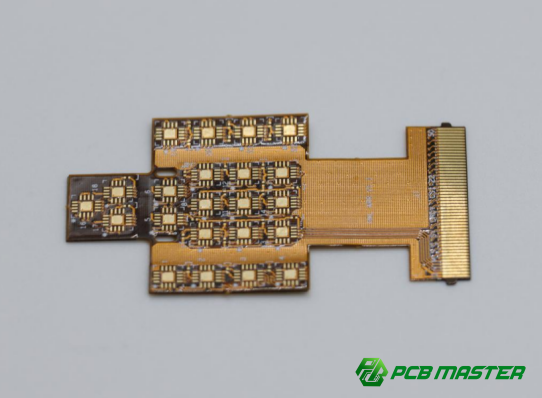
How Can PCB Insulation Be Optimized for Different Plug-In Components?
Optimizing PCB insulation for different plug-in components ensures that each component is protected effectively, improving performance and reliability. To achieve this, the insulation must be tailored to the specific requirements of the component's size, the environment in which it operates, and the balance between cost and performance.
Adjusting Insulation Thickness Based on Component Size
For compact plug-in components, thinner insulation layers are typically required to maintain efficiency and fit within the limited space.
Why adjust insulation thickness? Small, compact components, like those found in mobile devices or wearables, require minimal insulation to avoid taking up too much space. Thin insulation layers still provide sufficient protection against electrical and thermal damage without compromising the overall design and size of the device.
Benefits:
- Space optimization: Thin insulation ensures that the available space on the PCB is used efficiently, allowing for more components or a more compact overall design.
- Lightweight designs: Reducing the thickness of insulation helps keep the device lighter, which is essential for mobile electronics.
Example: In smartphones or smartwatches, where space is at a premium, using a thinner layer of insulation, such as epoxy resin, allows for more compact designs without sacrificing protection.
Choosing the Right Material for the Working Environment
The choice of insulation material should be based on the working environment, such as temperature, humidity, and exposure to chemicals.
Why choose the right material? Different components operate in varying environments, and insulation must be selected to withstand these conditions. For example, high-temperature environments may require polyimide films, while components exposed to moisture may need materials with better water resistance, like silicone coatings.
Benefits:
- High-temperature environments: Materials like polyimide are resistant to high temperatures and can withstand heat in applications like automotive electronics or power supplies.
- Humidity and chemical resistance: For components used in harsh environments, such as industrial machinery or outdoor equipment, choosing corrosion-resistant insulation materials ensures longevity and durability.
Example: In automotive applications, where electronics are exposed to high temperatures and humidity, polyimide or ceramic-based insulation materials help protect the components, ensuring reliable performance over time.
Balancing Cost and Performance
Choosing insulation materials that balance both cost and performance is essential, especially when working with budget constraints.
Why balance cost and performance? While high-performance materials like polyimide and ceramic offer superior protection, they come at a higher cost. For devices where cost is a significant concern, such as consumer electronics, manufacturers need to strike a balance between protection and affordability.
Benefits:
- Cost-effective options: For mass-produced electronics like TVs or computers, cost-effective materials like epoxy resin can be used without sacrificing too much performance.
- Tailored protection: Manufacturers can select insulation materials based on the criticality of the components and environmental factors, ensuring that the necessary protection is provided without overspending.
Example: In budget-friendly consumer electronics, manufacturers often use epoxy resin or silicone-based coatings to balance affordability with reliable protection, ensuring that the components are sufficiently protected without increasing production costs.
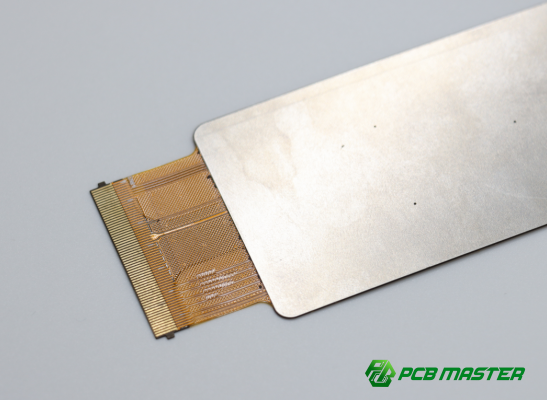
Conclusion
PCB insulation plays an indispensable role in protecting plug-in components from electrical, thermal, and mechanical damage. By preventing short circuits, managing heat buildup, and reducing the risk of component failure, PCB insulation ensures that electronic devices function reliably and efficiently. Investing in high-quality insulation not only enhances product performance but also significantly extends the lifespan of components, reducing the need for costly repairs and replacements. For manufacturers and engineers, choosing the right insulation material is crucial to optimizing both safety and cost-effectiveness.
When looking for reliable solutions in PCB and PCBA (Printed Circuit Board Assembly) , companies like PCBMASTER stand out. With years of experience in the industry, PCBMASTER is dedicated to providing high-quality products, including robust insulation layers. Their expertise ensures that each component is protected to the highest standard, delivering reliable performance for a wide range of applications. Whether you're designing consumer electronics, automotive systems, or industrial machinery, PCBMASTER's commitment to quality insulation ensures that your components stay safe and operational for the long term.
FAQs
1. Why is PCB insulation important for protecting plug-in components?
PCB insulation is crucial because it helps protect plug-in components from several types of damage, including electrical shorts, thermal overheating, and mechanical stress. Without proper insulation, the circuits in the PCB can short-circuit, causing malfunctions, or they may overheat, damaging sensitive components. Insulation also prevents physical wear and tear, ensuring that the components are not exposed to environmental factors like moisture, dust, or static electricity, which could lead to component failure. Overall, PCB insulation ensures that plug-in components operate safely, efficiently, and reliably, which is especially important for high-performance devices and electronics.
2. What types of PCB insulation materials are best for plug-in component protection?
The most common and effective PCB insulation materials include:
- Epoxy Resin Coatings: Epoxy resin is widely used due to its excellent electrical insulating properties and cost-effectiveness. It provides reliable protection against moisture, dust, and static buildup. Epoxy is typically used in consumer electronics and other devices where high heat resistance is not a major concern.
- Polyimide Films: Polyimide is a high-performance insulation material that can withstand extreme temperatures (up to 300°C or more), making it ideal for high-temperature applications. It’s commonly used in automotive electronics, aerospace systems, and other industries where thermal stability is crucial.
- Ceramic-Based Insulation: Ceramic materials, such as alumina or beryllia, are used for high-power applications where superior thermal and electrical insulation is required. They provide exceptional heat resistance and are often found in power supplies, electric vehicle chargers, and industrial machinery.
Each of these materials offers distinct advantages depending on the specific requirements of the application, such as temperature tolerance, space constraints, and cost considerations.
3. Can PCB insulation completely eliminate the risk of component damage?
No, PCB insulation cannot completely eliminate the risk of component damage in all circumstances. While it significantly reduces the likelihood of electrical faults and thermal damage, extreme conditions like power surges, severe thermal cycling, or physical impact could still lead to component failure. For example, a large voltage spike could potentially overwhelm the insulation, or extreme temperatures could damage both the insulation and the components themselves. However, with proper design and high-quality materials, PCB insulation greatly mitigates many of the common risks that lead to component failure, ensuring reliable operation for most practical applications.
4. How does PCB insulation contribute to the longevity of plug-in components?
PCB insulation enhances the longevity of plug-in components by providing crucial protection against electrical, thermal, and mechanical stresses. It helps prevent short circuits by isolating electrical paths and reducing the risk of overheating by controlling the heat distribution. Additionally, insulation acts as a barrier against moisture, dust, and chemicals that could otherwise degrade components over time. By reducing these risks, PCB insulation minimizes wear and tear, lowering the likelihood of component failure. As a result, components last longer, require fewer repairs, and maintain their performance over extended periods, making them more reliable and cost-effective for end users.
5. Are there any downsides to using PCB insulation for plug-in components?
While PCB insulation offers many benefits, there are some downsides to consider:
- Increased Costs: High-quality insulation materials, such as polyimide or ceramics, can be expensive, which may increase the overall production cost of the device. This is especially true for devices that require high-performance insulation for harsh environments.
- Space Utilization: Thick insulation layers can take up valuable space on the PCB. This is particularly challenging in compact devices where every millimeter counts. A thicker insulation layer may limit the number of components that can be placed on the board, affecting the design and efficiency of the device.
- Heat Dissipation Issues: Over-insulating the PCB can trap heat, preventing effective heat dissipation from high-power components. This could lead to overheating unless additional thermal management strategies, like heat sinks or thermal vias, are incorporated. Balancing insulation thickness with effective cooling solutions is key to maintaining performance.
Thus, while PCB insulation is essential, designers must carefully consider these factors and find the right balance between protection, cost, space, and thermal management to ensure the optimal performance of the device.
About the Author

Carol Luo
PCB Design EngineerI'm Carol, a PCB Engineer at PCBMASTER with experience in PCB design and manufacturing engineering since 2018. I focus on translating engineering requirements into reliable PCB solutions, with expertise in stack-up design, material selection, and design-for-manufacturing (DFM). I share practical engineering insights from real-world PCB design and production experience.
Visit Carol Luo's Profile