








What is PCB Via Filled with Resin? Benefits and Applications Explained
Think about the device you rely on every day—whether it's your laptop, keeping you productive through long hours, or your car, navigating busy streets with real-time data. Both are powered by intricate PCBs, many of which use resin-filled vias to ensure they can handle heat, stress, and demanding conditions without skipping a beat. From preventing overheating in your smartphone to ensuring your car’s safety systems stay reliable under pressure, resin-filled vias are quietly making modern technology more resilient than ever. Let’s take a closer look at how this simple yet powerful solution is shaping the future of electronics.
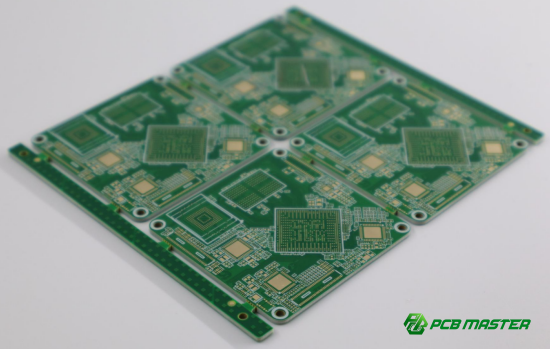
What is a PCB Via Filled with Resin?
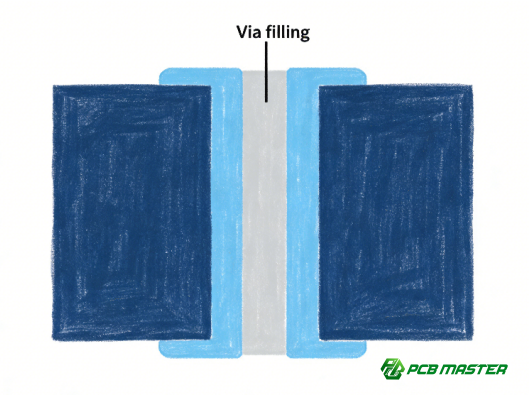
A resin-filled via is a via in a printed circuit board (PCB) that is completely filled with resin to enhance mechanical strength, thermal management, and electrical insulation, offering improved reliability compared to unfilled vias.
Definition of PCB Via
A PCB via is a small hole that connects different layers of a PCB. These vias allow electrical signals to pass between the various layers, which is essential for creating complex, multi-layered circuit boards. Think of vias as the "bridges" that connect different parts of a city, allowing traffic (electrical signals) to move from one area to another. Vias are drilled through the board and then plated with copper to allow electrical current to travel between the layers.
There are several types of vias, each suited for different PCB designs:
- Through-Hole Vias: These are the most common type, passing all the way through the board.
- Blind Vias: These connect an outer layer to one or more inner layers but do not go all the way through the board.
- Buried Vias: These are entirely contained within the inner layers of the PCB and do not connect to the outer layers.
- Micro Vias: Smaller vias, typically used in high-density interconnect (HDI) boards, often created using laser drilling.
Each type of via is chosen based on the design requirements of the PCB, such as the number of layers and the need for signal routing.
What Does "Resin-Filled" Mean?
When we say a via is "resin-filled," we mean that the hole (via) is filled with a material like epoxy resin before it is processed further. This resin helps to improve the PCB’s mechanical strength, insulation, and thermal management. The process of filling vias with resin involves injecting or applying resin into the via hole, followed by curing it to harden. This filling makes the PCB more durable and resistant to damage from environmental factors like moisture, heat, or vibrations.
Common types of resins used for via filling include:
- Epoxy Resin: A thermosetting resin that hardens when cured, providing good electrical insulation and mechanical strength.
- Thermosetting Resins: These resins cure at high temperatures and offer great heat resistance and durability.
The resin-filled via process enhances the overall functionality and longevity of the PCB, making it ideal for high-performance applications where reliability is crucial.
How Resin-Filled Vias Differ from Unfilled Vias
Resin-filled vias differ from unfilled vias in several key ways, impacting both their physical properties and their function in the PCB.
- Standard Vias (Unfilled Vias): In an unfilled via, the hole remains empty after drilling and plating. These vias rely solely on the copper plating for electrical conductivity and do not provide additional mechanical or thermal protection. While they are sufficient for many applications, they can be prone to damage under high-stress conditions, like thermal cycling or mechanical vibration.
- Resin-Filled Vias: In contrast, resin-filled vias are completely filled with resin, making them more robust and reliable. The resin filling adds extra strength, preventing cracking or delamination that can occur over time in unfilled vias. Additionally, the resin helps to manage heat and improve the electrical isolation between layers.
Comparison Table:
| Property | Unfilled Vias | Resin-Filled Vias |
| Mechanical Strength | Lower, prone to cracking | Higher, more durable |
| Thermal Management | Limited heat dissipation | Enhanced heat dissipation |
| Electrical Isolation | Standard insulation | Improved insulation |
| Moisture Resistance | Vulnerable to moisture | Resistant to moisture |
| Cost | Lower cost | Higher cost due to resin filling |
Visual and Structural Differences:
- Unfilled vias have a simple copper-plated hole, with no additional material inside.
- Resin-filled vias are completely filled, giving them a solid, uniform structure. This filling is visible on the surface of the PCB after processing and ensures a more reliable, long-lasting connection between the layers.
By filling the via with resin, PCBs are better equipped to handle harsh conditions, such as high temperatures and mechanical stress, making them suitable for high-performance and critical applications like automotive systems, mobile devices, and medical equipment.
What Are the Key Benefits of Resin-Filled Vias?
The key benefits of resin-filled vias include enhanced mechanical strength, improved thermal management, better electrical isolation, protection from contamination, easier manufacturing, and improved cost efficiency, all of which contribute to more reliable and durable PCBs.
Strengthening of PCB Structure
Resin-filled vias significantly enhance the structural integrity of a PCB. By filling the via with resin, the board gains additional strength, making it more durable, especially for thicker or larger PCBs. This added robustness helps prevent delamination (separation of layers) and cracking, which can happen when the PCB is exposed to mechanical stress or thermal cycling. For example, in devices like smartphones or automotive systems, where the PCB might undergo frequent temperature changes or vibrations, resin-filled vias provide critical support to keep the board intact and functioning reliably.
Enhanced Thermal Management
The resin filling in vias plays a vital role in heat dissipation. As electronic components generate heat, especially in high-power electronics like power supplies or temperature-sensitive devices (e.g., medical equipment), managing that heat becomes crucial to maintain performance and prevent overheating. Resin-filled vias act as thermal pathways, helping to spread the heat more efficiently across the PCB. This improved heat management ensures that sensitive components remain cool, extending their lifespan and preventing failure due to excessive heat buildup.
Electrical Isolation and Signal Integrity
One of the key benefits of resin-filled vias is enhanced electrical isolation. The resin provides a barrier between different layers of the PCB, preventing cross-talk (signal interference between layers) and other forms of electrical noise. This is particularly important in high-speed or high-frequency circuits, such as those used in 5G devices or high-end computers, where even minor interference can cause performance issues. By filling the vias with resin, signal integrity is preserved, ensuring reliable and clear data transmission across the PCB.
Prevention of Via Contamination
Resin filling helps prevent contamination in vias, especially moisture, dust, or other contaminants that could otherwise infiltrate the via and cause damage. Over time, moisture or contaminants can lead to corrosion or poor electrical connections, affecting the performance and reliability of the PCB. Resin-filled vias act as a protective seal, preventing these contaminants from entering the via. This is especially important in harsh environments, such as automotive or industrial settings, where devices may be exposed to moisture, chemicals, or extreme conditions. Resin-filled vias improve the long-term reliability of the PCB by protecting it against environmental factors.
Better Manufacturing Process
Resin-filled vias also make the PCB manufacturing process easier. The resin filling can make handling the PCB during assembly and testing smoother, as the vias are stronger and less likely to be damaged. Since the vias are solidly filled with resin, there is a reduced risk of accidental breakage or misalignment during the manufacturing stages. This is particularly beneficial when dealing with complex, multi-layered PCBs that require precise alignment for proper functioning. The resin filling also helps the drilling process, ensuring that vias are smoother and easier to work with.
Improved Cost Efficiency
Incorporating resin-filled vias can actually improve the cost-efficiency of PCB manufacturing. By reducing the likelihood of defective PCBs due to cracked or damaged vias, manufacturers can lower the risk of costly repairs or replacements. This is particularly important in high-volume production settings, where even a small reduction in defects can lead to significant savings. Additionally, products that use resin-filled vias tend to be more reliable, meaning fewer warranty claims or maintenance costs for end users. For instance, consumer electronics or automotive parts with resin-filled vias are less likely to fail early, leading to better customer satisfaction and lower overall lifecycle costs.
Applications of Resin-Filled Vias in PCB Manufacturing
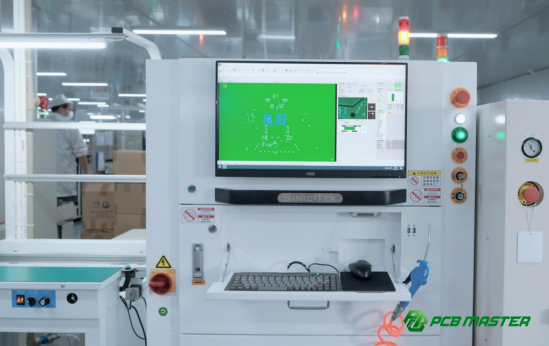
Resin-filled vias are used in PCB manufacturing across industries like consumer electronics, aerospace, automotive, medical devices, and power electronics to enhance durability, thermal management, electrical isolation, and long-term reliability in demanding environments.
High-Performance Electronics
Resin-filled vias play a crucial role in consumer electronics, such as smartphones, laptops, and gaming devices. These devices require PCBs that are both compact and capable of managing high-performance tasks without overheating. Resin-filled vias help dissipate heat efficiently, ensuring that the internal components stay cool under heavy use, which is especially important in mobile devices that are constantly on the move and have limited space for heat dissipation. Additionally, the electrical insulation provided by resin-filled vias prevents signal interference, ensuring smooth data transmission between different parts of the circuit.
For instance, in a smartphone, resin-filled vias allow the motherboard to handle the processing power required for tasks like gaming, video editing, and multitasking, all while managing the heat generated by these functions. This not only improves the device’s performance but also enhances its battery life and overall longevity by preventing overheating and circuit degradation.
Aerospace and Automotive Industries
The aerospace and automotive industries demand the highest levels of durability and reliability from their components. Resin-filled vias are essential in PCBs used in aircraft systems or automotive control systems, where extreme environmental conditions are common, such as high temperatures, vibrations, and exposure to chemicals. Resin provides extra strength to PCBs, preventing delamination or cracking, which is critical in these high-stakes applications where failures could have serious consequences.
For example, in an automobile’s electronic control unit (ECU) , resin-filled vias help ensure the PCB can withstand harsh vibrations and temperature fluctuations, making sure the vehicle’s safety features, such as anti-lock braking systems (ABS) and traction control, function without failure. In aerospace, the ability of resin-filled vias to endure extreme conditions ensures the continued reliability of critical systems, like navigation and flight control systems.
Medical Devices
In medical devices, especially those used in life-critical systems, reliability and performance are non-negotiable. Resin-filled vias help ensure long-term reliability of PCBs in devices such as pacemakers, insulin pumps, and diagnostic equipment. These devices often need to operate under varying environmental conditions, from body temperature to exposure to moisture and shock. The resin filling provides electrical insulation and structural support, ensuring that the PCB maintains its integrity over long periods of use.
For example, in a pacemaker, resin-filled vias ensure the PCB remains functional despite the constant movements and pressure changes inside the body. This filling helps protect the sensitive circuits from moisture or electrical interference, ensuring that the device can reliably monitor and regulate the heart's rhythm without malfunctioning.
Power Electronics
In the world of power electronics, resin-filled vias are essential for power supply circuits, electric vehicles (EVs) , and industrial machinery. These applications often generate significant amounts of heat that can damage components over time. Resin-filled vias help manage heat dissipation by directing excess heat away from sensitive components, improving the longevity of the PCB and ensuring the reliable operation of the system.
For example, in an electric vehicle, the battery management system (BMS) relies on PCBs with resin-filled vias to maintain optimal performance while minimizing the buildup of heat. Similarly, in industrial machinery, where high-power circuits are common, resin-filled vias ensure that the PCB remains structurally sound and free from damage due to thermal stress. This improved thermal management is critical for increasing the lifespan of power electronics and reducing maintenance costs over time.
Are Resin-Filled Vias Suitable for All PCB Types?
Resin-filled vias are not suitable for all PCB types; they are best used in high-performance applications where durability, heat dissipation, and electrical insulation are crucial, while simpler designs may not require the added complexity and cost.
When to Use Resin-Filled Vias
Resin-filled vias are ideal for PCB applications that require enhanced mechanical strength, heat dissipation, and electrical insulation. They are particularly suited for high-performance electronics, such as smartphones, gaming devices, and automotive control systems, where reliability under extreme conditions is crucial. For instance, in smartphones, resin-filled vias help manage the heat generated by processors, preventing overheating and extending the device’s lifespan. Similarly, in automotive systems, these vias ensure that the PCB remains functional under constant vibrations and temperature changes.
When deciding whether resin filling is the right choice for your design, consider the environment and stress levels the PCB will face. If the circuit board needs to withstand high thermal loads, moisture, or mechanical stress (e.g., in medical devices or industrial machinery), resin-filled vias can offer a durable solution. For standard consumer products that don't experience high thermal or physical strain, unfilled vias may be sufficient, making resin filling unnecessary.
Considerations for Choosing Resin-Filled Vias
Choosing resin-filled vias comes with important considerations. Cost is one factor to evaluate, as resin-filled vias are more expensive due to the additional materials and manufacturing processes involved. This cost must be justified by the performance and durability benefits resin provides. For example, in high-end electronics or automotive applications, the cost is often worth the enhanced reliability and longevity.
Manufacturing constraints are another consideration. The resin-filling process can add complexity to PCB production, requiring extra steps like curing and more precise handling during assembly. This could potentially lead to longer production times and higher costs, especially for mass production.
Finally, design flexibility plays a role in determining whether resin-filled vias are the right choice. In complex PCB designs with tight spacing, such as high-density interconnect (HDI) boards, resin-filled vias may offer better support and help maintain the board’s integrity. However, for simpler, less demanding applications, unfilled vias may suffice, offering more flexibility in terms of cost and production speed.
What Are the Alternatives to Resin-Filled Vias?
Alternatives to resin-filled vias include standard unfilled vias, which are cost-effective but offer less durability and thermal management, and copper-filled vias or conductive resins, which provide better conductivity but may lack the mechanical strength and thermal performance of resin-filled vias.
Standard Unfilled Vias
Standard unfilled vias are the most common type of via used in PCB manufacturing. They are simply drilled holes that are plated with copper, allowing electrical signals to pass between layers. When compared to resin-filled vias, unfilled vias generally offer lower mechanical strength, poorer thermal management, and less electrical insulation. These limitations make unfilled vias suitable for less demanding applications where the PCB does not need to withstand high temperatures, vibrations, or extreme environmental conditions.
For example, in simpler consumer electronics where heat buildup is minimal and the PCB will not experience significant physical stress, unfilled vias are cost-effective and efficient. However, for more complex and high-performance designs, such as in smartphones or automotive systems, resin-filled vias are preferred for their added durability and heat management. In summary, while unfilled vias are cheaper and easier to produce, they may not be suitable for high-performance or high-reliability applications.
Other Via Filling Methods
While resin-filled vias are popular, there are several other via filling methods available, each with its own advantages and limitations.
- Copper-Filled Vias: In this method, vias are filled with copper rather than resin. Copper-filled vias provide excellent electrical conductivity and are often used in high-current applications where power delivery is crucial. They are particularly useful in power electronics and RF (radio frequency) circuits, where low resistance and high conductivity are required. However, copper filling can be more expensive and complex to produce compared to resin-filled vias, and it does not provide the same level of mechanical support or thermal management as resin.
- Conductive Filling Materials: Some PCBs use conductive resins or polymers to fill vias. These materials combine the benefits of resin’s electrical insulation with a certain level of conductivity, allowing for more precise signal routing. This type of filling is often used in high-frequency electronics where both signal integrity and thermal performance are important. However, conductive vias might still struggle to provide the same thermal and mechanical strength as resin-filled vias.
Each of these methods has its own pros and cons depending on the specific application. Copper-filled vias are best for high-power or high-frequency designs, while conductive resins can be useful in specific signal integrity applications. In contrast, resin-filled vias continue to be favored for their balance of strength, thermal management, and electrical isolation, making them ideal for most general-purpose applications in consumer electronics, medical devices, and automotive systems.
Conclusion
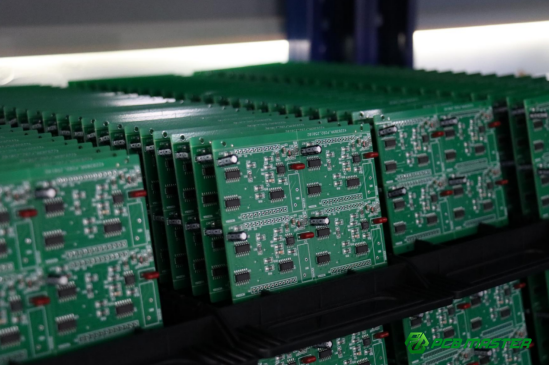
Resin-filled vias have become a crucial component in modern PCB design, offering significant benefits that enhance both the functionality and durability of electronic devices. By providing increased mechanical strength, improved thermal management, and better electrical isolation, resin-filled vias ensure that PCBs can withstand harsh environments, minimize the risk of failure, and maintain optimal performance over time. These advantages make resin-filled vias especially valuable in high-performance electronics, automotive systems, and medical devices, where reliability is critical.
As the demand for more compact, powerful, and reliable devices continues to grow, resin-filled vias are increasingly becoming a standard feature in advanced PCB designs. Companies like PCBMASTER, a seasoned PCB and PCBA supplier , are dedicated to providing high-quality products that integrate these advanced solutions. With a focus on delivering durable, high-performance PCBs, PCBMASTER is committed to meeting the needs of industries requiring precision, reliability, and long-lasting performance in their electronic devices.
FAQs
1. What types of resins are used to fill vias in PCBs?
Common resins used to fill vias in PCBs include epoxy resins, thermosetting resins, and polyurethane resins.
- Epoxy resins are the most widely used due to their excellent adhesion properties, thermal stability, and mechanical strength, making them ideal for most general-purpose PCB applications.
- Thermosetting resins offer superior heat resistance and durability, making them suitable for high-temperature environments like automotive electronics or aerospace systems.
- Polyurethane resins, though less common, are sometimes used in specialized applications requiring flexibility and resilience.
Each type of resin is selected based on the performance requirements of the PCB, with factors like temperature tolerance, electrical properties, and mechanical stress resistance influencing the choice.
2. Are resin-filled vias cost-effective?
The use of resin-filled vias is generally more expensive compared to unfilled vias due to the additional materials and processing steps involved in the filling and curing process. However, when considering the long-term benefits, such as improved thermal management, reduced failure rates, and increased device longevity, resin-filled vias often offer better cost-efficiency. For high-performance applications like smartphones, automotive systems, or medical devices, the added cost is justified by the increased reliability and reduced risk of costly repairs or replacements. In mass production, these benefits can also lead to cost savings by reducing the number of defective boards and increasing overall product performance.
3. Do resin-filled vias impact the signal integrity of high-frequency circuits?
In high-frequency PCBs, signal integrity is crucial. While resin-filled vias provide many mechanical and thermal benefits, they can slightly affect signal quality due to their dielectric properties. The resin can introduce a slightly higher dielectric constant, which could potentially lead to signal degradation or signal delay. However, the impact on signal integrity is typically minimal in most applications, and there are ways to mitigate these effects, such as using low-loss resins or designing the vias to be as small and short as possible. Advanced techniques like via-in-pad and blind vias can also help reduce the effects of resin-filled vias on high-speed signal transmission, ensuring high signal quality.
4. Can resin-filled vias be repaired if damaged?
Repairing resin-filled vias can be challenging due to the solid, cured nature of the resin, which can make it difficult to access the underlying copper plating. However, in some cases, via repair is possible using techniques like via rework or laser drilling to remove damaged resin and re-fill the via with new material. For more serious damage, PCB manufacturers may also use conductive epoxy or copper plating to restore the via's electrical functionality. The repair process can be labor-intensive and may require specialized equipment, making it more cost-effective to avoid damage in the first place. For critical applications, careful quality control during production can reduce the likelihood of via damage.
5. How do resin-filled vias affect the environmental impact of PCBs?
The environmental impact of resin-filled vias is influenced by both the materials used and the manufacturing processes involved. Epoxy resins, commonly used in via filling, are not biodegradable and can contribute to environmental pollution if not properly disposed of. Additionally, the curing process for resin-filled vias typically requires high-energy inputs, increasing the carbon footprint of PCB production. However, the environmental impact can be mitigated by using eco-friendly resins or recycling programs for electronic waste. As the demand for sustainable electronics grows, manufacturers are increasingly focused on reducing the environmental impact of their processes by using bio-based resins and improving energy efficiency in PCB manufacturing.
About the Author

Carol Luo
PCB Design EngineerI'm Carol, a PCB Engineer at PCBMASTER with experience in PCB design and manufacturing engineering since 2018. I focus on translating engineering requirements into reliable PCB solutions, with expertise in stack-up design, material selection, and design-for-manufacturing (DFM). I share practical engineering insights from real-world PCB design and production experience.
Visit Carol Luo's Profile