








Impact of PCB Stack-Up Layers on Hole Quality and Drilling Precision
Achieving high-quality drilled holes is crucial in PCB manufacturing, but the number of stacked layers during the drilling process can have a profound impact on hole precision and durability. As the stack count increases, the complexities of heat, pressure, and wear intensify, often leading to challenges such as misalignment, rough hole walls, and faster tool wear. This article delves into how stack layers affect drilling quality, identifying key issues and offering solutions to maintain high standards in high-density boards.
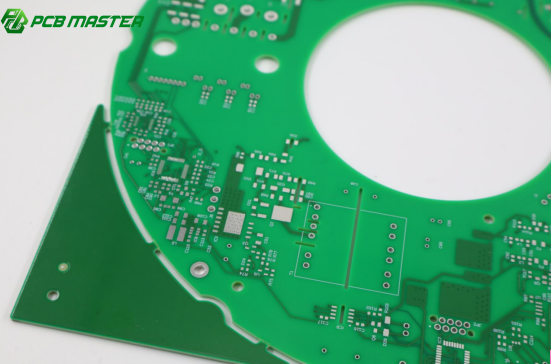
What Impact Does Stack Layer Count Have on Drilling Quality?
The number of layers stacked in a PCB directly influences the drilling process and the quality of the holes. As the stack count increases, several challenges arise that can affect precision, wall quality, and tool longevity.
1. Why Does Stacked Layer Count Affect Hole Position Accuracy?
When drilling PCB layers stacked on top of each other, the resistance the drill bit faces becomes uneven. As more layers are stacked, the drill bit has to penetrate through different materials and thicknesses, causing varying resistance levels. This uneven resistance can cause slight shifts or vibrations in the drill bit, leading to inaccurate hole positioning.
For HDI (High-Density Interconnect) boards , this issue becomes even more critical. These boards require extremely precise hole placement due to their intricate designs, and the increased stack count amplifies the risk of positional errors. If the drill bit deviates slightly, it can lead to misaligned holes, which compromises the functionality and integrity of the final PCB.
Example: In the case of HDI boards used in smartphones, the small misalignment of a hole can cause a failure in a key connection, leading to a defective product. This emphasizes the importance of maintaining high precision, particularly as stack layers increase.
2. How Does Stack Layer Count Affect Hole Wall Quality?
As the number of stacked layers increases, the quality of the hole wall tends to deteriorate. Several issues arise:
- Burrs and Fragments: The drill bit wears down over time due to the increased thickness of the PCB stack. This results in poor chip removal and can cause burrs to form at the hole's exit point. These burrs are sharp, causing rough edges, and can damage the surrounding materials.
- Increased Roughness: With higher stack counts, the heat generated during drilling is not efficiently dissipated, leading to overheating. This affects the resin in the PCB, which may not fully cure, resulting in rough hole walls. The more layers involved, the harder it is to control heat buildup.
- Drill Bit Vibration (Ping Head Effect): At the interface between different material layers, the drill bit can vibrate, creating uneven pressure on the inner layers of the PCB. This can lead to "ping head" phenomena where irregular copper bumps or voids form on the inside of the holes.
Example: In multi-layered PCBs used for automotive applications, poor hole wall quality due to burrs can cause short circuits or open circuits, leading to system failure. This highlights the need for effective cooling and precision control in high-layered PCB drilling.
3. Why Does Drill Bit Life Shorten and Breakage Risk Increase with More Stacked Layers?
As the stack layer count rises, the total thickness the drill bit has to penetrate increases, which in turn puts greater stress on the bit. The more layers involved, the quicker the bit wears down. This accelerated wear results in shorter drill bit life, leading to higher tool replacement costs and production delays.
Specialized materials like high-Tg (glass transition temperature) or ceramic-filled boards further exacerbate this problem. These materials are harder and more abrasive, causing the drill bit to wear out even faster. Additionally, there is a greater risk of drill breakage, particularly if the bit has been worn down too much. This risk is compounded when the drill bit encounters uneven resistance from the stacked layers.
Example: When drilling through high-Tg boards used in aerospace electronics, the drill bit may wear out much faster than when drilling standard FR-4 boards. If a bit breaks while drilling, the resulting debris could contaminate the PCB or lead to defective holes, increasing the scrap rate.
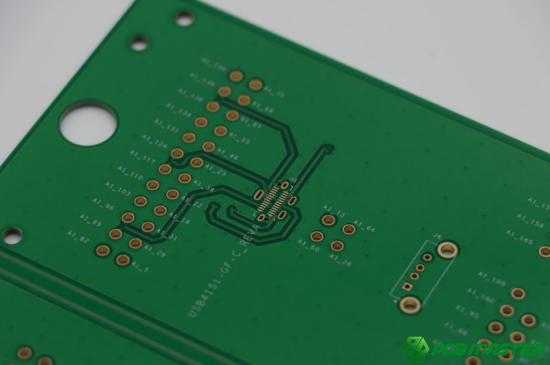
How Can the Impact of Stack Layer Count on Drilling Quality Be Controlled?
Managing the impact of stack layer count on drilling quality is key to ensuring precision and consistency in PCB manufacturing. By adjusting drilling parameters, optimizing chip removal, and using the right backing materials, manufacturers can effectively mitigate common issues like misalignment, rough hole walls, and premature drill wear.
1. How Can Chip Removal and Heat Dissipation Issues Be Addressed through Process Adjustments?
When drilling through multiple layers, chip removal and heat dissipation become crucial challenges. These issues can significantly affect hole quality and drilling efficiency, especially as stack layer count increases.
- Drilling Parameter Adjustment: To ensure better chip removal and heat management, the drilling process can be optimized by adjusting parameters such as feed rate and spindle speed. A stepwise drilling strategy can be used, where the drill bit first operates at higher speeds for the top layers and then slows down when drilling deeper layers. This helps improve the overall hole wall quality, particularly for the bottom layers, which are more prone to defects.
- Peck Drilling: To further improve chip removal and reduce heat buildup, increasing the number of peck drilling cycles is recommended. Peck drilling involves drilling the hole in incremental steps rather than in one continuous pass, allowing more time for cooling and better removal of debris. This strategy helps prevent the drill bit from overheating and ensures a cleaner hole.
Example: In a multi-layer PCB design, using a stepwise drilling process and peck drilling for the deeper layers can prevent excessive wear and maintain consistent hole quality, even in high-density boards.
2. How Do Backing Boards and Cover Sheets Improve Drilling Quality?
Backing boards and cover sheets play a critical role in ensuring the precision and quality of drilled holes, especially when working with higher stack layers.
- Cover Sheets and Backing Boards: When drilling high-stack PCBs, using materials like aluminum cover sheets and composite backing boards can significantly reduce the occurrence of burrs at the hole exit. These materials help to support the drill bit's path and prevent excessive movement, minimizing the risk of tearing or chipping at the hole's edge.
- Surface Issues with Backing Boards: One key consideration is the condition of the backing boards. If a backing board has been used multiple times, its surface may become uneven, which could negatively impact the positioning accuracy of the holes in the bottom layers. Therefore, regularly inspecting and replacing backing boards is essential for maintaining high precision.
Example: Using a new, well-maintained composite backing board for a multi-layer PCB can ensure that the holes in the bottom layers are perfectly aligned, preventing alignment errors that could lead to costly product failures.
3. How Can Parameter Adjustments Optimize the Drilling Process?
Optimizing drilling parameters for different stack layers can significantly improve the overall drilling quality.
- AI-Driven Parameter Matching: Modern drilling systems use AI-based parameter matching to automatically select the optimal feed rate, spindle speed, and other drilling parameters based on material type, hole diameter, and stack layer count. This automation ensures that each parameter is tailored to achieve the best hole wall quality for each layer in the stack.
- Segmented Drilling Strategy: For higher stack layers, it’s essential to fine-tune parameters throughout the drilling process. For example, when drilling FR-4 boards, the feed rate may need to be adjusted as the stack count increases. This adjustment reduces the risk of excessive heat buildup and ensures a smoother drilling process, leading to better hole quality in the lower layers.
Example: For a high-layer PCB with varying material types, using AI-driven parameter matching ensures that each layer is drilled with the optimal speed and feed rate, preventing issues like heat damage and hole misalignment.
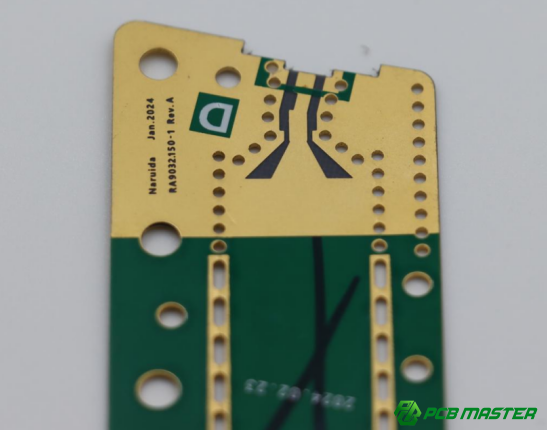
What Is the Role of Drilling Technology Upgrades in Optimizing High Stack Layer Drilling?
As stack layer count increases in PCB manufacturing, drilling becomes more challenging, requiring advanced technology to maintain precision and efficiency. Upgrading drilling tools with materials like tungsten carbide and implementing innovative designs such as step drill bits can significantly enhance the quality and durability of the drilling process.
1. What Are the Advantages of Using Tungsten Carbide Drill Bits and Nano Coatings?
Tungsten carbide drill bits are increasingly used in high-layer PCB drilling because of their durability and efficiency. These bits are much more resistant to wear and tear compared to traditional drill bits, allowing them to maintain their sharpness for longer periods. This durability is crucial when drilling through multiple layers of PCB material, as the increased stack height can quickly degrade the performance of regular drill bits.
- Wear Resistance and Efficiency: Tungsten carbide bits withstand the abrasive nature of the drilling process better than other materials. This results in better hole wall quality, as the bit stays sharp and effective longer, leading to cleaner holes with fewer defects such as burrs or rough edges.
- Reducing Thermal Impact: The heat generated during drilling is a significant concern, especially with higher stack layers. Tungsten carbide bits help minimize heat buildup, which can cause resin and copper layers to burn or degrade. By maintaining a cooler temperature during drilling, these bits ensure that the hole walls remain smooth and intact.
Example: In the production of multi-layer PCBs used in electronics, such as smartphones, tungsten carbide drill bits improve the overall hole quality by ensuring longer lifespan and fewer defects, reducing the need for rework and waste.
- Nano Coating Technology: Applying nano coatings to tungsten carbide drill bits further enhances their performance. These coatings reduce friction between the drill bit and the PCB material, improving the drill bit’s longevity and reducing heat generation.
- Increased Drill Life and Reduced Heat: Nano coatings create a smoother surface on the drill bit, allowing it to cut more efficiently while generating less friction and heat. This extends the tool's life and helps preserve the quality of the hole wall, even during extended drilling runs in high-stack PCBs.
Example: Using nano-coated tungsten carbide drill bits in PCB manufacturing for high-stack layers results in a significant reduction in tool wear, maintaining consistent hole quality and reducing downtime for bit replacements.
2. How Does the Step Drill Bit Design Improve Drilling Efficiency for High Stack Layers?
Step drill bits are specifically designed to improve drilling performance when working with high-stack PCBs. These bits have a unique multi-tiered design, where each step has a different diameter, which allows for more controlled and precise drilling through thicker layers.
- Step Drill Bit Design: The main advantage of step drill bits is that they can be used to drill through multiple layers with a single pass, thanks to their progressive design. This design minimizes the risk of edge tearing or chipping, which is a common issue when drilling through high-stack PCBs. The gradual transition from one step to another allows for better control, reducing the likelihood of defects at the hole entrance and exit.
- Improved Hole Wall Quality: The stepped design helps maintain the integrity of the hole wall by preventing sudden changes in the material’s resistance. This results in smoother, more precise hole walls, even when drilling through thick or dense layers. The even pressure distribution across the different steps of the drill bit also reduces the risk of the drill bit wandering or vibrating.
Example: When drilling multi-layered PCBs used in automotive systems, step drill bits ensure consistent hole wall quality and prevent issues like copper delamination, improving the overall reliability of the circuit board.
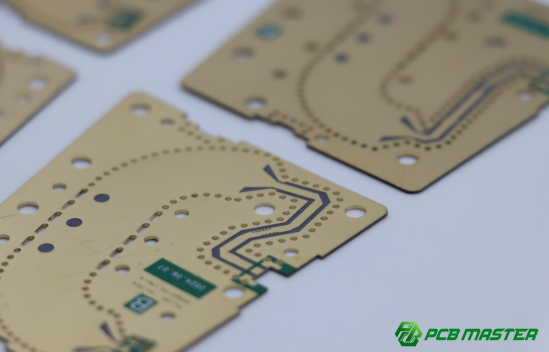
How Can Process Monitoring Ensure Stable Drilling Quality?
Ensuring stable drilling quality in PCB manufacturing requires continuous oversight throughout the process. By utilizing advanced measurement tools and real-time monitoring systems, manufacturers can catch issues early, maintain precision, and prevent defects.
1. How Can Hole Diameter Measurement and Precision Control Be Managed?
Hole diameter measurement is crucial for maintaining consistent hole quality in PCB manufacturing. Ensuring precision in hole diameter guarantees that the electrical connections in the final PCB are accurate and reliable. To monitor and control hole size and positioning, advanced tools and techniques are used.
- CMM (Coordinate Measuring Machine): The CMM is an essential tool for measuring the hole diameter and ensuring the accuracy of the hole positions, especially in multi-layer PCBs. Regular checks using a CMM help verify that the drilled holes match the required specifications. This ensures the hole’s location is consistent, preventing misalignment in the PCB assembly process. Periodic measurement of bottom-layer holes is particularly important, as they are more susceptible to deviations due to drill bit wear or uneven pressure during drilling.
- Surface Roughness Measurement: Another critical aspect of hole quality is the surface roughness of the hole walls. Using a roughness tester, manufacturers can check the depth of thermal damage that occurs during drilling. High temperatures caused by excessive friction can degrade the quality of the hole walls. Regular surface roughness checks help identify areas where the heat may have affected the resin or copper layers, ensuring that the final hole remains smooth and functional.
Example: In aerospace applications, even a small hole misalignment can lead to faulty connections or structural failure. Using a CMM regularly ensures that the precision of drilled holes is maintained throughout the production process.
2. How Can Real-Time Monitoring of Drilling Parameters Prevent Quality Issues?
Real-time monitoring of drilling parameters is critical for detecting potential issues early and ensuring consistent quality throughout the drilling process. Monitoring systems can detect any deviations from the preset drilling conditions, allowing for immediate corrections before defects occur.
- Real-Time Monitoring Systems: Implementing real-time monitoring systems provides constant feedback on key drilling parameters such as feed rate, spindle speed, and drill bit condition. These systems can detect when a parameter drifts out of the desired range, triggering an alert to the operator. Early detection of deviations, such as a slowdown in feed rate or unexpected increases in spindle speed, helps prevent poor hole quality caused by tool wear or other operational issues.
- Preventing Drill Bit Damage: By tracking parameters in real time, manufacturers can also prevent drill bit damage. For instance, if the drill bit is wearing too quickly or facing excessive resistance, the system can adjust the drilling conditions to reduce wear and extend the bit’s lifespan. This reduces the chances of defects like burrs, misalignment, or excessive roughness.
Example: In the production of high-frequency PCBs used in communication devices, a real-time monitoring system helps ensure that each hole meets the required precision and avoids costly rework or product failures by catching issues early.
Conclusion
The relationship between stack layer count and drilling quality is complex, influenced by factors like drill bit wear, chip removal efficiency, support, and heat dissipation. As the number of layers increases, managing these variables becomes more challenging. However, with optimized parameters, equipment upgrades, and process monitoring, manufacturers can effectively control and maintain drilling quality. High stack counts demand advanced process control and technology to balance production costs with the desired level of quality. For those seeking high-quality PCBs, partnering with a trusted supplier like PCBMASTER can ensure top-notch products and reliable drilling precision. With years of expertise, PCBMASTER is committed to delivering exceptional quality and performance in every PCB.
FAQs
1. Why Is the Hole Quality of the Bottom Layer Usually the Worst When Stacking PCBs?
Reasons:
- Drill Bit Wear Accumulation: The drill bit’s wear increases as it passes through multiple layers, especially the bottom layer. By the time it reaches the last layer, the drill bit has already endured the friction from drilling through the other layers, which can significantly affect the hole quality, resulting in poor hole walls and misalignment.
- Difficult Chip Removal: As the drill bit moves through the stack of layers, the chips generated during drilling need to travel the longest path to exit. This long distance increases the likelihood of debris remaining in the hole, which can scratch the hole wall, leading to roughness and imperfections.
- Insufficient Support: If the backing board or cover sheet is not in optimal condition, it can cause uneven pressure during drilling. This can lead to defects such as burrs, edge tearing ("burr formation"), or fiber tearing at the exit point of the hole, impacting the overall hole quality.
Improvement Measures:
- Use New or High-Quality Backing Materials: Ensure that the backing board or cover sheet is new or in good condition to provide better support, preventing irregularities and improving hole quality in the bottom layer.
- Increase Peck Drilling Frequency or Use a Two-Step Drilling Strategy: By increasing the number of peck drilling cycles (drilling the hole in multiple stages), the chips are more effectively removed, and the drill bit experiences less heat buildup, helping improve hole quality. Additionally, using a two-step drilling approach, where the last layer gets extra drilling time or slower speed, can also help maintain hole precision and quality.
2. How to Prevent Heat Impact from Damaging the Hole Walls When Drilling High Stack Layers?
Optimized Cooling Strategy:
- Use Step Drilling and Multiple Peck Drills: To control the temperature during drilling, applying a step drilling strategy is helpful. By drilling in incremental steps and introducing multiple peck drilling cycles, the drill bit can cool down between passes, preventing heat from accumulating in the material. This ensures that the hole walls remain unaffected by thermal damage, preserving their smoothness and precision.
Choose the Right Drill Bit Material:
- Use Tungsten Carbide Drill Bits with Nano Coating: For high stack count PCBs, tungsten carbide drill bits are recommended due to their excellent heat resistance and durability. When combined with a nano-coating, these drill bits experience less friction and generate less heat during the drilling process. The nano-coating further enhances the drill bit’s lifespan and reduces the likelihood of heat-related damage to the PCB material.
Example: For applications like aerospace electronics, where hole quality is critical, using tungsten carbide drill bits with a nano-coating ensures that the hole walls remain smooth, even during prolonged drilling through multiple layers.
3. How to Choose Suitable Backing Boards and Cover Sheets to Ensure Drilling Quality?
Selecting High-Performance Materials:
- Use Precision Aluminum Cover Sheets and Composite Backing Materials: The cover sheet plays an essential role in reducing defects such as burrs, rough edges, and tearing at the hole’s exit. High-precision aluminum cover sheets and composite backing boards can provide better support during drilling, improving hole consistency and surface finish.
Regularly Replace Backing Materials:
- Avoid Using Worn-Out Backing Boards: When backing boards or cover sheets are used repeatedly, they can become uneven or damaged. This can negatively impact the hole’s alignment and surface quality, especially for the bottom layers. It is essential to replace the backing materials regularly to maintain high drilling precision, ensuring that the bottom layer is drilled accurately and without defects.
Example: For high-precision applications such as medical devices, using high-performance composite backing materials ensures that the drilled holes maintain their integrity without edge tearing or misalignment, even in multi-layer PCBs.
4. How to Determine If the Drill Bit Needs to Be Replaced?
Check Drill Bit Wear Condition:
- Monitor Hole Wall Roughness and Position Accuracy: One of the key indicators of drill bit wear is an increase in hole wall roughness or a shift in hole position. If the hole’s surface becomes excessively rough or if holes are misaligned, it may signal that the drill bit is no longer sharp enough to maintain high quality. Using tools like roughness testers can help assess the hole wall quality, indicating when the drill bit needs to be replaced.
Regularly Replace Drill Bits Based on Monitoring and Production Conditions:
- Monitor Wear Through Equipment Systems: Regular equipment monitoring and real-time feedback systems can help detect drill bit wear. Drill bits should be replaced based on the amount of wear detected and the number of holes drilled. Even with the best monitoring systems, drill bits should be replaced at intervals recommended by the manufacturer or when a decrease in quality is noticed.
Example: In high-volume PCB production for consumer electronics, regularly replacing worn-out drill bits based on real-time monitoring helps avoid defects such as excessive roughness and misalignment, ensuring the final product meets quality standards.
About the Author

Carol Luo
PCB Design EngineerI'm Carol, a PCB Engineer at PCBMASTER with experience in PCB design and manufacturing engineering since 2018. I focus on translating engineering requirements into reliable PCB solutions, with expertise in stack-up design, material selection, and design-for-manufacturing (DFM). I share practical engineering insights from real-world PCB design and production experience.
Visit Carol Luo's Profile