








What is a Gold Finger in PCB? Understanding its Benefits and Applications
Gold Fingers might be small, but they play a pivotal role in the performance and durability of modern electronics. These gold-plated connectors, typically found at the edges of PCBs, ensure a stable and reliable connection between critical components. In devices where precision and longevity are paramount, Gold Fingers are the unsung workhorses that make it all possible.
In this article, we’ll dive into the significance of Gold Fingers, exploring what they are, why they’re essential, and how they enhance the reliability of electronic devices. From their role in high-speed data transfer to their impact on long-term device performance, we’ll cover everything you need to know about why these connectors are indispensable in PCB design.
What is a Gold Finger in PCB?
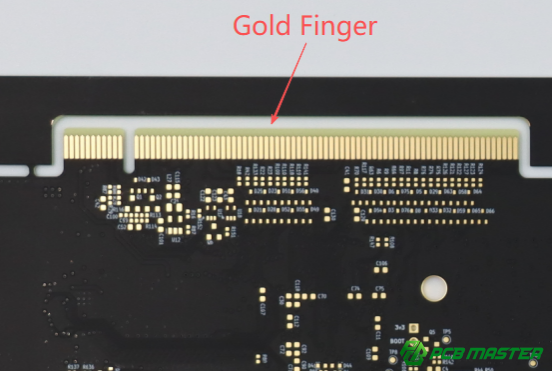
A Gold Finger is a type of electrical connector found on printed circuit boards (PCBs) . These connectors are typically located at the edges of the board and are gold-plated to enhance electrical performance. The purpose of a Gold Finger is to ensure stable and reliable electrical connections between the PCB and external devices or components, like memory modules or expansion cards.
Gold Fingers are an essential part of high-performance electronics, allowing devices to interface efficiently with other components. Their gold plating provides excellent conductivity and durability, ensuring a long-lasting, high-quality connection even with repeated use.
Position and Appearance of Gold Fingers in PCB Design
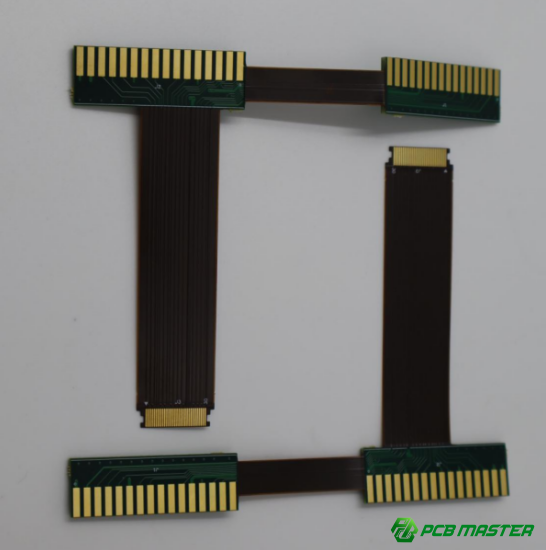
Gold Fingers are typically located at the edges of the PCB, where they serve as contact points for connectors or slots. They are often seen in devices that require frequent connections or disconnections, such as RAM sticks, graphic cards, and expansion cards.
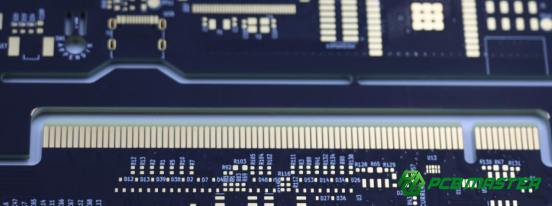
The appearance of Gold Fingers is distinct. They usually look like small metallic fingers extending from the edge of the PCB, with a shiny, gold-plated surface. These “fingers” can vary in size and number depending on the application, but their primary purpose remains the same: to provide a reliable, low-resistance connection between the PCB and other components.
Basic Structure of a Gold Finger
The basic structure of a Gold Finger consists of two key layers: a copper base and a gold-plated surface.
- Copper Base: Gold Fingers are primarily built on a copper base. Copper is used because it is an excellent conductor of electricity and is relatively inexpensive compared to gold. This copper base provides the necessary electrical connection.
- Gold Plating: A thin layer of gold is electroplated over the copper to create the Gold Finger’s surface. The gold plating is critical because it enhances the electrical conductivity and protects the copper from oxidation and corrosion. Gold is chosen for its high conductivity and corrosion-resistant properties, making it ideal for ensuring reliable connections over time.
What Are the Benefits of Using Gold Fingers in PCB Design?
Gold Fingers play a vital role in ensuring the performance and longevity of modern electronics. These small yet powerful connectors offer several key benefits in PCB design, from improving signal quality to enhancing durability and extending device life. In this section, we’ll explore how Gold Fingers contribute to faster data transmission, greater reliability, and long-term performance, making them an essential component in high-performance devices.
Improved Signal Transmission Quality
Gold Fingers improve signal transmission quality by ensuring stable and fast data transfer, particularly in high-frequency and high-speed applications. The gold plating provides a low-resistance, high-conductivity surface that allows signals to travel efficiently between the PCB and connected components. This is crucial in devices like memory modules, graphics cards, and high-speed processors, where even small interruptions in signal quality can lead to performance issues or system failure.
Gold’s ability to conduct electricity with minimal interference helps to reduce signal degradation. It effectively prevents signal loss, ensuring data transmission remains intact, even over long distances or through multiple connections. By maintaining signal integrity, Gold Fingers enhance the overall performance of electronic devices, providing fast and reliable data exchange.
Increased Durability and Reliability
Gold Fingers are known for their corrosion-resistant properties, which significantly enhance their durability. The gold plating acts as a protective barrier, preventing the copper underneath from oxidizing or corroding. This is especially important in devices exposed to harsh environments, such as industrial machinery, automotive electronics, or outdoor technology.
Gold’s resistance to corrosion also ensures that the electrical connections remain intact over time, even in conditions of high humidity or temperature fluctuations. Additionally, frequent insertion and removal of components, like memory cards or expansion modules, will not degrade the gold-plated surfaces. The ability to withstand repeated mechanical stress makes Gold Fingers a reliable choice for frequent-use applications, like PCs, gaming consoles, and smartphones.
Enhanced Long-Term Device Performance
Gold Fingers can extend the lifespan of electronic devices by reducing the impact of frequent insertions and removals. Unlike other connectors that may wear out over time, the durable gold surface minimizes the risk of performance degradation caused by repeated use. For example, in devices like RAM slots or PCI-E slots, where components are frequently inserted and removed, Gold Fingers help preserve consistent electrical contact, ensuring that the device continues to function at its best for years.
By maintaining high-quality electrical connections, Gold Fingers help prevent signal loss and contact failure, which could otherwise lead to system malfunctions. This results in longer device life and better overall reliability, making Gold Fingers ideal for high-end or long-term use devices. This makes them especially important in industries where device downtime or failure can be costly, such as medical equipment or aerospace electronics.
When is it Necessary to Use Gold Fingers in PCB?
Gold Fingers are essential in certain PCB applications where reliability, durability, and signal integrity are crucial. From high-frequency circuits to devices that undergo frequent insertions, these connectors ensure stable performance even in harsh environments.
High-Frequency Signal Transmission Needs
Gold Fingers are particularly crucial in high-frequency circuits where signal stability is vital. In these circuits, signals travel at fast speeds, making it essential to reduce interference and signal loss. Gold's high conductivity and low resistance help ensure that signals pass through without degradation. This makes Gold Fingers essential in devices like memory modules, graphics cards, and other high-speed electronics, where reliable signal transmission is critical for performance.
For example, in RAM sticks or PCIe cards, the high-frequency signals must be maintained without interference to ensure the smooth operation of the system. Gold Fingers’ ability to maintain a clear and stable connection ensures that data transfer between components remains seamless, enhancing the overall speed and functionality of the device.
Devices That Require Frequent Insertion and Removal
Gold Fingers are ideal for devices that need frequent insertion and removal, such as expansion cards, memory modules, or connectors. Frequent use can lead to wear and tear on connectors, leading to poor signal transmission or even complete failure in other materials. Gold Fingers, however, are more durable and resistant to corrosion, making them perfect for high-frequency usage.
For example, in a PC, RAM sticks are often inserted and removed during upgrades or repairs. The gold-plated surface of the Gold Finger ensures that the electrical connection stays intact even after repeated use. The wear resistance of gold prevents the connectors from degrading over time, making Gold Fingers the ideal choice for devices with high-frequency insertion cycles.
High-Reliability and Long-Term Usage Requirements
Gold Fingers are particularly beneficial in applications that demand high reliability and long-term durability, such as in industrial environments or automotive electronics. These environments are often subjected to harsh conditions, including extreme temperatures, humidity, and vibration, which can cause standard connectors to degrade quickly.
Gold’s corrosion-resistant properties and its ability to maintain stable electrical contact in challenging environments make it perfect for these types of applications. For instance, in automotive electronics, where components may experience temperature fluctuations and moisture exposure, the durability and reliability of Gold Fingers ensure the components function effectively over long periods.
Precision Electronics
Gold Fingers are essential in high-precision electronics used in medical devices, aerospace applications, and other critical systems. These applications require connectors that provide consistent performance, minimal signal loss, and the ability to withstand environmental stresses.
In medical devices, such as diagnostic equipment or surgical tools, the accuracy and reliability of components are paramount. Gold Fingers ensure that the electrical connections remain intact even in mission-critical scenarios, where performance cannot be compromised. Similarly, in aerospace and defense electronics, the high reliability of Gold Fingers ensures that the components function correctly under extreme conditions, like high altitude, radiation, and temperature changes.
Improved Connection Quality and Compatibility
Gold Fingers provide better connection quality and enhanced compatibility between different devices. Their low resistance and high conductivity ensure that signals are transmitted with minimal interference, offering better performance when connecting devices like motherboards to expansion cards or peripheral modules.
For example, when connecting a graphics card to a PC motherboard, Gold Fingers ensure a stable and high-speed connection between the two components, allowing for smoother performance during demanding tasks like gaming or video rendering. The compatibility of Gold Fingers also ensures that different devices with varying electrical specifications can be connected seamlessly, improving device flexibility and performance.
How Are Gold Fingers Manufactured in PCB?
The manufacturing process of Gold Fingers in PCBs is a carefully crafted procedure that ensures both performance and durability. From applying a copper base to electroplating with gold, each step plays a crucial role in creating the reliable connections needed for high-performance electronics.
Gold Finger Manufacturing Process
The process of manufacturing Gold Fingers in PCBs involves several important steps to ensure their functionality and durability. The first step in this process is the copper plating. Copper is used as the base material for the PCB, providing a good conductor for electricity. After the PCB is prepared, a copper layer is applied to the edges where the Gold Fingers will be placed.
Once the copper layer is in place, the gold plating process begins. This is typically done using electrolytic gold plating, a process where an electric current is passed through a solution containing gold ions. This causes gold to be deposited on the copper surface. The thickness of the gold layer is carefully controlled, as it affects the quality and durability of the Gold Fingers. The result is a gold-plated connector that provides a highly conductive and durable connection for electrical components.
The manufacturing process ensures that each Gold Finger is designed for its specific application, with the correct gold thickness, copper base, and surface smoothness for reliable performance.
Gold Plating Methods
There are two common methods of gold plating used in Gold Finger production: Gold Flash and Hard Gold.
- Gold Flash Plating: This is a thin gold layer applied to the copper surface. It is used for low-cost applications or for components that will only be inserted and removed a few times. Gold Flash is suitable for applications that don't require heavy wear or frequent use, such as consumer electronics where the components are rarely changed.
- Hard Gold Plating: This method applies a thicker gold layer, making it more durable and resistant to wear and tear. Hard Gold is used in high-frequency, high-usage scenarios, such as industrial equipment, data centers, and electronics that undergo frequent insertions and removals. This plating method ensures that the Gold Finger remains durable and resistant to corrosion over time.
Each plating method is chosen based on the specific requirements of the device, balancing cost, durability, and performance.
Design Considerations
When designing Gold Fingers, several important factors must be considered to ensure proper functionality and long-term durability.
- Size and Thickness: The size of the Gold Finger must match the connector slot or other interface it will be used with. The thickness of the gold layer also plays a role in the durability and performance of the connection. A thicker gold layer is typically required for applications with frequent insertions, while a thinner layer may suffice for low-use devices.
- Durability Requirements: Depending on the application, the Gold Finger must be designed to meet specific durability standards. For example, devices used in harsh environments or for high-frequency signal transmission will need a more robust gold plating to maintain performance over time. The corrosion resistance and wear resistance of the gold plating ensure the stability of electrical connections, especially in high-usage or exposed conditions.
Real-Life Example
For example, PC motherboards and graphics cards often use Hard Gold Plating on the PCIe connectors. This ensures that the connectors can withstand thousands of insertions without degradation. In contrast, RAM slots in consumer devices may use Gold Flash plating because the components are rarely removed and the connection does not require as much durability.
Conclusion
Gold Fingers are a vital component in PCB design, especially for high-performance electronic devices. Their ability to ensure stable electrical connections, improve signal transmission, and withstand frequent use makes them indispensable in modern technology. The benefits of Gold Fingers, including enhanced signal quality, increased durability, and extended device lifespan, are essential for applications where reliability and longevity are crucial.
When designing a PCB, it’s important to consider whether Gold Fingers are necessary based on the device’s specific requirements, such as signal speed and frequency of use. For expert guidance and high-quality PCB solutions, consulting a seasoned provider like PCBMASTER can help ensure the right choice for your needs. As a trusted PCB supplier, PCBMASTER not only delivers top-tier PCBs but also offers professional advice to optimize your designs.
FAQs
What exactly is the purpose of a Gold Finger in PCB?
The purpose of a Gold Finger in PCB is to provide a stable and reliable electrical connection between the PCB and external devices or components, such as memory modules, expansion cards, or connectors. These gold-plated connectors are typically found at the edges of the PCB and ensure efficient signal transmission while maintaining durability and resistance to corrosion over time. Gold Fingers are especially crucial in high-performance electronics, where frequent insertions and removals of components are required.
How does Gold Finger improve PCB performance?
Gold Fingers improve PCB performance by ensuring stable electrical connections, especially in high-frequency and high-speed applications. The gold plating enhances conductivity, reduces signal loss, and prevents oxidation, ensuring that the electrical signal remains strong and uninterrupted. This is vital in devices like memory modules, graphics cards, and PCIe slots, where consistent and fast data transfer is essential. Gold’s resistance to corrosion and wear also ensures long-term reliability, even with frequent insertions and removals.
Why is gold used instead of other metals for Gold Fingers?
Gold is used for Gold Fingers due to its exceptional conductivity, corrosion resistance, and durability. Unlike other metals, gold does not oxidize or corrode easily, ensuring that the connection remains stable and efficient over time. Its high electrical conductivity allows for fast and reliable signal transmission, making it ideal for high-performance electronics. Additionally, gold is soft enough to form smooth, low-resistance contact surfaces, which helps minimize signal degradation in devices that require frequent use, such as memory cards and expansion slots.
Are Gold Fingers necessary in all PCBs?
No, Gold Fingers are not necessary in all PCBs. They are typically used in high-performance or high-frequency applications where reliable connections are crucial, such as memory modules, graphics cards, and expansion cards. For most basic PCBs or low-cost applications, other materials like tin or silver may suffice. The decision to use Gold Fingers depends on the specific needs of the device, including factors like signal quality, durability, and frequency of component insertions and removals.
Can Gold Fingers be repaired or replaced if damaged?
Repairing or replacing Gold Fingers can be challenging. Since the gold plating is typically very thin, once it’s damaged or worn out, it may not be easy to restore. Replating or replacing the PCB might be necessary in severe cases. However, if only minor damage occurs, a professional technician may be able to clean or fix the contacts to restore functionality. In general, proper care and handling during assembly and maintenance can minimize the risk of damage to Gold Fingers, ensuring their long-term performance.
About the Author

Carol Luo
PCB Design EngineerI'm Carol, a PCB Engineer at PCBMASTER with experience in PCB design and manufacturing engineering since 2018. I focus on translating engineering requirements into reliable PCB solutions, with expertise in stack-up design, material selection, and design-for-manufacturing (DFM). I share practical engineering insights from real-world PCB design and production experience.
Visit Carol Luo's Profile