








Understanding PCB Drill-Step Deep Control: Essential Techniques for Precision Manufacturing
Every successful PCB relies on precision at every stage of manufacturing — and one crucial factor in achieving this is Drill-step Deep Control. This technique ensures that each drilled hole meets the exact depth required, playing a pivotal role in the PCB's reliability, functionality, and overall quality. From ensuring proper layer connections to maintaining signal integrity, the control of drill depth directly impacts the final performance of the board. But how does Drill-step Deep Control work, and why is it so essential for producing high-quality, durable PCBs? Let’s explore its significance in detail.
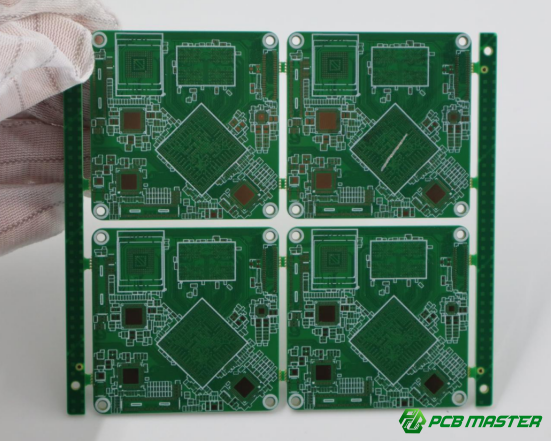
What Is PCB Drill-step Deep Control and Why Is It Crucial for PCB Manufacturing?
Definition of Drill-step Deep Control
Drill-step Deep Control is a technique used in PCB (Printed Circuit Board) manufacturing to precisely manage the depth of drilled holes. This process involves controlling the depth of each hole in multiple stages, or “steps,” during the drilling procedure to ensure that each hole reaches the correct depth as specified by the PCB design. Drill-step deep control is essential for ensuring that the drilled holes match the exact specifications required for proper electrical connections, signal pathways, and layer bonding in the final PCB.
For example, when manufacturing a multi-layer PCB , the drill-bit might first create a shallow hole, then move on to drill deeper in subsequent steps, ensuring accuracy at each stage. This step-by-step approach minimizes errors and ensures the board’s overall functionality.
Role in Precision Manufacturing
Drill-step deep control plays a critical role in achieving precision manufacturing in PCB production. Precision is essential for the reliable performance of electronic devices. If a hole is too shallow or too deep, it can lead to poor electrical connections, signal loss, or even failure of the circuit board itself. By carefully managing drill depth, manufacturers ensure that each hole is drilled to the correct depth, preventing these issues.
In practical terms, this means controlling variables such as the drill bit speed, pressure, and temperature, which all impact the final depth. Precision drill-depth control allows for a higher level of consistency across large production batches, reducing defects and enhancing the overall reliability of the boards.
Example: Imagine drilling holes for a complex PCB that will be used in a high-end smartphone. Without proper drill-step depth control, even a slight variation in hole depth could cause poor signal flow or electrical shorts between layers, compromising the phone's performance.
Impact on Multi-layer PCBs
Drill-step deep control becomes even more crucial in multi-layer PCBs. These PCBs are made up of several layers of material stacked on top of each other, and precise drilling is needed to ensure proper inter-layer connections. In multi-layer designs, holes are often drilled through several layers of the board to create vias, which are pathways that allow electrical signals to pass from one layer to another.
Without precise drill-step control, the depth of these vias could be incorrect, leading to weak or failed connections between layers. If the holes are too shallow, they may not reach the necessary layers for electrical conduction. Conversely, if the holes are too deep, they could damage the board or cause short circuits.
Example: In a 4-layer PCB for a consumer device, drill-step deep control ensures that the via connecting the second and third layers is drilled just the right depth to create a reliable electrical path without over-drilling into other layers. This attention to detail makes the board reliable and functional, particularly when it is used in high-density applications like mobile phones or computers.
By managing the depth in multiple steps, manufacturers can avoid potential issues such as layer misalignment, poor electrical performance, and costly rework, making drill-step deep control essential in the production of high-quality multi-layer PCBs.
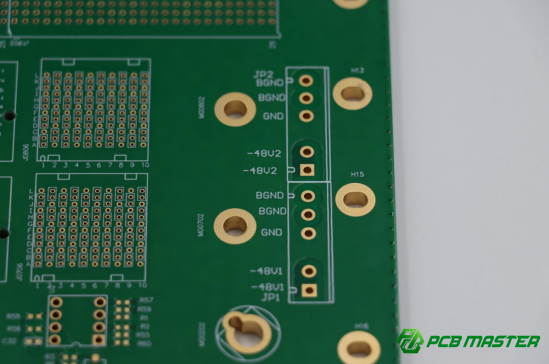
How Does Drill-step Deep Control Work in PCB Manufacturing?
Overview of the Drilling Process
The PCB drilling process involves creating holes in the circuit board for various purposes, such as electrical vias or mounting holes for components. Drilling is done with a rotating drill bit, which can vary in size and type depending on the required hole diameter. The process starts with selecting the right drill bit for the material and hole size.
Stages of Drilling:
- Pre-drilling: In this stage, smaller pilot holes are created to guide the main drilling operation. This ensures that the larger drill bits follow the correct path.
- Drilling the Main Holes: After pre-drilling, a larger drill bit is used to reach the required hole size. For multi-layer boards, this step may involve drilling through multiple layers of the board.
- Finish Drilling: This stage ensures the final hole depth and cleanliness. The drill bit may go through several layers of the PCB or be adjusted for different depths for different layers.
Each stage requires precise control over the drill depth and speed to ensure that the holes are drilled exactly as designed.
Example: If you are drilling holes for a 2-layer PCB, the process involves first drilling shallow holes for vias, followed by deeper drilling to connect the layers. The precise control ensures reliable electrical connections.
Step-by-step Control Mechanism
Drill-step deep control ensures that each hole is drilled to the correct depth in stages. This technique is critical for achieving precision, especially in multi-layer PCBs.
Here’s how it works:
- Initial Hole Creation: The first stage involves drilling a shallow hole using a smaller drill bit. This hole serves as a guide for deeper drilling.
- Controlled Drilling: Once the shallow hole is made, a larger drill bit is used to deepen the hole in steps, with careful monitoring at each stage to avoid over-drilling.
- Final Adjustment: In the last step, fine adjustments are made to achieve the precise final depth required for the hole.
This method allows manufacturers to precisely control the depth at each stage, ensuring the correct final depth without damaging the board or causing misalignment between layers. Specialized drill depth sensors are often used to monitor and adjust the drill bit’s penetration.
Example: If a PCB requires a 2.5mm deep hole for a via, the drilling starts with a shallow hole and then deepens step-by-step until it reaches 2.5mm, avoiding errors that could lead to electrical failure.
Technologies Involved
Technologies such as CNC (Computer Numerical Control) machines, laser-based systems, and advanced software play a crucial role in achieving drill-step deep control during PCB manufacturing.
- CNC Machines: CNC machines are the backbone of modern PCB drilling. They are programmed to perform precise drilling operations, including stepwise depth control. The machines use motors and sensors to control the movement of the drill bits and ensure each hole reaches the exact depth.Example: CNC machines can drill holes for multiple PCBs at once, ensuring uniformity in hole depth across large production batches.
- Laser-based Systems: For very fine hole sizes and ultra-precise depth control, laser-based systems are sometimes used. Lasers can measure the depth of holes and adjust the drilling process automatically to maintain high precision, even in small, intricate PCBs.
- Advanced Software: Software tools allow manufacturers to program drill step depths accurately before drilling begins. These tools provide real-time feedback and can adjust the process if the drill depth is off-course, ensuring that the final holes meet the exact design specifications.
Example: When manufacturing a complex PCB used in medical devices, CNC machines with laser-based feedback systems ensure that every via is drilled to the correct depth, maintaining the board’s performance and safety standards.
These technologies work together to ensure precise hole depths in a fast, efficient, and consistent manner, making drill-step deep control a critical part of modern PCB manufacturing.
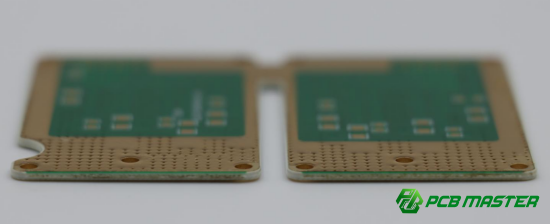
What Are the Techniques for Effective Drill-step Deep Control?
Adjustable Drilling Parameters
Adjusting drilling parameters like speed, pressure, and temperature is crucial for achieving precise hole depths during the PCB drilling process. These parameters affect the quality and accuracy of each drilled hole. Here's how each one plays a role:
- Drill Speed: The speed at which the drill bit rotates directly impacts the cutting process. Too high a speed can cause excessive heat and wear on the bit, leading to inaccurate depths. Conversely, too low a speed can reduce drilling efficiency and cause the bit to get stuck. Optimizing drill speed ensures a smooth, precise hole.
- Pressure: The amount of pressure applied to the drill bit affects how deeply the bit penetrates the material. Too much pressure can cause the bit to go deeper than desired, while too little pressure can lead to incomplete holes. Adjusting pressure based on material type and hole requirements ensures precise depth.
- Temperature: Drilling generates heat, which can affect both the drill bit and the PCB material. Excessive heat can cause the PCB material to soften or warp, leading to incorrect hole depth. Managing temperature during drilling helps maintain precision and protects the integrity of the board.
Example: In manufacturing PCBs for a high-performance server, adjusting the drill speed and pressure ensures that the vias are drilled accurately without damaging the delicate copper layers inside the board.
Multi-step Drilling Process
The multi-step drilling process is a key technique for achieving controlled hole depth in PCB manufacturing. This method involves gradually deepening a hole in multiple stages, rather than drilling straight to the final depth in one go.
- Initial Shallow Drilling: The first step uses a smaller bit to create a shallow hole. This ensures that the hole's path is properly aligned and that the larger drill bit will follow the correct route.
- Progressive Deepening: After the shallow hole is created, larger drill bits are used in subsequent steps to deepen the hole gradually. Each step allows the drill bit to remove material slowly, ensuring that the hole reaches the exact depth needed without going over or under the required measurement.
- Final Adjustment: In the final step, the drill bit is adjusted to achieve the precise final depth. This ensures that the hole is perfect for its intended function, whether it's for electrical vias or component mounting.
This process reduces the risk of drilling errors and ensures higher precision, especially in multi-layer PCBs where depth control is critical for proper electrical connections between layers.
Example: In a PCB for a medical device, the multi-step drilling process ensures that the vias connecting multiple layers are drilled with high precision, preventing short circuits or signal interference.
Automated vs. Manual Control
Automated deep control techniques offer several advantages over manual methods in ensuring precise hole depths. Here’s a comparison between the two:
- Automated Control: Automated drilling systems, such as CNC machines, use advanced software to monitor and adjust drilling parameters in real time. These systems automatically control drill speed, pressure, and depth, ensuring consistency across large batches. Automation reduces human error, increases efficiency, and improves overall precision.Example: A PCB manufacturing plant using CNC machines can drill hundreds or thousands of PCBs with exact precision, ensuring uniformity in hole depth across all units.
- Manual Control: Manual drilling requires operators to adjust settings like drill speed and pressure by hand. While it can work for smaller batches or less complex designs, it’s prone to human error. Manual methods are also slower and less consistent compared to automated processes.Example: A small PCB workshop might use manual drilling for prototypes or custom designs, but the risk of inconsistency in hole depth increases with larger or more complex orders.
Benefits of Automation: Automated systems not only speed up production but also reduce the risk of defects like inaccurate hole depth, ensuring the final product meets the required specifications.
Overall, automated deep control offers greater precision, consistency, and scalability, making it the preferred choice in high-volume PCB manufacturing.
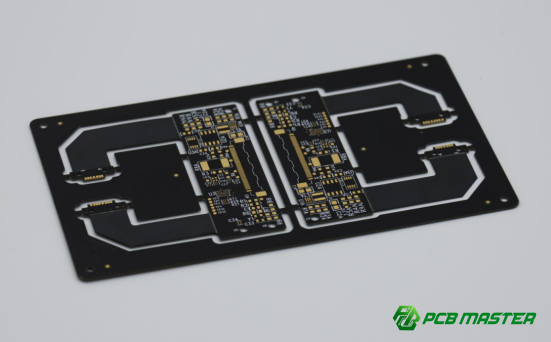
Why Is Accurate Drill-step Deep Control Important for PCB Performance?
Impact on Electrical Connectivity
Accurate drill-step deep control is essential for ensuring proper electrical connectivity between PCB layers. In multi-layer PCBs, vias (small holes that connect different layers) are used to transfer electrical signals or power. If the drilled hole is not deep enough or too deep, the via may not fully connect the layers, leading to poor electrical performance or complete failure of the circuit.
Precise drilling ensures that the via hole connects exactly where it’s needed, providing a reliable path for the signal or power to travel. Inaccurate holes can cause open circuits (where the signal can’t pass through) or short circuits (where unintended connections create feedback loops). This precision is vital for maintaining the proper flow of electrical signals, preventing malfunctions, and ensuring that the PCB performs as designed.
Example: In a PCB for a smartphone, a tiny via connecting power from one layer to another must be drilled with exact depth. If the via is too shallow, the device may not power on correctly, leading to performance issues or total failure.
Avoiding Over-Drilling and Under-Drilling
Over-drilling and under-drilling are two common drilling errors that can lead to serious problems in PCB performance.
- Over-Drilling: When the drill bit goes too deep, it can damage the PCB layers, potentially causing electrical shorts or weakening the structural integrity of the board. Over-drilling can also lead to layer misalignment, where the holes drilled too deep interfere with the alignment of the PCB layers, leading to faulty connections.
- Under-Drilling: If the hole is too shallow, it won’t fully penetrate the layers, causing incomplete vias or poor electrical connections between the layers. This can result in high resistance or even complete circuit failure, as the signal cannot travel properly through the PCB.
Example: In high-speed circuit boards used in gaming consoles, under-drilled vias could cause delays in signal transmission, leading to slower processing speeds or system crashes. Over-drilling could weaken the board, causing mechanical failure during installation.
By using precise drill-step deep control, manufacturers can avoid both of these issues, ensuring that holes are drilled to the exact depth, allowing for optimal functionality and reliability of the PCB.
Reliability in High-Density PCBs
High-Density Interconnect (HDI) PCBs are characterized by tightly packed layers and tiny components, requiring extreme precision in the drilling process. In HDI boards, even minor errors in drill depth can lead to significant performance issues due to the density of components and the small size of the vias.
In these boards, each via must connect multiple layers without causing any electrical or mechanical issues. Accurate drill-depth control ensures that the vias are neither too shallow (which would cause poor connectivity) nor too deep (which could damage the delicate layers or lead to shorts). Additionally, HDI PCBs often use smaller vias and tighter component placement, making precise depth control even more critical.
Example: In a high-performance drone, the PCB must be designed to handle multiple signals and power paths simultaneously. If the drill depths aren’t controlled precisely, electrical signals could be lost, or the board could fail under the stress of fast-moving components.
In HDI manufacturing, precise drill-step deep control not only guarantees performance but also ensures that the board can be reliably used in critical applications like aerospace, medical devices, and advanced consumer electronics.
What Are the Challenges in Achieving Perfect Drill-step Deep Control?
Tool Wear and Accuracy Loss
Tool wear is one of the main challenges in achieving accurate drill-step deep control. Over time, the drill bits used in PCB manufacturing undergo wear and tear due to constant friction with the PCB material. As the bit wears down, its cutting edges become less sharp, and this can lead to inaccuracies in hole depth. The worn tool may not cut as efficiently, leading to deeper or shallower holes than intended, which can cause defects like poor electrical connections or mechanical failure.
Manufacturers address this issue by regularly replacing or sharpening drill bits to maintain their precision. In some cases, advanced tool monitoring systems are used to track the condition of the drill bit and automatically adjust parameters to compensate for wear. Additionally, manufacturers may use higher-quality drill bits made from materials like tungsten carbide to reduce wear and maintain accuracy over longer periods.
Material Variations
Different PCB materials (such as FR-4, Rogers, or Teflon) can have varying properties, like hardness, thickness, and thermal conductivity, which affect the drilling process. For example, FR-4 (a commonly used fiberglass material) is more rigid and may require different drilling speeds and pressures compared to Rogers materials, which are often used for high-frequency applications.
These material variations pose a challenge in drill-step deep control because the drill bit must adapt to different levels of resistance based on the material type. If the drilling parameters are not properly adjusted for each material, it can lead to inaccurate hole depths or damage to the material itself.
To overcome this, manufacturers adjust drilling parameters like speed, pressure, and temperature based on the specific material. For more complex materials, specialized drilling equipment or techniques, such as laser-assisted drilling or precise CNC machinery, may be used to maintain accuracy and prevent damage.
Example: In a PCB used for RF (radio frequency) applications, Rogers material requires different drill settings to ensure that the holes are drilled accurately without damaging the material's sensitive properties, which are critical for signal integrity.
Environmental Factors
Environmental conditions, such as temperature and humidity, can significantly impact the accuracy of the drilling process. Variations in temperature can cause the PCB material to expand or contract, affecting hole dimensions. Similarly, high humidity levels can cause moisture to be absorbed by the PCB, which could alter its physical properties and impact drilling precision.
For instance, in very hot or cold environments, drill bits can heat up or cool down, causing them to expand or contract, which can alter the hole depth. Likewise, high humidity can lead to PCB warping, making it difficult to maintain the exact hole depth during the drilling process.
To mitigate these effects, manufacturers often control the environment in the production area by maintaining consistent temperature and humidity levels. Some facilities may also use climate-controlled machines that automatically adjust the drilling process based on real-time environmental conditions.
By addressing these challenges—tool wear, material variations, and environmental factors—PCB manufacturers can achieve precise drill-step deep control, ensuring high-quality, reliable PCBs that meet demanding performance standards.
What Are the Benefits of Implementing Drill-step Deep Control in PCB Manufacturing?
Improved Yield and Quality
Drill-step deep control plays a significant role in improving both the yield and overall quality of PCBs. When drill depth is precisely controlled, the likelihood of defects, such as incorrect hole depth, poor layer connections, or electrical faults, is greatly reduced. This ensures that the final PCBs meet design specifications without requiring rework.
By preventing common drilling errors, like over-drilling or under-drilling, manufacturers can produce more defect-free boards. This leads to fewer rejected units, which directly increases the yield rate—the percentage of usable PCBs produced from a batch. Higher yields translate to fewer materials wasted, less time spent on corrections, and better overall product reliability.
Cost Efficiency
Implementing drill-step deep control results in long-term cost savings for PCB manufacturers. The primary way it saves money is by minimizing the need for rework and reducing material wastage. Inaccurate drilling, such as over-drilling or under-drilling, often leads to boards being scrapped or requiring costly repairs.
Accurate depth control ensures that each PCB is manufactured according to precise specifications the first time. This reduces the likelihood of defects that would otherwise require time-consuming and expensive rework. Additionally, minimizing material wastage reduces the costs of raw materials, further increasing overall profitability.
Example: In the production of medical device PCBs, where precision is critical, drill-step deep control ensures that each board is correctly drilled, preventing the need for costly rework and reducing material costs over time. This helps keep production within budget and reduces waste.
Faster Turnaround Times
Accurate drill-step deep control contributes to faster turnaround times in PCB manufacturing. By reducing the number of errors and defects during the drilling process, there is less downtime required for adjustments or rework. As a result, the production cycle becomes more efficient, and PCBs can be delivered to customers more quickly.
In industries where time-to-market is critical, such as consumer electronics or automotive sectors, faster production means that companies can launch their products sooner, gaining a competitive edge. Efficient drilling also leads to fewer delays in subsequent production stages, streamlining the overall manufacturing process.
By implementing drill-step deep control, manufacturers can not only ensure higher quality and yield but also benefit from cost savings and faster production cycles. This combination leads to a more efficient and profitable manufacturing process.
How Is Drill-step Deep Control Integrated with Other PCB Manufacturing Processes?
Integration with CAD/CAE Tools
Drill-step deep control is tightly integrated with CAD (Computer-Aided Design) and CAE (Computer-Aided Engineering) tools to ensure that the drilling process follows the exact specifications laid out in the PCB design. These design tools generate detailed drill files that include the required hole sizes, locations, and depths. The drill-step control system reads these files to ensure that the drilling machine follows the precise depths and paths required for each hole.
By using CAD/CAE tools, the drill-step deep control system can automatically adjust drilling parameters based on the design data. This integration ensures that the drilling process matches the specifications exactly, avoiding errors that could result in faulty connections or weak mechanical structures.
Example: In the production of a high-speed PCB for a telecommunications device, the CAD software defines the hole sizes and depths for critical signal vias. The CAE tools ensure the drilling process follows these parameters, ensuring reliable signal transmission across the board.
Linking with Other Quality Control Measures
Drill-step deep control works alongside other quality control measures to guarantee the highest standard of PCB manufacturing. One key element is visual inspection, where operators check for visible flaws, such as misaligned holes or signs of over-drilling. In addition, X-ray inspection is often used in multi-layer PCBs to verify the quality of vias that connect different layers. These inspections ensure that the drilled holes meet quality standards and that there are no defects that could affect performance.
Electrical testing is another important control measure that works hand-in-hand with drill-step control. After drilling, the PCB undergoes testing to ensure that all electrical connections are intact and functioning. If the holes are drilled inaccurately, these tests will highlight issues like poor connectivity or shorts.
Example: In a multi-layer PCB for a medical device, X-ray inspection is used to check for proper via formation, ensuring that the drill-step control process resulted in accurate hole depths, critical for electrical connectivity across layers.
Automated Production Lines
Automated production lines are key to managing drill-step deep control in high-volume PCB manufacturing. These systems are equipped with CNC machines that automatically adjust drilling parameters based on design data from CAD/CAE files. Automated systems can also integrate drill-depth sensors to provide real-time feedback during the drilling process, ensuring that each hole is drilled to the precise depth required.
The benefits of automation include improved consistency and reduced human error. Since the process is automated, there is minimal variation between boards, which is critical for mass production. Additionally, automation speeds up production, reduces the chances of mistakes, and allows for higher throughput.
By integrating drill-step deep control with CAD/CAE tools, quality control measures, and automated production lines, PCB manufacturers can achieve highly accurate, reliable, and efficient production processes. This integration ensures that each PCB meets its design requirements and functions as intended in its final application.
Conclusion
In PCB manufacturing, drill-step deep control is crucial for ensuring the precision and reliability of each circuit board. This technique helps achieve the correct hole depth, which is essential for proper electrical connectivity, especially in multi-layer designs. By minimizing defects like over-drilling or under-drilling, manufacturers can produce high-quality PCBs with fewer errors and higher yields. This control not only boosts product quality but also enhances overall cost efficiency and reduces production time.
Looking ahead, advancements in PCB drilling technologies, such as the integration of AI-driven systems and laser-based drilling techniques, will further refine drill-step deep control. These innovations will improve accuracy, speed, and automation, allowing manufacturers to keep pace with the growing complexity of modern PCBs, especially in high-density interconnect (HDI) designs.
For companies like PCBMASTER, a trusted supplier with years of experience in the PCB industry, maintaining precise drill-step deep control is a cornerstone of their commitment to delivering high-quality, reliable PCBs. By leveraging cutting-edge technology and stringent quality control processes, PCBMASTER ensures that every board meets the highest industry standards, providing clients with dependable solutions for even the most demanding applications.
FAQs
What happens if drill-step depth is not controlled properly in PCB manufacturing?
If drill-step depth is not properly controlled during PCB manufacturing, several significant issues can arise. The most common problems include:
- Electrical Failures: Inaccurate hole depth can cause poor electrical connectivity between PCB layers, especially for vias that are supposed to connect different layers. If the hole is too shallow, the vias won't properly connect, leading to open circuits, where signals cannot pass through. If the hole is too deep, it may cause unintended short circuits, where signals cross paths and lead to malfunctions.
- Short Circuits: Over-drilling can cause the drill bit to penetrate too deep, which might result in layer damage or create unintended conductive paths between layers, causing short circuits.
- Reduced Reliability: Incorrectly drilled holes can also compromise the mechanical stability of the board, especially in multi-layer PCBs. This can lead to layer delamination, where layers of the PCB separate or become misaligned, affecting both performance and durability.
Ultimately, poor drill-step control can result in lower yield rates, more scrap materials, and longer production times, leading to increased costs and delayed delivery times.
How do PCB manufacturers ensure drill-step deep control in automated systems?
To maintain precise drill-step depths in automated systems, PCB manufacturers rely on advanced CNC machines, specialized software, and sensors. These tools work together to ensure that every hole is drilled to the exact depth required by the PCB design.
- CNC Machines: These machines are programmed to follow the exact design specifications provided by CAD files. CNC machines control the drill speed, pressure, and depth with high precision, ensuring that the drilling process is consistent and accurate across thousands of PCBs.
- Software Integration: Software is used to calculate the exact depth required for each hole. It integrates with CAD files to control and adjust drilling parameters in real-time. If the depth is incorrect, the software can make immediate adjustments to avoid errors.
- Sensors: In automated systems, sensors are often used to monitor the depth of each hole during the drilling process. If a deviation is detected (e.g., the hole is too deep or too shallow), the system automatically corrects it in real-time, maintaining high consistency and minimizing the potential for defects.
By combining these technologies, manufacturers can achieve accurate, repeatable results, ensuring that each PCB meets the strict design specifications required for optimal performance.
Can drill-step deep control prevent PCB layer misalignment?
Yes, drill-step deep control plays a critical role in preventing layer misalignment in multi-layer PCBs. When drilling holes that connect multiple layers (vias), precise depth control ensures that the holes are drilled accurately to the required depth, which is essential for maintaining proper layer-to-layer alignment.
In multi-layer PCBs, each hole must align perfectly with the corresponding layers, and any deviation in depth can result in misaligned vias. If a hole is too deep, it can damage internal layers, creating weak or improperly connected vias. If the hole is too shallow, the layers will not connect properly, leading to electrical failures.
Accurate drill-step control ensures that the vias are perfectly aligned through the layers, maintaining the structural integrity of the PCB and ensuring that all electrical pathways work as intended. Without this control, it would be impossible to guarantee reliable performance, especially in high-density interconnect (HDI) designs, where tight tolerances are crucial.
Is drill-step deep control necessary for single-layer PCBs?
While drill-step deep control is less critical for single-layer PCBs compared to multi-layer designs, it is still important. Single-layer PCBs have fewer layers to connect, but drill depth control is still necessary for specific functions such as:
- Mounting holes: For components like connectors or screws, the holes need to be drilled accurately to ensure proper fitment and mechanical stability.
- Via holes: Even in single-layer boards, vias are sometimes used for grounding or electrical signal routing, and they need precise depth control to ensure correct functionality.
If the drilling depth is incorrect in a single-layer PCB, it can lead to defective components, poor fitment, or weak mechanical connections. Therefore, while it may not be as critical as in multi-layer PCBs, drill-step deep control remains essential for ensuring the quality and reliability of single-layer boards.
What are the best practices for ensuring accurate drill-step depth control?
To ensure accurate drill-step depth control, manufacturers should follow these best practices:
- Regular Tool Calibration: Drill bits and machines should be regularly calibrated to ensure they are operating correctly. Calibration ensures that the drill bit maintains the required cutting precision over time, reducing the risk of inaccurate hole depths.
- Use of High-Quality Drill Bits: Investing in high-quality drill bits, such as tungsten carbide, ensures longer tool life and sharper cutting edges. This reduces tool wear and the likelihood of inaccurate drilling, especially for fine holes or tight tolerances.
- Integration with Design Software: CAD and CAM (Computer-Aided Manufacturing) software should be integrated with the drilling process to ensure that drilling parameters, including depth, match the design specifications. These tools help automate adjustments, reduce errors, and optimize the process.
- Continuous Monitoring and Real-time Feedback: Using sensors to monitor drilling depth during the process provides real-time feedback. Automated adjustments can then be made if the hole depth strays from the design specifications, ensuring precision is maintained throughout production.
By following these practices, manufacturers can improve the accuracy of their drilling processes, reduce defects, and produce high-quality, reliable PCBs.
About the Author

Carol Luo
PCB Design EngineerI'm Carol, a PCB Engineer at PCBMASTER with experience in PCB design and manufacturing engineering since 2018. I focus on translating engineering requirements into reliable PCB solutions, with expertise in stack-up design, material selection, and design-for-manufacturing (DFM). I share practical engineering insights from real-world PCB design and production experience.
Visit Carol Luo's Profile