








PCB Solder Mask Issues: Causes, Short-Term Fixes & Long-Term Improvements
Solder mask, also known as solder resist or green coating, is an essential step in printed circuit board (PCB) manufacturing. It forms a protective layer over bare copper traces, preventing short circuits, oxidation, and corrosion during soldering. Without a high-quality solder mask, PCBs are more likely to experience electrical failures during assembly or long-term use, directly affecting product performance and reliability.
Common solder mask defects include pad coverage, ink overflow, bubbles, and cracking. These issues not only compromise soldering quality but can also cause short circuits, cold joints, or component malfunctions, leading to increased rework costs and lower customer satisfaction. For example, when pads are accidentally covered by solder mask, solder cannot adhere evenly, which may result in critical components failing to function properly.
So, what are the most common types of solder mask defects on PCBs, and how can they be prevented? With years of experience in solder mask processes, PCBMASTER has developed a complete solution covering ink selection, screen printing, exposure, development, and curing. By implementing strict process control and a systematic workflow, we ensure every PCB meets the highest solder mask quality standards. This article will detail common solder mask defects, analyze their causes, and provide both short-term fixes and long-term prevention strategies to help you produce high-quality, reliable PCBs.
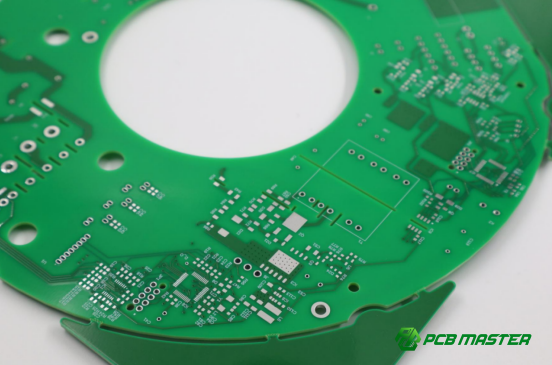
What Are the Common Types of PCB Solder Mask Defects?
PCB solder mask defects are issues that affect the green or protective coating on printed circuit boards. These defects can cause soldering problems, short circuits, or reliability issues in electronic devices. Understanding each type helps engineers detect, fix, and prevent problems in PCB manufacturing.
Solder Mask Covering Pads, Causing Soldering Failure
This defect happens when the solder mask accidentally covers the copper pads, preventing proper soldering.
Cause Analysis: Common causes include damaged or dirty photomasks (film negatives), misalignment during exposure, or ink bleeding from the silk screen. Even slight misplacement can make a pad unusable.
Short-Term Fix: Use a solder mask stripping solution to remove the mask from the affected pads. Then, perform surface treatments like tinning or chemical gold plating before resoldering.
Long-Term Prevention: Regularly check the exposure machine’s alignment, maintain clean and intact photomasks, and inspect the silk screen for damage or ink leaks. Consistent equipment calibration reduces recurring problems.
Example: A PCB batch in a prototype run had 10% pads blocked due to a scratched photomask. Stripping the mask and replacing the film solved the issue.
Ink Bleeding or Overflow Causing Pad Bridging
Ink overflow happens when solder mask spreads onto areas between pads, creating short-circuit risks.
Cause Analysis: Low ink viscosity, excessive squeegee pressure, or insufficient pre-baking can cause the mask to flow outside its intended area.
Repair Method: For minor overflow, carefully scrape excess ink with a blade or special tool. For severe cases, strip the entire mask and reapply.
Improvement Measures: Adjust ink viscosity to optimal levels, maintain correct silk screen tension, and fine-tune squeegee pressure and angle. Ensure pre-baking fully dries the ink before exposure.
Example: A PCB assembly with fine-pitch ICs saw pad bridging due to under-baked ink. Pre-baking adjustment eliminated the problem in later batches.
Trapped Air or Bubbles Causing Blisters
Tiny air bubbles trapped under the solder mask create bumps, which may crack and expose copper.
Cause Analysis: Dirty PCB surfaces, insufficient de-gassing of ink, or air trapped during printing are common reasons. Printing too fast also increases bubble formation.
Short-Term Repair: Pop the bubbles carefully and apply a small amount of ink to fill the void. Large areas require complete mask removal and reapplication.
Preventive Measures: Let ink settle after mixing to remove bubbles, control printing speed, and apply even pressure to avoid trapping air.
Example: A high-density PCB had multiple bubbles under pads. Allowing ink to sit for 30 minutes before printing resolved the issue in production.
Cracks or Solder Mask Lifting (Delamination)
Cracks or lifting occur when the solder mask splits or peels, often at via walls or sharp corners.
Cause Analysis: Weak adhesion, overly brittle ink, excessive curing, or differences in thermal expansion between copper and mask material.
Repair Method: This usually requires complete stripping and reapplication. Partial fixes are unreliable.
Long-Term Prevention: Select flexible ink types, follow supplier-recommended curing curves, and ensure material compatibility with board copper.
Example: In a multilayer PCB , sharp via corners showed mask cracking. Changing to a flexible ink and adjusting curing time eliminated recurring cracks.
Incomplete Development Leaving Thin Residual Ink
Sometimes, unexposed or partially cured mask is not fully removed, leaving a thin film over pads.
Cause Analysis: Low developer concentration, low temperature, short development time, or overexposure during UV curing.
Repair Method: Re-develop the mask immediately if detected. If already cured, the mask must be stripped and reapplied.
Process Optimization: Maintain proper developer concentration and temperature, ensure consistent spray coverage, and replace chemicals regularly to prevent fatigue.
Example: A batch of PCBs showed thin films over pads after rushed development. Adjusting spray pressure and developer concentration solved the problem.
Uneven Solder Mask Color or Shade Variation
Color inconsistency occurs when the mask is darker or lighter in different areas of the PCB.
Cause Analysis: Uneven ink thickness, non-uniform pre-bake temperatures, or differences between ink batches.
Handling Strategy: Minor color differences are often cosmetic and acceptable. Severe variation may require mask stripping and reapplication.
Preventive Measures: Standardize ink batch usage, ensure uniform oven temperatures, and monitor coating thickness.
Example: Two batches of green ink had noticeable shade differences. Strict batch tracking and oven calibration eliminated future issues.
Poor Adhesion of Solder Mask
Poor adhesion happens when the mask peels off easily from the PCB surface.
Cause Analysis: Incomplete surface preparation, insufficient curing, or degraded/expired ink.
Repair Method: Strip the mask entirely and redo the coating process.
Prevention Measures: Optimize pre-treatment (cleaning, micro-etching), follow precise curing parameters, and use high-quality, within-date ink.
Example: A PCB panel peeled during reflow. Improving copper surface cleaning and controlling oven temperature fixed the problem permanently.
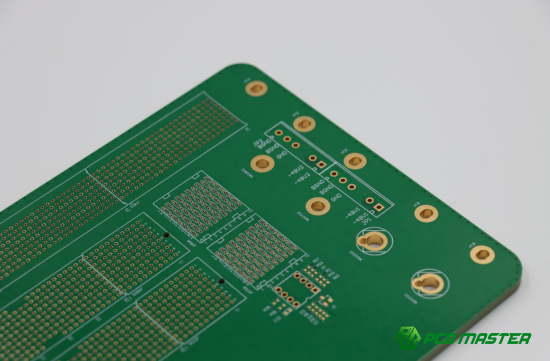
What Are the Short-Term Corrective Measures for PCB Solder Mask Defects?
Short-term corrective measures are immediate actions to fix solder mask issues on PCBs without redesigning the process. These actions aim to restore functionality and prevent production delays while long-term solutions are being implemented.
Local Repair Methods
Local repair fixes small, isolated solder mask defects directly on the PCB without stripping the whole mask.
Key Points:
- Scraping Excess Ink: Use a small knife or specialized tool to carefully remove overflow solder mask from pads or between traces. This prevents bridging or short circuits.
- Bubble Repair: Tiny trapped air bubbles under the mask can be gently punctured and filled with a small amount of solder mask ink to restore smooth coverage.
- Localized Exposure and Development: For partially cured or misaligned areas, re-expose the specific section under a UV light and redevelop to correct incomplete or residual mask.
Example: In a PCB batch with minor pad overflow, operators used a scalpel to remove excess ink and applied localized UV exposure. The board passed inspection without full rework.
Full Mask Strip and Rework Procedures
When defects are widespread, the entire solder mask must be stripped and reapplied.
Steps:
- Mask Removal: Apply a solder mask stripping solution to fully remove old ink. Ensure the copper surface is clean and dry.
- Surface Treatment: Protect the exposed copper with tin plating, chemical gold, or other surface coatings to prevent oxidation.
- Reapplication: Reprint the solder mask using proper silk screen or spray methods, then re-expose, redevelop, and cure following standard procedures.
Example: A PCB panel with multiple bridging defects underwent complete mask stripping and reapplication. Post-process inspection showed 100% pad coverage without bridging.
Temporary Process Adjustment Strategies
Sometimes defects can be reduced temporarily by adjusting process parameters, minimizing immediate risk until permanent fixes are applied.
Key Points:
- Squeegee Pressure & Printing Speed: Adjust the pressure and speed of silk screen printing to prevent ink overflow or insufficient coverage.
- Oven Temperature and Timing: Temporarily tweak pre-bake or curing temperatures and durations to optimize ink flow and adhesion for small batches.
- Developer Spray Pressure: Modify spray pressure in the developer to ensure complete removal of uncured mask in critical areas.
Example: During a prototype run with minor mask voids, adjusting printing speed and pre-bake temperature allowed the boards to pass inspection while awaiting permanent equipment calibration.
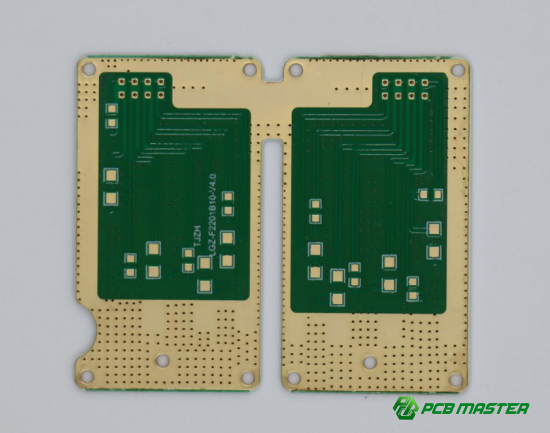
What Are the Long-Term Prevention Methods for PCB Solder Mask Defects?
Long-term prevention focuses on improving PCB manufacturing processes to reduce solder mask defects permanently. These strategies address surface preparation, ink application, curing, exposure, and overall equipment and environment management.
Strict Surface Pre-Treatment Control
Brief Answer: Proper surface preparation is critical for solder mask adhesion and long-term PCB reliability.
Key Points:
- Mechanical Scrubbing: Control pressure, speed, and brush condition during board surface abrasion. Well-maintained rollers create a uniform micro-roughness that helps solder mask stick.
- Chemical Cleaning: Use precise acid etching and micro-etching solutions to remove oxides and contaminants. Maintain correct concentrations and replace chemicals regularly to avoid residue buildup.
- Drying Verification: After cleaning, boards must be completely dry. Use the “water break test”: water spreads evenly on a clean surface; beading indicates residual moisture.
Example: A PCB manufacturer reduced adhesion failures by 80% after implementing strict mechanical scrubbing standards and water break testing.
Ink Printing and Coating Optimization
Correct ink handling and application ensure uniform coverage and prevent defects.
Key Points:
- Ink Management: Store ink properly, mix thoroughly, and monitor viscosity with a viscometer. Consistent viscosity avoids flooding or insufficient coverage.
- Silk Screen Printing: Optimize mesh count, squeegee hardness, angle, and speed. Maintain tension in the screen to prevent ink smearing or uneven thickness.
- Spray Coating Alternative: For high-density PCBs, spray coating provides more even solder mask coverage than silk screen printing. Control pressure, nozzle height, and ink flow carefully.
Example: Switching to a spray coating method for 0.4mm pitch boards eliminated 90% of minor bridging defects caused by silk screen inconsistencies.
Pre-Bake and Curing Process Optimization
Proper pre-bake and curing processes ensure solder mask stability and adhesion.
Key Points:
- Pre-Bake Temperature/Time: Control pre-baking so the mask is “finger-dry” but solvents remain inside for proper flow during curing.
- Curing Oven Monitoring: Use temperature tracking devices to verify that the oven meets the required curing profile and avoid over-curing, which makes the mask brittle.
- Thermal Expansion Compatibility: Ensure solder mask and copper materials have compatible thermal expansion rates to prevent cracking during heat cycling.
Example: Adjusting pre-bake duration by 5 minutes prevented small cracks at via walls in multilayer boards.
Exposure and Development Process Optimization
Precise exposure and development ensure the solder mask accurately covers pads and traces.
Key Points:
- Photomask and Vacuum Frame: Keep masks clean and undamaged. Vacuum frame adhesion ensures accurate alignment and reduces ghosting or bridging.
- Exposure Energy Control: Measure UV energy daily and calibrate machines. Adjust exposure based on ink type and thickness for complete polymerization.
- Developer Monitoring: Maintain solution concentration, temperature, and spray pressure. Replace chemicals based on board area processed to ensure full removal of unexposed mask.
Example: A factory reduced incomplete development defects by 60% after installing daily UV energy measurement and vacuum frame inspections.
Equipment and Environment Management
Clean, well-maintained equipment and controlled environments prevent recurring mask defects.
Key Points:
- Cleanroom Standards: Maintain high cleanliness, especially in exposure and coating areas, to reduce dust and particle defects.
- Preventive Maintenance (PM): Regularly service printers, exposure machines, developers, and curing ovens to avoid deviations in performance.
- Operator Training and SOPs: Standardize every process step and train staff on correct techniques to minimize human errors.
Example: Implementing weekly PM and a formal SOP reduced dust-related pinholes by 70% in a high-volume PCB production line.
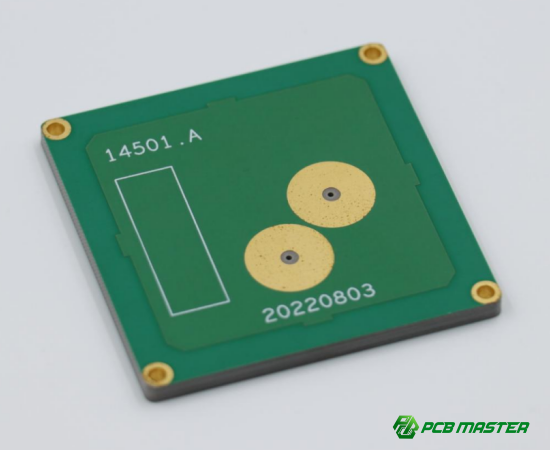
How to Establish a PCB Solder Mask Process Control System?
A PCB solder mask process control system ensures consistent quality, reduces defects, and improves production reliability. It combines standard procedures, real-time monitoring, and continuous improvement practices.
Develop Standard Operating Procedures (SOP)
SOPs provide a step-by-step guide for each process, ensuring consistency and traceability in PCB solder mask production.
Key Points:
- Detailed Steps and Parameters: Every stage—surface preparation, ink printing, exposure, development, and curing—should have clear instructions. Include pressure, temperature, speed, and timing limits. This prevents deviations that cause defects.
- Traceable Records and Batch Management: Maintain logs for each batch, recording parameters, operator, and material lot numbers. Traceability allows quick identification of problems and accountability for process errors.
Example: A PCB factory implemented SOPs specifying squeegee pressure and exposure energy. This reduced solder mask bridging defects by 50% in two months.
Measure and Monitor Key Parameters
Continuous monitoring of critical process parameters ensures defects are detected early and corrective actions are applied.
Key Points:
- Critical Parameters: Track ink viscosity, oven temperature, squeegee or roller pressure, and developer solution concentration. These factors directly affect mask adhesion and coverage.
- Real-Time Data and Alarms: Use sensors and software to log values continuously. Set alarms for deviations beyond acceptable ranges to prevent defective boards from progressing through production.
Example: Installing real-time viscosity sensors in the ink system allowed operators to adjust the mixture immediately, preventing recurring overflow defects on high-density boards.
Root Cause Analysis and Continuous Improvement
Systematic analysis of defects and regular process review helps prevent recurring solder mask problems.
Key Points:
- 5Why and Fishbone Analysis: Investigate defects by asking “why” multiple times or using fishbone diagrams to find underlying causes, rather than addressing symptoms only.
- Regular Process Reviews: Periodically evaluate production data, defect rates, and batch performance. Identify trends or recurring issues for targeted improvement.
- Continuous Process Optimization: Adjust ink formulas, exposure energy, developer concentration, and curing schedules based on data-driven insights. Continuous improvement ensures long-term reliability.
Example: After multiple bridging incidents, the team used a fishbone diagram to discover improper pre-bake timing as the root cause. Adjusting the pre-bake schedule reduced defects by 70%.

Conclusion
Effective PCB solder mask control is key to high-quality, reliable circuit boards. By understanding common defects, applying short-term corrections, optimizing long-term processes, and establishing a robust process control system, manufacturers can minimize errors and boost production efficiency. At PCBMASTER , we combine precision, best practices, and continuous improvement to ensure every board meets strict performance standards. Mastering solder mask processes not only prevents defects but also enhances product reliability, customer satisfaction, and your competitive edge in electronics manufacturing.
FAQs
1. Can Solder Mask Overflow Affect Soldering?
Yes. Solder mask overflow, also called ink bleeding, can cover pads or create bridges between traces. This prevents proper solder wetting and may cause short circuits. Even small overflows on fine-pitch PCBs can result in soldering failures. Removing excess mask or reworking the board is necessary for reliable solder joints.
2. Can Bubble-Formed Ink Be Repaired Locally Without Stripping?
Yes, for minor bubbles. Tiny trapped air can be punctured carefully, and a small amount of solder mask ink can fill the void. After local repair, the area should be re-exposed and developed. However, large bubbles or widespread defects require full mask stripping and reapplication for reliability.
3. How to Determine If Solder Mask Ink Is Over-Cured?
Over-cured ink becomes brittle, cracks easily, and may lift from copper surfaces. Signs include: cracking at via walls, hard texture, or poor adhesion during inspection. Measuring curing time and oven temperature against the ink supplier’s recommended curing curve is the most reliable method.
4. What to Do If Different Ink Batches Have Severe Color Differences?
Severe color differences indicate inconsistent thickness or pigment variation. Minor differences may be acceptable for appearance-only areas, but critical boards require reapplication. Preventively, track ink batches, ensure proper mixing, and maintain uniform pre-bake and curing temperatures to minimize variation.
5. What Is the Recommended Troubleshooting Order for Exposure and Development Issues?
- Check Photomask: Ensure it is clean, undamaged, and properly aligned.
- Verify Vacuum Frame: Confirm full contact between board and mask.
- Measure UV Exposure Energy: Adjust according to ink type and thickness.
- Inspect Developer Solution: Check concentration, temperature, and spray pressure.
- Process Small Test Boards: Confirm adjustments before full production.
About the Author

Carol Luo
PCB Design EngineerI'm Carol, a PCB Engineer at PCBMASTER with experience in PCB design and manufacturing engineering since 2018. I focus on translating engineering requirements into reliable PCB solutions, with expertise in stack-up design, material selection, and design-for-manufacturing (DFM). I share practical engineering insights from real-world PCB design and production experience.
Visit Carol Luo's Profile