







Essential Guide to PCB Solder Mask Ink: Functions, Types, and Color Selection
When you look at a PCB, the green (or sometimes black or white) layer covering the surface isn’t just for appearance. It’s a vital component known as solder mask ink. This protective coating plays a key role in the overall performance and longevity of the board. In the following sections, we’ll dive into the functions, types, and key considerations when selecting solder mask ink for your PCB projects.
What is PCB Solder Mask Ink?
PCB solder mask ink is a protective coating applied to the surface of printed circuit boards (PCBs) . Its primary function is to shield the copper traces and pads from environmental damage and physical wear. This layer prevents oxidation and corrosion of the copper, which could degrade the electrical performance of the PCB. It also acts as an insulation barrier, ensuring that solder does not accidentally flow onto areas of the board that are not meant to be soldered. This protects the board from electrical shorts and other potential faults during the soldering process.
For example, in the wave soldering process, solder mask helps prevent solder bridges from forming between closely spaced traces, ensuring a clean and accurate connection. Without it, the PCB could experience failures in performance and reliability, particularly in high-density or high-speed applications.
What Are the Functions of Solder Mask Ink?
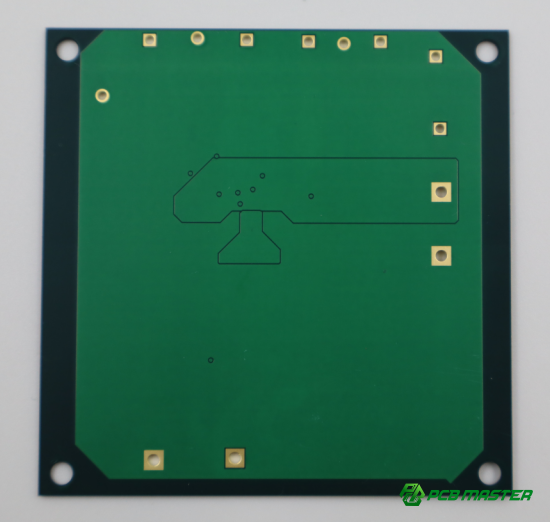
Solder mask ink protects PCB copper traces from oxidation, prevents solder short circuits, shields the circuit from physical and chemical damage, improves electrical performance, and enhances the board's appearance and identification.
Insulation Protection
Solder mask ink plays a crucial role in protecting the copper traces on a PCB. The ink acts as an insulating layer, preventing copper from being exposed to air, which could lead to oxidation and corrosion. Copper, when exposed to oxygen and moisture, can deteriorate over time, weakening the PCB. By applying a solder mask, manufacturers ensure that these traces are protected, extending the board's lifespan and improving its overall durability. This protective layer also ensures the reliability of the electrical signals transmitted through the copper lines, which is essential for the PCB’s function in electronic devices.
Prevents Solder Short Circuits
One of the primary purposes of solder mask ink is to prevent solder bridges during the soldering process, particularly during wave soldering or reflow soldering. When molten solder flows across the board, it can accidentally bridge the gap between two adjacent copper traces, causing a short circuit. The solder mask creates a barrier around the copper traces, leaving only the pads exposed for soldering. This ensures that solder only adheres where it is needed, preventing unwanted connections and protecting the PCB’s functionality.
Protects the Circuit Lines
Physical damage and chemical exposure are common risks during the transportation, assembly, and use of PCBs. Solder mask ink acts as a protective shield for the PCB's delicate copper traces, reducing the chances of physical scratches and exposure to harsh chemicals. The ink also provides a level of resistance against mechanical wear and tear, which helps maintain the integrity of the PCB during handling and use. In industries like automotive and consumer electronics, where PCBs are exposed to demanding environments, this layer of protection ensures the board stays intact and performs well over time.
Improves Electrical Performance
Another key function of the solder mask is its contribution to the electrical performance of the PCB. The ink increases the insulation resistance of the board, which helps prevent electrical leakage between traces. It also improves the PCB's voltage endurance by providing an additional layer of protection from high voltage. For sensitive electronic devices, such as medical equipment or communication devices, ensuring high electrical resistance and voltage tolerance is essential for reliable and safe operation. The solder mask helps maintain these critical performance levels, guaranteeing the board's reliability over its operational lifespan.
Aesthetic and Identification Purposes
While protection and performance are the primary roles of solder mask ink, it also plays an important role in the aesthetics and identification of the PCB. The ink creates a neat, uniform appearance, helping the PCB look clean and professional. Additionally, the surface of the solder mask is often used to print important identification marks, such as component placement numbers, version information, and logos. This makes it easier for manufacturers and technicians to identify parts of the PCB during assembly or maintenance, ensuring smoother production processes. For instance, white solder mask is commonly used to highlight text for easy identification, making it ideal for labeling in high-visibility areas like LED displays or industrial applications.
What Are the Key Components of Solder Mask Ink?
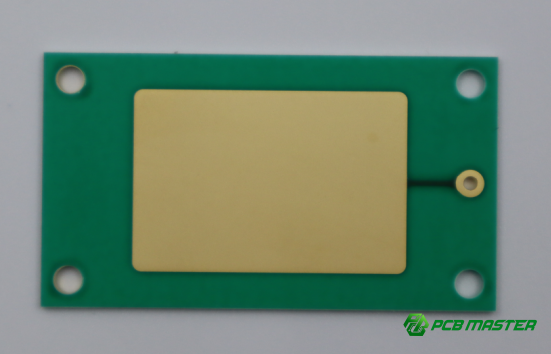
The key components of solder mask ink include resin film-forming materials (epoxy, acrylic, polyurethane), photoinitiators (sensitizers for UV curing), pigments and fillers (for color and strength), and solvents and additives (to adjust viscosity and processing characteristics).
Resin Film-Forming Materials
The resin in solder mask ink is crucial for its strength and durability. These resins, including epoxy resin, acrylic resin, and polyurethane resin, form the solid protective layer that adheres to the PCB.
- Epoxy Resin: This is the most common resin used in solder mask inks due to its strong adhesion, chemical resistance, and durability. It provides a hard, long-lasting finish that is ideal for standard PCBs.
- Acrylic Resin: Acrylic-based resins are more flexible and easier to process than epoxy, but they are less durable. They are often used in situations where flexibility or ease of application is more important than ultimate strength.
- Polyurethane Resin: Known for its excellent flexibility and resistance to wear, polyurethane resin is used when the PCB may face physical stress or harsh environments.
These resins ensure that the solder mask adheres well to the PCB surface while offering protection against physical damage, chemical exposure, and electrical interference.
Photoinitiators (Sensitizers)
Photoinitiators in solder mask ink allow the ink to be sensitive to UV light. When the solder mask is exposed to ultraviolet (UV) light, these chemicals undergo a reaction that makes the ink solidify or "cure," forming the pattern of solder pads and other necessary areas.This process is key to creating the precise openings in the solder mask that allow soldering to the PCB’s pads while protecting the surrounding areas. The photoinitiator absorbs UV light and causes a chemical reaction that hardens the ink, creating a reliable, accurate, and durable pattern.
Pigments and Fillers
Pigments are used in solder mask ink to give it color, with common options being green, black, blue, and white. The pigment affects both the appearance and the functional properties of the mask.
- Pigments: For example, phthalocyanine green (a type of green pigment) and phthalocyanine blue are popular for their deep, vibrant colors, and excellent UV resistance. Green is the most widely used color because it offers a good balance of visibility, cost, and performance.
- Fillers: Fillers like barium sulfate and silica are added to adjust the properties of the ink. Barium sulfate improves the opacity and hardness, while silica is used to control the flow and smoothness of the ink. These fillers contribute to the solder mask's mechanical strength and ability to resist wear.
These components also impact the overall performance of the solder mask, including its ability to prevent solder bridging and enhance PCB durability.
Solvents and Additives
Solvents and additives are included in solder mask ink to adjust its viscosity and processing characteristics.
- Solvents: These are used to dissolve the resin and allow for proper application of the solder mask. Solvents control the ink's flow, making it easier to apply by methods such as screen printing or spraying. Once the ink is applied, the solvent evaporates, leaving behind the solid solder mask.
- Additives: Other additives such as dispersants, flow agents, and defoamers help in managing the ink's behavior during application. Dispersants ensure that pigments and fillers remain evenly distributed, while flow agents improve the smoothness of the ink layer. Defoamers reduce air bubbles that could affect the quality of the solder mask. These additives help ensure that the solder mask is applied consistently, creating a smooth, even coating.
What Are the Different Types of Solder Mask Ink?
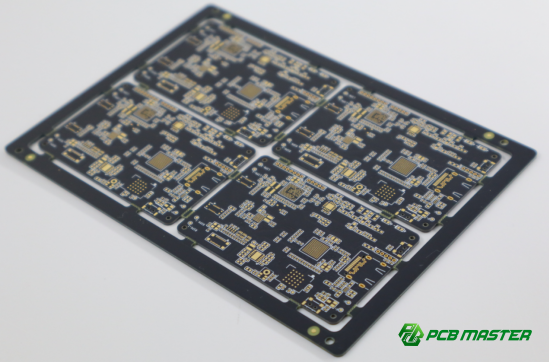
The different types of solder mask ink are photodefinable, thermoset, and UV-cured inks, categorized by their sensitivity to light, as well as thermal, UV, and UV/thermal dual curing methods, based on the curing process used.
By Sensitivity Type
Photodefinable Solder Mask Ink
Photodefinable solder mask ink is the most commonly used type for creating precise patterns on a PCB. This ink contains a photoinitiator, which reacts to ultraviolet (UV) light. When exposed to UV light, the exposed areas of the ink harden, while the unexposed areas can be washed away during the development process. This method allows for high-precision control over the solder mask pattern, making it ideal for applications where detailed and fine lines are necessary. This type of solder mask is widely used in modern PCB manufacturing, particularly for high-density and multi-layer boards.
Thermoset Solder Mask Ink
Thermoset solder mask ink is cured by heat, without requiring UV light exposure. When applied, the ink is heated to a high temperature, which causes it to solidify and bond permanently to the PCB. This type of ink is less sensitive to light, making it simpler and cheaper to produce. However, it may not provide the same level of precision as photodefinable inks, and the patterns may not be as sharp. Thermoset solder masks are typically used in less complex or lower-cost PCBs, where high precision is not as critical.
UV Cured Solder Mask Ink
UV-cured solder mask ink is similar to photodefinable ink, but it specifically cures under UV light without needing the development process. This ink contains a combination of photoinitiators that allow it to harden immediately upon exposure to UV light. The UV curing process is fast, making it a popular choice for high-volume production lines. It offers good precision and is often used in mass production of standard PCBs. UV-cured solder masks are also known for their excellent adhesion and durability, making them ideal for high-performance applications.
By Curing Method
Thermal Curing
Thermal curing involves applying heat to the solder mask to solidify and cure the material. This process requires the PCB to pass through an oven or furnace where the solder mask ink is heated to a specific temperature. The heat causes a chemical reaction in the resin, which hardens the solder mask. This method provides strong, durable solder masks with high resistance to chemicals and physical wear. Thermal curing is commonly used in the production of more robust PCBs, such as those for automotive or industrial applications.
UV Curing
UV curing is a faster and more energy-efficient method that uses ultraviolet light to harden the solder mask ink. This process is highly efficient because it can cure the ink almost instantly upon exposure to UV light. UV-cured solder masks provide excellent adhesion and are ideal for mass production, where speed and cost efficiency are key. This method is widely used in standard consumer electronics, like smartphones and computers, due to its speed and precision.
UV/Thermal Dual Curing
UV/thermal dual curing combines the best of both UV and thermal curing methods. In this process, the solder mask is first partially cured under UV light to form an initial hardened layer. Then, the board is subjected to heat to fully cure the ink and ensure maximum hardness and durability. This method provides the advantages of both curing techniques: it speeds up the process with UV light and achieves stronger, more durable results with thermal curing. Dual curing is typically used for high-performance PCBs that require precise patterns and superior durability.
What is the Application Process for Solder Mask Ink?
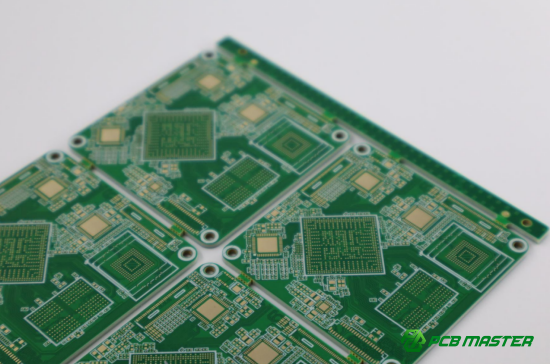
The application process for solder mask ink involves pre-treating the PCB surface for cleanliness and adhesion, applying the ink through methods like screen printing or spraying, followed by pre-baking, UV exposure to create patterns, developing the exposed areas, and finally post-curing to solidify the mask.
Pre-treatment
Before applying the solder mask ink, the PCB copper surface must be cleaned and treated to ensure proper adhesion of the solder mask.
- Cleaning: This step removes oils, dust, and other contaminants from the copper surface. Typically, a combination of ultrasonic cleaning and chemical solutions like alkaline cleaners or acid baths is used to ensure that the copper is completely free of any impurities.
- Surface Roughening: To increase adhesion, the copper surface is often roughened through mechanical or chemical methods, such as etching or micro-etching. This creates tiny grooves on the copper, allowing the solder mask to bond more securely.By ensuring a clean and roughened surface, manufacturers can enhance the longevity and reliability of the solder mask, preventing it from peeling off during the PCB’s lifecycle.
Coating Methods
Screen Printing
Screen printing is one of the most common methods for applying solder mask ink. A fine mesh screen is used to apply ink onto the PCB surface. The process involves placing a stencil with a pattern of the desired solder mask areas onto the board and then pushing the ink through the mesh to cover the copper.
- Advantages: It’s relatively inexpensive and works well for large production runs. This method is best for standard PCBs where high precision isn’t as critical.
- Disadvantages: Screen printing can be less precise when dealing with smaller features or intricate designs, leading to potential inconsistencies in the solder mask.
Spraying
Spraying is another technique used to apply solder mask ink. A fine mist of ink is sprayed over the PCB surface, covering the copper areas evenly. This method is often used for high-density or irregularly shaped PCBs.
Advantages: Spraying provides a more uniform coating and is suitable for boards with complex or uneven shapes.
Disadvantages: It can be more expensive than screen printing and may not be as efficient for mass production due to the need for precise control.
Pre-baking and Exposure
After the solder mask is applied, it must be dried and exposed to UV light to form the solder pad patterns.
- Pre-baking: This step involves baking the board at a low temperature to evaporate the solvent in the solder mask ink. It ensures that the ink becomes tacky and forms a dry, touchable layer. The goal is to avoid smudging during the exposure phase.
- Exposure: The PCB is then placed under UV light, with a photomask (a template with openings for the solder pads) aligned on top. The areas of the solder mask exposed to the UV light will harden, while the masked areas remain soft. This is a critical step for creating precise patterns for the solder pads and other important areas.
Development and Post-curing
Development
After exposure, the PCB undergoes a development process where the unexposed (soft) parts of the solder mask are washed away. A mild alkaline solution, such as sodium carbonate, is typically used to dissolve these unexposed areas, leaving behind a solid solder mask on the desired regions.
Important Considerations: The development process must be carefully controlled to avoid over or under-exposure of the ink, which could lead to incomplete or inaccurate solder mask patterns.
Post-curing
The final step is post-curing, which involves baking the PCB at a higher temperature to fully solidify the solder mask. This ensures the solder mask reaches its maximum hardness, durability, and chemical resistance.
Importance: Post-curing is crucial to achieve the solder mask’s desired properties, including resistance to heat, chemicals, and mechanical stress. Without this final step, the solder mask could be too soft and prone to damage during PCB handling or operation.
What Are the Different Color Options for Solder Mask Ink?
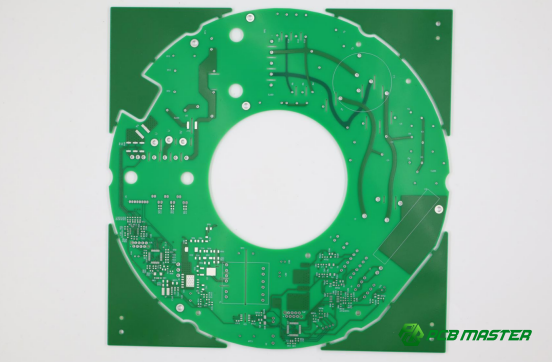
The different color options for solder mask ink include green (cost-effective and widely used), black (premium look with excellent light-blocking), white (ideal for LED lighting boards with high light reflection), and other colors like blue and red (used for personalization and special applications).
Green
Why Green Is the Most Common Choice Green is the traditional and most widely used color for solder mask ink. It strikes a balance between cost and performance, making it an ideal choice for a variety of applications.
- Cost-Effective: Green solder mask ink is the least expensive option due to its long history of use and availability in large quantities.
- Performance: It provides excellent contrast with white silkscreen marks, making component labeling and inspection easier. The color also helps reduce glare during manual inspection or automated soldering processes.
- Common Use: Green solder mask is typically found in consumer electronics, automotive electronics, and other standard PCBs, making it the go-to choice for most manufacturers.
Black
Why Choose Black for High-End Applications? Black solder mask ink offers a more premium appearance and provides excellent light-blocking capabilities.
- Aesthetic Appeal: The sleek, high-end look of black is often used in premium consumer products, such as high-performance graphics cards, motherboards, or high-end audio equipment.
- Superior Light Blocking: Black solder mask provides better protection against light interference, which can be especially useful in sensitive electronics. It also provides strong shielding for high-speed signals.
- Challenges: Black can be harder to manufacture, and defects like small scratches or dust are more visible, which can reduce yield in production.
White
Why White Is Preferred for LED Lighting Boards White solder mask ink is primarily used for applications where light reflection is critical, such as LED lighting boards.
- High Light Reflection: White solder mask maximizes light output by reflecting light off the PCB, making it ideal for LED-based applications where brightness is key.
- Challenges: While white looks clean and modern, it is more prone to staining and discoloration during the soldering process, and it may not be as durable as other colors.
- Common Use: It is frequently used in LED boards, backlight units, and other high-visibility lighting products.
Other Colors (Blue, Red, etc.)
Personalization and Special Applications Other colors, such as blue, red, yellow, and purple, are used for specific applications or for creating distinctive designs.
- Personalization: Colored solder masks help brands stand out, especially in industries like consumer electronics or custom PCBs. For example, red or blue is often used for developer kits, hobbyist boards, or specific branded products.
- Special Applications: In some cases, colors may be chosen based on the functional requirements of the PCB, such as specific types of visual coding or identification.
- Challenges: These colors can be more expensive than green and may be harder to obtain in large quantities, which can limit their availability for mass production.
Comparison Table of Solder Mask Colors
| Color | Advantages | Common Use | Challenges |
| Green | Cost-effective, good contrast, widely available | Consumer electronics, automotive, standard PCBs | None, widely used and reliable |
| Black | Premium look, excellent light blocking | High-end electronics, audio equipment | Scratches and dust are more visible |
| White | High light reflection, clean appearance | LED lighting boards, backlights | Prone to staining and discoloration |
| Other Colors (Blue, Red, etc.) | Personalization, functional coding, branding | Developer kits, custom PCBs, specific industries | Higher cost, less availability |
How to Choose the Right Solder Mask Color?
Choosing the right solder mask color depends on factors like cost, application requirements (e.g., LED lighting or high-end electronics), manufacturability and maintainability, supply chain stability, and aesthetic or branding needs.
Cost-First Principle
Why Green Is Often the Best Choice for Budget-Conscious Projects The cost-effectiveness of green solder mask ink makes it the most common choice for most applications.
- Affordability: Green is the most affordable color due to its long history of use in PCB manufacturing. It is readily available, making it ideal for large production runs where cost is a significant factor.
- Widely Used: Since green solder mask is standard in the industry, it also benefits from well-established supply chains and manufacturing processes, ensuring consistency and low cost.For general consumer electronics or standard PCB projects, green remains the go-to option because it balances cost with reliable performance.
Application-Driven Principle
Choosing Colors Based on Specific Applications The solder mask color often depends on the specific needs of the application, such as the type of device or environmental conditions.
- LED Lighting: White solder mask is preferred for LED lighting boards because it enhances light reflection, making the LEDs brighter and more efficient.
- High-End Electronics: Black solder mask is often chosen for high-end consumer electronics, such as gaming consoles or premium audio equipment, due to its sleek appearance and ability to block light interference.
- Other Specific Needs: For applications like automotive PCBs or industrial equipment, where durability and visibility are crucial, green remains the most practical choice.Understanding the functional requirements of the PCB can help you select the best color to enhance performance and meet design standards.
Manufacturability and Maintainability Principle
How Repair Needs and Visual Systems Impact Color Choice The frequency of repairs and the use of automated visual systems can affect the choice of solder mask color.
- Repair Frequency: For PCBs that are frequently serviced or repaired (e.g., industrial control systems), green or blue may be a better choice because they provide clearer visibility for component identification and easier inspection.
- Automated Visual Systems: Many modern manufacturing lines use visual systems for automated PCB inspection. These systems typically work best with green solder mask because it offers the highest contrast with white markings. Choosing colors like black or white may complicate the inspection process, making them less suitable for high-volume production lines.
Supply Chain Stability Principle
Ensuring Long-Term Availability of the Chosen Color It’s important to select a solder mask color that can be reliably sourced over the long term.
- Color Availability: Green is the most stable and readily available color, ensuring there are fewer supply chain disruptions. Choosing less common colors, like purple or custom shades, may result in production delays or higher costs if the supply chain is not well-established.
- Consistency: Long-term supply stability is especially important for large-scale or ongoing production, where a consistent supply of the same color is needed to avoid variations between production runs.
Ensuring that the color selected is easy to source and remains consistently available can prevent issues down the line.
Aesthetics and Brand Image Principle
Balancing Appearance and Branding Needs The color of the solder mask can influence the overall look and feel of the product, which may be a key factor for branding.
- Product Appearance: Certain colors, such as black or blue, are often used to enhance the premium look of a product. For example, high-end consumer electronics like gaming devices and premium audio equipment often feature black solder masks to appeal to a high-end market.
- Branding: For brands that want to create a distinct image or highlight their product’s design, custom colors (like red, purple, or gold) may be chosen. These colors can make the product stand out in the market, offering a unique aesthetic that aligns with the brand’s identity.
- Balancing Cost and Appearance: While aesthetics are important, it's crucial to balance color choice with cost considerations. Often, manufacturers will opt for a color that meets both their functional requirements and brand image without significantly increasing production costs.
Conclusion
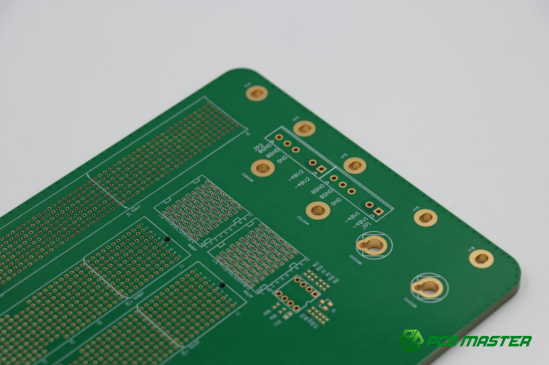
Selecting the right solder mask color plays a vital role in achieving both the desired performance and aesthetic appeal for your PCB. Each project has its unique requirements, whether it's cost-efficiency, specific functional needs like LED applications, or brand differentiation. By understanding the key factors, you can ensure that your PCB stands out while also delivering optimal performance.
For those looking to implement these choices with precision and quality, PCBMASTER stands ready to support your needs. As an experienced PCB and PCBA supplier, we are dedicated to delivering top-tier products, using a wide range of solder mask types and colors based on your exact specifications. Whether you need a standard solution or custom options, our team is here to help you create high-quality, reliable PCBs tailored to your project.
FAQs
1. Does the Color of Solder Mask Ink Affect PCB Performance?
Yes, the color of solder mask ink can impact PCB performance, particularly in areas like signal integrity and heat dissipation. Different colors, such as green, black, or white, can have varying effects on how signals are transmitted and how heat is managed. For example, darker colors like black may improve light-blocking capabilities, but they can absorb more heat, which could affect performance in high-temperature environments. It's essential to select the solder mask color based on your product's specific needs to optimize performance.
2. Why Is Green the Most Common Solder Mask Color?
Green is the most common solder mask color due to its low cost and high contrast with the white silkscreen layer. This makes it easier to read component markings and improve manufacturing efficiency. Green also offers good performance in terms of durability and visibility during production, making it a reliable and cost-effective choice for most standard PCBs. Additionally, green solder mask has become the industry standard, further contributing to its widespread use.
3. Is the Solder Mask Ink Manufacturing Process Complex?
Yes, the manufacturing process for solder mask ink involves several steps, including pre-treatment, coating, exposure, development, and post-curing. While the process may seem complex, each step is critical to ensuring the quality and performance of the final PCB. Proper cleaning and adhesion, accurate exposure to UV light, and thorough curing are all necessary to ensure that the solder mask adheres correctly, provides adequate protection, and maintains the PCB's electrical and mechanical properties.
4. Can Black Solder Mask Ink Replace Green?
While it is possible to use black solder mask ink instead of green, black ink is typically more expensive and can pose challenges during manufacturing and inspection. Black ink tends to show defects, such as scratches or dust, more easily than green, which can affect the yield rate and manufacturing quality. For these reasons, black solder mask is generally reserved for high-end products where aesthetics and light-blocking properties are critical, rather than for standard PCB applications.
5. Does the Quality of Solder Mask Ink Affect PCB Longevity?
Yes, the quality of solder mask ink directly impacts the longevity of a PCB. High-quality solder mask ink provides better protection against corrosion and short circuits, which are major factors that can shorten the life of a PCB. A durable solder mask helps to safeguard the PCB from environmental factors, such as moisture, chemicals, and mechanical wear, ensuring that the board operates reliably for a longer period. Therefore, investing in high-quality solder mask ink contributes to the overall lifespan and reliability of the PCB.
About the Author

Carol Luo
PCB Design EngineerI'm Carol, a PCB Engineer at PCBMASTER with experience in PCB design and manufacturing engineering since 2018. I focus on translating engineering requirements into reliable PCB solutions, with expertise in stack-up design, material selection, and design-for-manufacturing (DFM). I share practical engineering insights from real-world PCB design and production experience.
Visit Carol Luo's Profile