







How to Select PCB Solder Mask Colors for Your Projects?
When designing a printed circuit board (PCB) , every detail counts, from the layout to the materials used. One often-overlooked aspect is the choice of solder mask color. While it might seem like a purely aesthetic decision, the color of your PCB’s solder mask can impact everything from the assembly process to the performance and durability of your product.
Why is the Choice of PCB Solder Mask Color Important?
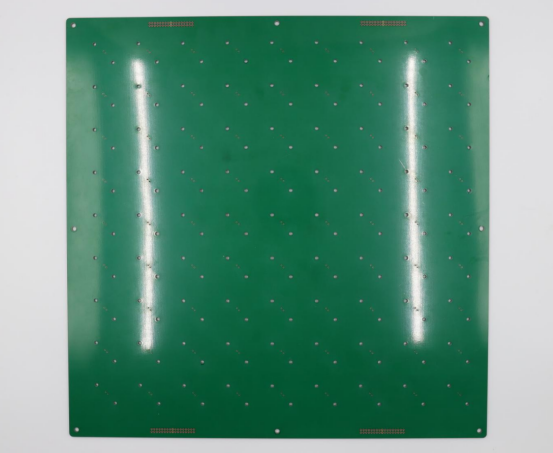
The choice of PCB solder mask color may seem like a purely aesthetic decision, but it actually plays a crucial role in both the functionality and reliability of your circuit board. From improving visibility during assembly to influencing heat dissipation and long-term durability, the color you choose can impact how your PCB performs under various conditions.
What is a PCB Solder Mask?
A PCB solder mask is a protective layer applied to the surface of a PCB during manufacturing. It is typically made from epoxy-based material and covers most of the PCB surface, leaving only areas where components need to be soldered exposed. The primary function of the solder mask is to protect the PCB from environmental damage, such as moisture, dust, and corrosion. It also prevents accidental solder bridges between conductive traces, ensuring that components are connected only where they are supposed to be.
In addition to protection, solder masks enhance the durability and reliability of the PCB by providing insulation. This allows the circuit to perform optimally over time, especially under challenging conditions such as high temperatures or humidity. The solder mask is also key in ensuring that the PCB is easy to inspect and repair, as it provides a clear contrast for identifying soldering defects.
How Does Solder Mask Color Affect PCB Performance?
The color of the solder mask can have a significant impact on the performance and functionality of a PCB, although it may not seem that way at first glance.
- Impact on Visibility for Assembly and Inspection: Lighter-colored solder masks, such as white or yellow, provide better contrast, making it easier for assembly workers and inspectors to see fine details on the PCB. This can improve the speed and accuracy of the soldering process, especially for complex, high-density boards. Conversely, darker colors like green and black might make it more challenging to detect small errors, such as tiny solder bridges, but they can help mask minor imperfections that don't affect performance.
- Effects on Heat Dissipation and Soldering Process: The color of the solder mask can also influence heat dissipation during the soldering process. For example, darker solder mask colors, like black or blue, may absorb more heat, which could slightly impact the thermal behavior of the PCB. This could be a concern in high-power applications where efficient heat management is critical. Lighter colors, like green, are typically more neutral and reflective, helping to dissipate heat more effectively. However, the impact on the overall performance is usually minimal unless the board is exposed to extreme temperatures.
Can Solder Mask Color Affect Circuit Reliability?
While solder mask color itself doesn’t directly affect the electrical performance of the PCB, it can influence the overall reliability, particularly in demanding industries like military and medical applications.
- Potential Durability or Reliability Issues: Some colors may be more prone to discoloration or fading over time. For example, red and yellow solder masks may be more susceptible to UV degradation, especially when exposed to constant light. This can lead to a reduction in the protective properties of the solder mask, affecting the long-term durability of the PCB. Additionally, different colors may have different thicknesses and curing times, which could affect the consistency of the protective layer.
- Examples of Color-Related Issues in High-Reliability PCBs: In high-reliability applications, such as aerospace or medical devices, where the PCB must perform flawlessly under extreme conditions, even minor imperfections can lead to failure. In these cases, manufacturers often choose standard green solder masks for their proven consistency and reliability. Certain colors, like black or blue, may be used for aesthetic purposes, but they require careful handling and testing to ensure they don’t interfere with long-term performance. For example, a poorly cured black solder mask could cause uneven insulation, leading to potential circuit failures.
What Are the Common PCB Solder Mask Colors?
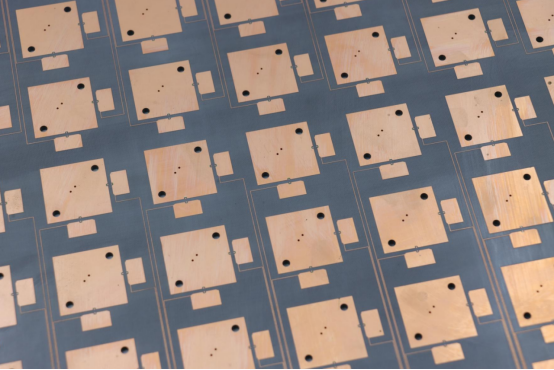
When selecting a solder mask color for your PCB, it's important to understand the most common options available. Each color offers unique benefits, from practical advantages like visibility and cost to aesthetic considerations for branding and design.
Green – The Most Common Color for PCB Solder Masks
Why is Green the Most Common Color for PCB Solder Masks?
Green is the most popular solder mask color used in PCB manufacturing, and its dominance in the industry is largely due to historical and practical reasons. In the early days of PCB production, green was chosen for its visibility and ease of production. The chemicals used for green solder masks were readily available, and the color offered good contrast for component inspection and soldering. Over time, it became the industry standard, and the infrastructure for producing green solder masks was widely developed.
Benefits of Green Masks
The green color provides a strong contrast with the copper traces and components on the PCB, making it easier for assembly workers to identify defects like solder bridges and shorts. This is especially helpful in high-volume production, where speed and accuracy are critical. Additionally, green solder masks are cost-effective. Since they are mass-produced, they are cheaper than many alternative colors. This makes green the default choice for a wide range of consumer and industrial applications. Furthermore, green masks offer reliable protection, durability, and consistent performance over time.
Red, Blue, and Black – Alternative Solder Mask Colors
What Makes Red, Blue, and Black Different from Green?
While green is the most common, red, blue, and black are popular alternatives. These colors are often chosen for aesthetic reasons or for specific branding needs, especially in consumer-facing products. These colors are also readily available but can sometimes be more expensive than green due to lower production volumes and slightly different manufacturing processes.
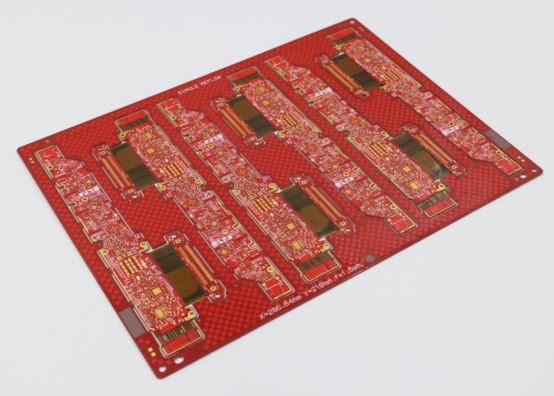
- Red: Red solder masks offer a vibrant look and are often used in consumer electronics for visual appeal. However, they can be more expensive and might have a slightly lower contrast for visual inspection.
- Blue: Blue solder masks are another alternative that provides a striking appearance. They are typically used in high-end products and consumer electronics. Blue is also considered a good choice for contrast, but like red, it can be a bit more costly than green.
- Black: Black solder masks are often used for high-end designs, particularly when a premium, sleek look is desired. They offer high contrast with the copper traces, but they can also absorb more heat, which may slightly affect the PCB's thermal performance.
Impact on Soldering and Visual Inspection
The color of the solder mask can influence how easy it is to visually inspect the soldering process. Lighter colors like red or blue may make it harder to spot small solder bridges, compared to green or black, which provide high contrast. Additionally, some colors, like black, may be more prone to fading or discoloration over time due to exposure to UV light, which can affect the long-term visibility of the PCB.
Specialty Colors: White, Yellow, and Other Options
Pros and Cons of Specialty Solder Mask Colors
Specialty colors, such as white, yellow, and other less common options, can be used for specific purposes. These colors are typically chosen for their visual appeal in high-end consumer products, marketing, or branding. However, they come with both advantages and disadvantages.
- White: White solder masks are often used for high-visibility designs, especially in medical or industrial applications where cleanliness and clarity are essential. While they provide excellent contrast, white masks can be more prone to staining or yellowing over time.
- Yellow: Yellow is another color that is sometimes used for high-visibility, especially in industrial or custom applications. However, like white, yellow solder masks may be more prone to discoloration or fading over time.
- Other Specialty Colors: Colors such as purple, pink, or custom shades are also available but are rare and often more expensive. They are typically used in very specific applications, like limited-edition products or custom consumer electronics, where the visual appearance is more important than cost or practicality.
Scenarios Where Specialty Colors Are Preferred
Specialty colors are often chosen for their visual impact, particularly in products aimed at consumers. For example, luxury electronics or high-end gadgets may use custom-colored solder masks to stand out on store shelves. Similarly, some products might use bright or unique colors for branding purposes or to create a distinctive look that aligns with a company’s image. However, when selecting specialty colors, it's important to balance aesthetics with performance and cost considerations. These colors may be more expensive, and their long-term durability might be a concern.
How to Choose the Right Solder Mask Color for Your Project?
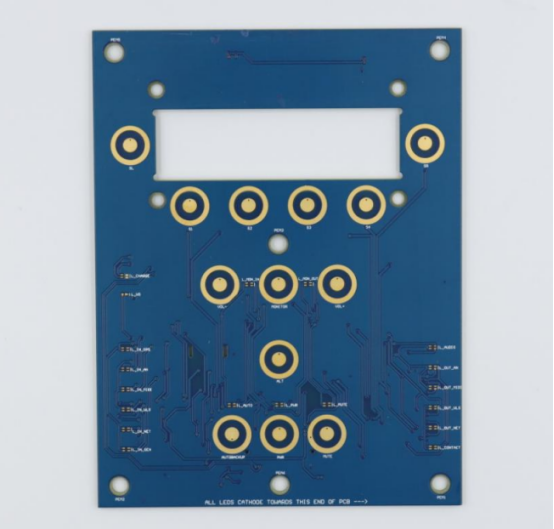
Choosing the right solder mask color for your PCB project goes beyond aesthetics—it directly impacts functionality, cost, and even brand identity. Whether you're designing for consumer electronics, industrial applications, or high-reliability circuits, the color you select should align with your specific needs.
Assessing Your PCB’s Functionality and Purpose
How Does Your PCB’s Application Influence Solder Mask Color Choice?
The intended use of your PCB should guide the selection of its solder mask color. Different applications, such as consumer electronics, industrial systems, or high-reliability circuits, each have unique requirements.
- Consumer Electronics: For products like smartphones, computers, and home appliances, manufacturers often prioritize aesthetic appeal alongside functional performance. These applications might use colors like green, black, or even custom colors to match branding or design trends.
- Industrial and High-Reliability Applications: In industries like aerospace or medical electronics, the focus shifts toward durability and functionality. Here, green is commonly preferred due to its long-established reliability and visibility during inspection. High-reliability boards may also use more standard colors, avoiding exotic options that may pose untested durability concerns.
- Visibility, Assembly, and Performance Considerations
Consider how the color choice impacts visibility during assembly. For example, lighter colors like white or yellow can provide higher contrast with the copper traces, helping assembly workers spot solder defects. This can speed up production and reduce error rates. In contrast, darker colors like black or green might be chosen for their balance between functionality and cost-effectiveness, though they can make defects harder to detect without magnification.
Considering Cost and Availability of Colors
How Do Different Solder Mask Colors Affect PCB Production Costs?
The choice of solder mask color can influence the overall cost of PCB production. While green is the most common and cost-effective option due to its widespread availability and established production process, alternative colors like red, blue, or black tend to be more expensive. These colors are less commonly produced, requiring more specialized materials or processes, which can increase the price.
- Cost Differences: Specialty colors like white, yellow, or custom hues often carry higher production costs due to smaller manufacturing volumes and additional processing steps. These costs may be justified in high-end consumer products or for design-specific needs but could be a concern for budget-sensitive projects.
Supply Chain Considerations
Availability is another important factor. While green solder mask is widely available and comes with short lead times, specialty colors might be limited in some regions or require longer production times. If your project timeline is tight, relying on readily available colors might be a safer choice. Similarly, if you're working with a PCB manufacturer that has limited experience with certain colors, this could lead to potential delays or quality control issues.
Aesthetic and Branding Considerations
How Does Color Affect Product Design and Branding?
In some cases, the solder mask color is not just about functionality but also about enhancing the product’s appearance. For example, many consumer-facing products, such as electronics, may use custom-colored solder masks to align with a company's branding or to give the product a more premium look. The choice of color can help set a product apart from its competitors and create a visually striking design that appeals to consumers.
- Branding and Identity: Some companies use specific colors to represent their brand or create a certain aesthetic appeal. For instance, high-end tech brands may choose black or blue solder masks for a sleek and professional look. In contrast, companies targeting younger audiences may opt for bold or bright colors to reflect their vibrant identity.
Why Do Certain Industries Prefer Specific Solder Mask Colors?
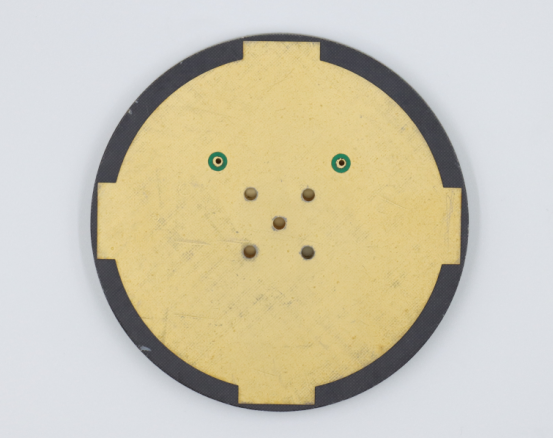
Certain industries, particularly those in consumer electronics, are more likely to invest in specific solder mask colors as part of their product’s design strategy. For example, luxury items or limited-edition models often feature unique colors like gold or purple to make them more visually distinct. However, these aesthetic choices must be balanced with functionality, as more expensive colors might not always offer the same cost-benefit ratio as traditional green.
What Are the Practical Challenges in Selecting PCB Solder Mask Colors?
Selecting the right PCB solder mask color involves more than just choosing what looks good. There are practical challenges that can affect the manufacturing process, durability, and performance of your PCB. From compatibility with fabrication techniques to how colors respond to environmental conditions like UV light and temperature, understanding these challenges is key to making the best choice for your project.
Compatibility with PCB Manufacturing Processes
How Does Solder Mask Color Affect the Manufacturing Process?
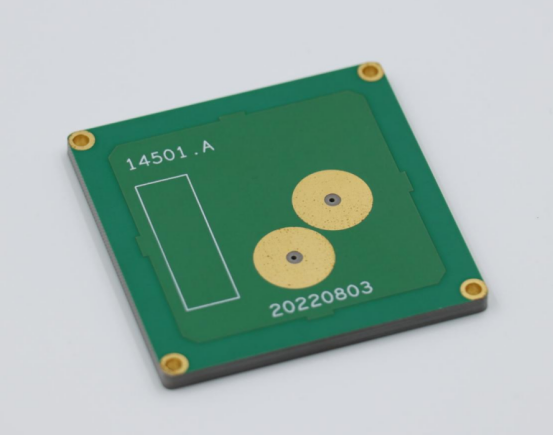
The color of the solder mask can influence several stages of the PCB manufacturing process, including printing, curing, and handling. For instance, darker colors like black and blue can require more precise curing times, as they absorb heat differently compared to lighter colors like green. This difference can impact the overall quality of the solder mask coating, as uneven curing can lead to defects such as peeling or insufficient coverage.
- Printing and Coating Challenges: Some colors, especially darker ones, may require additional steps in the printing process. These colors may not always be as easy to apply or might need a different type of ink to ensure the coating adheres properly. In contrast, green solder masks are more straightforward to print, as the materials and processes for this color are well-established and commonly used.
- Handling and Durability: Some solder mask colors, particularly specialty ones like white or yellow, may be more sensitive to handling. They could show scratches or stains more easily compared to darker colors. Additionally, certain colors may not have the same scratch resistance as green, potentially leading to durability issues if the PCB is exposed to rough handling or environmental stress.
Color and Environmental Conditions: Does it Matter?
How Do Environmental Factors Affect Solder Mask Colors?
Environmental conditions such as UV light, humidity, and temperature can have a significant impact on the longevity and appearance of PCB solder masks. Different colors respond differently to these conditions, which can affect both the appearance and performance of the PCB.
- Effects of UV Light: UV light exposure is one of the primary factors that cause discoloration over time. Darker colors like black may fade more slowly compared to lighter colors like white or yellow, which are more prone to yellowing or fading when exposed to UV rays. This is especially important in products that will be exposed to sunlight or other strong light sources for extended periods.
- Humidity and Temperature: Solder masks can also be affected by extreme humidity or temperature changes. In high humidity environments, some colors (particularly lighter ones like white) may absorb moisture, leading to discoloration or weakening of the mask’s protective properties. Similarly, high temperatures can cause certain colors to degrade faster than others. For example, red solder masks are sometimes more sensitive to heat than green, which may affect the PCB’s overall durability and performance over time.
Color Fading or Discoloration Over Time
One of the most common challenges in selecting PCB solder mask colors is the potential for fading or discoloration over time. Exposure to environmental factors like UV light, heat, and moisture can cause some colors, such as yellow or white, to fade or change hue. In high-reliability industries, such as aerospace or medical devices, this can be a significant concern, as the long-term durability and appearance of the PCB may be crucial.
Real-World Example: In consumer electronics, products that are exposed to sunlight, such as outdoor devices or automotive electronics, may experience fading of lighter-colored solder masks. In these cases, manufacturers often opt for darker colors like green or black, which are less likely to show discoloration and maintain their appearance over time.
How to Optimize Your Selection Process for PCB Solder Mask Colors?
Optimizing your solder mask color selection goes beyond just picking a color that looks good. It’s about ensuring the choice meets industry standards, aligns with your project’s technical requirements, and works well with your manufacturer’s capabilities.
Aligning with Industry Standards and Certifications
Why Should You Consider Industry Standards When Choosing a Solder Mask Color?
When selecting a solder mask color for your PCB, it’s important to align your choice with industry standards and certifications to ensure reliability, durability, and performance. Key standards such as the IPC-2221 and IPC-6012 outline best practices for PCB design and manufacturing, including solder mask specifications. These standards often specify the type of solder mask material and curing process required for high-reliability applications.
For example, IPC-6012 focuses on the performance of printed boards used in critical applications like medical or military devices. In these industries, the color of the solder mask can indirectly affect the overall reliability of the PCB. The standards ensure that the chosen color does not interfere with the functionality or longevity of the board, especially in harsh conditions.
Choosing Colors to Meet Industry Reliability Specifications
Certain industries, such as automotive or aerospace, may require specific reliability characteristics from the solder mask color. For instance, green is the most commonly used color in such applications because of its long history of proven durability, excellent inspection contrast, and compatibility with reliability standards. Some high-reliability applications might avoid using colors like white or yellow because these can degrade more quickly due to UV exposure. In this case, working with a color that is recognized and recommended by industry standards will help avoid potential risks and meet certification requirements.
Working with Your PCB Manufacturer: Communication Tips
How Should You Discuss Color Options with Your Manufacturer?
When selecting a solder mask color, it’s essential to communicate effectively with your PCB manufacturer to ensure the color choice aligns with your project’s needs. Start by understanding the manufacturer’s capabilities regarding different colors. Some manufacturers may specialize in specific colors, which could impact both the cost and the quality of the finished product. For example, if you need a custom color or a less common option, ensure your manufacturer has the experience and resources to deliver consistent results.
Key Questions to Ask:
- What solder mask colors are available, and what are the lead times for each?
- Are there any limitations in terms of the color options and their impact on the PCB’s performance?
- Can the manufacturer guarantee uniformity in the application of the solder mask color, especially in high-volume orders?
Ensuring Color Choices Meet Your Project’s Requirements
Once you’ve selected a color, it’s important to verify that the color meets all your project’s specifications. For example, you should confirm that the solder mask layer has a consistent thickness and that the color application is even across the entire PCB. Some colors, particularly specialty colors like red or blue, may require specific coatings or additional curing processes that can affect the final quality.
Key Points to Address with the Manufacturer:
- Uniformity: Ensure that the solder mask coating is evenly applied, with no streaks or uneven areas that might affect performance.
- Coating Quality: Ask the manufacturer to provide information about the quality of the solder mask coating, ensuring it meets the required standards for thickness and adhesion.
- Durability and Reliability: Verify that the selected color will not degrade or discolor prematurely, especially in environments that involve high temperatures or UV exposure.
What Are the Benefits and Drawbacks of Popular Solder Mask Colors?
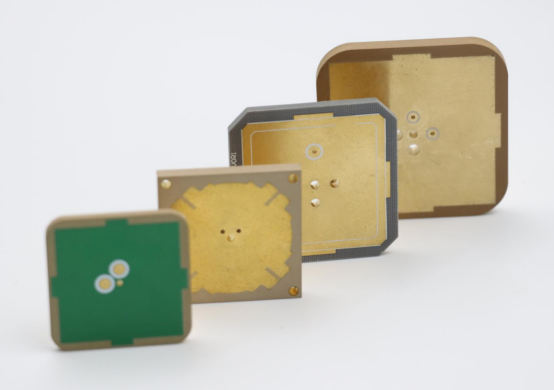
When selecting a solder mask color for your PCB, it's important to understand the benefits and potential drawbacks of each option. While green is the industry standard, colors like red, blue, and black offer unique advantages, especially in terms of aesthetics and functionality.
Benefits and Drawbacks of Green Solder Masks
Why is Green the Industry Standard and What Benefits Does It Offer?
Green is the most widely used color for PCB solder masks, and it has become the industry standard due to its proven benefits. One of the main advantages of green is its high visibility, which makes it easier for assembly workers to inspect solder joints and identify defects like solder bridges. This is particularly important in high-volume PCB production, where quick and accurate inspections are essential. Green also offers excellent contrast with copper traces, allowing for clear and efficient visual inspection.
Another key benefit of green solder masks is their cost-effectiveness. Since green is the most commonly used color, it is mass-produced, which makes it cheaper than other colors. Additionally, green solder masks have a well-established manufacturing process, which reduces the risk of defects or inconsistencies during production.
Common Challenges with Green Masks in Specific Use Cases
While green is the most popular choice, it’s not always ideal for every situation. In some high-reliability applications, such as aerospace or medical devices, the color may not provide the best aesthetic appeal. For example, if the PCB is visible in the final product, manufacturers may choose to use a more premium color, like black, to enhance the visual appearance. Furthermore, green solder masks may not be the best option for highly specialized applications where custom colors are needed to meet branding or design requirements.
Benefits and Drawbacks of Red, Blue, and Black Solder Masks
What Are the Strengths of Red, Blue, and Black Solder Masks?
- Red Solder Masks: Red solder masks offer vibrant aesthetics, making them a popular choice in consumer electronics. They provide good contrast with copper traces, which can be helpful for visual inspections. Red is also often associated with high-end or limited-edition products, giving them a premium look.
- Blue Solder Masks: Blue is another popular choice for aesthetic and functional reasons. It provides high contrast, making it easy to spot defects during assembly. Blue is often used in high-end consumer electronics or when a product’s design is meant to stand out. Additionally, blue is considered a visually appealing color that is often associated with modern technology.
- Black Solder Masks: Black solder masks are commonly used in high-end designs where a sleek, professional appearance is required. Black offers excellent contrast with the copper traces, making it easy to inspect the board. It is also ideal for products that need to appear more sophisticated or luxurious.
Drawbacks in Terms of Availability or Manufacturing Complexity
- Cost and Availability: Red, blue, and black solder masks are typically more expensive than green due to lower production volumes. These colors often require different materials or more complex manufacturing processes, which can increase the overall cost. Additionally, some manufacturers may not offer all colors or may have longer lead times for these alternatives.
- Manufacturing Complexity: Some of these colors, particularly black, can be more challenging to apply consistently. Black solder masks, for instance, may absorb more heat during the curing process, which can lead to potential quality issues if not properly controlled. This could result in uneven coating or other defects that impact the final product.
Conclusion
Choosing the right solder mask color for your PCB is more than just a design decision; it plays a vital role in the performance, cost, and manufacturability of your board. The color you select should be based on the functionality of your project, industry standards, and your aesthetic or branding needs. While green remains the most cost-effective and widely used option, colors like red, blue, and black offer specific advantages in visibility and design. Additionally, clear communication with your manufacturer ensures that the chosen color aligns with your project requirements for uniformity, durability, and quality.
If you're looking for a reliable PCB supplier with extensive experience, PCBMASTER is a trusted partner for high-quality PCBs . With expertise in various solder mask colors and custom solutions, PCBMASTER ensures that your project is executed with precision and meets all necessary standards. Reach out to PCBMASTER to get started on your next PCB design and assembly project.
FAQs
What is the most common PCB solder mask color?
Green is by far the most common color used in PCB manufacturing. This is because it offers several key advantages, such as excellent visibility for inspection, durability, and cost-effectiveness. The green color is easy to produce and has become the industry standard due to its high contrast with copper traces, which makes it easier for assembly workers to spot defects like solder bridges or shorts. Additionally, since green is mass-produced, it tends to be less expensive than other colors, making it the go-to choice for most applications.
Do different solder mask colors affect PCB performance?
While the color of the solder mask doesn’t directly impact the basic electrical performance of the PCB, it can influence several important factors related to assembly, soldering, and inspection. For example, lighter colors like white or yellow offer higher contrast, which can improve the visibility of fine details during the soldering process, making it easier to identify defects. On the other hand, darker colors like black or blue may absorb more heat, which could potentially affect thermal management in certain high-power applications. However, the performance impact is generally minimal unless the board is exposed to extreme conditions or the color choice leads to poor visibility during assembly.
Can I use any color for my PCB solder mask, or are there restrictions?
In general, you can choose almost any color for your PCB solder mask, but there are some practical considerations to keep in mind. While colors like green, red, blue, and black are commonly available, more specialized colors like white or custom shades can be more expensive and harder to source. Additionally, some colors may require more complex manufacturing processes, which could increase production costs and lead times. If you're working with a high-volume production run or need a specific color for branding purposes, it’s important to ensure that the manufacturer has experience with that color and can meet your project requirements.
How does the choice of solder mask color impact PCB durability?
The choice of solder mask color does not directly affect the long-term durability or reliability of the PCB. However, there are some indirect factors to consider. For instance, colors that are prone to discoloration over time (like white or yellow) may lose their aesthetic appeal when exposed to UV light or environmental factors. Some colors, like black or green, are known for their durability and can withstand prolonged exposure to heat and other harsh conditions better than others. The most significant impact on durability comes from the quality of the solder mask material and the manufacturing process, not the color itself.
Can I change the solder mask color for aesthetic reasons?
Yes, many companies choose to change the solder mask color for aesthetic or branding purposes. For instance, in consumer electronics or limited-edition products, colors like red, blue, or even custom hues are often used to enhance the product's visual appeal. However, it’s important to consider the potential impact on manufacturing and cost. Custom or less common colors often require special materials, more complex processes, or longer lead times, which can drive up production costs. Additionally, colors that are harder to handle or less durable might affect the board’s long-term performance. Always balance the visual benefits with functional considerations.
About the Author

Carol Luo
PCB Design EngineerI'm Carol, a PCB Engineer at PCBMASTER with experience in PCB design and manufacturing engineering since 2018. I focus on translating engineering requirements into reliable PCB solutions, with expertise in stack-up design, material selection, and design-for-manufacturing (DFM). I share practical engineering insights from real-world PCB design and production experience.
Visit Carol Luo's Profile