








What is Blackening and Brown Oxidation in PCB Surface Treatment?
In the world of PCB manufacturing , the process of surface treatment plays a crucial role in ensuring the durability and performance of the final product. Among the various techniques used, blackening and brown oxidation stand out as key methods for preparing copper surfaces before lamination. Though they share a common goal of enhancing adhesion and protecting the copper, each process brings unique advantages and characteristics. Understanding how blackening and brown oxidation differ can help manufacturers choose the best solution for their specific needs, whether it's for cost-effectiveness or high-performance applications.
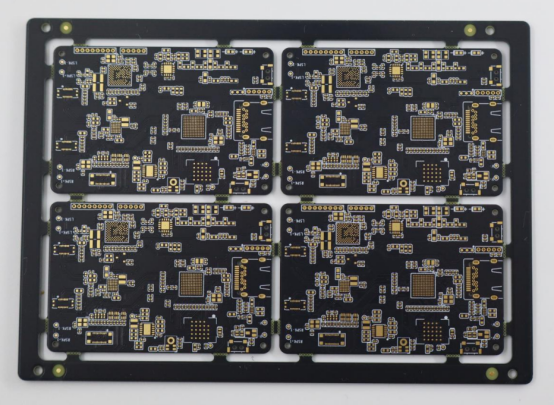
What Is Blackening and Brown Oxidation?
What Are Blackening and Brown Oxidation in PCB Manufacturing?
Blackening and brown oxidation are surface treatment processes used in PCB (Printed Circuit Board) manufacturing to prepare copper surfaces before lamination. These processes involve chemical oxidation, where copper reacts with specific chemicals to form a protective organic-metal conversion layer. This layer enhances the bond between the copper and resin , which is essential for high-quality PCBs.
Blackening creates a black oxide layer on the copper surface. This process is usually quicker and cost-effective but results in a thicker, more brittle layer.
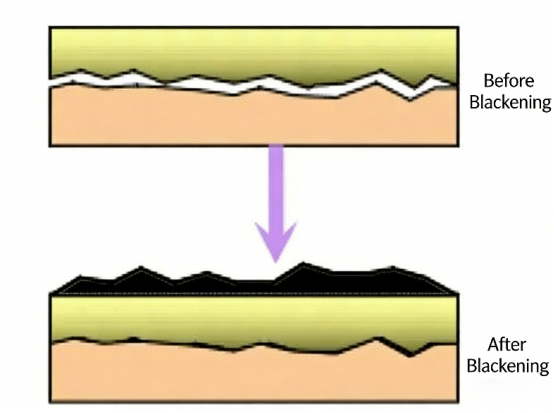
Brown Oxidation forms a brown oxide layer, which is thinner, denser, and more flexible than blackening. This layer provides a better bond and resists thermal and environmental stresses more effectively.
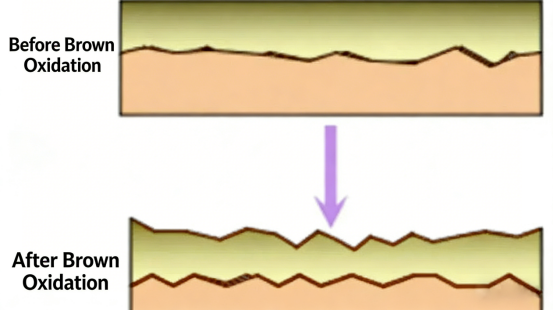
These layers are not simple coatings; they are formed through a chemical reaction between copper and the oxidation chemicals, creating a stronger bond that helps with adhesion during the PCB lamination process.
What Are the Core Objectives of Both Processes?
Both blackening and brown oxidation aim to improve the adhesion between the copper surface and the resin used in PCB manufacturing. However, they also provide additional benefits to the final product’s performance:
- Improved Adhesion: The oxidation process creates a textured surface on the copper, which increases the contact area between the copper and the resin. This allows the resin to bond more effectively during lamination, preventing issues like delamination or weak bonding after assembly.
- Enhanced Physical Properties: Both processes help strengthen the PCB by improving its heat resistance, moisture protection, and overall chemical stability. The oxidation layer acts as a protective shield, preventing copper from reacting with moisture or air, which could otherwise degrade the PCB over time.
For example, brown oxidation, with its denser structure, is better suited for high-performance PCBs that will experience multiple thermal cycles, such as in automotive or high-frequency applications. Blackening, while more cost-effective, may be preferred for single-sided or simpler PCB designs.
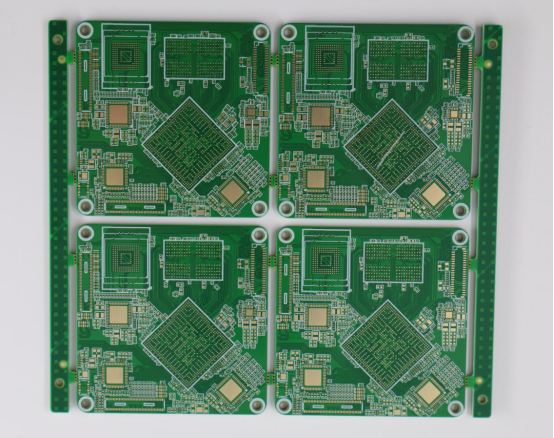
How Do Blackening and Brown Oxidation Work on Copper Surfaces?
How Are the Conversion Layers Formed?
Both Blackeningand Brown Oxidation are chemical processes that treat copper surfaces to improve adhesion. The formation of these conversion layers begins when copper reacts with a specially formulated chemical solution. This reaction creates an organic-metal film on the copper surface.
- Chemical Reaction: The copper interacts with the chemicals in the solution, forming a conversion layer. This is not a simple coating, but rather a chemical bond between the copper and the chemicals.
- Structure of the Conversion Layer: The resulting layer has a micro-textured surface. This texture increases the surface area, improving adhesion between copper and resin. The layer also has a dense, organic-metal structure that makes it strong and durable.
The process is controlled to create the ideal texture and density for each application, making the surface suitable for the subsequent lamination process in PCB manufacturing.
What is the Role of Each Layer in the Oxidation Process?
The conversion process creates three distinct layers on the copper surface: the conversion layer, the interface layer, and the functional layer. Each of these layers plays a crucial role in ensuring strong adhesion and enhanced performance.
- Conversion Layer:This layer forms during the chemical reaction between the copper and the solution. It is not a simple coating but an integral part of the copper surface. It forms the structural basis for the oxidation process, making the copper surface more suitable for bonding with resin.
- Interface Layer:Positioned between the copper and the resin, the interface layer acts as a bridge that helps bind the two materials. It allows for better interaction between the copper's crystalline structure and the resin polymer, ensuring strong adhesion and stability during lamination.
- Functional Layer:The functional layer enhances the physical and chemical properties of the copper surface. It modifies the surface to increase its affinity for resin, making the bonding process more effective. This layer also improves mechanical bonding, preventing delamination under stress or high temperatures.
Each of these layers works together to ensure a strong, reliable bond between the copper and the resin in the final PCB.
How Do Blackening and Brown Oxidation Differ?
What Are the Key Differences Between Blackening and Brown Oxidation?
Blackening and Brown Oxidation differ in several important ways, including their appearance, film composition, and how they interact with the copper surface.
Visual Appearance:
- Blackening creates a deep black oxide film on the copper surface. This dark color is one of its key identifying features.
- Brown Oxidation , on the other hand, results in a light brown oxide layer. The color difference is one of the simplest ways to distinguish between the two processes.
Film Composition:
- Blackening forms an oxide copper film, mainly copper oxide. This film tends to be thicker and more brittle.
- Brown Oxidation forms a copper(I) oxide and organic metal compound film, which is thinner, denser, and more flexible, offering better bonding properties.
These differences directly affect the functionality and performance of the PCB in various applications.
How Do Their Structures and Roughness Compare?
The structure and roughness of the films formed by blackening and brown oxidation differ significantly, affecting their performance in PCB applications.
- Blackening: The blackening process results in a needle-like or dendritic crystal structure, which creates a rougher surface. While this high roughness can improve adhesion, it also makes the film brittle and prone to shedding under stress. This can cause reliability issues in high-temperature or high-stress environments.
- Brown Oxidation: The brown oxidation process forms a denser, granular structure that is smoother and more resilient. The film is more flexible, providing better bonding strength and resilience under thermal or mechanical stress. This makes it ideal for more demanding PCB applications, such as high-frequency or high-reliability circuits.
How Do Process Control and Costs Differ?
Blackening and brown oxidation vary in terms of process complexity and cost.
- Blackening: The blackening process is simpler to control. It requires fewer additives and less precise conditions, making it a cost-effective option for certain PCB types. This simplicity translates to lower production costs, which is why blackening is commonly used in basic PCBs or low-cost applications.
- Brown Oxidation: The brown oxidation process is more complex, requiring additional additives and stricter control over the chemical environment. This increases material costs and the complexity of the production process. However, it offers better process efficiency, with more reliable results in terms of adhesion and film quality, making it worth the investment for high-performance PCBs.
How Do They Compare in Terms of Chemical Resistance and Reliability?
When it comes to chemical resistance and reliability, blackening and brown oxidation show key differences in their performance, especially under harsh conditions.
- Blackening: The oxide film formed by blackening is more susceptible to damage from acid and humidity. It can also discolor under high-temperature shocks and is prone to pink ring formation during the soldering process, which can affect the PCB’s long-term reliability.
- Brown Oxidation: Brown oxidation creates a denser, more acid-resistant oxide layer. This makes it much more resistant to environmental factors such as moisture and chemicals. Additionally, it suppresses the formation of pink rings, making it better suited for high-reliability applications where performance under stress and over time is critical.
Comparison Table: Blackening vs. Brown Oxidation
| Aspect | Blackening | Brown Oxidation |
| Visual Appearance | Deep black color | Light brown color |
| Film Composition | Copper oxide film | Copper(I) oxide + organic metal film |
| Surface Structure | Needle-like crystals, high roughness | Granular, denser, smooth |
| Cost & Process Control | Simpler, lower cost | Complex, higher cost |
| Chemical Resistance | Susceptible to acid, humidity, and high heat | Resistant to acid, humidity, and heat |
| Reliability | Prone to pink ring and brittleness | Better bonding strength and flexibility |
What Are the Functions and Benefits of Blackening and Brown Oxidation?
How Do Blackening and Brown Oxidation Enhance Physical Bonding?
Both Blackening and Brown Oxidation processes improve the physical bonding between copper surfaces and resin in PCB manufacturing.
- Microscopic Surface Textures: Both processes create a micro-textured surface on the copper. This texture increases the surface area, which allows for a stronger and more effective bond with the resin during the lamination process. A larger contact area leads to better adhesion, helping the copper and resin stick together more securely.
- Formation of Physical Anchor Points: The oxidation layer also forms microscopic anchor points on the surface. These anchor points act like small hooks, locking the resin in place and preventing delamination during the PCB’s use, especially in high-temperature environments. This is critical in preventing layers from separating, which could compromise the integrity of the PCB.
How Do These Processes Help Protect Copper Surfaces?
Blackening and Brown Oxidation are essential for protecting copper surfaces during PCB manufacturing.
- Protection from Oxidation and Contamination: Copper is highly reactive and can oxidize when exposed to air and moisture. Both oxidation processes protect the copper by creating a protective film that shields the copper surface from oxidation and contamination before the pressing process. This ensures that the copper remains clean and reactive for proper bonding with the resin.
- Barrier Layer: The oxidation layers act as a barrier, preventing the copper from being exposed to air or environmental contaminants. This helps maintain a cleaner surface during manufacturing, ensuring that the copper is in the best possible condition to bond with the resin. Without this barrier, oxidation would compromise the performance and reliability of the final PCB.
How Do These Treatments Contribute to Heat Resistance?
Both Blackening and Brown Oxidation contribute significantly to the heat resistance of PCBs, making them better suited for high-temperature applications.
- Buffering of Thermal Stress: During PCB manufacturing, copper and resin expand and contract at different rates when exposed to heat. The oxidation layers act as a buffer by reducing the thermal stress caused by these differing expansion rates. This reduces the risk of delamination that can occur when the copper and resin experience stress from high temperatures.
- Specific Benefits of Brown Oxidation: Brown Oxidation provides a better flexibility compared to blackening, allowing it to handle thermal cycling more effectively. This makes brown oxidation especially useful for high-reliability PCBs in environments that undergo frequent heating and cooling cycles, such as in automotive electronics or industrial applications. The resilience of the brown oxide film helps maintain the PCB’s integrity, ensuring it can withstand harsh thermal conditions without degradation.
In What Applications Are Blackening and Brown Oxidation Used?
Which PCB Types Benefit from Blackening vs. Brown Oxidation?
Both blackening and brown oxidation are used in different types of PCBs based on the specific needs of the application. The choice between these two processes largely depends on the type of PCB being manufactured and its performance requirements.
- Blackening: Blackening is often the cost-effective choice for single-sided and double-sided PCBs, where budget constraints are important. It is also suitable for applications that do not demand high performance, such as simple consumer electronics or devices with low thermal stress. Additionally, blackening may be used in designs that have specific impedance needs or older processes where black oxide is preferred for controlling impedance.
- Brown Oxidation: Brown oxidation is the preferred choice for high-density interconnect (HDI) boards and high-multilayer designs. These types of PCBs are used in advanced electronics such as smartphones, high-frequency devices, and multilayer circuit boards that require superior adhesion and thermal stability. Brown oxidation provides a denser, more flexible oxide film, which is crucial for handling the mechanical and thermal stresses associated with these demanding applications.
What Are the Key Factors in Choosing Between Blackening and Brown Oxidation?
When deciding between blackening and brown oxidation, several factors need to be considered based on the specific needs of the PCB application.
- Cost vs. Performance Considerations: One of the most significant factors in choosing between blackening and brown oxidation is the cost-performance balance. Blackening is more affordable and is often used when performance demands are lower, and cost efficiency is the priority. On the other hand, brown oxidation, while more expensive, offers better overall performance, making it ideal for applications where long-term reliability, heat resistance, and chemical stability are crucial.
- Specific Application Needs: Thermal resistance, moisture resistance, and mechanical stress tolerance are key considerations. For instance, if the PCB will experience high temperatures or frequent thermal cycles, such as in automotive or industrial equipment, brown oxidation is the better choice due to its superior thermal stability and resilience. If the PCB is less demanding in terms of heat or mechanical stress, and cost is a limiting factor, then blackening may be sufficient.
- Manufacturing Complexity: Brown oxidation requires more complex process control and additional additives, which might not be necessary for simpler, lower-cost designs. Blackening, with its simpler process, is easier to manage in mass production environments where the goal is to keep manufacturing costs low.
Conclusion
Blackening and brown oxidation are both essential surface treatment processes in PCB manufacturing, each with its unique benefits. Blackening is a cost-effective option, ideal for simpler, single-sided, or double-sided boards. However, brown oxidation is the preferred choice for high-performance applications, such as HDI and multilayer PCBs , due to its superior adhesion, thermal stability, and chemical resistance. As brown oxidation provides better flexibility and reliability, it has become the dominant choice for advanced PCBs in demanding environments like automotive or industrial electronics.
When selecting the right surface treatment, it is important to balance cost with performance. While blackening may be suitable for less complex projects, brown oxidation is essential for high-reliability, high-thermal applications. For businesses looking for top-quality PCBs, PCBMASTER, a seasoned PCB supplier , offers both processes and can help guide you in selecting the best treatment based on your specific needs and budget. Whether you’re designing a low-cost product or a high-end, multilayer PCB, PCBMASTER has the expertise to meet your demands.
FAQs
What are the main differences between blackening and brown oxidation in PCBs?
The main differences between blackening and brown oxidation in PCBs lie in their appearance, structure, and performance:
Appearance:
- Blackening creates a deep black oxide layer on the copper surface, making it easily distinguishable.
- Brown oxidation results in a light brown oxide layer, which is more subtle in color.
Structure:
- Blackening forms a needle-like or dendritic crystal structure, leading to a rougher surface that provides more surface area for bonding but is also brittle.
- Brown oxidation , in contrast, forms a denser, granular structure, which is smoother and more flexible, making it ideal for high-performance applications.
Performance:
- Blackening is more cost-effective, but it is prone to delamination and pink ring formation under stress and high heat.
- Brown oxidation provides better thermal stability, chemical resistance, and overall reliability, making it suitable for high-performance PCBs used in demanding environments.
Why is brown oxidation considered superior in high-reliability PCB manufacturing?
Brown oxidation is preferred for high-reliability PCB manufacturing due to its superior chemical and physical characteristics, particularly in multi-layer and high-frequency applications:
- Chemical Resistance: Brown oxidation forms a denser and more acid-resistant oxide layer. This makes it better able to withstand moisture, chemicals, and other harsh environmental conditions without degrading, ensuring long-term reliability.
- Thermal Stability: The granular structure of the brown oxide film offers better flexibility, which helps absorb thermal expansion differences between copper and resin during high-temperature cycles. This reduces the risk of delamination and improves the PCB's ability to withstand thermal shock.
- Improved Adhesion: The dense, flexible oxide layer formed by brown oxidation increases the bonding strength between the copper and the resin, making it ideal for high-frequency and multilayer PCBs, where strong adhesion is critical for performance.
Can blackening be used for high-density interconnect (HDI) boards?
While blackening is generally more cost-effective, it is not the ideal choice for high-density interconnect (HDI) boards. Here's why:
- Heat Resistance: HDI boards often experience high temperatures during manufacturing and operation. The brittle nature of the black oxide film makes it prone to cracking or shedding under thermal stress, leading to potential bonding failures.
- Bonding Properties: Blackening creates a rough, less flexible surface, which may not provide the strong, durable bond needed for the tiny, tightly packed traces and vias found in HDI designs. Brown oxidation, with its denser and more flexible film, is much better suited for handling the thermal cycling and mechanical stress typical in HDI designs.
Thus, brown oxidation is generally preferred for HDI boards due to its better heat resistance and stronger, more reliable bonding properties.
How does the surface roughness affect PCB lamination?
Surface roughness plays a critical role in PCB lamination, particularly in enhancing the adhesion between the copper and the resin. Here's how:
- Increased Surface Area: The rougher the surface, the more surface area is available for resin to bond. Both blackening and brown oxidation create textured copper surfaces that improve resin adhesion by increasing the contact points between the copper and resin.
- Anchor Points for Bonding: The oxidation process forms microscopic anchor points that physically lock the resin into the copper surface. These anchor points are crucial for preventing delamination during the PCB's lifecycle, especially when subjected to high temperatures or mechanical stress.
- Impact on Lamination Quality: The level of roughness directly impacts the quality of the lamination. Too rough, and it could cause poor resin flow and uneven bonding; too smooth, and the bond may not be as strong. The right level of roughness enhances the overall quality and reliability of the PCB.
What are the cost implications of choosing blackening vs. brown oxidation?
The cost of blackening and brown oxidation differs significantly, and this affects the overall cost of the PCB manufacturing process:
Blackening:
- Lower cost: Blackening is a simpler process with fewer additives and easier control, making it more cost-effective. It is often chosen for single-sided or double-sided boards and low-budget applications.
- Lower production cost: Because it involves fewer steps and materials, blackening generally reduces the overall manufacturing cost.
Brown Oxidation:
- Higher cost: Brown oxidation requires more complex control and additional additives, which increases the material and processing costs. However, it offers better performance, especially for high-reliability, high-multilayer, or HDI PCBs.
- Higher performance value: The higher cost is justified by the superior bonding strength, thermal resistance, and chemical stability, making it the better choice for more complex and advanced PCB designs.
The decision between blackening and brown oxidation depends on the application’s performance needs versus budget constraints. Blackening is ideal for cost-sensitive projects, while brown oxidation is a better investment for high-performance, reliable PCBs.
About the Author

Carol Luo
PCB Design EngineerI'm Carol, a PCB Engineer at PCBMASTER with experience in PCB design and manufacturing engineering since 2018. I focus on translating engineering requirements into reliable PCB solutions, with expertise in stack-up design, material selection, and design-for-manufacturing (DFM). I share practical engineering insights from real-world PCB design and production experience.
Visit Carol Luo's Profile