








PCB Silkscreen Color Selection: How to Choose the Right One for Your Design
Choosing the right silkscreen color for your PCB might seem like a minor detail in the design process, but it can have a significant impact on both the functionality and aesthetics of your final product. Whether you’re designing for consumer electronics, industrial equipment, or specialized applications, the visibility, durability, and contrast of your silkscreen markings play a crucial role in ensuring your PCB is both legible and reliable. The color you choose affects how easily technicians can read component labels, how the board interacts with light and heat, and even the overall look and feel of the product. In a world where every detail matters, selecting the optimal silkscreen color can set your design apart—ensuring it meets both technical requirements and user expectations. Let’s dive into the factors that will guide you toward the best color choice for your PCB.
What is PCB Silkscreen and Why Does Color Matter?
Definition of PCB Silkscreen
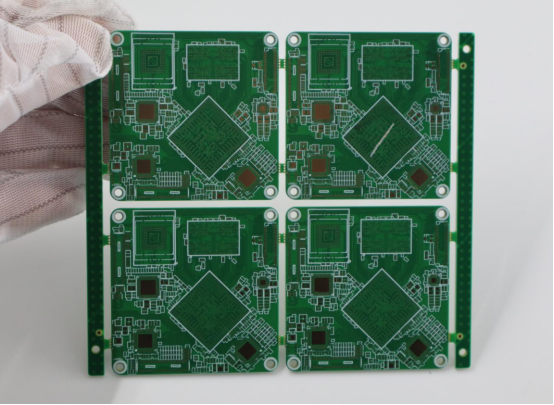
PCB silkscreen refers to the layer of ink printed on the surface of a Printed Circuit Board (PCB) to mark important information. This ink layer is primarily used for placing labels, symbols, component identifiers, and logos. It helps with the assembly, repair, and troubleshooting of the PCB, ensuring that technicians can easily identify parts and follow instructions without confusion.
- Function and Role of Silkscreen in PCB Design: The primary role of silkscreen on a PCB is to display readable text and symbols that provide crucial information about components and their placement. It ensures that the PCB is easy to work with during both manufacturing and maintenance processes. Silkscreen is typically applied on the top and bottom layers of the PCB.
- Key Components Printed on Silkscreen: Commonly printed items include:- Component labels: These show the names and part numbers of components like resistors, capacitors, and ICs.- Designators: Alphanumeric identifiers for each component (e.g., R1 for the first resistor).- Logos: Manufacturer logos, certification marks, or custom branding.- Test points: Indicators for where to measure voltages or signals.
The Impact of Silkscreen Color on PCB Performance
The color of the silkscreen affects several key aspects of the PCB’s functionality and appearance. While it may not directly impact electrical performance, the right color choice can improve usability, aesthetic appeal, and even the longevity of the board.
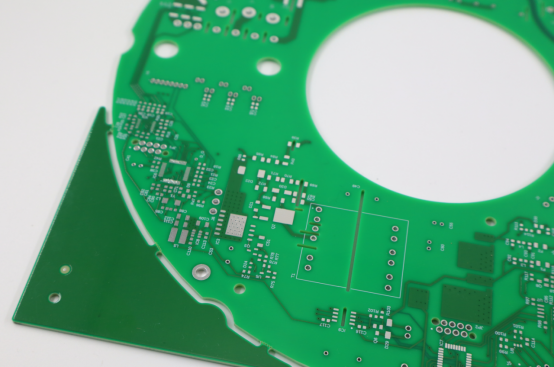
- How Color Affects Visibility and Legibility of PCB Markings: Visibility is the most crucial factor when selecting a silkscreen color. For example, white silkscreen on a green PCB provides excellent contrast, making text and symbols clear and easy to read. On the other hand, black silkscreen on a dark-colored PCB, such as a black PCB, may make markings hard to distinguish, reducing legibility.
- Influence of Color on Aesthetics and User Experience: The silkscreen color can significantly impact the final appearance of the PCB. For consumer-facing products, such as smartphones or laptops, a sleek, high-contrast design (like white or yellow silkscreen on a dark PCB) can enhance the overall look. Conversely, industrial PCBs might focus more on functionality, where colors like white or yellow are used for clarity and ease of maintenance.
- Functional Aspects (e.g., Color Contrast with Copper or Traces): Color contrast plays a key role in functionality beyond aesthetics. For instance, silkscreen colors like white or yellow contrast sharply with the copper traces, which helps in visual inspection and debugging. In environments with low light or tight spaces, a high-contrast silkscreen improves readability and makes it easier for technicians to work on the board efficiently.
In summary, while the silkscreen color does not influence the electrical functioning of the PCB, it impacts visibility, usability, and overall design aesthetics, making it a critical consideration in PCB design.
How Do You Choose the Right Silkscreen Color for a PCB Design?
Choosing the right silkscreen color for a PCB design depends on factors like visibility, contrast, and the board's intended use. Common colors such as white, yellow, and black offer different benefits in terms of legibility and aesthetics. The choice should also consider the PCB’s base color, thermal conditions, and environmental durability to ensure both functionality and appearance are optimized.
Common Silkscreen Color Options in PCB Manufacturing
When choosing a silkscreen color for your PCB design, you’ll typically find a few main options: white, yellow, black, and occasionally other colors like red, blue, and green. Each of these colors offers different advantages depending on the specific design and functionality needs of your PCB.
- White Silkscreen: The most commonly used color due to its high visibility, especially on green or black PCBs. It’s ideal for legibility and contrast.
- Yellow Silkscreen: Often used for industrial or military-grade designs, yellow provides high visibility, particularly on darker PCBs.
- Black Silkscreen: Popular for aesthetics, particularly on black or dark-colored PCBs. However, it can be harder to read on dark backgrounds.
- Other Colors (Red, Blue, Green): These are less common and typically chosen for specific branding or design purposes. They may offer unique looks but can sometimes compromise readability.
Additionally, the choice of ink type matters:
- Epoxy-based inks: More durable and resistant to harsh environmental conditions, ideal for industrial applications.
- UV-based inks: Cured using ultraviolet light, often used for quick-drying and cost-efficient production, but may not be as durable under extreme conditions.
Factors to Consider When Selecting Silkscreen Color
The right silkscreen color isn’t just about personal preference; several key factors should influence your decision to ensure that your PCB is both functional and visually appealing.
Contrast and Visibility
High contrast between the silkscreen and PCB background is crucial for readability. For example, white silkscreen on a green PCB offers excellent contrast, making labels easy to read. Conversely, black silkscreen on a black PCB might cause legibility issues, making it harder to distinguish markings.
The color of the silkscreen should be chosen based on the base color of the PCB. For dark PCBs like black or blue, lighter colors like white or yellow tend to stand out better, while darker silkscreen may be more suitable for lighter PCB colors.
Design Aesthetics and Branding
For consumer products, the silkscreen color is a design choice that can align with brand identity. For instance, a high-end consumer electronic might use sleek black PCBs with white or silver silkscreen to maintain a modern aesthetic, while an industrial PCB might prioritize yellow or white for clear identification and functionality.
The color choice also helps create a uniform look across product lines and enhances brand recognition in the market.
Thermal and Environmental Considerations
Certain silkscreen colors, especially black, absorb more heat, which can impact thermal management. If your PCB is designed for high-power applications, darker silkscreen colors might cause localized heating, especially under high temperatures. In such cases, lighter colors like white or yellow may help mitigate heat absorption.
Additionally, UV exposure can cause some silkscreen colors to fade or degrade over time. UV-stable inks are recommended for designs exposed to sunlight or harsh environments. Epoxy-based inks are typically more durable than UV inks, making them a better choice for long-lasting, industrial applications.
What Are the Pros and Cons of Each Silkscreen Color?
When selecting a silkscreen color for your PCB, the most common options are white, yellow, and black, with occasional use of other colors like red, blue, and green. Each color offers unique benefits depending on the PCB’s base color, its intended use, and the desired aesthetic. Understanding the pros and cons of each option can help you choose the right color to ensure both functionality and visual appeal for your design.
White Silkscreen
- Pros: White is the most common silkscreen color used in PCB manufacturing due to its high contrast with most PCB colors, especially green, blue, and black. This makes the markings, such as component labels and designators, highly legible. White is ideal for ensuring clarity during assembly, repair, and inspection, which is why it is a standard choice for many general-purpose PCBs.
- Cons: One downside of white silkscreen is that it can fade or yellow over time, particularly when exposed to heat and UV light. This can make the markings less readable after prolonged use. Additionally, white may not be the best choice for dark-colored PCBs, such as black or dark blue, as it can lack the contrast needed for clear visibility.
Yellow Silkscreen
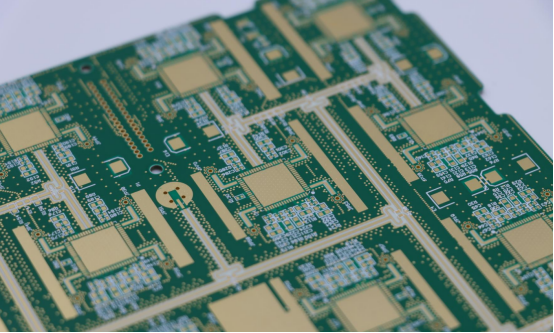
- Pros: Yellow is a high-visibility color, especially on dark-colored PCBs, like black or blue. It provides excellent contrast, making text and markings easy to read. This is why yellow silkscreen is commonly used for industrial or military-grade designs, where readability and durability are critical. It also has a distinctive appearance, which can give the PCB a unique, professional look.
- Cons: Yellow is less common than white or black, and it may not work well with all PCB colors. For example, yellow might be hard to read on a green PCB. Additionally, yellow ink can be more expensive than standard white or black, making it less suitable for low-cost, mass-produced boards.
Black Silkscreen
- Pros: Black silkscreen offers a sleek, aesthetic look, especially when paired with black PCBs. It is often used for premium designs where appearance is important. It also blends well with darker PCBs, giving the board a uniform, sophisticated finish.
- Cons: One major disadvantage of black silkscreen is that it can be hard to read on dark-colored PCBs, such as black or dark blue. The markings may blend too much with the background, reducing visibility. This makes black silkscreen less suitable for applications where readability is critical, like for maintenance and repair.
Other Colors (Red, Blue, Green, etc.)
- Pros: Colors like red, blue, and green offer unique aesthetic choices, making your PCB stand out. These colors can be used to match a specific brand identity or design preference, especially in consumer-facing electronics. They also provide additional options for differentiation in a crowded market.
- Cons: These less common colors may affect legibility, especially if they don’t provide enough contrast with the PCB's background color. Additionally, some colors, like red or blue, may not be as widely available or may be more expensive due to limited ink options. Their use may also be restricted in certain manufacturing processes, potentially increasing production costs and lead time.
Comparison Table
| Silkscreen Color | Pros | Cons |
| White | High contrast, commonly used, easy to read on light backgrounds | Can fade or yellow over time, not ideal for dark PCBs |
| Yellow | High visibility on dark PCBs, good for industrial/military applications | Less common, not always effective on green PCBs |
| Black | Aesthetic appeal, blends well with black PCBs | Hard to read on dark or black PCBs, poor contrast |
| Other Colors (Red, Blue, Green, etc.) | Unique look, good for branding | Affects legibility, limited availability, higher cost |
How Does PCB Base Color Influence Silkscreen Color Choice?
The color of your PCB base has a major impact on how visible and effective the silkscreen markings will be. Choosing the right silkscreen color depends on creating the right contrast with the base color to ensure readability. Darker PCBs, for example, may require lighter silkscreen colors for clarity, while lighter PCBs offer more flexibility. Additionally, the silkscreen color should align with the design and branding of your product to maintain visual consistency.
Effect of PCB Base Color on Silkscreen Visibility
The color of the PCB base plays a significant role in determining which silkscreen color will be most visible and legible. High contrast between the silkscreen and the PCB base is key for clear readability.
Example: Why White Silkscreen Works Well on Green PCBs
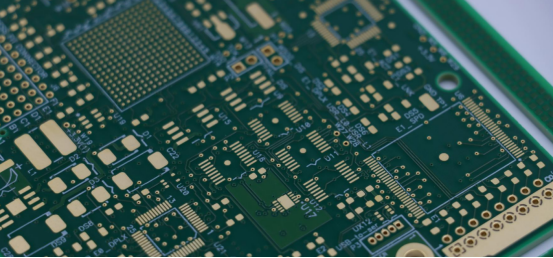
White silkscreen is commonly used on green PCBs because the contrast between the white ink and the green base makes the markings stand out clearly. This combination is easy to read under normal lighting conditions and is widely used in consumer electronics.
Impact of Darker PCB Colors (Black, Blue) on Silkscreen Legibility
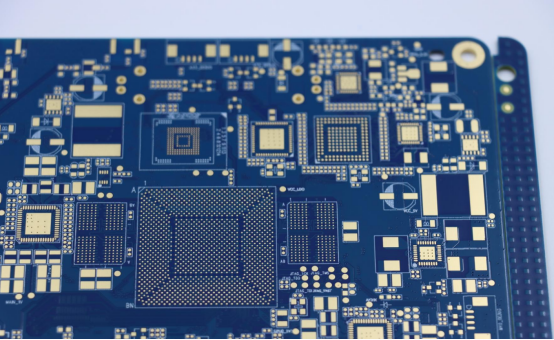
Dark-colored PCBs, like black or blue, can create readability challenges when paired with certain silkscreen colors. For example, black silkscreen on a black PCB can make markings nearly impossible to read, as the colors blend together. In these cases, a light color like white or yellow is usually chosen to provide contrast and improve legibility.
Considerations for Unique Custom-Colored PCBs
Custom-colored PCBs, such as those in unique shades of red, purple, or orange, require extra attention to ensure the silkscreen color is still highly visible. For instance, on a red PCB, white or yellow silkscreen is often used for optimal contrast, while darker shades might not work as effectively.
Color Matching and Design Consistency
In addition to visibility, aligning silkscreen color with the overall design of the PCB and its branding is essential. Consistency in color ensures that the PCB meets both functional and aesthetic standards.
Aligning Silkscreen Colors with PCB Branding and Product Identity
For consumer-facing products like smartphones or high-end electronics, silkscreen color can be an extension of the product's brand identity. If a company uses specific colors for its logo or packaging, matching the PCB’s silkscreen color to this branding can help create a cohesive product. For example, a blue PCB with white silkscreen might align well with a brand that uses blue and white colors in its overall aesthetic.
Ensuring Design Uniformity Across Different Production Runs
Consistency in silkscreen color is also crucial for uniformity across different production runs. If a PCB design is mass-produced, it's essential that the silkscreen color remains consistent across all units. Variations in silkscreen color between production batches can lead to confusion, especially if the boards are part of a larger product family or are being used in the same system.
How Do Manufacturing Techniques Affect Silkscreen Color Selection?
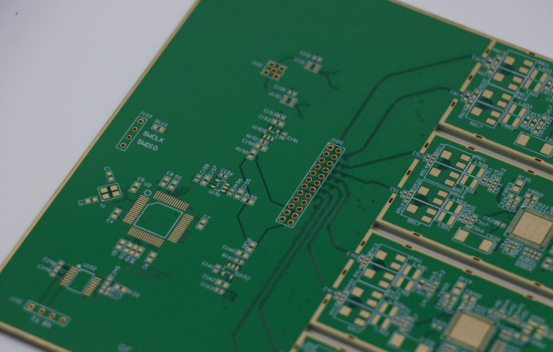
Manufacturing techniques play a crucial role in selecting the right silkscreen color for your PCB. Factors such as the type of ink used, the compatibility with PCB materials, and the costs associated with custom or non-standard colors can significantly impact your decision. Understanding these manufacturing considerations will help you choose a silkscreen color that balances both aesthetic appeal and functional durability, while also fitting within your production constraints.
Ink Types and Compatibility
The type of ink used in the silkscreen process can significantly influence the color choice and its overall performance on the PCB.
Comparison of Different Ink Types (UV-cured vs. Traditional Silkscreen Inks)
UV-cured inks are cured using ultraviolet light, which makes them dry faster and are often cheaper and more efficient for high-volume production. They are commonly used for simple applications. On the other hand, traditional silkscreen inks (epoxy-based inks) provide better durability and resistance to heat, moisture, and UV degradation, making them ideal for industrial or high-performance PCBs.
Ink Behavior on Different PCB Materials and Surface Finishes
The choice of ink can also depend on the PCB material and surface finish. For example, certain inks may not adhere properly to smooth or shiny surfaces, like those with HASL (Hot Air Solder Leveling) or ENIG (Electroless Nickel Immersion Gold) finishes. In these cases, inks designed for better adhesion are required, which may impact the available color options.
Impact on Silkscreen Durability
The durability of the silkscreen can be affected by the type of ink used. UV-cured inks may fade over time with exposure to heat and UV light, making them less suitable for long-lasting applications. In contrast, traditional epoxy inks are more resistant to wear and tear, providing longer-lasting markings for critical components.
Manufacturing Limitations and Cost Considerations
Manufacturing techniques and costs play a key role in determining which silkscreen colors are chosen. Factors such as availability, cost, and production requirements can limit or influence your options.
Availability of Colors in Different PCB Manufacturers
Not all PCB manufacturers offer the same selection of silkscreen colors. Some might specialize in standard colors like white, black, or yellow, while others may offer a broader range of colors. If you require a custom color, you may need to find a manufacturer that supports it, which can limit your options or add to the lead time.
Potential Extra Costs for Custom Colors or Limited-Run Colors
Custom colors or limited-run silkscreen colors often come with higher production costs. Manufacturers typically use standard inks in high-volume production to keep costs low. If you need a unique color or a specific non-standard ink, it may require special ordering or small-batch production, which can increase both material and labor costs.
Trade-offs Between Standard and Non-standard Colors
Choosing a standard silkscreen color such as white or yellow can keep costs down and production time shorter. Non-standard colors, while offering more design flexibility, often involve trade-offs like higher costs, longer manufacturing times, or potential limitations in ink durability. Therefore, it’s important to weigh the aesthetic benefits of custom colors against the practicalities of the manufacturing process.
Are There Any Industry Standards or Best Practices for Silkscreen Color?
There are industry standards and best practices when it comes to choosing silkscreen colors for PCBs. While white is the most commonly used silkscreen color due to its high visibility and contrast, other colors like yellow and black are preferred in specific applications. The selection of silkscreen color also varies based on the industry (e.g., aerospace, consumer electronics) and the intended environment of the PCB.
Common Industry Standards for Silkscreen Colors
In the PCB manufacturing industry, there are a few widely accepted color standards for silkscreen, with white being the most common choice. This is due to its high contrast and legibility on most PCB base colors.
White as the Standard for Most Commercial PCBs
White silkscreen is the industry standard for most commercial PCBs. It works well with a variety of PCB base colors, such as green, blue, and black, offering clear markings that are easy to read. This is especially important for mass-produced PCBs, where legibility and ease of assembly are key priorities.
Applications Where Non-standard Colors (e.g., Yellow or Black) Are Preferred
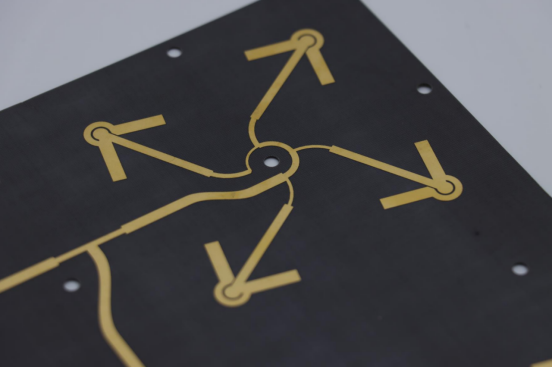
In certain applications, non-standard silkscreen colors are preferred to either enhance visibility or meet specific aesthetic requirements. For example, yellow is often used on dark-colored PCBs (like black or blue) to improve contrast. Black silkscreen can be used for sleek designs in high-end products, particularly on black PCBs.
Examples of Sectors That May Use Custom Silkscreen Colors
Certain industries, such as aerospace, military, and consumer electronics, may use custom silkscreen colors for specific purposes. For example, aerospace PCBs may use green silkscreen on military-grade boards for visibility in low-light conditions, while consumer electronics may choose unique colors to align with brand identity or product design.
Best Practices for Selecting Silkscreen Colors in Different PCB Applications
The selection of silkscreen color should align with the intended use of the PCB and the environmental conditions it will operate under. Different applications, such as consumer electronics and industrial designs, have distinct requirements that affect the silkscreen color choice.
Consumer Electronics vs. Industrial Designs
In consumer electronics, the silkscreen color is often chosen to enhance the product's aesthetic appeal and brand identity. Bright, clean colors like white or yellow may be used for visual appeal on compact, polished products. In contrast, industrial designs may prioritize functionality and legibility over aesthetics, making high-contrast colors like yellow or white more suitable for practical use in harsh environments.
How to Decide on Silkscreen Color Based on the End-Use Environment
For outdoor or military applications, silkscreen colors like yellow or white provide high visibility in various lighting conditions. Industrial PCBs used in factories or machinery may benefit from more durable and functional colors, focusing on readability over visual design. For high-heat environments, darker colors may be less effective due to their tendency to absorb more heat, so lighter silkscreen colors are often chosen to avoid contributing to heat buildup.
What Are the Potential Pitfalls to Avoid When Choosing Silkscreen Color?
When choosing a silkscreen color for your PCB, it's important to avoid potential pitfalls that can affect readability, durability, and cost. Issues like poor contrast between the silkscreen and PCB background, fading due to environmental exposure, and the extra costs of custom colors can all impact your design’s effectiveness.
Readability Issues
The most important consideration when choosing a silkscreen color is readability. The color of the silkscreen must provide enough contrast against the PCB base color to ensure that text, symbols, and designators are clear and easy to read.
Choosing a Silkscreen Color That’s Hard to Read or Distinguish from the PCB Background
When the silkscreen color blends too closely with the PCB base color, it can make markings difficult to distinguish. For example, black silkscreen on a black PCB or green silkscreen on a green PCB will be almost impossible to read, reducing the board's usability and increasing the chance of assembly errors.
Example of Poor Readability on Complex or Dense PCBs
On dense PCBs with many components and tiny spaces, dark colors like black or blue can overwhelm the board, causing confusion. This is especially problematic in high-density designs, where each component must be easily identifiable. A high-contrast color like white or yellow would be better in such cases for clear readability.
Long-term Durability and Fading
The long-term durability of silkscreen color can be impacted by exposure to heat, UV light, and other environmental factors. These factors may cause the color to fade or deteriorate, making it harder to read the markings.
Impact of Environmental Factors (Heat, UV Exposure) on Color Longevity
Some silkscreen inks, particularly UV-cured inks, may fade or yellow over time when exposed to direct sunlight or extreme heat. White silkscreen can be especially prone to yellowing. For PCBs exposed to harsh conditions, such as those in outdoor electronics, choosing inks that are more resistant to UV radiation and temperature changes is crucial.
Choosing Inks That Withstand Harsh Conditions
Epoxy-based inks tend to be more durable and resistant to both heat and UV light compared to UV-cured inks. For high-performance or industrial PCBs, it’s worth selecting inks designed for long-term durability to ensure that the markings remain readable throughout the product’s lifespan.
Cost and Availability Issues
Choosing non-standard or custom silkscreen colors can bring challenges in terms of cost and availability. These factors can impact both the manufacturing process and the overall project budget.
Budget Concerns When Opting for Non-standard Silkscreen Colors
Custom or less common silkscreen colors, such as red, blue, or green, can be more expensive due to the limited availability of inks and the need for specialized printing processes. If cost-effectiveness is a priority, sticking to standard colors like white or yellow may be a better choice to keep manufacturing costs lower.
The Potential for Color Inconsistencies Across Different Production Batches
Non-standard colors can sometimes cause color inconsistencies between different production batches, especially if different ink suppliers are used. This may lead to slight variations in the appearance of the silkscreen markings, which can be problematic if uniformity is important across multiple products. Ensuring consistency in color across batches may require more effort and tighter quality control.
Conclusion
Choosing the right silkscreen color for your PCB is a crucial step in ensuring both functionality and aesthetic appeal. By considering factors like readability, durability, and cost, you can make an informed decision that enhances your design’s performance and longevity. Whether you’re working on consumer electronics, industrial systems, or specialized applications, understanding the nuances of silkscreen color selection is key.
If you’re looking for a reliable partner in PCB manufacturing, PCBMASTER is a trusted name in the industry . With years of experience and a commitment to high-quality production, they offer a range of customizable options to meet your silkscreen and PCB design needs. Their expertise ensures that every detail, from color selection to durability, is handled with precision and care, giving you peace of mind in your production process.
FAQs
What is the most common silkscreen color used in PCBs?
The most common silkscreen color used in PCB manufacturing is white. This is primarily due to its high contrast with most PCB base colors, such as green, blue, or black. White silkscreen ensures that component labels, designators, and other markings are clearly visible, making it easier for technicians to read and work on the PCB during assembly and repair. Additionally, white is widely available and cost-effective, contributing to its popularity in the industry.
Can I use any color for PCB silkscreen?
While technically you can use any color for silkscreen on a PCB, there are practical limitations that often lead to the selection of a few common colors like white, yellow, or black. The choice of color depends on several factors:
- Contrast: The silkscreen color must provide enough contrast with the PCB’s base color to ensure the markings are visible and readable.
- Availability: Some colors may be less available or harder to produce, particularly custom or non-standard colors.
- Readability: Not all colors are effective on every PCB base color. For example, black silkscreen on a black PCB provides poor readability. Therefore, colors like white or yellow are often preferred for their readability and clarity.
Does silkscreen color impact PCB performance?
No, silkscreen color does not impact the electrical performance of a PCB. The silkscreen layer is purely cosmetic and is used for labeling and marking components, designators, and other functional elements of the board. However, it plays a crucial role in visibility and legibility, which are essential for assembly, inspection, and repair. If the silkscreen color doesn't provide sufficient contrast or is difficult to read, it can hinder these processes, potentially leading to assembly errors or troubleshooting difficulties.
How do I know which silkscreen color to choose for a black PCB?
For black PCBs, it’s important to choose a silkscreen color that offers strong contrast and is easily visible. The most common choices are:
- White: Provides excellent contrast and visibility on black PCBs, making component labels and markings stand out clearly.
- Yellow: Also works well on black PCBs, providing good visibility and an alternative to white for a different aesthetic.Avoid using dark silkscreen colors, such as black or dark blue, on black PCBs, as they will blend into the background and make the markings difficult to read.
Are there any environmental concerns with silkscreen inks?
Yes, there are some environmental concerns with silkscreen inks, particularly regarding their long-term durability under various conditions. Two main concerns include:
- UV Degradation: Prolonged exposure to ultraviolet (UV) light can cause the silkscreen color, especially white inks, to fade or yellow over time, making markings harder to read. This is particularly important for PCBs exposed to sunlight or harsh lighting conditions.
- Heat Exposure: Silkscreen inks, particularly UV-cured inks, may degrade when exposed to high temperatures, leading to fading or peeling of the markings. If the PCB is used in high-heat environments, such as power electronics or industrial machines, selecting epoxy-based inks or other heat-resistant inks is important to ensure the markings last.
Choosing durable inks that are resistant to both UV and heat can help improve the longevity of the silkscreen and maintain readability throughout the PCB’s life cycle, especially in challenging environments.
About the Author

Carol Luo
PCB Design EngineerI'm Carol, a PCB Engineer at PCBMASTER with experience in PCB design and manufacturing engineering since 2018. I focus on translating engineering requirements into reliable PCB solutions, with expertise in stack-up design, material selection, and design-for-manufacturing (DFM). I share practical engineering insights from real-world PCB design and production experience.
Visit Carol Luo's Profile