








What Factors Affect PCB Hole Diameter and Position Tolerances?
The precision of hole sizes and positioning in printed circuit board s (PCB s ) is a crucial factor that directly impacts the performance and reliability of electronic devices. Even the slightest deviation can lead to malfunctions or increased costs, especially as designs become more complex. From the type of drilling method to the stability of the machinery, numerous factors influence these tolerances. As technology pushes the limits of what’s possible, mastering these elements is essential for manufacturers to stay competitive and deliver top-quality products.
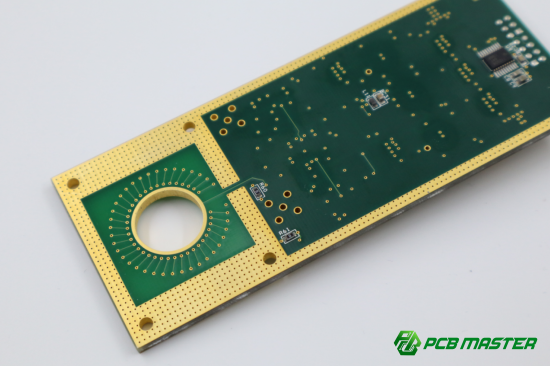
Why Are Hole Diameter Tolerances and Hole Position Tolerances Crucial in PCB Manufacturing?
What Are Hole Diameter and Hole Position Tolerances?
Hole diameter tolerance refers to the allowable variation in the size of a hole (whether it’s a plated through hole or a non-plated hole) compared to the design specifications. In simpler terms, it's the acceptable range of error in how wide or narrow a hole can be drilled.
Hole position tolerance, on the other hand, refers to how much the center of the hole can deviate from its designed position. This includes both the absolute accuracy of the hole's location and its relative position to other features like pads or traces.
Both of these tolerances are vital because they directly impact the performance, reliability, and manufacturability of aPCB.
How Do These Tolerances Affect PCB Accuracy, Reliability, and Cost?
Impact on Accuracy:
The more precise the hole diameters and positions, the more accurate the PCB will be. Precision is essential for proper component placement and electrical connections. For instance, when holes are slightly off-position, components might not fit properly or make secure electrical contact. Small errors in hole size can also make it difficult to insert the leads of components.
Impact on Reliability:
When hole tolerances are not met, there’s a higher risk of electrical failures, short circuits, or component damage. In high-density designs like HDI (High-Density Interconnect) boards , where tiny holes and very tight tolerances are standard, even a slight misalignment can compromise the board’s reliability. If a hole is too large or too small, it may result in weak solder joints or poor connections, ultimately leading to device malfunction.
Impact on Cost:
PCB manufacturers often incur additional costs when tolerances are difficult to achieve. More complex drilling or laser-cutting methods, for example, tend to cost more due to the need for specialized equipment and higher-precision processes. Additionally, when holes do not meet the required tolerances, parts may need to be reworked or scrapped, driving up overall production costs. Maintaining tight tolerances often means using more expensive materials or technology, which increases the price of the final product.
For example, a manufacturer of consumer electronics might opt for laser drilling to meet the tight hole size tolerance of a microcontroller board, resulting in higher manufacturing costs but ensuring the device’s long-term reliability.
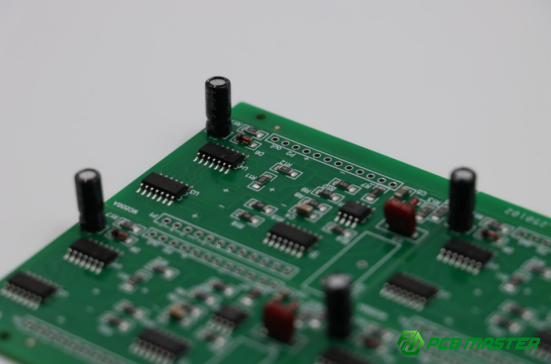
What Factors Affect Hole Diameter Tolerance?
When manufacturing PCBs, achieving precise hole diameters is essential for ensuring proper component placement and electrical performance. Several factors can influence hole diameter tolerance, including the drilling method, machine stability, material characteristics, and tool wear. Understanding these factors helps manufacturers optimize their processes and produce high-quality, reliable PCBs.
Mechanical Drilling: How Does It Affect Hole Diameter Tolerance?
Common Applications:
Mechanical drilling is the most widely used method for creating holes in PCBs. It is commonly used for larger through-holes and blind vias (holes that don’t go all the way through the board). These types of holes are found in many types of PCBs, from simple consumer electronics to complex multilayer boards.
Tolerance Range:
For mechanical drilling, the standard tolerance for hole size typically ranges from ±0.075mm to ±0.10mm. High-precision drills can achieve better tolerances, as tight as ±0.05mm, but this requires specialized equipment and careful control of the drilling process.
Factors Affecting Hole Diameter Tolerance:
- Drill Bit Quality and Wear:The quality of the drill bit plays a significant role in hole diameter accuracy. Over time, drill bits wear down, causing the hole diameter to increase. This wear can lead to inconsistent hole sizes, particularly when high volumes of drilling are required.
- Layer Count and Material Uniformity:PCBs with more layers or non-uniform materials can cause the drill bit to "drift" during the drilling process, leading to tapered holes or deviations in hole diameter. When drilling multilayer boards, the material layers can shift or move, affecting the hole dimensions.
- Drill Machine Stability:The stability of the drilling machine also affects hole diameter accuracy. Factors like spindle speed, feed rate, and the machine’s ability to remove debris (chip removal) all play a part in how consistently the drill bit can cut through the material. If the machine vibrates or lacks consistent power, it can result in varying hole sizes.
Laser Drilling: How Does It Affect Hole Diameter Tolerance?
Common Applications:
Laser drilling is often used for making small holes, especially in high-density interconnect (HDI) boards, which require very fine and precise holes. It's also ideal for blind vias and microvias, particularly in designs where conventional drilling methods fall short.
Tolerance Range:
Laser drilling, depending on the type of laser, offers significantly higher precision than mechanical drilling.
- CO₂ lasers typically offer hole diameter tolerances in the range of ±0.025mm to ±0.05mm.
- UV lasers are even more precise, achieving tolerances as tight as ±0.01mm, making them ideal for very fine, high-precision work.
Factors Affecting Hole Diameter Tolerance:
- Laser Energy and Pulse Control:The energy stability of the laser and the control over its pulses directly impact the consistency of hole size. Variations in laser power can lead to uneven hole walls or inconsistent diameters. For a smooth, consistent hole, the energy input must remain stable throughout the process.
- Alignment Accuracy:For laser drilling, precise alignment with the inner layers or predefined hole locations is essential. Any misalignment between the laser and the PCB pattern can cause inaccuracies in both hole diameter and location. This is especially crucial for HDI boards where the laser must align perfectly with extremely fine features.
- Material Properties:The type of material being drilled also affects the laser's efficiency and the resulting hole. Different PCB materials have varying levels of absorbance, which can impact how effectively the laser cuts. For example, copper and resin absorb laser energy differently, affecting hole quality. Some materials may require adjustments in laser settings to achieve the desired precision.
Real-World Example
In the production of HDI boards for smartphones, laser drilling is typically preferred because of the tiny and precise holes needed for high-speed signal transmission. A slight deviation in hole diameter could lead to poor electrical connectivity or even total failure of the device. In contrast, for standard consumer electronics where the design is less complex, mechanical drilling might be sufficient despite its slightly looser tolerances.
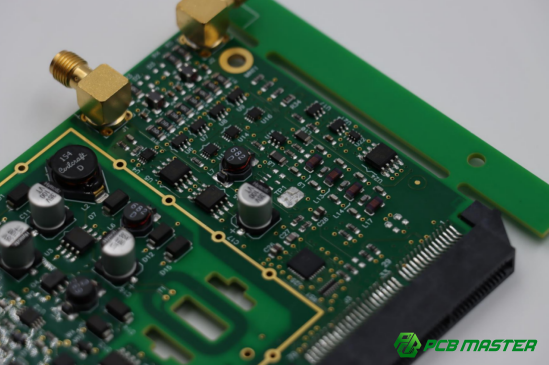
What Factors Affect Hole Position Tolerance?
Hole position tolerance is critical in ensuring precise PCB functionality, especially as designs become more complex. The accuracy of hole placement directly impacts component fit and electrical performance. Several factors influence hole position tolerance, including the drilling method, alignment systems, and material behavior.
Mechanical Drilling: Impact on Hole Position Tolerance
Positioning System:
Mechanical drilling typically relies on an X-Y platform and optical positioning systems to achieve hole placement accuracy. These systems ensure that the drill bit is positioned with high precision before drilling. The optical system uses cameras or lasers to align the bit with the desired hole coordinates, minimizing the risk of positioning errors.
Tolerance Range:
High-end mechanical drilling machines can achieve positioning accuracy up to ±0.015mm, which is suitable for most standard PCBs. However, achieving this level of accuracy depends on several factors that can impact the system's precision.
Influencing Factors:
- Material Expansion and Contraction: PCB materials, particularly copper-clad laminates, can expand or contract during the lamination process, causing variations in hole position. This is especially noticeable during the heat treatment phase.
- Thermal Expansion of the Drilling Machine: As the drilling machine operates, its components may heat up, causing slight shifts in the machine's mechanical parts. This thermal expansion can lead to slight inaccuracies in hole placement.
- Bit Slippage During Drilling: Uneven material or irregular surfaces can cause the drill bit to "slip" slightly, resulting in small positioning errors. This is more pronounced when drilling non-flat or multi-layered boards.
Laser Drilling: Impact on Hole Position Tolerance
High-Precision Positioning:
Laser drilling systems, especially those using UV lasers, offer significantly higher precision than mechanical drilling. These systems use non-contact positioning and can achieve hole position accuracy up to ±0.005mm, making them ideal for high-density interconnect (HDI) boards and other advanced applications where precision is critical.
Positioning and Imaging Techniques:
Laser drilling often incorporates direct imaging and Laser Direct Imaging (LDI) technology to further reduce errors. By directly aligning the laser with the PCB's design files, these systems minimize misalignment, ensuring that the hole is drilled exactly where it is needed.
Influencing Factors:
- Alignment Accuracy: The precision with which the laser aligns with the PCB’s design is crucial. Any misalignment during the setup or calibration phase can lead to inaccuracies in hole position.
- Graphic Alignment Systems: Laser drilling systems use graphic alignment techniques, linking the laser with the PCB's internal layers, such as pads and traces. This reduces positional errors, making laser drilling ideal for high-precision applications like HDI boards.
Layer-to-Layer Alignment: Impact on Multi-Layer Board Hole Position Tolerance
For multi-layer PCBs, precise hole alignment across layers is essential for performance. Misalignment can lead to component misplacement, electrical failures, or defects.
Traditional "Target" Alignment System:
In multi-layer PCBs , a target alignment system is used, where etched targets on each layer guide the drilling process. After lamination, the drill bit aligns with the outermost layer targets and drills through the inner layers.
Error Sources:
- Layer Misregistration: Misalignment during lamination can shift targets, causing hole placement errors.
- Target Recognition Errors: Optical camera precision may add errors.Tolerance Range: This method typically offers hole position tolerances of ±0.05mm to ±0.15mm, sufficient for simpler PCBs but not ideal for high-density designs.
X-Ray Alignment System:
An X-ray target alignment system improves accuracy by detecting internal copper targets, eliminating misregistration errors. This method achieves hole position tolerances as tight as ±0.025mm, making it suitable for high-precision, multi-layer boards.
Advantages:
- Error Reduction: Eliminates misregistration from external layer alignment.
- Precision: Ensures consistent hole placement across layers, ideal for complex PCBs like HDI boards.
Laser Direct Imaging (LDI) and Graphic Alignment:
LDI combined with graphic alignment offers the highest precision. Using a CCD camera, the system recognizes inner-layer patterns and ensures precise hole placement. This method can achieve tolerances as fine as ±0.01mm, perfect for HDI and high-density applications.
Key Benefits:
- Exact Alignment: Ensures laser drilling aligns with inner traces and pads.
- Minimized Errors: Reduces positional errors, ensuring accurate hole placement for fine-pitch components.
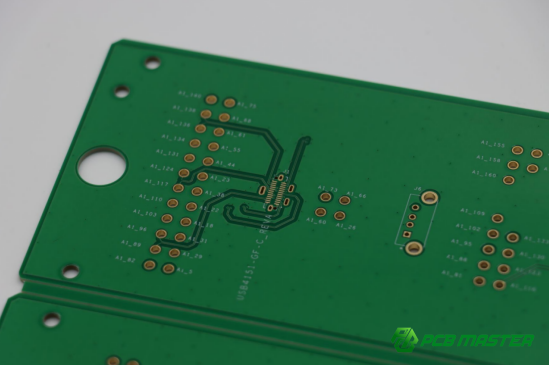
How to Optimize PCB Hole Diameter and Position Tolerances?
Optimizing hole diameter and position tolerances is crucial for ensuring the performance and reliability of PCBs, especially in high-density applications. Whether you're using mechanical or laser drilling, there are specific strategies that can improve accuracy and minimize errors.
How Can Mechanical Drilling Accuracy Be Improved?
Improving Drill Bit Quality and Wear Management:
The quality of the drill bit plays a significant role in hole diameter and position accuracy. Over time, drill bits wear down, leading to increased hole size and potential misalignment. To maintain precision, it’s important to regularly inspect and replace drill bits before they become too worn. High-quality, sharp drill bits also reduce the likelihood of inconsistent hole sizes.
Optimizing Material Preparation:
Using high-quality PCB materials with consistent thickness and uniformity helps reduce errors during the drilling process. Poor material quality or uneven layers can cause layer shifts or misalignment when drilling, especially in multi-layer PCBs. Ensuring uniform copper-clad laminates and other materials reduces dimensional changes during manufacturing, which directly improves hole positioning.
Enhancing Drilling Machine Performance:
Optimizing the drilling machine’s stability and adjusting its operational parameters (such as spindle speed, feed rate, and chip removal rate) can significantly improve hole position accuracy. Machines that experience vibrations or inconsistent power can lead to inaccuracies in hole placement. Using high-quality, well-maintained equipment helps maintain consistent drilling precision.
How to Ensure Maximum Precision in Laser Drilling?
Precise Laser Energy Control:
In laser drilling, the stability of laser energy is key to maintaining consistent hole diameter and placement. Fluctuations in the energy output can cause inconsistent hole sizes and rough edges. Ensuring that the laser system has consistent energy levels helps produce smooth, precise holes. Laser power calibration is essential for achieving the desired precision in each drilling pass.
Accurate Alignment Technology:
Laser drilling systems that incorporate advanced alignment techniques—such as graphic recognition systems—help minimize positional errors. By using precise optical and imaging systems to align the laser beam with the design, the system ensures that holes are drilled exactly where needed, reducing the chances of misalignment. This is especially important for fine-pitch applications, where precision is critical.
Material Selection:
The type of material being drilled influences the quality of the laser drilling process. Materials with high absorption rates improve the laser’s cutting efficiency, resulting in smoother hole walls and more consistent diameters. Choosing the right PCB materials—such as those with uniform copper foil thickness—ensures optimal laser performance and reduces the risk of hole inaccuracies.
Real-World Example
For example, in the production of HDI (High-Density Interconnect) boards, where holes need to be drilled with very tight tolerances (often as small as ±0.01mm), laser drilling is preferred due to its high precision. By controlling the laser energy and using advanced alignment systems, manufacturers can ensure that each hole is placed with extreme accuracy, avoiding the risk of component misplacement or electrical failure. Meanwhile, for less complex boards, mechanical drilling can still be effective with regular drill bit maintenance and machine calibration.
Conclusion
Optimizing hole diameter and position tolerances is vital for ensuring the reliability and performance of PCBs, especially in high-precision applications. Whether it's through improving drill bit quality, enhancing machine stability, or leveraging advanced laser drilling techniques, every effort contributes to achieving the utmost accuracy. By focusing on these key factors, manufacturers can produce PCBs that meet the rigorous demands of modern electronics.
For those seeking a reliable partner to handle these precise requirements, P CBMASTER stands out as a trusted , experienced PCB supplier. With our advanced technology and strict quality control processes, we ensure that every PCB we produce maintains the highest standards of hole diameter and position tolerances. At PCBMASTER, we are committed to delivering products that meet your exact specifications, ensuring the success and durability of your designs.
FAQs
Why Are Hole Diameter Tolerances Smaller in Laser Drilling Than in Mechanical Drilling?
Laser drilling achieves smaller hole diameter tolerances compared to mechanical drilling due to its advanced technology. Laser drilling uses a high-precision galvanometer system and stable laser pulse control, which greatly reduce variations in hole size. Unlike mechanical drilling, which can experience wear and tear on the drill bits, leading to inconsistencies, laser drilling offers consistent and precise energy delivery. The laser's ability to focus on a small area also minimizes the heat-affected zone, preventing the surrounding material from expanding or distorting. These factors contribute to achieving much smaller and more consistent hole diameters, particularly important for fine-pitch components and microvias in HDI (High-Density Interconnect) boards.
How to Choose the Appropriate Hole Diameter Tolerance Method?
Choosing the right method for hole diameter tolerance depends largely on the size and complexity of the holes required. For large through-holes in standard PCBs, mechanical drilling is typically the most efficient and cost-effective option. It offers sufficient accuracy for most general applications, with tolerances generally in the range of ±0.075mm to ±0.10mm.
For microholes or applications like HDI boards, where tight tolerances are critical, laser drilling is the ideal choice. Laser drilling can achieve hole diameter tolerances as small as ±0.01mm, making it perfect for high-density designs where precision is crucial. Laser drilling allows for greater accuracy in small, intricate holes that mechanical drilling cannot achieve.
How Does Lamination Misregistration Affect Hole Position Tolerance in Multi-Layer PCBs?
Lamination misregistration is a common issue in multi-layer PCB manufacturing, where the alignment of layers during the lamination process is not perfect. This misalignment can cause shifted targets or layer misregistration, resulting in hole position deviations. In multi-layer boards, even small misalignments between layers can lead to significant errors in hole placement, which can cause issues such as poor component fitting or electrical failure.
The problem is especially pronounced when using traditional target alignment systems that rely on external markers to align holes. Misregistration during the lamination process can lead to misaligned targets, causing holes to be drilled in the wrong positions, further affecting the hole position tolerance.
How to Improve Hole Position Tolerance in Multi-Layer PCBs?
To improve hole position accuracy in multi-layer PCBs, two advanced alignment systems can be used:
- X-RAY Target Alignment System: This system uses X-ray technology to detect internal copper targets and align the drill bit accordingly. Unlike traditional systems, it eliminates errors caused by layer misregistration during lamination. The X-ray alignment system can achieve hole position tolerances as tight as ±0.025mm, making it ideal for high-precision multi-layer boards, such as HDI boards.
- Laser Direct Imaging (LDI): In this method, a CCD camera system directly detects the inner-layer graphic patterns, allowing for precise alignment without the need for external targets. LDI helps ensure that holes are drilled with pinpoint accuracy by aligning directly with the PCB’s internal layers. This method can achieve hole position tolerances as fine as ±0.01mm, ensuring high precision even in complex designs.
How Do Optimized Hole Diameter and Position Tolerances Impact PCB Reliability?
Optimizing both hole diameter and hole position tolerances is crucial for improving PCB reliability. Precise hole diameters ensure that components fit accurately into their respective holes, preventing poor electrical connections and enhancing overall performance. Similarly, accurate hole positioning ensures that components are correctly aligned with the traces and pads, minimizing the risk of misalignment or faulty connections.
By achieving tight tolerances, manufacturers can ensure better electrical conductivity, reduce the risk of component damage, and improve signal integrity. In high-frequency or high-density applications, such as smartphones or automotive electronics, precise hole tolerances are vital for long-term performance and reliability. Ultimately, optimizing these tolerances ensures that the PCB performs as expected under real-world conditions, contributing to the durability and functionality of the final product.
About the Author

Carol Luo
PCB Design EngineerI'm Carol, a PCB Engineer at PCBMASTER with experience in PCB design and manufacturing engineering since 2018. I focus on translating engineering requirements into reliable PCB solutions, with expertise in stack-up design, material selection, and design-for-manufacturing (DFM). I share practical engineering insights from real-world PCB design and production experience.
Visit Carol Luo's Profile