








PCB Etchback vs Negative Etchback: IPC Standards and Reliability Differences
Printed circuit boards rely on extremely small but highly critical structures hidden inside plated through holes. Among these micro-scale features, etchback and negative etchback play a decisive role in determining how well inner-layer copper connects to plated copper barrels—and ultimately how reliable the entire board will be under thermal, mechanical, and electrical stress.
At first glance, both processes may appear to be variations of the same cleaning step after drilling. Yet the reality is far more nuanced. One approach is designed to deliberately remove resin smear and expose inner copper to strengthen bonding interfaces, while the other reflects an opposite structural shift where copper is unintentionally recessed due to over-etching. These subtle differences can significantly change the geometry of the hole wall, the quality of metallization, and the long-term durability of the interconnection.
Because modern PCB applications span everything from consumer electronics to aerospace systems, the choice and control of these two outcomes are far from trivial. Therefore, understanding how they form, how they differ, and how industry standards define acceptable limits becomes essential for both designers and manufacturers. The following sections break down these mechanisms, standards, and reliability implications in a structured way.
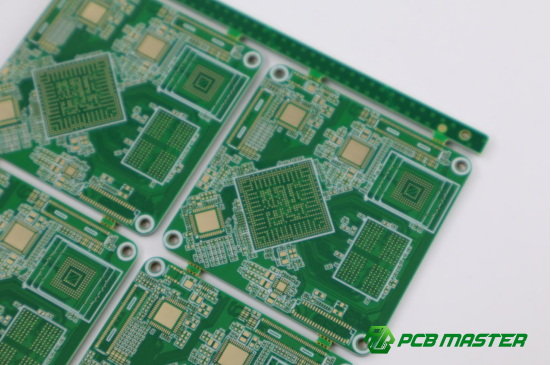
What is Etchback and Negative Etchback in PCB Manufacturing?
Etchback and negative etchback are two opposite surface conditions that occur inside plated through holes (PTHs) during PCB manufacturing. Both are closely related to how well the inner copper layers connect with the final copper plating inside the hole, which directly affects PCB reliability, especially in high-density and multilayer boards.
What is Etchback and what is its core purpose?
Etchback is a controlled process that removes resin smear inside drilled holes and exposes inner-layer copper to improve bonding with plated copper.
Etchback (also called positive etchback) happens after drilling when resin debris (often called drill smear ) covers the inner copper layers. This resin acts like an insulating barrier, so it must be removed.
Key functions of etchback:
- Removal of resin smear and drilling residueAfter mechanical drilling, heat melts epoxy resin and spreads it over inner copper pads. Etchback chemically or through plasma cleaning removes this layer.Example: Without this step, electrical connection failure (open circuit) may occur between layers.
- Exposure of inner-layer copper ringsEtchback slightly “pulls back” the surrounding resin so the inner copper is exposed. This ensures the next copper plating step can firmly attach to it.
- Creation of 3D mechanical interlockingOnce inner copper is exposed, electroplated copper can wrap around it like a clamp. This forms a three-dimensional bonding structure, which is much stronger than simple flat contact.Real-world analogy: It is like glue bonding not just flat surfaces, but wrapping around hooks for stronger grip.
What is Negative Etchback and how does it form?
Negative etchback occurs when inner copper is over-etched, causing it to shrink inward from the hole wall instead of being exposed.
Negative etchback is not an intended structure in most cases. It usually happens when etching is too aggressive or process control is not stable.
Key characteristics and formation mechanism:
- Inner copper foil is excessively etchedInstead of exposing copper, the copper layer is eaten away too much, causing it to retreat inward.This creates a “recessed copper edge” inside the hole.
- Copper conductor appears to “pull back” from the hole wallThe hole wall no longer has a strong copper interface. This reduces the effective contact area for plating.Example: Imagine a metal ring shrinking away from the wall it should be tightly attached to.
- Linked to process instability or over-etching conditionsCommon causes include:
oOveractive desmear chemistry
oExcessive micro-etch time
oPoor process control of copper roughness
Etchback vs Negative Etchback
| Feature | Etchback | Negative Etchback |
| Main effect | Removes resin to expose inner copper | Over-etches copper, causing it to shrink |
| Copper position | Slightly exposed or flush | Recessed inward |
| Interface quality | Strong bonding surface | Reduced contact area |
| Formation control | Controlled and intentional | Usually unintended defect |
| Reliability impact | Improves interconnection strength | May reduce long-term reliability |
Where do Etchback and Negative Etchback sit in PCB via metallization flow?
They occur during the surface preparation stage after drilling and before copper plating, and they directly influence via reliability.
The typical PCB through-hole metallization process flow is:
Drilling → Desmear (drill smear removal) → Etchback / Negative Etchback → Electroless copper (PTH seed layer) → Electroplating copper
Step-by-step role in the process:
- Drilling stageCreates mechanical holes but leaves resin smear on inner copper layers.
- Desmear stageRemoves most resin contamination using chemicals or plasma.
- Etchback / Negative etchback stage
oEtchback ensures clean exposure of inner copper for bonding
oNegative etchback indicates excessive copper loss or process imbalance
- Copper deposition stagesElectroless copper seeds the hole wall, followed by electroplating to build thickness and conductivity.
Why this stage is critical for PCB reliability
This interface is one of the most failure-sensitive areas in a PCB.
- Poor etchback → weak copper bonding → risk of open circuits
- Excessive negative etchback → reduced mechanical support → risk of via cracking or delamination
Real-life case example:
In high-temperature cycling tests (used in automotive electronics), boards with poor etchback control often fail due to barrel cracks , while properly controlled etchback structures maintain stable conductivity after thousands of thermal cycles.
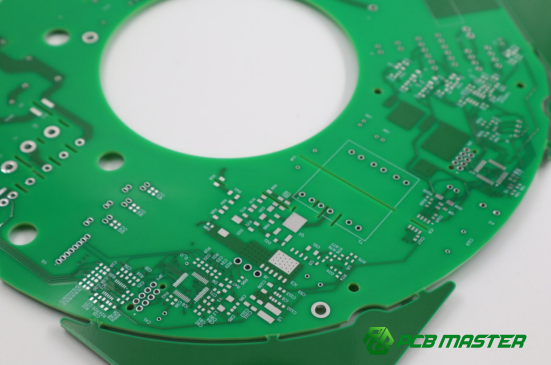
What is the mechanism of etchback and negative etchback in PCB via metallization?
The mechanism is based on how drilling damage (resin smear) is removed and how copper interfaces are either properly exposed (etchback) or excessively eroded (negative etchback), directly affecting via bonding reliability in PCB manufacturing.
During PCB via metallization, the key challenge is not just drilling holes, but preparing a clean and stable interface between inner-layer copper and plated copper. Etchback and negative etchback represent two opposite outcomes of this surface preparation process.
Why does “drill smear (resin smear)” form after PCB drilling?
Drill smear is caused by heat generated during drilling, which melts epoxy resin and spreads it over inner copper layers, creating an insulating barrier.
Key formation reasons:
- High heat from mechanical drilling melts resinDuring high-speed drilling of multilayer PCBs, friction generates heat. This heat softens the epoxy resin in the laminate, causing it to smear along the hole wall and cover inner copper pads.Example: It is similar to melted plastic sticking onto a hot metal rod.
- Resin smear blocks electrical connection pathsThe smeared resin acts like an insulating film between inner copper layers and future plated copper. If not removed, it can cause open circuit defects in vias.
- Risk increases in high-layer-count PCBsThicker boards and high aspect-ratio vias generate more heat, so resin smear is more severe in HDI PCB manufacturing and multilayer PCB via drilling.
How does etchback achieve resin removal and interface cleaning?
Etchback removes resin smear using controlled chemical or plasma processes, exposing inner copper and improving bonding strength between layers.
Key mechanisms:
- Chemical or plasma etching removes resin layerEtchback uses controlled chemical solutions (or oxygen plasma) to dissolve epoxy resin without damaging copper. This step is often called desmear + etchback process in PCB manufacturing.Example: Like cleaning glue residue from a surface using a targeted solvent.
- Improves copper-to-hole wall bonding areaAfter resin removal, inner copper rings become partially exposed. This increases the effective contact area where electroless copper and electroplated copper can attach.
- Creates a 3D connection interfaceInstead of a flat interface, etchback forms a slightly recessed resin profile around copper. This allows plated copper to “wrap around” inner copper edges, forming a 3D mechanical interlocking structure that improves thermal shock resistance.
What is the over-etching mechanism of negative etchback and its risk path?
Negative etchback occurs when copper is excessively etched, causing it to shrink inward and create recessed hole-wall structures that weaken bonding and increase defect risks.
Key mechanism breakdown:
- Copper foil is over-etched and retracts inwardDuring aggressive etching or unstable process control, inner copper is unintentionally removed beyond the target level. This causes the copper edge to “pull back” from the via wall.Example: Like a metal ring shrinking away from the wall it should tightly contact.
- Hole wall becomes recessed and unevenInstead of a slightly exposed copper edge (etchback), the structure becomes a hollowed or recessed geometry. This reduces the surface area available for copper plating adhesion.
- Increased risk of trapped air and contaminationThe recessed geometry can trap:
oAir bubbles during plating
oChemical residues
oContaminants from process fluidsThese trapped materials can later lead to via delamination or micro-cracking during thermal cycling .
Practical manufacturing comparison insight
- Proper etchback → clean interface → strong copper bonding → stable via reliability
- Negative etchback → recessed copper + contamination risk → weaker mechanical structure → higher failure probability under thermal stress
In real PCB production lines, controlling etchback is often part of critical process monitoring (CPM) because even small deviations can significantly affect long-term via reliability in high-density multilayer PCBs.
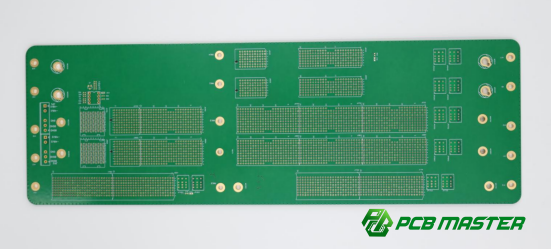
What are the structural and morphological differences between etchback and negative etchback in PCB hole walls?
Etchback creates a rough, three-dimensional interlocking structure that strengthens copper bonding, while negative etchback produces a recessed and smoother hole wall that reduces effective contact and may weaken reliability.
In PCB through-hole metallization, the microscopic shape of the hole wall is not just a surface detail—it directly determines how well copper layers bond together. Etchback and negative etchback produce very different physical geometries, which leads to different reliability outcomes in high-performance PCB applications.
What are the 3D interlocking hole wall features after etchback?
Etchback forms a slightly exposed inner copper structure that allows plated copper to wrap around it, creating a strong three-dimensional mechanical interlock.
Key structural features:
- Inner copper slightly protrudes from the resin surfaceIn a controlled PCB etchback process (etchback PCB hole wall structure), resin around the inner-layer copper is selectively removed. This makes the copper edges slightly exposed instead of buried.Example: Like small metal hooks sticking out from a wall surface.
- Electroplated copper wraps and locks onto inner copperDuring electroless and electroplating copper deposition, copper grows around these exposed edges. This creates a strong bonding interface known as a 3D copper interconnect structure.
- Three-point / volumetric contact structureInstead of flat contact, the connection becomes multi-directional:
oSide contact
oEdge contact
oWrap-around contactThis is often described as a three-dimensional mechanical bonding system in PTH vias .
What are the shrinkage and smooth surface features of negative etchback hole walls?
Negative etchback causes inner copper to retreat inward, producing a recessed and smoother surface that reduces bonding strength and increases failure risk.
Key structural characteristics:
- Copper foil retracts inward from via wallIn negative etchback PCB defects, over-etching removes too much copper, causing it to shrink away from the hole interface.Example: Like a metal lining that has melted slightly away from the wall it should stick to.
- Reduced effective bonding surface areaBecause copper is no longer exposed, the plating layer has less surface to anchor onto. This leads to weaker adhesion in via barrel plating reliability analysis.
- Smooth recessed hole wall geometryInstead of a rough, interlocking surface, the wall becomes smoother and slightly concave. This reduces mechanical grip and can allow micro-movement under thermal stress.
How does hole wall structure affect connection area and reliability?
Etchback increases 3D contact volume and bonding strength, while negative etchback reduces contact to mostly flat or recessed surfaces, lowering long-term reliability.
Structural comparison of contact types:
| Feature | Etchback | Negative Etchback |
| Contact type | 3D volumetric contact | Mainly flat or recessed contact |
| Copper interface | Exposed and wrapped | Recessed and reduced |
| Bonding mechanism | Mechanical interlocking | Limited surface adhesion |
| Stress resistance | High thermal/mechanical stability | Lower resistance under cycling |
| Reliability level | High (preferred for HDI and multilayer PCBs) | Lower (risk of delamination and cracks) |
Reliability impact in real PCB applications
- Etchback structure in high-reliability PCBsIn automotive or aerospace PCBs, the 3D interlocking structure helps resist thermal expansion mismatch during temperature cycling, reducing via barrel cracking risk.
- Negative etchback in cost-sensitive productsIn low-cost consumer electronics, minor negative etchback may still function, but long-term stress can lead to interlayer separation or micro-cracks in vias.
Simple analogy for understanding
- Etchback = hooks and glue combinedCopper behaves like hooks that mechanical plating can wrap around.
- Negative etchback = smooth recessed bowlCopper is pulled back, so plating has less to grab onto, similar to trying to glue onto a smooth dented surface.
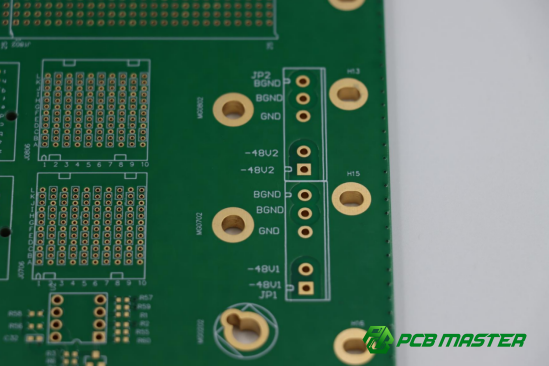
What are the IPC acceptance standards and grading requirements for etchback and negative etchback?
IPC standards define specific depth ranges for etchback and negative etchback to ensure reliable PCB via performance, with tighter control required for higher reliability classes (especially Class 3).
In PCB manufacturing, IPC standards (such as IPC-6012 for rigid PCBs) provide clear guidelines for acceptable etchback and negative etchback conditions. These limits are designed to balance manufacturability and long-term reliability of plated through holes (PTHs), especially in multilayer and high-density PCB designs.
What are the IPC target and acceptable ranges for etchback (Etchback)?
The IPC target for etchback is around 0.013 mm of uniform resin removal, with an acceptable range typically between 0.005 mm and 0.08 mm depending on application class.
Key IPC etchback requirements:
- Target condition: ~0.013 mm uniform etchback depthThis is considered the ideal condition in IPC PCB via reliability standards. It ensures enough resin is removed to expose inner-layer copper without damaging the copper structure.Example: In high-reliability PCB manufacturing, this level ensures stable copper-to-copper bonding in multilayer boards.
- Acceptable range: 0.005 mm to 0.08 mmWithin this range, etchback is considered manufacturable and functional:
oToo low → incomplete resin removal (risk of poor adhesion)
oToo high → excessive copper exposure and stress concentration
- Applicability across IPC Classes 1, 2, and 3
o Class 1 (consumer electronics): more tolerant of variation
o Class 2 (industrial electronics): moderate control required
o Class 3 (high-reliability systems): tight process control and consistency required Example: Aerospace PCBs typically require tighter control near the target value.
What are the IPC requirements for negative etchback (Negative Etchback)?
IPC defines a very small controlled negative etchback target (~0.0025 mm), with stricter limits for Class 3 and more relaxed tolerances for Class 1 and 2.
Key IPC negative etchback requirements:
- Target condition: ~0.0025 mm uniform negative etchbackThis represents a minimal and controlled copper recession level. It is not an ideal condition but is sometimes acceptable if kept extremely small.Example: Slight copper retreat may still pass inspection if it does not affect plating adhesion.
- Class 3 has stricter limitsFor high-reliability applications (automotive safety systems, aerospace, medical electronics), negative etchback is tightly controlled or often minimized as much as possible. Even small deviations may trigger process correction.
- Class 1 and Class 2 are more tolerantIn consumer or general industrial PCBs:
oSlight negative etchback may be acceptable
oRisk is considered lower due to less extreme operating environmentsHowever, excessive values still lead to rejection.
How are excessive etchback or negative etchback conditions classified?
Any etchback or negative etchback outside IPC-defined limits is classified as nonconforming and is considered a potential reliability risk for plated through holes.
Key classification logic:
- Nonconforming definition (IPC PCB defect criteria)If measured etchback or negative etchback exceeds specified IPC limits:
oIt is classified as a defect condition
oThe PCB may fail inspection or require rework/rejection
- Over-etching risk (etchback too deep or negative too strong)Excessive process conditions can lead to:
oWeak copper-to-copper bonding
oReduced via mechanical strength
oIncreased risk of delamination or barrel cracking
- Reliability impact under thermal cyclingIn real-world testing (such as thermal shock or temperature cycling):
oOver-etched vias may develop micro-cracks earlier
oNegative etchback areas may trap stress or contaminants Example: Automotive PCBs exposed to repeated heating cycles show faster failure when etchback control is poor.
Practical interpretation for PCB manufacturing
- Within IPC range → acceptable production condition
- Near target value → optimal reliability performance
- Outside range → nonconforming, requires process correction
In modern PCB factories, etchback and negative etchback are often monitored using microsection analysis (cross-sectional inspection) to ensure compliance with IPC standards and maintain long-term via reliability in multilayer PCB production.
What are the effects of etchback and negative etchback on PCB reliability and failure risk?
Etchback generally improves PCB via reliability by strengthening copper bonding and thermal resistance, while negative etchback can introduce both benefits and risks depending on its severity and process control.
In PCB manufacturing, etchback and negative etchback directly affect the internal structure of plated through holes (PTHs). Because these vias are responsible for electrical connection between layers, even small changes in hole-wall geometry can significantly impact long-term reliability, especially in high-temperature and high-vibration environments.
What are the positive effects of etchback on PCB reliability?
Etchback improves reliability by increasing copper bonding strength, enhancing thermal shock resistance, and reducing via barrel cracking risk.
Key reliability benefits:
- Stronger bond between inner copper and plated copperEtchback removes resin smear and exposes inner-layer copper, allowing electroplated copper to tightly wrap around it. This creates a strong copper-to-copper mechanical interlock in PCB vias.Example: Like metal hooks locking into a reinforced frame instead of sticking to a flat surface.
- Improved thermal shock resistanceDuring thermal cycling (heating and cooling), different materials expand at different rates. A 3D interlocked structure helps distribute stress more evenly, improving thermal reliability of multilayer PCBs.
- Lower risk of barrel crack (via fracture)Because stress is spread across multiple bonding directions, etchback reduces the chance of cracks forming along the via wall. This is especially important in automotive PCB reliability testing and aerospace-grade boards.
What are the failure risks of excessive etchback in PCBs?
Over-etchback can weaken structure by increasing surface roughness, creating stress concentration points, and reducing long-term fatigue resistance.
Main failure mechanisms:
- Rough hole wall surface causing micro-cracksIf etchback is too aggressive, the hole wall becomes overly rough. These microscopic irregularities can become starting points for micro-crack formation in PCB vias.Example: Like tiny scratches on metal that grow into cracks under stress.
- Stress concentration in inner copper layersExcessive resin removal can leave uneven copper exposure. This creates localized stress points during thermal expansion, increasing risk of interlayer stress damage in multilayer PCBs.
- Long-term fatigue failure under thermal cyclingIn real applications (e.g., server boards or automotive ECUs), repeated heating cycles can gradually enlarge micro-defects, eventually leading to via open circuits or intermittent failures.
What are the dual effects of negative etchback on PCB reliability?
Negative etchback can slightly smooth the hole wall and reduce stress, but excessive negative etchback increases risks of trapped contamination and delamination.
Positive aspect:
- Smoother hole wall reduces stress concentrationMild negative etchback may create a more uniform surface, which can slightly reduce sharp stress points in the via structure.This can help in some low to medium reliability PCB applications.
Negative aspects:
- Trapped air bubbles and chemicalsRecessed copper areas can trap air or plating chemicals during deposition, creating voids inside the via barrel. These voids are a known risk factor in PCB void defect analysis.
- Risk of delamination between layersPoor bonding in recessed areas may allow separation under thermal or mechanical stress. This is critical in high-layer-count PCB reliability failures.
- Contamination retention in recessed geometryResidual chemicals or particles can remain trapped and later cause corrosion or electrical instability.
Etchback vs Negative Etchback: Reliability Comparison Table
| Aspect | Etchback | Negative Etchback |
| Copper bonding strength | High (3D interlocking structure) | Moderate to low |
| Thermal shock resistance | Strong | Variable (depends on severity) |
| Stress distribution | Even and multi-directional | Can create localized stress or voids |
| Failure risk | Low when controlled; high if over-etched | Risk of voids, delamination if excessive |
| Typical use case | High-reliability PCBs (automotive, aerospace) | Cost-sensitive or less critical PCBs |
Practical reliability insight
In real PCB failure analysis labs, most via barrel cracks and interconnect failures are linked to two extremes: excessive etchback or uncontrolled negative etchback. The most reliable performance is usually achieved not at extremes, but at a controlled balance near IPC target conditions.
How to choose between etchback and negative etchback in PCB design and manufacturing?
Etchback is preferred for high-reliability and high-performance PCBs because it improves bonding strength, while negative etchback can be acceptable in cost-sensitive, lower-reliability products if controlled within IPC limits.
In PCB design and manufacturing, choosing between etchback and negative etchback is not random. It depends on the product’s reliability requirements, operating environment, electrical performance needs, and cost constraints. The goal is always the same: ensure stable via interconnection in plated through holes (PTHs).
When is etchback recommended for high-reliability PCB applications?
Etchback is recommended for aerospace, military, medical, high-vibration, thermal cycling, and high-speed signal PCBs because it provides stronger copper bonding and better long-term reliability.
Key application scenarios:
- Aerospace, military, and medical electronicsThese systems require extremely high reliability because failure is not acceptable. Etchback improves via bonding strength in multilayer PCBs, reducing risk of open circuits or delamination.Example: Aircraft control boards must remain stable under extreme temperature and pressure changes.
- High vibration and thermal cycling environmentsAutomotive ECUs, industrial controllers, and power electronics face continuous heating and vibration. Etchback’s 3D interlocking structure helps resist thermal fatigue and mechanical stress in PCB vias.
- High-speed and high-frequency signal circuitsIn RF, 5G, and high-speed digital PCBs, signal integrity is critical. A clean copper interface helps maintain stable impedance and reduces discontinuities in high-frequency PCB transmission paths.
When is negative etchback acceptable in consumer electronics?
Negative etchback can be used in consumer electronics and cost-sensitive products as long as it stays within IPC Class 1 or Class 2 limits and does not affect functional reliability.
Typical use cases:
- Home appliances and consumer electronicsProducts like TVs, routers, and home devices prioritize cost efficiency. Slight negative etchback is acceptable if it does not cause electrical failure during normal use.Example: A household appliance PCB is not exposed to extreme thermal cycling.
- Medium and low reliability productsDevices with stable operating conditions and limited environmental stress can tolerate minor variations in via structure without significant performance loss.
- IPC Class 1 and Class 2 productsThese IPC PCB reliability classes allow more manufacturing tolerance:
oClass 1: general-purpose electronics
oClass 2: industrial-grade electronics with moderate reliability requirementsNegative etchback is acceptable if within controlled limits.
What are the key factors when selecting etchback or negative etchback processes?
The selection depends on copper structure, base material, plating capability, and the balance between cost and yield versus reliability requirements.
Key decision factors:
- Copper thickness and copper foil typeThicker copper layers or special copper foils require more controlled etchback to ensure proper exposure. Poor control may lead to uneven via bonding in multilayer PCBs.Example: Heavy copper PCBs for power systems usually require stable etchback control.
- Base material system (laminate type)Different PCB materials (FR-4, high-Tg, polyimide) react differently during desmear and etching. Material selection directly affects etchback consistency and via reliability performance.
- Electroplating process capabilityAdvanced plating systems can better handle slight variations in hole wall structure. Weak plating control increases risk of defects in both etchback and negative etchback conditions.
- Cost vs yield balanceEtchback generally requires tighter process control and may increase manufacturing cost, but improves reliability. Negative etchback may reduce cost but increases potential long-term risk.Manufacturers often choose based on PCB production yield optimization strategy.
Practical selection insight
A simple industry rule is:
- High reliability demand → choose controlled etchback
- Cost-sensitive mass production → controlled negative etchback may be acceptable
- Best results → balanced process near IPC target condition
In real PCB fabrication, engineers often adjust process parameters based on reliability testing feedback, cross-section analysis, and field failure data to achieve the optimal balance between performance and manufacturing efficiency.
How can PCB process control reduce over-etchback and negative etchback defects?
Over-etchback and negative etchback defects can be minimized by tightly controlling drilling heat, desmear cleaning, etching chemistry, and pre-plating surface preparation to ensure stable and uniform hole-wall conditions.
In PCB manufacturing, both excessive etchback (too much resin removal) and negative etchback (copper over-etching) usually come from unstable process control. By improving key steps such as drilling, desmear, etching, and surface preparation, manufacturers can maintain consistent via hole quality and improve long-term PCB reliability.
How can drilling and desmear process optimization reduce etchback defects?
Controlling drilling heat damage and optimizing desmear or plasma cleaning parameters helps prevent resin smear buildup and avoids excessive material removal during etchback.
Key control methods:
- Control drilling heat damageHigh-speed drilling generates heat that can melt resin and cause deep resin smear. Reducing spindle wear and optimizing drill speed helps minimize resin smear formation in PCB via holes.Example: Lower heat = less melted epoxy sticking to inner copper layers.
- Optimize DESMEAR and plasma cleaning parametersDesmear (chemical or plasma process) removes resin smear. If too aggressive, it can cause over-etchback; if too weak, smear remains. Proper control of:
ochemical concentration
oexposure time
oplasma powerensures balanced cleaning in multilayer PCB via preparation .
How can etching process parameter control prevent over-etchback or negative etchback?
Precise control of etching time, chemical concentration, and uniformity ensures that copper and resin are removed evenly without over-etching or under-etching.
Key control methods:
- Control etching time and chemical concentrationEtching is sensitive to time and chemistry strength.
oToo long → over-etchback or copper recession (negative etchback risk)
oToo short → incomplete resin removalProper balance is essential in PCB chemical etching process control .
- Maintain process uniformityUneven flow or temperature variation can cause different areas of the PCB to etch at different rates. This leads to inconsistent via wall quality.Example: One side of a panel may show deeper etching if chemical circulation is uneven.
How does pre-plating surface treatment control improve hole wall quality?
Stable surface roughness, controlled micro-etch depth, and consistent inner copper exposure ensure strong bonding and reduce both over-etchback and negative etchback risks.
Key control methods:
- Uniform surface rougheningA controlled rough surface improves copper adhesion. However, uneven roughness can lead to weak bonding or excessive etching in localized areas in PCB surface preparation processes.
- Control micro-etch depthMicro-etching removes a thin copper layer to improve adhesion.
oToo deep → copper weakening and negative etchback risk
oToo shallow → poor bonding strengthProper control ensures stable copper surface activation in PCB manufacturing .
- Ensure consistent inner copper exposureInner-layer copper must be exposed evenly across all holes. Inconsistent exposure can cause uneven plating and weak via connections.Example: Uneven exposure may lead to weak spots that fail under thermal cycling.
Practical process control insight
In real PCB factories, reducing etchback defects is not done by a single step but by process balance across drilling, desmear, etching, and plating . Manufacturers often use:
- Cross-section analysis (microsection inspection)
- Statistical process control (SPC)
- Thermal cycling reliability tests
to ensure that via structures remain stable and within IPC reliability requirements for high-density multilayer PCB production.
Conclusion
Etchback and negative etchback may look like small details in PCB manufacturing, but they play a major role in determining how stable and reliable a circuit board will be over time. From hole-wall structure to copper bonding strength and long-term thermal durability, even micron-level differences can significantly influence final performance.
In real-world applications, the best results always come from balanced process control rather than extreme values. Whether it is high-reliability aerospace systems or cost-sensitive consumer electronics, understanding these mechanisms helps engineers make better design and manufacturing decisions, reducing failure risks and improving product lifetime.
For projects that demand consistent quality and stable mass production, working with an experienced manufacturing partner is just as important as the design itself. PCBMASTER, a seasoned PCB and PCBA supplier , specializes in controlling critical processes like drilling, desmear, and plating to ensure reliable via performance across complex multilayer boards.
With strong process engineering capability and strict quality control systems, PCBMASTER helps turn design intent into dependable hardware—delivering PCBs that perform reliably in both demanding and everyday applications.
FAQs
Is etchback always better than negative etchback?
No. It depends on reliability requirements and design goals.
Etchback is generally preferred for high-reliability PCBs because it improves copper bonding and via strength. However, negative etchback can still be acceptable in cost-sensitive or lower-reliability applications if it is well controlled within IPC limits. The “better” choice is always application-driven, not absolute.
What problems can occur if etchback is too deep?
Excessive etchback can cause hole wall damage such as cracks, stress concentration, and inner copper weakening.
When etchback is over-processed, the hole wall becomes too rough and uneven. This can create micro-cracks that grow under thermal cycling. It also increases stress concentration in inner-layer copper, which may lead to long-term failure such as via barrel cracking in multilayer PCBs.
Does negative etchback affect electrical performance?
Slight negative etchback within IPC limits has minimal impact, but excessive negative etchback can cause reliability and insulation risks.
When negative etchback is controlled, electrical performance is usually stable. However, if it becomes too severe, recessed copper areas may trap air, chemicals, or contaminants. Over time, this can lead to delamination, leakage paths, or unstable electrical behavior under high humidity or thermal stress conditions.
Is etchback a mandatory requirement in IPC standards?
No, etchback is not mandatory; it is a process option based on design and manufacturing requirements.
IPC standards define acceptable ranges and quality criteria, but they do not strictly require etchback for all PCBs. Manufacturers choose whether to apply etchback or allow controlled negative etchback based on product class, reliability level, and process capability.
How can etchback or negative etchback defects be detected in PCBs?
They are mainly identified through metallographic cross-section analysis and microscopic inspection of via hole walls.
The most common method is microsection (cross-section) analysis , where the PCB is cut, polished, and examined under a microscope. Engineers evaluate copper position, resin removal depth, and hole wall shape. This method is widely used in PCB quality control and failure analysis to verify compliance with IPC standards.
About the Author

Carol Luo
PCB Design EngineerI'm Carol, a PCB Engineer at PCBMASTER with experience in PCB design and manufacturing engineering since 2018. I focus on translating engineering requirements into reliable PCB solutions, with expertise in stack-up design, material selection, and design-for-manufacturing (DFM). I share practical engineering insights from real-world PCB design and production experience.
Visit Carol Luo's Profile