







How Copper-Aluminum Mixed PCBs Enhance Heat Dissipation in Electronics
In electronic devices, thermal management is crucial for ensuring performance and reliability. Electronic components generate heat during operation, especially in high-power devices like processors, power modules, and LED lights. If heat isn't effectively dissipated, excessive temperatures can lead to decreased performance, malfunctions, or even permanent damage to the components. Therefore, good thermal management not only improves the efficiency of the device but also extends its lifespan.
Printed Circuit Boards (PCBs) , as the fundamental support structure of electronic devices, are responsible for transmitting current and signals, while also playing a key role in heat conduction. If the PCB's heat dissipation capability is inadequate, heat can accumulate in specific areas, causing localized overheating and affecting the overall stability of the system. Thus, designing an efficient thermal management solution, particularly by incorporating effective heat dissipation measures into the PCB design, is essential to ensure the proper functioning of electronic products under high-power loads.
However, when dealing with high-power applications, traditional copper-based PCBs often struggle to provide sufficient heat dissipation. This is where Copper-Aluminum hybrid PCBs come into play. By combining the excellent conductivity of copper with the superior heat dissipation properties of aluminum, these hybrid PCBs offer significant advantages in thermal management.
What Are Copper-Aluminum Mixed PCBs?
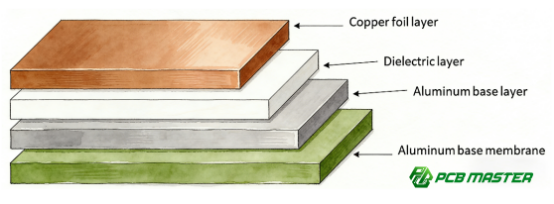
Copper-Aluminum Mixed PCBs are a type of printed circuit board that combines copper and aluminum materials to take advantage of the strengths of both. Copper is used for its excellent electrical conductivity, allowing the PCB to efficiently transmit electrical signals and power. On the other hand, aluminum is chosen for its superior thermal conductivity, helping to dissipate heat away from the components, which is crucial for high-power applications where heat buildup can damage the device.
This hybrid nature—combining copper's electrical properties with aluminum's heat management—makes Copper-Aluminum Mixed PCBs ideal for applications that require both efficient power handling and effective cooling. By integrating these two materials, manufacturers can ensure that the board not only conducts electricity well but also manages heat effectively, keeping sensitive components at safe temperatures.
How They Differ from Traditional PCBs
Compared to traditional copper-only PCBs, Copper-Aluminum Mixed PCBs offer enhanced performance, particularly in high-power scenarios. Copper-only PCBs are commonly used for their ability to carry electrical signals and power, but they fall short when it comes to heat dissipation. Without an effective way to spread heat, copper-only PCBs can overheat under high power loads, leading to component failure or reduced lifespan.
In contrast, Copper-Aluminum Mixed PCBs provide a more balanced solution. The aluminum layer helps conduct heat away from critical areas of the board, preventing hotspots and maintaining optimal temperatures. This makes Copper-Aluminum hybrid PCBs more effective for applications like LED lighting, electric vehicles, and high-power electronics, where heat dissipation is just as crucial as electrical conduction. By managing heat better, these hybrid PCBs improve both the reliability and longevity of devices, especially in industries that demand high performance and durability.
| Feature | Copper-Aluminum Mixed PCBs | Copper-only PCBs |
| Material Composition | Copper for electrical conduction, Aluminum for heat dissipation | Pure Copper |
| Heat Dissipation | Superior heat dissipation due to aluminum’s high thermal conductivity | Limited heat dissipation, relies on copper’s lower thermal conductivity |
| Electrical Conductivity | Excellent electrical conductivity with copper | Excellent electrical conductivity with copper |
| Ideal Applications | High-power devices like LED lights, electric vehicles, power supplies | Standard low-power electronics, basic circuit boards |
| Performance in High-Power Use | Better performance in high-power applications due to effective heat management | Struggles with heat buildup in high-power applications |
| Durability | Longer lifespan due to improved thermal management | Shorter lifespan in high-power settings due to overheating risks |
| Cost | Slightly more expensive due to hybrid material use | Generally cheaper due to single-material use |
In short, while copper-only PCBs are suitable for many applications, Copper-Aluminum Mixed PCBs are a more advanced choice when heat management becomes a priority.
How Do Copper-Aluminum Mixed PCBs Improve Heat Dissipation?
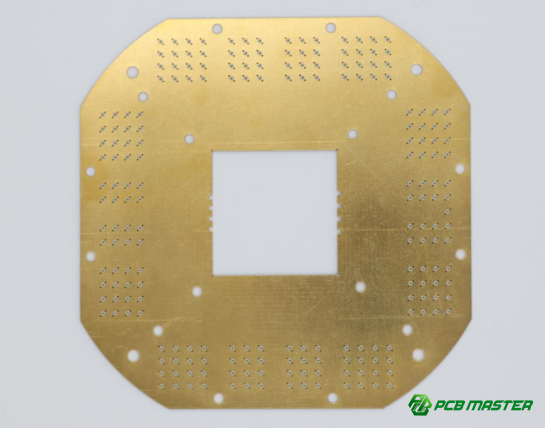
Copper-Aluminum Mixed PCBs improve heat dissipation by combining aluminum's superior thermal conductivity with copper's electrical conductivity, efficiently spreading and managing heat across the board.
The Role of Aluminum in Heat Management
Aluminum’s superior thermal conductivity properties: Aluminum is well known for its high thermal conductivity, which is about three times better than copper. This makes it highly effective at drawing heat away from sensitive components on the PCB. When heat is generated by active components like processors or power modules, aluminum helps to quickly absorb and spread this heat across the surface, preventing hotspots from forming.
How it helps disperse heat efficiently across the PCB: The aluminum layer in Copper-Aluminum mixed PCBs acts as a heat sink. Once the heat is absorbed, aluminum efficiently transfers it through the PCB to be dissipated into the surrounding air. This prevents the components from overheating, which could otherwise cause performance degradation or failure. By incorporating aluminum, the PCB can handle higher thermal loads, especially in high-power applications like LED lighting or electric vehicles.
Thermal Pathway Optimization with Copper and Aluminum
How the combination creates a dual-layer system for enhanced heat dissipation: Copper-Aluminum hybrid PCBs work by utilizing a dual-layer system. The copper layer handles the electrical conductivity, while the aluminum layer focuses on heat dissipation. The copper effectively carries the electrical signals and power, while aluminum absorbs and spreads the generated heat. This combination creates an optimized pathway for both electrical conduction and thermal management, ensuring that the PCB can function efficiently under high-power conditions without overheating.
Case studies on thermal management efficiency: In LED lighting systems, for example, Copper-Aluminum hybrid PCBs are widely used due to their ability to manage high heat loads. These PCBs allow LED lights to operate at higher brightness levels without overheating, which improves the light's performance and lifespan. In electric vehicles, hybrid PCBs are used in battery management systems and power inverters to regulate the heat produced by the high-power electric systems, contributing to the overall safety and reliability of the vehicle.
Thermal Resistance Reduction
How copper-aluminum hybrid PCBs minimize thermal resistance: Copper-Aluminum mixed PCBs significantly reduce thermal resistance, which is the measure of how much a material resists heat flow. Copper, with its excellent electrical properties, handles the current flow, while the aluminum layer effectively channels the heat away from the components. This reduces the resistance to heat flow, making it easier for the PCB to dissipate heat, thereby lowering the temperature of the components and ensuring optimal operation.
Impact on component longevity and reliability: By lowering thermal resistance, Copper-Aluminum hybrid PCBs improve the longevity and reliability of electronic components. Overheating can cause materials to degrade faster, reducing the lifespan of the device. By keeping temperatures under control, these PCBs help prevent thermal stress and thermal cycling that can lead to component failure. For example, in power electronics used in electric vehicles, efficient thermal management with hybrid PCBs ensures that the power modules and batteries operate within safe temperature ranges, leading to longer-lasting, more reliable systems.
Conclusion
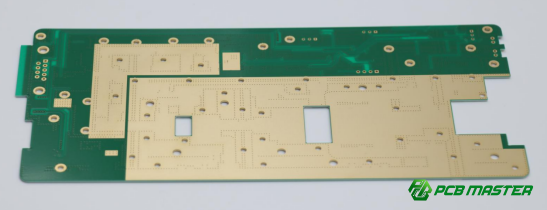
In high-power applications, managing heat effectively is crucial to ensuring the longevity and reliability of electronic devices. Copper-Aluminum Mixed PCBs offer the perfect solution by combining superior electrical conductivity and thermal management, making them ideal for industries like LED lighting, electric vehicles, and power supplies. These hybrid PCBs ensure optimal performance while preventing overheating and component failure.
If you're looking for a reliable supplier of high-quality Copper-Aluminum Mixed PCBs, look no further than PCBMASTER. As a seasoned PCB and PCBA provider , we offers cutting-edge solutions that meet the most demanding requirements. Their expertise in manufacturing durable, efficient hybrid PCBs ensures that you get the best in both performance and thermal management for your high-power applications. Reach out to PCBMASTER today for your next project, and experience the benefits of top-tier PCB solutions.
FAQs
1. Why is heat dissipation important in electronics?
Excessive heat can severely impact the performance and lifespan of electronic components. When devices overheat, their internal components, such as chips and transistors, can suffer from reduced efficiency or even permanent damage. Heat buildup can cause thermal stress, which leads to malfunctioning, shorter operational life, and sometimes, complete failure of the device. For example, in power electronics, overheating can trigger automatic shutdowns, erratic performance, or even catastrophic failure. Effective heat dissipation ensures that components stay within their safe operating temperature ranges, maintaining both performance and reliability over time.
2. How do Copper-Aluminum Mixed PCBs compare to traditional PCBs in heat dissipation?
Copper-Aluminum Mixed PCBs offer significant advantages in heat dissipation compared to traditional copper-only PCBs. Copper is excellent for electrical conductivity but doesn't have great heat dissipation properties, which can cause overheating in high-power applications. Aluminum, on the other hand, has much higher thermal conductivity, enabling it to efficiently absorb and distribute heat. By combining copper and aluminum, Copper-Aluminum hybrid PCBs create an optimized solution, where copper handles the electrical load and aluminum ensures heat is quickly spread and dissipated. This results in improved thermal management and helps maintain safe operating temperatures, especially in high-power electronics like LED lights or electric vehicles.
3. Can Copper-Aluminum Mixed PCBs be used in high-frequency circuits?
While Copper-Aluminum Mixed PCBs are highly effective for thermal management in high-power applications, they may not always be the best choice for high-frequency circuits. The aluminum layer in these PCBs can introduce signal loss and signal distortion at high frequencies, affecting the performance of RF (radio frequency) circuits or high-speed communication devices. For applications that prioritize signal integrity, such as microwave circuits or high-speed digital circuits, traditional copper-only PCBs or specialized PCBs designed for high-frequency use would be more suitable. However, for power management or heat-sensitive applications, Copper-Aluminum Mixed PCBs remain an excellent option.
4. What are the challenges in manufacturing Copper-Aluminum Mixed PCBs?
Manufacturing Copper-Aluminum Mixed PCBs presents several challenges due to the differences in material properties between copper and aluminum. The primary difficulty lies in bonding the two materials together in a way that ensures both mechanical strength and thermal conductivity. The difference in thermal expansion between copper and aluminum can cause stress or delamination during temperature changes. Additionally, etching the aluminum layer to create circuits is more complex than working with copper, requiring precise manufacturing techniques and specialized equipment. These challenges require advanced processes, which can increase the complexity and cost of production.
5. Are Copper-Aluminum Mixed PCBs more expensive than traditional copper PCBs?
Yes, Copper-Aluminum Mixed PCBs tend to be more expensive than traditional copper-only PCBs. The cost difference comes from the need to use two materials—copper for electrical conduction and aluminum for heat dissipation—along with more specialized manufacturing processes. However, the cost-benefit tradeoff is often favorable in the long run. Hybrid PCBs can significantly improve thermal management, extend the lifespan of electronic components, and reduce the risk of overheating. In applications where heat is a major concern, such as in LED lights, electric vehicles, or high-power electronics, the benefits of Copper-Aluminum PCBs outweigh the initial cost, making them a valuable investment for performance and reliability.
About the Author

Carol Luo
PCB Design EngineerI'm Carol, a PCB Engineer at PCBMASTER with experience in PCB design and manufacturing engineering since 2018. I focus on translating engineering requirements into reliable PCB solutions, with expertise in stack-up design, material selection, and design-for-manufacturing (DFM). I share practical engineering insights from real-world PCB design and production experience.
Visit Carol Luo's Profile