








Buried vs. Embedded Copper in PCBs: Key Differences and Selection Tips for Engineers
When designing printed circuit boards (PCBs) , engineers often face critical decisions regarding materials and configurations that can significantly impact performance. Among these choices, the use of buried copper blocks and embedded copper blocks plays a key role in optimizing the electrical, thermal, and mechanical properties of the board. While both are essential for ensuring signal integrity and heat management, understanding the distinct differences between these copper block types can help engineers make informed design choices.
Are you wondering when to use buried copper for shielding or embedded copper for high-power applications? The right selection depends on your specific PCB needs, whether you're focused on reducing electromagnetic interference, improving thermal dissipation, or handling high-frequency signals. In this article, we'll explore the core differences, key advantages, and practical selection tips for engineers to navigate these two critical design options effectively.
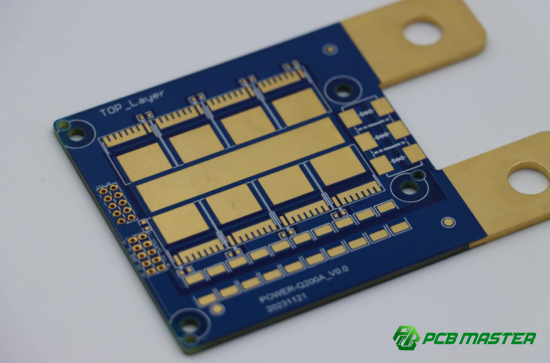
What Are Buried and Embedded Copper Blocks in PCB Design?
Buried and embedded copper blocks are specialized copper layers used inside PCBs to improve performance. Buried copper blocks are found between the layers of the PCB and are used mainly for shielding or current conduction, while embedded copper blocks are integrated within the layers to optimize thermal management and signal integrity.
Definition of Buried Copper Blocks
Buried copper blocks are copper structures placed within the inner layers of a multi-layer PCB. They are not visible from the outside, as they are completely enclosed by other layers of the PCB. The primary purpose of buried copper blocks is to provide electromagnetic shielding (EMI protection), support current conduction, and improve signal integrity. They are typically used in designs where space-saving and internal protection are crucial.
For example, in a smartphone PCB, buried copper might be used to shield sensitive components from interference caused by high-frequency signals. These copper blocks help reduce noise in the system, making the device perform better while keeping its size compact.
Key Benefit: Buried copper is useful when you need to improve the electrical performance of a PCB without affecting the outer layers or taking up additional space.
Definition of Embedded Copper Blocks
Embedded copper blocks are copper layers that are integrated within the PCB layers themselves during the manufacturing process. Unlike buried copper, which typically focuses on internal shielding, embedded copper blocks are often used for thermal management and signal routing. They can also help to distribute heat away from high-power components, such as processors or power amplifiers.
For example, in high-performance computer servers, embedded copper is often used to conduct heat away from power-hungry components like CPUs. The copper block helps maintain the device's overall temperature, ensuring it doesn't overheat, which could lead to component failure.
Key Benefit: Embedded copper is ideal for designs requiring enhanced thermal dissipation or high-speed signal integrity, where the copper is directly integrated into the PCB structure.
Why These Copper Blocks Are Important in PCB Design
Both buried and embedded copper blocks are critical in PCB design because they address key challenges like electromagnetic interference (EMI) , thermal management, and signal integrity.
- EMI Protection: Buried copper blocks shield sensitive components from external electrical noise, ensuring that the device operates without interference.
- Thermal Management: Embedded copper blocks are particularly useful for dissipating heat from high-power components, preventing damage due to overheating.
- Signal Integrity: Both copper block types play a role in maintaining the quality of high-speed signals by reducing noise and impedance mismatches.
In real-world applications, these copper blocks allow manufacturers to create smaller, more efficient PCBs without compromising performance. Whether you're working on consumer electronics, automotive applications, or telecommunications equipment, these copper blocks help your PCB handle power and heat efficiently while ensuring reliable, high-speed operation.
Why It Matters: The choice between buried and embedded copper can make a significant difference in the performance and longevity of your PCB design. By understanding their unique roles, you can select the right copper block for your application.
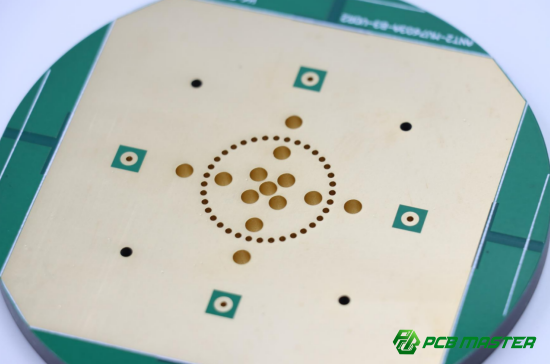
What Are the Key Differences Between Buried and Embedded Copper in PCBs?
Buried copper is placed between PCB layers for shielding and current conduction, while embedded copper is integrated within layers for thermal management and signal integrity. Buried copper reduces EMI, and embedded copper improves heat dissipation and high-frequency performance.
Here’s the detailed content for the key differences between Buried and Embedded Copper in PCBs presented in a table format for clear understanding:
| Section | Buried Copper | Embedded Copper |
| Location and Placement in PCB Layers | Located inside the PCB, typically between layers, and not visible from the outside. It's completely enclosed by other PCB layers. | Also inside the PCB, but can have distinct geometries and varied integration patterns. These blocks are designed to provide more flexible heat and signal management solutions. |
| Manufacturing Process Differences | Buried copper blocks are formed using traditional layer stack-up methods. The copper is placed between layers during the PCB manufacturing process. Commonly used materials include copper foil and resin prepreg. | Embedded copper blocks use advanced techniques, like lamination or additive manufacturing, to integrate copper into the inner layers directly. This allows for complex designs and finer control over copper's placement within the layers. |
| Impact on Signal Integrity and EMC | Buried copper blocks are mainly used for electromagnetic shielding (EMI). By positioning copper between layers, they help reduce noise and interference from external sources, ensuring stable performance. | Embedded copper blocks play a more active role in high-frequency signal integrity. These copper layers are more directly involved in controlling impedance and minimizing signal distortion, particularly in high-speed digital circuits. |
| Thermal Management and Heat Dissipation | Buried copper helps with thermal management by dissipating heat from the inner layers. However, its heat dissipation is less efficient because it's confined to between layers and cannot directly interact with the surface. | Embedded copper blocks provide better heat management, especially in high-power applications. These blocks are integrated into the PCB structure, allowing for direct control over heat flow and making them effective in power distribution systems. |
| Impact on Electrical Performance | Buried copper improves electrical performance by reducing electrical noise and current losses in certain areas. It can act as a low-resistance path for current, reducing the overall resistance in power lines. | Embedded copper improves electrical performance by ensuring high-speed signals remain stable. The direct integration of copper can help in maintaining low impedance and ensuring signal integrity in demanding environments like RF circuits. |
| Impact on Mechanical Stability | Buried copper can improve the rigidity of the PCB but has a minimal effect on the overall mechanical strength since it is primarily used for internal shielding and electrical conduction. | Embedded copper can affect mechanical stability more significantly. Since it is directly embedded into the PCB, it can strengthen the board by adding more layers of copper that contribute to the overall rigidity of the PCB, especially in thicker designs. |
Summary
- Buried Copper is mainly used for shielding and current conduction within the inner layers of a PCB. It is effective in minimizing electromagnetic interference (EMI) but offers limited heat dissipation and mechanical impact.
- Embedded Copper is integrated within the PCB to optimize thermal management, signal integrity, and power distribution. It’s particularly suited for high-power or high-frequency applications that require advanced thermal dissipation.
Both play critical roles in improving the performance of PCBs, but their applications depend on the specific needs of the design.
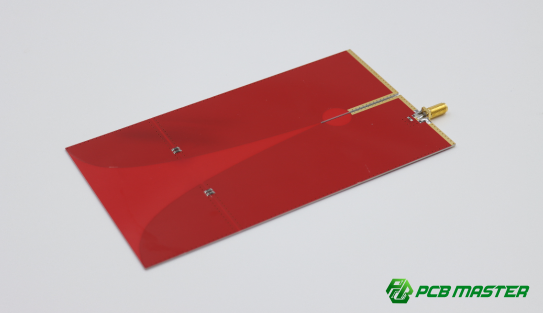
What Are the Advantages and Disadvantages of Buried vs. Embedded Copper Blocks?
Buried copper blocks are great for space-saving and EMI shielding but are limited in high-frequency and high-heat applications. Embedded copper blocks offer better thermal management and signal integrity, but they have higher costs and are harder to modify.
Advantages of Buried Copper Blocks
Buried copper blocks offer compact integration and excellent shielding performance, making them ideal for space-limited designs and reducing electromagnetic interference (EMI).
- Compact and Hidden Integration: Buried copper blocks are placed inside the layers of a PCB, meaning they don’t take up any space on the outer layers. This makes them perfect for space-constrained designs, such as smartphones or wearable devices, where every millimeter counts. By keeping copper hidden inside, the overall thickness and external appearance of the PCB are not affected, allowing for more efficient use of space.
- Enhanced Shielding Performance: One of the main benefits of buried copper is its ability to shield sensitive circuits from external electromagnetic interference (EMI). By embedding the copper within the layers, it provides a barrier that prevents external noise or signals from affecting the internal components, improving the overall signal integrity. This makes buried copper ideal for applications where minimizing electrical noise is crucial, such as consumer electronics or medical devices.
Disadvantages of Buried Copper Blocks
While buried copper offers several benefits, it has limitations in high-frequency or high-heat applications, and it can add complexity during manufacturing.
- Limited to Certain Applications: Buried copper is not well-suited for high-frequency or high-heat designs. In high-speed circuits or power electronics, embedded copper performs better due to its ability to handle heat and maintain signal integrity in these challenging environments. Buried copper’s primary advantage is in EMI shielding, but its ability to manage thermal or high-speed performance is limited, making it less suitable for certain applications like power supplies or RF (radio frequency) designs.
- Potential Manufacturing Complexity: Incorporating buried copper blocks into a PCB design involves multi-layer integration, which can increase manufacturing complexity and cost. The process requires precise layer stacking and copper deposition techniques, which may complicate production, especially for designs that need tight tolerances or specialized features. These factors could lead to longer lead times and higher manufacturing costs, particularly in custom or high-volume production.
Advantages of Embedded Copper Blocks
Embedded copper blocks provide superior thermal management and enhance signal integrity, making them ideal for high-power and high-frequency applications.
- Superior Thermal Management: Embedded copper blocks offer a direct path for heat dissipation within the PCB. This is especially beneficial in high-power applications like power supplies or automotive PCBs, where components generate significant heat. By embedding copper within the layers, it helps to spread heat evenly across the PCB, preventing hotspots and protecting sensitive components from overheating. For example, high-power LED drivers or processors benefit from this direct heat management.
- High Signal Integrity: Embedded copper is highly effective in maintaining signal integrity in high-frequency designs. Because it is directly integrated within the PCB, it minimizes signal loss and impedance mismatch. This makes embedded copper an excellent choice for RF (radio frequency) circuits, 5G communication devices, and data transmission systems, where maintaining high-quality signals is essential. Embedded copper’s ability to reduce signal distortion is key to optimizing the performance of these high-speed applications.
Disadvantages of Embedded Copper Blocks
Embedded copper blocks come with higher manufacturing costs and can be less flexible for design changes during later production stages.
- Higher Manufacturing Costs: The process of embedding copper into the PCB layers is more complex and requires advanced manufacturing techniques such as laser drilling or precision etching. These additional steps make embedded copper more expensive compared to buried copper. This is a key consideration for designs with budget constraints or in industries where cost-efficiency is critical. For example, mass-market consumer products might avoid embedded copper if it drives up overall production costs.
- Potential for Complex Design Modifications: Once a PCB design with embedded copper is finalized and the layers are integrated, making modifications becomes much more difficult. If a design change is needed after the copper is embedded, it can be challenging to adjust the copper layout or structure. This inflexibility makes embedded copper better suited for stable, long-term designs where the initial blueprint is unlikely to change. It may not be ideal for rapidly evolving products or prototypes that require frequent adjustments.
In summary, both buried and embedded copper blocks have their unique advantages and disadvantages, and the choice between them depends on the specific needs of the PCB design. Buried copper is excellent for shielding in compact designs, while embedded copper excels in thermal management and signal integrity for high-power and high-frequency applications. However, buried copper may face limitations in high-heat and high-frequency scenarios, while embedded copper comes at a higher cost and can be more difficult to modify later in the process. Understanding these trade-offs helps engineers make informed decisions based on the requirements of their specific projects.
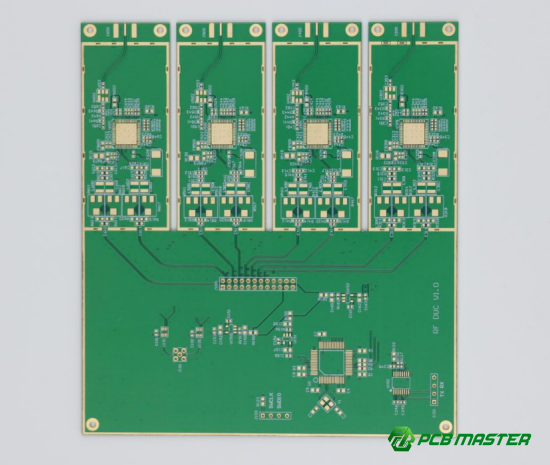
When to Choose Buried Copper or Embedded Copper Blocks in PCB Design?
Choose buried copper for designs that need space-saving and electromagnetic shielding at a lower cost, such as consumer electronics. Opt for embedded copper when dealing with high-power or high-frequency applications requiring thermal management and signal integrity, like 5G or automotive electronics, despite the higher manufacturing cost.
Application Suitability: Which Designs Benefit from Each?
Buried copper is ideal for shielding and low-profile designs, while embedded copper is better for high-power and high-frequency applications needing optimized thermal management.
- Buried Copper: This type of copper block is best suited for applications requiring robust electromagnetic shielding. It is perfect for designs where you need to protect sensitive components from external interference but want to maintain a compact, low-profile design. For example, smartphones or wearable devices, where space efficiency is crucial, benefit from buried copper’s ability to hide shielding inside without affecting the device’s external size.
- Embedded Copper: If your design involves high-power or high-frequency components that generate significant heat or require precise signal integrity, embedded copper is the better choice. It helps dissipate heat and ensures that high-speed signals travel without interference. 5G infrastructure or automotive electronics, where heat and power are major concerns, benefit from embedded copper’s ability to manage thermal performance and improve signal transmission.
Cost-Effectiveness: Which Option is More Economical?
Buried copper is generally more cost-effective due to simpler manufacturing, while embedded copper involves higher production costs due to more complex integration.
- Cost of Manufacturing Buried Copper: Buried copper typically costs less to produce because it is formed using traditional multi-layer PCB manufacturing processes. The copper is placed between PCB layers, which doesn’t require additional steps outside of standard layer stack-up and lamination processes. This simplicity helps keep production costs low. For most standard applications, buried copper is a budget-friendly solution, especially in consumer electronics or simple communication devices.
- Cost of Manufacturing Embedded Copper: The process of embedding copper within PCB layers is more complex, requiring advanced techniques like laser drilling, precise etching, and layer integration. These steps increase the cost of manufacturing. Furthermore, the need for specialized materials and the intricate nature of the process contribute to higher production expenses. As a result, embedded copper is more suited for high-performance applications, where the higher cost can be justified by the need for better thermal management and signal integrity.
Design Complexity: Which Option Fits Your Design Goals?
Brief Answer: Buried copper is ideal for simple designs requiring shielding or current conduction, while embedded copper suits complex designs needing thermal optimization or high-frequency performance.
- Buried Copper: If your design requires basic shielding and current conduction without the need for advanced features, buried copper is the better choice. It is best for simple PCB layouts, where space is limited, but shielding is still necessary to avoid EMI. For instance, consumer devices like tablets or smartwatches can benefit from buried copper for compactness and internal protection without adding complexity or cost.
- Embedded Copper: For more complex designs, especially those that involve high-power components or high-frequency circuits, embedded copper provides superior thermal management and signal integrity. It is ideal for advanced systems such as automotive electronics or 5G networks, where heat dissipation and electrical performance are critical. These designs often require precise thermal paths and minimal signal loss, making embedded copper the more appropriate choice despite its higher complexity.
Selection Guide
When deciding between buried copper and embedded copper, you need to consider the specific needs of your PCB design.
- Choose Buried Copper if your priority is shielding, space efficiency, and low cost. It is ideal for designs where electromagnetic interference (EMI) is a concern but where thermal management and high-frequency performance are not critical. Buried copper is a great choice for consumer electronics and compact devices like smartphones, where size and cost are important factors.
- Choose Embedded Copper if your design involves high-power components, high-frequency signals, or requires advanced thermal management. This option is suitable for complex PCBs like automotive electronics, 5G infrastructure, and high-performance computing where heat dissipation and signal integrity are paramount. Though it comes with higher manufacturing costs, embedded copper is necessary for designs that demand optimized performance in challenging environments.
By understanding the application needs, cost considerations, and design complexity, you can select the copper block that best fits your project requirements.
Conclusion
Choosing between buried and embedded copper blocks in PCB design depends on your specific needs and priorities. Buried copper is ideal for applications requiring compact designs and electromagnetic shielding, offering cost-efficiency and simplicity, perfect for consumer electronics and space-constrained devices. On the other hand, embedded copper is best suited for high-power and high-frequency applications, providing superior thermal management and signal integrity, but at a higher manufacturing cost.
To select the right option, consider factors like thermal requirements, signal integrity, and budget. If your design demands space efficiency with basic shielding, buried copper is the way to go. For designs that require optimal heat dissipation or high-speed performance, embedded copper is the better choice.
For further guidance and customized solutions, consider consulting experts like PCBMASTER, a trusted PCB supplier that offers not only various types of PCBs but also professional advice to ensure your design meets all performance and manufacturing needs.
FAQs
1. What is the primary difference between buried and embedded copper blocks in PCBs?
The primary difference lies in location and function. Buried copper blocks are placed within the internal layers of the PCB and are mainly used for shielding or current conduction. They are not visible from the outside of the PCB and are primarily designed to provide electromagnetic interference (EMI) shielding or help with internal power distribution. Embedded copper blocks, on the other hand, are integrated within the PCB layers themselves. These copper blocks are directly embedded into the layers of the board, playing a key role in thermal management, signal integrity, and high-power current handling. Embedded copper is often used in high-performance applications where heat dissipation and high-frequency signal optimization are critical, such as in RF circuits or power electronics.
2. Can buried copper blocks be used in high-frequency circuits?
Buried copper blocks are primarily designed for EMI shielding and current conduction, making them suitable for designs that require electrical isolation or protection from external interference. However, for high-frequency circuits, embedded copper is often the better option. This is because embedded copper blocks are integrated into the PCB structure, offering better control over signal integrity and minimizing signal loss or distortion. Since embedded copper is placed in close proximity to the high-frequency signal paths, it reduces the potential for impedance mismatch and electromagnetic interference, which are critical factors in high-speed and high-frequency applications. Therefore, while buried copper can offer some shielding benefits, embedded copper is better equipped for handling the specific challenges of high-frequency circuits.
3. What is the cost difference between buried and embedded copper?
Buried copper blocks are typically more cost-effective due to their simpler manufacturing process. They are formed through traditional multi-layer stack-up methods, where copper is placed between layers of the PCB during the lamination process. This process is relatively straightforward and doesn't require specialized manufacturing steps, making buried copper a more affordable option for many designs.
In contrast, embedded copper blocks are more expensive to manufacture. The process involves more advanced techniques such as laser drilling, precision etching, and layer integration to embed the copper within the PCB's inner layers. These additional steps increase production complexity, material costs, and lead time, resulting in higher overall manufacturing costs. As a result, embedded copper is often used in high-performance designs where the cost can be justified by the thermal management and signal integrity benefits it provides.
4. How does buried copper affect PCB durability?
Buried copper generally does not have a significant impact on the overall mechanical durability of the PCB since it is hidden within the internal layers. However, it does play an important role in enhancing internal signal integrity and heat management. By reducing external interference, buried copper helps maintain the stability and reliability of the electrical signals flowing through the PCB, ensuring consistent performance. Additionally, buried copper can contribute to heat dissipation, but this effect is relatively limited compared to embedded copper, which is specifically designed for thermal management.
In terms of mechanical stability, buried copper does not add significant weight or thickness to the PCB, so it generally doesn't affect rigidity or overall strength. The main role of buried copper is to improve electrical performance without impacting the PCB's structural integrity.
5. What types of PCBs benefit most from embedded copper blocks?
Embedded copper blocks are most beneficial for high-performance applications that require optimized heat dissipation and signal integrity. These include:
- Power electronics: PCBs used in power supplies, electric vehicles (EVs), or high-power processors benefit from embedded copper for efficient thermal management. The embedded copper helps distribute heat away from high-power components, preventing overheating and ensuring reliable performance.
- High-frequency RF circuits: RF (radio frequency) designs, such as telecommunications or 5G infrastructure, require precise signal routing and minimal signal loss. Embedded copper ensures stable signal integrity by reducing electromagnetic interference and impedance mismatch.
- Automotive electronics: With increasing power demands and compact designs, automotive PCBs often rely on embedded copper for thermal control and signal optimization, particularly in electric vehicles or advanced driver-assistance systems (ADAS).
- Telecommunications: In communication systems, embedded copper enhances signal quality and ensures that high-frequency signals are transmitted efficiently over long distances without significant loss or distortion.
For these applications, embedded copper blocks provide the performance enhancements needed to meet the demanding thermal, electrical, and mechanical requirements of modern technology.
About the Author

Carol Luo
PCB Design EngineerI'm Carol, a PCB Engineer at PCBMASTER with experience in PCB design and manufacturing engineering since 2018. I focus on translating engineering requirements into reliable PCB solutions, with expertise in stack-up design, material selection, and design-for-manufacturing (DFM). I share practical engineering insights from real-world PCB design and production experience.
Visit Carol Luo's Profile