








What is Buried Resistance-Capacitance in PCBs and When Is It Needed?
Electronics are becoming increasingly compact and complex, pushing traditional PCB (Printed Circuit Board) designs to their limits. Buried resistance-capacitance (RC) technology offers an innovative solution, embedding resistors and capacitors directly into the inner layers of a PCB. This approach not only saves valuable space but also enhances performance, particularly in high-frequency and high-density applications.
By integrating these components into the PCB structure, designers can optimize signal integrity, reduce power consumption, and minimize interference. However, adopting buried RC also comes with challenges, such as higher manufacturing costs and more complex design processes.
This article delves into what buried resistance-capacitance is, why it’s important, and when it’s needed. We’ll explore how this technology is transforming PCB design, from consumer electronics to cutting-edge communication devices, offering solutions that meet the demands of modern, high-performance circuits.
What is Buried Resistance-Capacitance in PCB Design?
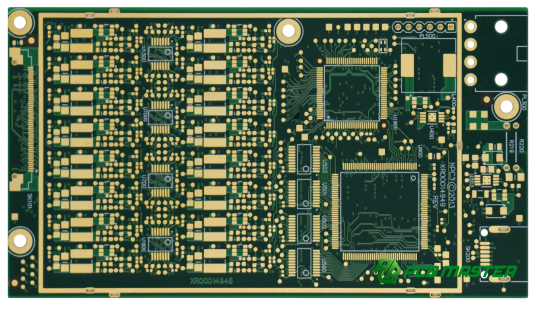
Buried resistance-capacitance (RC) refers to the integration of resistors and capacitors directly into the inner layers of a PCB. Unlike traditional surface-mounted components, these elements are embedded within the PCB, allowing for more compact and efficient designs. This technology is particularly beneficial in high-frequency, high-density applications where space and performance are critical.
Definition of Buried Resistance and Buried Capacitance
Buried resistance refers to resistive elements integrated into the inner layers of a PCB. These resistors are formed by depositing a resistive material, such as a metal oxide, onto specific layers of the board. Buried capacitance, on the other hand, involves creating capacitive elements between the layers of a PCB, typically by using conductive and insulating materials to form a parallel plate capacitor.
Both buried resistors and capacitors are typically fabricated during the PCB manufacturing process and are completely enclosed within the internal layers of the board. This integration reduces the need for external components, offering a cleaner, more compact design.
By embedding these elements, designers can optimize the performance of the PCB, reduce power loss, and improve signal integrity, especially in high-speed or high-frequency circuits.
The Role of Materials in Buried Components
The materials used to create buried resistors and capacitors are critical in determining their performance and reliability. For buried resistors, materials like tin oxide or carbon-based films are often used. These materials are chosen for their stable resistance properties and durability under high frequencies and temperatures.
For buried capacitors, copper is typically used for the conductive layers, while materials like FR4 (a common PCB substrate) or polyimide can serve as the insulating layer. These materials form the dielectric layer that separates the two conductive layers, allowing them to function as capacitors.
In comparison, surface-mounted components like traditional resistors and capacitors are made using similar materials, but these components are soldered onto the surface of the PCB rather than integrated within the layers. This external placement requires more space and can impact the overall density and performance of the design.
How Buried Resistance and Capacitance Differ from Traditional Components
Buried components offer several key differences when compared to traditional surface-mounted components, particularly in terms of placement, performance, and design flexibility. Here's a comparison:
| Feature | Buried Components | Traditional Surface-Mounted Components |
| Placement | Embedded within the inner layers of the PCB. | Mounted on the surface of the PCB. |
| Space Efficiency | Saves space, ideal for high-density designs. | Requires more surface area on the PCB. |
| Signal Integrity | Reduced parasitic inductance, better for high-frequency applications. | More susceptible to signal degradation at high frequencies. |
| Manufacturing Complexity | Requires advanced fabrication techniques. | Easier and less expensive to manufacture. |
| Design Flexibility | Less flexibility in adjustment after PCB is made. | Easier to replace or modify components. |
Buried components are especially beneficial in high-density interconnect (HDI) designs, where the goal is to maximize performance while minimizing the physical size of the PCB. However, they are more complex and costly to manufacture, which can make them suitable primarily for advanced, high-performance applications. Traditional surface-mounted components, on the other hand, offer more design flexibility, are simpler to produce, and are ideal for less complex circuits.
Why Are Buried Resistance and Capacitance Important in PCB Design?
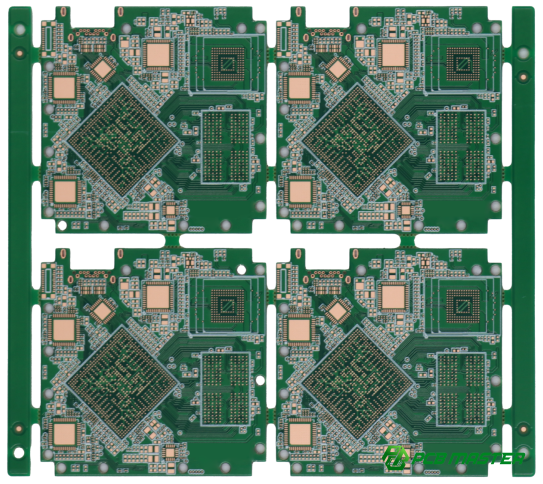
Buried resistance and capacitance are crucial for modern PCB designs, especially when it comes to optimizing space, performance, and power efficiency. These embedded components enable engineers to create compact, high-performance circuits that can handle advanced applications like high-speed data transmission and miniaturized devices.
Space-Saving in High-Density Designs
Why are buried components important for saving space?
Buried resistors and capacitors help reduce the physical footprint of a PCB by eliminating the need for external components. By embedding these elements into the internal layers of the PCB, designers can free up valuable surface area for other components or connections. This allows for more compact and efficient circuit designs, especially in devices where size is a major constraint.
Industries that benefit from space-saving features
Industries like smartphones, wearables, and consumer electronics heavily rely on space-efficient PCB designs. For example, modern smartphones incorporate multiple high-speed components that need to fit into a small, slim profile. By using buried RC components, manufacturers can create thinner, lighter devices without sacrificing performance. Medical devices, such as hearing aids, also benefit from these compact PCBs, allowing for integration of more advanced features in a tiny form factor.
Improving Signal Integrity and Performance
How do buried resistors and capacitors improve signal integrity?
Buried resistance and capacitance help improve signal integrity by reducing parasitic effects like inductance and capacitance. When these components are embedded within the PCB layers, they minimize the interference that can distort high-frequency signals. This is particularly important in circuits that handle fast, high-speed data transmissions, as any signal degradation can lead to performance issues such as noise, jitter, or loss of data.
Minimizing parasitic inductance
Buried RC components are positioned close to the signal traces, effectively reducing the amount of space between components and decreasing the overall inductance of the circuit. Lower inductance means that the signal travels with minimal delay and distortion, improving overall speed and performance. This becomes essential in RF (radio frequency) and high-frequency communication applications, where every microsecond of delay can impact the operation of the device.
Reducing Power Consumption
How do buried components help lower power consumption?
Buried resistors and capacitors are particularly useful in power-sensitive applications, such as portable electronics and battery-powered devices. These components allow for more efficient circuit design by reducing the need for additional, power-consuming external components. Buried RC elements can be strategically placed to optimize power distribution and reduce voltage drop, leading to less power wastage and better energy efficiency.
Power savings in high-frequency circuits
In high-frequency or high-speed circuits, power consumption is a critical concern. Buried components help to reduce switching losses, a major source of power consumption in these types of designs. By embedding resistors and capacitors directly into the PCB layers, manufacturers can avoid the use of external components, which can lead to higher resistance and more energy loss.
Overall, buried RC components are a great way to design power-efficient, compact, and high-performance PCBs, making them essential for modern electronics that demand lower power usage without compromising functionality.
When is Buried Resistance-Capacitance Needed in PCB Designs?
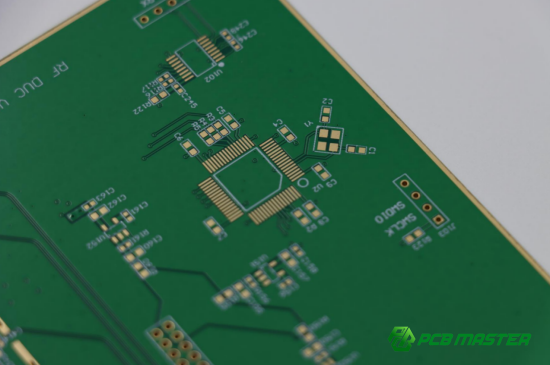
Buried resistance-capacitance (RC) components are highly beneficial in specific PCB design scenarios, particularly when high performance, compact size, and efficient power usage are crucial. These components are used in advanced electronics like high-frequency circuits, high-density interconnect (HDI) boards, and miniaturized devices. Below, we explore when and why buried RC components are needed in PCB designs.
High-Frequency and RF Applications
How do buried components improve performance in high-frequency or RF circuits?
Buried resistors and capacitors help improve signal integrity and reduce parasitic effects in high-frequency and RF (radio frequency) circuits. High-frequency circuits often suffer from signal degradation, interference, and noise due to parasitic inductance and capacitance. By embedding the resistors and capacitors within the PCB layers, engineers can minimize these parasitic effects, resulting in clearer and faster signal transmission with less interference.
Buried RC components offer a more stable, controlled environment for high-speed signals by positioning the components closer to the signal paths, reducing the need for additional external components that can interfere with the signal.
Examples of applications where buried resistance and capacitance are necessary
- 5G devices: In 5G communication systems, where high data transfer rates are required, buried RC components help maintain signal quality and reduce latency.
- IoT sensors: Internet of Things (IoT) sensors require efficient power management and signal integrity for continuous, real-time data transmission. Buried components ensure reliable performance in these compact devices.
High-Density Interconnect (HDI) PCBs
Why are buried resistance and capacitance important in HDI PCBs?
HDI PCBs , used in advanced electronics like smartphones, tablets, and wearables, require high component density and compact designs. These boards are designed with multiple layers of interconnections to maximize space and performance. Buried RC components help achieve this compact design by integrating resistors and capacitors directly into the inner layers of the PCB, saving space and enabling a denser arrangement of components.
These buried components also play a crucial role in ensuring the signal integrity and high-speed performance of HDI boards, where traditional external components might take up valuable surface area and lead to signal interference.
How is this technology utilized in consumer electronics?
In smartphones and tablets, where both space and performance are at a premium, buried RC components are used to create thinner and faster devices while maintaining high signal integrity. These components are especially beneficial in mobile processors, RF circuits, and battery management systems, where every millimeter counts.
Cost and Manufacturing Considerations
When does buried resistance-capacitance technology make sense from a cost-efficiency perspective?
Buried resistance and capacitance technology is most cost-effective when designing high-performance, compact devices that require significant space-saving and efficiency. While these components often come with higher initial manufacturing costs due to the advanced techniques required, they provide long-term benefits in terms of reduced board size, improved performance, and lower power consumption.
For mass-production devices, the benefits of using buried RC elements may outweigh the initial costs, especially in applications where high performance, miniaturization, and power efficiency are critical.
Trade-offs between traditional surface components and buried components
Traditional surface-mounted components are simpler and cheaper to produce but take up more space on the board and can negatively impact performance, particularly in high-frequency applications. On the other hand, buried components require more complex manufacturing processes and can increase initial costs but offer long-term advantages such as improved signal integrity, compact designs, and power savings. Therefore, buried RC technology is most suitable for products where performance and miniaturization are key priorities.
Miniaturization in Modern Electronics
How does the demand for smaller devices push the need for buried components?
The trend toward smaller, more powerful electronics has made miniaturization a top priority in modern PCB design. Devices like wearables, medical devices, and high-performance computing hardware require tiny, efficient PCBs that can fit into limited spaces while still providing the necessary performance. Buried RC components help meet these needs by integrating essential components into the PCB layers, thus saving valuable surface space for other components or connections.
These buried components allow manufacturers to create smaller, more ergonomically designed devices without compromising on functionality. This technology enables the miniaturization of the electronics while ensuring that they perform at high speeds and efficiently manage power.
Examples of miniaturized devices
- Wearables: Devices like smartwatches and fitness trackers benefit from buried components that keep the device slim while maintaining power-efficient performance.
- Medical devices: Compact devices like hearing aids or implantable devices require miniaturized PCBs with buried components to fit within the small enclosures of these critical tools.
- High-performance computing hardware: Small form-factor computers or edge computing devices need high-performance circuits in a limited space, where buried components provide the necessary performance without increasing the size.
What are the Advantages of Using Buried Resistance and Capacitance in PCBs?
Buried resistance and capacitance in PCBs offer a variety of advantages, particularly in improving performance, reducing interference, and optimizing thermal management. These embedded components help create high-performance, compact, and efficient circuit boards. Below are some of the key benefits they bring to PCB designs.
Enhanced Performance in Complex Designs
How do buried components help in optimizing the electrical performance of complex PCBs?
Buried resistance and capacitance play a crucial role in enhancing electrical performance, especially in complex PCB designs where high-speed signals are involved. By embedding resistors and capacitors within the PCB layers, these components are positioned closer to the signal traces. This reduces the distance the signals must travel, leading to faster signal transmission with less delay and distortion.
In high-frequency circuits, buried RC elements help to stabilize the circuit, ensuring that signals maintain their integrity over longer distances. For high-speed digital circuits or RF (radio frequency) applications, maintaining precise signal timing is critical, and buried components help minimize parasitic effects like capacitance and inductance, which can degrade performance.
In short, buried components optimize the performance of complex circuits by ensuring efficient signal propagation, reducing noise, and improving signal clarity, making them essential in advanced PCB designs for industries like telecommunications, consumer electronics, and automotive.
Reduced EMI and Crosstalk
How do buried components reduce electromagnetic interference (EMI) and crosstalk?
Electromagnetic interference (EMI) and crosstalk are major concerns in high-density PCB designs, particularly when components are tightly packed together. Buried resistors and capacitors help mitigate these issues by embedding them within the PCB layers, away from the external environment. This shielding effect minimizes the exposure of these components to external electromagnetic fields, which can cause interference.
Buried components also reduce crosstalk, the unwanted transfer of signals between adjacent traces. By placing resistors and capacitors internally, they are less likely to interact with surrounding components or traces, leading to cleaner signals and better overall performance in high-density circuits.
For example, in smartphones, where multiple circuits operate in close proximity, using buried RC components significantly reduces the chances of signal leakage or distortion, ensuring that each circuit functions independently and reliably.
Improved Thermal Management
How do buried components improve thermal dissipation in PCBs?
Thermal management is a critical aspect of PCB design, especially in high-power electronics like power amplifiers, processors, and LED drivers. Excess heat can cause component failure and performance degradation, which is why heat dissipation must be carefully controlled. Buried resistance and capacitance help improve thermal management by distributing heat more evenly across the PCB layers.
Since buried components are embedded within the PCB structure, they allow for a more efficient heat transfer between the inner layers and the outer surface of the PCB. This helps in preventing hot spots that could damage sensitive components. Additionally, the substrate material used for buried components, like polyimide or ceramic, is often better at conducting heat compared to the standard PCB layers, further improving thermal performance.
In power-hungry devices like gaming consoles or data servers, where maintaining a low operating temperature is essential, using buried RC components aids in heat management, ensuring better performance stability and longer component lifespan.
What are the Challenges in Using Buried Resistance and Capacitance in PCB Design?
While buried resistance and capacitance offer significant advantages, their use in PCB designs also presents several challenges. These challenges mainly revolve around manufacturing complexity, costs, and design limitations. Understanding these difficulties can help engineers make informed decisions about when to use buried components in PCB designs.
Manufacturing Complexity
What are the challenges associated with manufacturing PCBs with buried components?
Manufacturing PCBs with buried components is more complex compared to traditional surface-mounted designs. The process requires advanced fabrication techniques to integrate resistors and capacitors into the internal layers of the PCB. These methods often involve multiple stages, including precision layer deposition, lamination, and etching, each requiring high-quality control.
One of the main challenges is achieving precision placement of the buried components within the layers of the PCB. Any misalignment can lead to performance issues or even failure of the circuit. Additionally, the equipment required for manufacturing buried components is more sophisticated and expensive, which makes it harder for smaller manufacturers to adopt this technology.
For example, HDI (high-density interconnect) PCBs, often used in smartphones, demand high precision and specific materials to integrate buried components successfully. The complexity of this process makes it more time-consuming and challenging compared to standard PCB production.
Cost Implications
What are the cost implications of using buried resistance and capacitance in PCBs?
Manufacturing PCBs with buried resistors and capacitors generally comes with higher initial costs. The specialized equipment, precision manufacturing, and advanced materials needed to create buried components contribute to the increased cost. Additionally, the design and fabrication processes are more time-consuming, which further raises the price.
Comparing buried components to traditional designs, where resistors and capacitors are mounted on the PCB's surface, the cost difference becomes clear. Surface-mounted components are easier to manufacture and require less precision, making them a more cost-effective solution for less complex designs. However, buried RC components provide long-term benefits, such as reduced space requirements and improved performance, which can justify the initial cost in high-performance or miniaturized devices.
For example, in consumer electronics like smartphones, where performance and size are critical, the extra cost of buried components is often justified by the benefits of having smaller, more efficient devices.
Design Limitations
What are the design limitations when using buried components?
One of the main limitations of using buried resistance and capacitance in PCB design is the lack of flexibility. Once a PCB with buried components is manufactured, it becomes difficult or impossible to modify the components. This means that any design mistakes or needed changes after production require a complete redesign, which can be costly and time-consuming.
Additionally, designing a PCB with buried RC components requires advanced simulations and precise testing to ensure that the components function as intended within the circuit. These simulations must account for the electrical characteristics of the buried components, including their resistance and capacitance at different frequencies. Ensuring accuracy in this step is crucial for avoiding performance issues like signal degradation or malfunction.
For example, a 5G device PCB may require careful testing and simulation of buried components to ensure that they perform properly at high frequencies. Without precise planning and testing, the buried components may not meet the required signal integrity standards.
How to Implement Buried Resistance-Capacitance in PCB Designs?
Incorporating buried resistance and capacitance into PCB designs is a complex process that involves several stages, from design and layout to manufacturing and testing. Below, we break down the essential steps for successfully implementing these components in PCBs.
Design and Layout Considerations
How to incorporate buried resistance and capacitance into PCB designs?
- Initial Design Planning: The first step in incorporating buried RC components is understanding the specific requirements of the circuit. Determine where resistors and capacitors need to be placed within the PCB layers to optimize performance, such as high-frequency circuits or power management systems.
- Layer Stackup Design: Design the PCB’s layer stackup, which defines the number of layers in the PCB and the specific locations of the buried components. This process requires precise layer planning, as buried components must fit within the inner layers of the board.
- Component Placement: Decide where to place the buried resistors and capacitors within the internal layers. These components must be placed carefully to minimize interference with signal traces and to ensure optimal performance.
- Trace Routing: Route the signal traces to interact properly with the buried components, ensuring minimal signal degradation. Make sure the traces are optimized for high-speed or RF signals.
- Simulation: Use CAD (Computer-Aided Design) tools and simulation software like Altium Designer, Cadence, or Mentor Graphics to model the circuit, simulate electrical performance, and validate the placement of buried components. These tools allow for checking parasitic effects, ensuring the design will work correctly before manufacturing.
CAD Tools and Simulation Software:
- Altium Designer: Popular for designing complex PCBs and simulating the behavior of buried components.
- Cadence Allegro: Provides advanced features for multi-layer PCB designs and buried component integration.
- ANSYS HFSS: Useful for simulating high-frequency behavior and ensuring that the buried components meet the performance standards.
Manufacturing Process for Buried Components
How are buried resistors and capacitors created during PCB manufacturing?
- Deposition: The first step in manufacturing buried components is deposition of materials like tin oxide or carbon films for resistors, and copper for capacitors. These materials are deposited onto specific inner layers of the PCB.
- Lamination: Once the resistive and capacitive materials are deposited, the PCB undergoes lamination, where layers of the PCB are bonded together under heat and pressure. The resistors and capacitors are now securely integrated into the inner layers of the PCB.
- Etching: After lamination, the board is etched to define the circuit patterns and to remove unwanted material, leaving the buried components in place. Etching is crucial for creating the precise geometry of buried components.
- Final Layer Processing: Additional layers may be added on top of the buried components for connections or to form the external layers of the PCB. These final layers are then connected through vias or other interconnections.
Types of PCBs with Buried Components:
- HDI (High-Density Interconnect) PCBs: Used in devices like smartphones and tablets, where component density is high.
- RF and Microwave PCBs: Used in communication devices like 5G and satellite technology, where high-frequency performance is critical.
- Power Electronics PCBs: Often used in battery management systems or power amplifiers to improve signal integrity and minimize space.
Testing and Validation
Why is testing and validating buried components important in PCB designs?
Testing buried components is crucial to ensure they perform as intended and meet the required electrical standards. Since buried components are part of the inner layers of the PCB, testing involves both electrical testing and thermal analysis to validate their functionality.
Electrical Testing:
- Functional Testing: Once the PCB is assembled, functional testing is performed to ensure that the buried resistors and capacitors are working as expected. This includes checking signal integrity, resistance values, and capacitance values to confirm they align with design specifications.
- High-Frequency Testing: For RF circuits, high-frequency oscilloscopes and network analyzers are used to verify that the buried components do not introduce unwanted noise or signal degradation.
Thermal Testing:
Buried components also need to be tested for thermal performance. Since heat dissipation can impact the performance and reliability of buried components, thermal analysis ensures that the heat is properly managed. Tools like thermal cameras or finite element analysis (FEA) simulations help analyze temperature rise in critical areas.
Importance of Simulations: Before physical testing, simulation software can be used to predict how the buried components will behave under different conditions, such as temperature variations or voltage fluctuations.
Conclusion
Incorporating buried resistance and capacitance into PCB designs can significantly enhance performance, optimize space, and improve overall efficiency, especially for high-frequency, high-density, and miniaturized applications. However, achieving these benefits requires a precise design process, advanced manufacturing techniques, and rigorous testing to ensure that the buried components function as intended.
For companies looking to implement this technology, choosing the right PCB supplier is crucial. A supplier with extensive experience in advanced PCB manufacturing can ensure that buried RC components are integrated seamlessly, meeting both electrical and thermal performance standards.
PCBMASTER stands out as a trusted PCB supplier with years of expertise in providing high-quality, buried resistance-capacitance solutions. With a strong focus on precision, innovation, and reliability, PCBMASTER delivers tailored PCB designs that meet the specific needs of industries such as telecommunications, consumer electronics, and high-performance computing. Whether you need high-density interconnect PCBs or advanced RF circuits, PCBMASTER can provide you with the technology and expertise to meet your design goals.
FAQs
What are the main benefits of using buried resistance and capacitance in PCB design?
Buried resistance and capacitance offer several key advantages for modern PCB designs. They enable space-saving, which is critical for compact devices like smartphones and wearables. By embedding resistors and capacitors within the PCB layers, these components reduce the need for external parts, freeing up valuable surface area. Additionally, buried RC elements help improve signal integrity by reducing parasitic inductance and capacitance, which is especially important for high-frequency applications. These buried components also contribute to reduced power consumption by minimizing energy losses in power-sensitive devices. Overall, they enhance the performance of PCBs, making them ideal for high-speed and high-density applications.
How does buried resistance-capacitance affect PCB manufacturing?
Integrating buried resistance and capacitance into PCBs introduces manufacturing complexity. The process requires advanced fabrication techniques such as precise deposition, lamination, and etching to integrate the resistors and capacitors within the inner layers of the board. Unlike traditional surface-mounted components, buried components need specialized equipment and a more precise layer stack-up, which increases production time and costs. The complexity of aligning these components and ensuring they perform correctly under different conditions adds to the challenge. Despite these complexities, the benefits of buried RC components—such as space efficiency and improved performance—often outweigh the higher initial manufacturing costs, especially for advanced, high-performance products.
In which applications is buried resistance-capacitance technology most beneficial?
Buried resistance and capacitance technology is particularly valuable in industries that require miniaturization and high performance. It is especially useful in consumer electronics, where reducing PCB size while maintaining performance is a constant challenge. RF communications, such as in 5G devices and satellite systems, benefit from buried RC elements to ensure signal integrity in high-frequency environments. Additionally, high-density interconnect (HDI) designs in devices like smartphones, tablets, and medical devices make use of buried components to maximize space while keeping electrical performance intact. These applications demand compact, efficient, and high-performance circuit boards, making buried RC components essential for meeting those needs.
What challenges should designers consider when integrating buried components into PCBs?
When integrating buried resistance and capacitance into PCB designs, design limitations are one of the main challenges. Once a PCB with buried components is manufactured, modifications or adjustments are difficult, making early-stage design accuracy crucial. Additionally, manufacturing complexity adds another layer of difficulty, as specialized processes and precision equipment are required to create the buried components. These processes also lead to higher costs compared to traditional surface-mounted designs, which might be a limitation for less complex or cost-sensitive projects. Designers must weigh the performance benefits of buried RC components against these complexities and costs to determine if they are the right solution for their design goals.
Can buried resistance and capacitance replace traditional components in all PCB designs?
While buried resistance and capacitance components offer significant advantages, they are not suitable for all PCB designs. They are best suited for high-performance applications where space, signal integrity, and power efficiency are critical, such as 5G, IoT, and medical devices. For standard, low-cost designs, traditional surface-mounted components may still be preferable due to their lower manufacturing costs, ease of modification, and simpler production processes. In cases where design flexibility, cost-efficiency, or manufacturing simplicity are paramount, traditional components may be the more practical option. Therefore, buried RC components should be considered when their benefits outweigh the challenges and when designing for complex, high-performance applications.
About the Author

Carol Luo
PCB Design EngineerI'm Carol, a PCB Engineer at PCBMASTER with experience in PCB design and manufacturing engineering since 2018. I focus on translating engineering requirements into reliable PCB solutions, with expertise in stack-up design, material selection, and design-for-manufacturing (DFM). I share practical engineering insights from real-world PCB design and production experience.
Visit Carol Luo's Profile