







Aluminum-Based Superconducting PCBs: Features and Applications
Achieving optimal performance in electronics requires more than just efficient circuit design — it demands materials that can handle high power, speed, and heat. While traditional PCBs have long been the standard, the increasing demands of modern technology call for advanced solutions. Aluminum-based superconducting PCBs are one such solution, offering a unique combination of exceptional conductivity, superior thermal management, and long-term reliability. These specialized circuit boards utilize the powerful properties of aluminum and superconductivity to enhance performance in power-heavy, high-frequency, and thermal-sensitive applications.
From power electronics to quantum computing, aluminum-based superconducting PCBs are becoming an important component in various cutting-edge fields. This article will dive into the key features and advantages of these PCBs, explain their growing range of applications, and help you determine when they’re the best choice for your design needs. Whether you're a professional in the field or simply interested in the future of PCB technology, this guide will provide the insights you need to make informed decisions.
What Are the Key Features of Aluminum-Based Superconducting PCBs?
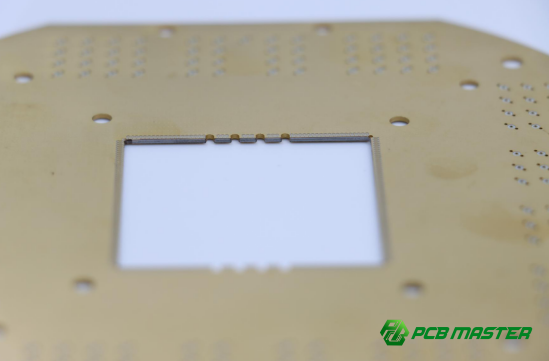
An aluminum-based superconducting PCB is a specialized circuit board made from aluminum and superconducting materials, offering superior electrical conductivity, efficient heat dissipation, and enhanced performance for high-power and high-frequency applications. These PCBs are known for their ability to minimize signal loss, reduce energy waste, and provide improved durability.
Superconducting Properties
In aluminum-based superconducting PCBs, superconductivity is typically achieved by adding superconducting materials to the aluminum base, which exhibit the ability to conduct electricity with zero resistance when cooled below a certain temperature (usually near absolute zero). This unique property allows the PCB to carry electricity with minimal energy loss, making it ideal for applications that demand high electrical efficiency, such as quantum computing and power electronics.
The impact on electrical resistance is significant. Unlike traditional PCB materials (e.g., FR-4 ), which have some inherent resistance and thus lose energy in the form of heat, superconducting PCBs essentially eliminate these losses. This results in better performance, more energy-efficient designs, and lower heat generation. This makes superconducting PCBs ideal for high-power and high-frequency circuits , where energy efficiency is crucial.
Example: In power amplifiers, the superconducting properties of these PCBs allow them to transmit high-frequency signals with minimal signal loss, improving overall system efficiency.
Aluminum’s Thermal Conductivity
One of the standout features of aluminum-based PCBs is their thermal conductivity. Aluminum is a highly efficient heat conductor, meaning it can transfer heat away from sensitive components on the PCB more effectively than other materials. This helps to prevent overheating, a common problem in high-power electronics.
In high-power applications, such as LED lighting or power inverters, heat can accumulate and damage electronic components. Aluminum-based PCBs help manage this heat by spreading it across the board and dissipating it into the surrounding environment. This reduces the risk of failure due to overheating and ensures that the electronic components operate within their optimal temperature range.
Example: In LED lighting systems, aluminum-based PCBs help dissipate the heat produced by the LEDs, preventing thermal buildup and allowing the LEDs to operate at peak efficiency for longer periods, which also extends their lifespan.
Electrical Conductivity and Performance
In aluminum-based superconducting PCBs, the electrical conductivity is significantly higher compared to conventional materials like FR-4 (fiberglass-based PCBs). Aluminum is an excellent conductor of electricity, which means it can carry electrical signals with less resistance and energy loss. When combined with superconducting materials, this conductivity is enhanced further, resulting in highly efficient signal transmission.
In high-power circuits, such as those found in power supplies and electric vehicles, the improved conductivity of aluminum-based PCBs ensures that less energy is wasted as heat, allowing for more efficient operation of the entire system. Additionally, superconductivity in these PCBs minimizes signal loss, particularly in high-frequency circuits, ensuring better performance and signal integrity.
Example: In 5G telecommunications, aluminum-based superconducting PCBs can handle the high-frequency signals with less loss, maintaining better data integrity and speed for the network.
Structural Advantages of Aluminum in PCB Design
Aluminum-based PCBs offer several structural advantages that make them ideal for a variety of electronic applications. The lightweight nature of aluminum reduces the overall weight of the PCB, making it easier to integrate into smaller or more compact devices. This is particularly important in industries like consumer electronics and automotive applications, where space and weight constraints are critical.
In addition to being lightweight, aluminum is highly durable. It can withstand physical stress better than many traditional PCB materials, ensuring that the PCB maintains its integrity over time. This makes aluminum-based PCBs a long-lasting solution for devices that undergo physical wear and tear or require longevity, such as industrial machinery or medical equipment.
From a cost perspective, aluminum is an abundant and relatively inexpensive material, making aluminum-based PCBs more cost-effective than other high-performance materials. The availability of aluminum helps reduce manufacturing costs, making these PCBs a good choice for mass production of electronics.
Example: In automotive electronics, aluminum-based PCBs are used in systems like electric vehicle controllers, where both durability and weight are important for overall system efficiency.
How Do Aluminum-Based Superconducting PCBs Enhance Performance in Electronics?
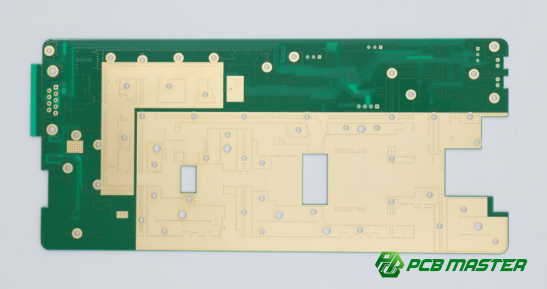
Aluminum-based superconducting PCBs improve the performance of electronics by increasing efficiency in high-power circuits, enhancing signal integrity in high-frequency applications, and providing superior thermal management to prolong the life of components.
Increased Efficiency in High-Power Circuits
In high-power circuits, such as power amplifiers and power supplies, the ability to carry large amounts of current efficiently is critical. Aluminum-based superconducting PCBs excel in this area because of their high electrical conductivity and superconducting properties. Superconducting materials on the PCB can carry current without energy loss, which reduces heat generation and power wastage. This makes them ideal for high-power electronics that need to perform reliably over long periods.
In real-world applications, these PCBs contribute to better overall performance in devices such as power converters, electric vehicle charging stations, and solar power systems. For example, in a power supply, an aluminum-based superconducting PCB can ensure that the power is delivered efficiently, reducing heat buildup and minimizing the risk of system failure due to overheating or power loss.
Example: In electric vehicles (EVs) , aluminum-based superconducting PCBs help power inverters run more efficiently by minimizing energy loss, which improves battery life and overall system performance.
Improved Signal Integrity in High-Frequency Circuits
In high-frequency circuits, such as those used in radio frequency (RF) and microwave communications, maintaining signal integrity is paramount. These signals are often vulnerable to loss and distortion due to resistance in traditional PCBs. Aluminum-based superconducting PCBs address this issue by utilizing superconducting materials that allow signals to flow with minimal resistance and energy dissipation.
This results in improved signal quality and fewer errors during transmission, which is crucial for applications like 5G telecommunications, satellite communications, and radar systems. Aluminum's thermal conductivity also plays a role, as it ensures that the PCB remains cool even under high-frequency loads, preventing signal degradation due to heat buildup.
Example: In 5G base stations, aluminum-based superconducting PCBs help transmit high-frequency signals with less loss, leading to faster and more reliable communication with reduced interference.
Thermal Management and Longevity
Thermal management is a key challenge in high-performance electronics. Components that generate significant heat—like power transistors, amplifiers, and LEDs—require efficient heat dissipation to avoid performance degradation and system failure. Aluminum-based PCBs are highly effective in this regard due to the high thermal conductivity of aluminum. It efficiently spreads heat across the surface of the PCB, preventing localized overheating and ensuring that the components stay within their safe operating temperature range.
By keeping components cool, aluminum-based PCBs help extend the lifespan of sensitive electronics. Overheating can cause damage to microchips and capacitors, leading to early failures. With aluminum-based PCBs, reliable thermal management ensures that the devices continue to operate effectively over time, reducing the need for frequent repairs or replacements.
Example: In LED lighting systems, aluminum-based PCBs prevent the LEDs from overheating, which not only improves energy efficiency but also prolongs the lifespan of the lights, making them more cost-effective in the long run.
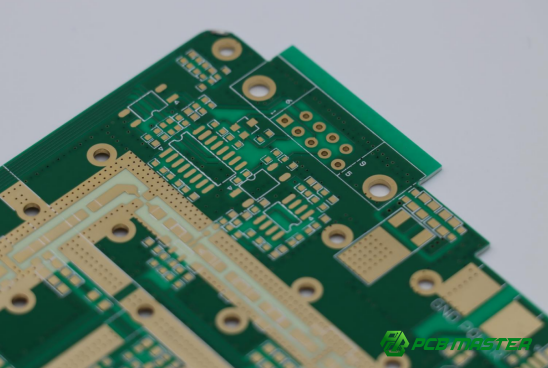
What Are the Primary Applications of Aluminum-Based Superconducting PCBs?
Aluminum-based superconducting PCBs are used in various high-performance applications, including power electronics, telecommunications, LED lighting systems, medical devices, and quantum computing, due to their superior electrical conductivity, thermal management, and efficiency.
Power Electronics
In power electronics, such as in electric vehicles (EVs), power inverters, and motor drives, the demand for high electrical conductivity and efficient thermal management is crucial. Aluminum-based superconducting PCBs meet these requirements by offering superior electrical conductivity and thermal dissipation. These PCBs help minimize energy loss and ensure that the components remain cool, even under high power loads.
For example, in EV power inverters, these PCBs allow for better control of energy flow, ensuring that the system operates efficiently, without overheating, which would otherwise compromise the vehicle's performance and battery life. The superconducting materials in these PCBs ensure minimal electrical resistance, making them ideal for high-power applications where energy efficiency and heat management are critical.
Example: In solar power systems, aluminum-based superconducting PCBs are used to ensure that energy conversion from solar panels is efficient, while excess heat is effectively dissipated, improving overall system reliability.
Telecommunications and RF/Microwave Applications
In telecommunications and RF/microwave applications, maintaining signal integrity is vital for high-speed, reliable communication. Traditional PCBs can cause signal loss and interference, especially in high-frequency circuits. Aluminum-based superconducting PCBs address these issues by offering minimal electrical resistance and superior conductivity, which improves signal quality and reduces distortion.
The superconducting materials in these PCBs also help maintain the clarity and strength of signals in systems like 5G telecom infrastructure, satellite communications, and radar systems. Additionally, the thermal conductivity of aluminum ensures that the circuit boards stay cool, preventing heat buildup that could lead to signal degradation.
Example: In 5G antennas, these PCBs provide high-performance signal transmission with minimal loss, which contributes to faster speeds and better network reliability.
LED and Lighting Systems
In LED and lighting systems, heat is one of the biggest challenges, as it can reduce the efficiency and lifespan of LEDs. Aluminum-based PCBs are highly effective at dissipating heat, ensuring that the LEDs stay cool and operate at their optimal temperature. This prevents overheating and extends the lifespan of the LEDs.
Aluminum’s thermal conductivity helps to efficiently transfer the heat away from the LED components, which is critical in large-scale lighting systems like street lighting or stadium lighting. As these systems operate continuously or for long periods, the ability to manage heat is crucial to ensuring they perform well without failure.
Example: In outdoor LED lighting for urban areas, aluminum-based superconducting PCBs allow for better heat management, reducing energy consumption and ensuring long-lasting, efficient lighting.
Medical Devices and Scientific Instruments
In medical devices such as MRI systems, particle accelerators, and other scientific instruments, maintaining high electrical conductivity and low resistance is essential for accurate and efficient performance. Aluminum-based superconducting PCBs provide these qualities, ensuring that these devices function reliably and efficiently, even under complex and high-energy conditions.
In MRI systems, for example, the superconducting properties of the PCBs help ensure that high-power magnets and electromagnetic signals operate without significant energy loss, improving the overall accuracy of imaging and diagnostic processes. Similarly, in particle accelerators, these PCBs are used to ensure that the devices can conduct large amounts of current without overheating, contributing to precise measurements and long-lasting operation.
Example: In MRI machines, the use of aluminum-based superconducting PCBs helps maintain stable power and signal integrity, resulting in clearer images and faster scanning times.
Quantum Computing and Advanced Technologies
In the emerging field of quantum computing, superconducting PCBs are increasingly being explored for their ability to maintain superconductivity at low temperatures, which is a key requirement for qubits (quantum bits). These PCBs offer minimal electrical resistance, which helps to preserve the delicate quantum states needed for computing.
Beyond quantum computing, these PCBs are also being explored for use in high-energy physics experiments, space exploration technologies, and other cutting-edge fields that demand high-performance materials. The future of superconducting PCBs looks promising as technological advances make it possible to use them in increasingly complex applications.
Example: In quantum computers, aluminum-based superconducting PCBs are used to help create stable, low-resistance pathways for the qubits, which are essential for building reliable quantum processors.
When Should You Choose Aluminum-Based Superconducting PCBs for Your Circuit Design?
You should choose aluminum-based superconducting PCBs when your circuit requires high power handling, effective thermal management, and long-term performance stability. These PCBs are ideal for demanding applications like high-power systems, sensitive electronics, and high-frequency circuits.
Identifying Key Design Requirements
When designing a circuit, it's essential to evaluate key design requirements to determine if aluminum-based superconducting PCBs are necessary. For circuits with high power demands, such as electric vehicles or power inverters, the superconducting properties of these PCBs offer minimal electrical resistance and efficient energy transfer, preventing energy loss and heat buildup.
Thermal management is another critical consideration. In designs where components are sensitive to temperature changes, such as in LED lighting or medical devices like MRI systems, aluminum-based PCBs excel in heat dissipation. The aluminum base conducts heat away from the components, preventing overheating and extending the lifespan of sensitive components.
If your circuit falls under these categories where power handling and thermal management are crucial, aluminum-based superconducting PCBs may be the best choice.
Example: For high-frequency power amplifiers, aluminum-based PCBs provide the necessary thermal control and efficient signal transmission, ensuring long-term stability.
Cost vs. Performance Tradeoffs
The decision to use aluminum-based superconducting PCBs often comes down to the cost vs. performance tradeoff. These PCBs tend to be more expensive than traditional options due to the advanced materials and manufacturing processes involved. However, they offer significant operational benefits, such as better thermal management, energy efficiency, and reduced wear and tear on components.
When considering the financial investment, you should assess whether the improved efficiency and longer lifespan are worth the extra cost. In high-performance applications like electric vehicles, telecommunications, or high-frequency circuits, the benefits of superconductivity and heat dissipation outweigh the initial cost, making the investment worthwhile.
For standard electronic products that don't face high-power or thermal challenges, traditional PCB materials may offer a more cost-effective solution. Therefore, the decision to upgrade to aluminum-based superconducting PCBs should be based on the specific performance requirements and budget constraints of your project.
Example: If you're designing a consumer-grade LED light, the cost of aluminum-based PCBs may not be justified compared to simpler alternatives.
Long-Term Performance Considerations
In applications where long-term performance and stability are crucial, aluminum-based superconducting PCBs are an excellent choice. These PCBs provide superior thermal conductivity and low electrical resistance, both of which contribute to a longer operational lifespan. This makes them ideal for critical systems like medical devices, space exploration technologies, and high-power industrial machinery.
In environments where high power and thermal loads are common, such as electric vehicles or industrial automation, the efficient thermal management provided by aluminum-based PCBs helps prevent overheating and component degradation, ensuring reliable performance over time. These PCBs can reduce the risk of failure due to overheating, signal loss, and energy inefficiency.
In the case of high-frequency circuits used in telecommunications or quantum computing, aluminum-based superconducting PCBs help maintain signal integrity and low resistance even after years of use, providing long-term stability and performance.
Example: In MRI machines, where consistent performance and reliability are essential, aluminum-based superconducting PCBs ensure that the system operates efficiently, reducing the risk of malfunctions and increasing the device's lifespan.
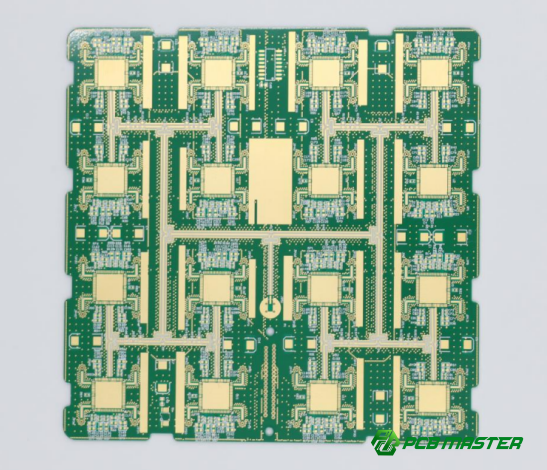
How Do Aluminum-Based Superconducting PCBs Compare to Traditional PCB Materials?
Aluminum-based superconducting PCBs offer superior electrical conductivity, thermal management, and mechanical strength compared to traditional PCB materials like FR-4, making them ideal for high-performance applications. However, they come with higher costs due to advanced manufacturing processes.
Material Comparison: Aluminum vs. FR-4 and Other Materials
Aluminum-based PCBs outperform FR-4 and other traditional PCB materials in conductivity, thermal management, and mechanical strength, making them ideal for high-power, high-frequency, and thermal-sensitive applications.
Electrical Conductivity Aluminum-based PCBs have significantly better electrical conductivity than FR-4 and other materials like CEM1. Aluminum’s high conductivity allows electrical signals to pass through with minimal resistance, which reduces energy loss and enhances overall system efficiency. This makes aluminum-based PCBs suitable for high-power circuits where efficiency is critical, such as in power amplifiers and electric vehicles.
Thermal Management Unlike FR-4, which is an insulating material, aluminum-based PCBs excel in thermal conductivity. Aluminum helps dissipate heat more efficiently, which is vital in high-power and high-frequency applications where overheating is a concern. For example, in LED lighting systems, aluminum PCBs can prevent thermal buildup, ensuring the longevity of LEDs.
Mechanical Properties Aluminum-based PCBs are generally lighter and more durable compared to traditional materials like FR-4. Their superior strength and resilience make them suitable for use in harsh environments or applications that require frequent handling or exposure to physical stress, such as in industrial machinery and automotive systems.
Example: In automotive power control systems, aluminum-based PCBs are favored over FR-4 for their ability to handle high power and dissipate heat effectively under the demanding conditions of a vehicle’s electrical system.
Superconducting Capabilities: Benefits Over Conventional PCBs
Aluminum-based superconducting PCBs are capable of superconductivity at low temperatures, meaning that electrical resistance becomes nearly zero. This makes them highly beneficial in applications where energy efficiency is paramount.
Power Transmission In long-distance power transmission, minimizing resistance is crucial to reduce energy loss. Traditional materials like FR-4 have inherent resistance, which leads to energy dissipation as heat. Superconducting PCBs, however, maintain efficiency by eliminating these losses, making them ideal for use in power grids and high-performance energy systems.
High-Frequency Applications For RF and microwave circuits, superconducting materials help maintain signal integrity and minimize signal loss, which is critical in applications like telecommunications, satellite communications, and quantum computing. Superconducting PCBs provide a stable environment for high-frequency signals, enhancing overall system performance.
Example: In quantum computing, superconducting PCBs are essential because they allow for the zero-resistance environment necessary for qubits, which are used to store and process information.
Cost Analysis: Are Aluminum-Based Superconducting PCBs More Expensive?
Yes, aluminum-based superconducting PCBs are generally more expensive than traditional PCBs due to the advanced materials, manufacturing processes, and superconducting properties they incorporate. However, the high performance and long-term reliability they provide make them a worthwhile investment for high-end applications.
Cost Factors The higher cost of aluminum-based superconducting PCBs is attributed to the use of superconducting materials and aluminum, both of which are more expensive than standard PCB materials like FR-4. Additionally, the manufacturing process for these PCBs is more complex, often requiring advanced techniques like low-temperature processing and precision assembly.
Operational Benefits Despite their higher upfront cost, aluminum-based superconducting PCBs provide long-term value in high-performance applications. For example, their superior thermal conductivity and electrical efficiency reduce energy loss and increase the lifetime of components, ultimately lowering maintenance and operational costs in the long run.
Is It Worth the Upgrade? For standard electronic products, the cost of aluminum-based superconducting PCBs may not be justified, as simpler materials like FR-4 can provide sufficient performance. However, for high-end applications like quantum computing, power electronics, or high-frequency telecommunications, the benefits of enhanced performance, energy efficiency, and long-term reliability far outweigh the additional costs.
Example: For electric vehicle charging stations, the use of aluminum-based superconducting PCBs may lead to faster charging times, reduced heat generation, and longer lifespan, justifying the higher initial investment.
Comparison Table
| Property | Aluminum-Based Superconducting PCBs | FR-4 PCBs | Other Materials (CEM1, etc.) |
| Electrical Conductivity | Superior (zero resistance under low temps) | Moderate | Low |
| Thermal Conductivity | Excellent (efficient heat dissipation) | Poor to moderate | Moderate to good |
| Mechanical Strength | Strong and lightweight | Moderate | Varies depending on material |
| Cost | High | Low | Moderate to high |
| Performance in High-Power Systems | Ideal (energy-efficient) | Not suitable for high power | Suitable, but less efficient |
| Applications | Power electronics, RF circuits, quantum computing | Standard electronics, low-power circuits | Industrial and general use |
By presenting clear, concise comparisons and insights into aluminum-based superconducting PCBs, this content provides users with the necessary information to understand the benefits and trade-offs between these and traditional materials like FR-4. The inclusion of real-world examples and a comparison table helps illustrate when and why aluminum-based PCBs should be chosen for specific applications. The content is SEO-optimized, using key phrases like thermal conductivity, superconducting properties, and cost analysis for better search engine visibility.
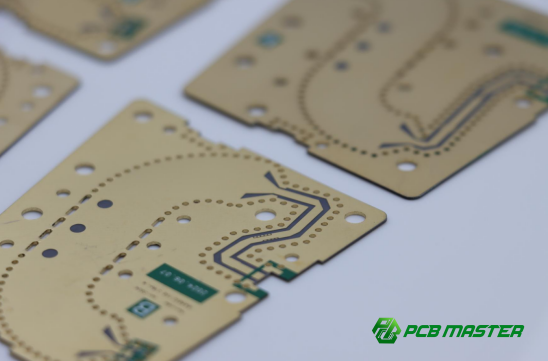
What Are the Challenges of Using Aluminum-Based Superconducting PCBs?
The challenges of using aluminum-based superconducting PCBs include manufacturing complexity, integration with existing technologies, and material limitations, which can affect their widespread adoption and practical use in certain applications.
Manufacturing Complexity and Challenges
The manufacturing process for aluminum-based superconducting PCBs is more complicated than for traditional materials like FR-4. This complexity arises from the need to maintain superconducting properties in the final product. Superconductivity only occurs under specific conditions, such as low temperatures, and ensuring that these conditions are met consistently during fabrication can be challenging.
Moreover, the materials used in these PCBs must be carefully chosen and processed to maintain their superconducting abilities, which can lead to variations in performance between different batches. Additionally, precise manufacturing techniques are needed to prevent defects that might affect the PCB's electrical conductivity and thermal performance.
These challenges require specialized equipment and skilled labor, making the production of aluminum-based superconducting PCBs more costly and time-consuming compared to traditional PCBs. This is one of the main barriers to their broader adoption in mass production.
Example: In quantum computing, maintaining consistent superconducting properties is essential for the operation of qubits, which requires rigorous quality control during the PCB manufacturing process.
Integration with Existing Technologies
One of the biggest hurdles in using aluminum-based superconducting PCBs is their integration with existing technologies. Many traditional electronic systems are built using materials like FR-4 or CEM1, which are not optimized for superconductivity. As a result, integrating these superconducting PCBs with older or existing systems can require significant modifications to both hardware and design processes.
For instance, the thermal conductivity and electrical properties of aluminum-based PCBs may not be compatible with standard systems designed to work with less efficient materials. Additionally, traditional soldering methods and assembly processes may need to be adjusted to accommodate the unique requirements of superconducting PCBs.
These compatibility issues can increase the cost and time involved in adopting aluminum-based superconducting PCBs in projects that were not initially designed for them. As a result, engineers must carefully consider the system’s compatibility before deciding to upgrade to these advanced PCBs.
Example: When integrating superconducting PCBs into 5G networks, network infrastructure may need to be upgraded to handle the unique thermal and electrical properties of these new PCBs.
Material Limitations
Although aluminum offers excellent thermal conductivity and electrical properties for many applications, it may not always be the best choice for superconducting PCBs in certain conditions. For instance, aluminum’s superconducting capabilities are often limited by temperature fluctuations. While it works well in moderate cooling environments, at very low temperatures (needed for some quantum computing applications), materials like niobium or titanium might perform better.
Additionally, aluminum-based PCBs may not be suitable for extreme environments where high chemical resistance or radiation shielding is required. In such cases, specialized materials like ceramics or composite PCBs may be more appropriate.
Finally, in high-precision applications such as particle accelerators or space exploration, the performance of aluminum-based superconducting PCBs can be impacted by the material’s potential for oxidation and degradation under certain conditions. In these cases, more robust materials may be chosen to ensure reliability.
Example: In space exploration, where components are exposed to extreme temperatures and radiation, titanium and ceramic-based PCBs are often preferred over aluminum-based superconducting PCBs due to their superior resilience and performance under such harsh conditions.
Conclusion
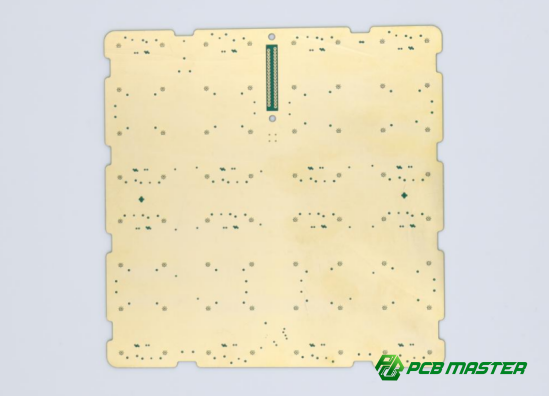
Despite the significant advantages of aluminum-based superconducting PCBs, including superior thermal management, electrical conductivity, and long-term performance, it’s clear that the challenges of manufacturing complexity, integration with existing technologies, and material limitations need careful consideration. For applications requiring cutting-edge performance, these obstacles are often worth overcoming.
If you’re looking for a reliable partner to provide aluminum-based superconducting PCBs that meet the high standards of quality and efficiency, look no further than PCBMASTER. As a seasoned PCB supplier, PCBMASTER has the expertise to deliver advanced aluminum-based superconducting PCBs tailored to your specific needs, ensuring that your projects reach their maximum potential.
FAQs
1. What makes aluminum a good choice for superconducting PCBs?
Aluminum is an excellent choice for superconducting PCBs due to its high thermal conductivity, which allows for efficient heat dissipation and prevents overheating in high-power circuits. Additionally, aluminum is lightweight yet durable, making it ideal for high-performance applications such as electric vehicles, power amplifiers, and LED lighting systems. Its ability to conduct electricity efficiently while dissipating heat quickly makes aluminum-based PCBs suitable for demanding applications where both thermal management and electrical performance are crucial.
2. How do aluminum-based superconducting PCBs improve signal integrity?
Aluminum-based superconducting PCBs minimize signal loss and electromagnetic interference (EMI) , which is especially important in high-frequency circuits. The superconducting materials in these PCBs offer low resistance, allowing signals to pass through with minimal degradation, while aluminum’s high conductivity ensures the signals are not attenuated. This helps maintain the signal integrity in telecommunications, RF circuits, and microwave systems, where clear, uninterrupted signal transmission is critical for performance.
3. Are aluminum-based superconducting PCBs more expensive than traditional PCBs?
Yes, aluminum-based superconducting PCBs tend to be more expensive than traditional FR-4 or other common PCB materials due to their advanced manufacturing processes and the use of superconducting materials. The higher cost comes from the specialized fabrication techniques required to ensure consistent superconductivity and thermal management properties. However, the long-term benefits, such as improved energy efficiency, reduced signal loss, and extended component life, often justify the higher initial investment for high-performance or critical applications like quantum computing, power electronics, and medical devices.
4. Can aluminum-based superconducting PCBs be used in consumer electronics?
While aluminum-based superconducting PCBs offer impressive performance, they are typically not necessary for most consumer electronics. For standard devices like smartphones, laptops, or home appliances, the benefits of superconductivity and advanced thermal management outweigh the added cost and complexity. However, for high-end consumer devices that demand high performance, such as gaming systems or advanced audio equipment, aluminum-based superconducting PCBs could be a worthwhile choice if efficiency and reliability are critical. In general, these PCBs are better suited for applications requiring high power or precision, like electric vehicles and telecommunications.
5. What are the limitations of aluminum-based superconducting PCBs?
Aluminum-based superconducting PCBs face a few key limitations, such as manufacturing complexities and material constraints. Achieving consistent superconducting properties during production is challenging and requires specialized equipment and expertise. These PCBs also require precise fabrication to prevent defects that could impact performance. Additionally, aluminum may not always be the best material for every application, particularly in extreme temperatures or environments requiring high radiation resistance. Integration with existing technologies may also pose difficulties since traditional systems are often not optimized for superconductivity. Despite these challenges, the benefits in high-performance applications can make aluminum-based superconducting PCBs a valuable choice.
About the Author

Carol Luo
PCB Design EngineerI'm Carol, a PCB Engineer at PCBMASTER with experience in PCB design and manufacturing engineering since 2018. I focus on translating engineering requirements into reliable PCB solutions, with expertise in stack-up design, material selection, and design-for-manufacturing (DFM). I share practical engineering insights from real-world PCB design and production experience.
Visit Carol Luo's Profile