








How to Choose the Right BMS PCB Manufacturer for Electric Vehicles
The exponential growth of electric vehicles (EVs) owing to the demand for green mobility, advancement in battery technology and the transition to vehicle electrification is disrupting the global automotive industry. As per industry research, the global electric vehicle market was USD 927.69 billion in 2025 and is expected to reach USD 1,023.81 billion in 2026 and USD 2,190.37 billion in 2034, growing at a CAGR of 9.97 % during the forecast period.
As the adoption of EVs increases, the safety, efficiency and reliability of the battery have become the most important factors in determining the performance of the vehicle. That’s where the Battery Management System (BMS) comes in. The BMS is the “brain” of the EV battery pack, monitoring vital parameters including voltage, current, temperature and state of charge, as well as providing battery protection, balancing and performance optimization.
Behind a reliable BMS there is a high quality printed circuit board (PCB) BMS PCB, the backbone for connecting and supporting electronic components, allows accurate signal transmission, stable power management, and reliable operation in harsh automotive environments. Thus, the quality of PCB and the manufacturing capability directly affect the whole battery system in terms of safety, durability and performance.
For electric vehicle manufacturers, choosing a proper BMS PCB manufacturer is a critical step to ensure product reliability and long-term supply stability. So, what should you consider when evaluating a BMS PCB supplier? This guide will cover the main criteria such as manufacturing capabilities, quality standards, engineering support, and production reliability.
What Technical Capabilities Should You Evaluate First?
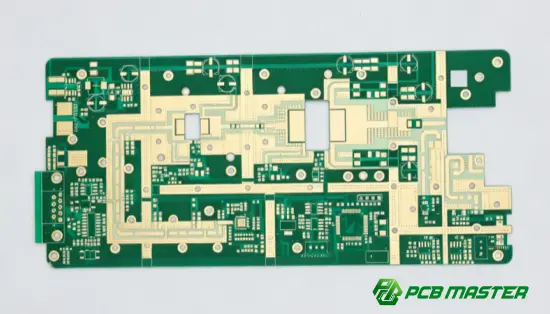
If you are looking for BMS PCBs for electric vehicles, one of the first things that you should look at is the technical capability. A good supplier should be able to produce standard PCBs and have knowledge of complex automotive specifications, high current applications and extended production support.
Here are the features you should look out for when choosing a BMS PCB manufacturer.
Multi-layer PCB manufacturing capabilities
The best supplier of BMS PCBs should have experience in manufacturing multi-layer PCBs for advanced battery management systems.
Multi layer PCB’s helps in bringing the different circuits into a compact design like power , signal and communication network . When evaluating the suppliers, besides checking the experience of the suppliers with the 4-layer, 6-layer and multi-layer PCBs, you should also check the suppliers’ stack-up design and impedance control.
For example, for an electric vehicle (EV) battery management system, you may need to use a multi-layer PCB to pack voltage monitoring, temperature sensing, communication and other functions into a small space.
Thick copper PCB capabilities for high-current BMS applications
If your BMS PCB handles high current, thick copper manufacturing capability is essential.
The PCB’s thick copper layers provide higher current carrying capability and better heat dissipation, which is important in EV battery systems. When evaluating a supplier, look for experience with copper thickness specifications, thermal management and plating quality.
For example, high-power battery packs need thick copper PCBs to operate more stable under continuous current loads.
HDI PCB capabilities for compact BMS designs
HDI PCB capability could be a key differentiator in small footprint EV battery systems.
HDI technology uses microvias and fine traces to increase the circuit density and decrease the PCB size. Be sure to consider the manufacturer’s experience with laser drilling, fine line fabrication and HDI production reliability.
For next generation battery modules more sensors and monitoring functions might be needed for saving installation space and therefore HDI PCBs could be needed e.g.
High-voltage PCB manufacturing expertise
Your PCB supplier needs to know how to manufacture high voltage products, because EV battery systems run on high voltage.
A qualified manufacturer can control insulation distance, creepage and clearance design, material selection and manufacturing processes, to mitigate the electrical risks.
For example, the insulation performance of BMS PCBs for 400V or 800V EV platforms must be more stringent than that of traditional automotive PCBs.
Precision fabrication tolerances
Accuracy directly affects the reliability and performance of BMS PCB manufacturing.
When selecting suppliers, look for control of critical parameters like line width, spacing, drilling accuracy, copper thickness and board thickness. Consistent quality from prototype to mass production is guaranteed by stable process control.
Multi-layer BMS PCBs must be accurately drilled and plated to ensure a reliable connection.
Prototype to mass production scalability
A good BMS PCB supplier should be there for you throughout the entire product life cycle of your project.
The supplier shall provide DFM feedback, engineering support and rapid sample production during the prototype phase. What they need to offer for mass production is consistent capacity, predictable quality and reliable delivery.
For example, an EV manufacturer may need to validate tens of prototype boards before moving into thousands of production units. The right supplier should provide support for both stages without any significant change in quality.
Which Certifications and Compliance Standards Should You Verify?
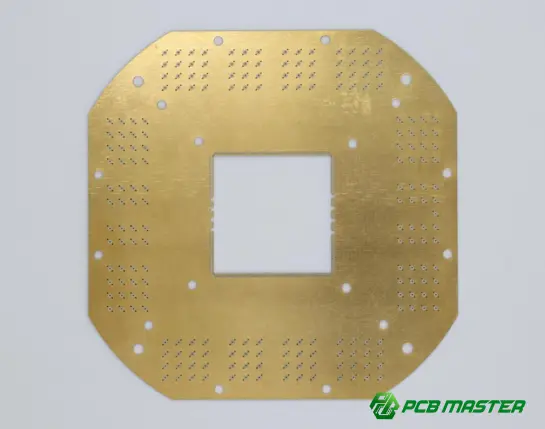
Having the right quality systems and automotive production capabilities may be a sign that a supplier has the certifications and compliance standards a BMS PCB manufacturer has for electric vehicles. Before cooperation we recommend you to check following certifications and requirements.
IATF 16949 for automotive manufacturing
One of the most important certifications for PCB manufacturers in the automotive industry is IATF 16949 .
This means that the supplier uses automotive specific quality management processes such as process control, defect prevention and continuous improvement.
In evaluating a supplier, look for IATF 16949 certification from the manufacturer and experience supporting automotive projects.
ISO 9001 quality management
ISO 9001 is confirmation that a PCB manufacturer has a formalized quality management system.
This is important for a uniform manufacturing process, documentation and quality control.
When you are assessing a supplier check: - if the supplier has the certificate but also applies its quality system in its daily production.
UL certification
UL certification is a method to check the safety performance of PCB materials and the manufacturing process.
UL recognized materials can provide better reliability on BMS PCBs in the aspects of insulating performance and flame resistance.
When you’re assessing a supplier, ask for the PCB materials used and make sure they’re UL recognized and suitable for your application.
IPC manufacturing standards
IPC standards are a set of common guidelines for PCB fabrication, assembly and quality acceptance.
Following standards like IPC-A-600 and IPC-A-610 helps to guarantee the quality of the PCB is in line with industry expectations and customer requirements.
Confirm that the manufacturer follows applicable IPC standards for production and inspection during supplier evaluation.
RoHS and REACH compliance
A reliable BMS PCB manufacturer should provide RoHS and REACH compliant products to ensure compliance with international material safety and environmental regulations.
These requirements are particularly important for EV makers that sell products in the global market.
In the supplier assessment, check the manufacturer’s ability to deliver the compliance documentation and material data.
Customer-specific automotive requirements
There are also many EV manufacturer that have their own quality requirements for BMS PCB suppliers in addition to standard certifications.
Such documentation can include traceability systems, inspection reports, reliability testing and some production data.
When evaluating a supplier, you should consider if the manufacturer can fit into your project approval process and long-term production needs.
How Can You Verify a Manufacturer's Quality Assurance System?
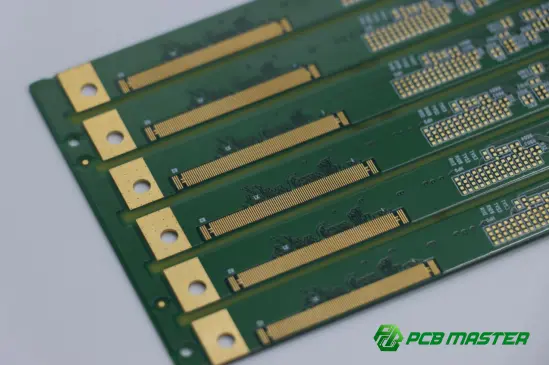
For electric vehicle BMS PCB manufacturer, one of the most important factors to evaluate a supplier is the quality assurance ability. A good PCB manufacturer will have strict inspection process, production control and traceability system to ensure the consistency from the materials used to the final delivery.
Incoming material inspection procedures
A good BMS PCB manufacturer will test all incoming material before beginning production.
Material inspection is to confirm that the supplied PCB laminates, copper foils, solder materials and other components meet the required specifications. Using the right materials reduces the chance of quality problems in the manufacturing process.
You should check the steps of material inspection for supplier evaluation and supplier quality control system.
In-process quality control
A good BMS PCB supplier should have quality control at every stage of the manufacturing process.
Key steps such as drilling, plating, lamination, imaging and surface finishing are subject to in-process quality control checks. It is better to detect problems early than to have defects go to the final stage.
In assessing a supplier you should look for evidence of process monitoring and inspection in production.
Automated Optical Inspection (AOI)
AOI is an important method for searching PCB manufacturing defect.
AOI uses cameras and automatic systems to detect problems like missing circuits, wrong patterns and surface defects. Enhanced accuracy and consistency of production inspection
During the evaluation process, ask your suppliers if they utilize AOI inspection in their PCB manufacturing process.
Electrical testing and Flying Probe testing
Once the BMS PCBs are manufactured, they are tested electrically to ensure they are working correctly.
Flying Probe Testing is a good solution for low volume production and prototypes. It tests the circuit connections without special fixtures. And manufacturers also do electrical testing of open and short circuits in mass production.
Make sure your supplier has the right electrical testing methods for the phase your project is in.
Process traceability and batch tracking
You must trust the automotive PCB manufacturer with complete traceability in production.
Traceability enables manufacturers to trace the materials and production records, inspection results and shipment information for each batch. This applies in particular to EV applications where quality documentation is crucial.
Ask your supplier about traceability and production records at the batch level.
Final inspection before shipment
The final inspection ensures each BMS PCB shipped is qualified and ready for the customer.
Before shipping the PCB, manufacturers have to check appearance, dimensions, electrical performance, packaging and required documentation.
When evaluating a supplier, make sure the supplier has a defined process for final inspection before delivery.
Continuous quality improvement
A good BMS PCB manufacturer always strives to improve their processes so that they minimize defects and maximize reliability.
Production data could be studied, root causes identified and corrective actions taken for quality improvements. This guarantees the stable quality suppliers in long-term production.
Another thing to look for in a supplier is whether they have a system in place for resolving quality issues and improving manufacturing processes.

How Should You Assess Engineering and DFM Support?
Besides manufacturing capability, another important aspect to consider while selecting a BMS PCB Manufacturer for EV is engineering support. Reduce design risks with a trusted vendor. Improve manufacturability and ease the transition from prototype to volume production.
Design for Manufacturability (DFM) review
Good BMS PCB manufacturer should do DFM review before producing.
DFM review helps identify potential manufacturing problems in PCB design like incorrect line spacing, via problems, or layout hazards. Getting feedback early cuts the cost of re-design and increases the efficiency of production.
In your supplier evaluation make sure they do a professional DFM analysis before production.
Stack-up and material recommendations
A PCB fabricator with experience should be able to give you appropriate stack-up and material recommendations for your BMS needs.
The PCB stack-up design and material selection affects the signal performance, thermal management, reliability and overall durability of the PCB. The supplier should help in the selection of the proper materials for voltage, temperature and operating conditions.
Ask the supplier if their engineers can recommend materials and stack-up structures for EV applications.
Manufacturability optimization
Choosing the right BMS PCB supplier can be the difference between a design that can be manufactured reliably and one that cannot.
Manufacturability optimization may include routing improvements, changes in copper distribution, reduction of manufacturing risks and compatibility of the design with production capabilities.
Your supplier evaluation should include whether the manufacturer has suggestions to improve yield and production reliability.
Engineering change support
A good PCB manufacturer should be able to allow for engineering changes as the product evolves.
Design changes to EV programs may be necessitated by test results, performance improvements or production needs. The supplier should be able to review changes quickly and provide feedback to manufacturing.
You should make sure supplier has a responsive engineering team to design changes before purchase.
Technical communication during project development
Good technical communication avoids misunderstandings and delays in BMS PCB design development.
A good supplier will help you with the validation of your prototype through mass production, will give you timely feedback, help you with technical issues, and work with your engineering team.
If you are looking at a supplier, ensure that the manufacturer has dedicated engineering support and efficient project communications.
How Do Lead Time and Supply Chain Stability Impact Your Project?
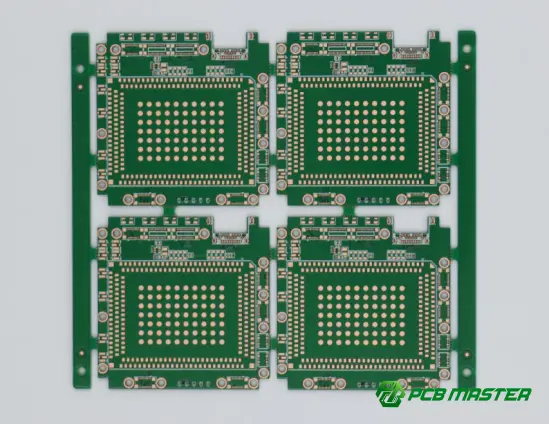
Your electric vehicle BMS PCB manufacturer will ultimately determine your production timeline and long-term product availability based on their lead time and supply chain reliability. Your supplier should be able to support your project from prototyping to mass production and produce and source of material that are stable.
Prototype turnaround capability
A good BMS PCB manufacturer should have fast and reliable support for prototype production.
Fast prototype turnarounds are helping EV manufacturers to test designs, troubleshoot and move to validation faster during the development stage. The Supplier should have good engineering support and be able to flex their production processes for low volume orders.
When looking at a supplier, ask if they have the ability to deliver fast-turn BMS PCB prototypes without compromising on quality.
Mass production capacity
You want a supplier who can produce to your production level.
And after product validation, the demand for PCBs for EV projects can be very high. The manufacturer should be able to deliver consistency in quality and delivery from prototypes to large scale production.
When evaluating a supplier, make sure they have the proper equipment, production lines and experience in high volume automotive PCB manufacturing.
Stable raw material sourcing
You’ll need a good supply chain of materials to reliably produce BMS PCBs.
Use of key materials (e.g., PCB materials, copper foil, laminates, etc.) affects product quality and delivery time. Material shall be supplied in sufficient quantities and shall be procured from approved sources.
When evaluating a supplier, you need to check: 1. The stability of the material supply channel. 2. Performance PCB in batch.
Supply chain resilience
A good supply chain reduces the risk of running out of materials, production stops or sudden changes in the market.
To provide a reliable service, a good BMS PCB supplier needs to have risk management plans, multiple sourcing options and sound production planning.
When you assess a vendor, observe how the manufacturer handles supply risks and what they do to mitigate unforeseen production problems.
Delivery performance
The delivery performance must be stable, and the EV production process must be on time.
A good PCB supplier will be able to give you accurate lead times, meet agreed delivery dates and give you early warning of any potential delays.
When evaluating a supplier, consider the supplier’s delivery record and capacity to meet project deadlines.
Long-term production continuity
A good BMS PCB manufacturer should be able to offer long-term production support once launched.
EV products are generally required to be supported in the long term, with repeat orders, engineering updates and replacement production. Changing suppliers can stop production. A good supplier can put a stop to this.
Assess the vendor. Can the manufacturer support future production needs and long term cooperation?
What Questions Should You Ask Before Choosing a BMS PCB Manufacturer?
When selecting a BMS PCB manufacturer for electric vehicles, asking the right questions will help you to assess the supplier’s technical capability, quality system and project experience. These questions will assist you in determining if a manufacturer is a good candidate for a long-term partnership.
Which automotive certifications do you hold?
A good BMS PCB producer should have acquired automotive and quality certifications.
Certifications like IATF 16949, ISO 9001, UL and RoHS compliance serve to validate the supplier’s quality management system and their ability to meet industry requirements.
When evaluating a supplier, you should ask what certifications they currently hold, and if those certifications cover their PCB manufacturing processes.
Have you manufactured PCBs for EV battery management systems?
A BMS PCB manufacturer with experience will have a better understanding of the reliability requirements for electric vehicle applications.
The supplier has previous experience with EV or automotive PCBs and has addressed issues such as high current, high voltage, thermal management and long-term reliability.
When you are evaluating a supplier, ask do they have done BMS PCB or similar automotive electronic products.
What testing methods do you perform?
A good BMS PCB supplier should have a comprehensive testing process in place to ensure the quality of the product.
We routinely test with AOI inspection, electrical testing, flying probe testing and other quality checks to find any manufacturing defects before we ship.
When evaluating a supplier, you should ask: what tests are done during production and are test reports available.
Can you support both prototype and mass production?
The right manufacturer of BMS PCBs should be able to support your project from prototype development to volume production.
Prototyping support provides quick design validation and mass production capability ensures consistent quality and delivery upon product launch.
When you’re evaluating a supplier, ask if they can deliver consistent quality as they move from small batches to high volume production.
How do you manage material traceability?
A good automotive PCB manufacturer should have a full material traceability system.
Traceability allows suppliers to keep track of PCB materials, manufacturing records, inspection results, and shipment information for every batch, which is a must-have for automotive quality management.
When you evaluate a supplier, ask them if they can provide batch records and material information when you need it.
What engineering support is included?
A good supplier of BMS PCB should be able to offer engineering support during the product development process.
Support can include DFM review, stack-up recommendations, material selection and design change support to improve manufacturability.
When evaluating a vendor, ask if they have engineers that can provide technical feedback before and during production.
Can you provide customer references or case studies?
You want a vendor that has project experience and can show you examples of work they’ve done.
Customer references and case studies can help you understand the manufacturer’s experience, production capability and ability to support similar applications.
When evaluating a supplier, ask whether they can provide relevant automotive PCB project examples or customer case studies.
What Does the Ideal BMS PCB Manufacturer Checklist Look Like?
But it’s not only about having the cheapest BMS PCB maker. Good supplier should have stable production, good technical support, good quality system, good technical capability. Use this checklist to assess potential vendors before you make your final choice.
Technical Capability Checklist
Make sure the manufacturer can meet your BMS PCB technical requirements.
Checklist:
- ✓ Multi-layer PCB manufacturing capability
- ✓ Thick copper PCB experience for high-current applications
- ✓ HDI PCB manufacturing capability
- ✓ High-voltage PCB manufacturing expertise
- ✓ Precision fabrication processes
- ✓ Prototype and mass production capability
Certification Checklist
Verify that the supplier meets the certifications required for automotive PCB manufacturing.
Checklist:
- ✓ IATF 16949 certification
- ✓ ISO 9001 quality management system
- ✓ UL-recognized PCB materials
- ✓ IPC manufacturing standards
- ✓ RoHS and REACH compliance
Quality Assurance Checklist
A reliable quality system helps ensure consistent BMS PCB performance.
Checklist:
- ✓ Incoming material inspection
- ✓ In-process quality control
- ✓ AOI and electrical testing
- ✓ Batch traceability system
- ✓ Final inspection before shipment
Engineering Support Checklist
Strong engineering support can reduce development time and improve manufacturability.
Checklist:
- ✓ DFM review before production
- ✓ Stack-up and material recommendations
- ✓ Design optimization support
- ✓ Engineering change support
- ✓ Fast technical communication
Delivery and Supply Chain Checklist
A stable supply chain is essential for long-term EV production.
Checklist:
- ✓ Fast prototype turnaround
- ✓ Stable mass production capacity
- ✓ Reliable raw material sourcing
- ✓ On-time delivery performance
- ✓ Long-term production support
Commercial Evaluation Checklist
Choose a supplier that delivers long-term value, not just a competitive price.
Checklist:
- ✓ Transparent pricing
- ✓ Flexible MOQ options
- ✓ Responsive customer service
- ✓ Proven automotive project experience
- ✓ Positive customer references
Why Choose PCBMASTER for Your BMS PCB Projects?
PCBMASTER - your trusted partner in BMS PCB production for challenging EV applications
Why so many customers choose PCBMASTER? Here is why:
- Automotive-ready manufacturing with IATF 16949 and ISO 9001 certified quality systems.
- Comprehensive PCB capabilities, including multi-layer, HDI, thick copper, metal core, and high-frequency PCBs for complex BMS designs.
- Strict quality assurance, with 100% electrical testing, AOI inspection, and complete production traceability.
- Professional engineering support, including DFM review, stack-up optimization, and one-on-one technical assistance from prototype to production.
- Scalable production capacity, enabling a smooth transition from rapid prototyping to high-volume manufacturing.
- Stable material supply and reliable delivery, helping minimize supply chain risks and keep EV projects on schedule.
- Responsive global service, providing fast quotations, technical consultation, and dedicated project support.
Whether designing a new EV battery management system or upgrading an existing project, PCBMASTER provides manufacturing expertise, quality assurance and engineering support to help bring your products to market with confidence.
Ready to Start Your BMS PCB Project?
Choosing the right BMS PCB manufacturer is an investment in product quality, battery safety and long-term stability of the supply chain. Looking for an experienced partner for automotive PCBS? Contact PCBMASTER today for a quote or to discuss your next EV BMS PCB solution with our expert engineering team.
FAQs
What is the difference between a BMS PCB manufacturer and a PCB assembly provider?
The BMS PCB Manufacturer supplies the bare printed circuit board. It includes PCB manufacturing processes such as drilling, plating, lamination and surface finishing. The PCB assembly (PCBA) service provider will assemble the electronic components onto the PCB using SMT or THT assembly and perform functional testing.
If you need a full Battery Management System board for your project, then a supplier that can take care of PCB fab and PCB assembly can make the project management easier and improve the production efficiency.
How many prototype builds should be completed before mass production?
Not a hard number but 2-3 prototype builds is typical for most EV BMS projects.
The first prototype is used to validate the PCB design, the second prototype is used to validate design improvements, and a further build may be done for final reliability and production verification. The actual numbers will depend on the complexity of the design of the BMS and the requirements of the customer.
Should I choose a local or overseas BMS PCB manufacturer?
It all just depends on what your project priorities are.
A local PCB manufacturer means easier communication, quicker logistics and on-site support. The majority of overseas manufacturers have more production capacity, more competitive pricing, and more manufacturing capabilities. When you make your choice don't just look at location, look at technical expertise, quality systems, delivery performance and total cost.
What documents should I request before placing an order?
Before placing an order request the supplier to submit documentation showing their capabilities and quality systems.
These can be IATF 16949 and ISO 9001 certificates, UL certification, RoHS and REACH compliance, quality inspection reports, test reports and DFM review reports, whichever is applicable. These documents are reviewed to help mitigate sourcing risk before production.
How often should automotive PCB suppliers be re-evaluated?
From time to time, check your automotive PCB suppliers to make sure they are still meeting your expectations for quality and delivery.
Most EV makers conduct a supplier performance review once a year, but critical suppliers might have quarterly reviews. The evaluation generally includes product quality, on time delivery, engineering support, responsiveness and continuous improvement performance.
About the Author

Carol Luo
PCB Design EngineerI'm Carol, a PCB Engineer at PCBMASTER with experience in PCB design and manufacturing engineering since 2018. I focus on translating engineering requirements into reliable PCB solutions, with expertise in stack-up design, material selection, and design-for-manufacturing (DFM). I share practical engineering insights from real-world PCB design and production experience.
Visit Carol Luo's Profile