








How U.S. Semiconductor Investment Is Driving Demand for Advanced PCB Solutions
The U.S. semiconductor industry is entering a new phase of expansion, creating new opportunities across the electronics supply chain, including PCB manufacturing. In July 2026, Reuters reported that the United States signed letters of intent worth $874 million in incentives for seven semiconductor companies to support semiconductor technology development, particularly in artificial intelligence and advanced computing applications.
Meanwhile, continued investment in semiconductor manufacturing is reshaping the electronics supply chain. According to the Semiconductor Industry Association (SIA) and Boston Consulting Group (BCG) , semiconductor investments are helping expand domestic manufacturing capacity and improve supply chain resilience.
As semiconductor facilities, advanced packaging projects, and AI-driven systems continue to grow, demand for high-performance printed circuit boards (PCBs) is also increasing. For PCB buyers, this shift means greater opportunities but also higher expectations for supplier capabilities, material reliability, manufacturing precision, and long-term supply stability.
Why Is U.S. Semiconductor Investment Increasing Demand for Advanced PCB Solutions?
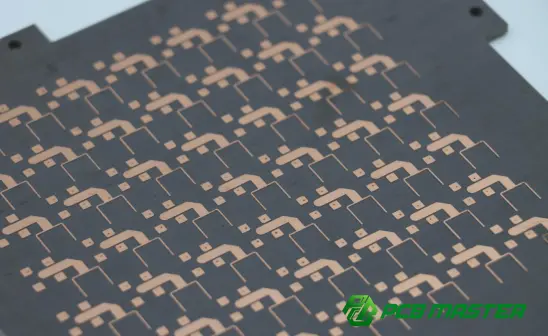
U.S. semiconductor investment is increasing demand for advanced PCB solutions because new semiconductor facilities, AI systems, and high-performance electronic equipment require PCBs with higher reliability, faster signal transmission, better thermal performance, and more complex designs.
Semiconductor industry expansion is driving higher PCB requirements
As semiconductor manufacturing expands, PCB buyers need suppliers that can provide more reliable and technically advanced circuit boards for next-generation electronic systems.
The growth of the semiconductor industry is creating demand for more advanced electronic equipment, including semiconductor manufacturing tools, AI servers, data centers, and high-performance computing systems. These applications rely on PCBs as the foundation for electrical connections and signal transmission.
Compared with traditional consumer electronics, semiconductor-related systems require PCBs to operate under stricter conditions. PCB solutions must provide stable electrical performance, accurate manufacturing, and long-term reliability.
For example, semiconductor manufacturing equipment may operate continuously for thousands of hours. A PCB failure inside this equipment can interrupt production and cause significant losses. Therefore, PCB buyers increasingly require suppliers with proven experience in high-reliability PCB manufacturing.
When selecting a PCB supplier for semiconductor-related projects, buyers should evaluate whether the manufacturer can support:
- Advanced PCB fabrication technologies
- Tight manufacturing tolerances
- Consistent quality control
- Engineering support during design and production
A supplier’s ability to support advanced applications is becoming a key factor in successful PCB sourcing.
Semiconductor-related projects require more complex PCB designs
Semiconductor-related applications require more complex PCB designs because modern electronic systems need higher density, faster data transmission, and better signal integrity.
As semiconductor technology advances, PCB designs are becoming more challenging. Traditional 2-layer or 4-layer PCBs are often unable to meet the requirements of advanced computing and semiconductor equipment.
PCB buyers are increasingly looking for:
High-layer PCBs provide more routing space for complex circuits. They are commonly used in advanced systems that require many components and high-speed connections.
HDI PCBs (High-Density Interconnect PCBs)
HDI technology uses microvias and fine-line structures to achieve higher wiring density in smaller spaces. This makes HDI PCBs suitable for compact, high-performance electronic devices.
High-speed PCBs are designed for applications where data signals travel at very high rates. They require careful stack-up design and low-loss materials to reduce signal distortion.
High-frequency PCBs use specialized materials to maintain stable performance at high frequencies. They are widely used in RF systems, communication equipment, and advanced semiconductor applications.
For example, an AI server system may require high-speed PCB designs to support fast communication between processors, memory modules, and networking components. This is very different from standard electronic products that use simpler PCB structures.
PCB buyers are facing new supplier selection challenges
PCB buyers must carefully evaluate suppliers because advanced semiconductor applications require stronger manufacturing capabilities, higher quality consistency, and more reliable supply chains.
Choosing a PCB supplier for semiconductor-related projects is becoming more complex. Price alone is no longer the main consideration because PCB performance and supply stability directly affect product reliability.
PCB buyers should evaluate four key areas:
1. Manufacturing capability
Buyers should confirm whether a PCB manufacturer can produce the required board types, such as high-layer PCBs, HDI PCBs, high-speed PCBs, and high-frequency PCBs. Manufacturing equipment, process technology, and production experience are important indicators.
2. Quality consistency
Semiconductor-related applications require stable PCB performance. Buyers should review quality management systems, inspection processes, and production control methods to reduce risks during mass production.
3. Engineering support
Advanced PCB projects often require technical cooperation between buyers and manufacturers. A capable supplier should provide support in areas such as material selection, PCB stack-up design, and design-for-manufacturing (DFM) optimization.
4. Supply chain reliability
With increasing demand for advanced PCBs, buyers need suppliers with stable material sourcing and reliable production capacity. A strong supply chain helps prevent delays caused by material shortages or production limitations.
For example, when developing a new AI computing system, a PCB buyer may need a supplier that can support prototype validation, optimize the design, and then smoothly transition to large-scale production. This type of supplier partnership can reduce development risks and improve time-to-market.
How Does U.S. Semiconductor Growth Affect PCB Purchasing Requirements?
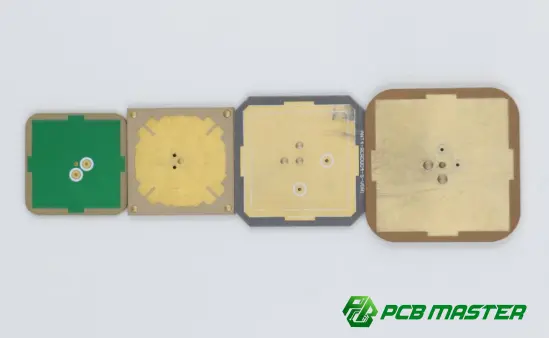
U.S. semiconductor growth is increasing PCB purchasing requirements by pushing buyers to demand higher-performance circuit boards with better electrical stability, thermal reliability, advanced materials, and stricter manufacturing control.
Advanced applications require stricter PCB performance standards
Advanced semiconductor-related applications require PCBs with higher performance because modern electronic systems process more data, generate more heat, and operate at higher speeds.
As semiconductor technology develops, PCB buyers need to evaluate more than basic specifications such as layer count and board thickness. Advanced applications require PCBs that can maintain stable performance under demanding operating conditions.
The key PCB performance factors include:
Signal integrity performance
Signal integrity refers to how accurately electrical signals travel through a PCB. High-speed signals can become distorted by poor design, unsuitable materials, or incorrect stack-up structures. For AI servers and advanced computing systems, PCB buyers often require optimized stack-up designs and low-loss materials to maintain signal quality.
Thermal management capability
High-performance semiconductor systems generate significant heat. PCBs must efficiently transfer heat away from critical components to prevent overheating and improve product reliability. Thermal vias, metal core structures, and proper PCB design can help manage heat.
Material reliability
PCB materials directly affect electrical and mechanical performance. Buyers need materials with stable dielectric properties, low moisture absorption, and strong heat resistance, especially for long-term industrial operation.
Manufacturing precision
Advanced PCBs require accurate fabrication processes, including fine-line routing, controlled impedance, and precise layer alignment. Small manufacturing errors can affect system performance and product reliability.
For example, a PCB used in an AI server requires much higher electrical performance than a standard control board because it must support high-speed data transmission between processors and memory components.
Semiconductor equipment applications require highly reliable PCBs
Semiconductor equipment requires highly reliable PCBs because these systems must operate continuously with minimal downtime.
PCBs play a critical role in semiconductor-related equipment, including:
Semiconductor manufacturing equipment
PCB assemblies are used in wafer processing machines, deposition equipment, and inspection systems. These machines require stable electrical performance because production interruptions can result in significant financial losses.
Testing systems
Semiconductor testing equipment requires precise signal transmission and reliable connections to accurately evaluate chip performance. High-quality PCBs help maintain testing accuracy and repeatability.
Industrial control platforms
Many semiconductor facilities use industrial control systems to manage automation, temperature control, and production processes. These systems require durable PCBs that can operate reliably in industrial environments.
For PCB buyers, reliability is often more important than the lowest initial cost. A lower-priced PCB with inconsistent quality may increase replacement costs, production delays, and maintenance risks.
Therefore, buyers working on semiconductor-related projects should prioritize PCB suppliers with experience in high-reliability applications and strict manufacturing control.
Material selection becomes a critical factor for PCB buyers
Material selection is critical for PCB buyers because PCB materials directly influence electrical performance, thermal stability, and long-term reliability.
For advanced semiconductor applications, standard FR-4 materials may not always meet performance requirements. PCB buyers often need to select specialized materials based on operating frequency, speed, temperature, and reliability requirements.
Important material considerations include:
High-performance laminates
High-performance laminates provide better electrical and thermal properties compared with standard PCB materials. They are commonly used in high-speed computing, semiconductor equipment, and advanced communication systems.
Low-loss materials
Low-loss PCB materials reduce signal attenuation and improve high-speed signal transmission. They are especially important for applications involving AI servers, high-frequency communication, and advanced semiconductor systems.
Stable material supply
A reliable material supply chain is essential for long-term PCB production. Material shortages or sudden substitutions can affect PCB performance and project schedules. PCB buyers should work with manufacturers that have strong material sourcing capabilities and approved alternative solutions.
For example, when developing a high-speed computing platform, a PCB buyer may need a manufacturer that can recommend suitable low-loss materials, verify electrical performance, and ensure consistent material availability from prototype to mass production.
Selecting the right PCB material at the beginning of a project helps reduce design risks, improve product reliability, and avoid costly production changes later.
Which PCB Types Will See Higher Demand From Semiconductor Investment?
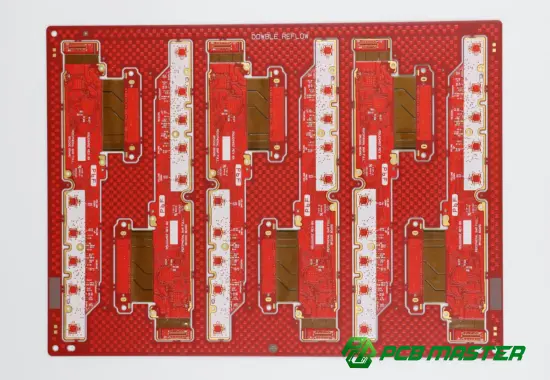
Semiconductor investment is increasing demand for advanced PCB types, especially high-speed PCBs, HDI PCBs, and multilayer PCBs, because modern semiconductor systems require faster signal transmission, higher circuit density, and greater reliability.
High-speed PCBs are becoming essential for AI and semiconductor systems
High-speed PCBs are becoming essential because AI servers, advanced computing systems, and semiconductor equipment require PCBs that can transmit large amounts of data quickly and accurately.
As semiconductor performance improves, electronic systems must process more data at higher speeds. Traditional PCB materials may cause signal loss, delays, or interference in these applications. Therefore, PCB buyers increasingly require high-speed PCB solutions with optimized designs.
Two key factors determine high-speed PCB performance:
Low-loss PCB materials
Low-loss materials reduce signal energy loss during transmission. They help maintain signal quality in high-frequency and high-speed applications, such as AI servers, networking equipment, and advanced computing platforms.
Optimized PCB stack-up designs
A proper stack-up design controls impedance, reduces electromagnetic interference, and improves signal integrity. PCB engineers carefully select layer structures, copper thickness, and dielectric materials to meet performance requirements.
For example, an AI server motherboard needs high-speed PCB technology because it must transfer data between processors, memory modules, and communication interfaces with minimal signal degradation.
For PCB buyers, selecting a manufacturer with high-speed PCB experience is important because successful production requires both suitable materials and advanced engineering capabilities.
HDI PCBs support higher-density semiconductor applications
HDI PCBs support semiconductor-related applications by allowing more circuits to fit into smaller spaces while improving electrical performance.
Modern electronic systems continue to become smaller and more powerful. As component sizes decrease and chip performance increases, traditional PCB structures may not provide enough space for complex routing.
HDI PCB technology solves this problem through:
Miniaturization
HDI PCBs use microvias and fine-line technology to create compact circuit structures. This allows manufacturers to design smaller electronic devices without reducing functionality.
Higher wiring density
HDI technology provides more routing space by using advanced interconnection methods. This is especially useful for systems with many high-performance components and complex connections.
Better electrical performance
Shorter signal paths in HDI PCBs help reduce signal loss and improve transmission performance. This makes HDI suitable for advanced semiconductor applications where speed and reliability are critical.
For example, semiconductor testing equipment often requires compact but powerful control boards. HDI PCBs allow designers to integrate more functions into limited spaces while maintaining stable electrical performance.
For PCB buyers, HDI manufacturing capability is an important factor when selecting suppliers for advanced electronics projects.
Multilayer PCBs provide reliability for complex electronic equipment
Multilayer PCBs provide the reliability needed for semiconductor-related equipment because they offer more space for complex circuits, better power distribution, and improved electrical control.
As electronic systems become more complicated, single-layer or simple multilayer boards may not meet design requirements. Semiconductor equipment and advanced computing systems often need multilayer PCB structures with many internal layers.
Key advantages of multilayer PCBs include:
More layers for complex circuits
Additional layers provide more routing space, allowing designers to connect more components while keeping the PCB size manageable.
Higher routing density
Multilayer designs enable engineers to separate different signal types, such as power, high-speed signals, and control signals. This improves system stability and reduces interference.
Better power distribution
Dedicated power and ground layers help deliver stable power to critical components. This is especially important for high-performance semiconductor systems that require consistent operation.
For example, semiconductor manufacturing equipment may include multiple sensors, controllers, and communication modules. A multilayer PCB helps integrate these functions while maintaining reliability during continuous operation.
For PCB buyers, multilayer PCB capability demonstrates whether a manufacturer can support complex, high-reliability projects from prototype development to mass production.
How Should PCB Buyers Choose Suppliers for Semiconductor-Related Projects?
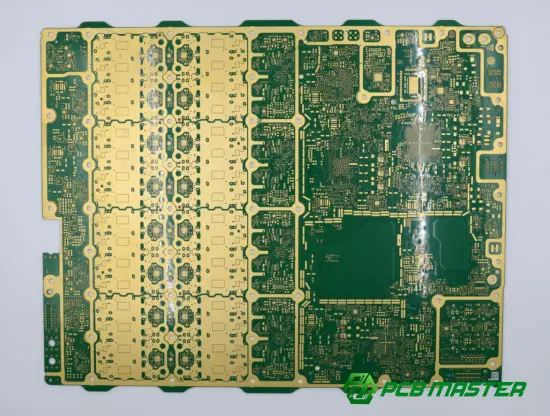
PCB buyers should choose suppliers for semiconductor-related projects by evaluating advanced manufacturing capabilities, quality control systems, and engineering support. A reliable PCB supplier should be able to support the entire process from design review to mass production.
Evaluate PCB manufacturers’ advanced production capabilities
PCB buyers should evaluate whether a manufacturer has the technology and production capacity required for advanced semiconductor applications.
Semiconductor-related projects often require more advanced PCB technologies than standard electronic products. Before selecting a supplier, buyers should review several key capabilities:
Layer capability
High-performance systems often require high-layer count PCBs to support complex circuits. Buyers should confirm the maximum layer capability, layer alignment accuracy, and experience with complex multilayer structures.
HDI manufacturing experience
HDI PCB production requires advanced processes such as microvias, laser drilling, and fine-line fabrication. A supplier with HDI experience can better support compact, high-density electronic designs.
High-speed PCB experience
High-speed PCB projects require knowledge of low-loss materials, impedance control, and optimized stack-up design. Buyers should check whether the manufacturer has experience producing PCBs for high-speed computing, communication, or semiconductor-related applications.
Prototype and mass production capacity
A capable PCB supplier should support both prototype development and large-scale production. This allows buyers to validate designs quickly and smoothly transition to mass manufacturing.
For example, when developing a new semiconductor testing system, a PCB buyer may need a supplier that can first produce prototypes, provide engineering feedback, and then maintain consistent quality during volume production.
Verify quality systems and manufacturing consistency
PCB buyers should verify quality systems because semiconductor-related applications require stable PCB performance and extremely low failure rates.
A PCB supplier’s certifications and manufacturing controls provide important evidence of production reliability.
Key factors include:
ISO 9001 quality management system
ISO 9001 demonstrates that a manufacturer has established processes for quality control, continuous improvement, and production management.
IATF 16949 certification for automotive applications
For semiconductor-related automotive electronics, IATF 16949 certification shows that a PCB supplier follows strict quality requirements for the automotive supply chain.
IPC standards compliance
IPC standards help define acceptable quality levels for PCB manufacturing and assembly. Compliance ensures that production processes meet recognized industry requirements.
Process control systems
Advanced PCB manufacturing requires monitoring throughout the production process. Important controls include automated inspection, testing procedures, process tracking, and defect prevention methods.
For example, a PCB used in semiconductor equipment may operate continuously for years. A supplier with strong quality systems can reduce risks related to manufacturing defects, unexpected failures, and production interruptions.
Consider engineering support before starting PCB production
PCB buyers should involve suppliers early because engineering support can improve design reliability, reduce manufacturing risks, and lower overall project costs.
Advanced PCB projects often involve complex technical decisions. A qualified supplier should provide engineering support before production begins.
Important engineering services include:
DFM feedback (Design for Manufacturability)
DFM analysis identifies potential manufacturing problems before production. Suppliers can review trace spacing, via structures, layer design, and other details to improve production success.
Stack-up optimization
PCB stack-up design affects signal integrity, impedance control, and thermal performance. Experienced suppliers can recommend suitable layer structures and materials based on project requirements.
Material recommendations
Different applications require different PCB materials. Suppliers should help buyers select materials based on signal speed, operating temperature, reliability requirements, and cost targets.
Manufacturing risk analysis
Before production, suppliers should identify possible risks such as material availability, process limitations, and yield challenges. Early risk identification helps prevent delays during mass production.
For example, when a company develops an AI server board or semiconductor control system, early cooperation with a PCB manufacturer can help optimize the design before fabrication, reducing redesign costs and improving time-to-market.
A PCB supplier with strong engineering support becomes more than a manufacturer—it becomes a technical partner throughout the product development process.
How Can PCB Buyers Reduce Supply Chain Risks in the Semiconductor Era?
PCB buyers can reduce supply chain risks by choosing suppliers with stable material sourcing, building long-term manufacturing partnerships, and balancing cost with quality and delivery reliability. These strategies help ensure consistent production even when the semiconductor market experiences supply fluctuations.
Choose PCB suppliers with stable material sourcing capabilities
A stable material supply helps PCB buyers avoid production delays, unexpected cost increases, and quality issues caused by material shortages.
As semiconductor demand grows, key PCB materials such as copper clad laminates (CCLs), prepregs, and copper foil may experience longer lead times. Buyers should evaluate whether a PCB supplier has a reliable material sourcing strategy before placing production orders.
Key evaluation points include:
CCL supply chain
Ask whether the supplier works with well-known laminate manufacturers and maintains stable relationships with multiple material vendors. A diversified supply chain reduces the risk of material shortages.
Material alternatives
A qualified PCB manufacturer should be able to recommend equivalent materials if the preferred laminate becomes unavailable. Any alternative should meet the same electrical, thermal, and reliability requirements.
Long-term availability
For products with long life cycles, buyers should confirm that selected PCB materials will remain available throughout future production. This reduces the need for costly redesigns or requalification.
For example, if a low-loss laminate becomes difficult to source, a supplier with approved alternative materials can continue production without significantly affecting product performance or delivery schedules.
Build relationships with PCB manufacturers that support long-term production
Long-term partnerships with PCB manufacturers improve communication, production consistency, and supply chain stability.
Instead of changing suppliers for every project, many companies benefit from working closely with a trusted PCB manufacturer throughout the product lifecycle. Long-term cooperation allows both parties to better understand technical requirements and production expectations.
The main benefits include:
Faster engineering communication
Suppliers that already understand a product's design can provide quicker technical feedback, reducing development time and avoiding repeated discussions.
Better production stability
Long-term manufacturing partners become familiar with process requirements, quality standards, and inspection criteria. This helps maintain consistent PCB quality across multiple production batches.
Reduced qualification risks
Changing suppliers often requires new sample testing and qualification procedures. Maintaining the same qualified supplier helps reduce engineering workload, project delays, and certification costs.
For example, if an industrial control system requires annual production for several years, working with the same PCB manufacturer helps ensure that each production run meets the original specifications and quality standards.
Balance PCB cost, quality, and delivery reliability
The lowest PCB price is not always the lowest overall project cost. Buyers should consider quality, delivery performance, and long-term supply reliability when selecting a supplier.
Focusing only on unit price can increase overall project costs if poor-quality PCBs lead to failures, delays, or repeated production. A better approach is to evaluate the total cost of ownership throughout the project.
Key considerations include:
Look beyond unit price
A lower quotation may reflect lower material quality, limited engineering support, or weaker process control. These factors can increase failure rates and maintenance costs later.
Consider total project cost
Evaluate the complete cost of procurement, including prototype revisions, manufacturing yield, logistics, quality issues, and after-sales support. A slightly higher PCB price may reduce overall project expenses by improving reliability and reducing production risks.
Prioritize supply continuity
A supplier with stable production capacity and reliable material sourcing is more likely to deliver on time during periods of high market demand. Consistent delivery helps prevent production interruptions and protects customer schedules.
For example, a PCB supplier offering a slightly higher price but providing stable lead times, consistent quality, and engineering support may deliver greater long-term value than a lower-cost supplier with frequent delays or quality issues.
For semiconductor-related projects, successful PCB sourcing is not only about finding the lowest price—it is about choosing a reliable manufacturing partner that supports long-term product success.
What Opportunities Can PCB Buyers Gain From U.S. Semiconductor Investment?
U.S. semiconductor investment creates new opportunities for PCB buyers by expanding access to advanced manufacturing technologies, improving supply chain flexibility, and encouraging closer collaboration with PCB manufacturers. These advantages can help buyers improve product quality, reduce project risks, and shorten development cycles.
Access to more advanced PCB manufacturing technologies
As semiconductor investment increases, more PCB manufacturers are upgrading their technologies to meet the needs of advanced electronic applications.
To support AI, semiconductor equipment, and high-performance computing projects, many PCB manufacturers are investing in new production capabilities. This allows PCB buyers to source more advanced PCB solutions than ever before.
Key technology investments include:
High-Density Interconnect (HDI) technology
More manufacturers are expanding HDI production with advanced processes such as laser drilling, microvias, and fine-line fabrication. These technologies support compact products with higher circuit density.
Advanced PCB materials
Suppliers are adopting high-performance laminates and low-loss materials that improve signal integrity, thermal performance, and long-term reliability. These materials are increasingly used in semiconductor equipment, AI servers, and high-speed communication systems.
Automated manufacturing
Modern PCB factories are investing in automated production and inspection equipment, including AOI (Automated Optical Inspection) , automated drilling, and intelligent process monitoring. Automation improves manufacturing precision, product consistency, and production efficiency.
For example, a company developing an AI computing platform can benefit from working with a PCB manufacturer that offers HDI capability, advanced materials, and automated quality control, helping achieve higher product performance and more consistent manufacturing results.
Improved supply chain diversification opportunities
PCB buyers can reduce supply chain risks by working with multiple qualified suppliers instead of relying on a single source.
As semiconductor investment expands the electronics manufacturing ecosystem, more PCB manufacturers are improving their capabilities and entering advanced market segments. This provides buyers with more sourcing options.
Diversifying the supplier base offers several advantages:
- Reduces dependence on a single PCB manufacturer.
- Improves flexibility when material shortages or production disruptions occur.
- Provides alternative manufacturing capacity during periods of high demand.
- Creates stronger supply chain resilience for long-term projects.
However, diversification should focus on qualified suppliers , not simply increasing the number of vendors. Every supplier should meet the same technical, quality, and delivery requirements.
For example, a company producing semiconductor testing equipment may qualify two PCB manufacturers that use similar materials and manufacturing processes. If one supplier experiences production delays, the second supplier can help maintain project schedules without requiring major design changes.
Earlier supplier collaboration can improve project success rates
Involving a PCB manufacturer early in the design stage helps improve product quality, reduce development costs, and simplify production.
Many PCB problems begin during the design phase rather than during manufacturing. Early collaboration allows PCB manufacturers to identify potential issues before production starts, reducing costly revisions later.
Early supplier involvement helps optimize:
Design feasibility
Manufacturers can review PCB layouts, trace widths, via structures, and component placement to ensure the design can be manufactured efficiently and reliably.
Cost control
Engineering teams can recommend materials, layer counts, and manufacturing processes that meet performance requirements while avoiding unnecessary production costs.
Production efficiency
Design improvements made before fabrication can increase manufacturing yield, shorten production time, and reduce the risk of delays during mass production.
For example, a PCB buyer designing a semiconductor control board may initially specify an unnecessarily complex stack-up. By working with the PCB manufacturer early, the design can be simplified without affecting performance, reducing fabrication costs and improving production efficiency.
For semiconductor-related projects, successful PCB sourcing is not only about choosing the right manufacturer—it is also about building a collaborative partnership from the earliest stages of product development.
Conclusion
U.S. semiconductor investment is reshaping the electronics industry, and PCB buyers have an opportunity to benefit from this transformation. As demand grows for AI, semiconductor equipment, and high-performance computing, selecting the right PCB manufacturer is becoming just as important as choosing the right PCB technology. Beyond competitive pricing, buyers should focus on technical expertise, manufacturing quality, engineering support, and supply chain stability to ensure long-term project success.
At PCBMASTER , we help customers meet these evolving requirements with advanced PCB manufacturing capabilities, including high-layer count PCBs , HDI PCBs , high-speed PCBs , and high-frequency PCB solutions . Combined with experienced engineering support, DFM optimization, reliable material sourcing, and flexible production from prototypes to mass manufacturing, we work closely with customers to reduce development risks and improve production efficiency.
As semiconductor investment continues to create new opportunities, partnering with an experienced and dependable PCB manufacturer can help you build more reliable products, accelerate time to market, and stay competitive in a rapidly evolving industry.
FAQs
How does semiconductor investment influence PCB lead times and costs?
Semiconductor investment increases demand for advanced PCB technologies, materials, and manufacturing capacity. As more projects require high-layer count, HDI, and high-speed PCBs, lead times for specialized materials and production slots may become longer. Costs can also rise due to increased demand for premium laminates and precision manufacturing processes. To reduce these risks, PCB buyers should work with suppliers that have stable material sourcing, sufficient production capacity, and flexible manufacturing schedules.
What PCB capabilities should buyers look for in semiconductor-related projects?
PCB buyers should look for manufacturers with experience in producing advanced PCB solutions for high-performance applications. Key capabilities include:
- High-layer count PCB manufacturing
- HDI PCB production
- High-speed and high-frequency PCB expertise
- Controlled impedance fabrication
- Advanced material selection
- DFM (Design for Manufacturability) support
- Prototype and mass production capability
- Strict quality management and testing processes
These capabilities help ensure reliable performance and consistent product quality.
Are high-speed PCBs necessary for semiconductor applications?
Not all semiconductor applications require high-speed PCBs, but they are essential for systems that process or transmit large amounts of data. AI servers, data centers, networking equipment, semiconductor testing systems, and high-performance computing platforms typically require high-speed PCB designs. These PCBs use low-loss materials, controlled impedance, and optimized stack-up structures to maintain signal integrity and reduce transmission loss.
How can companies qualify a PCB supplier for advanced electronic projects?
Companies should evaluate a PCB supplier through both technical and manufacturing assessments. Important evaluation criteria include:
- Experience with semiconductor-related PCB projects
- Manufacturing capabilities for HDI, multilayer, and high-speed PCBs
- Certifications such as ISO 9001 and IPC compliance
- Engineering support, including DFM review and stack-up optimization
- Stable material sourcing and supply chain management
- Quality control systems and testing capabilities
- Ability to support both prototype development and high-volume production
Selecting a supplier with proven technical expertise and consistent manufacturing performance helps reduce project risks and improves long-term supply reliability.
About the Author

Carol Luo
PCB Design EngineerI'm Carol, a PCB Engineer at PCBMASTER with experience in PCB design and manufacturing engineering since 2018. I focus on translating engineering requirements into reliable PCB solutions, with expertise in stack-up design, material selection, and design-for-manufacturing (DFM). I share practical engineering insights from real-world PCB design and production experience.
Visit Carol Luo's Profile