








Ensuring Uniform PCB Solder Mask Color: Key Techniques for Avoiding Color Variations
Solder mask color consistency is crucial in PCB manufacturing as it directly affects the quality and performance of the final product. An even solder mask ensures better protection for the copper traces and prevents issues like short circuits. If the color is uneven, it may signal problems in the production process, such as inconsistent ink application or improper curing, which can lead to defects and performance issues.
Several factors impact solder mask color consistency, including ink choice, process control, equipment maintenance, and environmental conditions. High-quality ink and consistent application are essential to avoid color variations. The printing, curing, and handling processes must be tightly controlled, and environmental factors like temperature and humidity can also affect the result. By managing these factors effectively, manufacturers can achieve a consistent solder mask color, ensuring higher-quality PCBs that meet industry standards and customer expectations.

How to Choose the Right Ink Material to Ensure Color Consistency?
Selecting the right ink is essential to maintaining uniform color in PCB manufacturing. High-quality inks provide better adhesion, stability, and consistent color, ensuring that the final product meets quality standards. Ink that is poorly formulated or inconsistent can cause variations in color, leading to defects or poor performance.
The ink must be carefully tested before use. Consistency in the ink formula is critical, as even slight variations can impact the solder mask’s color. By working with trusted, stable ink suppliers, manufacturers can reduce the risk of color discrepancies. Additionally, conducting regular batch comparison tests helps ensure that each new ink batch matches the previous ones in both color and performance. This step is crucial for large-scale production, where consistency across multiple batches is key to meeting customer expectations.
Why is Ink Brand and Batch Consistency Crucial?
Ink brand consistency plays a vital role in maintaining uniform color across multiple PCBs. Each ink brand has its own formulation, which affects color, durability, and drying time. Using a single, trusted ink supplier reduces the risk of color variations caused by differences in raw materials, manufacturing processes, or formulation changes between batches.
To ensure batch-to-batch consistency, manufacturers should perform color comparison tests whenever a new batch of ink is received. This can involve using a colorimeter or visual checks to compare the new ink batch with the previous one. If discrepancies are found, the new batch should not be used until it meets the required color standards. By consistently verifying batch quality, manufacturers can prevent unexpected color shifts and ensure the solder mask remains visually consistent.
How to Control Ink Storage and Usage Environment to Prevent Color Differences?
Proper ink storage and handling are crucial for maintaining color consistency in PCB manufacturing. Temperature and humidity are key environmental factors that affect ink performance. To ensure consistent color, inks should be stored at temperatures around 25°C ±5°C and humidity levels should be kept below 70%. Extreme fluctuations in temperature or humidity can cause the ink’s chemical properties to change, leading to variations in color.
The ink should be stored in a cool, dry, and dark place, away from direct sunlight. Ultraviolet (UV) light can degrade ink and alter its color, so it’s essential to store it in sealed containers to prevent exposure. If ink is stored improperly, pigments can settle over time, leading to uneven color when applied.
Before using the ink, it is important to stir it thoroughly to ensure the pigments are evenly distributed. This can be done manually or by using an automated mixer to prevent pigment separation. Consistent stirring before each use ensures the ink remains homogeneous, preventing color inconsistencies during the printing process.
By controlling storage conditions and properly preparing ink before use, manufacturers can minimize color variations and ensure a uniform solder mask appearance on every PCB.
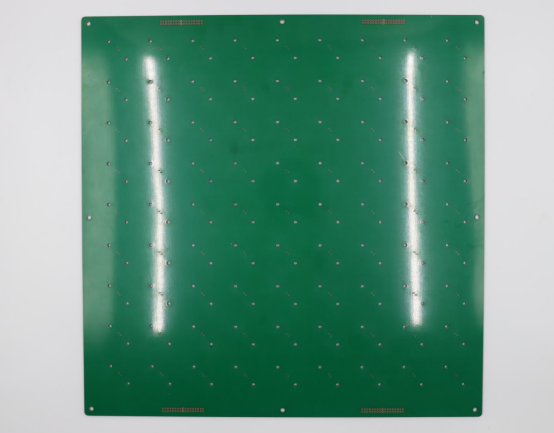
How Does Process Control Ensure Uniform Solder Mask Color?
Process control plays a crucial role in achieving uniform solder mask color by managing various factors that affect ink application. By standardizing the key steps in the printing process, manufacturers can minimize variations in ink thickness and coverage, leading to consistent color across PCBs.
How to Control Ink Thickness and Uniformity in Screen Printing?
In screen printing, controlling ink thickness and uniformity is essential for ensuring a consistent solder mask color. One of the key factors is the mesh count of the screen, which determines the amount of ink that can pass through. A higher mesh count typically results in a finer ink layer, while a lower mesh count allows for more ink to be applied.
Maintaining uniform screen tension is also crucial. If the screen is too loose or too tight, it can cause inconsistent ink deposition, leading to variations in color. Additionally, the thickness of the screen itself must be consistent across the entire printing area to avoid uneven coating.
Regularly checking the screen for wear and tear is essential. Over time, screens may become damaged, or ink may clog the mesh, leading to ink being unevenly applied. Regular inspections help identify these issues before they affect the final product, ensuring that the solder mask color remains consistent throughout production.
How to Optimize Printing Parameters for Even Ink Coverage?
To ensure the ink is evenly applied during the printing process, several parameters need to be optimized. These include the pressure, angle, and speed of the squeegee (the tool that spreads the ink). Standardizing these parameters is critical for consistent coverage and color uniformity.
First, the pressure of the squeegee should be adjusted to an optimal level to ensure the ink is spread evenly across the PCB without being too thick or too thin. The angle of the squeegee also affects how much ink is transferred—an incorrect angle can lead to streaking or uneven coverage. Finally, the printing speed must be controlled to allow enough time for the ink to be evenly deposited but not so slow that it causes ink pooling or smudging.
Another important consideration is the type of printing equipment used. Automated screen printing machines offer more precision and consistency than manual printing, as they can standardize the application of pressure, angle, and speed. Manual printing, while useful for small runs or custom work, can introduce variations due to human error. Therefore, automated machines are preferred for large-scale PCB production, ensuring better consistency in solder mask color.
By carefully adjusting and controlling these factors, manufacturers can achieve a high level of uniformity in solder mask coverage, ensuring consistent color and quality in the final product.
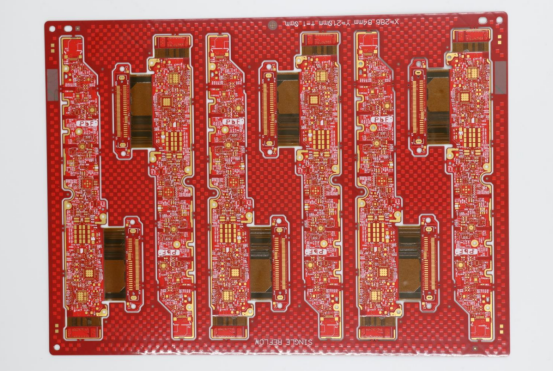
How Does Curing Process Affect Solder Mask Color Consistency?
The curing process is a critical step in PCB manufacturing, directly influencing the uniformity of the solder mask color. Whether through pre-curing (baking), exposure, or final curing, the temperature, time, and exposure to UV light all play a vital role in ensuring the solder mask remains consistently applied and free from color discrepancies.
How to Control Pre-Baking (Pre-Curing) Temperature and Time?
Pre-baking, or pre-curing, is an important step in the PCB production process, where the solder mask is initially heated to remove moisture and prepare it for further curing. Precise control of both temperature and time is essential to avoid areas that are either over-dried or under-dried. Over-drying can lead to color fading or cracking, while under-drying can result in incomplete curing, causing inconsistent color and defects.
For the best results, it is recommended to use a forced air circulation oven for pre-baking. A circulating hot air system ensures that heat is evenly distributed throughout the oven, preventing hot spots or uneven heating. This helps maintain a uniform solder mask appearance across all areas of the PCB. Temperature should be carefully monitored, typically set around 80-100°C, and the time should be optimized to allow complete moisture removal without over-curing.
How Do Exposure and Development Processes Affect Color Consistency?
The exposure and development stages are crucial for determining the accuracy and quality of the solder mask. In the exposure stage, UV light is used to harden the photo-sensitive solder mask material. The energy from the UV light and the intensity of the UV source must be consistent across the entire PCB to avoid uneven curing, which can result in color variations.
Regular calibration of the UV light source is important to ensure uniform exposure. If some areas receive more exposure than others, they will cure differently, causing color inconsistencies. Similarly, during the development phase, the chemical solution (developer) used to wash away the unexposed solder mask should be kept at the right concentration and temperature. Variations in developer concentration or temperature can affect the final color by leaving residues in some areas or over-developing others.
To achieve a uniform solder mask, it is essential to maintain stable spray pressure and ensure that the development solution is applied consistently across the PCB.
How Do Final Curing Processes—Thermal and UV Curing—Affect Color Consistency?
The final curing process is crucial for the overall durability and color consistency of the solder mask. There are two common methods of curing: thermal curing and UV curing. Both processes require precise temperature and energy management to ensure uniform results.
For thermal curing, the temperature curve must be carefully controlled to ensure even heat distribution. Hot spots or rapid temperature changes can cause uneven curing, resulting in color differences across the PCB. The temperature profile should be gradual and consistent, usually involving a ramp-up phase, a peak temperature phase, and a cool-down phase to maintain color consistency.
For UV curing, the consistency of UV light intensity is key. UV lamps must emit a steady and uniform light source, and the distance between the PCB and the UV lamp should be consistent to ensure even exposure. Regular checks of the UV lamp's power output are essential, as any deviation can cause areas of the PCB to cure differently, leading to color discrepancies.
By managing both thermal and UV curing processes effectively, manufacturers can ensure that the solder mask color remains consistent, contributing to a higher-quality PCB that meets strict visual and functional standards.
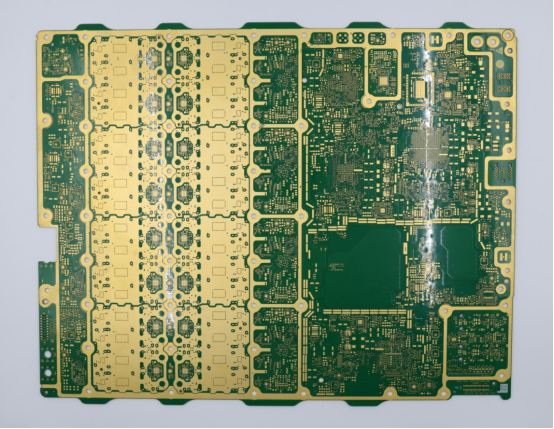
How Does Equipment and Environmental Management Ensure Solder Mask Color Consistency?
Proper equipment maintenance and environmental control are essential for achieving uniform solder mask color. Factors such as equipment cleanliness and calibration, as well as controlling the factory environment, significantly influence the final appearance and quality of the PCB. By managing these aspects carefully, manufacturers can reduce the risk of color inconsistencies and improve overall product quality.
What Are the Best Practices for Equipment Maintenance and Cleaning?
Regular cleaning and maintenance of key equipment, such as the screen printing machine, oven, and exposure machine, is crucial for ensuring consistent solder mask color. Dirt, ink residue, or other contaminants on these machines can transfer onto the PCB, causing uneven color or defects in the solder mask. For example, ink buildup on the screen printer can affect ink flow, leading to inconsistent thickness and color coverage.
To prevent this, manufacturers should develop a routine cleaning schedule for these machines. For the screen printer, cleaning the screen mesh regularly helps avoid clogs that can lead to uneven ink application. In the oven, regular inspection and cleaning of air filters ensure that hot air circulates evenly, preventing temperature fluctuations that could cause color variations. Similarly, the exposure machine should be cleaned regularly to remove any dirt or debris from the UV light source, ensuring even exposure.
Another key aspect is calibrating critical equipment, such as temperature sensors and UV energy meters. Calibration ensures that these devices measure accurately and consistently, which is essential for controlling the curing process and maintaining uniform color. By keeping equipment in top condition, manufacturers can avoid color inconsistencies caused by machine malfunctions or improper settings.
How to Control the Factory Environment to Avoid External Factors Affecting Color?
The factory environment plays a crucial role in maintaining solder mask color consistency. Factors such as cleanliness, temperature, and humidity must be carefully controlled to avoid issues that could affect the ink or curing process.
First, controlling cleanliness is vital. Dust and particles in the air can settle on the PCB and interfere with the solder mask application, leading to color variations. To prevent this, the factory should maintain a cleanroom environment with a dust level of no more than 100,000 particles per cubic foot (Class 100,000 cleanroom). This helps ensure that the PCBs are free from contaminants that could affect the solder mask.
Temperature and humidity levels must also be tightly regulated. The ideal temperature for the manufacturing area is between 23°C ±3°C, with humidity levels kept between 55% ±10%. Fluctuations in temperature or humidity can cause the ink to behave unpredictably, leading to color inconsistencies. For instance, high humidity can cause the ink to absorb moisture, affecting its curing process and final color. By maintaining stable temperature and humidity conditions, manufacturers can ensure that the solder mask cures properly and remains consistent across all PCBs.
By managing these environmental factors, manufacturers can significantly reduce the risk of color variations and produce higher-quality PCBs that meet strict customer specifications.
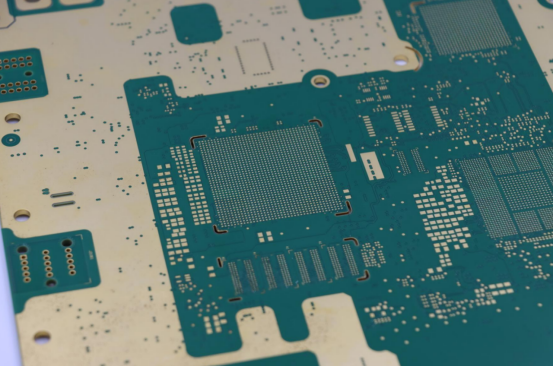
Special Ink and Substrate Curing Considerations
Certain types of ink and substrate materials require special attention during the curing process to ensure that the solder mask color remains consistent. This includes handling matte and glossy inks, as well as addressing the unique challenges posed by metal substrates or thick copper boards. By understanding and addressing these specific needs, manufacturers can avoid common issues such as uneven curing, color discrepancies, or loss of gloss.
How to Handle Curing Issues with Matte Inks?
Matte inks are more sensitive to curing uniformity compared to glossy inks. This sensitivity can lead to noticeable color differences if the curing process is not carefully controlled. The lack of a shiny finish in matte inks means that any slight variations in the curing process, such as uneven heating or exposure, are more noticeable as color inconsistencies.
To prevent this, it is essential to strictly control both the pre-heating and final curing temperatures. A stable and gradual temperature ramp-up is recommended to avoid overheating any area of the PCB. Consistent curing temperatures help ensure that the matte solder mask cures evenly, which in turn prevents color inconsistencies. For optimal results, the use of a forced-air oven with proper air circulation is highly recommended to ensure even temperature distribution during the curing process.
How to Use and Cure Glossy Inks to Avoid Color and Gloss Issues?
Glossy inks are prone to color inconsistencies and gloss problems due to their sensitive surface. When curing glossy ink, cleanliness is crucial. Dust, fingerprints, or even slight dirt particles can drastically affect the final appearance, reducing the glossiness or causing uneven gloss areas.
To ensure a perfect finish, it’s vital to maintain a clean environment during the printing and curing processes. The PCB surface should be thoroughly cleaned before applying the solder mask, and the curing area should be free from dust or contaminants. Additionally, proper handling of the PCBs during production helps avoid marks like fingerprints that can negatively affect the gloss.
UV curing is typically used for glossy inks, and the UV light source should be calibrated regularly to maintain uniform intensity. Ensuring that the PCB is placed at the correct distance from the UV light source also helps achieve consistent curing and gloss.
How to Address Curing Issues with Metal Substrates or Thick Copper Boards?
Metal substrates or thick copper boards present a unique challenge during the curing process. These materials have poor heat dissipation properties, which means they can cause uneven curing if not managed properly. The heat required for curing might not be distributed evenly across the PCB, leading to parts of the solder mask being over-cured or under-cured.
To address this issue, it is essential to adjust the curing time when working with these materials. For metal substrates or thick copper boards, a longer curing time may be necessary to ensure even heat distribution and uniform curing of the solder mask. It’s also helpful to use a heat ramp-up process in the oven to ensure that the substrate reaches the necessary curing temperature without causing excessive heat buildup at any particular spot.
By making adjustments for the unique thermal characteristics of metal and thick copper substrates, manufacturers can prevent curing issues and maintain color consistency across the entire PCB.
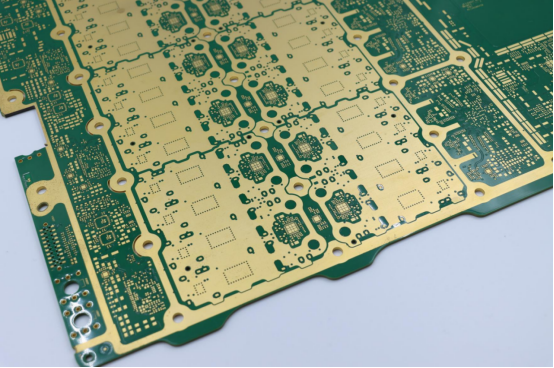
How to Solve Common PCB Solder Mask Color Issues?
Ensuring consistent solder mask color on PCBs is crucial for both aesthetic and functional purposes. However, several common issues can lead to color variations, such as uneven ink thickness, temperature inconsistencies in the oven, batch-to-batch color differences, and curing issues. Here are the key strategies to address these problems effectively.
How to Solve Ink Thickness Inconsistencies?
Uneven ink thickness is one of the most common causes of solder mask color discrepancies. When the ink is too thick in some areas, it can appear darker, while thin areas may look lighter, resulting in visible color differences.
To solve this, it's essential to adjust the screen printing parameters. The screen's mesh count, tension, and the squeegee’s pressure and angle all impact ink thickness. Regularly checking the screen for wear or damage can also prevent ink unevenness. If the screen is damaged or clogged, the ink will not flow evenly, leading to inconsistent color coverage. Ensuring that these parameters are standardized across the production line will help maintain a consistent ink layer thickness, reducing the risk of color variations.
How to Address Oven Temperature Inconsistencies?
Oven temperature inconsistencies are another common cause of color differences in the solder mask. If some areas of the PCB receive more heat than others, it can lead to uneven curing, which may result in darker or lighter color spots.
To address this issue, optimizing the air circulation in the oven is crucial. Using forced-air convection ovens ensures that heat is distributed evenly. Properly spacing the PCBs inside the oven is also important—if they are placed too close together, airflow can be obstructed, leading to uneven curing. By adjusting the oven’s fan speed and monitoring the temperature in various parts of the oven, manufacturers can ensure that all PCBs are uniformly exposed to the correct temperature, avoiding color inconsistencies.
How to Prevent Batch-to-Batch Color Differences?
Batch-to-batch color differences are often caused by variations in the ink or curing parameters between different production runs. Even small changes in the ink formula, curing time, or temperature can result in noticeable color differences.
To prevent these issues, strict incoming material inspection is necessary. Every new batch of ink should be tested for consistency, including color matching against previous batches. Additionally, curing parameters, such as exposure time and temperature, should be standardized across production runs. Regular calibration of curing equipment, including UV light sources and ovens, helps maintain consistency between batches. By enforcing strict quality control checks and ensuring that all production steps are standardized, manufacturers can significantly reduce the risk of batch-to-batch color variation.
How to Avoid Under-Curing or Over-Curing the Solder Mask?
Under-curing or over-curing the solder mask can lead to color inconsistencies, as the ink may not cure properly or may be overexposed to heat, causing it to darken or crack.
To solve this, it's important to regularly calibrate curing equipment, particularly the UV lamps or ovens used for curing. Ensuring that the UV light intensity and oven temperatures are set to the correct levels prevents the risk of over- or under-curing. Manufacturers should also monitor the curing time carefully—too short a curing time can leave areas uncured, while excessive curing can cause the solder mask to darken and lose its uniform color. By adjusting the curing process and conducting routine equipment checks, manufacturers can ensure that the solder mask cures correctly, maintaining consistent color across the entire PCB.
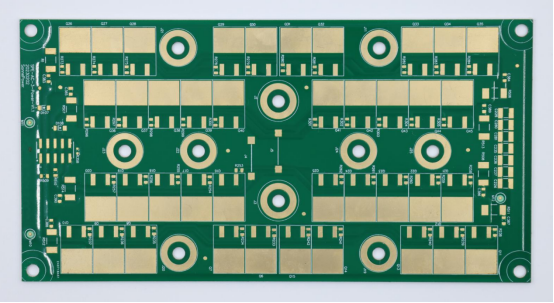
How to Achieve Solder Mask Color Uniformity Above 95%?
Achieving solder mask color uniformity above 95% is a key goal for PCB manufacturers who want to meet the high-quality standards required in industries like consumer electronics and automotive. This level of consistency ensures both visual appeal and functional reliability, which are essential for high-end applications.
How to Achieve High-Quality Standards Through Strict Process and Material Management?
To achieve high-quality solder mask color consistency, strict control over materials, processes, and equipment is essential.
Ink Selection: The choice of ink is fundamental to achieving consistent color. High-quality inks that are stable and formulated for uniform color consistency should be selected. Working with reputable suppliers who can provide ink with consistent batch-to-batch quality ensures that color variations are minimized.
Process Control: Standardizing the entire production process is crucial. This includes regulating factors like screen printing parameters, curing temperatures, and the time for each step. Ensuring that each step is precisely controlled helps to prevent color inconsistencies. Regularly maintaining equipment, such as printers, exposure machines, and curing ovens, helps ensure that the processes remain consistent.
Equipment Management: Consistent and precise calibration of equipment such as UV lamps, ovens, and printers is key to achieving uniform solder mask color. Equipment must be regularly checked and calibrated to avoid discrepancies in performance that could lead to color differences.
By managing these three factors—ink, process, and equipment—manufacturers can ensure that the solder mask color remains consistently high-quality and that the desired level of uniformity is achieved across production runs.
How to Meet the Demands of High-End Clients?
Meeting the Demands of High-End Clients: High-end customers, particularly in industries like consumer electronics and automotive electronics, often have strict requirements for both the functionality and appearance of PCBs. These customers demand a high level of consistency, not only in the electrical performance of the PCB but also in its aesthetic quality, including uniform solder mask color.
For example, in the automotive industry, color consistency is important not only for visual appeal but also for ensuring the long-term reliability of the PCB, especially in harsh environmental conditions. In consumer electronics, a uniform solder mask color ensures the product’s premium feel and aligns with brand standards.
Significance of Color Uniformity in High-End Products: For high-end products, uniform solder mask color is not just a cosmetic issue. Inconsistent colors may indicate underlying problems in the manufacturing process, which could lead to functional defects. A uniform solder mask is also associated with high-quality control standards and assures customers that the product is built with precision and care.
By focusing on maintaining color consistency above 95%, manufacturers can meet the high standards of these industries, ensuring both visual appeal and functional reliability, which are essential to the success of high-end products.
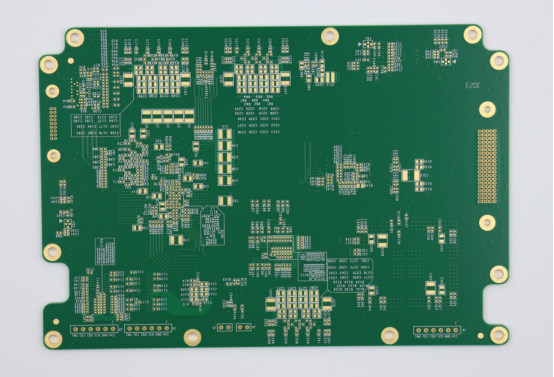
Conclusion
Achieving consistent solder mask color is crucial to ensuring the overall quality and reliability of PCBs. A uniform solder mask not only enhances the aesthetic appeal of the product but also signals a high level of precision and quality control in the manufacturing process. Inconsistent color can point to underlying issues such as uneven ink application, curing problems, or equipment malfunctions, all of which could lead to performance defects.
To effectively control color variations, manufacturers must focus on several core factors: strict ink selection, precise process controls, consistent equipment calibration, and a stable manufacturing environment. By managing these elements carefully, manufacturers can achieve a uniform solder mask color, ensuring both the visual appeal and the long-term functionality of the PCB.
At PCBMASTER , we are committed to upholding the highest standards of quality control. As a leading PCB supplier, we understand the importance of color consistency in our products. Through rigorous management of materials, processes, and equipment, we ensure that our customers receive PCBs with uniform solder mask color, meeting the exacting standards required for high-end applications.
FAQs
Why Do Solder Mask Colors Show Significant Variations?
Solder mask color variations typically result from several factors, including inconsistent ink batches, unstable printing processes, and improper curing conditions. Ink Batch Inconsistency: Different batches of ink may have slight color differences, even if they are from the same manufacturer. Printing Process Instability: Variations in printing parameters, such as screen tension, squeegee pressure, and speed, can affect ink application thickness, leading to color discrepancies. Curing Process Issues: If the curing process, particularly temperature and exposure, is not controlled accurately, it can cause parts of the solder mask to cure unevenly, resulting in color variations. Regular monitoring and control over each stage of production—ink, printing, and curing—are essential to avoid these discrepancies.
How to Choose the Right Solder Mask Ink?
Selecting the right solder mask ink is crucial for ensuring consistent color. Ink Quality: Choose high-quality, stable ink brands that have a proven track record for consistency. Reliable suppliers will provide ink with minimal batch-to-batch variation. Batch Comparison: Before starting production with a new batch of ink, conduct a color comparison test with previous batches. This ensures that the color remains consistent, and any variation is detected early. Additionally, consider using inks that are specifically formulated for the PCB industry to ensure they meet both aesthetic and functional requirements.
How Does Solder Mask Color Consistency Relate to the Curing Process?
The curing process plays a direct role in solder mask color uniformity. Temperature Control: During curing, temperature must be evenly controlled to ensure uniform hardening of the ink. Overheating certain areas can cause dark spots, while underheating can result in areas that do not cure properly, leading to inconsistent color. Exposure and Development: In the exposure phase, the intensity of UV light must be uniform to ensure that the solder mask cures evenly. Likewise, during the development phase, stable chemical concentration and temperature are crucial to avoid over- or under-developing parts of the PCB, which could lead to noticeable color inconsistencies.
How to Optimize Oven Temperature Control to Prevent Color Variations?
Proper oven temperature control is essential to achieving consistent solder mask color. Hot Air Circulation: Use a forced-air convection oven that ensures even airflow, which distributes heat uniformly throughout the oven. Proper Spacing: Ensure that PCBs are properly spaced inside the oven to avoid blocking airflow, which could result in uneven heating. Prevention of Over or Under Drying: Adjust oven settings to prevent excessive drying (which can lead to darker color areas) or insufficient drying (which can result in uneven curing and lighter spots). Optimizing these factors will reduce color variations during the curing process.
How to Ensure Solder Mask Color Consistency Meets High-End Client Demands?
To meet the strict requirements of high-end customers—such as those in the consumer electronics or automotive industries—PCB manufacturers must implement a robust quality control system. Material Control: Use high-quality ink and carefully verify incoming materials to ensure consistency across batches. Process Control: Standardize printing, curing, and handling procedures to ensure uniformity in every stage of production. Equipment Management: Regularly calibrate and maintain equipment to ensure precise control over the printing and curing process. Environmental Control: Maintain a clean and stable manufacturing environment, including consistent temperature and humidity, to avoid external factors from influencing the solder mask's appearance. By controlling these factors, manufacturers can achieve a color consistency level above 95%, meeting the high standards required by demanding industries.
About the Author

Carol Luo
PCB Design EngineerI'm Carol, a PCB Engineer at PCBMASTER with experience in PCB design and manufacturing engineering since 2018. I focus on translating engineering requirements into reliable PCB solutions, with expertise in stack-up design, material selection, and design-for-manufacturing (DFM). I share practical engineering insights from real-world PCB design and production experience.
Visit Carol Luo's Profile