








PCB Thermoelectric Heat Dissipation Explained: Working Principles and Applications
PCB thermoelectric heat dissipation is a technology that uses the thermoelectric effect to control and remove heat directly from electronic components on a printed circuit board. It works by converting temperature differences into electrical energy or using electric current to move heat away from hotspots. This allows precise cooling for high-power chips and sensitive devices, keeping them within safe operating temperatures.
Modern electronics, including CPUs, GPUs, power amplifiers, and LEDs, generate significant heat in very small spaces. Without effective thermal management, components can overheat, leading to reduced performance, shorter lifespan, or system failure. PCB thermoelectric heat dissipation offers a compact, silent, and efficient way to manage heat, often replacing or supplementing traditional solutions like fans or heat sinks.
Understanding how this technology works and how it is applied will reveal why thermoelectric heat dissipation is becoming essential in modern PCB design. The following sections will explore its working principles, materials, design considerations, and real-world applications.
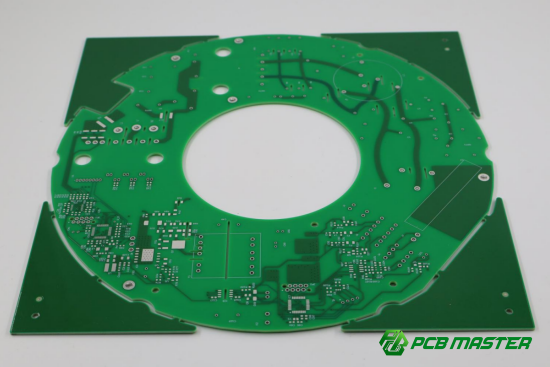
How Does Thermoelectric Heat Dissipation Work on PCBs?
Thermoelectric heat dissipation on PCBs actively removes heat from electronic components or converts temperature differences into electrical signals. This technology is essential for high-power, high-density boards where traditional cooling methods like fans or thermal vias cannot efficiently address localized hotspots. By embedding thermoelectric modules or materials directly on the PCB, engineers achieve precise temperature control, prevent overheating, and maintain reliable performance under heavy workloads.
Fundamentals of Thermoelectric Effect
The thermoelectric effect relies on two main phenomena: the Seebeck effect and the Peltier effect.
- The Seebeck effect generates a voltage when two different conductive materials experience a temperature difference. This allows engineers to monitor hotspots on PCBs, converting local heat into electrical signals. For example, a Seebeck-based sensor under a GPU can detect rapid temperature spikes and trigger active cooling adjustments.
- The Peltier effect moves heat actively when an electric current passes through a junction of two materials. One side absorbs heat (cold side), while the other releases it (hot side). A practical example is placing a Peltier module under a high-power CPU, which can reduce the junction temperature by 5–10°C without adding bulky fans.
Thermoelectric materials, such as bismuth telluride (Bi₂Te₃) or antimony telluride (Sb₂Te₃) , are chosen for their ability to transfer heat efficiently in compact form factors. Using the right material improves cooling performance, energy efficiency, and PCB reliability.
Integration of Thermoelectric Modules in PCBs
Integrating thermoelectric modules requires careful planning to maximize cooling efficiency.
- Modules are placed directly under high-power components or identified hotspots to absorb heat where it is most needed. For example, a Peltier module under a power amplifier prevents localized overheating in RF boards.
- Electrical connections use solder pads or conductive adhesives to ensure adequate current flows without interfering with nearby circuits.
- Integration affects PCB design: module height, footprint, and mechanical stress must be considered. Copper planes and thermal vias need to be arranged to carry heat efficiently from the module’s hot side to a heat sink or external cooling surface. Although this may slightly increase board area, it significantly improves thermal management and device reliability.
Heat Flow Path and Efficiency
Heat moves through thermoelectric cooling in a clear sequence:
- Heat is first absorbed at the chip junction by the cold side of the module.
- The module transfers heat to its hot side.
- Heat flows into copper planes or an external heat sink for dissipation.
Efficiency depends on thermoelectric material quality, applied current, and PCB layout, including copper thickness and the density of thermal vias. Proper design ensures maximum heat transfer and improved cooling performance.
Compared with conventional heat sinks or thermal vias, thermoelectric modules actively pump heat, providing faster cooling and lower local temperatures. For example, a high-density LED array cooled with a thermoelectric module can remain 7–12°C cooler than using thermal vias alone, reducing color drift and extending lifespan.
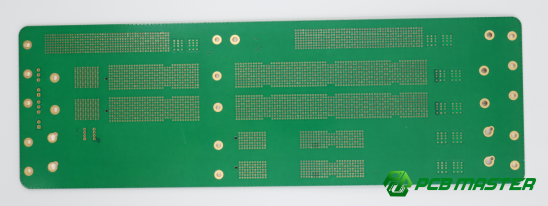
What Are the Key Advantages of Using Thermoelectric Heat Dissipation on PCBs?
Thermoelectric heat dissipation provides multiple benefits for PCBs, including precise temperature control, space and noise efficiency, and bi-directional thermal management. These features make it ideal for high-density electronics, sensitive components, and applications in extreme or constrained environments.
Precise Temperature Control
Thermoelectric modules maintain optimal operating temperatures for sensitive components by actively moving heat away from hotspots. This prevents overheating, reduces thermal stress, and improves reliability. On densely populated PCBs, localized hotspots can form where power-hungry components are concentrated. Thermoelectric modules absorb heat directly at these points, smoothing temperature distribution across the board. For example, placing a module under a high-performance GPU can reduce its junction temperature by 5–10°C, preventing throttling and extending component life. Additionally, using the Seebeck effect allows dynamic monitoring and adjustment of cooling based on real-time temperature readings.
Space and Noise Efficiency
Thermoelectric cooling saves space and reduces noise, making it highly suitable for compact or embedded systems. Unlike fans or liquid cooling systems, thermoelectric modules are thin and can be integrated directly onto the PCB, preserving valuable board area. They operate silently because they have no moving parts, which is critical for medical devices, audio equipment, or quiet industrial electronics. For instance, a small LED driver board using a thermoelectric module can maintain stable temperatures without a fan, reducing both the system footprint and acoustic noise.
Bi-directional Thermal Management
Thermoelectric modules provide both cooling and heating, enabling precise control over component temperatures. This is especially important for devices that must remain within a strict temperature range, such as sensitive sensors or optical components. In aerospace electronics, modules can protect devices from extreme temperature swings, maintaining reliable operation at high altitudes or in space. For example, a temperature-sensitive infrared sensor in a satellite can be kept at an exact operating temperature, ensuring accurate measurements even under cold or hot conditions.
These advantages make thermoelectric heat dissipation a highly effective solution for modern PCB design, offering precise thermal control, compact and silent operation, and flexible temperature management for high-power and sensitive electronics.
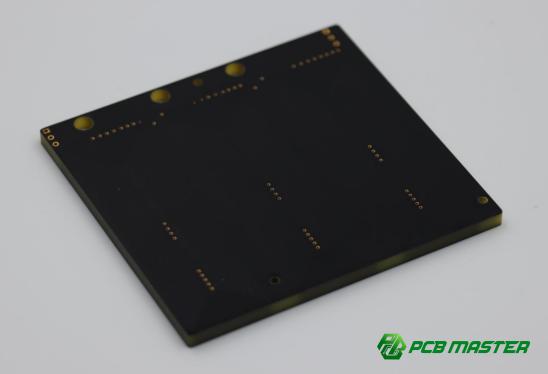
Which Materials and Designs Optimize Thermoelectric Heat Dissipation on PCBs?
Optimizing thermoelectric heat dissipation on PCBs depends on using the right materials and careful board design. High-performance thermoelectric materials, effective placement, and thoughtful PCB layout all work together to maximize heat transfer, maintain component reliability, and ensure efficient operation.
Common Thermoelectric Materials for PCB Use
The most widely used thermoelectric material for PCB cooling is bismuth telluride (Bi₂Te₃), prized for its high figure of merit (ZT) , which measures efficiency in converting heat to electricity or pumping heat with a Peltier module. Other high-ZT materials include antimony telluride and lead telluride, which can be selected depending on the operating temperature range.
Material selection depends on several criteria: electrical and thermal conductivity, durability, and thermal coefficient. High conductivity ensures rapid heat transfer, while durability ensures the module can withstand repeated thermal cycling. Thermal coefficient compatibility with the PCB reduces stress and prevents delamination or cracking. For example, Bi₂Te₃ is commonly used under CPUs and high-power LEDs because it balances high efficiency with mechanical stability, ensuring consistent performance over time.
PCB Layout Considerations for Maximum Heat Transfer
Optimizing PCB layout is critical for effective thermoelectric cooling. Thermal vias and copper planes help spread heat away from hotspots efficiently. Copper planes act as heat spreaders, while vias create vertical paths for heat to move from the module’s hot side to external heat sinks.
Placement of thermoelectric modules relative to power ICs is also important. Modules should be positioned directly under or as close as possible to high-power components to absorb heat at the source. Misaligned placement reduces cooling efficiency and can leave hotspots untreated. For example, in RF boards, placing modules directly under power amplifiers significantly lowers junction temperature compared to modules placed further away.
Integration Challenges and Solutions
Integrating thermoelectric modules introduces challenges, including electrical interference, mechanical stress, and thermal resistance. Electrical interference can occur if modules are placed near sensitive signal traces. Designers mitigate this by using proper grounding and shielding techniques.
Mechanical stresses from thermal expansion can cause delamination or cracks. Choosing compatible materials and applying proper adhesive layers reduces these risks. Reducing thermal resistance involves ensuring strong contact between the module and PCB, using thermal interface materials and minimizing air gaps. For instance, applying a thin thermal pad between a Peltier module and a high-power CPU ensures efficient heat transfer while preventing mechanical strain.
Using the right combination of thermoelectric materials, PCB layout, and integration techniques ensures maximum heat dissipation efficiency, improves component reliability, and maintains stable performance even under high-power, high-density conditions.
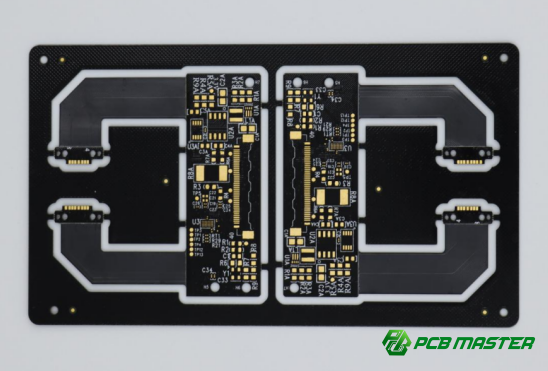
Where Are PCB Thermoelectric Heat Dissipation Systems Applied?
PCB thermoelectric heat dissipation systems are used wherever precise thermal control is needed to maintain performance, reliability, and longevity of electronic components. Their applications span high-power electronics, optoelectronic devices, and precision sensors in challenging environments, including aerospace.
High-Power Electronics
Thermoelectric cooling is especially effective for high-power electronics such as CPUs, GPUs, and power amplifiers. These components generate large amounts of heat in small areas, creating hotspots that conventional cooling may not fully address. By placing thermoelectric modules directly under these components, heat is actively pumped away, keeping temperatures within safe operating limits.
For example, in high-frequency RF circuits, power amplifiers can overheat quickly due to rapid switching. Integrating a Peltier module under the amplifier helps maintain stable junction temperatures, preventing thermal throttling and signal distortion. This approach improves device reliability, reduces performance loss, and extends the operational lifespan of high-power boards.
Optoelectronic Devices
Thermoelectric heat dissipation is critical for optoelectronic devices such as LEDs and laser diodes. These devices are sensitive to temperature fluctuations, which can shift their wavelength, reduce brightness, or shorten lifespan.
Embedding thermoelectric modules beneath LEDs or laser diodes ensures heat is actively removed, maintaining consistent light output and color stability. For instance, high-power LED arrays used in medical lighting or stage equipment often use thermoelectric cooling to prevent hotspots and maintain uniform brightness across the array.
Precision Sensors and Aerospace Electronics
Thermoelectric cooling is also used in precision sensors and aerospace electronics, where temperature control is essential for accuracy and reliability. Many sensors, such as infrared detectors or MEMS devices, lose calibration or produce inaccurate readings when exposed to temperature swings.
In aerospace applications, satellites and high-altitude electronics experience extreme cold or heat. Thermoelectric modules provide controlled heating or cooling to maintain stable operating temperatures, ensuring sensors and critical electronics function reliably in harsh environments. For example, a satellite infrared sensor can use a thermoelectric module to maintain exact temperature, enabling accurate measurements even in the vacuum of space.
PCB thermoelectric heat dissipation systems thus serve diverse applications, from managing high-power microprocessors and amplifiers to stabilizing LEDs, laser diodes, and sensitive aerospace sensors. Their ability to precisely control temperature in compact, high-density boards makes them indispensable for modern electronics.
How Can Engineers Optimize PCB Thermoelectric Heat Dissipation?
Engineers can optimize PCB thermoelectric heat dissipation by following structured design steps, using simulation and testing tools, and implementing best practices to ensure long-term reliability. Careful planning at each stage improves thermal efficiency, reduces hotspots, and prevents component failure.
Step-by-Step Design Approach
Optimizing thermoelectric cooling starts with a clear design workflow:
- Identify hotspots and thermal loads. Analyze which components produce the most heat and where it accumulates on the PCB. Tools like infrared cameras or thermal sensors can highlight these critical areas.
- Select appropriate thermoelectric modules based on heat dissipation requirements, voltage, and size constraints. For example, a Peltier module with higher cooling capacity is needed for a CPU compared to a low-power LED array.
- Optimize PCB layout and copper planes to efficiently spread heat. Copper layers and thermal vias help move heat away from modules and components, maximizing the effect of the thermoelectric system. Correct placement ensures minimal thermal resistance.
- Test thermal performance with simulations before production. Step-by-step simulations predict temperature distribution under typical and extreme workloads, helping engineers adjust module placement, current, and PCB design to avoid hotspots.
Following this structured workflow ensures maximum cooling efficiency and prevents design oversights.
Simulation and Testing Tools
Simulation and testing are essential to ensure the system works as intended:
- Thermal simulation software for PCBs models heat flow, predicts hotspot formation, and evaluates module performance under varying current and load conditions. Popular tools include ANSYS Icepak and COMSOL Multiphysics.
- Measuring temperature distribution with sensors validates simulation results. Placing sensors at key points on the PCB ensures real-world performance matches predictions, allowing fine-tuning of module placement or current levels.
Using both software and hardware testing guarantees reliable thermoelectric heat management in high-density PCB designs.
Best Practices for Long-Term Reliability
Long-term reliability depends on preventing stress and maintaining isolation:
- Avoid thermal cycling stress by minimizing rapid temperature changes. Consistent operation prevents cracks, delamination, or reduced module lifespan.
- Ensure proper electrical isolation between modules and surrounding circuits to prevent interference, short circuits, or performance degradation. High-quality adhesive layers and insulating pads help maintain safe separation.
Adhering to these practices ensures thermoelectric modules provide efficient and reliable cooling throughout the PCB’s operational life.
By combining a step-by-step design workflow, simulation and testing, and reliability best practices, engineers can optimize thermoelectric heat dissipation for high-power, high-density PCBs, maintaining stable operation and extending component lifespan.
Conclusion
Thermoelectric heat dissipation on PCBs offers precise temperature control, efficient hotspot management, and flexible thermal solutions for high-power, optoelectronic, and precision electronics. By combining the right materials, optimized PCB layout, and careful integration, engineers can maintain reliable performance even under extreme operating conditions.
For companies and engineers seeking high-quality PCB and PCBA solutions with advanced thermoelectric heat dissipation, PCBMASTER provides expert design and manufacturing services . With years of experience in delivering reliable, high-performance boards, PCBMASTER ensures that your electronics benefit from efficient thermal management, long-term stability, and superior product quality.
Whether you are designing CPUs, LEDs, sensors, or aerospace electronics, partnering with PCBMASTER allows you to implement effective thermoelectric cooling solutions seamlessly, ensuring your PCBs stay cool, efficient, and reliable.
FAQs About PCB Thermoelectric Heat Dissipation
Can thermoelectric modules replace traditional fans entirely on PCBs?
Thermoelectric modules can replace fans in many applications, especially where space is limited or silent operation is required. They actively move heat without moving parts, making them ideal for compact, high-density boards. However, for extremely high-power components or large systems, a combination of fans and thermoelectric cooling may still be necessary to achieve optimal heat dissipation.
What is the maximum temperature difference achievable with PCB-mounted thermoelectric modules?
The maximum temperature difference (ΔT) depends on the module type, applied current, and heat load. Standard Bi₂Te₃-based modules can typically achieve a ΔT of 60–70°C between the hot and cold sides under ideal conditions. Real-world performance is lower due to thermal resistance in the PCB, heat sinks, and surrounding components.
Do thermoelectric modules significantly increase PCB cost?
Thermoelectric modules add some cost compared to standard heat sinks or thermal vias, but the increase is often justified by improved thermal performance, compact design, and enhanced reliability. The overall cost impact depends on module size, quantity, and integration complexity, but for high-density or critical applications, the performance benefits outweigh the additional expense.
How do thermoelectric modules affect overall PCB power consumption?
Thermoelectric modules consume additional power to pump heat. The amount depends on module size, current, and cooling requirements. While this increases total PCB power consumption slightly, it can prevent overheating, improve efficiency of power-hungry components, and potentially reduce the need for other active cooling devices that consume more power.
Are there size limitations for integrating thermoelectric modules on small PCBs?
Yes, size is a consideration. Modules have a minimum footprint and thickness, so extremely small or densely populated PCBs may have limited integration options. However, modern thin and micro-scale thermoelectric modules allow designers to implement cooling even in compact boards, provided careful planning of component placement and thermal pathways.
About the Author

Carol Luo
PCB Design EngineerI'm Carol, a PCB Engineer at PCBMASTER with experience in PCB design and manufacturing engineering since 2018. I focus on translating engineering requirements into reliable PCB solutions, with expertise in stack-up design, material selection, and design-for-manufacturing (DFM). I share practical engineering insights from real-world PCB design and production experience.
Visit Carol Luo's Profile