








PCB Antenna Design: Key Considerations for Optimal Signal Strength
PCB antenna design is crucial for ensuring strong and reliable wireless signal transmission. The design of the antenna directly impacts the strength and quality of the signal, which is essential for effective communication in devices like smartphones, routers, and IoT devices. Poor antenna design can lead to weak signals, interference, and dropped connections, all of which negatively affect performance.
Optimal antenna design plays a vital role in ensuring that wireless systems function efficiently, with maximum coverage and minimal interference. It influences factors like signal gain, bandwidth, and overall transmission efficiency. For example, a well-designed PCB antenna ensures that a wireless device can maintain a stable connection, even in areas with many obstacles or interference sources.
A good PCB antenna design also takes into account the specific needs of the device it’s built into, such as size constraints, frequency requirements, and environmental factors. By understanding and implementing key design principles, engineers can create antennas that not only meet these requirements but also maximize signal strength, ensuring better overall system performance.
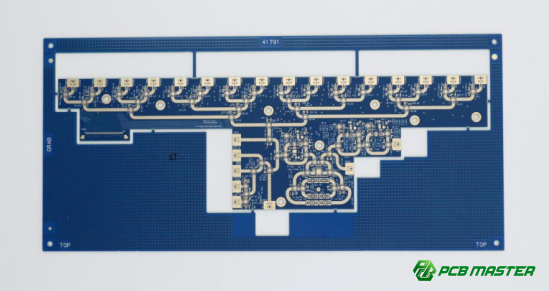
What Are the Key Design Factors for Optimizing PCB Antenna Signal Strength?
The key design factors for optimizing PCB antenna signal strength include selecting the right antenna type, choosing appropriate substrate material, adjusting PCB thickness and layering, ensuring proper impedance matching, and positioning the antenna optimally on the PCB to minimize interference.
Antenna Type Selection
Choosing the right antenna type is essential for optimizing signal strength in PCB designs. Different antennas, such as monopoles, dipoles, and patch antennas, are better suited for different applications. A monopole antenna, for example, is often used in mobile devices due to its compact size and good performance at lower frequencies. A dipole antenna, on the other hand, provides a broader radiation pattern and is ideal for long-range communication. Patch antennas are commonly used in devices like GPS units because they offer high directivity and can be easily integrated into compact spaces. By selecting the correct antenna type based on factors like frequency, size, and application, engineers can ensure that the antenna delivers strong and reliable signal strength.
Material Choice
The choice of substrate material (such as FR-4, Rogers, or Teflon) has a significant impact on antenna performance. Materials like FR-4 are cost-effective and commonly used in general-purpose designs, but they may introduce higher losses compared to more specialized materials like Rogers. Rogers materials are low-loss and provide better performance at high frequencies, making them ideal for high-performance applications. Teflon, known for its stability and low loss, is another option used in high-frequency designs. The right material choice ensures minimal signal degradation, enhances antenna efficiency, and ultimately improves overall system performance.
PCB Thickness and Layering
The thickness of the PCB and the number of layers can influence the antenna's performance, particularly its impedance and radiation efficiency. A thinner PCB can be more cost-effective and flexible but may result in higher resistance and loss. On the other hand, a thicker PCB can offer better signal integrity, especially when handling higher frequencies. Additionally, multi-layer PCBs allow for more complex designs, such as better ground planes and more precise impedance control. Choosing the right PCB thickness and layering is crucial for ensuring optimal signal strength, as it affects both antenna performance and overall device reliability.
Impedance Matching
Impedance matching is a critical factor in antenna design to prevent signal loss. If the impedance of the antenna does not match the impedance of the rest of the circuit, such as the transmitter or receiver, part of the signal will be reflected back, reducing the efficiency of the system. For most PCB antennas, the goal is to achieve a 50-ohm impedance for maximum power transfer. Proper impedance matching minimizes reflection and ensures that the antenna delivers its full potential signal strength. Engineers use techniques such as microstrip lines and matching networks to achieve optimal impedance matching.
Antenna Placement on PCB
The position of the antenna on the PCB plays a significant role in maximizing signal strength and minimizing interference. Placing the antenna too close to other components or metal traces can cause signal degradation due to unwanted coupling or reflection. It is crucial to place the antenna in an area with minimal interference from other circuit components. For example, positioning the antenna away from power sources or high-frequency components reduces the risk of electromagnetic interference (EMI) . Ensuring proper placement also allows the antenna to radiate efficiently, further enhancing its performance in wireless communication systems.
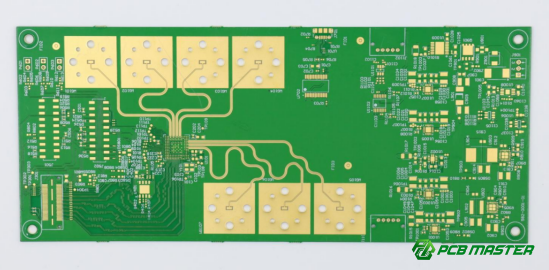
How Does the Frequency Range Affect PCB Antenna Design for Signal Strength?
The frequency range affects PCB antenna design by determining its size, shape, efficiency, bandwidth, and the need for precise tuning to ensure optimal signal strength and performance.
Frequency Band Considerations
The frequency range significantly influences the design of a PCB antenna, affecting its size, shape, and overall efficiency. Lower-frequency antennas are typically larger because longer wavelengths require more space for effective radiation. For example, a 2.4 GHz antenna for Wi-Fi will be smaller than an antenna designed for 900 MHz, which is commonly used in some IoT devices. At higher frequencies, the antenna needs to be more compact but can also suffer from reduced efficiency if not properly designed. A key factor to consider is that antennas designed for higher frequencies often require more precise materials and fabrication techniques to ensure performance and minimize losses. Understanding the target frequency band is essential for optimizing antenna size and efficiency in a PCB design, ensuring that the antenna delivers strong signal strength without excessive energy loss.
Bandwidth and Signal Integrity
The bandwidth of an antenna is the range of frequencies it can effectively transmit or receive. The required bandwidth depends on the type of application—narrowband applications, like those used in simple communication systems, require antennas that can operate efficiently within a limited frequency range, while wideband applications, like those used in radar or multi-purpose communication systems, need antennas capable of handling a broader frequency spectrum. When the bandwidth is too narrow, the antenna may struggle to maintain signal integrity, causing signal loss or reduced quality. On the other hand, antennas designed with too wide a bandwidth may lose efficiency at specific frequencies. Balancing bandwidth with the need for stable signal strength is crucial in ensuring that the antenna performs well across the frequencies it’s designed for.
Resonance and Tuning
Resonance is when an antenna naturally vibrates at the same frequency as the signal it is designed to transmit or receive. Achieving resonance is essential for maximizing signal strength and ensuring efficient energy transfer. Tuning the antenna to resonate at the desired frequency involves adjusting its physical characteristics, such as its length or shape. For instance, a dipole antenna may need to be precisely tuned by changing its length to match the wavelength of the signal it is designed to handle. If the antenna is not properly tuned, it will not perform optimally, leading to poor signal quality and reduced range. Proper tuning ensures that the antenna efficiently captures and radiates signals, minimizing energy loss and improving overall signal quality.
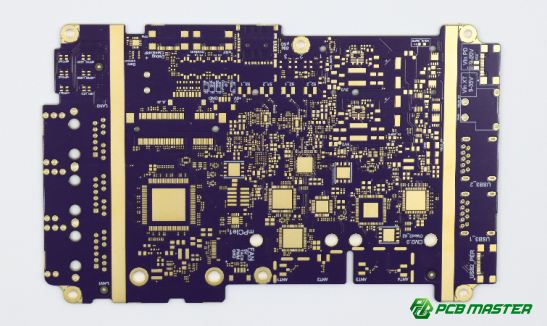
What Role Does Antenna Geometry Play in Signal Strength Optimization?
Antenna geometry, including the length, shape, and design type (conformal vs. planar), directly impacts impedance, radiation patterns, and signal propagation, all of which are essential for optimizing signal strength and performance.
Length and Shape of Antenna
The length and shape of an antenna are critical factors that affect both impedance and radiation patterns, which in turn impact signal strength. Antennas must be designed to resonate at specific frequencies for efficient signal transmission and reception. The length of the antenna is directly related to the wavelength of the signal: for example, half-wave dipoles are typically half the wavelength of the frequency they are designed to receive or transmit. If the antenna is too short or too long, it will not resonate properly, leading to poor signal strength and potential interference. Additionally, the shape of the antenna, whether it’s a simple straight wire, a loop, or a more complex structure like a patch, influences the radiation pattern, which determines the direction and range of the signal. A well-designed antenna geometry ensures that the signal is radiated efficiently in the desired direction with minimal losses.
Conformal vs. Planar Designs
Antenna geometry can be broadly categorized into conformal and planar designs, each with its advantages and disadvantages in terms of signal propagation. Planar antennas, such as patch antennas, are flat and can be easily integrated into a PCB, making them a popular choice for compact designs. They typically offer good directivity and efficient radiation for specific applications like GPS or Wi-Fi. Conformal antennas, on the other hand, are designed to conform to the surface of a device, such as the curved surface of a smartphone or vehicle. These antennas are more challenging to design but offer the advantage of being more compact and better suited for applications where space is limited. While planar designs are easier to manufacture and generally more predictable, conformal designs can improve signal propagation in space-constrained environments, offering better signal strength in certain use cases.
Multi-band and Wideband Antennas
Multi-band and wideband antennas are designed to operate efficiently across a range of frequencies, which is crucial for modern communication systems that must handle multiple bands or a variety of wireless standards (e.g., Wi-Fi, Bluetooth, 5G). Multi-band antennas are designed to operate at several distinct frequencies, making them ideal for devices that need to communicate across different frequency bands. For example, a smartphone might need to connect to both 2.4 GHz and 5 GHz Wi-Fi networks. Wideband antennas, on the other hand, can handle a broader spectrum of frequencies, providing flexible performance across a wider range of channels. The challenge in designing these antennas lies in ensuring that they maintain high efficiency across all the bands they cover, without compromising signal strength. Engineers use techniques like resonant structures and wideband matching networks to achieve optimized performance across multiple frequencies, ensuring reliable signal reception and transmission across varying conditions.
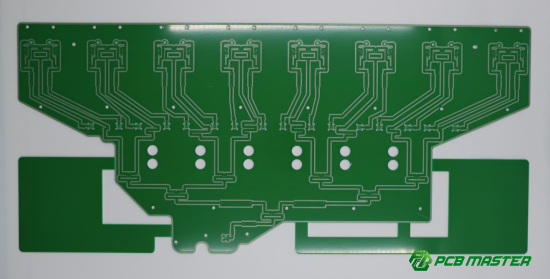
Why Is Antenna Simulation and Testing Critical in PCB Design for Signal Strength?
Antenna simulation and testing are critical in PCB design for signal strength because they help predict performance, identify design flaws, and validate real-world behavior to ensure efficient signal transmission and reception.
Simulation Tools and Techniques
Antenna simulation is essential for predicting how a PCB antenna will perform before building a physical prototype. Several software tools are commonly used for antenna simulation, such as HFSS, CST, and ADS. These tools allow engineers to model and simulate the electromagnetic behavior of antennas in a virtual environment. HFSS (High Frequency Structure Simulator) is popular for its accuracy in simulating 3D structures and is often used for complex antenna designs. CST (Computer Simulation Technology) is another tool used for high-frequency simulations, offering both time-domain and frequency-domain analysis. ADS (Advanced Design System) is known for integrating circuit design with electromagnetic simulation, helping optimize both the antenna and the overall system. By using these tools, engineers can identify issues like impedance mismatches, radiation inefficiencies, or design flaws early in the process, reducing the need for costly changes during physical testing.
Validation with Real-World Testing
While simulations offer valuable insights, physical testing is essential to confirm that the antenna performs as expected in the real world. Prototypes are built based on the simulated designs and tested to identify any discrepancies between the theoretical and actual performance. For example, an antenna may look perfect in simulations but could suffer from unexpected interference, power loss, or radiation pattern issues when physically implemented. Testing involves measuring the antenna's response to actual signals, including signal strength, range, and resistance to noise. If the physical tests reveal problems, engineers can adjust the design and simulate again before making further prototypes. This iterative process ensures that the antenna meets the desired performance specifications before final production.
Common Testing Metrics
When testing PCB antennas, several key metrics are used to evaluate their performance and signal strength. Return Loss measures how much of the signal is reflected back due to impedance mismatches. A high return loss indicates that most of the signal is being reflected, which is undesirable, while a low return loss indicates efficient energy transfer. Radiation Pattern is another crucial metric, which shows the distribution of the signal as it radiates from the antenna. A well-designed antenna should have a radiation pattern that suits its intended application, whether omnidirectional or directional. Gain refers to the antenna’s ability to focus energy in a specific direction, contributing to stronger signal reception or transmission. Together, these metrics help assess whether the antenna is transmitting and receiving signals efficiently, providing engineers with the data needed to optimize design choices.
What Are Common Challenges in PCB Antenna Design and How Can They Be Overcome?
Common challenges in PCB antenna design, such as interference, material losses, miniaturization, and environmental effects, can be overcome through careful component placement, using low-loss materials, optimizing antenna geometry, and protecting against heat and humidity.
Interference and Crosstalk
Interference and crosstalk occur when signals from nearby components or traces interfere with the antenna, degrading its performance. To minimize this, PCB designers can use ground planes to isolate sensitive antenna circuits from other components. Additionally, careful component placement is crucial—antenna circuits should be placed away from high-power or high-frequency components that might generate unwanted signals. Shielding techniques, such as using metallic enclosures or shielding films, can also reduce interference. Using differential signals for sensitive data transmission helps minimize noise and reduce crosstalk between traces. For example, in wireless routers, proper placement of the antenna and shielding around power circuits can prevent signal degradation caused by nearby electronic noise.
Losses Due to PCB Material
Losses in the PCB material can affect antenna efficiency, especially at high frequencies. Substrate materials like FR-4 are affordable but tend to have higher losses, especially at higher frequencies, leading to reduced signal strength. To minimize these losses, engineers can choose materials with low-loss tangents, like Rogers or Teflon, which offer better performance in high-frequency designs. By using these high-performance materials, the antenna can maintain higher efficiency, even in compact designs. For example, a GPS antenna made with Rogers material will experience less signal loss compared to one built with standard FR-4, providing better performance in applications that require precision.
Miniaturization vs. Signal Quality
Miniaturizing antennas to fit in smaller devices, like smartphones or wearables, presents a challenge in maintaining signal strength. Smaller antennas have less surface area for signal radiation, which can lead to reduced efficiency and weaker signals. To overcome this, designers use techniques like multi-band designs and compact geometries that allow for efficient signal transmission in a smaller package. Using high-efficiency materials and optimizing the antenna shape also helps improve performance in miniaturized designs. For example, in compact wearable devices, engineers might use small, efficient patch antennas to balance size and signal quality, ensuring the device works effectively without compromising its compact form.
Thermal and Environmental Effects
Environmental factors such as heat, humidity, and temperature variations can significantly affect the performance of PCB antennas. Heat can cause the material to expand, potentially altering the antenna's geometry and degrading its signal. Humidity can introduce moisture-related losses, especially in materials that are sensitive to water absorption. To mitigate these effects, designers can use thermally stable materials and design antennas with temperature compensation features to minimize performance variation. Additionally, encapsulation or conformal coatings can be applied to protect the antenna from environmental damage. In automotive applications, for instance, antennas must be designed to withstand temperature fluctuations and moisture while still delivering strong performance.
How Do PCB Antenna Design and Placement Impact Wireless System Performance?
PCB antenna design and placement impact wireless system performance by ensuring proper integration with other components, optimizing receiver sensitivity, and minimizing interference from nearby elements and enclosures.
Integration with Other Wireless Components
The antenna's performance is closely tied to the interaction between the antenna and other wireless system components, such as filters and amplifiers. If these components are not properly integrated with the antenna, signal degradation or inefficiencies can occur. For example, if an antenna is connected to an amplifier with mismatched impedance, it can lead to signal reflection, causing reduced performance. Similarly, filters must be tuned to the antenna's operating frequencies to ensure that unwanted signals are blocked without affecting the desired signal. Proper integration ensures that the antenna, filter, and amplifier work together harmoniously, maximizing system efficiency and signal quality. In practice, this means designing the antenna with matching impedance and ensuring the system's components work within their specified operating ranges for optimal wireless performance.
PCB Antenna and Receiver Sensitivity
The antenna design directly influences receiver sensitivity, which determines how well the receiver can pick up weak signals. If the antenna is poorly designed or not properly tuned to the frequency range, the receiver may not be able to detect weak signals, leading to poor performance or dropped connections. For example, a well-designed PCB antenna with the correct resonance will help the receiver capture more of the signal, even in areas with interference or weak coverage. Optimizing signal-to-noise ratio (SNR) through effective antenna design ensures that the receiver can filter out unwanted noise and focus on the desired signal, improving overall system performance. This is especially important in mobile devices, where maintaining strong, stable connectivity in various environments is critical.
Placement and Enclosure Effects
Antenna placement within the PCB and its enclosure has a significant impact on wireless system performance. When designing a PCB antenna, it is essential to consider the physical location of the antenna in relation to other components, like power sources and metal traces, which can cause signal interference or detuning. If the antenna is placed too close to these components, the nearby electromagnetic fields can interfere with the antenna's radiation pattern, weakening the signal. Additionally, the enclosure that houses the PCB can affect signal strength. For example, a metal enclosure can block or reflect signals, reducing the antenna’s effectiveness. Designers must ensure that the antenna is placed in an optimal location with minimal interference and proper shielding to maintain the antenna’s efficiency. In mobile devices, this might mean positioning the antenna at the edges of the device to avoid signal obstruction from the internal components.
Conclusion
Designing an efficient PCB antenna requires careful consideration of several critical factors, including antenna type, material selection, impedance matching, and the optimal placement of the antenna on the PCB. Each of these elements directly affects signal strength and overall system performance. For example, choosing the right antenna type and material can minimize signal losses, while proper impedance matching ensures the maximum transfer of energy. Additionally, the placement of the antenna on the PCB, away from interference and nearby components, is crucial for maintaining a strong and stable signal.
Looking ahead, future trends in PCB antenna design will likely focus on miniaturization and multi-band capabilities, driven by the growing demand for smaller, more efficient wireless devices. As technology advances, PCB designs will need to accommodate higher frequencies, smaller sizes, and more complex functionalities, making the role of precise antenna design even more critical. Innovations in materials, such as the use of low-loss substrates, and the development of adaptive antenna systems will also play a key role in improving wireless communication performance.
As a seasoned PCB and PCBA supplier, PCBMASTER understands the importance of high-quality antenna design in achieving optimal performance. With years of experience, PCBMASTER is dedicated to providing reliable and precise PCB solutions that meet the evolving needs of wireless communication systems, ensuring that customers receive the highest standards of performance and quality in every product.
FAQs
1. What is the best PCB material for antenna designs aimed at optimal signal strength?
The best PCB material for antenna designs aimed at optimal signal strength depends on the application’s frequency requirements and performance goals. Common materials include FR-4, Rogers, and Teflon.
- FR-4 is a cost-effective option widely used in general PCB designs but may have higher losses at high frequencies, making it less suitable for applications requiring high efficiency.
- Rogers materials, such as RO4000 and RO3000, are specifically designed for high-frequency applications, offering low signal loss and stable performance, especially at microwave frequencies. These materials are often used in RF and high-performance antenna designs.
- Teflon (PTFE) is also a high-performance material used in applications that require very low loss, like in satellite communication antennas, where maintaining signal integrity over long distances is critical.
Choosing the right material ensures minimal signal degradation and supports efficient signal transmission, which is essential for maintaining the antenna’s overall performance.
2. How can I minimize signal loss in a PCB antenna design?
To minimize signal loss in PCB antenna designs, follow these practical tips:
- Use Low-Loss Materials: As mentioned, materials like Rogers or Teflon have much lower dielectric loss compared to standard FR-4 and can significantly improve signal transmission.
- Improve Impedance Matching: Proper impedance matching between the antenna and other components (e.g., transmitter or receiver) ensures maximum power transfer and reduces signal reflection.
- Optimize Trace Widths and Spacing: Ensure that the PCB traces are of appropriate width for the desired impedance (usually 50 ohms) and minimize the distance between the signal traces to reduce losses.
- Minimize PCB Size: The shorter the PCB trace length, the less loss there will be. However, this must be balanced with antenna size requirements.
- Use Ground Planes: A solid, continuous ground plane helps reduce unwanted radiation and signal loss by providing a reference for the antenna’s current flow.
By combining these techniques, you can significantly reduce signal loss and improve the overall efficiency of your PCB antenna design.
3. What is the relationship between antenna size and signal strength in PCB antenna designs?
The size of an antenna is inversely proportional to the frequency of the signal it is designed to transmit or receive. Generally, as the frequency increases, the size of the antenna can be smaller. For example, at lower frequencies (such as 900 MHz), antennas tend to be larger, whereas at higher frequencies (like 2.4 GHz or 5 GHz), the antennas can be more compact.
However, reducing the size of the antenna to fit into a smaller device can affect its performance, particularly in terms of signal strength and efficiency. Smaller antennas tend to have lower efficiency because they offer less surface area for signal radiation. To balance this, designers may use techniques such as multi-band designs or fractal geometries that allow for a smaller footprint while still maintaining acceptable performance across various frequencies. The key is to optimize the antenna’s shape and material to ensure good radiation efficiency without sacrificing size.
4. Why is impedance matching critical in PCB antenna design for signal strength?
Impedance matching is crucial in PCB antenna design because it ensures that maximum power is transferred from the source (such as a transmitter) to the antenna, and from the antenna to the receiver. If the impedance is mismatched, some of the signal will be reflected back, leading to signal loss and potentially damaging components.
In a typical PCB antenna design, the goal is to match the impedance of the antenna (often 50 ohms) with the impedance of the PCB traces and other system components. Reflection loss occurs when the signal reflects back due to an impedance mismatch, which reduces signal strength and degrades the overall system performance. Using techniques like matching networks or adjusting the trace width and length ensures that the antenna can efficiently transmit or receive signals without significant losses.
5. What testing methods should I use to ensure my PCB antenna performs well?
To ensure that your PCB antenna performs well, the following testing methods are commonly used:
- Return Loss (S11): This test measures how much of the signal is reflected back due to impedance mismatches. A low return loss indicates good power transfer and antenna efficiency.
- Radiation Pattern: This test assesses how the antenna radiates or receives signals in different directions. A good antenna design will have a radiation pattern suited to its intended application (e.g., omnidirectional or directional).
- Gain Measurement: Gain testing helps determine how effectively the antenna focuses energy in a particular direction. A high-gain antenna can transmit or receive signals over longer distances.
- Efficiency Testing: This involves checking how much of the transmitted power is effectively radiated as usable signal, rather than being lost as heat or other forms of waste.
- Bandwidth Measurement: This test evaluates the frequency range over which the antenna can efficiently operate. A wider bandwidth ensures that the antenna can cover a broader range of communication frequencies without significant loss.
These tests provide critical data to validate the antenna’s performance and make adjustments before final production.
About the Author

Carol Luo
PCB Design EngineerI'm Carol, a PCB Engineer at PCBMASTER with experience in PCB design and manufacturing engineering since 2018. I focus on translating engineering requirements into reliable PCB solutions, with expertise in stack-up design, material selection, and design-for-manufacturing (DFM). I share practical engineering insights from real-world PCB design and production experience.
Visit Carol Luo's Profile