







Exploring Flexible PCB Assembly Applications for Modern Technology
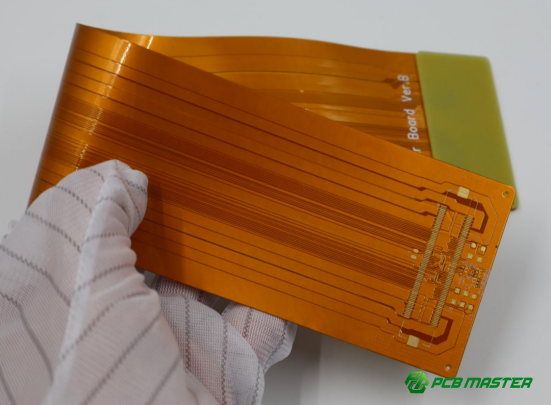
Flexible PCB (FPC) assemblies are transforming modern electronics by allowing circuits to bend, twist, or fold without breaking. These boards are thinner and more flexible than traditional rigid PCBs, making them ideal for compact devices like smartphones, wearables, medical sensors, and automotive systems. The ability to design circuits in tight, irregular spaces enables engineers to create smaller, lighter, and more durable products.
Flexible PCB assembly is the process of building these adaptable boards with precision, attaching components while maintaining mechanical flexibility and electrical performance. Multi-layer designs and high-density interconnects allow complex circuitry to fit into limited spaces, such as foldable phones or wearable health monitors. FPCs also withstand vibration, heat, and repeated bending, which is critical in automotive and industrial applications.
PCBMASTER is a trusted supplier with extensive experience in designing and manufacturing high-quality flexible PCB assemblies. By combining advanced production techniques, quality control, and custom design support, PCBMASTER helps companies unlock the full potential of flexible electronics. This article explores the real-world applications, benefits, and practical examples of flexible PCB assemblies, showing how they solve modern technology challenges and drive innovation.
What Are Flexible PCB Assembly Applications in Modern Technology?
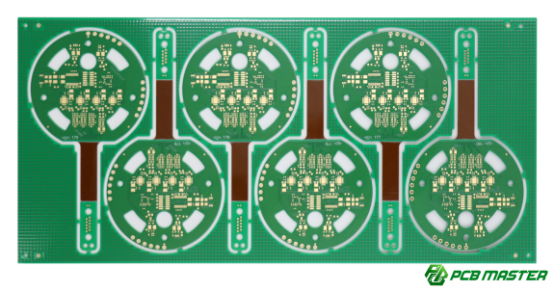
Answer: Flexible PCB assembly refers to the design and production of circuit boards that can bend, fold, or twist without breaking, enabling advanced electronic designs in compact spaces. They are widely used in modern technology across consumer electronics, automotive systems, medical devices, and industrial IoT.
Explain flexible PCB assembly: definition, key features, and types
Flexible PCB assembly (FPC assembly) involves connecting electronic components onto a flexible substrate instead of a rigid board. Key features include:
- Flexibility: Can bend, fold, or twist to fit unusual shapes.
- Lightweight: Reduces device weight, critical for portable electronics.
- Durability: Resists vibration and mechanical stress better than rigid boards.
- Thin profile: Ideal for compact devices where space is limited.
Types of flexible PCB assemblies:
- Single-layer flexible PCBs: One conductive layer, simple circuits.
- Double-layer flexible PCBs: Two conductive layers, used for moderate complexity.
- Multi-layer flexible PCBs: Three or more layers, high-density circuits for advanced applications.
- Rigid-Flex PCBs: Combines rigid sections and flexible areas for hybrid designs.
Example: A wearable fitness tracker uses a single-layer flexible PCB to fit into a small, curved wristband.
Differences between rigid PCB and flexible PCB assemblies
The main differences between rigid PCBs and flexible PCBs are flexibility, space usage, and durability.
| Feature | Rigid PCB | Flexible PCB |
| Flexibility | None, stays flat | Can bend, fold, or twist |
| Thickness | 1–2 mm | 0.1–0.5 mm |
| Space Efficiency | Limited | Fits into compact, irregular spaces |
| Durability | Sensitive to vibration | Resistant to vibration and stress |
| Common Applications | Desktop computers, servers | Wearables, smartphones, medical devices |
Key point: Flexible PCBs allow electronics to occupy irregular spaces while reducing weight and improving durability.
Example: Foldable smartphones use flexible PCBs in the hinge to allow repeated bending without breaking.
Core applications categories: consumer electronics, automotive, medical devices, industrial IoT
Flexible PCB assemblies are used in industries that require compact, lightweight, and durable electronics.
- Consumer Electronics: Smartphones, tablets, laptops, smartwatches, and wearable devices. Flexible PCBs enable thinner, lighter devices with complex designs.
- Automotive: Electric vehicles, ADAS (Advanced Driver Assistance Systems), dashboards, sensors, and lighting systems. Flexible PCBs handle vibration, heat, and tight spaces.
- Medical Devices: Wearable monitors, portable diagnostic tools, implantable devices. Flexibility allows miniaturization and patient comfort.
- Industrial IoT: Robotics, sensors, factory automation equipment. Flexible PCBs withstand mechanical stress while connecting multiple components in tight spaces.
Example: A robotic arm uses multi-layer flexible PCBs in joints to transmit signals without restricting movement.
How Does Flexible PCB Assembly Enhance Consumer Electronics?
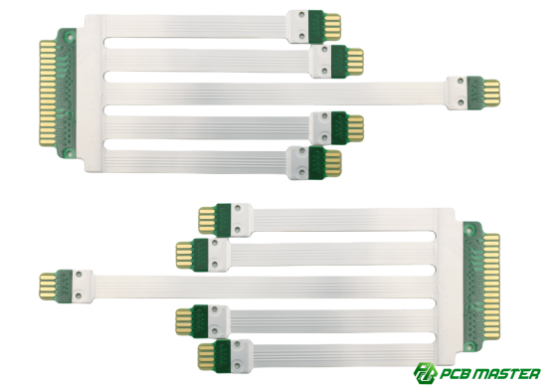
Flexible PCB (FPC) assembly improves consumer electronics by enabling smaller, lighter, and more durable devices. It supports wearable designs, increases device reliability, and allows advanced high-density circuits in compact spaces.
Compact and Lightweight Designs for Wearables
Flexible PCB assemblies allow electronic devices to be smaller, lighter, and ergonomically designed for wearables.
Flexible PCBs are thin and bendable, which makes them ideal for devices worn on the body, such as smartwatches, fitness trackers, and hearing aids. By replacing rigid boards, FPCs allow circuit layouts to follow the shape of the device, saving space and reducing weight. This leads to devices that are comfortable, unobtrusive, and practical for daily use.
Example: A smartwatch uses a multi-layer flexible PCB that curves around the wrist, fitting both sensors and batteries into a slim profile. Without flexible PCBs, these compact designs would be impossible.
Improved Reliability in Mobile Devices
Flexible PCBs enhance the durability and reliability of smartphones, tablets, and other portable devices.
FPCs can withstand bending, vibration, and mechanical stress better than rigid boards. In mobile devices, circuits experience constant movement, drops, and pressure. Flexible PCBs reduce the risk of broken connections and ensure consistent performance over time.
Case Study: Modern foldable smartphones use flexible PCBs in the hinge and screen connections. These circuits bend thousands of times without losing connectivity, demonstrating superior bending resistance and vibration tolerance compared to traditional rigid PCBs.
High-Density Interconnects for Advanced Electronics
Flexible PCB assembly enables more complex circuits to fit into smaller, irregular spaces.
Flexible PCBs support high-density interconnects (HDI) , meaning more circuits, signals, and components can be packed into a limited area. This allows advanced electronics like foldable phones and smart glasses to function without increasing size. Flexible boards can also fold or stack layers, giving designers more freedom for innovative layouts.
Example: Smart glasses use multi-layer flexible PCBs to connect tiny sensors, processors, and displays in a small frame. Without FPC technology, the devices would be bulky and uncomfortable.
Why Are Flexible PCB Assemblies Crucial in Automotive Technology?
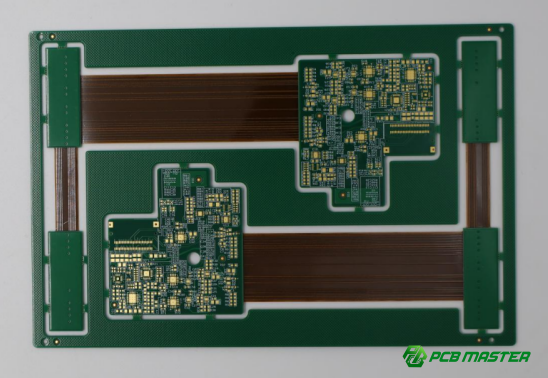
Flexible PCB assemblies are essential in modern automotive technology because they provide durability, space-saving design, and the ability to integrate complex electronics for safety, comfort, and performance. They are widely used in driver-assistance systems, harsh environments, and in-vehicle entertainment.
Supporting Advanced Driver-Assistance Systems (ADAS)
Flexible PCBs are key components in automotive ADAS , enabling sensors, cameras, and control modules to function reliably in compact spaces.
FPCs connect cameras, radar, LIDAR sensors, and control units throughout the vehicle. They allow circuits to bend and route through tight spaces without adding bulk, which is critical for safety and performance.
Step-by-Step Integration of FPC into a Vehicle Sensor Network:
- Sensor Placement: Install cameras, radar, or LIDAR at critical points (front bumper, windshield, side mirrors).
- Flexible PCB Routing: Use FPCs to connect each sensor to the central control module. The flexible circuits can bend around chassis components.
- Signal Transmission: Ensure high-speed signals travel with minimal interference along FPC traces.
- System Integration: Connect all sensors and control modules into the ADAS ECU (Electronic Control Unit).
- Testing and Validation: Test under vibration and temperature cycles to ensure reliability.
Example: Tesla and BMW use flexible PCBs in ADAS cameras for real-time lane-keeping and collision detection.
Enhancing Reliability in Harsh Environments
Flexible PCBs are more resilient than rigid boards, making them ideal for extreme automotive environments such as engines and batteries.
Flexible PCBs resist vibration, thermal stress, and mechanical shock. This makes them suitable for engine compartments and battery management systems, where temperatures fluctuate and components move constantly.
Example: In an electric vehicle, a flexible PCB in the battery management system connects multiple battery cells. It bends slightly with thermal expansion and resists vibration, preventing circuit failure.
Simplifying Design of In-Vehicle Entertainment Systems
Flexible PCBs enable more compact, lightweight, and versatile designs in dashboards, displays, and in-car lighting systems.
FPCs can route around tight spaces, reducing the number of connectors and simplifying assembly. They also reduce weight and allow designers to create curved or irregularly shaped displays and control panels.
Example: A modern infotainment system uses multi-layer flexible PCBs to connect the touchscreen display, LED indicators, and audio system in a small dashboard area. The FPC allows smoother installation and fewer connection points than rigid PCBs.
Benefits:
- Space-saving in compact dashboards.
- Reduced vehicle weight improves fuel efficiency.
- Flexibility supports innovative design of curved displays and panels.
How Are Flexible PCB Assemblies Used in Medical and Healthcare Devices?
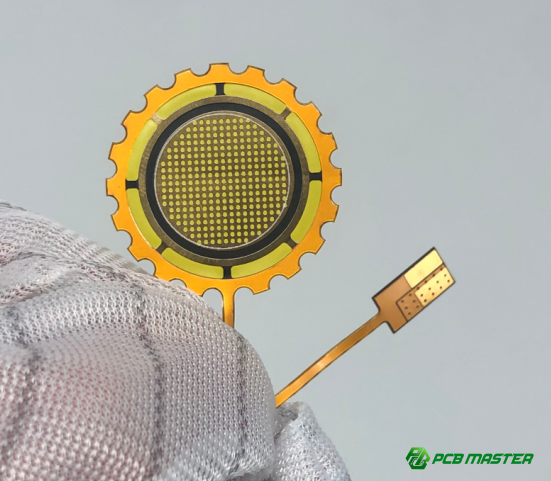
Flexible PCB assemblies are widely used in medical devices because they allow compact, reliable, and wearable electronics. They improve patient comfort, enable miniaturized equipment, and support connected healthcare solutions for monitoring and diagnostics.
Wearable Health Monitors
Flexible PCBs enable wearable health monitors to be compact, comfortable, and accurate for real-time data collection.
Flexible PCBs are thin, lightweight, and bendable, making them ideal for devices worn on the body. Examples include ECG monitors, insulin pumps, and fitness trackers. These devices must closely follow the body’s shape to maintain comfort while continuously collecting accurate data.
Benefits:
- Comfort: The flexible design fits the body without causing irritation.
- Flexibility: Circuits can bend or twist with movement.
- Accurate Data Acquisition: Stable connections reduce measurement errors, critical for health monitoring.
Example: A wearable ECG monitor uses a flexible PCB to house sensors and microcontrollers along the chest curve, allowing continuous heart rate monitoring without restricting movement.
Compact and Sterilizable Medical Equipment
Flexible PCB assemblies enable smaller, portable, and sterilizable medical devices.
FPCs can reduce device size because the circuits can bend and stack layers in limited space. This is essential for devices that must be sterilized or portable, such as diagnostic sensors or endoscopic instruments. The thin, flexible material also withstands sterilization processes like autoclaving or chemical cleaning.
Example: A portable endoscope uses a multi-layer flexible PCB to connect the camera, LED lighting, and sensors in a narrow, bendable tube, making it both portable and easy to sterilize between patients.
Integration with IoT and Remote Monitoring
Flexible PCBs support connected healthcare by enabling devices to collect, transmit, and monitor patient data remotely.
Step-by-Step Integration in IoT Healthcare:
- Signal Acquisition: Sensors on flexible PCBs capture patient vitals, such as heart rate or glucose levels.
- Wireless Transmission: FPCs connect microcontrollers and communication modules to send data to a cloud platform.
- Remote Monitoring: Doctors or caregivers access real-time patient information for timely interventions.
Example: A connected insulin pump uses a flexible PCB to collect glucose readings, transmit them via Bluetooth, and update a mobile app for patient and doctor monitoring.
What Advantages Do Flexible PCB Assemblies Offer Over Traditional PCBs?
Flexible PCB assemblies offer key advantages over traditional rigid PCBs, including improved space efficiency, mechanical durability, and lower assembly complexity. These benefits make FPCs ideal for modern electronics in industries like consumer devices, automotive, and medical equipment.
Space Efficiency and Design Flexibility
Flexible PCBs maximize space and allow creative, compact designs that rigid PCBs cannot achieve.
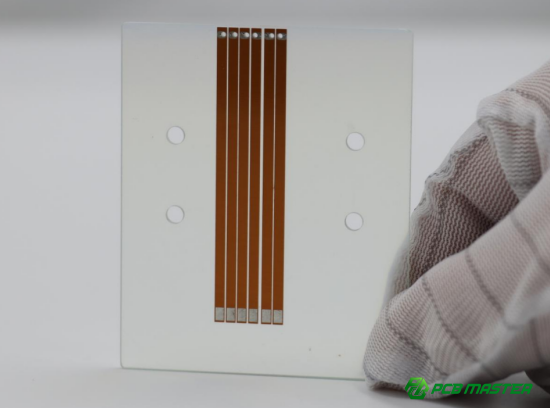
Flexible PCBs can be folded, bent, or stacked in multi-layered designs, making them perfect for devices with limited space. This allows designers to create smaller, lighter, and more ergonomic electronics. PCBMASTER works with clients to produce custom FPC layouts that optimize every millimeter of available space, ensuring high performance in compact designs.
Example: In wearable devices, multi-layer flexible PCBs fold within a small wristband, accommodating sensors, battery, and processing units in a tiny area.
Durability and Mechanical Flexibility
Flexible PCBs are more durable and mechanically flexible than rigid PCBs, ensuring long-term reliability.
FPCs undergo stress testing and bending cycles to guarantee they can bend, twist, or vibrate without breaking. This makes them ideal for applications where movement or mechanical stress occurs. Compared to rigid PCBs, FPCs last longer under mechanical strain.
Example: Foldable smartphones rely on flexible PCBs in hinges that bend thousands of times without failure.
Cost and Manufacturing Considerations
Flexible PCBs reduce assembly complexity and allow scalable production, offering cost advantages in many applications.
Because flexible PCBs can fold and route signals without multiple connectors, they reduce assembly time and the number of components required, lowering production costs. PCBMASTER provides scalable manufacturing, producing both prototypes and high-volume flexible PCBs efficiently, ensuring consistent quality at lower costs.
Example: In automotive sensors, flexible PCBs replace multiple rigid boards and connectors, streamlining production and improving reliability while saving costs.
Comparison Table of Flexible vs Rigid PCB Advantages
| Advantage | Rigid PCB | Flexible PCB | Benefit of FPC |
| Space Efficiency | Limited | High, foldable | Enables compact, ergonomic designs |
| Design Flexibility | None | Excellent | Supports multi-layer and curved layouts |
| Mechanical Durability | Low | High | Resistant to bending, vibration, stress |
| Assembly Complexity | Higher | Lower | Fewer connectors, simpler production |
| Cost Efficiency | Moderate | Better in complex designs | Reduces material and labor costs |
Conclusion
Flexible PCB assemblies play a vital role in modern technology by enabling compact, lightweight, and durable electronic designs across industries like consumer electronics, automotive, medical devices, and industrial IoT. They allow complex circuits to fit into small spaces, withstand mechanical stress, and support advanced applications such as wearable devices, foldable smartphones, ADAS systems, and connected healthcare solutions.
At PCBMASTER , we specialize in delivering high-quality, reliable flexible PCB solutions tailored to your design needs. Our expertise ensures custom layouts, multi-layer designs, and scalable production that maximize space efficiency, mechanical durability, and overall performance.
Whether you need prototypes or high-volume production, PCBMASTER provides flexible PCB assemblies that meet the demanding requirements of modern technology. Explore our services today to create innovative, reliable, and high-performance electronic products with confidence.
FAQs
What is the difference between flexible and rigid PCB assemblies?
Flexible PCBs (FPCs) are thin, bendable circuit boards that can twist, fold, or curve to fit compact or irregular spaces. Rigid PCBs are stiff and cannot bend, making them suitable for flat, fixed designs. FPCs offer space efficiency, mechanical flexibility, and durability under vibration, whereas rigid PCBs are simpler and often less costly for standard layouts.
Can flexible PCBs withstand extreme temperatures or bending?
Yes. Flexible PCBs are designed to resist repeated bending, twisting, and vibration without breaking. Many FPCs also tolerate a wide range of temperatures, making them suitable for automotive engines, battery systems, and industrial electronics where heat and mechanical stress are common.
Which industries are adopting flexible PCB assemblies the fastest?
Flexible PCB assemblies are growing rapidly in consumer electronics (smartphones, wearables), automotive (ADAS, infotainment), medical devices (wearables, diagnostic tools), and industrial IoT (sensors, robotics). These industries value compact, durable, and high-performance electronics that FPCs provide.
How does PCBMASTER support custom flexible PCB designs?
PCBMASTER offers custom design services to optimize space, layer count, and circuit routing for flexible PCBs. Our team collaborates with clients to create prototypes, multi-layer FPCs, and scalable production runs, ensuring high reliability, durability, and performance for specialized applications.
Are flexible PCBs more expensive than traditional PCBs?
Flexible PCBs can be more costly in material and production compared to standard rigid PCBs. However, their ability to reduce assembly complexity, save space, and improve durability often lowers overall device costs. For high-performance or compact applications, FPCs are a cost-effective solution.
About the Author

Carol Luo
PCB Design EngineerI'm Carol, a PCB Engineer at PCBMASTER with experience in PCB design and manufacturing engineering since 2018. I focus on translating engineering requirements into reliable PCB solutions, with expertise in stack-up design, material selection, and design-for-manufacturing (DFM). I share practical engineering insights from real-world PCB design and production experience.
Visit Carol Luo's Profile