







ENIG vs. Electroplated Gold vs. ENEPIG vs. Flash Gold: Differences, Applications, and Selection Guide
Gold-based PCB surface finishes may look similar at first glance, but their performance, reliability, and manufacturing costs can vary significantly. Choosing the wrong finish can lead to issues such as poor solderability, premature wear, bonding failures, or unnecessary production expenses.
Among the most commonly used options, ENIG, Electroplated Gold, ENEPIG, and Flash Gold each serve different purposes. While all involve a gold layer, the underlying process, layer structure, and intended applications are far from the same. As electronic products continue to demand higher reliability, finer pitches, and more advanced packaging technologies, understanding these differences becomes increasingly important.
The following sections compare these four PCB surface finishes from the perspectives of process structure, performance characteristics, application scenarios, and selection criteria, helping engineers and buyers identify the most suitable option for their specific requirements.
What Are ENIG, Electroplated Gold, ENEPIG, and Flash Gold PCB Surface Finishes?
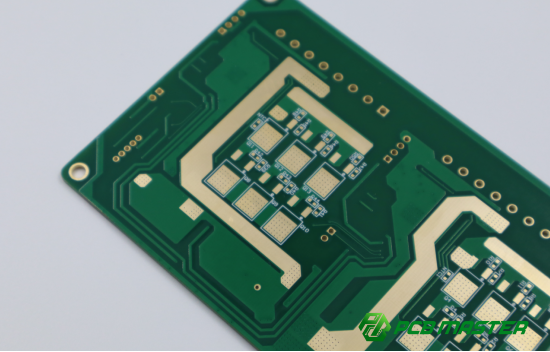
Although all four processes use gold on the PCB surface, they differ in how the metal layers are deposited, how thick the gold layer is, and what applications they are designed for. Understanding these differences is important when selecting the right PCB surface finish for soldering, wire bonding, connectors, or high-reliability electronics.
ENIG (Electroless Nickel Immersion Gold): Process and Layer Structure
ENIG is one of the most widely used PCB surface finishes. The process first deposits a layer of electroless nickel onto the exposed copper, followed by a very thin immersion gold layer. The nickel acts as the main barrier and solderable surface, while the gold protects the nickel from oxidation during storage and assembly.
Structure:
- Copper
- Electroless Nickel (Ni)
- Immersion Gold (Au)
A key advantage of ENIG is its extremely flat surface. This makes it ideal for BGA pads, fine-pitch components, and high-density PCB designs where solder joint consistency is critical.
For example, most smartphone motherboards and advanced consumer electronics use ENIG because it provides excellent solderability and reliable SMT assembly. The gold layer is typically very thin, so its primary function is protection rather than wear resistance or wire bonding.
Electroplated Gold: Process and Layer Structure
Electroplated Gold uses an electrical current to deposit nickel and gold onto the PCB surface. Unlike ENIG, the gold thickness can be precisely controlled and can be much thicker when required.
Structure:
- Copper
- Electroplated Nickel (Ni)
- Electroplated Gold (Au)
One major benefit of electroplated gold is flexibility. Manufacturers can adjust the gold thickness based on application requirements, ranging from thin decorative coatings to thick, highly durable surfaces.
There are two common types:
Hard Gold
- Contains small amounts of cobalt or nickel
- High wear resistance
- Suitable for repeated insertion and removal
Soft Gold
- Nearly pure gold
- Excellent wire bonding performance
- Common in COB (Chip on Board) applications
A typical example is the gold fingers on memory modules and graphics cards, where hard gold provides long-term durability and stable electrical contact.
ENEPIG (Electroless Nickel Electroless Palladium Immersion Gold): Process and Layer Structure
ENEPIG is often considered an upgraded version of ENIG. It adds a palladium layer between the nickel and gold layers, creating an additional barrier that improves reliability and bonding performance.
Structure:
- Copper
- Nickel (Ni)
- Palladium (Pd)
- Gold (Au)
The palladium layer plays a critical role. It prevents nickel from migrating to the surface and reduces the risk of corrosion-related defects. As a result, ENEPIG offers better long-term reliability than standard ENIG.
Another advantage is wire bonding compatibility. ENEPIG supports gold wire, copper wire, and silver wire bonding, making it popular in advanced semiconductor packaging.
For example, many IC substrate manufacturers use ENEPIG for processor and memory packages where ultra-fine bonding and high reliability are required. Because of its added process steps and material costs, ENEPIG is generally more expensive than ENIG.
Flash Gold: Definition and Common Types
Flash Gold usually refers to a very thin gold coating applied over a nickel layer. The purpose is mainly to protect the surface from oxidation rather than provide durability or long-term solderability.
Typical Structure:
- Copper
- Nickel (Ni)
- Thin Gold Layer (Au)
The most common meaning of Flash Gold is electroplated thin gold , where the gold thickness is usually less than 0.1 μm. Because the coating is extremely thin, it is lower in cost than standard electroplated gold but offers limited protection during long storage periods.
In some regions, manufacturers may also use the term "Flash Gold" to describe thick ENIG , where the immersion gold layer is slightly thicker than normal. Technically, however, this is still ENIG rather than true electroplated Flash Gold.
Because naming conventions vary between PCB suppliers, buyers should always confirm the actual process, nickel thickness, and gold thickness rather than relying only on the term "Flash Gold." This helps avoid misunderstandings when comparing PCB surface finish specifications.
What Are the Structural and Process Differences Between ENIG, Electroplated Gold, ENEPIG, and Flash Gold?
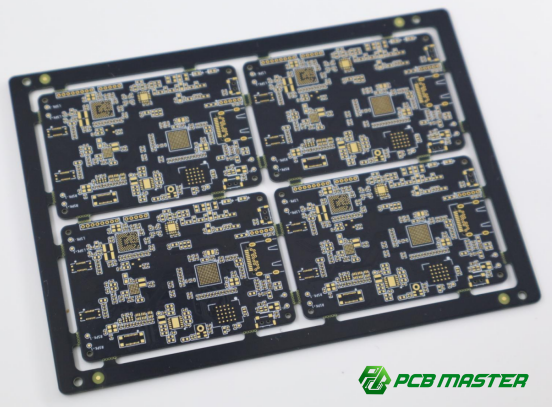
The main differences are the metal layers used, gold thickness, deposition method, and manufacturing cost. These factors directly affect solderability, bonding performance, durability, and overall PCB reliability.
Metal Layer Structure Comparison
The metal layer structure is one of the biggest differences between PCB gold surface finishes. Each finish uses a different combination of nickel, palladium, and gold to achieve specific performance goals.
| Surface Finish | Layer Structure |
| ENIG | Ni + Au |
| Electroplated Gold | Ni + Au (Electroplated) |
| ENEPIG | Ni + Pd + Au |
| Flash Gold | Ni + Thin Au |
ENIG (Electroless Nickel Immersion Gold) uses a nickel layer covered by a thin immersion gold layer. The nickel provides most of the mechanical strength and soldering surface, while the gold protects the nickel from oxidation.
Electroplated Gold also uses nickel and gold, but both layers are deposited through electroplating. This allows much thicker gold deposits when needed.
ENEPIG (Electroless Nickel Electroless Palladium Immersion Gold) adds a palladium layer between nickel and gold. This extra layer improves corrosion resistance and wire bonding performance.
Flash Gold typically consists of nickel covered by an extremely thin gold layer. It is mainly used for temporary protection and basic conductivity rather than high-performance applications.
Gold Thickness Differences
Gold thickness is one of the most important factors when comparing PCB surface finishes because it affects durability, solderability, and cost.
ENIG Gold Thickness
The immersion gold layer in ENIG is usually very thin, typically around 0.05–0.10 μm . Its main purpose is to protect the nickel layer during storage and assembly rather than provide wear resistance.
Electroplated Gold Thickness
Electroplated gold offers the widest thickness range. Depending on the application, the gold layer may range from 0.25 μm to several micrometers . This flexibility makes it suitable for connectors, gold fingers, and wire bonding applications.
ENEPIG Gold Characteristics
The gold layer in ENEPIG is generally similar in thickness to ENIG. However, because the palladium layer protects the nickel underneath, the gold does not need to be thick to achieve high reliability.
Flash Gold Characteristics
Flash Gold usually contains less than 0.1 μm of gold. The coating is extremely thin and primarily serves as a temporary anti-oxidation layer. It is not designed for repeated soldering cycles or long-term storage.
For example, a graphics card connector may use thick electroplated hard gold, while a smartphone motherboard typically uses thin ENIG.
Deposition Method Differences
The way the metal layers are deposited is another major difference between these PCB surface finish technologies.
Chemical Deposition
ENIG and ENEPIG rely mainly on chemical reactions rather than electricity.
The process deposits nickel, palladium (for ENEPIG), and gold evenly across the PCB surface. Because no electrical current is required, the coating thickness remains highly uniform, even on complex PCB designs.
This uniformity is one reason why ENIG and ENEPIG are widely used for BGA pads and fine-pitch components.
Electroplating Deposition
Electroplated Gold and most Flash Gold processes use electrical current to deposit metal onto selected areas of the PCB.
Electroplating provides precise thickness control and allows manufacturers to create thicker, more durable gold coatings. However, the process often requires additional tooling and conductive pathways during manufacturing.
Impact on Production
Chemical deposition is generally better for achieving flat, uniform surfaces.
Electroplating is better when thick gold layers, wear resistance, or selective plating are required.
As a result, PCB manufacturers choose the deposition method based on the intended application rather than simply selecting the lowest-cost option.
Cost and Manufacturing Complexity Comparison
The cost of a PCB gold finish depends on material consumption, process steps, equipment requirements, and production yield.
ENIG Cost Level
ENIG is considered a mid-range PCB surface finish. It offers a good balance between cost, solderability, and reliability, which is why it is commonly used in consumer electronics.
Electroplated Gold Cost Level
Electroplated Gold is usually more expensive than ENIG because it requires electroplating equipment and often uses significantly more gold.
Costs increase further when thick hard gold or soft gold wire-bonding surfaces are required.
ENEPIG Cost Level
ENEPIG is generally the most expensive option among these four finishes.
The additional palladium layer increases both material and process costs. However, many semiconductor and automotive manufacturers accept the higher price because of its superior reliability and bonding performance.
Flash Gold Cost Level
Flash Gold is usually less expensive than standard electroplated gold because the gold layer is extremely thin.
It is often selected for low-cost products, test boards, conductive keypads, and applications where long-term durability is not critical.
Comparison Table: ENIG vs Electroplated Gold vs ENEPIG vs Flash Gold
| Feature | ENIG | Electroplated Gold | ENEPIG | Flash Gold |
| Layer Structure | Ni + Au | Ni + Au | Ni + Pd + Au | Ni + Thin Au |
| Deposition Method | Chemical | Electroplating | Chemical | Usually Electroplating |
| Gold Thickness | Thin | Thin to Very Thick | Thin | Very Thin |
| Surface Flatness | Excellent | Good | Excellent | Good |
| Wear Resistance | Low | High | Low | Low |
| Solderability | Excellent | Good | Excellent | Limited |
| Wire Bonding | Limited | Excellent (Soft Gold) | Excellent | Poor |
| Corrosion Resistance | Good | Good | Excellent | Moderate |
| Manufacturing Cost | Medium | Medium to High | High | Low |
| Typical Applications | BGA, SMT PCB | Gold Fingers, Connectors | IC Substrates, Advanced Packaging | Keypads, Test Boards |
This comparison shows that no single PCB surface finish is best for every application. ENIG is often preferred for soldering, Electroplated Gold for wear resistance, ENEPIG for advanced packaging, and Flash Gold for cost-sensitive projects.
What Are the Performance Differences Between ENIG, Electroplated Gold, ENEPIG, and Flash Gold?
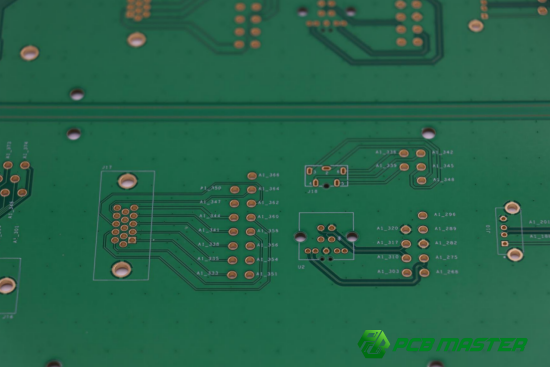
These PCB surface finishes differ mainly in solderability, surface flatness, wear resistance, wire bonding capability, and long-term reliability. Each finish is optimized for a different type of electronic application.
Solderability Performance Comparison
ENIG and ENEPIG provide the best solderability, while Flash Gold is the weakest.
SMT Soldering Compatibility
ENIG and ENEPIG are widely used in SMT (Surface Mount Technology) because their surfaces are very flat and stable. This helps solder paste spread evenly during reflow soldering, especially for BGA and fine-pitch components.
Electroplated Gold is less commonly used for SMT because thick gold layers can interfere with solder wetting. Flash Gold is not ideal for SMT because the thin gold layer can degrade quickly during processing.
Multi-Reflow Solder Reliability
ENIG and ENEPIG can typically withstand multiple reflow cycles without major performance loss. This makes them suitable for smartphone motherboards and complex multi-layer assemblies.
Electroplated Gold may suffer from “gold embrittlement” if the gold layer is too thick. Flash Gold may oxidize or degrade after repeated heating cycles.
Solder Joint Quality
ENIG produces smooth and reliable solder joints due to its flat surface. ENEPIG improves this further by reducing nickel-related defects. Electroplated Gold can create brittle joints if not controlled properly, while Flash Gold may lead to inconsistent bonding.
Surface Flatness Comparison
ENIG and ENEPIG offer the highest flatness, making them ideal for fine-pitch and BGA designs.
BGA Pad Suitability
ENIG and ENEPIG are commonly used for BGA (Ball Grid Array) pads because they provide a perfectly flat surface. This ensures uniform solder ball contact and reduces voiding risks.
Fine-Pitch Component Compatibility
For ultra-small components (0.4 mm pitch or below), ENIG and ENEPIG are preferred. Electroplated Gold can introduce slight surface unevenness depending on plating control.
High-Density PCB Performance
High-density PCBs used in smartphones, IoT devices, and wearable electronics require very smooth surfaces. ENIG and ENEPIG perform best in these scenarios, while Flash Gold is generally not suitable.
Wear Resistance and Contact Performance
Electroplated hard gold has the best wear resistance, while ENIG and Flash Gold are weaker.
Hard Gold Wear Advantage
Electroplated hard gold contains alloy elements like cobalt or nickel, which significantly improve durability. This makes it ideal for gold fingers in memory modules and edge connectors.
Contact Resistance Performance
All gold finishes have low electrical resistance, but thick electroplated gold maintains stable contact over long-term use. ENIG and ENEPIG have good but less durable surface contact layers.
High-Frequency Plug-In/Out Environments
For applications with repeated insertion cycles (e.g., SIM cards, PCIe slots), electroplated hard gold performs best. ENIG and Flash Gold may wear out faster under mechanical friction.
Wire Bonding Performance Comparison
ENEPIG provides the most stable bonding performance across multiple wire types.
Gold Wire Bonding
ENEPIG and electroplated soft gold both support reliable gold wire bonding. ENIG is less stable due to nickel diffusion risks under the thin gold layer.
Copper Wire Bonding
ENEPIG is especially strong for copper wire bonding because the palladium layer blocks nickel migration, preventing bond degradation.
Silver Wire Bonding
ENEPIG also supports silver wire bonding in advanced semiconductor packaging. This makes it widely used in IC substrates and high-end chip packaging.
For example, many mobile processor packages use ENEPIG because it supports multiple bonding materials in one platform.
Reliability and Failure Risk Comparison
ENEPIG has the highest reliability, while Flash Gold has the highest risk of degradation.
ENIG Black Pad Risk
ENIG can suffer from “black pad” issues, where nickel corrosion leads to brittle solder joints. This risk increases in poorly controlled manufacturing environments.
Electroplated Gold Embrittlement Risk
If the gold layer is too thick, electroplated gold can cause “gold embrittlement,” weakening solder joints over time. This is especially important in high-reliability electronics.
ENEPIG Corrosion Resistance Advantage
ENEPIG significantly reduces corrosion risks because the palladium layer blocks nickel diffusion. This improves long-term stability in automotive and industrial environments.
Flash Gold Oxidation Risk
Flash Gold has a very thin protective layer, so it can oxidize or degrade during storage. This makes it unsuitable for long-term or high-reliability applications.
Performance Comparison Table
| Performance Factor | ENIG | Electroplated Gold | ENEPIG | Flash Gold |
| Solderability | High | Medium | Very High | Low |
| SMT Compatibility | Excellent | Medium | Excellent | Poor |
| Reflow Reliability | High | Medium | High | Low |
| Surface Flatness | Excellent | Good | Excellent | Good |
| Wear Resistance | Low | Very High | Low | Low |
| Wire Bonding | Limited | Good | Excellent | Poor |
| Corrosion Resistance | Good | Good | Very High | Medium |
| Failure Risk | Black pad risk | Embrittlement risk | Low | Oxidation risk |
This performance comparison shows a clear trade-off: ENIG and ENEPIG focus on soldering and reliability, Electroplated Gold focuses on durability and mechanical wear, while Flash Gold is mainly a low-cost, temporary surface protection solution.
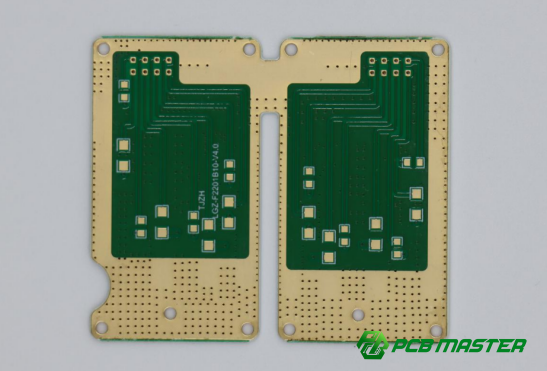
Which PCB Surface Finish Should Be Used for Different Applications?
The choice depends on the main requirement of the product—soldering quality, wear resistance, wire bonding, or long-term reliability. Each PCB surface finish is optimized for a specific application scenario.
Why Is ENIG Preferred for BGA and High-Density PCBs?
ENIG is preferred because it provides excellent surface flatness and reliable soldering performance for fine-pitch components.
Surface Flatness Requirement
ENIG (Electroless Nickel Immersion Gold) creates an extremely flat PCB surface. This is critical for BGA (Ball Grid Array) and fine-pitch ICs, where even small unevenness can cause soldering defects.
For example, in smartphone motherboards, BGA chips require uniform solder ball contact. ENIG ensures consistent pad height, reducing the risk of open circuits or voids.
Soldering Reliability Requirement
ENIG provides stable solder wetting during SMT reflow processes. It supports multiple reflow cycles, making it suitable for complex multi-layer PCB assembly.
Because of its stable nickel barrier and thin gold protection layer, ENIG is widely used in consumer electronics, IoT devices, and computing boards where solder reliability is critical.
Why Must Gold Fingers and Connectors Use Electroplated Hard Gold?
Electroplated hard gold is required because it provides strong wear resistance and stable electrical contact under repeated insertion.
Insertion and Wear Resistance Requirement
Gold fingers in memory modules, GPUs, and edge connectors undergo thousands of plug-in cycles. Electroplated hard gold contains alloy elements that significantly increase hardness and reduce surface wear.
For example, PCIe slots on graphics cards rely on hard gold plating to maintain durability over long-term mechanical use.
Electrical Contact Stability Requirement
Electroplated gold ensures low and stable contact resistance even after repeated friction. This is important for reliable signal transmission in high-speed digital interfaces.
If ENIG were used instead, the thin gold layer would wear out quickly, leading to unstable connections.
Why Are COB and Wire Bonding Applications Using Soft Gold or ENEPIG?
Because wire bonding requires strong adhesion and long-term bonding stability, which ENEPIG and soft gold can provide.
Bonding Strength Requirement
COB (Chip on Board) technology often uses gold wire or copper wire bonding directly on the PCB. Soft electroplated gold provides a clean surface for strong wire adhesion.
ENEPIG further improves bonding stability because the palladium layer prevents nickel contamination, which can weaken bond strength.
Long-Term Reliability Requirement
In devices like remote controls, calculators, and LED modules, long-term bonding reliability is essential.
ENEPIG is widely used in these cases because it supports multiple wire types (gold, copper, silver) and maintains stable bonding over time, even under thermal stress.
Why Is ENEPIG Widely Used in High-End Packaging Substrates?
ENEPIG is used because it eliminates black pad risk and supports ultra-fine wire bonding in advanced semiconductor packaging.
Black Pad Prevention Requirement
ENIG can suffer from “black pad” defects caused by nickel corrosion. ENEPIG solves this by adding a palladium barrier layer, which blocks nickel oxidation.
This makes ENEPIG highly reliable in automotive electronics and server-grade chips where failure is not acceptable.
Ultra-Fine Pitch Bonding Requirement
Modern IC packaging requires extremely fine bonding spacing. ENEPIG supports copper, gold, and silver wire bonding, making it ideal for high-density chip substrates such as smartphone processors and memory chips.
For example, advanced mobile SoC packages often rely on ENEPIG to ensure stable interconnects at microscopic scale.
Where Is Flash Gold Suitable for PCB Applications?
Flash Gold is suitable only for low-cost, temporary, or low-reliability applications.
Conductive Keypads
Flash Gold is commonly used in conductive rubber keypads and simple electronic switches. It provides basic conductivity at low cost but is not designed for long-term durability.
Carbon Ink Boards
In carbon-based PCB designs, Flash Gold can be used as a temporary conductive layer to improve initial contact performance.
Temporary Test Boards
Flash Gold is often used in prototype PCBs or testing boards where long-term reliability is not required. For example, engineering validation boards may use Flash Gold to reduce manufacturing cost during early design stages.
However, because the gold layer is extremely thin, it is not suitable for long storage or repeated soldering processes.
Summary of Application Selection Logic
- ENIG → Best for BGA, SMT, high-density soldering
- Electroplated Hard Gold → Best for connectors and wear environments
- Soft Gold / ENEPIG → Best for wire bonding and chip packaging
- ENEPIG → Best for high-reliability and advanced semiconductor substrates
- Flash Gold → Best for low-cost, temporary, or simple conductive applications
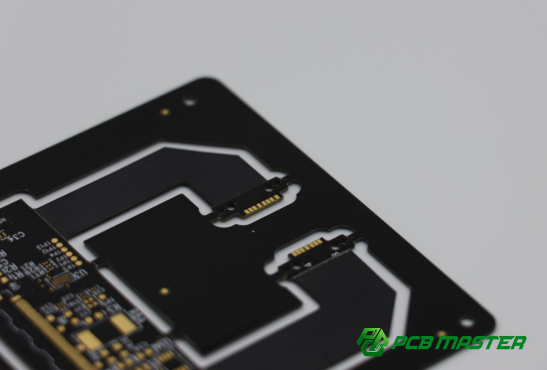
How to Quickly Choose Between ENIG, Electroplated Gold, ENEPIG, and Flash Gold PCB Finishes?
Fast PCB surface finish selection depends on the main function of the product—soldering, wear resistance, wire bonding, reliability, or cost control. Each requirement directly maps to one or two optimal finishes.
How to Choose Based on Soldering Requirements?
For most soldering-focused PCB designs, ENIG is the safest and most cost-balanced choice.
Prioritize ENIG for Soldering Performance
ENIG (Electroless Nickel Immersion Gold) is the standard PCB surface finish for SMT soldering. It provides a flat surface and stable solder wetting, which is critical for BGA, QFN, and fine-pitch components.
For example, smartphone motherboards and IoT control boards almost always use ENIG because it ensures consistent solder joint formation during reflow soldering.
Balance Cost and Reliability
ENIG offers a good balance between manufacturing cost and long-term reliability. It is cheaper than ENEPIG but more stable than Flash Gold in real production environments.
For most consumer electronics PCB surface finish selection, ENIG is the default “safe choice” unless special bonding or wear requirements exist.
How to Choose Based on Wear Resistance Requirements?
Electroplated hard gold is the only reliable choice for high wear and repeated insertion environments.
Prioritize Electroplated Hard Gold
Electroplated hard gold is designed for mechanical durability. It contains alloy elements that make the surface harder and more resistant to scratching and wear.
This makes it the best choice for PCB gold fingers, memory module edges, and high-cycle connectors.
Suitable for Connectors and Card Slots
Applications such as SIM card holders, PCIe slots, and USB edge connectors rely on electroplated hard gold to maintain stable contact after thousands of insertions.
If ENIG were used instead, the thin gold layer would wear off quickly, leading to contact failure.
How to Choose Based on Wire Bonding Requirements?
Use electroplated soft gold for basic bonding and ENEPIG for high-reliability and multi-material bonding.
Electroplated Soft Gold Solution
Soft gold is ideal for traditional gold wire bonding in COB (Chip on Board) applications. It provides a clean surface for bonding wires to attach securely.
For example, simple devices like calculators, LED modules, and remote controls often use soft gold bonding for cost-effective assembly.
ENEPIG Solution for Advanced Bonding
ENEPIG (Nickel-Palladium-Gold) is preferred in high-end semiconductor packaging. The palladium layer prevents nickel contamination, improving bond strength and stability.
It supports gold, copper, and silver wire bonding, making it widely used in IC substrates and advanced chip packaging.
How to Choose for High-Reliability Applications?
ENEPIG is the preferred choice for automotive, industrial, and advanced semiconductor applications.
Automotive Electronics
Automotive PCBs require long-term stability under heat, vibration, and humidity. ENEPIG reduces failure risks such as corrosion and black pad defects, making it ideal for engine control units and ADAS systems.
Industrial Control Systems
Industrial PCBs must operate continuously in harsh environments. ENEPIG provides strong corrosion resistance and stable electrical performance over long service life.
High-End Packaging Substrates
Advanced chip packaging, such as smartphone processors and server CPUs, relies on ENEPIG for ultra-fine pitch bonding and high interconnect reliability.
For example, modern mobile SoC packages commonly use ENEPIG to ensure stable long-term electrical performance.
How to Choose Based on Cost Control Requirements?
Flash Gold is used only when cost is the main priority and performance requirements are low.
Suitable Conditions for Flash Gold
Flash Gold is suitable for low-cost PCB designs, such as conductive keypads, simple test boards, and prototype validation circuits.
It provides basic surface protection and conductivity at a very low material cost.
Limitations and Risks
Because the gold layer is extremely thin, Flash Gold has poor long-term stability. It may oxidize or degrade during storage, and it is not suitable for repeated soldering or high-reliability applications.
For example, engineering prototype boards may use Flash Gold during early development, but final production typically switches to ENIG or ENEPIG for reliability.
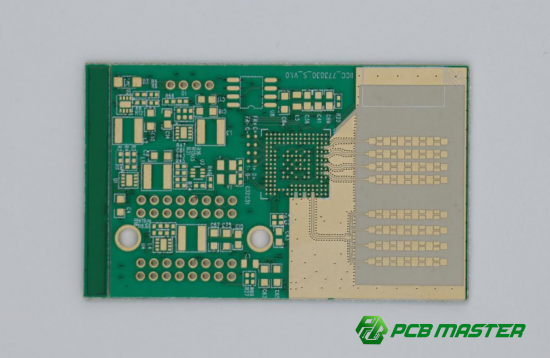
What Are the Core Differences Between ENIG, Electroplated Gold, ENEPIG, and Flash Gold?
The core differences lie in how they are manufactured, how they perform in real applications, and what problems they are designed to solve in PCB surface finishing.
Summary of Process Principle Differences
These four PCB surface finishes differ mainly in whether they use chemical deposition or electroplating, and whether additional barrier layers are included.
ENIG (Electroless Nickel Immersion Gold) uses a chemical process where nickel is deposited first, followed by a thin immersion gold layer. No electrical current is needed, which makes the coating very uniform.
Electroplated Gold uses an electrical current to deposit both nickel and gold layers. This allows precise control of gold thickness, including very thick coatings for durability.
ENEPIG adds an extra palladium layer between nickel and gold. This chemical multilayer structure improves stability and prevents nickel-related defects.
Flash Gold usually refers to very thin electroplated gold or simplified gold coating. It focuses on low cost and basic protection rather than high performance.
Summary of Performance Advantage Differences
Each finish is optimized for a different performance priority: soldering, wear resistance, bonding, or reliability.
ENIG offers excellent solderability and flatness, making it ideal for SMT and BGA assembly. However, it has limited wear resistance.
Electroplated Gold provides the best wear resistance and is widely used in connectors and gold fingers where mechanical durability is critical.
ENEPIG delivers the highest overall reliability. It supports multiple wire bonding types and prevents defects like nickel corrosion, making it suitable for automotive and semiconductor packaging.
Flash Gold has the lowest performance level but is sufficient for temporary or low-cost applications such as test boards and simple conductive pads.
Summary of Typical Application Differences
Each PCB surface finish is matched to a specific industrial application based on its strengths.
ENIG is mainly used in consumer electronics such as smartphones, laptops, and IoT devices where SMT soldering and fine-pitch assembly are required.
Electroplated Gold is commonly used in high-wear environments like memory card connectors, edge connectors, and plug-in interfaces.
ENEPIG is widely used in high-end semiconductor packaging, automotive electronics, and advanced IC substrates that require high reliability and multi-wire bonding.
Flash Gold is used in low-cost products such as conductive keypads, prototype PCBs, and temporary testing boards where long-term durability is not required.
PCB Surface Finish Selection Decision Guide
Selection depends on four main factors: soldering, wear, bonding, and reliability requirements.
If the main requirement is soldering performance and SMT assembly , ENIG is the preferred PCB surface finish.
If the product requires frequent plugging and mechanical wear resistance , Electroplated Hard Gold is the best choice.
If the application involves wire bonding or semiconductor packaging , ENEPIG is recommended for its stability and compatibility with multiple wire types.
If the priority is cost reduction and temporary use , Flash Gold can be selected, but only for low-reliability environments.
This decision flow helps engineers quickly match PCB surface finish selection to real production needs without over-designing or under-specifying.
Comparison Table of ENIG vs Electroplated Gold vs ENEPIG vs Flash Gold
| Category | ENIG | Electroplated Gold | ENEPIG | Flash Gold |
| Process Type | Chemical deposition | Electroplating | Chemical multilayer | Thin electroplating |
| Layer Structure | Ni + Au | Ni + Au | Ni + Pd + Au | Ni + Thin Au |
| Main Strength | Solderability | Wear resistance | High reliability | Low cost |
| Surface Flatness | Excellent | Good | Excellent | Good |
| Wire Bonding Ability | Limited | Good (soft gold) | Excellent | Poor |
| Wear Resistance | Low | Very high | Low–Medium | Very low |
| Reliability Level | Medium | Medium–High | Very high | Low |
| Typical Use Case | SMT PCB, BGA | Connectors, gold fingers | IC packaging, automotive | Test boards, keypads |
This comparison clearly shows that PCB surface finish selection is not about which one is “best,” but about matching the right process to the correct application scenario.
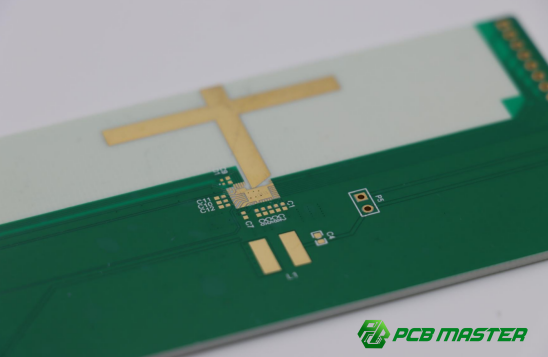
Conclusion
Choosing between ENIG, Electroplated Gold, ENEPIG, and Flash Gold is ultimately about matching the right surface finish to the right engineering requirement. As seen throughout the comparison, each process is designed with a specific purpose—whether it is soldering reliability, mechanical durability, wire bonding capability, high-end packaging performance, or cost efficiency.
Because PCB surface finish directly affects assembly yield and long-term product stability, even small selection mistakes can lead to serious issues such as poor solder joints, wear failure, or bonding instability. Therefore, engineers and buyers should always evaluate application conditions carefully before finalizing the process.
In practical manufacturing, working with an experienced PCB partner is equally important. PCBMASTER, as a professional PCB and PCBA manufacturer , has extensive expertise in all major surface finish technologies, including ENIG, ENEPIG, electroplated gold, and flash gold processes. With mature process control and strict quality standards, PCBMASTER is able to deliver stable, high-quality surface treatment solutions tailored to different application needs—from consumer electronics to high-reliability industrial and semiconductor products.
With the right material selection and a reliable manufacturing partner, achieving both performance and cost balance becomes significantly easier in modern PCB design and production.
FAQs
How to Quickly Distinguish ENIG and Electroplated Gold by Appearance?
They may look similar, but thickness, color tone, and application location help differentiate them.
ENIG (Electroless Nickel Immersion Gold) usually has a very uniform, light gold or slightly matte finish because the gold layer is extremely thin. It is typically applied across the entire PCB surface, especially on solder pads.
Electroplated Gold often appears brighter, deeper in color, and sometimes slightly more reflective because the gold layer is thicker. It is also usually applied selectively, such as on gold fingers or connector areas rather than the whole board.
A simple real-world check is usage location: if it is on BGA pads, it is most likely ENIG; if it is on edge connectors or plug-in fingers, it is usually electroplated gold.
Can ENEPIG Fully Replace ENIG?
No, ENEPIG cannot fully replace ENIG because they are optimized for different requirements.
ENEPIG offers higher reliability and better wire bonding capability due to its palladium layer, making it ideal for semiconductor packaging and high-end applications.
However, ENIG is more cost-effective and already provides excellent solderability for most SMT applications. In consumer electronics like smartphones and laptops, ENIG remains the standard choice.
Therefore, ENEPIG is a “high-end upgrade,” not a full replacement for ENIG.
Why Must Gold Fingers Use Electroplated Hard Gold Instead of ENIG?
Because gold fingers require high wear resistance, which ENIG cannot provide.
Gold fingers on memory cards, GPUs, and connectors are inserted and removed thousands of times. Electroplated hard gold contains alloy elements (such as cobalt or nickel) that significantly increase hardness and durability.
ENIG has a very thin gold layer designed only for soldering protection, not mechanical friction. It would wear off quickly under repeated plugging cycles, leading to poor electrical contact or failure.
Therefore, electroplated hard gold is the only reliable option for connector durability.
Can Flash Gold Be Used for Long-Term Storage and Multiple Reflow Cycles?
No, Flash Gold is not suitable for long-term storage or repeated soldering.
Flash Gold has an extremely thin gold layer (usually <0.1 μm), which provides only temporary surface protection against oxidation.
During long storage, the surface may oxidize or degrade, reducing solderability. During multiple reflow cycles, the thin gold layer can break down or become inconsistent, leading to unstable solder joints.
It is mainly used for prototypes, test boards, or low-cost temporary applications rather than final production products.
What Risks Can Occur If the Wrong PCB Surface Finish Is Selected?
Wrong selection can cause solder failure, poor reliability, mechanical wear issues, or product field failure.
If ENIG is used instead of electroplated gold in connectors, the surface will wear out quickly. If electroplated gold is used for SMT soldering, it may cause brittle solder joints.
If ENEPIG is not used where wire bonding is required, bond failure or weak adhesion may occur. If Flash Gold is used in high-reliability products, oxidation and poor solderability can lead to early failure.
In real production, such mistakes often result in low yield, high rework costs, and long-term reliability risks, especially in automotive, industrial, and consumer electronics manufacturing.
About the Author

Carol Luo
PCB Design EngineerI'm Carol, a PCB Engineer at PCBMASTER with experience in PCB design and manufacturing engineering since 2018. I focus on translating engineering requirements into reliable PCB solutions, with expertise in stack-up design, material selection, and design-for-manufacturing (DFM). I share practical engineering insights from real-world PCB design and production experience.
Visit Carol Luo's Profile