








What Is a 94V-0 PCB? UL Flame Retardant Standard Explained
In modern electronics manufacturing, safety and reliability are not optional—they are fundamental requirements. As devices become smaller, faster, and more power-dense, the materials used in printed circuit boards must meet increasingly strict safety standards to prevent thermal and fire-related risks.
One of the most widely referenced standards in PCB production is the 94V-0 rating , commonly seen on board markings and material specifications. However, many engineers and buyers encounter this term without a clear understanding of what it actually represents or how it is verified in practice.
To clarify this, we will break down the concept of a 94V-0 PCB in a structured way. First, we will explain what the rating means and how it is defined. Then, we will look at how the UL 94 vertical burn test works and why it is critical for safety classification. After that, we will explore why this rating matters in real-world applications, how to identify compliant boards, and where these materials are typically used.
By the end, you will have a clear and practical understanding of what “94V-0 PCB” really means in the context of PCB manufacturing and product safety.
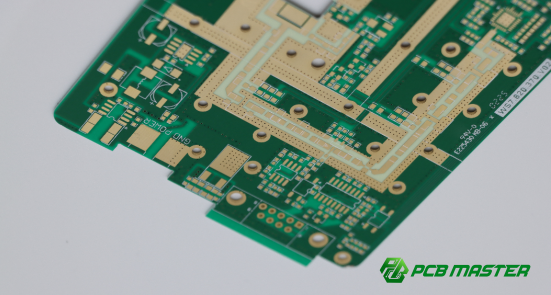
What Is a 94V-0 PCB?
A 94V-0 PCB is a printed circuit board made from materials that meet the UL 94V-0 flame retardant standard.
In simple terms, it means the PCB base material has passed a strict fire safety test defined by UL (Underwriters Laboratories) . The “V-0” level indicates the highest common vertical burn resistance class for plastics used in electronics.
A typical example is a FR-4 , which is the most common PCB material in electronics manufacturing. Most FR-4 laminates used in consumer electronics, industrial control boards, and communication devices are designed to meet 94V-0 requirements.
For example, if a power supply board overheats due to a short circuit, a 94V-0 PCB is designed to self-extinguish quickly instead of continuing to burn and spreading fire.
What Does the 94V-0 Rating Mean?
The 94V-0 rating means the material has passed UL’s vertical flame test and meets strict self-extinguishing safety requirements.
The “94” refers to the UL 94 flammability standard for plastics. The “V” stands for vertical burning test, where the material is tested in an upright position. The “0” is the highest performance level in this category.
To achieve V-0 classification, the material must:
- Stop burning within 10 seconds after the flame is removed
- Not drip burning particles that can ignite cotton underneath
- Have very limited total burning time during repeated tests
For example, during testing, a flame is applied to a small sample of PCB material. If it keeps burning for too long or drips fire, it fails. Only materials that quickly self-extinguish pass as V-0.
In PCB manufacturing, this rating ensures that the board material will not easily contribute to fire propagation under electrical failure conditions.
Why 94V-0 Matters in PCB Manufacturing
94V-0 matters because it ensures PCB materials meet essential fire safety requirements in electronic products.
Modern electronic devices often operate under high temperature, high current, or compact layouts. If a component fails, heat can build up quickly. Without flame-retardant materials, the PCB could become a fire source.
A 94V-0 rated PCB reduces this risk by using materials that self-extinguish. This is especially important in devices such as:
- Power supplies
- Industrial controllers
- Telecom equipment
- Automotive electronics
For example, in a server power module, a short circuit could cause localized burning. A 94V-0 PCB helps prevent the flame from spreading to other components, improving overall system safety.
In addition, many international safety certifications (such as UL, CE, and IEC-based requirements) expect PCB materials to meet 94V-0 standards. This makes it not only a safety choice but also a compliance requirement for global product shipping.
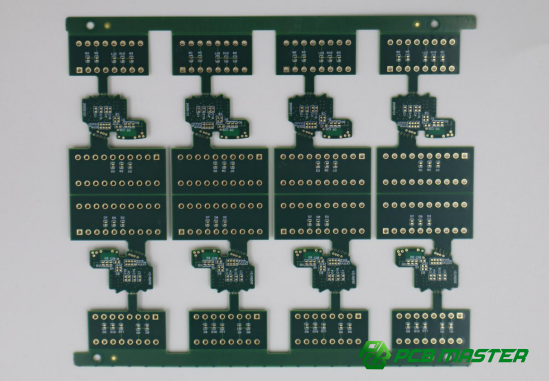
How Does the UL 94V-0 Test Work?
The UL 94V-0 test works by exposing a vertical PCB material sample to a controlled flame and measuring how quickly it self-extinguishes, whether it drips burning particles, and how long it continues to burn after the flame is removed.
Overview of the UL 94 Standard
The UL 94 standard is a global flammability testing system used to evaluate how easily plastic materials burn and how they stop burning.
UL 94 is created by UL Solutions, and it is widely used in electronics, appliances, and industrial products. It does not measure electrical performance or strength. Instead, it focuses only on fire behavior of materials .
The standard includes several ratings such as HB, V-2, V-1, and V-0. Among them, UL 94V-0 (94V-0 PCB rating) is the strictest common level used in PCB materials.
For example, when PCB laminates like FR-4 are tested, they are classified based on how quickly they stop burning after being exposed to flame. This helps engineers choose safe materials for electronic circuit boards used in power systems, telecom devices, and automotive electronics.
Vertical Burn Test Procedure
The vertical burn test is a controlled laboratory method used to measure how a PCB material behaves when exposed to an open flame in an upright position.
In this test, a small sample of PCB material (usually FR-4 laminate) is placed vertically. A flame is applied to the bottom of the sample for a fixed time, then removed.
The test is repeated multiple times to check consistency. Engineers observe:
- How long the material continues to burn after the flame is removed
- Whether burning droplets fall from the sample
- Whether the fire spreads upward
For example, if a PCB material is tested and it continues burning for 20–30 seconds after flame removal, it fails the UL 94V-0 requirement. Only materials that quickly stop burning pass the test.
This process simulates real-world situations such as electrical short circuits or overheating in PCB assemblies.
Requirements for a V-0 Rating
To achieve a V-0 rating, a material must self-extinguish very quickly and must not produce dangerous flaming drips during testing.
The key UL 94V-0 requirements include:
- Each flame exposure must stop burning within 10 seconds
- Total burning time of multiple tests must be very limited (typically under 50 seconds total)
- No flaming droplets are allowed to ignite cotton placed below the sample
- The material must not continue flame propagation upward
For example, in a PCB material test, if molten material drips and ignites cotton, the sample immediately fails—even if it stops burning quickly.
In PCB manufacturing, this is critical because real electronic failures often involve heat concentration in small areas. A 94V-0 rated PCB material (such as FR-4 laminate) ensures that even under fault conditions, the board will not significantly contribute to fire spread.
This is why V-0 is considered the safest and most commonly required flame retardant rating in PCB production for industrial and commercial electronics.
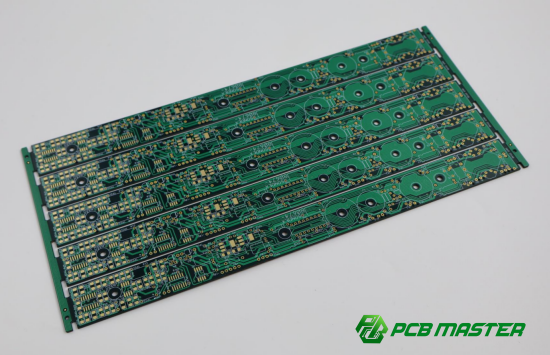
Why Are 94V-0 PCBs Important?
94V-0 PCBs are important because they use flame-retardant materials that self-extinguish quickly, reducing fire risk in electronic devices while helping products meet global safety and regulatory compliance requirements.
Fire Safety in Electronic Products
94V-0 PCBs are important because they reduce fire risk by using flame-retardant materials that self-extinguish when exposed to heat or electrical faults.
In electronic devices, heat can build up due to short circuits, overload, or component failure. If the PCB material is not flame-retardant, the fire can spread quickly across the board and damage the entire system.
A 94V-0 rated PCB (UL 94V-0 flame retardant PCB material) is designed to stop burning within seconds after the ignition source is removed. This helps prevent fire propagation inside compact electronic assemblies.
For example, in a power adapter or charging module, a component failure may create a hot spot. A 94V-0 PCB reduces the chance that the flame spreads to nearby components, improving overall product safety.
Regulatory and Compliance Requirements
94V-0 PCBs are important because they help electronic products meet international safety and certification standards required for global markets.
Many regulatory systems and safety certifications reference UL flammability standards, especially UL 94V-0 material requirements for PCB laminates such as FR-4 . Products that do not meet these standards may fail compliance testing.
For example:
- Consumer electronics sold in the US often require UL-recognized materials
- Industrial equipment must meet fire safety standards for certification
- Automotive and telecom devices follow strict internal safety specifications
In practice, PCB manufacturers use 94V-0 compliant materials to ensure products pass certification processes such as UL listing or IEC-based safety approvals. Without this, products may not be legally sold in certain markets.
Benefits of Using 94V-0 Rated Materials
Using 94V-0 rated PCB materials improves product safety, reliability, and market acceptance in electronic manufacturing.
The most important benefit is improved fire safety performance , especially in high-density or high-power electronic designs. The material helps prevent flame spread during abnormal operating conditions.
Another key benefit is higher product reliability under stress conditions . Even when components fail, the PCB material is less likely to contribute to system-wide damage.
For example, in industrial control boards operating 24/7, a 94V-0 PCB material reduces the risk of cascading failure if overheating occurs.
Additional benefits include:
- Easier approval during product certification
- Higher customer trust in safety-critical applications
- Wider acceptance in global supply chains
In short, 94V-0 PCB materials are widely used because they combine safety performance with compliance advantages, making them a standard choice in modern electronics manufacturing.
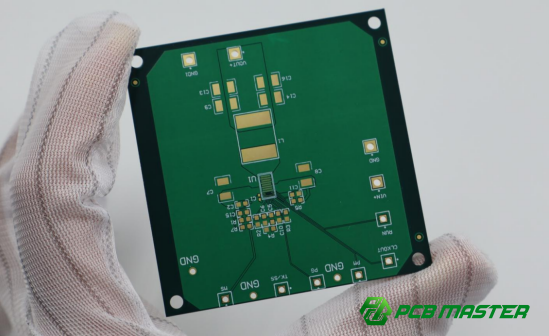
How Can You Identify a 94V-0 PCB?
A 94V-0 PCB can be identified by checking its surface markings for “94V-0” or “UL94V-0” and verifying its UL file number and manufacturer certification documents to confirm compliance with the UL 94V-0 flame retardant standard.
Common PCB Markings
A 94V-0 PCB can usually be identified by printed markings on the board surface that indicate its flame retardant rating and material type.
In most cases, manufacturers print “94V-0”, “V-0”, or “UL 94V-0” directly on the PCB solder mask layer. This marking shows that the PCB material is designed to meet the UL 94V-0 flame retardant standard.
For example, a typical PCB may show markings such as:
- “FR-4 94V-0”
- “UL94V-0”
- A combination of material code and safety rating
However, this marking alone does not guarantee certification. It only indicates that the material is intended to meet the standard, not that the entire finished PCB has been independently verified.
Understanding UL File Numbers
UL file numbers are unique identification codes that confirm whether a PCB material or manufacturer is officially recognized under UL certification.
A true UL 94V-0 compliant PCB material (such as FR-4 laminate) is often linked to a UL file number like “E123456”. This number is issued by UL Solutions and can be used to trace:
- The material manufacturer
- The approved material specification
- The certified flame retardant rating
For example, if a PCB shows “94V-0” and also includes a UL file number, buyers can cross-check this number in the UL database to verify authenticity. This is especially important in industrial and automotive PCB sourcing, where compliance is strictly controlled.
How to Verify 94V-0 Compliance
You can verify 94V-0 compliance by checking PCB documentation, UL certification records, and supplier-provided material data sheets.
The most reliable verification method is to request a material certification report or UL certificate from the PCB manufacturer . This document should clearly state that the PCB laminate or material meets UL 94V-0 flame retardant requirements.
A simple verification process includes:
- Check PCB surface markings for “94V-0” or “UL94V-0”
- Request the material datasheet from the supplier
- Confirm the UL file number in official UL records
- Match the material specification with the actual PCB product
For example, in a procurement case, an engineer may receive a PCB labeled 94V-0 but still request UL documentation before approving mass production. This ensures the product meets UL 94V-0 PCB compliance requirements for safety and export certification .
In real manufacturing practice, this step is essential to avoid counterfeit or incorrectly labeled materials in the supply chain.
Where Are 94V-0 PCBs Used?
94V-0 PCBs are used in telecommunications, industrial, medical, automotive, and consumer electronics applications where fire safety, reliability, and compliance with UL 94V-0 flame retardant standards are required.
Telecommunications Equipment
94V-0 PCBs are widely used in telecommunications equipment because they provide stable fire resistance and high reliability in continuous operation systems.
Telecom systems such as routers, base stations, and optical transmission equipment generate heat during 24/7 operation. A 94V-0 rated PCB (UL 94V-0 flame retardant PCB material) helps prevent fire spread if a component fails or overheats.
For example, in a 5G base station power module, high current load can create thermal stress. Using a 94V-0 PCB ensures that any localized overheating does not lead to flame propagation inside the equipment cabinet.
Industrial Electronics
94V-0 PCBs are commonly used in industrial electronics because they improve safety and durability in harsh operating environments.
Industrial control systems, PLCs (programmable logic controllers), and motor drives often operate in high-temperature and high-load conditions. In these environments, flame retardant PCB materials such as FR-4 with 94V-0 rating are essential for safety compliance.
For example, in a factory automation controller, electrical faults may occur due to voltage spikes. A 94V-0 PCB reduces the risk of fire spreading to other control circuits, improving system stability and safety.
Medical Devices
94V-0 PCBs are used in medical devices to ensure high safety standards and compliance with strict regulatory requirements.
Medical equipment such as patient monitors, diagnostic devices, and imaging systems must operate with extremely high reliability. A UL 94V-0 compliant PCB helps reduce fire risk in critical healthcare environments.
For example, in an ICU monitoring system, continuous operation is required. If a PCB failure occurs, the flame-retardant properties of a 94V-0 PCB help prevent secondary damage and protect surrounding equipment.
Automotive Electronics
94V-0 PCBs are used in automotive electronics because vehicles require high safety standards under temperature, vibration, and electrical stress conditions.
Modern cars include many electronic systems such as engine control units (ECUs), battery management systems (BMS), and infotainment modules. These systems often use 94V-0 rated PCB materials to improve fire safety.
For example, in an electric vehicle battery control system, overheating risk is higher due to high power density. A 94V-0 PCB helps ensure that thermal failures do not escalate into fire propagation inside the vehicle.
Consumer Electronics
94V-0 PCBs are widely used in consumer electronics to ensure product safety and meet global certification requirements.
Devices such as smartphones, chargers, laptops, and home appliances rely on compact PCB designs that can generate heat during operation. Using UL 94V-0 flame retardant PCB materials helps reduce fire hazards.
For example, in a fast-charging adapter, high power conversion can cause internal heating. A 94V-0 PCB ensures that in case of failure, the material will self-extinguish quickly instead of sustaining combustion.
This makes 94V-0 PCBs a standard requirement in most mass-produced electronic products.
How Does 94V-0 Compare with Other UL 94 Ratings?
94V-0 is the highest common UL 94 flammability rating used for PCBs, offering faster self-extinguishing performance and no flaming drips compared with V-1 and V-2, making it the preferred standard for electronic safety applications.
V-0 vs. V-1 vs. V-2
UL 94 V-0, V-1, and V-2 are different flame retardant performance levels, with V-0 being the strictest and safest rating commonly used in PCB materials.
| UL 94 Rating | Self-Extinguishing Time | Flaming Drips Allowed | Fire Safety Level | Typical Use |
| V-0 (94V-0 PCB) | ≤ 10 seconds | Not allowed | Highest | PCBs, electronics, telecom |
| V-1 | ≤ 30 seconds | Not allowed | Medium | Some industrial plastics |
| V-2 | ≤ 30 seconds | Allowed | Lower | Non-critical components |
For example, a 94V-0 rated PCB (commonly FR-4 PCB material) will stop burning within 10 seconds and will not drip flaming particles, while V-2 materials may still drip burning droplets, increasing fire risk in electronic devices.
Why V-0 Is Preferred for PCBs
V-0 is preferred for PCBs because it provides the highest level of fire safety and meets most international electronic product compliance requirements.
In PCB manufacturing, electronic circuits can generate heat due to high current density, short circuits, or component failure. A UL 94V-0 flame retardant PCB material ensures that the board self-extinguishes quickly under fault conditions.
For example, in a power supply PCB, a sudden overload may cause localized burning. A V-0 rated PCB prevents the flame from spreading across the board, while lower ratings like V-1 or V-2 may allow longer burning or dripping, increasing the risk of system-wide damage.
In addition, most industries—including telecommunications, automotive electronics, and consumer electronics—specify 94V-0 PCB compliance because it aligns with global safety certification standards such as UL and IEC requirements. This makes V-0 the default choice for most professional PCB applications.
Conclusion
Understanding what a 94V-0 PCB is—and how the UL 94V-0 flame retardant standard works—helps you make more informed decisions when selecting materials for electronic design and manufacturing. As we have seen, this rating is not just a label on a PCB; it represents a critical safety requirement that ensures materials can self-extinguish quickly and reduce fire risks in real operating conditions.
From the testing process to material selection and industry applications, the 94V-0 standard plays a key role in improving product reliability, meeting global compliance requirements, and protecting electronic systems in demanding environments. Therefore, choosing the right flame retardant PCB material is an essential step in achieving both performance and safety goals.
In today’s competitive electronics industry, working with a reliable manufacturing partner is just as important as selecting the right material. To ensure consistent quality, compliance, and professional PCB solutions, many companies turn to experienced suppliers such as PCBMASTER , which provides high-standard PCB manufacturing services designed to meet strict industry requirements.
By combining the right knowledge with the right manufacturing support, you can ensure your PCB designs are both safe and production-ready for global applications.
FAQs
Is 94V-0 a PCB material or a flame retardant rating?
94V-0 is a flame retardant rating, not a PCB material. It is part of the UL 94 standard that defines how materials behave when exposed to fire. In PCB manufacturing, it indicates that the base material has passed strict vertical burn testing and can self-extinguish quickly.
Is FR-4 always rated 94V-0?
No, FR-4 is not automatically 94V-0 rated. FR-4 is a type of PCB base material (glass-reinforced epoxy laminate), while 94V-0 is a flammability performance rating. Many FR-4 materials are designed to meet 94V-0 requirements, but certification must be verified through supplier documentation or UL records.
Does a 94V-0 PCB prevent fires completely?
No, a 94V-0 PCB does not prevent fires completely. It means the material is flame-retardant and will self-extinguish within a short time after ignition is removed. However, under extreme electrical faults or external heat sources, fire can still occur—it only helps limit fire spread.
How can I verify a PCB's UL certification?
You can verify UL certification by checking PCB markings, UL file numbers, and official certification documents. The most reliable method is to request the UL certificate or material datasheet from the manufacturer and cross-check the UL file number in the UL Solutions database to confirm authenticity.
About the Author

Carol Luo
PCB Design EngineerI'm Carol, a PCB Engineer at PCBMASTER with experience in PCB design and manufacturing engineering since 2018. I focus on translating engineering requirements into reliable PCB solutions, with expertise in stack-up design, material selection, and design-for-manufacturing (DFM). I share practical engineering insights from real-world PCB design and production experience.
Visit Carol Luo's Profile