






What Do 7628, 2116, and 1080 Mean in PCB Manufacturing?
If you've ever reviewed a PCB stack-up, prepreg specification, or laminate datasheet, you've probably come across numbers such as 7628, 2116, and 1080. At first glance, these codes look like random product identifiers; however, they are actually some of the most widely used specifications in the PCB industry.
These model numbers play a critical role in material selection, manufacturing consistency, and board performance. As a result, engineers, PCB fabricators, and laminate suppliers rely on them as a common technical language throughout the supply chain. Yet many people know the codes without fully understanding what they represent or why they exist.
So, what do 7628, 2116, and 1080 really mean? More importantly, how were these designations created, and what differences do they indicate in terms of glass fabric construction and PCB applications? The answers reveal an important part of the material standards that support modern electronics manufacturing.
What Are 7628, 2116, and 1080? Basic Definition of Electronic Glass Fiber Fabric Grades
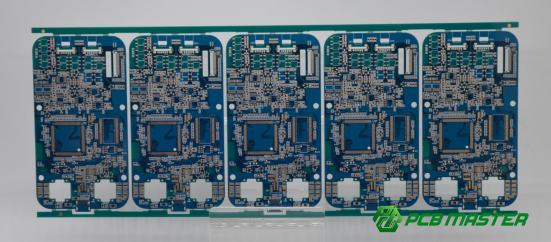
7628, 2116, and 1080 are standard model numbers used in the PCB industry to identify different types of electronic-grade glass fiber fabrics. These codes do not directly represent size or thickness. Instead, they are industry specification labels that describe the fabric’s structure, thickness range, and resin behavior in PCB manufacturing.
In simple terms, they are like “product grades” used across the global PCB supply chain. When engineers say “1080 prepreg,” everyone in the industry immediately understands the material performance level without needing detailed explanation.
What role does electronic glass fiber fabric play in PCB manufacturing?
It is the core reinforcement material used to build PCB layers and control mechanical strength and insulation.
Electronic glass fiber fabric is used as the base reinforcement layer in PCB laminates and prepregs. It is combined with resin to form the insulating layer between copper circuits.
Key roles include:
- Providing mechanical strength so the PCB does not break or warp
- Ensuring electrical insulation between conductive layers
- Controlling board thickness and stability
- Supporting multi-layer stacking in high-layer PCB designs
Simple example:
A smartphone motherboard may contain more than 10 layers. Without glass fiber fabric, these layers would not hold shape during heat pressing.
What category of material do 7628, 2116, and 1080 belong to?
They belong to electronic-grade woven glass fiber fabrics used in copper-clad laminates (CCL) and PCB prepregs.
These materials are:
- Made from ultra-fine glass yarns
- Woven into fabric structures (like textile cloth)
- Treated for high temperature resistance and insulation
- Designed specifically for electronics manufacturing
They are not general textiles. They are industrial functional materials used only in electronics.
Comparison example:
- Cotton fabric → clothing
- Glass fiber fabric → PCB structural insulation layer
Even though both are “woven,” their function and performance are completely different.
What is the relationship between these models and PCB prepreg (PP)?
These fabric models are the base material used to produce PCB prepreg (PP) , and they directly determine PP performance.
Prepreg (PP) is made by:
- Taking glass fiber fabric (e.g., 1080 or 2116)
- Impregnating it with resin
- Partially curing it into a semi-solid sheet
So the model number of the fabric directly becomes part of the PP specification.
Example:
- 1080 + resin → “1080 PP”
- 2116 + resin → “2116 PP”
Sometimes you will see labels like:
- 1080 RC 67%This means:
- 1080 glass fabric
- Resin content is 67%
Why it matters:
Different fabrics absorb different amounts of resin, which affects:
- PCB thickness
- Layer bonding strength
- Electrical stability at high frequency
Why have these model numbers become industry standards?
Because the PCB industry needs a unified global language to avoid confusion in material supply and manufacturing.
Before standardization, different factories used different naming methods for similar materials, which caused:
- Supply chain errors
- Inconsistent PCB quality
- Miscommunication between countries
To solve this, industry standards such as IPC specifications helped unify naming systems like 7628, 2116, and 1080.
Key reasons for standardization:
- Global communication efficiency
A PCB factory in China and a supplier in the US can use the same code and understand the exact material type.
- Stable mass production
Standard models ensure consistent thickness and performance in large-scale PCB manufacturing.
- Simplified engineering design
PCB designers can directly select “1080” or “2116” without recalculating material structure every time.
Real-world analogy:
It is similar to clothing sizes like S, M, L:
- You don’t need to describe every dimension
- Everyone already understands the standard meaning
How Did the Numeric Codes 7628, 2116, and 1080 Originate?
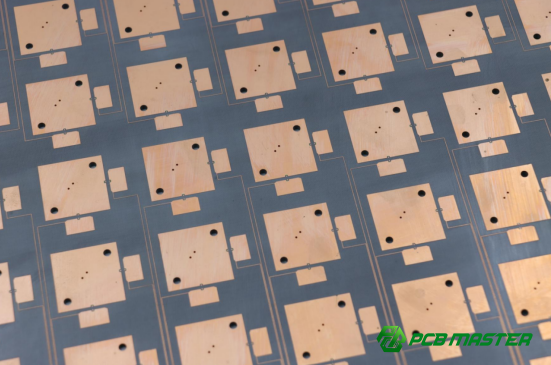
These numbers come from industry-standard classification systems for electronic glass fiber fabric used in PCB manufacturing . They were introduced to create a unified naming method for different fabric structures. Importantly, these codes are not physical measurements like thickness or size , but standardized identifiers defined through PCB industry specifications such as IPC-related material classification systems.
What is the background of the IPC-EG-140 standard?
IPC-EG-140 was developed to standardize electronic glass fabric specifications for PCB manufacturing.
IPC-EG-140 is an industry guideline created by the IPC (Institute for Printed Circuits) . Its purpose is to define and classify electronic-grade glass fiber fabrics used in copper-clad laminates and PCB prepregs.
Key goals of this standard:
- Create a unified naming system for glass fiber fabrics
- Standardize material performance descriptions across suppliers
- Reduce confusion in global PCB material sourcing
Simple example:
Before standardization, one factory might call a fabric “thin weave A,” while another calls it something completely different. IPC standards replaced this with unified codes like 1080 or 2116.
How did electronic glass fabric standardization evolve over time?
It evolved from inconsistent factory naming into a global standardized coding system for PCB materials.
The development process can be summarized in three stages:
Stage 1: Early industrial stage
- Each manufacturer used internal naming systems
- Same fabric type had different names in different countries
- High risk of supply chain miscommunication
Stage 2: Industry coordination stage
- PCB demand increased rapidly with electronics growth
- Need for cross-company compatibility became critical
- Early classification systems were introduced
Stage 3: Standardization stage (IPC system)
- IPC standards unified fabric grades
- Codes like 7628, 2116, 1080 became widely accepted
- Global PCB supply chain began using the same language
Real-world impact:
Modern smartphone and server PCB production relies on these unified standards to ensure material consistency across countries.
What is the relationship between model codes and product classification systems?
These numeric codes act as classification labels that group materials based on structure and performance.
In PCB material systems, each code (e.g., 7628, 2116, 1080) represents a specific category of glass fabric structure , not a measurable value.
Classification logic includes:
- Fiber yarn thickness
- Fabric weaving density
- Resin absorption behavior
- Final laminate performance
Example of classification logic:
- 7628 → heavy weave, high strength category
- 2116 → medium weave, balanced category
- 1080 → fine weave, high precision category
Simple analogy:
It is similar to car models:
- “SUV”, “Sedan”, “Hatchback” are categories
- They are not measurements, but grouped characteristics
Why don’t these numbers directly represent thickness or size?
Because the numbers are identifiers, not physical measurement values.
Although many people assume 7628 or 1080 refers to thickness, this is incorrect. The numbers were originally assigned as catalog or model identifiers , not measurement units.
Key reasons:
1. Multi-variable material structure
PCB glass fiber fabric performance depends on:
- Yarn density
- Weaving pattern
- Resin absorption
So a single number cannot represent all physical properties.
2. Industry coding system design
The codes were created for:
- Fast identification
- Standard cataloging
- Supply chain communication
Not for direct measurement interpretation.
3. Avoiding misleading assumptions
If numbers represented thickness directly, it would:
- Oversimplify material behavior
- Cause engineering errors in PCB design
Simple example:
1080 is not “1080 microns” or “1080 mm”—it is just a grade label , similar to product model numbers.
How do these model codes enable global unified communication in the industry?
They act as a shared technical language across the global PCB supply chain.
In PCB manufacturing, materials pass through multiple stages:
- Glass fiber manufacturer
- Prepreg (PP) producer
- Copper clad laminate (CCL) factory
- PCB fabricator
- Electronics brand
Without unified codes, communication would break down.
How the system works:
Step 1: Standard code definition
- 7628, 2116, 1080 define specific fabric types
Step 2: Supply chain usage
- Every factory uses the same code system
- Orders are placed using model numbers
Step 3: Engineering design alignment
- PCB designers select materials based on codes
- No need to redefine specifications each time
Real-world example:
A PCB engineer in China can specify “1080 prepreg,” and a supplier in Europe immediately knows:
- Fiber type
- Structural grade
- Expected performance range
Key benefit:
This system reduces misunderstanding and ensures consistent PCB quality across global production networks .
What are the differences between 7628, 2116, and 1080 electronic glass fiber fabrics? Full comparison of key parameters
7628, 2116, and 1080 are three common PCB electronic glass fiber fabric grades . Their differences mainly come from thickness, fabric density, resin absorption, and application scenarios. In PCB manufacturing, these differences directly affect lamination structure, board reliability, and HDI design capability .
What are the positioning differences of 7628, 2116, and 1080 in PCB?
They are used at different structural levels depending on PCB complexity and density.
Each model plays a different role in PCB stack-up design:
- 7628: Thick reinforcement fabric used for structural support in standard multilayer PCBs
- 2116: Medium specification used to balance strength and circuit density requirements
- 1080: Thin, high-precision fabric used in HDI and fine-line circuit boards
Simple interpretation:
- 7628 = “strong backbone layer”
- 2116 = “balanced middle layer”
- 1080 = “precision thin layer”
Real example:
A smartphone motherboard may combine 1080 and 2116 layers, while a power supply board may rely heavily on 7628.
How do 7628, 2116, and 1080 differ in thickness? (impact on PCB lamination structure)
Their thickness decreases from 7628 → 2116 → 1080, which directly affects PCB layer stacking efficiency.
7628 thickness characteristics (thickest, strongest structure support)
7628 is the thickest glass fabric grade. It provides strong mechanical support and is widely used in standard multilayer PCB structures where rigidity is important.
2116 thickness characteristics (medium thickness, balanced option)
2116 has moderate thickness. It is often used when designers need both stability and better circuit density control.
1080 thickness characteristics (thin, suitable for fine-line circuits)
1080 is a thin fabric designed for HDI boards and high-density routing. It allows tighter layer stacking.
Key insight: thinner fabric = higher lamination space efficiency and better HDI capability
How does unit weight differ among 7628, 2116, and 1080? (affects resin filling ability)
Higher gram weight means more resin space and stronger structural filling capacity.
7628 weight characteristics (high resin absorption space)
7628 has the highest unit weight, meaning it can absorb more resin and is suitable for thicker, stronger PCB structures.
2116 weight characteristics (balanced resin absorption)
2116 provides a balanced resin distribution, making it suitable for general multilayer PCB manufacturing.
1080 weight characteristics (low weight, high precision)
1080 has the lowest weight, supporting fine control in HDI and high-frequency PCB designs.
Key rule: lower weight → better suited for high-density PCB design
What are the differences in glass fiber structure and weaving method?
Finer weaving leads to smoother surfaces and better suitability for HDI applications.
7628 structure characteristics (coarse yarn, stability priority)
7628 uses thicker glass yarns and a looser weave, prioritizing mechanical strength and durability.
2116 structure characteristics (medium yarn density)
2116 has a medium weave density, balancing strength and surface smoothness.
1080 structure characteristics (fine yarn, high flatness)
1080 uses fine yarn and tighter control, resulting in a very smooth surface suitable for high-precision circuits.
Key insight: finer structure → smoother PCB surface → better HDI performance
How does resin absorption and filling behavior differ?
Thinner fabrics require more precise resin control during PCB lamination.
7628 resin absorption (high filling capacity, ideal for thick boards)
7628 can absorb more resin, making it suitable for thick and rigid PCB structures.
2116 resin absorption (balanced performance)
2116 provides stable and predictable resin distribution during lamination.
1080 resin absorption (precise control required)
1080 requires tighter manufacturing control because its thin structure reacts more sensitively to resin flow.
Key rule: thinner fabric → stricter resin control requirements
What are their application differences in PCB lamination structures?
Each model is used in different PCB types depending on density and performance requirements.
7628 applications (standard multilayer / power boards)
- Used in power supply boards
- Suitable for general consumer electronics
- Focus on strength and cost efficiency
2116 applications (mid-to-high-end multilayer PCBs)
- Used in communication equipment
- Suitable for balanced performance boards
- Common in industrial electronics
1080 applications (HDI / smartphones / high-speed boards)
- Used in smartphones and tablets
- Essential for HDI (High Density Interconnect) PCBs
- Suitable for high-frequency and high-speed circuits
What are the core differences between 7628, 2116, and 1080? (engineering selection summary)
The main differences lie in thickness, weight, precision, and application level.
| Parameter | 7628 | 2116 | 1080 |
| Thickness | Highest | Medium | Lowest |
| Gram weight | Highest | Medium | Lowest |
| Precision level | Low | Medium | High |
| PCB application | Power / standard boards | General multilayer | HDI / high-end boards |
Engineering takeaway:
- 7628 → structural strength priority
- 2116 → balanced performance
- 1080 → high-density and precision priority
Final insight: PCB complexity increases → fabric moves from 7628 → 2116 → 1080
Why are smaller electronic glass fabric model numbers usually thinner?
Smaller model numbers in PCB electronic glass fiber fabric (such as 106 or 1080) are generally associated with thinner materials. However, this is not a direct mathematical rule , but rather a result of how the PCB industry grouped material grades based on structure and weaving density. In simple terms, lower numbers often reflect finer yarns and tighter classification categories , which usually correspond to thinner fabric construction.
What are the common specification patterns in the industry?
The PCB glass fiber fabric numbering system follows historical classification, not direct measurement rules.
In PCB materials, model numbers like 7628, 2116, and 1080 are catalog identifiers , not thickness values. Over time, the industry formed a rough pattern:
- Smaller numbers (e.g., 106, 1080) → finer yarns, thinner fabrics
- Medium numbers (e.g., 2116) → balanced structure
- Larger numbers (e.g., 7628) → thicker and stronger fabrics
Simple explanation:
Think of it like clothing labels:
- “Thin fabric shirts” don’t use large size codes
- “Heavy jackets” are grouped separately
The same idea applies in PCB electronic glass fiber fabric classification.
What is the thickness trend of 106, 1078, 1080, 2116, and 7628?
From 106 to 7628, the overall trend is increasing thickness and structural strength.
These are common PCB electronic glass fabric grades used in multilayer PCB stack-ups.
Thickness trend (from thin to thick):
- 106: Ultra-thin fabric, used in very high-density interconnect (HDI) designs
- 1078: Thin fabric, slightly stronger than 106, still used in fine-line circuits
- 1080: Thin-to-medium fabric, widely used in HDI and smartphone PCBs
- 2116: Medium thickness, balanced performance for general multilayer PCBs
- 7628: Thick fabric, high mechanical strength for standard boards
Real-world example:
- Smartphone PCB → mostly 1080 / 106
- Laptop motherboard → mix of 2116 + 1080
- Power supply board → mainly 7628
Key trend: higher number → thicker structure → stronger mechanical support
Is there a relationship between model numbers and performance?
Yes, but it is indirect—numbers correlate with structure, not absolute performance values.
In PCB manufacturing, model numbers often reflect:
- Fiber yarn thickness
- Weaving density
- Resin absorption behavior
- Surface flatness
Typical performance relationship:
- Smaller numbers → finer structure → better for HDI and high-frequency circuits
- Larger numbers → stronger structure → better for mechanical stability
Example:
- 1080 glass fabric → smoother surface → better signal integrity in high-speed PCB
- 7628 glass fabric → stronger body → better for thick multilayer boards
Why don’t model numbers directly match actual thickness?
Because these numbers are classification codes, not measurement units.
The main reason is that PCB glass fabric performance depends on multiple factors, not just thickness.
Reason 1: Multi-variable structure design
Thickness is affected by:
- Yarn diameter
- Weave pattern
- Resin contentSo one number cannot represent all variables.
Reason 2: Historical naming system
These codes were originally:
- Internal industry identifiers
- Standardized later through IPC-related classifications
- Never designed as measurement values
Reason 3: Manufacturing variations
Even the same model (e.g., 1080) can have:
- Slight thickness differences by manufacturer
- Different resin content ratios
- Different weaving tolerances
Simple analogy:
It is like “car model names”:
- “Civic” or “Camry” does not describe exact size
- It only defines a general category
Final takeaway:
Model numbers like 106, 1080, 2116, and 7628 are classification labels , and thickness is only one part of their meaning—not a direct numerical match.
How does the PCB industry choose electronic glass fiber fabric grades like 7628, 2116, and 1080?
In PCB manufacturing, selecting 7628, 2116, or 1080 electronic glass fiber fabric depends on layer count, circuit density, board thickness requirements, and cost-performance balance . These materials are not interchangeable; each one serves a different role in the PCB stack-up structure. Correct selection directly affects signal integrity, mechanical strength, and manufacturability of PCB boards .
How to choose electronic glass fabric based on PCB layer count?
Higher layer PCBs require thinner fabrics, while lower layer boards use thicker fabrics.
PCB layer count is one of the most important selection factors:
- Low-layer PCBs (2–6 layers): commonly use 7628 for strong mechanical support
- Medium-layer PCBs (6–12 layers): often combine 2116 and 7628 for balance
- High-layer PCBs (12+ layers): prefer 1080 or mixed 1080 + 2116 for space efficiency
Simple explanation:
More layers mean less space per layer, so thinner fabrics like 1080 help reduce overall thickness while maintaining insulation.
Real example:
A server motherboard with 16 layers often uses 1080 + 2116 combinations to ensure compact stacking without warping.
How to choose electronic glass fabric based on circuit density?
Higher circuit density requires thinner and finer fabrics like 1080.
Circuit density refers to how tightly copper traces are arranged on a PCB.
- Low density circuits: 7628 is sufficient
- Medium density circuits: 2116 provides better balance
- High density circuits (HDI): 1080 is required
Key reason:
Thinner fabrics reduce surface roughness and improve fine-line etching accuracy , which is critical for HDI PCB design.
Example:
Smartphone PCBs use 1080 because they need extremely fine signal routing in very limited space.
How to choose electronic glass fabric based on board thickness requirements?
Thicker boards use 7628, while thinner and compact boards use 1080.
Board thickness depends on final product design:
- Thick boards: 7628 provides strong structural support
- Standard thickness boards: 2116 is commonly used
- Thin boards: 1080 helps reduce overall stack thickness
Simple explanation:
Think of PCB layers like building floors:
·7628 = thick concrete slabs
·1080 = thin lightweight panels
Practical case:
Industrial power boards often use 7628 to withstand heat and mechanical stress, while wearable devices use 1080 to reduce size.
How to balance cost and performance when selecting electronic glass fabric?
The goal is to match material cost with required electrical and mechanical performance.
PCB manufacturers choose materials based on product type and budget efficiency.
Consumer electronics
·Common choice: 2116 + 7628 mix
·Reason: Balanced cost and performance
·Example: TVs, laptops, home appliances
Server PCBs
·Common choice: 1080 + 2116 combinations
·Reason: High performance and signal integrity
·Example: data centers, cloud servers
Communication equipment PCBs
·Common choice: mostly 1080
·Reason: High-frequency signal stability and HDI design
·Example: 5G base stations, routers
Key takeaway:
·7628 = cost-effective and strong
·2116 = balanced general-purpose option
·1080 = high-performance HDI and high-frequency applications
Final insight: PCB material selection is always a trade-off between size, performance, and cost efficiency
What other common electronic glass fiber fabric grades exist besides 7628, 2116, and 1080?
Besides the widely used 7628, 2116, and 1080, the PCB industry also uses several other electronic glass fiber fabric grades such as 106, 1078, and 3313. These models belong to the same PCB electronic glass fabric classification system , but they are designed for different thickness levels, circuit densities, and application scenarios. Together, they form a complete material system for PCB laminate and prepreg (PP) manufacturing .
What are the characteristics and applications of 106 electronic glass fabric?
106 is an ultra-thin electronic glass fabric used for very high-density PCB designs.
106 fabric is one of the thinnest grades in PCB materials. It uses very fine glass yarn and a tight weave structure.
Key characteristics:
·Extremely thin structure for compact PCB stacking
·Very low thickness and weight
·High suitability for fine-line circuit routing
Main applications:
·HDI (High Density Interconnect) PCBs
·Smartphone and wearable devices
·Ultra-compact electronic modules
Simple example:
In a smartwatch PCB, 106 fabric helps reduce layer thickness while still maintaining electrical insulation.
What are the characteristics and applications of 1078 electronic glass fabric?
1078 is a thin-to-medium grade fabric used for high-precision but slightly stronger PCB structures than 106.
1078 sits between ultra-thin and medium-grade fabrics, offering a balance between flexibility and strength.
Key characteristics:
·Slightly thicker than 106
·Better mechanical stability than ultra-thin fabrics
·Suitable for controlled impedance designs
Main applications:
·High-speed communication PCBs
·Advanced consumer electronics
·Signal-sensitive circuit boards
Simple example:
A router PCB may use 1078 to ensure stable signal transmission without sacrificing board thickness control.
What are the characteristics and applications of 3313 electronic glass fabric?
3313 is a medium-heavy glass fabric used for structural balance and multilayer PCB stability.
3313 is less common than 7628 or 2116 but is still used in specific PCB stack-up designs where stability and resin balance are important.
Key characteristics:
·Medium-to-thick structure
·Good resin absorption balance
·Stable mechanical performance
Main applications:
·Industrial control boards
·Multilayer PCB core structures
·Power electronics modules
Simple example:
In industrial automation equipment, 3313 helps maintain structural integrity under long-term thermal stress.
How do 7628, 2116, 1080, 1078, and 106 compare in specification trends?
These models follow a general trend from thick and strong (7628) to ultra-thin and precise (106).
Trend order (from thick to thin):
·7628 → thickest, highest strength
·2116 → medium thickness, balanced performance
·3313 → medium-heavy structural fabric
·1078 → thin fabric for high-speed designs
·1080 → thin standard HDI fabric
·106 → ultra-thin, highest density applications
Key insight:
As the number decreases (or changes class), the fabric generally becomes:
·Thinner
·Finer in structure
·More suitable for HDI and high-frequency PCB
Real-world comparison:
·7628 = building foundation concrete
·2116 = structural wall
·106 = ultra-thin precision layer in high-end electronics
What is the classification table of common electronic glass fabric grades?
Electronic glass fabric grades are generally classified by thickness, density, and application level in PCB design.
PCB electronic glass fabric classification table:
| Model | Thickness Level | Structure Type | Main Use Case |
| 7628 | Thick | Coarse weave | Power / standard multilayer PCB |
| 3313 | Medium-heavy | Balanced weave | Industrial / multilayer stability |
| 2116 | Medium | Balanced structure | General multilayer PCB |
| 1078 | Thin | Fine weave | High-speed signal PCB |
| 1080 | Thin-medium | Fine weave | HDI / smartphones |
| 106 | Ultra-thin | Ultra-fine weave | Advanced HDI / compact devices |
Key takeaway:
·Thick grades → mechanical strength priority
·Thin grades → signal integrity and HDI priority
Final insight: PCB designers select fabric grades based on a trade-off between thickness, signal performance, and structural stability
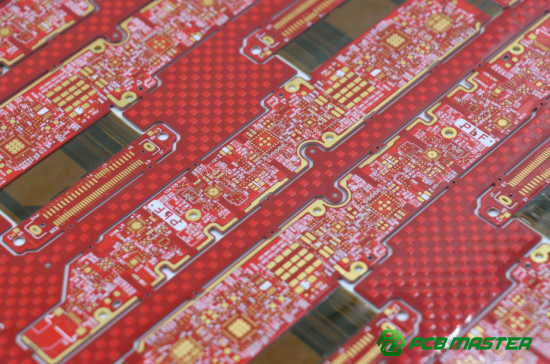
What is the relationship between electronic glass fabric models and PCB prepreg (PP) models?
Electronic glass fabric models like 7628, 2116, and 1080 are the base reinforcement materials , while PP (Prepreg) is the semi-cured composite material made from these fabrics combined with resin . In PCB manufacturing, the fabric model directly determines the PP model name and its structural behavior. This relationship is fundamental in PCB laminate material selection and stack-up design .
What is PCB prepreg (PP)?
PCB prepreg is a semi-cured insulating sheet made from glass fiber fabric and resin used to bond PCB layers together.
Prepreg (PP) is a key material in multilayer PCB manufacturing. It is produced by:
1. Taking electronic glass fiber fabric (e.g., 1080 or 2116)
2. Impregnating it with epoxy resin
3. Partially curing it under heat
Key functions:
·Bonds copper layers together in multilayer PCBs
·Provides electrical insulation between layers
·Controls PCB thickness after lamination
Simple example:
In a smartphone motherboard, PP acts like “glue sheets” that hold multiple circuit layers together after heat pressing.
How does electronic glass fabric determine PP model types?
The glass fabric type defines the PP base structure, and the resin determines final performance.
Each PP model is named after its glass fabric base material .
Example relationships:
·1080 fabric → 1080 PP
·2116 fabric → 2116 PP
·7628 fabric → 7628 PP
Why this matters:
Different fabrics affect:
·Thickness after lamination
·Mechanical strength
·Signal integrity performance
·Resin flow behavior during pressing
Simple analogy:
Fabric = skeletonResin = filling materialPP = finished composite sheet
How does resin content (RC) affect PP performance?
Resin content controls flexibility, thickness, and electrical insulation stability of PP materials.
RC (Resin Content) refers to the percentage of resin in the prepreg sheet.
Key effects of RC:
· Higher RC: better filling ability, smoother surfaces, thicker final board
· Lower RC: tighter structure, better dimensional stability
Impact on PCB performance:
·Controls final PCB thickness accuracy
·Affects dielectric performance (signal stability)
·Influences lamination pressure requirements
Simple example:
Two PP sheets with the same 1080 fabric but different RC values will produce different PCB thickness and electrical behavior after pressing.
What do markings like 1080 RC67% and 2116 RC58% mean?
These labels describe the fabric type and the resin percentage inside the prepreg material.
Example breakdown:
· 1080 RC67%
o1080 = glass fiber fabric type
oRC67% = resin content is 67%
oMeaning: thin fabric with relatively high resin filling, suitable for HDI boards
· 2116 RC58%
o2116 = medium-thickness fabric
oRC58% = moderate resin content
oMeaning: balanced structure for general multilayer PCB design
Why engineers use this format:
·Easy identification of material behavior
·Helps control PCB lamination thickness
·Ensures consistent manufacturing results
Real-world use case:
A PCB engineer selecting materials for a server board may choose:
·1080 RC67% for high-density signal layers
·2116 RC58% for structural balance layers
What is the application value of PP and fabric selection in PCB design?
Correct matching of glass fabric and PP ensures stable PCB performance, reliable manufacturing, and optimized cost.
Key application value areas:
1. PCB stack-up design optimization
Engineers choose different PP types to control layer thickness and impedance.
2. Signal integrity control
Thin fabrics like 1080 with controlled RC improve high-speed signal transmission.
3. Manufacturing stability
Proper PP selection reduces warping, delamination, and resin overflow during lamination.
Practical selection example:
·Consumer electronics → mix of 2116 PP + 7628 PP
·Smartphones / HDI boards → mostly 1080 PP
·High-speed servers → combination of 1080 RC67% + 2116 RC controlled layers
Final insight:
PCB design is not just about circuits—it is also about choosing the right PP and glass fabric combination to ensure performance, reliability, and manufacturability .
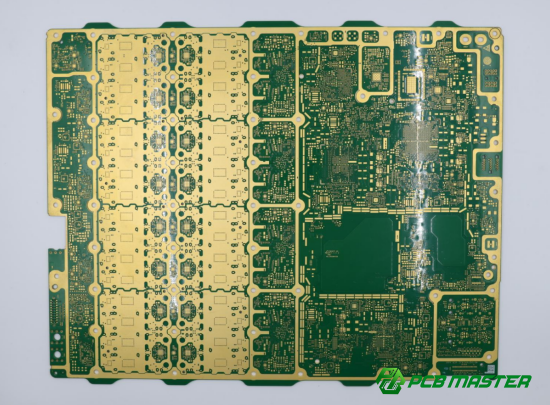
How to quickly understand PCB electronic glass fabric specifications like 7628, 2116, and 1080?
Understanding PCB electronic glass fabric grades such as 7628, 2116, and 1080 is mainly about learning how to read key material parameters like thickness, unit weight, and fabric structure . These parameters determine how the material behaves in PCB lamination and directly affect PCB stack-up design, signal performance, and manufacturing reliability .
What are the key parameters to focus on?
The most important parameters are thickness, unit weight, fabric structure, and resin absorption behavior.
When reading PCB electronic glass fabric specifications, engineers mainly focus on:
· Thickness (mm): determines PCB layer height
· Unit weight (g/m²): reflects fabric density and strength
· Weave structure: affects surface flatness and signal performance
· Resin absorption ability: impacts lamination quality
Simple explanation:
Think of it like fabric clothing:
·Thickness = how thick the cloth feels
·Weight = how heavy the cloth is
·Structure = how tightly it is woven
Example:
1080 fabric is thin and fine, so it is used in HDI boards, while 7628 is thick and strong, used in standard multilayer PCBs.
How to identify thickness parameters correctly?
Thickness is identified by the final laminated board requirement, not just the raw fabric value.
In PCB materials, thickness is not a fixed number for each model because:
·Resin adds extra thickness during lamination
·Pressure and temperature affect final size
How engineers read thickness:
1. Check base fabric type (e.g., 7628, 2116, 1080)
2. Check resin content (RC%)
3. Estimate final laminate thickness after pressing
Example:
·7628 → thicker final stack-up
·1080 → thinner final stack-up
Key point: final PCB thickness depends on both fabric and resin, not fabric alone
How to identify unit weight parameters?
Unit weight (g/m²) shows how much glass fiber is in the fabric and directly reflects strength level.
Unit weight is one of the easiest ways to understand PCB fabric grades:
·Higher weight = thicker, stronger fabric
·Lower weight = thinner, more precise fabric
Typical trend:
·7628 → high weight, strong structure
·2116 → medium weight, balanced performance
·1080 → low weight, high precision
Simple analogy:
Heavier fabric is like a thick jacket (strong but bulky), while lighter fabric is like a thin shirt (flexible but less rigid).
What are the reading techniques for PCB electronic glass fabric specification tables?
Always read from structure → weight → thickness → application in that order.
A typical specification table includes:
·Model number (e.g., 1080, 2116, 7628)
·Thickness range
·Unit weight
·Weave style
·Resin compatibility
Step-by-step reading method:
1. Identify fabric model (defines basic category)
2. Check thickness level (thin / medium / thick)
3. Check unit weight (strength level)
4. Match with PCB application type
Example:
If you see:
·1080 + low thickness + fine weave→ This is for HDI or smartphone PCB
Key tip: do not read parameters in isolation—always combine them
What are common judgment methods used by procurement and engineering teams?
Professionals usually judge based on application matching, supplier consistency, and stack-up simulation results.
Common methods used in industry:
1. Application-based selection
·Consumer electronics → 2116 + 7628 mix
·HDI boards → 1080 or 106
·Industrial boards → 7628 heavy structure
2. Supplier comparison check
·Same model number from different suppliers may vary slightly
·Engineers verify thickness tolerance and resin behavior
3. Stack-up simulation
·Use PCB design tools to simulate:
ofinal thickness
oimpedance control
osignal integrity
Real case example:
A server PCB design initially used only 7628, but thickness exceeded limits. Engineers replaced part of the stack with 1080 + 2116, reducing board thickness while maintaining performance.
Final takeaway:
To quickly understand 7628, 2116, and 1080 specifications, focus on four core ideas: thickness, weight, structure, and application mapping . This allows both engineers and procurement teams to make fast and accurate PCB material decisions.
Conclusion
Understanding PCB electronic glass fiber fabric models such as 7628, 2116, 1080, and related grades is essentially about mastering how material structure influences real-world PCB performance. From thickness and unit weight to resin content and application scenarios, each parameter plays a direct role in determining how a PCB behaves in terms of strength, signal integrity, and manufacturability.
As PCB designs continue to evolve toward higher density, faster speeds, and more compact structures, selecting the right glass fabric and prepreg combination becomes increasingly important. A small difference in material choice can significantly impact lamination quality and final product reliability.
For this reason, working with a reliable supply chain partner is critical. PCBMASTER , as an experienced PCB and PCBA supplier , has a well-established and mature raw material supply chain, enabling stable access to key electronic glass fiber fabrics and prepreg materials. As a result, customers can obtain the right materials more efficiently, reduce sourcing complexity, and improve overall production consistency.
Ultimately, a clear understanding of these material grades, combined with strong supply chain support, helps ensure better design decisions and more reliable PCB manufacturing outcomes.
FAQs
Is 7628 always thicker than 2116?
In most cases, yes—but not absolutely.
7628 is generally classified as a heavier and thicker glass fiber fabric compared to 2116, and it is widely used for structural support in standard multilayer PCBs. However, actual thickness can vary slightly depending on resin content (RC%), weaving process, and supplier specifications.
Key point:
·7628 → thicker baseline structure
·2116 → medium thickness with better balance
So, 7628 is usually thicker, but final PCB thickness depends on the full lamination stack-up, not just the fabric model.
What is the difference between 1080 and 1078 electronic glass fabric?
The main difference is fabric structure density and thickness level.
Both 1080 and 1078 are thin electronic glass fabrics, but they are used for slightly different performance needs.
1080:
·Standard thin fabric
·Widely used in HDI PCB and smartphones
·Good balance of thickness and manufacturability
1078:
·Slightly different weave density and structure
·Often used in controlled impedance or signal-sensitive designs
·Can offer more stable electrical behavior in certain stack-ups
Simple summary:
·1080 = general HDI standard
·1078 = more specialized fine-tuning material
Does electronic glass fabric grade affect PCB performance?
Yes, it directly affects mechanical strength, signal performance, and manufacturing stability.
Different fabric grades influence:
· Mechanical strength: thicker fabrics like 7628 provide higher rigidity
· Signal integrity: thinner fabrics like 1080 reduce surface roughness and improve high-speed signal performance
· Dimensional stability: medium fabrics like 2116 offer balanced control
Example:
·High-speed server PCB → prefers 1080 for signal quality
·Power PCB → uses 7628 for durability
Conclusion: material selection is directly linked to PCB performance outcomes.
Are PP (prepreg) models and electronic glass fabric models the same thing?
No, but they are directly related.
Electronic glass fabric is the base reinforcement material , while PP (prepreg) is the final semi-cured composite material made from fabric + resin .
Relationship:
·Fabric model (e.g., 1080) → defines base structure
·PP model (e.g., 1080 PP) → fabric + resin system
Key difference:
·Fabric = dry woven material
·PP = resin-impregnated semi-cured sheet
Simply put: PP is built on top of the fabric model, but they are not the same material.
Why do high-end HDI PCBs prefer 1080 and 106 fabrics?
Because they provide thinner structure, better signal integrity, and higher routing density.
High-density interconnect (HDI) PCBs require extremely fine circuit routing and compact layer stacking.
Reasons for using 1080 and 106:
· Ultra-thin structure: allows compact PCB stack-ups
· Better surface flatness: improves fine-line etching accuracy
· Higher routing density: supports more circuits in limited space
· Better high-speed performance: reduces signal loss and distortion
Real-world example:
Smartphones, wearables, and 5G modules rely heavily on 1080 and 106 fabrics because they must fit complex circuits into very small spaces.
Final insight: thinner fabrics = higher precision + better HDI capability
About the Author

Carol Luo
PCB Design EngineerI'm Carol, a PCB Engineer at PCBMASTER with experience in PCB design and manufacturing engineering since 2018. I focus on translating engineering requirements into reliable PCB solutions, with expertise in stack-up design, material selection, and design-for-manufacturing (DFM). I share practical engineering insights from real-world PCB design and production experience.
Visit Carol Luo's Profile