








PCB Industry Trends 2026: Why the Market Is Becoming More Polarized
The PCB (Printed Circuit Board) industry is set for a new wave of transformation in 2026. Market research predicts the global PCB market will grow from $87.8 billion in 2026 to $130.3 billion in 2033. That’s a compound annual growth rate of 5.8%.
The world PCB market continues to grow, but the growth opportunities across the different segments are becoming increasingly uneven. And not all PCB manufacturers are equally well positioned to capitalize on this growth. Growth is especially strong in the premium PCB segment, driven by demand from AI infrastructure, high-speed computing, automotive electronics and communication systems, among others. For instance, the global HDI (High-Density Interconnect) PCB market is expected to grow at a compound annual growth rate (CAGR) of 8.5% to reach $37.62 billion by 2033 from $21.26 billion in 2026, which is higher than the CAGR of the overall PCB market.
So the PCB industry is definitely moving to polarization. Companies with advanced manufacturing, engineering expertise and strong supply chain support are better positioned to take advantage of new opportunities while traditional PCB suppliers must grapple with rising cost competition and declining profit margins.
In this article we will discuss the key drivers of this polarization in the 2026 PCB market and how manufacturers can navigate their way through this new competitive landscape.
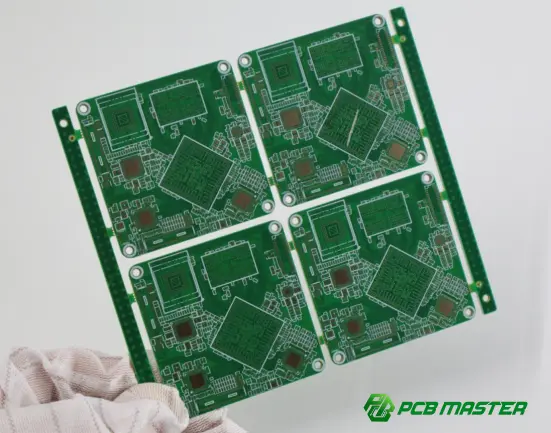
What Are the Main PCB Industry Trends Driving Market Polarization in 2026?
The major trend in the PCB industry that will divide the market in 2026 is the increasing split between PCB manufacturers who focus on advanced high-value PCB solutions and those who compete based on cost and production volume. As electronics grow in complexity, customers are demanding more performance, reliability and engineering support from PCBs. Meanwhile, traditional PCB divisions face squeezed prices and lower margins. The PCB industry is confronted with two different competition routes resulting from market demand.
The PCB Market Is Splitting Into High-Value and Cost-Driven Segments
The PCB market is splitting into two as applications have wildly different requirements for technology level, manufacturing capability and engineering support. Today, a single competition model based on production capacity and price is outdated.
The advanced PCB segments such as HDI PCB, high-frequency PCB, rigid-flex PCB, and high-layer-count PCB are witnessing growing opportunities in demanding applications such as AI servers, electric vehicles, and high-speed communication systems. These products need advanced manufacturing processes, rigorous quality control and strong engineering capabilities.
AI server PCBs have to support high-speed data transmission, higher power density and strict thermal requirements. Manufacturers that can provide low loss materials, controlled impedance designs and complex multilayer structures have a clear advantage.
But generally speaking, conventional PCB houses compete on cost effectiveness, the volume of production and delivery speed. In the general consumer electronics end market, standard multilayer PCBs face tough price competition from many vendors of similar products.
Manufacturers caught between these two segments are feeling the squeeze. They may not have the high-tech advantages of high-end PCB suppliers, but they also can’t compete with large-scale low-cost manufacturers. To survive in the competition, many middle-level PCB companies have to improve their technology capability, production efficiency or market specialization.
Advanced Electronics Applications Are Increasing Demand for High-End PCBs
Higher reliability of modern electronic systems, better heat management and faster signal transmission are forcing PCB technology to reach higher performance levels in its applications in electronics. The growth of AI, electric vehicles, 5G infrastructure and industrial automation is driving demand for advanced PCB solutions.
AI Servers and Data Centers
High performance PCBs open new growth opportunities for AI servers and datacentres. These systems process large amounts of data and require PCBs that have:
- Higher layer counts for complex circuit routing.
- Low-loss materials to reduce signal transmission loss.
- Better thermal performance to manage heat generated by powerful processors.
- High reliability for continuous operation.
AI accelerator systems are typically based on high-end multilayer PCBs that can handle high-speed signals and dense component placement, for example. These applications are frequently outside the scope of traditional PCB manufacturing.
Electric Vehicles and Automotive Electronics
The modern vehicles are more electronic control systems in the modern vehicles and the electric vehicles are pushing PCB demand higher than the traditional vehicles. The automotive PCB applications are:
- Battery management systems (BMS).
- Power control units.
- Vehicle communication systems.
- Advanced driver assistance systems (ADAS).
Automotive PCB manufacturers are expected to meet high quality requirements, including automotive-grade process control and reliability testing; such applications require high reliability, temperature resistance and long operational life of PCBs.
5G Communication Equipment and High-Performance Industrial Systems
PCBs are required for 5G base stations, network equipment and industrial control systems to manage high-frequency, high-speed signals. These types of applications often need:
- High-frequency PCB materials.
- Controlled impedance designs.
- Low dielectric loss materials.
- Stable signal integrity performance.
Manufacturers who have experience in high-speed PCB design and the selection of advanced materials are thus well-positioned to serve these growing markets.
Traditional PCB Manufacturing Is Facing Stronger Cost Competition
Many of the standard PCB products lack diversification which puts pressure on traditional PCB manufacturing. When there are many suppliers with similar products, buyers tend to make decisions based on price, delivery time and production capacity.
There are many reasons why cost pressure is increasing:
Increasing Price Competition
Typical PCB products are priced very competitively and the customer has the opportunity to compare prices between several suppliers. This is especially true in consumer electronics and other general electronic products where cost reduction is a primary purchasing goal.
Rising Labor and Material Costs
PCB manufacturers are being confronted with increased operating costs due to:
- Increasing labor expenses.
- Rising raw material prices.
- Higher energy costs.
- More demanding environmental requirements.
For the average PCB manufacturer these cost increases hit the bottom line directly, as there is not much scope to increase product prices.
Fluctuating Demand in Consumer Electronics
Demand cycles in consumer electronics markets. Demand for products like smartphones, home electronics and personal devices can shift quickly and put pressure on PCB manufacturers that are heavily dependent on these markets.
Weak demand leads to excess production capacity and more intense price competition among suppliers.
Why Manufacturing Efficiency Has Become Critical
Manufacturers need to be efficient, not only price competitive for the traditional PCB markets.
Key improvement areas include:
- Automated production processes.
- Better yield control.
- Reduced material waste.
- Faster production cycles.
- Improved quality management.
For example, better first pass yields can decrease rework costs and increase production capacity without new equipment. This allows PCB manufacturers to stay competitive even in price-sensitive markets.
The PCB industry is becoming polarized and companies need to pick a particular direction to compete in developing advanced technology capabilities for high value applications or developing highly-efficient manufacturing systems for cost driven markets.
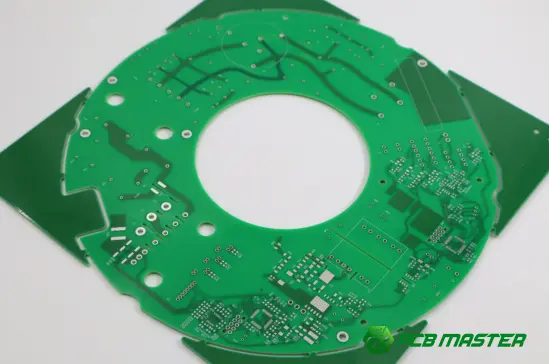
Why Is the Gap Between Advanced PCB Manufacturers and Traditional PCB Suppliers Growing in 2026?
The difference between the most advanced PCB manufacturers and the traditional PCB suppliers is growing as today’s PCB customers demand more than just basic fabrication ability. Today’s electronic products demand higher performance, tighter manufacturing tolerances and more extensive engineering support. Suppliers who mainly depend on standard production are less likely to win high value PCB projects than those with advanced technology, better production equipment and more profound engineering expertise.
Technology Capability Has Become a Key Competitive Differentiator
Various electronic applications require varying levels of PCB performance, making technology capability a key differentiator among PCB manufacturers. Sophisticated applications require special PCB constructions, precise production processes and engineering support which are not normally available from a normal PCB supplier.
As a rule, high-end PCB manufacturers support such technologies as:
- HDI PCB for high-density electronic designs.
- Rigid-flex PCB for compact and flexible product structures.
- High-frequency PCB for RF and high-speed communication systems.
- High-layer-count PCB for complex electronic systems.
Normal PCB manufacturers are usually specialized in normal multi-layer PCBs for regular electronic products. These boards may meet basic circuit needs but may not be suitable for performance needs of advanced applications.
| Area | Advanced PCB Manufacturers | Traditional PCB Manufacturers |
|---|---|---|
| PCB Types | HDI, rigid-flex, high-frequency PCB | Standard multilayer PCB |
| Applications | AI systems, automotive electronics, aerospace, telecom | General consumer and industrial electronics |
| Design Support | SI/PI analysis, stack-up optimization, DFM support | Basic fabrication support |
| Manufacturing Requirements | Precision processes, tighter tolerances, advanced inspection | Standard production processes |
For example, automotive radar system needs high frequency PCB materials and precise impedance control to ensure a signal integrity. A standard PCB supplier will suffice if you want to build the board, but an advanced manufacturer can assist with material selection, signal performance and long term reliability needs.
With the electronics products becoming more and more complex, PCBbuyers are more concerned with the technical ability of the suppliers than the production price.
Investment in Manufacturing Equipment Determines Market Position
The company’s capability to build complex high-reliability circuit boards is directly related to its investment in state-of-the-art PCB manufacturing equipment. The more formidable the production infrastructure of a manufacturer, the more stringent the requirements it can meet and the greater the value of the projects it can bid for.
Key equipment investments include:
Laser Drilling Equipment
Laser drilling technology is required for the manufacturing of HDI PCBs, allowing the formation of microvias with very small diameters.
The advantages of laser drilling over conventional mechanical drilling are as follows:
- Higher circuit density.
- More flexible layer connections.
- Better support for miniaturized electronic products.
For instance, HDI PCBs produced via laser drilling are often required for smartphones, wearables and advanced computing systems.
Automated Inspection Systems
To improve quality control, advanced PCB manufacturers use automated inspection technologies such as:
- Automated Optical Inspection (AOI).
- Automated X-ray inspection.
- Electrical testing systems.
These systems help detect issues such as:
- Open circuits.
- Short circuits.
- Line defects.
- Via problems.
Automated inspection ensures quality stability in mass production for manufacturers.
Advanced Plating Technology
PCB plating processes have a direct impact on electrical reliability and manufacturing quality. Advanced plating technology helps to realize:
- Uniform copper thickness.
- Better via reliability.
- Improved conductivity.
- Stronger connection performance.
This is especially critical for high layer count PCBs and products that must maintain long-term reliability.
High-Precision Imaging Systems
The PCB designs of today demand smaller traces and tighter spacing. With high precision imaging systems manufacturers can make:
- Fine-line circuits.
- Higher-density layouts.
- More accurate circuit patterns.
Manufacturers with the most advanced imaging technology are best positioned for next-generation electronic designs.
Manufacturing equipment is definitely a competitive advantage in general. Companies that invest in advanced manufacturing infrastructure will be able to take on more demanding PCB projects, while suppliers with limited capability may continue to serve lower value markets.
Engineering Support Is Becoming a Critical Factor in PCB Supplier Selection
Engineering support is becoming more and more important. PCB customers want partners that help them solve design and manufacturing challenges and not just suppliers that build circuit boards.
Historically, PCB buying decisions have been based on price and delivery time. But complex PCB projects need technical collaboration from the initial design through mass production.
The main engineering capabilities are:
DFM Optimization
Design for Manufacturing ( DFM ) is the process of designing a PCB that can be manufactured efficiently and reliably .
Factors such as are considered by PCB engineers:
- Trace width and spacing.
- Via structures.
- Layer arrangement.
- Manufacturing limitations.
A DFM review can find a potential problem in production before fabrication begins, thus reducing redesign costs and project schedule delays.
Material Selection Support
Different applications require different PCB materials. Engineering teams collaborate with customers to choose the right materials based on:
- Frequency requirements.
- Thermal performance.
- Mechanical reliability.
- Cost targets.
For example, high speed communications products may require low loss materials while automotive applications may require durability and temperature resistance.
Stack-Up Design
The PCB stack-up design has a direct influence on electrical performance, signal quality and manufacturability.
Advanced PCB suppliers can help optimize:
- Layer arrangement.
- Controlled impedance structures.
- Power and ground distribution.
- Signal integrity performance.
This is especially true for high-speed and high-frequency PCB applications.
Manufacturing Risk Analysis
Experienced PCB engineers identify potential risks prior to production including:
- Material compatibility issues.
- Process limitations.
- Yield challenges.
- Reliability concerns.
Early risk identification allows customers to move from prototype development to stable mass production.
With the engineering partnership, PCB suppliers can move from being just manufacturing vendors to long-term technology partners. That ability gives high-end PCB makers a leg up in an increasingly competitive market.
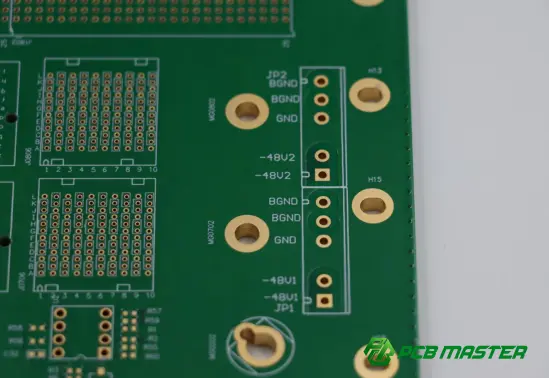
How Are AI, Automotive, and High-Speed Electronics Reshaping PCB Market Polarization in 2026?
AI hardware, electric vehicles and high-speed communication systems with stronger demand for advanced PCB technologies contribute to the acceleration of PCB market polarization. These applications demand higher performances, more reliability and more accurate manufacturing processes than conventional electronic products. Consequently, the more advanced PCB fabricators are finding more business opportunities, while the suppliers of standard PCBs are feeling the squeeze.
AI Hardware Growth Is Accelerating Demand for Advanced PCB Solutions
AI hardware boom drives demand for advanced PCB solutions AI systems require faster data processing, more power capacity and more complex circuit designs. Unlike traditional electronic products, AI servers and data centre equipment need to process a large amount of data continuously, which requires PCB to have higher performance.
Key challenges in PCB in AI related applications are:
High-Speed Signal Transmission
AI servers are equipped with high-speed interconnects and advanced processors. The PCBs of such servers need to deliver fast signal transmission with minimum signal loss.
For achieving reliable high-speed performance the PCB Manufacturers need to control:
- Trace design.
- Material properties.
- Impedance consistency.
- Layer structure.
For example, AI accelerator boards often employ high-layer-count PCBs with optimized signal routing to facilitate stable communication between processors, memory, and other components.
Thermal Management
AI systems produce a lot of heat because their processors use a lot of electricity when they’re working. Hence, PCBs for AI applications need better thermal management designs.
Potential PCB solutions:
- Thicker copper layers.
- Improved thermal vias.
- Advanced substrate materials.
- Optimized power distribution layouts.
Good thermal management will avoid performance degradation and improve reliability of the product.
Power Integrity
AI hardware requires stable power distribution. For intensive computing tasks, processors require a stable voltage and current.
PCB designers must consider:
- Power plane design.
- Low-resistance connections.
- Noise reduction.
- Power distribution networks.
Poor power integrity can result in system instability, signal errors or lower computing performance.
Complex Multilayer Structures
Complex PCB structures are often needed due to the demands of AI applications that need to fit more components into smaller spaces.
PCB manufacturers' advanced capabilities include:
- High-layer-count PCB fabrication.
- HDI PCB technology.
- Microvia structures.
- Advanced stack-up design.
High-end PCB suppliers are distinguished from traditional manufacturers by these capabilities.
Electric Vehicles Are Increasing Demand for Reliable Automotive PCBs
As today’s vehicles are highly dependent on electronic control systems, the demand of reliable automotive PCBs is on the rise and the rise of electric vehicles has increased the demand. EVs have more electronic components than conventional vehicles that require improved reliability, safety and durability.
Applications of Automotive PCB are:
Battery Management Systems (BMS)
BMS is one of the most important PCB applications in EV. It keeps track and controls the following battery conditions:
- Battery voltage.
- Temperature.
- Charging status.
- Cell balance.
Since battery systems directly affect the vehicle safety and performance, the BMS PCBs need to be highly reliable and stable in a long term.
Power Control Units
Power control units are responsible for the distribution and conversion of energy between the battery, the motor and other vehicle systems.
These PCBs must handle:
- High current loads.
- Heat generation.
- Electrical stress.
- Long operating periods.
Automotive PCB suppliers have to select hard materials and control the manufacturing process to ensure consistent performance.
Vehicle Communication Systems
Modern vehicles contain a number of electronic systems that need to talk to each other. The PCBs used in automotive communication networks have to be:
- Stable signal transmission.
- High reliability.
- Resistance to environmental conditions.
These requirements are particularly important for connected vehicles and intelligent transport systems.
Advanced Driver Assistance Systems (ADAS)
ADAS technologies such as cameras, sensors and radar systems require very reliable PCB solutions.
ADAS PCBs often need:
- High-frequency performance.
- Precise signal control.
- Compact designs.
- Strong environmental resistance.
Automotive electronics are critical to the safety of the vehicle so PCB suppliers need to have stringent quality systems, process control and reliability tests.
High-Speed Communication Systems Are Raising PCB Performance Requirements
Modern networks demand higher data transmission rates and lower signal loss, therefore demanding higher-speed communication systems and raising the bar for PCB performance. High-frequency PCBs are required for technologies such as 5G infrastructure, advanced networking equipment and high-performance communication devices.
Key PCB requirements include:
Low-Loss Materials
High speed signals can be distorted during transmission through PCB materials. Materials with low loss reduce signal loss and the quality of communications.
These considerations guide the selection of high frequency PCB materials:
- Low dielectric loss.
- Stable electrical properties.
- Temperature performance.
- Frequency compatibility.
For example, 5G base station equipment is often made of special materials for supporting high frequency signals.
Controlled Impedance
Controlled impedance gives predictable electrical characteristics for signals travelling on the traces on the PCB.
PCB manufacturers must carefully control:
- Trace width.
- Copper thickness.
- Dielectric thickness.
- Material properties.
In high speed applications small variations in the manufacturing can affect the quality of the signal.
Signal Integrity Optimization
The ability to transmit signals correctly and reliably is called signal integrity. Poor Signal Integrity can lead to:
- Data errors.
- Signal reflection.
- Electromagnetic interference.
Advanced PCB suppliers use design analysis methods like signal integrity simulation and stack-up optimization to minimize risks.
Stable Manufacturing Processes
Manufacturing quality consistency is important in high-speed PCB applications because small process variations can impact electrical performance.
Manufacturers need:
- Precise etching processes.
- Stable lamination control.
- Accurate registration.
- Reliable testing systems.
As communication technology keeps developing, PCB manufacturers with high-frequency technology and advanced process capability will have more market advantages. This increases the gap between technology-driven PCB companies and traditional suppliers.
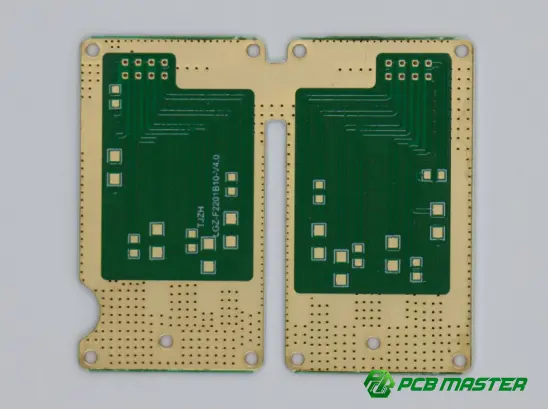
What Supply Chain Changes Are Increasing PCB Industry Polarization in 2026?
But the PCB industry is more polarized under the influence of the supply chain changes. The production of advanced PCBs has other requirements than production capability. Supplier competitiveness is now dependent on the reliability of access to materials, the stability of global production networks and the strength of quality systems. Better supply chain management means a company can react faster to complex projects, while weaker supply capabilities can mean longer lead times, higher costs and more production risks.
Material Availability Is Becoming a Competitive Advantage for PCB Manufacturers
Material availability is becoming a competitive advantage as advanced PCB products need specialized materials that are not always readily available. Unlike conventional PCBs, the materials used in high-performance PCB applications must have certain electrical, thermal and mechanical properties.
The main PCB materials are as follows:
High-Frequency Laminates
Applications like 5G communication equipment, radar systems and high speed electronics require high frequency laminates. These materials show stable electrical performance at high frequencies.
They are selected based on criteria such as:
- Low dielectric loss.
- Stable dielectric constant.
- High thermal resistance.
- Reliable signal transmission.
Any shortage or delay in the supply of high frequency laminates can directly affect the production schedules of advanced PCB projects.
Low-Loss Materials
Low loss PCB materials minimize the loss of the signal transmitted at high speed data. They are frequently used in:
- AI servers.
- Data centers.
- High-speed networking equipment.
- Advanced communication systems.
Having reliable access to low-loss materials allows manufacturers to better serve customers with high-performance PCB needs.
Specialized Resin Systems
Specialized resin systems influence PCB reliability, thermal performance, and manufacturing stability.
For example:
- High-temperature resin systems support automotive applications.
- Low-expansion materials improve reliability in demanding environments.
- Advanced resin systems support multilayer PCB structures.
The selection of the correct resin system is critical to prevent delamination and thermal failure.
Copper Foil Materials
Copper foil quality impacts PCB conductivity, signal and reliability. For advanced applications specific copper foils may be needed, such as:
- Low surface roughness.
- High reliability.
- Better high-frequency performance.
A PCB manufacturer that has better relationships with its suppliers will more likely be able to consistently source suitable materials.
In general, good supply chain management allows PCB manufacturers to reduce project risks by improving material availability, controlling costs and avoiding production delays. In high value PCB markets, dependable access to materials is increasingly becoming a differentiator between advanced suppliers and traditional manufacturers.
Global Manufacturing Distribution Is Creating New Competitive Differences
The location of global manufacturing is creating new competitive differentiators as PCB customers are placing greater emphasis on product origin, delivery capability and supply chain stability when choosing suppliers.
Different regions have different advantages, PCB manufacturers need to develop appropriate strategies to meet the changing customer needs.
The main factors determining the competitiveness of PCB suppliers are:
Production Location
The location of PCB manufacturing facilities affects:
- Shipping time.
- Manufacturing costs.
- Regional supply chain access.
- Customer support efficiency.
For companies serving the automotive or industrial markets, they may prefer suppliers with manufacturing sites closer to their own production facilities to hedge against logistics risks.
Delivery Capability
Today, fast, predictable delivery is becoming more important for PCB projects. Suppliers should provide customers with:
- Prototype production.
- Quick-turn PCB orders.
- Stable mass production.
- Emergency capacity requirements.
Flexible production planning and efficient logistics systems will enable manufacturers to respond better to changes in the market.
Supply Chain Stability
The stable supply chain enables manufacturers to maintain a steady flow of production during market turmoil.
Important factors include:
- Multiple material suppliers.
- Long-term supplier relationships.
- Inventory management.
- Risk control strategies.
Manufacturers of PCBs with a large number of sources for their materials are less affected by sudden shortages of laminates, copper foil or other critical materials.
Customer Proximity
Better communication and technical cooperation will result from being closer to the customer. Local or regional manufacturing capabilities allow suppliers to provide:
- Faster engineering feedback.
- Easier project coordination.
- Reduced transportation risks.
With the increasing complexity of applications for PCBs, customers are increasingly looking for suppliers that can provide both manufacturing and supply chain reliability.
Quality Certifications Are Becoming More Important for High-Value PCB Markets
The quality certifications are of increasing importance, as advanced PCB applications require higher reliability, traceability and process control. In automotive, aerospace, medical electronics and industrial systems, product samples are not enough, you need proven quality management systems.
Major Certifications & Standards Include:
IATF 16949 for Automotive PCB Applications
IATF 16949 is an important quality management standard for automotive suppliers. It contains:
- Defect prevention.
- Process consistency.
- Continuous improvement.
- Automotive supply chain requirements.
For example, PCB suppliers that produce battery management system (BMS) boards or vehicle control electronics need good process control because PCB failures can impact vehicle safety and performance.
ISO 9001 for Quality Management
The manufacturer has a well organized quality management system according to ISO 9001.
It covers areas such as:
- Process documentation.
- Quality monitoring.
- Customer satisfaction management.
- Continuous improvement.
A good ISO 9001 system can help PCB manufacturers to keep quality consistent in their production from project to project.
IPC Standards for PCB Manufacturing and Assembly
IPC standards are the guidelines for the PCB industry to design, manufacture and assembly quality.
They help define requirements for:
- PCB workmanship.
- Soldering quality.
- Assembly reliability.
- Inspection criteria.
One way you can help ensure your PCB products meet industry expectations is to follow IPC standards.
How Compliance Affects Supplier Selection
Certifications are part of the supplier evaluation process in many high value PCB projects. Certifications tell customers whether a manufacturer can deliver:
- Reliable production quality.
- Consistent performance.
- Strong process control.
- Long-term supply capability.
As demand in PCB applications rises, compliance has become less a requirement than a competitive advantage that allows higher-end manufacturers to win more complex projects.
How Can PCB Manufacturers Adapt to the Increasing Market Polarization in 2026?
PCB makers can choose a distinct competitive strategy to cope with market polarization instead of trying to be everything to everybody. Some companies can gain access to high-value markets through investment in advanced PCB technologies, while others can improve their position through manufacturing efficiency and cost control. At the same time, the increasing engineering services allow manufacturers to deepen the customer relationships and deliver long-term value beyond PCB manufacturing.
Investing in Advanced PCB Technology Can Improve Market Competitiveness
Investing in advanced PCB technology will allow manufacturers to move into higher-value markets, as many fast-growth industries require more complex PCB solutions than standard products can provide. Specialized manufacturing also creates entry barriers and diminishes direct price competition.
Key technology investments include:
HDI PCB Capability
HDI (High-Density Interconnect) PCB technology helps electronic products to become smaller, lighter and more powerful by increasing the density of the circuits.
HDI PCBs are frequently used in:
- AI hardware.
- Smartphones.
- Medical devices.
- Automotive electronics.
For example, a PCB manufacturer can add laser drilling and microvia manufacturing capabilities and bid for projects that standard multilayer PCB suppliers can’t support.
Rigid-Flex PCB Production
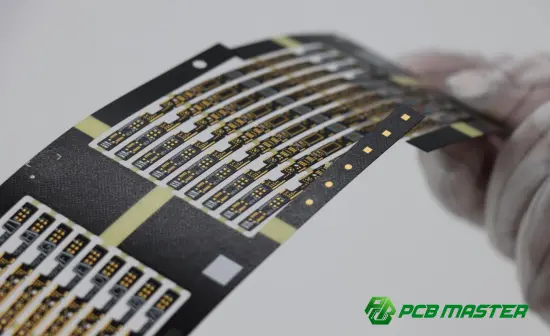
Rigid-flex PCBs combine rigid and flexible circuit boards in one design, which reduces the need for connectors and saves space during installation.
Their most common uses are in:
- Aerospace systems.
- Medical equipment.
- Wearable devices.
- Automotive electronics.
Fabricators that have made an investment in rigid-flex manufacturing are well positioned to support customers designing compact, high-reliability electronic products.
High-Frequency PCB Manufacturing
High-frequency PCBs are essential for applications like 5G communication, radar systems, satellite equipment, and RF electronics.
To succeed in this market you need to be an expert in:
- Low-loss materials.
- Controlled impedance.
- Precision lamination.
- Stable process control.
These capabilities allow manufacturers to undertake higher value communication and networking projects.
Fine-Line Circuit Fabrication
As electronic devices shrink, PCB circuits need to use narrower traces and tighter spacing.
Fine line circuit fabrication includes:
- Higher wiring density.
- Smaller PCB sizes.
- Better support for advanced semiconductor packaging.
Fine-line capabilities position manufacturers to meet the demands of next-generation electronic products.
Typically, technology investment allows PCB manufacturers to compete on innovation, performance and specialized expertise, not just price.
Improving Manufacturing Efficiency Helps Companies Compete in Cost-Sensitive Markets
But manufacturing efficiency still counts, and lower production costs, stable quality and shorter lead times are good for standard as well as advanced PCB products. Even in high-end markets, manufacturers must be efficient to be competitive and profitable.
The main operational improvements are as follows:
Process Automation
Automation cuts down on the need for manual operations and increases consistency in production.
Examples include:
- Automated material handling.
- AOI inspection.
- Robotic production equipment.
- Automated data collection.
Automation boosts productivity – and cuts down on human error.
Yield Improvement
Yield is the percent of PCBs passing in production without defect.
Manufacturers improve yield by:
- Optimizing process parameters.
- Strengthening quality control.
- Identifying defect causes.
- Standardizing production procedures.
Higher first-pass yields translate into less rework, lower manufacturing costs and faster delivery times.
Production Monitoring
Real time production monitoring allows manufacturers to pinpoint problems before large production batches are impacted.
Monitoring systems can track:
- Equipment performance.
- Process stability.
- Product quality.
- Production efficiency.
That means factories can respond quickly to unforeseen problems.
Waste Reduction
Reducing waste reduces costs and enhances sustainability.
Common improvement methods include:
- Better material utilization.
- Reduced scrap rates.
- Optimized panel layouts.
- Improved energy efficiency.
For example, with PCB panelization you can optimize the process to maximize the number of boards you get out of each laminate sheet and minimize material waste.
Efficient manufacturing is not only about cost sensitive markets. Operational excellence is also an important advantage in all market segments, as high-value PCB customers also want reliable quality, stable delivery and competitive pricing.
Strengthening Engineering Services Helps PCB Suppliers Build Long-Term Partnerships
As customers increasingly demand technical support in product development, engineering services can add even more value. PCB suppliers are capable of being engineering partners, not just manufacturers, and can help customers improve product quality, reduce risk and shorten development cycles.
The major engineering services are:
Early Design Involvement
It is best to catch manufacturing problems at the PCB design stage.
Early collaboration allows engineers to review:
- Board structure.
- Material choices.
- Manufacturing feasibility.
- Cost optimization opportunities.
For example, changing the PCB stack-up before fabrication can improve the signal performance and reduce the manufacturing complexity.
DFM Feedback
Design for Manufacture feedback helps customers find design issues before start of manufacturing.
Typical DFM recommendations include:
- Optimizing trace widths.
- Improving via placement.
- Adjusting spacing.
- Simplifying manufacturing processes.
DFM boosts production success, cuts costs of early redesign.
Prototype-to-Mass-Production Support
There are many PCB projects that go through many stages of development before they are put into full production.
Engineering teams can assist customers:
- Reviewing prototype performance.
- Improving manufacturability.
- Validating process stability.
- Preparing for volume production.
This will save you from any surprises in mass production.
Manufacturing Optimization
Continuous manufacturing optimization helps improve quality of products and production efficiency.
engineering teams may recommend improvements such as:
- Process adjustments.
- Material substitutions.
- Stack-up optimization.
- Yield improvement strategies.
For instance, the substitution of a more suitable laminate can enhance reliability at the cost of lower production complexity.
With technical know-how and manufacturing expertise, PCB suppliers can develop long-term relationships based on trust, collaboration and project success. The market is becoming more polarized and this level of engineering support is a key differentiator.
What Does the Future of the PCB Industry Look Like After Market Polarization Accelerates?
PCB industry will see uniform growth followed by greater specialization. The market will continue to polarize, and manufacturers will have to decide on clear competitive strategies based on their technology, production capabilities and target industries. Companies that continually raise their game in innovation, manufacturing quality and engineering services will be best placed to prosper in a more competitive global PCB market.
The PCB Industry Will Continue Moving Toward Technology-Driven Competition
Competition in the PCB industry in the future will be less focused on volume production and more on a manufacturer’s ability to deliver advanced technology, consistent quality and reliable engineering support. As the complexity of electronic products increases, customers will choose PCB suppliers who can solve technical challenges, not just produce circuit boards.
The key competitive advantages are:
Technical Capability
Those with experience in HDI PCBs, rigid flex PCBs, high frequency PCBs and high layer count PCBs will be better positioned to support the growth of industries such as AI, electric vehicles, aerospace and advanced communications.
For example, a supplier who can make complex HDI boards is more likely to win AI server projects than a factory that can only make standard multilayer PCBs.
Manufacturing Precision
Future PCB designs will need finer circuit patterns, tighter tolerances and higher reliability.
This means manufacturers need to keep:
- Precise drilling and imaging.
- Stable lamination processes.
- Accurate etching.
- Consistent quality inspection.
High manufacturing precision means fewer defects and better product reliability long-term.
Engineering Expertise
PCB suppliers are being asked for more technical support from customers in product development.
Engineering expertise includes:
- Stack-up optimization.
- Material selection.
- DFM analysis.
- Signal and thermal performance improvements.
Suppliers that bring engineering know-how are more valuable than those that only bring fabrication.
Supply Chain Reliability
The reliable sourcing of materials and stable production planning will remain important competitive advantages.
For manufacturers with a wide range of suppliers, good inventory management and predictable delivery schedules, project risks are minimized and customer support is more reliable.
PCB Manufacturers Will Need Clear Market Positioning Strategies
PCB makers will need to clarify their market positioning, as competing in all markets will weaken their competitiveness. With a focused strategy companies are able to allocate resources more efficiently and develop expertise in specific market segments.
Potential strategic options:
Focus on Advanced Applications
Manufacturers can invest in technologies to support high-growth industries including:
- AI infrastructure.
- Electric vehicles.
- Medical electronics.
- Aerospace.
- High-speed communication systems.
These markets tend to have higher technical barriers and greater long-term growth potential.
Improve Cost Efficiency
A manufacturer need not get into high-end PCB production. The following areas will help companies focused on standard PCB manufacturing to stay competitive:
- Production efficiency.
- Automation.
- Material utilization.
- Delivery performance.
For instance, by lowering production costs and ensuring consistent quality, one can improve competitiveness in markets where costs are a major consideration.
Develop Specialized PCB Solutions
Instead of serving all industries, manufacturers can focus on selected PCB products such as:
- Metal core PCBs.
- Flexible PCBs.
- Thick copper PCBs.
- RF and microwave PCBs.
- Automotive PCBs.
Specialization enables companies to develop technical expertise and differentiate themselves from general PCB suppliers.
Build Stronger Customer Partnerships
Long-term success requires more than manufacturing capability. Suppliers that work closely with customers, provide engineering support and solve technical problems tend to develop a stronger business relationship with customers.
Providing support during the prototype development phase and during the mass production phase can help to achieve success of the project and long-term cooperation.
Successful PCB Companies Will Balance Innovation and Manufacturing Excellence
Advanced technology will not be enough. Successful PCB companies will combine innovation with manufacturing excellence. Customers also expect high quality, dependable delivery and consistent production performance. The combination of technical innovation and strong operational execution is the long-term competitive advantage.
Important success factors include:
Technology Advancement
Investments in new PCB technologies are ongoing, so manufacturers can support future applications and adapt to changing market requirements.
Examples include:
- HDI manufacturing.
- Advanced materials.
- Fine-line fabrication.
- High-frequency PCB technologies.
Innovation creates opportunities in new, more technically demanding industries.
Stable Production Capability
If a new technology cannot be produced consistently, there is little value.
The manufacturers require stable production systems which enable:
- High production yields.
- Consistent quality.
- Reliable delivery.
- Scalable manufacturing capacity.
With stable operations, customers can easily transition from prototype development to mass production.
Quality Management
As PCB applications become more demanding, quality management is even more critical.
Strong quality systems include:
- Standardized production procedures.
- Process monitoring.
- Traceability.
- Continuous improvement.
Good quality management reduces the risk of manufacturing and increases confidence among customers.
Customer-Focused Engineering Support
The most competitive PCB manufacturers combine engineering expertise with manufacturing capability.
Providing services such as:
- Early design consultation.
- DFM optimization.
- Material recommendations.
- Production risk analysis.
assists customers in creating more reliable products and encourages long-term relationships.
Continued PCB market polarization beyond 2026 will see manufacturers that effectively combine technology advancement, manufacturing excellence, quality management and engineering support better positioned to compete in both established and emerging markets. These capabilities will increasingly be the hallmark of the leading companies in the industry for years to come.
Conclusion
The PCB industry in 2026 will not be growth, but the allocation of growth. As demand shifts to AI, electric vehicles, high-speed communications and other advanced applications, manufacturers need to evolve their technology, manufacturing and engineering capabilities. Operational efficiency and resilience of supply chains also is critical to remain competitive in each market segment.
Thus selection of the right partner for PCB manufacturing is becoming as important as selection of the right technology. PCBMASTER offers full engineering support and advanced PCB manufacturing capabilities such as HDI, rigid/flex, high frequency and multilayer PCB solutions. PCBMASTER offers reliable supply chain resources, rich manufacturing experience and strict quality management to help customers to smoothly realize the transition from prototype development to stable mass production to meet the needs of the rapid development of today’s electronics industry.
FAQ: PCB Industry Trends and Market Polarization in 2026
What does PCB industry polarization mean in 2026?
The PCB industry is breaking up. In other words, a growing gap between two classes of PCB manufacturers. One team is engaged in the production of high-end, high-value PCB products that require strong engineering skills and advanced manufacturing technologies. The other group is competing mainly through lower costs, high volumes of production and efficient delivery.
Rapid evolution of AI, Electric Vehicles and high speed communications fuels this trend demanding more advanced PCB solutions. That means the opportunities are growing for manufacturers with HDI, high-frequency and rigid-flex PCB capabilities, and suppliers of standard PCBs are facing more price competition and lower profit margins.
Which PCB technologies are expected to grow the fastest in 2026?
Increasing power and miniaturization of electronic products are expected to strongly drive the growth of several advanced PCB technologies by 2026.
The key areas of growth are:
- HDI PCBs , which support high-density component layouts for AI hardware, smartphones, and medical devices.
- High-frequency PCBs , widely used in 5G infrastructure, radar systems, and high-speed networking equipment.
- Rigid-flex PCBs , which reduce weight and save space in aerospace, wearable devices, and automotive electronics.
- Automotive PCB solutions , including PCBs for battery management systems (BMS), power electronics, and advanced driver assistance systems (ADAS).
These technologies are in higher demand due to a higher demand for higher performance, better reliability and smaller electronics
Why are advanced PCB manufacturers gaining more market opportunities?
Advanced PCB manufacturers are winning more space in the market with the specialized technology and the demanding quality standards.
Several factors contribute to their advantage:
- Higher technical barriers make it more difficult for competitors to enter advanced PCB markets.
- Growing demand from AI, automotive, and communication industries is increasing the need for HDI, high-frequency, and multilayer PCB solutions.
- Greater customer expectations for reliability and engineering support mean buyers are looking for suppliers that can provide DFM analysis, stack-up optimization, material selection, and manufacturing expertise.
The high-end PCB fabs don’t compete on price, they compete on solving complex engineering and manufacturing challenges.
How can PCB manufacturers remain competitive in a polarized market?
PCB manufacturers need to have a clear strategy based on your strengths and the markets you want to target to stay competitive. Success is a function of continuous improvement in operational performance and technology.
Key priorities include:
- Investing in advanced PCB technologies , such as HDI, rigid-flex, and high-frequency PCB manufacturing.
- Improving manufacturing efficiency through automation, yield improvement, and process optimization to reduce costs and shorten lead times.
- Strengthening quality management with standardized processes, reliable inspection systems, and internationally recognized certifications.
- Expanding engineering capabilities , including DFM support, stack-up design, material selection, and manufacturing risk analysis.
The more competitive manufacturers will be those who combine technical competence and efficient production to serve high value and cost sensitive markets.
Will traditional PCB manufacturing disappear because of industry polarization?
No. Still requires conventional PCB manufacture. Multilayer PCBs are widely used in many commercial, industrial and consumer electronic products.
However, the market is becoming more and more competitive and manufacturers who only do standard PCB production will probably face more price pressure and shrinking profit margins. To be successful in the future, they should improve their competitive advantages through:
- Improving manufacturing efficiency.
- Reducing production costs through automation.
- Specializing in selected market segments or PCB products.
- Providing better customer service and engineering support.
Traditional PCB manufacturing is not going to die, but it will be more efficient, specialised and customer focused to meet changing market needs.
About the Author

Carol Luo
PCB Design EngineerI'm Carol, a PCB Engineer at PCBMASTER with experience in PCB design and manufacturing engineering since 2018. I focus on translating engineering requirements into reliable PCB solutions, with expertise in stack-up design, material selection, and design-for-manufacturing (DFM). I share practical engineering insights from real-world PCB design and production experience.
Visit Carol Luo's Profile