








Circuit Board Recycling: PCB Recycling Processes, Benefits, and Sustainable Electronics Manufacturing
Circuit board recycling plays a vital role in modern electronics manufacturing by recovering valuable materials, reducing electronic waste, and supporting sustainable production practices. As global demand for electronic devices continues to grow, effective PCB recycling processes help manufacturers reclaim precious metals, minimize environmental impact, and contribute to a circular economy. Understanding how printed circuit boards are recycled, the benefits of material recovery, and the connection between recycling and sustainable electronics manufacturing is essential for companies seeking long-term operational efficiency and environmental responsibility.
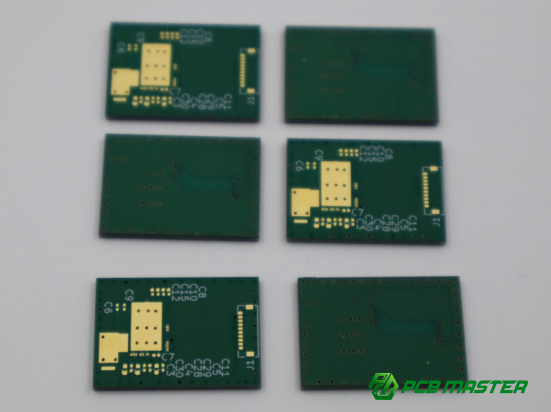
Why Circuit Board Recycling Is Important
Printed Circuit Boards (PCBs) are found in nearly every electronic product, including consumer devices, industrial equipment, automotive electronics, telecommunications systems, medical devices, and IoT applications.
As these products reach the end of their lifecycle, discarded PCBs become a significant source of electronic waste (e-waste) . Without proper recycling, valuable materials are lost, and environmental risks increase.
Circuit board recycling helps address these challenges by:
- Recovering valuable metals and reusable materials
- Reducing landfill waste
- Conserving natural resources
- Supporting environmental compliance initiatives
- Promoting circular economy principles
- Improving sustainability throughout the electronics supply chain
As governments and industries place greater emphasis on sustainability, PCB recycling has become an increasingly important component of responsible electronics manufacturing.
What Materials Can Be Recovered from Circuit Boards?
A circuit board contains a variety of valuable materials that can be recovered and reused through specialized recycling processes.
Common Recoverable Materials
| Material | Application in PCB Manufacturing | Recovery Value |
| Copper | Conductive traces and layers | High |
| Gold | Connectors and contact surfaces | Very High |
| Silver | Conductive coatings and contacts | High |
| Palladium | Electronic components | High |
| Aluminum | Metal Core PCB structures | Moderate |
| Tin | Solder materials | Moderate |
| Fiberglass | PCB substrate materials | Reusable in selected applications |
Many of these materials can be refined and reintroduced into manufacturing, reducing the need for newly mined resources and supporting sustainable production strategies.
Benefits of Material Recovery
| Factor | Traditional Disposal | PCB Recycling |
| Resource Utilization | Materials discarded | Valuable materials recovered |
| Environmental Impact | Higher waste generation | Reduced environmental burden |
| Economic Value | No recovery value | Reclaimable metals and materials |
| Sustainability | Linear consumption model | Circular economy model |
| Regulatory Alignment | Limited support | Supports environmental compliance |
PCB Recycling Process: Step-by-Step Guide
Understanding the PCB recycling process helps manufacturers and electronics companies appreciate the value of proper electronic waste management.
Step 1: Collection and Transportation
The recycling process begins with collecting discarded electronic products and circuit boards from manufacturers, businesses, recycling centers, and consumers.
Materials are safely transported to certified recycling facilities for further processing.
Step 2: Inspection and Sorting
Recyclers classify PCBs based on:
- Board type
- Material composition
- Precious metal content
- Product application
Sorting helps maximize recovery efficiency and ensures appropriate recycling methods are applied.
Step 3: Dismantling and Component Removal
Electronic components such as connectors, integrated circuits, heat sinks, and cables may be removed before further processing.
This step allows reusable components and specialized materials to be separated from the board structure.
Step 4: Mechanical Shredding
The circuit boards are shredded into smaller particles using industrial processing equipment.
The resulting material mixture contains:
- Metal particles
- Fiberglass
- Resins
- Plastics
- Ceramic materials
Step 5: Material Separation
Advanced separation technologies are used to isolate different materials.
Common methods include:
- Magnetic separation
- Density separation
- Electrostatic separation
- Air classification systems
These techniques improve recovery rates and increase material purity.
Step 6: Precious Metal Recovery
Specialized recovery processes extract valuable metals such as:
- Gold
- Silver
- Copper
- Palladium
Depending on the facility, recovery may involve:
- Hydrometallurgical methods
- Pyrometallurgical processes
- Chemical extraction technologies
Step 7: Refining and Reuse
Recovered materials are refined and processed into reusable raw materials.
These materials can then be reintroduced into manufacturing supply chains, reducing demand for virgin resources.
Key Benefits of PCB Recycling
Environmental Benefits
Proper circuit board recycling helps:
- Reduce electronic waste accumulation
- Lower landfill usage
- Minimize environmental contamination
- Reduce resource extraction activities
Economic Benefits
Recovered metals can retain significant value and contribute to resource efficiency.
Benefits include:
- Improved material utilization
- Reduced raw material dependence
- Greater supply chain resilience
- Long-term cost optimization
Industry Benefits
Electronics manufacturers increasingly use recycling initiatives to support:
- ESG programs
- Sustainability reporting
- Corporate environmental goals
- Regulatory compliance strategies
The Role of PCB Recycling in Sustainable Electronics Manufacturing
Sustainable electronics manufacturing focuses on minimizing environmental impact throughout the entire product lifecycle.
PCB recycling supports this goal by enabling manufacturers to move from a traditional linear model:
Raw Material → Manufacturing → Use → Disposal
to a circular model:
Raw Material → Manufacturing → Use → Recycling → Material Recovery → Remanufacturing
Sustainable Manufacturing Best Practices
Manufacturers can improve sustainability by:
- Designing products for easier recycling
- Reducing material waste during production
- Selecting environmentally compliant materials
- Improving manufacturing efficiency
- Partnering with certified recycling providers
Organizations that integrate recycling into their operational strategies are often better positioned to meet future sustainability requirements.
Industry Challenges in PCB Recycling
Although recycling technologies continue to improve, several challenges remain.
Increasing PCB Complexity
Modern electronics often contain:
- HDI PCBs
- Rigid-Flex PCBs
- Flexible Printed Circuits (FPC)
- High-frequency PCB materials
These advanced structures can make material separation more complex.
Miniaturization of Electronics
Smaller components and denser board designs create additional challenges for efficient material recovery.
Regulatory Requirements
Different regions may impose varying environmental regulations related to:
- Electronic waste management
- Hazardous substance handling
- Material traceability
Manufacturers must remain aware of evolving compliance requirements.
PCBMASTER's Industry Practices and Manufacturing Excellence
As a professional provider of PCB manufacturing, PCBA assembly, and SMT services, PCBMASTER supports customers across industries ranging from industrial control and communications to automotive electronics and consumer devices.
Operating an 80,000㎡ manufacturing facility , PCBMASTER provides comprehensive one-stop solutions including:
- PCB fabrication
- PCBA assembly
- SMT services
- Component sourcing
- Engineering support
- Prototype and mass production
Quality and Compliance
PCBMASTER maintains rigorous quality standards through:
- IATF 16949 Certification
- ISO 9001 Certification
- UL Certification
- RoHS Compliance
Every board undergoes strict testing and inspection procedures before shipment.
Advanced Manufacturing Capabilities
PCBMASTER supports:
| PCB Type | Monthly Capacity |
| Quick-Turn PCB Prototype (1–4 Layers) | 50,000 Items |
| High-Frequency PCB | 30,000㎡ |
| Rigid-Flex PCB | 100,000㎡ |
| HDI PCB | 50,000㎡ |
| Flexible PCB (FPC) | 6,000–10,000㎡ |
| Metal Core PCB | 20,000㎡ |
Manufacturing Efficiency
Key operational advantages include:
- 24-hour rapid prototyping
- 99.59% on-time delivery rate
- 99.5% product yield rate
- Advanced AOI inspection systems
- Three-stage quality inspection
- Free engineering file review
- Transparent pricing structure
- 24-hour engineering support
By helping customers optimize manufacturability and reduce production inefficiencies, PCBMASTER contributes to more sustainable electronics manufacturing practices throughout the product lifecycle.
Future Trends in PCB Recycling and Sustainable Manufacturing
Several developments are expected to influence the future of circuit board recycling.
Automation and Artificial Intelligence
Advanced sorting and material recovery systems will improve recycling efficiency and recovery rates.
Circular Economy Adoption
Manufacturers will increasingly prioritize recyclable designs and closed-loop material systems.
Green Electronics Initiatives
Environmental performance will become a more significant factor in supplier selection and product development.
Sustainable Supply Chains
Companies will place greater emphasis on traceability, material recovery, and responsible sourcing throughout the electronics value chain.
Conclusion
Circuit board recycling is an essential part of modern electronics manufacturing. Through effective PCB recycling processes, valuable materials can be recovered, environmental impact can be reduced, and sustainable manufacturing goals can be achieved.
As the electronics industry continues to evolve, integrating recycling, resource recovery, and circular economy principles into manufacturing strategies will become increasingly important. By combining advanced manufacturing capabilities, internationally recognized certifications, strict quality control systems, and comprehensive engineering support, PCBMASTER helps customers build reliable, efficient, and sustainable electronics solutions for the future.
Tags: #CircuitBoardRecycling #PCBRecycling #PCBRecyclingProcess #ElectronicsManufacturing #SustainableManufacturing #ElectronicWaste #EWasteRecycling #PCBA #SMT #PCBMASTER #HDIPCB #RigidFlexPCB #FlexiblePCB #IndustrialElectronics #CircularEconomy #GreenManufacturing #IndustryInsights
About the Author

Carol Luo
PCB Design EngineerI'm Carol, a PCB Engineer at PCBMASTER with experience in PCB design and manufacturing engineering since 2018. I focus on translating engineering requirements into reliable PCB solutions, with expertise in stack-up design, material selection, and design-for-manufacturing (DFM). I share practical engineering insights from real-world PCB design and production experience.
Visit Carol Luo's Profile