








How to Choose a PCB Manufacturer: 10 Factors to Evaluate Before Ordering
The electronics industry is entering a new phase of rapid growth. The choice of the right PCB (Printed Circuit Board) manufacturer is becoming ever more critical. The demand for AI servers, electric vehicles (EVs) , 5G equipment, industrial automation and high-end consumer electronics is increasing. This is driving the need for complex PCB solutions such as HDI (High-Density Interconnect) , high-frequency , high-layer count and rigid-flex PCBs . For instance, AI data centers need high-performance PCBs for faster signal transmission and high power density, while EVs require reliable PCBs with superior thermal management and long-term durability.
The PCB procurement is becoming more difficult due to the volatility of raw material prices, supply chain uncertainties and the stringent quality standards. Several manufacturers are facing production delays due to short supply and price volatility in key materials such as copper foil and copper-clad laminates. Wrong supplier choice will cause delays in delivery, quality problems, cost escalation and supply instability to the PCB buyers.
In such a dynamic market,PCB buyers should not choose their manufacturer just on the price. A systematic evaluation process has to be in place to ensure that a reliable partner is secured who can provide consistent quality, technical support and strong manufacturing capability for long term production.
What exactly should a buyer be looking at when choosing a PCB supplier? PCBMASTER shares 10 important factors for buyers to consider before ordering, based on years of experience and industry knowledge.
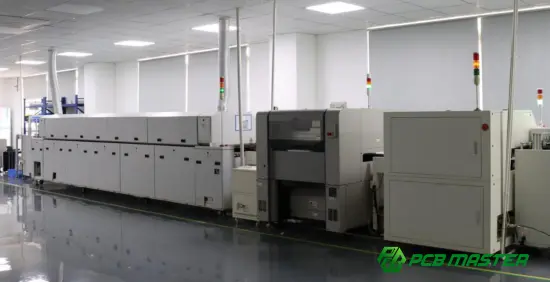
1. How Do You Evaluate a PCB Manufacturer’s Manufacturing Capabilities?
A good PCB manufacturer will have the right production capabilities to satisfy your current design needs and support the development of your product in the future. Buyers need to assess the manufacturer’s PCB technology portfolio, manufacturing specifications and production capacity before placing an order.
Check Whether the Manufacturer Can Produce Your Required PCB Types
Your design needs to be capable of supporting the specific PCB technologies the PCB manufacturer can offer. Not all suppliers can produce all types of boards. Different electronic products need different PCB designs.
When considering a PCB supplier, make sure they can manufacture:
- Rigid PCB: Most common type of PCB used in consumer electronics, industrial equipment, control systems
- Flexible PCB (FPC): This is a light weight circuit board that is flexible and can be used in applications where space is limited or where the board has to be bent.
- Rigid-flex PCB: A combination of rigid and flexible circuits, it is widely used in aerospace, medical devices and high-tech electronics.
- HDI PCB: High-Density Interconnect PCB, microvias and fine lines, for small and high-performance devices.
- High frequency PCB:It is for equipment requiring stable signal transmission, such as RF equipment, communication systems and radar products.
- Metal Core PCB: Used in applications with high heat dissipation requirements such as LED lighting and power electronics.
For example, a maker of automotive control modules needs a high-reliability rigid-flex PCB, while an AI server maker needs high-layer-count HDI PCBs with advanced signal performance. Some projects may not be appropriate for a supplier that only manufactures standard rigid boards.
The evaluation comprises:
- Product range: Do you have the products you need in stock from the manufacturer?
- Technical Limitations: Is the complexity of your design within the capability of the process?
- Manufacturing Scope: Do they meet your application and industry needs?
Review Their Manufacturing Specifications
Technical specifications from a PCB manufacturer will tell you if they can successfully manufacture your PCB design. Before choosing a supplier, compare the supplier’s manufacturing capability with your PCB requirements.
Key features include:
- Number of layers: Ensure that the manufacturer can cater to the number of layers you need. Complex products such as servers, communication equipment and industrial systems usually require multilayer PCBs.
- Minimum trace width and spacing: Traces are small in high density PCB designs. To accurately build fine circuits, a manufacturer requires advanced imaging and etching technology.
- Board thicknesscapability: Different applications need different PCB thickness. The supplier will be able to supply you with the required thickness.Heavy copper PCBs are built for power applications that require higher current capability.
- Options for surface finish: Common finishes are ENIG, HASL, OSP & immersion tin The correct surface finish impacts solderability, reliability and product life.
For example, if a PCB design calls for 3/3 mil trace and spacing for an HDI application, but the manufacturer only supports larger line widths, the project could face production delays or redesign costs.
Prior to ordering, buyer should check with the PCB manufacturer to make sure that the design can be manufactured without changes to critical specifications or performance requirements.
Confirm Production Capacity for Future Demand
Today’s requirements are not enough from the PCB supplier, it has to be able to support future production growth. When you are looking for a long-term partner in PCB manufacturing, production capacity is an important consideration.
Test the knowledge of the manufacturer in three areas:
Power of Prototype
A good PCB manufacturer will be able to rapidly build a prototype to verify the design. The prototype capability helps the engineer to test the performance of PCB, find out the problems and improve it before mass production.
Small Batch Production Capacity
Small volume production is important for;
- Product development
- Engineering validation
- Market testing
- Low-volume specialized products
A supplier is better able to deal with changes in order volume as they are better able to adapt to changes in order volume
Scale to mass production
Demand for PCBs is increasing, usually once validated for successful products. Buyer verification:
- Monthly production capacity
- Manufacturing resources
- Automation level
- Ability to maintain consistent quality during high-volume production
For example, a startup might only need 100 prototype boards at first but after the product launch the need might ramp to thousands of units a month. “Choosing a PCB manufacturer that can grow means you don’t have to qualify a new supplier later.
So here’s the question:
Can this PCB supplier support your current project and future growth in production?
2. How Do You Verify a PCB Manufacturer’s Quality Management System?
The PCB maker should have a proper quality management system to control the production risks, to make sure the PCB quality is consistent. Buyers may ask the supplier about its certification, inspection methods, and quality improvement methods before placing an order.
Check Certifications and Compliance Standards
The PCB manufacturer certifications will tell you whether it follows the industry quality standards and has a process to control production.
The main certifications are:
- ISO 9001: This means the manufacturer has procedures and a documented quality management system.
- IATF 16949: Required for many automotive PCB suppliers, this standard places an emphasis on strict process control and defect prevention.
- UL Certification: Ensures PCB materials and processes are compliant with safety standards.
- RoHS Compliant: Manufacturer controls restricted substances, meets environmental standards.
For instance, automotive PCB projects require better reliability and generally have a preference for suppliers with IATF 16949 certification.
When selecting a PCB manufacturer, you should consider:
- Whether certifications are valid
- Whether quality procedures are documented
- Whether standards are applied during production
Evaluate Quality Control Procedures
A professional PCB manufacturer should control quality through the whole process, rather than just look at the finished products.
The basic inspections are:
- Incoming Material Inspection: Inspect laminates, copper foil and other raw materials before production.
- AOI Inspection: Optical systems for detection of defects like open circuit, short circuit, pattern error.
- Electrical Testing: Tests electrical function and circuit connections .
- Final Inspection: Appearance, Dimension, Surface Finish and Shipment Quality Inspection.
For example, the production of HDI PCBs is subject to strict AOI and electrical testing where the small defects in thin circuits can affect the reliability of the product.
The big question is:
Can the PCB fabricator detect and avoid quality problems before shipment?
Review Quality Performance Management
A good PCB supplier will not only fix the defects, but also improve the processes so that the same problems do not happen again.
The basic practices of quality management are:
- Defect Tracking: Trend analysis of defect and manufacturing issue tracking.
- Root Cause : Analysis Understanding the Roots of Quality Problems
- Corrective Actions: Changes made to the process to remove the defect.
- Quality Records : Production and inspection data records for traceability
For example, if a batch of PCBs suffers from solderability issues, then a manufacturer with a solid quality management system can trace the production process back to the root cause and improve it.
This is the big test:
Does the PCB manufacturer continuously improve production quality through data and process control?
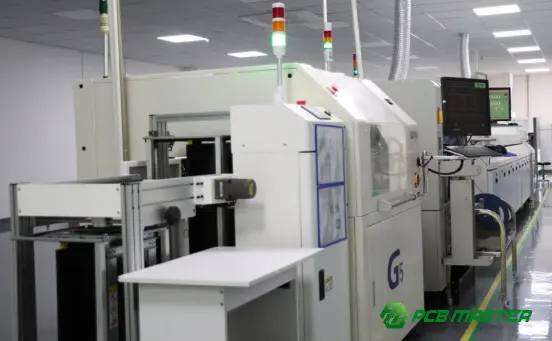
3. How Do You Assess a PCB Manufacturer’s Industry Experience?
A PCB manufacturer with experience will provide you with better understanding of the application requirements, design challenges and reliability expectations. When choosing a supplier, buyers should check that the manufacturer has experience with similar products, similar PCB projects and specific industry needs.
Check Experience in Similar Applications
Since different applications have different performance requirements, a PCB supplier with experience in your industry is a good bet.
Be sure that the manufacturer has experience in:
- Automotive Electronics: high reliability, long life, vibration-proof, strict quality control.
- Industrial control systems: They should be able to work stably in harsh conditions including temperature changes and continuous operation.
- Communication equipment: Requires advanced PCB technologies, such as high frequency materials and controlled impedance, to guarantee signal performance.
- Consumer electronics requirements: Small size, cost effective, high volume manufacturing capability.
For instance, an automotive PCB manufacturer should understand thermal management, reliability testing and long-term durability requirements. A supplier doing simple consumer PCBs may not have the experience to support automotive applications.
Things to think about:
- Does your manufacturer understand your industry norms?
- Are there any similar PCB products in the past?
- Do they fit the application-specific requirements?
Review Previous Manufacturing Cases
Buyers can use their manufacturing experience to figure out if a PCB supplier can solve similar production problems.
Test for manufacturing PCB:
- Similar PCB Designs: Has the manufacturer built similar multi-layer boards, HDI PCBs, rigid flex PCBs or other complex designs?
- Similar Material Requirements: Has the supplier experience with heavy copper boards, flexible materials or high frequency laminates?
- Same issues with manufacturing: Any issues on fine lines , thermal performance , signal integrity or reliability testing ?
For example, if your project is a high frequency PCB for a communication system, then a supplier who has done RF PCB project before will have better understanding about the material selection, stack up design and impedance control.
Previous cases from a manufacturer can be indicative of:
- Technical capability
- Problem-solving experience
- Production consistency
Evaluate Technical Knowledge in Your Industry
A good PCB manufacturer should know more than just how to make PCBs. They need to know how the PCB is applied and what performance requirements are important.
Evaluate the supplier’s knowledge of:
- Reliability requirements: Different industries have different expectations on product lifetime and failure rates.
- Environmental Conditions: Automotive and industrial PCBs are often exposed to heat, moisture, vibration or chemical exposure.
- Performance expectations: High speed and high frequency applications require stable signal transmission and precise manufacturing control.
For example, the PCB in an electric vehicle battery management system needs to be more reliable and thermally efficient than a PCB in a typical consumer device.
The question is an important one.
Does the PCB Manufacturer understand your product requirements and provide solutions based on your application and not just manufacturing by files?
4. How Should You Evaluate PCB Engineering Support Before Production?
Good PCB fabricators don’t just take the files you give them and make boards. They also support pre-production engineering. Professional engineering support will help identify potential problems early, minimize production risks and improve PCB manufacturability.
Check DFM Review Capability
Before starting the actual fabrication process, the PCB manufacturer has to do DFM (Design for Manufacturability) analysis to spot any possible manufacturing problems.
Engineers will see:
- Manufacturing risks:Potential manufacturing problem, e.g. routing, spacing or via design problems.
- Design issues: PCB layout issues that could affect reliability or manufacturing.
- Limitations due to the process: The design must be compatible with the equipment and capability of the manufacturer.
For example, a PCB design can look good in design but not in production because of close trace spacing or a complex board structure to manufacture. A DFM review will catch these problems before you go into manufacturing.
Here arekey evaluation points:
- Did you receive the DFM feedback from the manufacturer?
- Can an engineer design a PCB?
- Can they suggest a few design improvements?
Evaluate Technical Communication During Design Review
Engineers reviewing PCB designs must be good communicators. A good PCB manufacturer will not just reject designs, but will tell you what is wrong with them and give you useful solutions.
Evaluate:
- Engineering response quality: Are technical questions answered correctly and timely?
- Problem explanation skills: Do engineers explain how a problem affects manufacturing or reliability?
- Technical advice: If they see a problem can they give a better solution?
When a PCB supplier sees a stack-up design that could cause signal performance problems, experienced engineers should be able to explain why and suggest alternatives, such as a different layer structure or material.
Good Technical communication helps the customer to make better design decisions and reduces the need for unnecessary redesign.
Assess Engineering Problem-Solving Ability
A good PCB manufacturer will help the customer with any technical problems that arise during production.
Maybe the engineering team could assist in:
- Design changes: PCB design changes that create manufacturing issues.
- Process optimization: Improvements to manufacturing processes to increase throughput and reliability.
- Manufacturing troubleshooting: Finding and resolving issues in the manufacturing or assembly process.
If a high frequency PCB isn’t working as expected, an experienced engineering team can review the material selection, stack-up design and manufacturing parameters to determine the root cause.
Then the question is:
Can the PCB manufacturer be more proactive in helping out with technical issues and also contributing to the improvement of the end product instead of just manufacturing to original files?
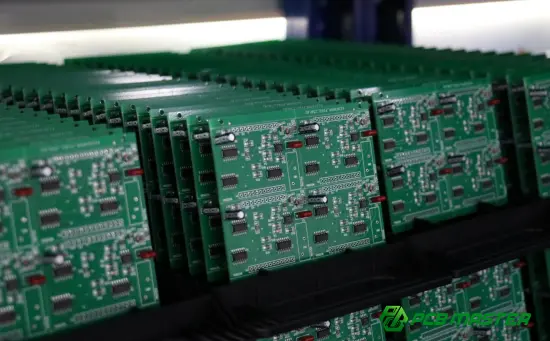
5. How Do You Evaluate PCB Material Quality and Supply Stability?
A good PCB manufacturer must have good material selection ability and stable supply chain management. Using the right PCB materials and a reliable material supply chain impacts the electrical performance, thermal reliability and lifetime of the product without production delays.
Check Material Selection Capability
A good PCB manufacturer will recommend materials that are suitable for your product requirements, not just standard materials for every project.
The most common PCB’s are:
- Standard FR-4 materials: Widely used for general electronics because they provide good mechanical strength and cost efficiency.
- High-frequency materials: Used in RF, 5G, and communication applications where stable signal transmission is required.
- Flexible PCB materials: Used for flexible circuits that need bending capability and space-saving designs.
- Specialized laminates: Used for applications requiring higher thermal performance, low signal loss, or special reliability requirements.
For example a high frequency communication device requires low loss laminate materials to maintain the quality of the signal while an LED power application requires better heat resistant materials.
Assessment Critical factors:
- Can the manufacturer recommend appropriate materials for your application?
- Does the supplier understand the different material performances?
- Does the material selection meet the technical and cost requirements?
Verify Material Source Reliability
Consistency of sourcing parts is very important as the performance of a PCB is highly dependent on the consistency of the materials. A good PCB supplier should have qualified material suppliers and good control of the materials.
Evaluate:
- Approved Material Suppliers: The manufacturer shall purchase laminate and copper foil from approved sources.
- Material traceability: Ensure that materials are traceable by production lot.
- Material consistency: should be consistent from batch to batch.
Improperly evaluating laminate material changes with a PCB manufacturer can affect impedance, thermal performance or product reliability.
And this is an important question:
Can PCB manufacturer control the source of materials and production batch for PCB quality?
Evaluate Supply Chain Risk Management
A good PCB manufacturer will have plans to deal with supply chain disruptions caused by material shortages, price fluctuations or supplier problems.
Key points:
- Alternative Materials: Qualified alternative materials shall be provided by the manufacturer in the event the original material is not available.
- Inventory Planning: Proper planning of materials ensures that production does not get delayed due to unforeseen shortages.
- Diversifying suppliers: The company uses a number of qualified suppliers to reduce its dependence on a single source.
For instance, if a particular laminate material is difficult to source, a supplier with robust supply chain management can recommend an alternative and keep to production plans after the technical verification process is complete.
The main point of assessment is:
Can the PCB manufacturer provide stable long term production with material control and supply chain ?
6. How Can You Compare PCB Manufacturer Lead Time and Delivery Reliability?
A good PCB manufacturer should give you accurate delivery schedules and stable production performance. Buyers may check the accuracy of the supplier’s lead time, their ability to track production and respond to emergencies before placing an order so that project delays can be avoided.
Evaluate Production Schedule Accuracy
A PCB supplier’s quoted lead time should match their actual production capabilities. Buyers should also check the manufacturer’s quoted lead time to delivery against their past performance in production.
Points for evaluation are:
- Quoted Lead Time: Find out how much time the manufacturer requires for prototype and mass production.
- In practice, the production cycle: Compare the estimated timeline against the actual manufacturing performance.
- Delivery history: Find out whether the supplier delivers orders on time consistently.
A PCB manufacturer might say that they can deliver prototypes in 7 days, but if it usually takes 15 days to get them, then this could impact product testing and launch schedules.
When considering a PCb supplier think about:
- Do you get realistic delivery dates from the manufacturer?
- Are they able to explain drivers of lead time?
- Are they known for meeting customer deadlines?
The reputable PCB manufacturer will give you predictable delivery, not just the shortest quoted timeline.
Review Production Tracking Capability
Transparent production communication enables buyers to track order status and minimize ambiguity in the production stage.
Determine if the supplier provides:
- Production progress: We keep you updated regularly on the status of your order.
- Visibility of manufacturing progress: Status reports on important manufacturing milestones such as fabrication, testing and inspection.
- Delivery communication: Clear shipping schedules and shipment information
If there is a delay in a PCB order due to material availability or production issues, a good supplier should inform the customer early and offer some solutions.
Buyers benefit from effective production tracking:
- Order assembly schedules
- Manage stock
- Minimize unexpected delays
The crucial question is:
Can the PCB manufacturer provide good visibility through the whole ordering process?
Check Emergency Production Support
Like prototype changes, urgent replacements or increased customer demand, unexpected project changes are very common. A flexible PCB manufacturer should be able to react quickly.
Calculate:
- Fast turn PCB capabilities: Whether the supplier can support quick turn prototype manufacturing.
- Urgent order capability: If they have processes for urgent projects.
- Flexible production planning: the capacity to adjust schedules as requirements change.
For example, an electronics company may discover a design problem after testing and require updated prototype PCBs on a tight schedule. A manufacturer that is capable of quick-turn will be able to shorten the redesign cycle, and help move the project forward.
When choosing a PCB supplier, buyers should consider:
- Can the manufacturer react to urgent requests?
- Is the production resource flexible?
- Can Lead Time Be Reduced and Quality Maintained?
A good PCB manufacturer should be able to balance speed with manufacturing quality, not just fast delivery.
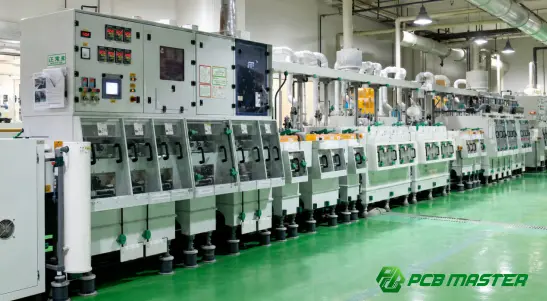
7. How Should You Evaluate PCB Manufacturer Pricing?
You want a PCB manufacturer that’s good value all round, not just the lowest quote, and with a pricing structure that’s easy to understand. When selecting PCB suppliers, buyers should think about the overall cost structure, the quality of the product and the long-term impact on production.
Analyze the Complete Cost Structure
The PCB quote is more than a per unit price. Buyers need to consider all elements of the costs involved to get an accurate idea of what the project will cost.
The cost drivers include:
- Price per PCB: The price of each board is determined by the material, number of layers, size of the board and the number of boards to be produced.
- Engineering fees: Charges for engineering assistance, Design Review, DFM analysis.
- Tooling costs: Cost of setting up the production, such as special fixtures or manufacturing setup.
- Test charges: Costs for electrical testing, inspections or reliability checks.
You may get a lower unit price on a PCB from the supplier but they will charge you for engineering support or testing . One supplier may have a higher price per unit but offer more services and a lower total project cost.
When choosing a PCB manufacturer, buyers should not only look at the price of the board but the total quotation value.
Compare Value Instead of Only Price
Maybe PCB pricing isn’t the best deal for you. A lower price supplier might be cutting corners using lower quality materials, fewer inspection processes, or lower levels of technical support.
When considering PCB manufacturers:
- Production quality: Can the supplier deliver consistent quality PCBs?
- Service level: This is how well the maker communicates and provides good tech support.
- Production reliability: capability of the supplier to deliver consistent quality and on time schedules.
For instance, a cheap PCB vendor may offer you a very attractive price but it may cost you more in the long run if the boards are bad or need to be iterated to get right.
A more accurate measure would be:
Price + Service + Quality + Delivery on Time
This helps buyers find a PCB manufacturing partner that gives them a better total value.
Consider Long-Term Cost Impact
But the real cost of pcb manufacturing is the risk you take placing an order. Poor quality can mean that a cheaper quote from a vendor will cost you more money in the long run.
The main cost drivers in the long term are:
- Scrap rate: The percentage of defective PCBs that cannot be used. Higher scrap rates increase production costs.
- Rework costs: Additional expenses caused by repairing or replacing defective boards.
- Production stability: Consistent manufacturing performance reduces unexpected costs and delays.
A good process control pcb manufacturer will cost a little bit more initially, but will save the money in the long run by reducing the amount of defects, providing steady delivery and creating less interruption of production.
The question is:
Is buying the PCB manufacturer cheaper for the life of the product?
Good PCB suppliers can help you to get cost efficiency with quality and stability and only lower initial quotation.
8. How Do You Evaluate PCB Manufacturer Communication and Service?
Good PCB manufacturers will provide professional project support and effective communication throughout the manufacturing process. Good communication helps avoid misunderstandings, speeds up the process of solving technical problems and helps ensure that projects run smoothly.
Check Response Efficiency
Fast and straight forward communication is important when working with a PCB supplier, especially during design review, production and problem solving.
Test:
- Inquiry response time : The time from the manufacturer to respond to requests for quotation and simple questions.
- Technical response time: the speed of engineers in answering technical questions.
- Project updates: Is key information about production provided regularly by the supplier?
For example, if a manufacturing problem arises with a PCB design, a supplier who has fast communication from engineering can quickly identify the problem, and avoid wasting time.
Key points to be assessed:
- Does the manufacturer respond?
- The answers are correct and technically clear?
- Is the supplier updating on project progress?
Communication is an effective way and reduces the risks of the project and the efficiency of cooperation.
Confirm Project Management Support
A good professional PCB supplier should be able to clearly coordinate the different steps from quotation, to delivery through a project management process.
Calculation:
- Contacts you are obligated to: If there is someone responsible for project communication.
- Order coordination: How well a supplier can coordinate production schedules, technical information and delivery arrangements.
- Information accuracy: Are details, specs and updates on the project being communicated correctly?
For example, with a complex PCB project, having many revisions, a dedicated project contact can help to ensure updated files, production requirements and delivery schedules are properly managed.
A good project management may allow:
- Minimize misunderstandings
- Improving Production Efficiency
- Keep project on schedule.
Evaluate Customer Relationship Management
A good PCB manufacturer should care not only about individual orders but to build a long-term partnership.
Let’s think about:
- Long term support for cooperation: Does the supplier support future product update, increased production demands and new PCB requirements?
- Continuous improvement communication: Whether the manufacturer reviews past projects and suggests improvements for future production.
For example, after a few production runs an experienced PCB manufacturer might recommend design modifications or process improvements that will increase yield and reduce cost.
The essential question is:
Are the PCB manufacturer a partner you trust in the long run and not only a supplier today?
Choosing the right PCB manufacturing partner to work with long-term is a matter of good communication and constant improvement.
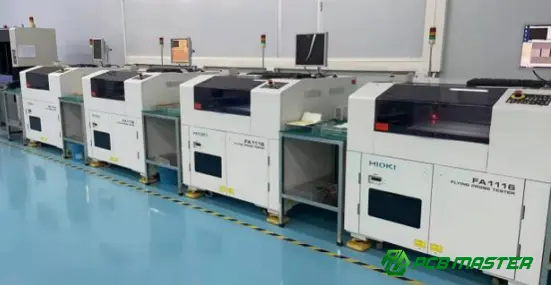
9. How Can You Verify a PCB Manufacturer Before Mass Production?
Buyers are advised to qualify the PCB manufacturer with prototype testing, documentation review and supplier qualification before mass production. This process helps to verify whether the supplier can consistently meet quality, technical and production requirements.
Request Prototype Production
Prototype production is one of the best ways to evaluate the real manufacturing capability of a PCB manufacturer. A prototype allows buyers to test real product quality before they move into mass production.
Evaluate:
- Sample quality: Look at PCB appearance, size, surface finish and overall manufacturing quality.
- Consistency in manufacturing: Verify several samples fall within the same specifications.
- Process capability: Verify that the manufacturer has the capability to make the required PCB structure and meet the design requirements.
For example, prototype productioncan help a company building an HDI PCB for a new electronic device verify fine-line accuracy, layer alignment, and electrical performance before large-scale manufacturing.
Prototype evaluation allows buyers to spot problems sooner, for example:
- Defects in manufacturing
- Design Incompatibility Problems
- Process constraints
The big question is:
Can the PCB manufacturer supply a sample according to your actual production needs?
Review Manufacturing Documentation
A good PCB supplier should have clear production and quality documents to ensure the process is transparent.
Important documents are:
- Quality reports: Show inspection results and confirm products meet required standards.
- Test records: Electrical test records Inspection data and verification results
- Process information: Details manufacturing processes and quality control procedures.
For example, buyers considering a PCB supplier for automotive electronics might review quality records and test reports to confirm that the manufacturer meets demanding reliability requirements.
Good documentation helps buyers to understand:
- How products are made
- How quality is managed
- If problems occur how can they be traced
A credible PCB manufacturer will provide the quality information that matters rather than just product quotes.
Conduct Supplier Qualification Review
The supplier qualification review allows the buyer to verify the fitness of the PCB manufacturer for long-term cooperation.
Evaluate:
- Factory capacity: Check on the production equipment, manufacturing process and capacity.
- Quality system: Examine certifications, inspection procedures, and quality management methods.
- Technical readiness: Validate that your PCB requirements can be fulfilled by engineering teams.
The standard process for qualifying suppliers involves:
- Review of manufacturer capabilities
- Technical Requirements and Verification
- Prototype results evaluation
- Checking for quality docs
- Mass production approval of the supplier
An industrial equipment company, for example, may qualify a PCB supplier by reviewing factory capability, testing prototype boards and verifying production consistency before signing a long-term supply agreement.
The main evaluation goal is:
Can this PCB manufacturer maintain the quality and production performance in the stable and reliable manner when moving from prototypes to mass production?
10. How Do You Choose the Right PCB Manufacturer for Long-Term Cooperation?
Selecting the best PCB manufacturer is not about making one order. As your products develop, your production volumes grow and the technical requirements become more complex, you’ll need a supplier you can trust to support you.
Evaluate Overall Supplier Fit
The best PCB manufacturer for you is one that can meet your technical, operational and business needs. Don’t just look at one factor, look at the whole supplier.
You can now think:
- Technical capability: Can the manufacturer build your current and future PCB designs?
- Quality and reliability: Can they make the goods exactly as you wanted, every time?
- Communication efficiency: Do they respond and solve problems quickly?
- Business stability: How stable is the company? Can it support long term projects?
For example a supplier may have very good manufacturing skills. But bad communications can still delay a project. All the big areas that your right partner will excel at.
The primary question:
Is this PCB manufacturer capable of supporting your business for years to come, not only your next order?
Start With a Controlled Cooperation Process
Phased qualification process removes risk before large volumes of production.
A possible process could be:
- Submit your PCB requirements so the supplier can review your technical specifications.
- Evaluate the manufacturer's capabilities, including production equipment, certifications, and engineering support.
- Order prototype PCBs to verify manufacturing quality and process capability.
- Validate the results through electrical testing, assembly, and functional performance.
- Move to volume production only after the supplier consistently meets your quality and delivery requirements.
Many OEMs for example begin with a small prototype order and then approve a supplier for long term production. The strategy helps to identify problems at an early stage and limits risk.
Build a Strategic Manufacturing Partnership
A good PCB supplier continues to add value after production has started. Long term partnerships are generally associated with higher quality, higher efficiency and faster development of products.
Is the manufacturer able to provide:
- Continual improvement: Recommendations for improved manufacturability, quality or cost over time.
- Next technology support: The capability to adapt to new PCB technologies and more complex designs as your products evolve.
- Capacity expansion: Sufficient production resources to satisfy the growing demand without sacrificing quality or lead time.
Let’s say your product launch was successful and your annual PCB demand doubles. “A good long-term manufacturing partner should be able to scale production, and still be consistently good on quality and delivery.
You want a PCB manufacturer that will grow with your business and become a trusted manufacturing partner, not just another supplier.
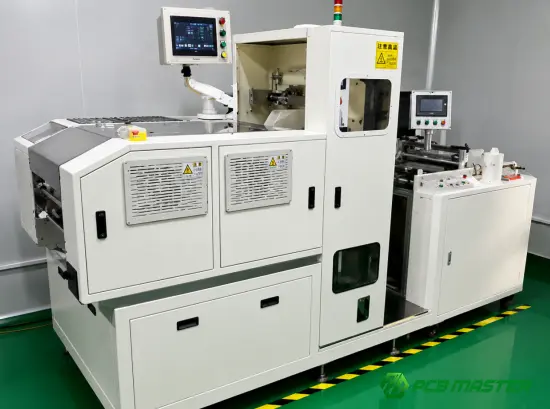
Conclusion
Choosing the right PCB manufacturer is a critical decision that directly affects product quality, delivery performance, and long-term business success. A good supplier will offer more than good prices, they should offer good manufacturing, consistent quality, good engineering support and be able to grow with your future needs.
Systematic evaluation enables buyers to mitigate supply risk and build a more reliable PCB supply chain. With experience as a PCB manufacturer, PCBMASTER offers customers advanced PCB fabrication capabilities, strict quality management systems, professional engineering assistance and flexible production solutions for prototype and mass production projects.
With experiences in automotive, communication, industrial control and consumer electronics industries, PCBMASTER focuses on providing reliable PCB solutions with a balance of performance, manufacturability and cost efficiency. The right PCB partner is not about getting one order done, it is about building a steady manufacturing relationship for the long haul.
FAQ: Choosing a PCB Manufacturer
What should I check first when choosing a PCB manufacturer?
What is the first thing I should consider when selecting a PCB manufacturer?
First, see if the PCB manufacturer can meet your technical specs. Are they experienced in similar applications and can they support your design requirements? Can they produce the PCB you require? Then compare the prices and check their quality management system, engineering support, production capacity and delivery.
Is the cheapest PCB manufacturer usually the best option?
Not all the time. The least expensive is not value. A supplier with a lower cost structure may use lower quality materials, fewer inspections or limited engineering support. Defects, delivery delays and increased overall costs can be the results. Do not simply read the quotation. Assess the manufacturer’s quality, reliability, technical support, and total cost of ownership.
How can I verify whether a PCB supplier is reliable?
Combining several evaluation methods is a good idea. Check supplier certifications, ask for prototype boards, check quality reports and test records and judge their communication, engineering support and on-time delivery record. Before placing large production orders, you might want to consider supplier qualification or factory audit.
What certifications should a PCB manufacturer have?
What certifications are needed in your industry, but most reputable PCB manufacturers should have:
- ISO 9001 for quality management.
- UL Certification for product safety compliance.
- RoHS Compliance for environmental requirements.
- IATF 16949 if the supplier manufactures PCBs for automotive applications.
These certificates ensure that the manufacturer adheres to the popular standards of quality and production.
Should I test a PCB manufacturer with prototypes before mass production?
Yup. Prototyping is one of the best ways to test the capabilities of a PCB manufacturer before going into mass production. Prototypes are tested for manufacturing quality, process consistency and product performance and to identify problems early on. This step can save you expensive reworking, reduce your risk in production and give you confidence before making larger orders.
About the Author

Carol Luo
PCB Design EngineerI'm Carol, a PCB Engineer at PCBMASTER with experience in PCB design and manufacturing engineering since 2018. I focus on translating engineering requirements into reliable PCB solutions, with expertise in stack-up design, material selection, and design-for-manufacturing (DFM). I share practical engineering insights from real-world PCB design and production experience.
Visit Carol Luo's Profile