








What Is a Cold Solder Joint? Causes, Symptoms, Prevention, and Repair in PCB Assembly
A cold solder joint is a common PCB assembly defect that occurs when solder fails to form a proper metallurgical bond between a component lead and a PCB pad. Although the connection may appear functional initially, it can lead to intermittent operation, increased resistance, signal instability, and premature product failure. Understanding the causes, symptoms, prevention methods, and repair techniques for cold solder joints is essential for ensuring reliable PCB and PCBA performance. By implementing rigorous quality control, advanced inspection technologies, and standardized manufacturing processes, manufacturers can significantly reduce solder-related defects and improve long-term product reliability.
What Is a Cold Solder Joint?
A cold solder joint is a defective solder connection formed when solder does not melt, flow, or solidify properly during the soldering process. Instead of creating a strong electrical and mechanical bond, the solder forms a weak connection that may fail under thermal, electrical, or mechanical stress.
Cold solder joints can occur in both through-hole and surface-mount assemblies and are among the most common causes of intermittent failures in electronic devices.
Characteristics of a Cold Solder Joint
Typical visual signs include:
- Dull or grainy surface appearance
- Rough or uneven solder texture
- Cracks around the solder fillet
- Poor wetting between solder and pad
- Irregular solder shape
In contrast, a properly formed solder joint appears smooth, shiny, and evenly distributed around the component lead.
Why Are Cold Solder Joints a Major Reliability Concern?
Even a single defective solder joint can compromise the performance of an entire electronic assembly.
As electronic products become smaller, more complex, and more densely populated, solder joint integrity plays a critical role in ensuring reliable operation.
Potential Consequences
| Industry | Risks Associated with Cold Solder Joints |
| Automotive Electronics | Sensor failures, ECU communication issues |
| Industrial Control Systems | Unexpected downtime and equipment malfunction |
| Medical Devices | Inaccurate readings or operational failures |
| Telecommunications | Signal degradation and connectivity issues |
| Consumer Electronics | Reduced lifespan and customer returns |
In mission-critical applications, cold solder joints can lead to expensive field failures, warranty claims, and reputational damage.
Common Symptoms of a Cold Solder Joint
One of the challenges of diagnosing a cold solder joint is that the defect may not cause an immediate failure. Instead, problems often appear intermittently and become more severe over time.
Typical Symptoms
- Intermittent circuit operation
- Random system resets
- Signal transmission instability
- Communication errors
- Excessive heat generation at connection points
- Increased electrical resistance
- Device failure under vibration or movement
- Inconsistent test results
- Unexpected failures during thermal cycling
Warning Signs During Inspection
| Symptom | Possible Cause |
| Flickering operation | Weak electrical connection |
| Random shutdowns | Intermittent conductivity |
| Communication failures | Increased contact resistance |
| Failed vibration testing | Poor mechanical strength |
| Thermal cycling failures | Cracked solder structure |
A cold solder joint may pass initial functional testing but fail later in the product lifecycle, making preventive quality control especially important.
What Causes a Cold Solder Joint?
Several factors can contribute to the formation of cold solder joints during PCB assembly.
Insufficient Soldering Temperature
If the solder does not reach the appropriate melting temperature, it cannot properly wet the PCB pad and component lead.
Common causes include:
- Incorrect reflow profiles
- Low soldering iron temperatures
- Uneven heat distribution across the PCB
Component Movement During Cooling
Movement while solder is solidifying can disrupt the metallurgical bond.
Examples include:
- Handling the board before cooling is complete
- Conveyor vibrations
- Improper fixturing
Oxidized PCB Pads or Component Leads
Oxidation reduces solder wettability and prevents proper bonding.
Contributing factors include:
- Extended storage periods
- Exposure to moisture
- Poor packaging conditions
Inadequate Flux Activity
Flux removes surface oxidation and promotes solder flow. Degraded or insufficient flux can result in poor solder joint formation.
Surface Contamination
Contaminants such as dust, oil, fingerprints, and manufacturing residues can interfere with solder adhesion and increase defect rates.
How to Identify a Cold Solder Joint
Accurate identification requires a combination of visual inspection and advanced testing techniques.
Visual Inspection
A comparison between acceptable and defective solder joints can help identify potential issues.
| Feature | Good Solder Joint | Cold Solder Joint |
| Appearance | Smooth and shiny | Dull and grainy |
| Wetting | Complete and uniform | Partial or uneven |
| Shape | Consistent fillet | Irregular structure |
| Strength | High mechanical integrity | Weak mechanical bond |
| Conductivity | Stable | Intermittent |
Advanced Inspection Methods
Modern PCB manufacturers often utilize:
- Automated Optical Inspection (AOI)
- X-ray Inspection
- In-Circuit Testing (ICT)
- Functional Testing
- Microscopic Analysis
- Solder Joint Cross-Section Analysis
How to Prevent Cold Solder Joints
Prevention is significantly more cost-effective than repair.
Optimize Reflow Soldering Profiles
A carefully controlled thermal profile ensures proper solder melting and wetting.
Factors to consider include:
- PCB thickness
- Component density
- Solder paste characteristics
- Thermal mass distribution
Use High-Quality Materials
Reliable solder joints begin with quality materials, including:
- High-quality PCB surface finishes
- Fresh solder paste
- Properly stored components
- Approved flux systems
Maintain a Clean Manufacturing Environment
Contamination control is essential for achieving consistent soldering quality.
Best practices include:
- ESD-protected production areas
- Humidity control
- Routine equipment maintenance
- Proper handling procedures
Implement Multi-Stage Quality Inspection
Early defect detection reduces production costs and improves yield.
| Inspection Stage | Objective |
| Engineering Review | Verify manufacturability |
| Solder Paste Inspection (SPI) | Check paste deposition |
| AOI Inspection | Detect visual defects |
| X-ray Inspection | Evaluate hidden joints |
| Functional Testing | Confirm electrical performance |
Follow International Quality Standards
Quality management systems provide structured controls that reduce process variation and improve consistency.
Common Mistakes to Avoid
Relying Solely on Visual Inspection
Some cold solder joints may appear acceptable while still containing hidden defects.
Best Practice: Combine visual inspection with electrical and functional testing.
Ignoring Thermal Design Considerations
Uneven copper distribution and poor thermal management can create inconsistent heating during reflow.
Best Practice: Optimize PCB layout during the design phase.
Using Improper Rework Procedures
Excessive heat or repeated rework can damage components and PCB pads.
Best Practice: Follow controlled rework processes using calibrated equipment.
Selecting Suppliers Based Only on Cost
Lower-cost manufacturing can sometimes lead to insufficient process control and higher defect rates.
Best Practice: Evaluate suppliers based on quality systems, engineering expertise, inspection capabilities, and delivery performance.
How to Repair a Cold Solder Joint
Once identified, a cold solder joint can often be repaired through controlled rework procedures.
Step 1: Inspect the Defective Joint
Determine whether the defect is caused by insufficient wetting, contamination, cracking, or thermal stress.
Step 2: Remove Contamination
Clean the affected area using appropriate electronic-grade cleaning materials.
Step 3: Reheat and Reflow the Joint
Apply the correct soldering temperature and allow the solder to fully reflow.
Ensure:
- Proper heat transfer
- Adequate flux activity
- Stable positioning during cooling
Step 4: Inspect and Test
After rework:
- Perform visual inspection
- Verify electrical continuity
- Conduct functional testing if necessary
For high-reliability applications such as automotive, aerospace, and medical electronics, repaired assemblies should undergo additional validation testing.
PCBMASTER's Approach to Solder Joint Reliability
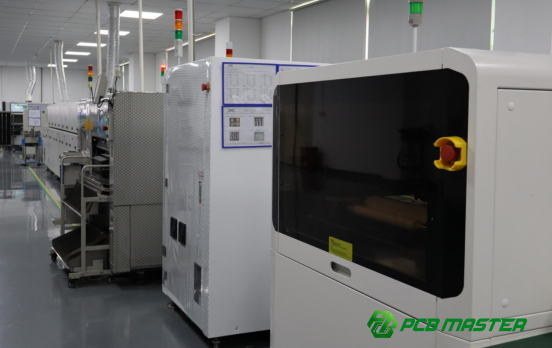
As a professional provider of PCB manufacturing, PCB assembly, and SMT services, PCBMASTER integrates quality assurance into every stage of production.
With certifications including ISO 9001 , IATF 16949 , UL , and RoHS , PCBMASTER maintains strict quality management procedures designed to minimize soldering defects and maximize product reliability.
Advanced Manufacturing Capabilities
PCBMASTER operates an 80,000㎡ manufacturing facility capable of supporting:
- PCB fabrication
- SMT assembly
- PCBA manufacturing
- Component sourcing
- Design support
The company supports a wide range of technologies, including:
- HDI PCBs
- High-frequency PCBs
- Rigid-flex PCBs
- Flexible PCBs (FPC)
- Metal-core PCBs
- Quick-turn PCB prototypes
Comprehensive Quality Control
PCBMASTER's quality assurance system includes:
| Quality Measure | Benefit |
| Advanced AOI Testing | Early defect detection |
| Three-Stage Quality Inspection | Improved process consistency |
| Full Electrical Testing | Reliable functionality |
| ISO 9001 & IATF 16949 Compliance | Standardized quality management |
| UL Certification | Global compliance assurance |
Engineering Support and Fast Turnaround
Customers benefit from:
- Free engineering file review
- Design optimization recommendations
- One-on-one engineering support
- 24-hour rapid PCB prototyping
- Flexible production scheduling
- 99.59% on-time delivery performance
These capabilities help reduce manufacturing risks while accelerating product development and market entry.
Future Trends in Solder Joint Quality Management
As electronic assemblies continue to evolve toward miniaturization and higher complexity, solder joint reliability will become even more critical.
Key industry trends include:
- AI-driven defect detection
- Real-time process monitoring
- Smart factory integration
- Automated reflow optimization
- 3D X-ray inspection systems
- Enhanced reliability testing for automotive and aerospace applications
Manufacturers that invest in advanced quality control technologies and engineering expertise will be better positioned to deliver reliable products in increasingly demanding markets.
Conclusion
A cold solder joint is a common but potentially serious PCB assembly defect that can compromise electrical performance, mechanical integrity, and long-term product reliability. By understanding its causes, recognizing its symptoms, implementing preventive measures, and applying proper repair techniques, manufacturers can significantly reduce failure rates and improve product quality.
Through certified quality systems, advanced inspection technologies, comprehensive engineering support, and robust manufacturing capabilities, PCBMASTER helps customers achieve reliable PCB and PCBA solutions while minimizing solder-related defects across both prototype and volume production projects.
Tags: #ColdSolderJoint #PCBAssembly #PCBA #SMT #PCBManufacturing #ElectronicsManufacturing #SolderingDefects #QualityControl #IATF16949 #ISO9001 #PCBMASTER #IndustryInsights
About the Author

Carol Luo
PCB Design EngineerI'm Carol, a PCB Engineer at PCBMASTER with experience in PCB design and manufacturing engineering since 2018. I focus on translating engineering requirements into reliable PCB solutions, with expertise in stack-up design, material selection, and design-for-manufacturing (DFM). I share practical engineering insights from real-world PCB design and production experience.
Visit Carol Luo's Profile