







What Is HDI PCB? A Complete Guide to High-Density Interconnect Printed Circuit Boards
HDI PCB (High-Density Interconnect Printed Circuit Board) is an advanced PCB technology designed to accommodate more circuitry in a smaller space through the use of microvias, blind vias, buried vias, and fine-line routing. Compared with conventional multilayer PCBs, HDI boards offer higher wiring density, improved electrical performance, reduced signal loss, lighter weight, and smaller form factors. As modern electronics continue to demand miniaturization and high-speed performance, HDI PCBs have become a critical solution in smartphones, automotive electronics, medical devices, industrial automation systems, aerospace equipment, and communication infrastructure.
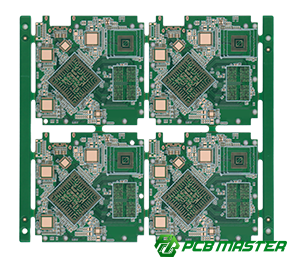
What Is HDI PCB?
HDI PCB stands for High-Density Interconnect Printed Circuit Board . It is a type of PCB specifically engineered to achieve higher circuit density per unit area than traditional printed circuit boards.
The defining feature of HDI technology is the use of:
- Microvias
- Blind vias
- Buried vias
- Fine traces and spaces
- Sequential lamination processes
These technologies allow designers to route more signals within a compact footprint while maintaining excellent signal integrity and reliability.
As electronic products become smaller, faster, and more complex, HDI PCBs have become one of the most important technologies enabling next-generation electronic design.
Key Characteristics of HDI PCBs
| Feature | Traditional PCB | HDI PCB |
| Via Structure | Through-hole vias | Microvias, blind vias, buried vias |
| Routing Density | Moderate | Extremely high |
| Board Size | Larger | Smaller and lighter |
| Signal Integrity | Standard | Enhanced |
| High-Speed Performance | Limited | Excellent |
| Design Complexity | Lower | Higher |
| Manufacturing Process | Conventional | Advanced sequential lamination |
HDI PCBs allow engineers to achieve higher functionality without increasing board dimensions, making them ideal for compact and high-performance electronic devices.
How Does HDI PCB Technology Work?
HDI technology increases circuit density by replacing large through-hole vias with smaller and more efficient interconnection structures.
Microvias
Microvias are laser-drilled holes with diameters typically below 150 μm.
Benefits include:
- Reduced signal transmission distance
- Lower parasitic capacitance
- Better electrical performance
- Increased routing space
Blind Vias
Blind vias connect an outer layer to one or more inner layers without penetrating the entire board.
Advantages:
- More routing channels
- Higher layer utilization
- Reduced board size
Buried Vias
Buried vias connect internal layers and are completely hidden within the PCB.
Advantages:
- Increased wiring density
- Improved signal routing flexibility
- Better mechanical reliability
Sequential Lamination
HDI PCBs are often manufactured through multiple lamination cycles, allowing additional layers and microvia structures to be built progressively.
Why Are HDI PCBs Becoming More Popular?
The rapid growth of modern electronics has created several design challenges:
- Smaller product dimensions
- Higher processing speeds
- Increased functionality
- Greater component density
- Enhanced reliability requirements
HDI technology directly addresses these challenges.
Major Benefits of HDI PCB
1. Miniaturization
HDI enables more circuitry in less space.
Applications include:
- Smartphones
- Wearable devices
- Medical implants
- Portable electronics
2. Improved Signal Integrity
Shorter signal paths reduce:
- Electromagnetic interference (EMI)
- Signal attenuation
- Crosstalk
This is especially important for:
- 5G communication equipment
- High-speed computing systems
- Automotive electronics
3. Higher Reliability
Microvias generally exhibit lower thermal stress than traditional through-hole structures.
Benefits include:
- Improved durability
- Better thermal cycling performance
- Longer product life
4. Reduced Weight
Smaller board dimensions and optimized layer structures help reduce overall system weight.
This is critical for:
- Aerospace systems
- Drones
- Portable medical devices
Common HDI PCB Structures
HDI PCBs are typically classified according to their via configurations.
1+N+1 Structure
The most common entry-level HDI architecture.
Configuration:
- One microvia layer on each side
- Conventional multilayer core in the middle
Suitable for:
- Consumer electronics
- Industrial controllers
2+N+2 Structure
Features two sequential buildup layers on each side.
Benefits:
- Higher routing density
- Greater component integration
Applications:
- Automotive electronics
- Communication equipment
3+N+3 and Higher
Designed for extremely complex electronic products.
Applications include:
- AI hardware
- Networking equipment
- Military electronics
- High-performance computing systems
Common HDI Structure Comparison
| HDI Type | Density Level | Manufacturing Complexity | Typical Applications |
| 1+N+1 | Medium | Low | Smartphones, IoT |
| 2+N+2 | High | Medium | Automotive, Industrial |
| 3+N+3 | Very High | High | Servers, Aerospace |
| Any-Layer HDI | Maximum | Very High | Advanced Communication Systems |
HDI PCB Applications Across Industries
HDI technology has become essential in numerous industries.
Consumer Electronics
Examples:
- Smartphones
- Tablets
- Smart watches
- AR/VR devices
Automotive Electronics
Modern vehicles rely heavily on HDI PCBs for:
- ADAS systems
- Autonomous driving modules
- Battery management systems
- Infotainment platforms
Medical Devices
HDI PCBs support:
- Diagnostic equipment
- Portable monitoring devices
- Imaging systems
- Implantable electronics
Telecommunications
Used extensively in:
- 5G infrastructure
- Network switches
- Optical communication equipment
- RF modules
Industrial Automation
Applications include:
- PLC systems
- Robotics
- Motion control equipment
- Smart manufacturing systems
Common Challenges in HDI PCB Manufacturing
HDI manufacturing requires significantly higher process control than standard PCB production.
Design Challenges
- Fine-line routing
- Layer stackup optimization
- Signal integrity analysis
- Thermal management
Manufacturing Challenges
- Laser drilling accuracy
- Microvia reliability
- Sequential lamination precision
- Copper plating consistency
Quality Control Requirements
Reliable HDI PCB production demands:
- Advanced AOI inspection
- Electrical testing
- X-ray inspection
- Multiple quality verification stages
HDI PCB Manufacturing Capability Comparison
| Capability | Standard PCB Supplier | PCBMASTER HDI Solution |
| HDI Production Capacity | Limited | 50,000㎡/Month |
| Quality Management | Basic Systems | ISO 9001 & IATF 16949 |
| Inspection Process | Standard Testing | AOI + 3-Time Quality Inspection |
| Delivery Performance | Variable | 99.59% On-Time Delivery |
| Engineering Support | Limited | 50+ Professional Engineers |
| DFM Review | Optional | Free Engineering File Checking |
| Prototype Turnaround | Several Days | 24-Hour Quick-Turn Available |
PCBMASTER's HDI PCB Manufacturing Expertise
As a professional PCB and PCBA manufacturer serving customers worldwide, PCBMASTER provides comprehensive HDI PCB solutions ranging from rapid prototyping to high-volume production.
Backed by IATF 16949, ISO 9001, UL Certification, and RoHS compliance , PCBMASTER operates an 80,000㎡ manufacturing facility capable of supporting demanding HDI projects across multiple industries.
Core HDI Advantages
- HDI PCB production capacity up to 50,000㎡ per month
- Advanced laser drilling and precision manufacturing equipment
- 99.5% product yield rate
- 24-hour rapid prototyping services
- 99.59% on-time delivery performance
- Free DFM and engineering review
- One-stop PCB, SMT, and PCBA services
Real-World Customer Benefits
By combining advanced HDI manufacturing processes with strict quality management systems, PCBMASTER helps customers:
- Accelerate product development cycles
- Improve signal performance
- Reduce PCB footprint
- Enhance manufacturing reliability
- Optimize overall project costs
Whether developing next-generation communication devices, automotive electronics, or industrial control systems, PCBMASTER provides scalable HDI PCB solutions tailored to both prototype and mass-production requirements.
Future Trends of HDI PCB Technology
Several trends are driving continued HDI adoption:
- AI hardware expansion
- 5G and 6G communication systems
- Electric vehicle electronics
- Advanced medical technology
- IoT device miniaturization
- High-speed computing platforms
As component density and performance requirements continue to increase, HDI PCBs will remain a foundational technology for future electronic innovation.
Conclusion
HDI PCB technology has transformed modern electronic design by enabling higher circuit density, superior signal integrity, and greater product miniaturization. Through the use of microvias, blind vias, buried vias, and advanced manufacturing processes, HDI boards deliver the performance required by today's most sophisticated electronic systems.
For companies seeking reliable HDI PCB manufacturing, selecting a supplier with proven engineering expertise, rigorous quality control, advanced production capabilities, and industry certifications is critical. With its extensive HDI production capacity, certified quality systems, rapid turnaround services, and comprehensive one-stop PCB/PCBA solutions, PCBMASTER represents a proven manufacturing partner for both prototype development and large-scale production projects.
Tags: #HDIPCB #HighDensityInterconnect #PCBManufacturing #PCBAssembly #PCBA #SMT #ElectronicsManufacturing #AutomotiveElectronics #5GTechnology #PCBMASTER #IndustryInsights
About the Author

Carol Luo
PCB Design EngineerI'm Carol, a PCB Engineer at PCBMASTER with experience in PCB design and manufacturing engineering since 2018. I focus on translating engineering requirements into reliable PCB solutions, with expertise in stack-up design, material selection, and design-for-manufacturing (DFM). I share practical engineering insights from real-world PCB design and production experience.
Visit Carol Luo's Profile