








What Is PCB Via in Pad? A Complete Guide to HDI Design
PCB (Printed Circuit Board) design is a critical part of modern electronics, connecting and supporting the components that make devices function. As devices become smaller and more complex, the demand for high-density interconnect (HDI) boards has grown significantly. In fact, the global HDI PCB market is projected to increase from USD 21.26 billion in 2026 to USD 37.62 billion by 2033, reflecting a compound annual growth rate (CAGR) of 8.5% from 2026 to 2033. This rapid growth is driven by the increasing need for smaller, more powerful electronics in sectors like smartphones, wearables, and automotive devices.
HDI boards allow for more components to fit into smaller spaces, improving device performance and enabling miniaturization. One important technology in HDI design is via in pad, where a via (a tiny hole that connects different layers of the PCB) is placed directly in the pad (the area where electronic components are attached). This innovation not only saves space but also enhances signal integrity, which is crucial for high-speed electronics.
For engineers and designers, understanding via in pad technology is essential. It allows them to create high-performance, compact PCBs, but also comes with challenges, such as increased manufacturing complexity and cost. Familiarity with its benefits and limitations helps designers make informed decisions that balance performance, cost, and reliability in their projects.
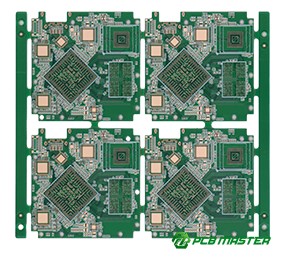
What Is PCB Via in Pad?
Via in pad is a design technique used in PCB manufacturing, where a via is placed directly in the pad of the board. A via is a small hole that connects different layers of a PCB, allowing electrical signals to pass between them. The pad is the area on the PCB where electronic components are soldered. In the via in pad design, the via is positioned inside the pad itself, instead of being placed in an area between pads. This technique is commonly used in HDI (High-Density Interconnect) PCBs, where space is limited and the demand for miniaturization is high. The goal is to allow for more compact designs while maintaining performance and functionality.
Role of Vias in PCB Design: Introduction to vias and their general purpose in PCB design
Vias are essential in PCB design because they provide a way to connect different layers of the board, allowing electrical signals to travel between them. Without vias, PCBs would be limited to only a single layer, restricting the complexity and functionality of the board. Vias are created by drilling small holes through the PCB and then coating them with conductive material, like copper. These vias help ensure that the components on different layers of the PCB are electrically connected, which is crucial for high-speed circuits and complex designs. There are different types of vias, such as blind vias, buried vias, and through-hole vias, each serving specific purposes depending on the design needs.
What Makes Via in Pad Unique? Clarifying how vias are positioned directly in the pad, and why this differs from conventional PCB via placement
The key feature that makes via in pad unique is that the via is positioned directly inside the pad, the area where a component’s lead or pin is soldered. This is different from traditional via placement, where vias are typically placed between pads or in areas that don’t interfere with the component’s placement. By placing the via in the pad, the space on the PCB is used more efficiently, making it easier to fit components in tight spaces. This is especially important in HDI PCBs, where space is limited and design density is high.
However, placing vias in pads can lead to challenges, such as difficulties in soldering and the risk of weak connections. To mitigate these issues, vias in pads are often filled with conductive or non-conductive materials to prevent solder from flowing into the via during the soldering process. This unique approach allows for compact designs while maintaining electrical integrity, but it also requires more advanced manufacturing techniques to ensure reliable performance.
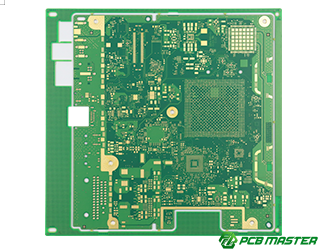
Why Is Via in Pad Used in HDI (High-Density Interconnect) PCB Design?
Via in pad is used in HDI PCB design to maximize space efficiency, reduce signal path lengths, and enable the integration of more components in compact, high-performance electronic devices.
High-Density PCB Design Challenges: Why HDI designs need compact, high-performance solutions
HDI PCBs are used in electronic devices that require a lot of functionality in a small space, such as smartphones, tablets, and wearable devices. As technology advances, devices become smaller and demand more components to fit within limited space. HDI PCB design faces the challenge of incorporating these high-performance components while maintaining compactness and efficiency. Traditional PCB designs with larger traces and gaps between components can no longer meet the demand for miniaturization and high-speed performance. This is where via in pad technology comes into play—offering a solution for achieving compactness without compromising performance. It allows designers to pack more components onto a single board, making it possible to build more advanced, smaller devices.
Space Efficiency: How via in pad allows for more compact designs, critical in modern electronics like smartphones and wearables
In HDI PCB design, space efficiency is a top priority. Every millimeter counts, especially in modern devices like smartphones, wearables, and medical devices. Via in pad technology helps achieve this by placing the via directly in the pad, which is the location where components are soldered. By doing this, designers can make better use of the limited space available. This compact design allows more components to be integrated into the PCB without making the device larger. For example, in smartphones, via in pad technology helps keep the PCB footprint small while supporting advanced functions such as high-speed processing and wireless connectivity. This space-saving feature is vital for ensuring that devices remain thin and lightweight while offering powerful performance.
Signal Integrity Benefits: How via in pad helps with shorter signal paths and reduced signal loss in high-speed circuits
Signal integrity is a crucial factor in HDI PCB design, especially for high-speed circuits found in devices like smartphones and laptops. The longer the signal path between components, the greater the risk of signal degradation and noise. Via in pad technology helps by reducing the length of the signal path. Since the via is placed directly in the pad where components are soldered, it shortens the path between layers, improving the signal’s quality and reducing loss. This is especially beneficial for high-speed circuits, where even small delays or interference can negatively affect performance. For instance, in wireless communication circuits or processors, maintaining clean, fast signals is essential, and via in pad design plays a key role in preserving that integrity.
Cost vs. Benefit: Weighing the cost of via in pad against the benefits it brings to high-density boards
While via in pad provides several significant benefits, it comes with a higher cost compared to traditional PCB designs. The process of filling the vias and ensuring they are properly aligned and soldered adds complexity to the manufacturing process. Additionally, special materials and techniques are needed to prevent issues like solder bridging or via contamination during the soldering process. However, the benefits of using via in pad often outweigh the extra cost. For high-density boards, where space is at a premium, the ability to integrate more components in a smaller area can lead to improved performance and device miniaturization. The technology is especially valuable in industries where high performance and compactness are crucial, such as the smartphone industry. In the long term, the benefits in terms of device performance, reliability, and size reduction can justify the increased production costs.
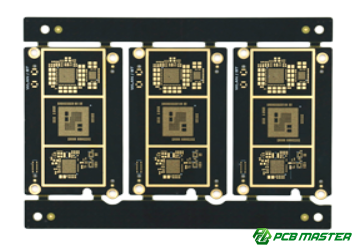
How Does Via in Pad Technology Work in PCB Manufacturing?
Via in pad technology works in PCB manufacturing by drilling small holes directly in the pads, filling them with conductive material, and metallizing the pad to ensure strong electrical connections between layers while maintaining compact, high-performance designs.
Manufacturing Process of Via in Pad: Step-by-step explanation of how vias are placed in pads during PCB production
The via in pad process involves placing a via directly in the pad where electronic components are soldered. This allows for a more compact and efficient design, particularly in HDI (High-Density Interconnect) PCBs. Here’s a step-by-step breakdown of how this technology is implemented in PCB manufacturing:
- Drilling the Via: The process starts by drilling small holes through the PCB where the vias are to be placed. These holes connect different layers of the board. Precision drilling is crucial because the via must be positioned exactly in the center of the pad. This step is essential for creating the right pathways for electrical signals to travel between layers of the PCB.
- Via Filling: After drilling, the holes are filled with a conductive or non-conductive material, depending on the design. The filling process is necessary to ensure the via can effectively conduct electrical signals between layers. In via in pad designs, the via must be filled to avoid any interference during the soldering process and to ensure the pad can hold a strong electrical connection. Via filling techniques can include using special materials to prevent issues like shorts or weak connections.
- Pad Metallization: Once the vias are filled, the next step is metallizing the pad. This means attaching a thin layer of copper or other conductive material around the via to ensure that the electrical connection between the via and the pad is strong and reliable. Metallization helps create a seamless connection between the via and the component that will be soldered onto the pad. This step ensures the via is effectively integrated into the overall PCB design, maintaining both functionality and structural integrity.
Challenges in Via in Pad Manufacturing
- Alignment Issues: One of the main challenges in via in pad manufacturing is the precise alignment of the via with the pad. Any misalignment can lead to defective solder joints, weak connections, or even short circuits. During the drilling process, it’s crucial that the via is positioned exactly in the center of the pad to ensure optimal performance. Even slight deviations can result in functional issues in the final PCB.
- Via Filling Quality: The quality of the via filling process is another significant challenge. If the via is not filled correctly, it can cause issues such as voids or incomplete fills. Voids can lead to weak electrical connections, which may result in signal loss, poor performance, or even failure of the device. Proper filling material and techniques are critical for ensuring the reliability of the via in pad design. If the filling is done improperly, it can also affect the integrity of the entire board.
- Impact on Board Reliability: Poor manufacturing of via in pad designs can significantly impact PCB reliability. Issues like misaligned vias, incomplete fills, or weak metallization can cause problems such as poor solder joints, electrical shorts, or the failure of components. These issues can ultimately reduce the lifespan of the PCB or cause it to malfunction. It’s essential that each step of the manufacturing process, from drilling to filling to metallization, is executed with precision to maintain the reliability and performance of the final PCB.
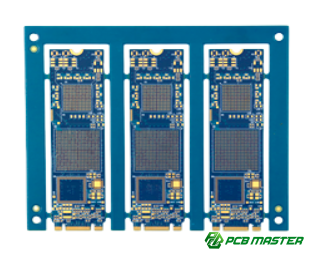
What Are the Key Advantages of Using Via in Pad in PCB Design?
The key advantages of using via in pad in PCB design are improved space efficiency, enhanced signal integrity, reduced inductance for better high-speed performance, and improved thermal management, all of which enable more compact and high-performance electronic devices.
Improved Performance in Compact Designs: Enabling smaller, more complex PCB designs
One of the primary advantages of using via in pad technology in PCB design is the ability to create smaller, more complex circuits. In traditional PCB designs, vias are placed between pads, which can take up valuable space on the board. By placing the via directly in the pad, the design can be more compact, allowing for more components to fit into a smaller area. This is especially crucial for industries like smartphones, wearables, and IoT devices, where space is extremely limited but performance demands are high. The ability to reduce the size of the PCB without compromising on functionality enables the development of advanced, high-performance devices in smaller form factors.
Signal Integrity in High-Speed Applications: How via in pad improves overall signal performance
Signal integrity is a major concern in high-speed PCB designs, especially for high-frequency circuits found in applications like 5G communication or processor boards. Via in pad technology plays a key role in improving signal performance by reducing the length of the signal path. In traditional designs, the vias might add extra distance for signals to travel, which can lead to signal degradation, noise, or interference. By placing the via directly in the pad, the signal path is shortened, which helps maintain the quality of the electrical signals, minimizing the chances of signal loss or delay. This results in a faster, more reliable signal transmission, which is essential for applications requiring high-speed data transfer.
Lower Inductance: How reducing via length contributes to lower inductance and better high-speed performance
Inductance is a property of electrical circuits that can affect the flow of high-frequency signals, causing delays and reducing performance. In via in pad designs, the via length is significantly reduced compared to traditional designs. Shorter vias result in lower inductance, which is particularly beneficial in high-speed applications. The shorter the via, the less resistance there is to the flow of the electrical current, allowing signals to travel more quickly and efficiently. This reduced inductance helps improve overall circuit performance, making it ideal for high-frequency systems like data centers, advanced telecommunications, and consumer electronics that demand rapid and reliable signal transmission.
Enhanced Thermal Management: How placing vias in pads can also improve heat dissipation
Effective thermal management is crucial in high-performance electronics, especially for devices that generate a lot of heat, such as processors and power supplies. By placing vias in pads, designers can help improve heat dissipation. The vias, when properly filled and aligned, create additional pathways for heat to be spread across the PCB more efficiently. This can help prevent overheating and ensure the longevity and reliability of the components. For example, in gaming laptops or smartphones, via in pad designs can be used strategically to direct heat away from sensitive components like the CPU or GPU, ensuring they stay within safe operating temperatures. This benefit is increasingly important as devices become more powerful and compact.
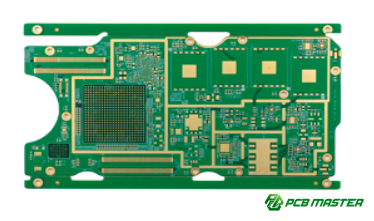
Challenges of Via in Pad in HDI PCB Design: How to Overcome Them
The challenges of via in pad in HDI PCB design, such as increased manufacturing complexity, higher costs, reliability risks, and soldering issues, can be overcome by using advanced via filling techniques, controlled impedance PCBs, proper soldering technologies, and following HDI design best practices.
1. Increased Manufacturing Complexity → Advanced Via Filling Techniques
Challenge: In PCB manufacturing, placing a via directly in the pad adds complexity, particularly during the via filling process. This step requires precise techniques to ensure that the via is properly filled, which introduces extra steps and technical challenges. The increased number of steps can affect overall production efficiency and extend manufacturing time, especially when dealing with high-density designs.
Solution: Advanced via filling techniques, such as conductive and non-conductive fills, help simplify the manufacturing process. Conductive fills are used when the via needs to maintain electrical conductivity, while non-conductive fills are used in cases where insulation is required. These methods ensure that the via is properly filled, maintaining the board’s electrical integrity without introducing excess complexity. By using appropriate filling techniques, manufacturers can ensure high precision while reducing manufacturing complexity, leading to more efficient production without sacrificing quality.
2. Higher Costs → Using Controlled Impedance PCBs
Challenge: Using via in pad technology increases costs because of the additional steps required for via filling, material use, and the potential for higher defect rates. The more complex manufacturing process can lead to increased production costs and decreased yield, ultimately affecting overall profitability.
Solution: To manage the cost increase, designers can use controlled impedance PCBs. Controlled impedance ensures consistent signal integrity by managing the board’s impedance and reducing potential design-related signal loss. This helps maintain high performance while controlling costs. By integrating impedance control into the design, manufacturers can minimize issues caused by via in pad technology, such as signal degradation, and reduce the need for costly fixes. Proper design planning can also streamline the manufacturing process, reducing overall complexity and lowering production costs.
3. Risk of Reliability Issues → Ensuring Proper Soldering
Challenge: Since the via is embedded directly into the pad, improper filling or poor design can lead to soldering problems, potentially compromising the PCB's reliability. If the via is not completely filled or aligned correctly, it can cause weak solder joints, which may lead to component failure or unreliable electrical connections. This is a critical concern in high-reliability applications like smartphones or medical devices.
Solution: To address reliability issues, it is important to adopt advanced soldering technologies. Techniques such as automated X-ray inspection can help detect hidden soldering defects, ensuring that each solder joint is strong and reliable. Additionally, using high-quality solder materials and appropriate soldering temperatures can help avoid cold solder joints or excessive solder. By incorporating these technologies, manufacturers can ensure that the via in pad design remains reliable, enhancing the performance and durability of the PCB.
4. Soldering Challenges → Utilizing HDI Board Design Best Practices
Challenge: During soldering, placing the via directly in the pad may cause issues like cold solder joints or excessive soldering, which can impact connection quality and potentially lead to circuit failure. These challenges are especially prevalent in HDI PCBs, where the design is already highly compact and precise.
Solution: To address soldering challenges, it is essential to follow HDI board design best practices. These include selecting the correct via size, optimizing the pad-to-via ratio, and managing thermal stress during the soldering process. Proper sizing ensures that the via does not interfere with the soldering process, while the pad-to-via ratio affects the flow of solder and the strength of the joint. Additionally, thermal management techniques help prevent overheating, ensuring that soldering is done at the correct temperature to prevent excessive or insufficient solder. These design guidelines help improve soldering quality, reducing potential issues like cold joints and improving the overall reliability of the board.
Conclusion
Via in pad technology plays a crucial role in HDI PCB design, enabling engineers to create smaller, more complex circuits while maintaining high performance. By placing vias directly in the pads, this technique reduces signal paths, improves signal integrity, and enhances overall circuit efficiency, making it ideal for modern electronic devices like smartphones, wearables, and medical devices. Engineers can leverage this technology to push the boundaries of miniaturization and improve functionality, but they must also manage challenges such as manufacturing complexity and increased costs. As PCB designs continue to evolve, we can expect via in pad technology to become even more refined, supporting the next generation of high-performance, compact electronics.
For engineers looking to incorporate via in pad into their designs, it’s important to work with experienced suppliers who can deliver high-quality PCBs. Companies like PCBMASTER, a seasoned PCB and PCBA supplier , are dedicated to providing reliable, cutting-edge products that meet the demands of modern electronics. With their expertise in advanced PCB manufacturing techniques, PCBMASTER helps engineers overcome challenges and achieve the best possible performance in their designs.
FAQ: Common Questions About PCB Via in Pad
What is the difference between traditional via and via in pad?
Core Differences :
| Aspect | Traditional Via | Via in Pad |
| Layout | Vias are placed between component pads or in unused PCB spaces. | Vias are placed directly inside the component’s solder pad. |
| Performance | Longer signal paths may increase inductance and signal loss. | Shorter signal paths improve signal integrity and speed. |
| Manufacturing | Easier to manufacture with less precise alignment and filling. | Requires via filling and metallization within pads, adding complexity and cost. |
2. Is via in pad suitable for all types of PCBs?
Via in pad technology is ideal for HDI (High-Density Interconnect) PCBs and applications where miniaturization and high performance are essential, such as in smartphones, wearables, and medical devices. It’s particularly useful when there is limited space and when performance cannot be compromised. However, it is less suitable for low-density PCBs or simple designs where space isn’t as critical, as the additional manufacturing complexity and cost might not justify the benefits.
3. What are the costs associated with using via in pad in PCB designs?
Using via in pad can increase both manufacturing and design costs:
- Manufacturing Costs: Additional steps are required for via filling, which involves specialized materials (conductive or non-conductive), increasing material costs. The need for precise alignment and metallization also adds to labor and time, increasing production costs.
- Design Costs: The complexity of designing via in pad circuits requires careful planning to ensure proper via placement, sizing, and layer stacking. This can result in higher design fees, especially for high-density or high-performance applications.
- Overall Impact: While via in pad adds value in terms of space efficiency and signal integrity, these benefits come at the expense of higher upfront manufacturing and design costs.
4. How does via in pad improve signal integrity in HDI PCBs?
Via in pad improves signal integrity in HDI PCBs by reducing the signal path length. In high-speed circuits, reducing the distance that a signal travels between layers minimizes signal degradation, noise, and latency, which is critical for high-frequency applications. By placing the via directly in the pad, the distance between the signal source and its destination is shortened, allowing signals to travel faster and more efficiently. This results in improved electrical performance, particularly in 5G, high-speed processors, and advanced communication systems.
5. Can via in pad be used in multi-layer PCBs?
Yes, via in pad can be used in multi-layer PCBs and is particularly beneficial for high-density interconnects (HDI). Multi-layer PCBs often require complex routing to connect various layers, and via in pad allows for more efficient use of space by integrating vias directly into the pads of components. This enables the creation of smaller, more compact PCBs that can accommodate more layers and complex connections. The technology is especially advantageous in high-density applications where traditional via placement would take up too much space, making via in pad an ideal solution for multi-layer HDI designs.
About the Author

Carol Luo
PCB Design EngineerI'm Carol, a PCB Engineer at PCBMASTER with experience in PCB design and manufacturing engineering since 2018. I focus on translating engineering requirements into reliable PCB solutions, with expertise in stack-up design, material selection, and design-for-manufacturing (DFM). I share practical engineering insights from real-world PCB design and production experience.
Visit Carol Luo's Profile